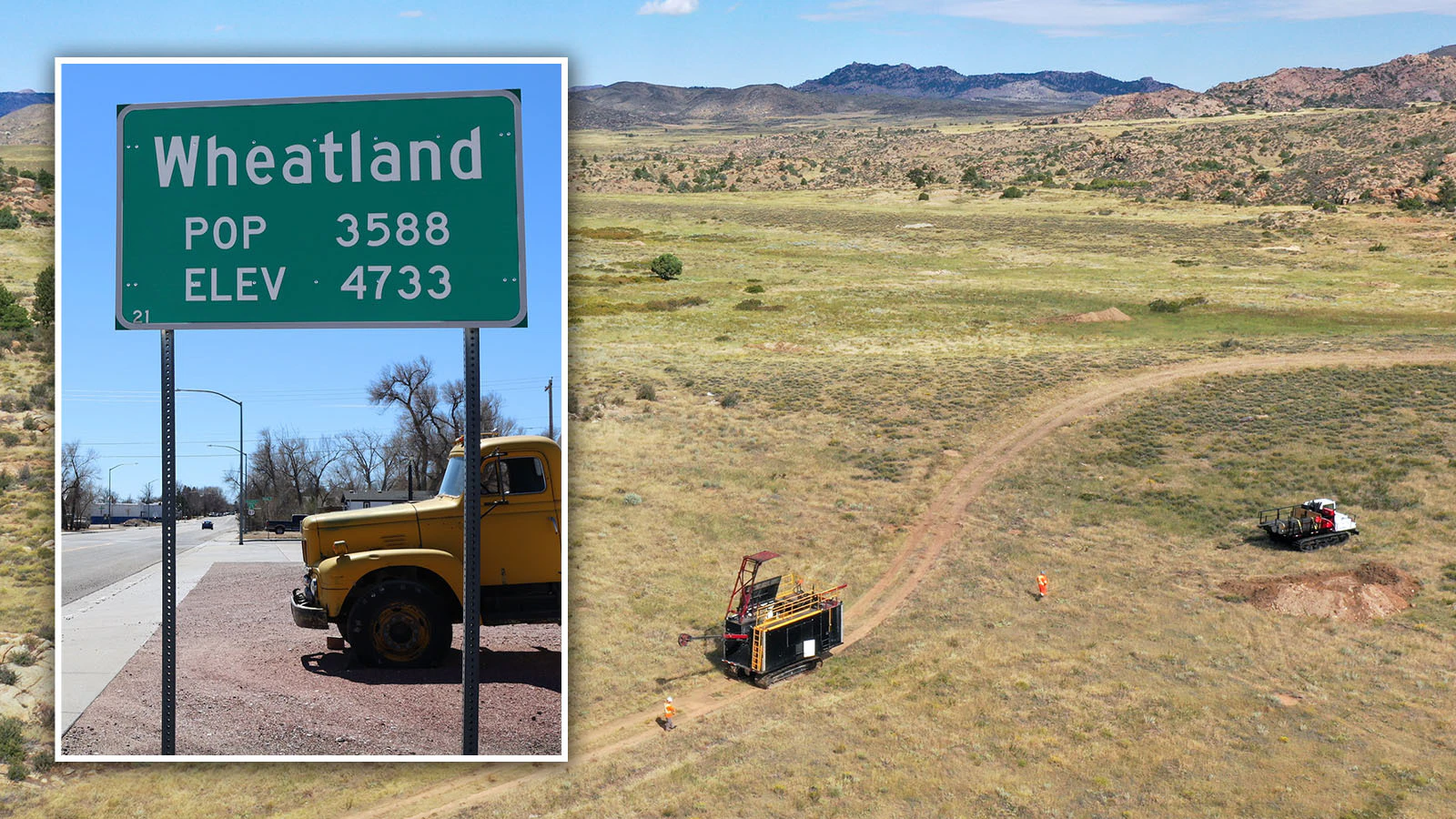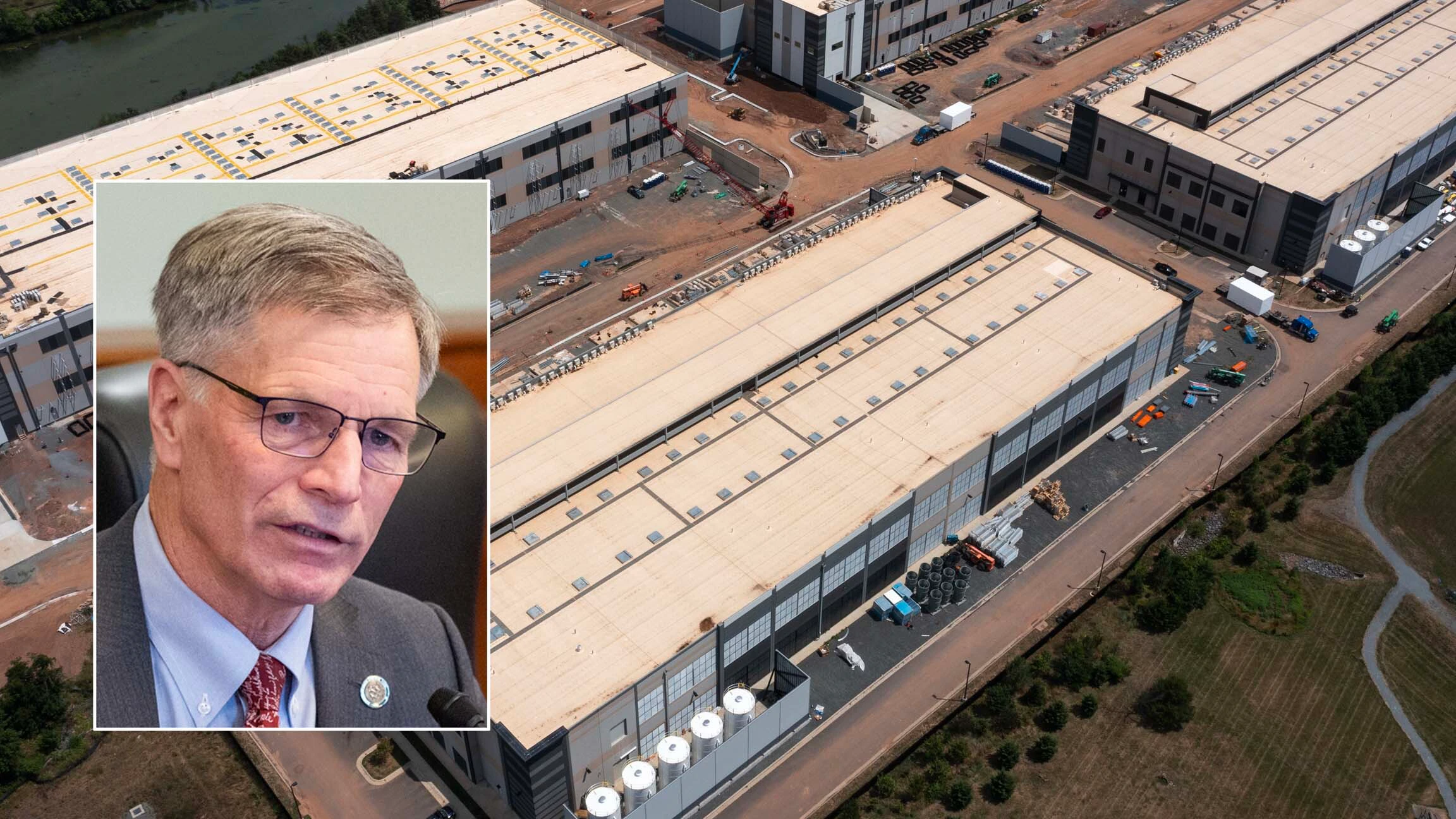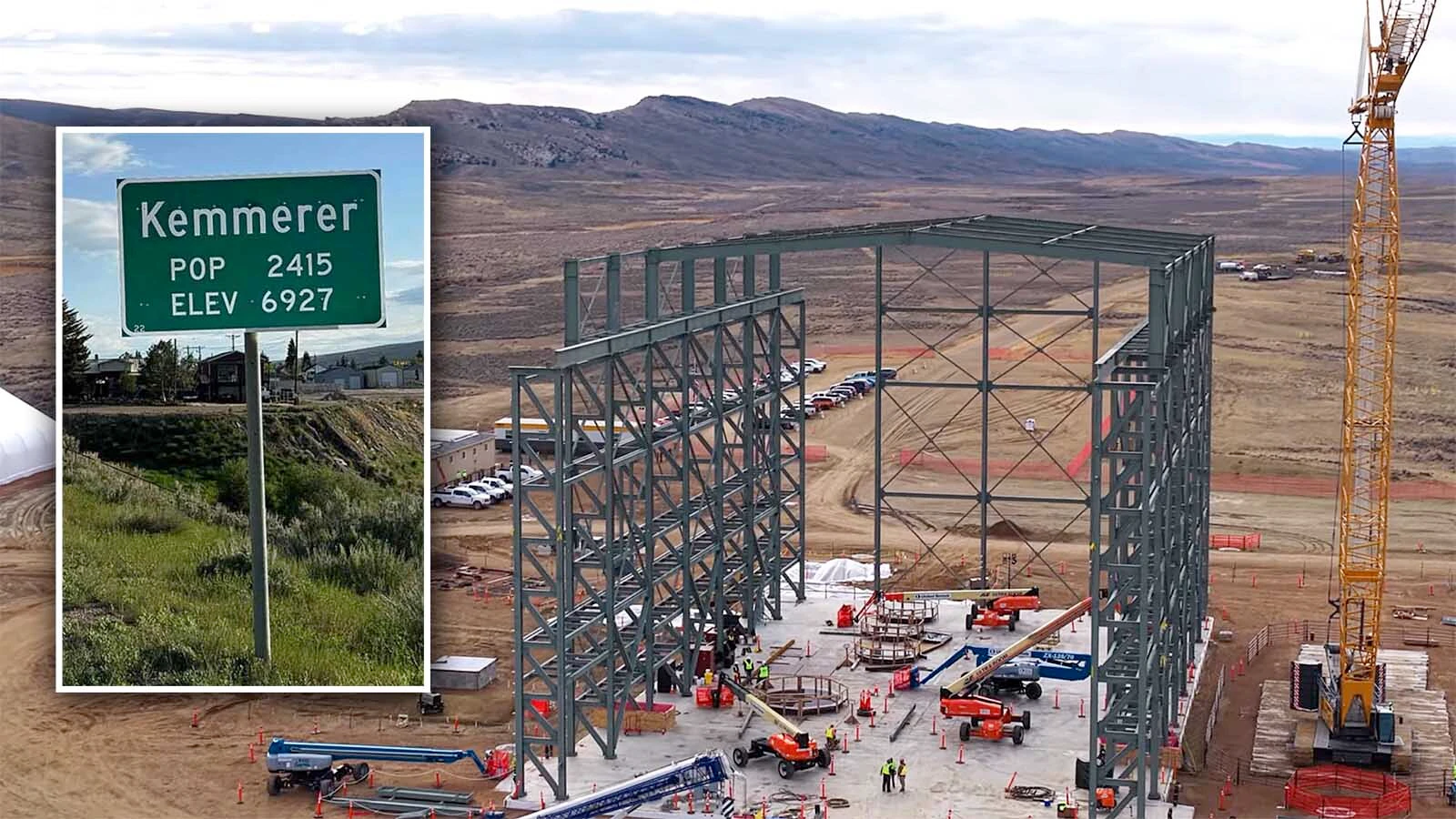
Three of Wyoming’s five statewide elected officials voted Thursday to start a process that could halt two controversial wind leases of state lands in Converse and Niobrara counties and to direct the state Attorney General to withdraw an appeal seeking to defend one of those leases.
Secretary of State Chuck Gray brought two of the motions at Thursday’s State Board of Land Commissioners’ meeting in Cheyenne: one to start a process that could ultimately kill the Pronghorn H2 wind project in Converse County. Gray emphasized a district court judge’s December ruling saying the board broke its own rules to approve that lease.
Gray’s other motion was for the board to direct Attorney General Keith Kautz, who is also a former Wyoming Supreme Court Justice and former district court judge, to withdraw the appeal he’s preparing in defense of the lease.
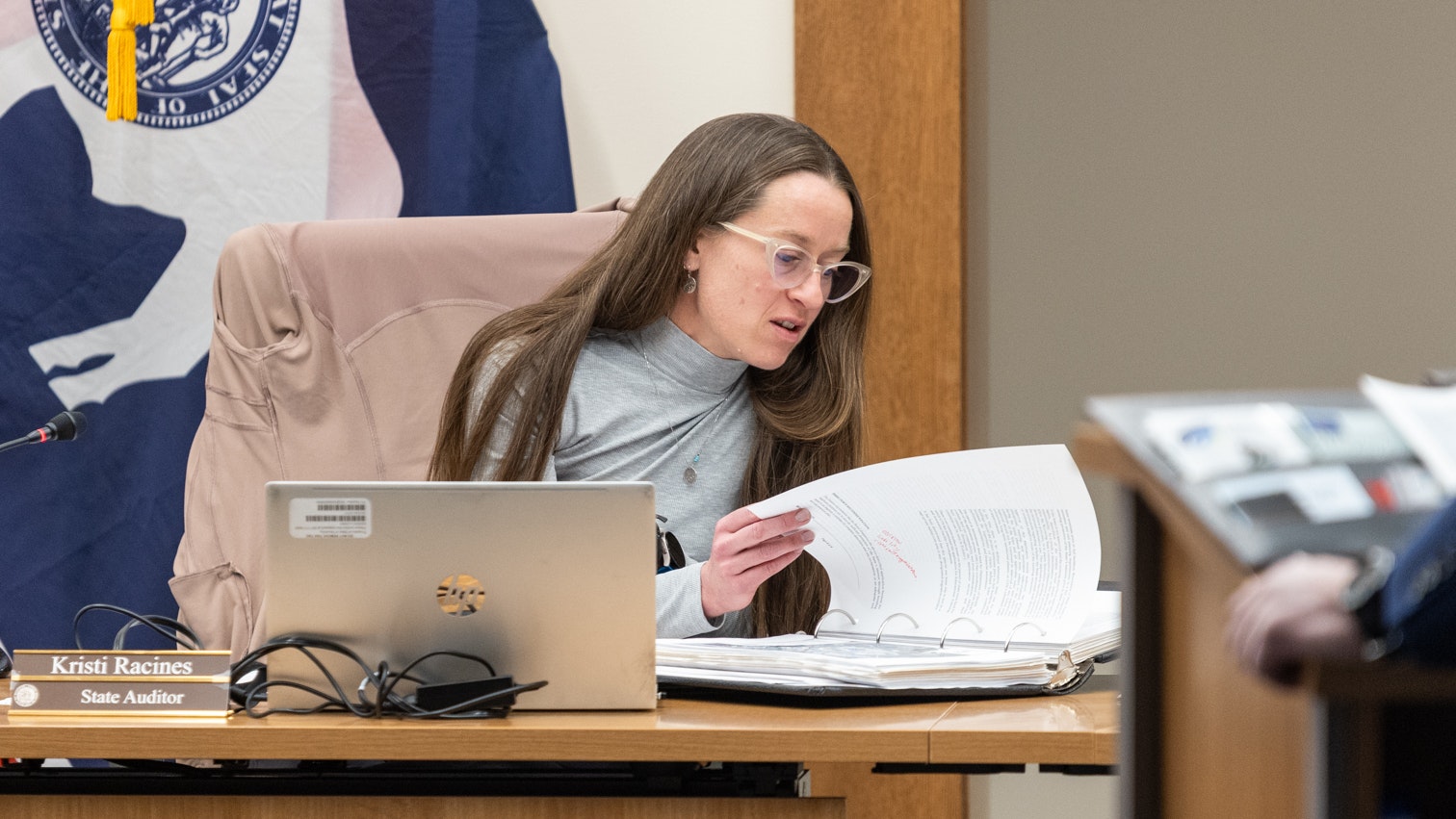
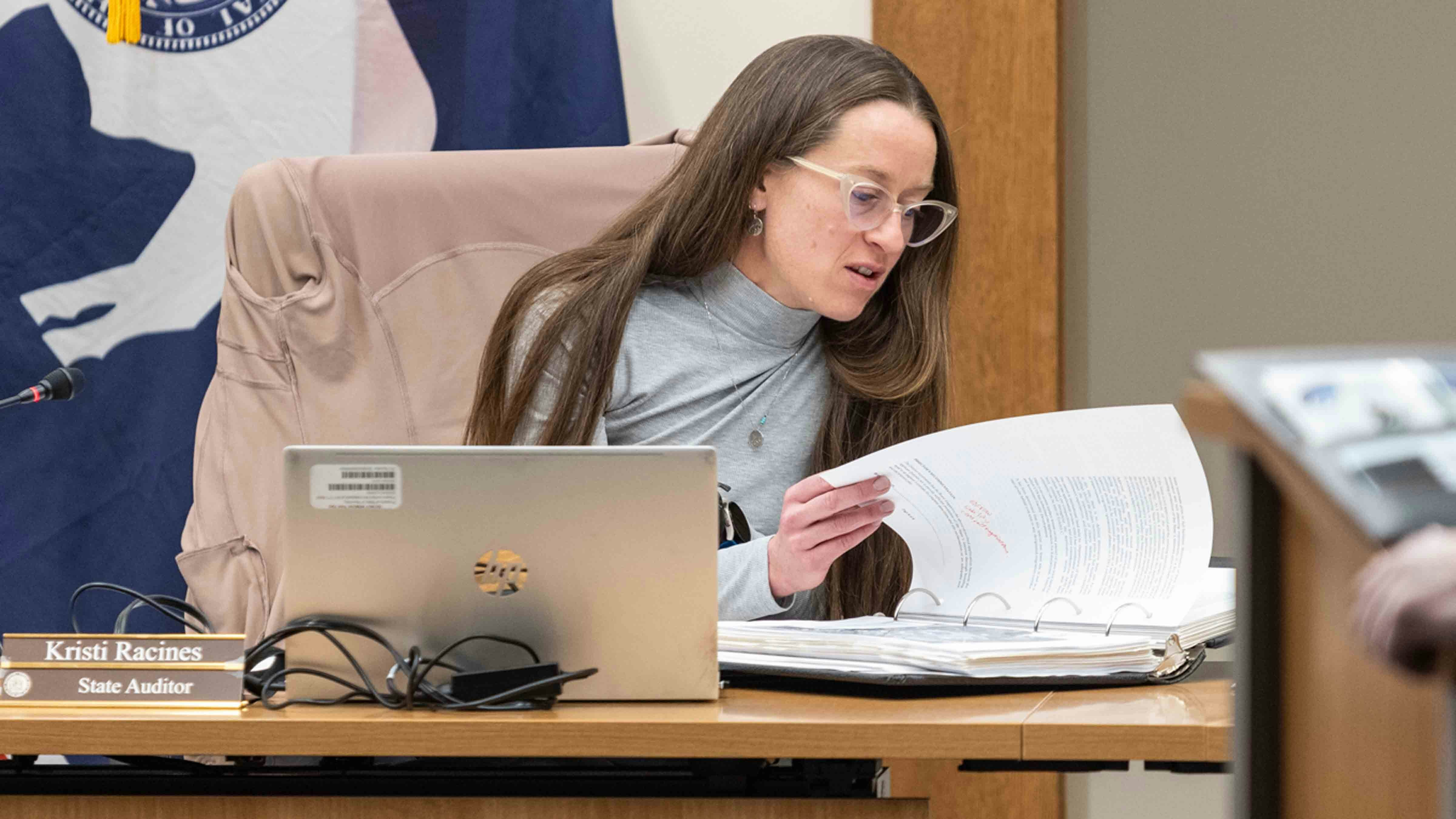
State Auditor Kristi Racines brought a motion of her own, aimed at killing a similar wind lease under the same umbrella company, the "Sidewinder" project slated for Niobrara County. She brought her motion under the same reasoning and confines as Gray’s motions.
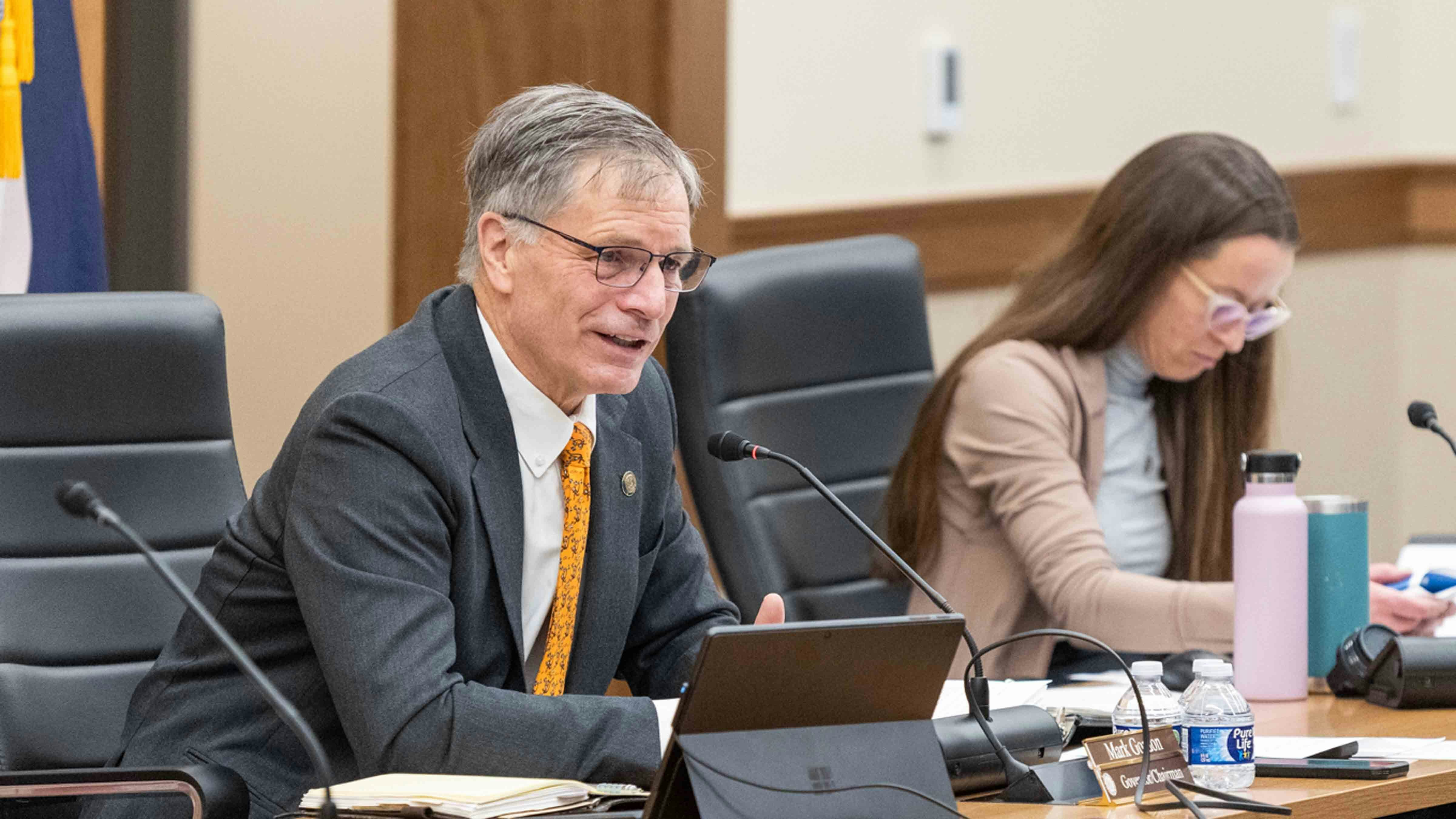
All three motions passed 3-2, with Superintendent of Public Instruction Megan Degenfelder voting alongside Gray and Racines, and Gov. Mark Gordon and Treasurer Curt Meier both voting no.
The about-face follows 10 months of controversy and passionate public debate over the two projects, which are slated to cover several thousand acres of state and other lands.
They Were Going To Sue
Those unfolded after what some members of the public cast as a threat of litigation, and Pronghorn counsel Jeff Pope called a simple reality:
“Pronghorn’s position is that a vote to rescind the leases would be unlawful,” he said. “Should the board vote today, we will be filing a lawsuit today also seeking temporary restraining order, and a preliminary injunction. Based on my prior explanation, we’re bullish on our chances of success there.”
Pope emphasized that though Converse County District Court Judge Scott Peasley struck down the Converse County lease as contrary to the board’s rules, no court has struck down the company’s counterpart, the Sidewinder project in Niobrara County.
But Paul Martin, president of Focus Clean Energy and lead developer on the project, told Cowboy State Daily in a later interview that, since Gray and Racines hinged their motions upon the board's processes of notifying the lessee and giving it time to oppose having its leases pulled, the developer won't be suing - for now.
The earlier promise to sue was based on earlier indications by Gray, that he'd push to rescind the leases outright, said Martin.
"But they did not vote to rescind today; they voted to start a process, so we will most likely wait" and contest the move, Martin said. He added that he doubts the board will prevail.
"We did everything (the Office of State Lands and Investments) asked us to," he said. "Jumped through every hoop they asked us to."
Racines when making her motion to start a process that could kill the Sidewinder project addressed Peasley's order.
“Essentially those leases are the same,” she said. “If lease A is in violation of the law, I’m saying then, lease B is in violation of the law.”
Martin said during his interview that he disagrees with Racines' conclusion.

Changing The Footing
Pope had noted a legal dynamic – that appeals courts review events of past controversies, and agencies can’t go back and tweak their decisions to sway the appeals process.
Members of the public later accused the Pronghorn developers of trying to change its own legal footing, however.
“So all of a sudden the project is changing. It’s just gonna be wind now,” said Bob Giesse, of Lusk, speaking in opposition to the Converse County-based lease.
Pronghorn H2 Clean Energy Project leaders announced in recent days that they’re removing the hydrogen generation component of the project, continuing with wind and solar, and ultimately tying into the power grid, the Douglas Budget reported Wednesday.
The project’s earlier plan not requiring it to feed the energy grid makes it ineligible for the state lease, Peasley’s ruling says.
Pope on Thursday pointed to state laws restricting the terms under which Wyoming can cancel a lease, and the board’s own policies allowing due process for the developer before cancelling.
Gray and Racines formed their motions around those concerns, as a kickoff to the cancellation process – which Pronghorn and Sidewinder developers can contest - rather than an outright cancellation.
Pope had also urged the board to trust its own process, since the Industrial Siting Council still would afford public comment opportunities before permitting the projects.
The Argument
Numerous members of the public, including state lawmakers, wildlife advocates, ranchers and the mayor of Glenrock, urged the board to slow or halt wind production in Wyoming.
Their concerns ranged along myriad themes like the potential effects of infrasound on humans, the potential death toll of eagles, the detriment to the state’s landscape views and tourism, and microparticles from the wind turbines polluting grazing lands and waters.
“I think it’s time for this board to change their decision and step back and look at this really close, sir,” said Glenrock Mayor Bruce Roumell, speaking to the governor. “Because they changed the game – there’s something wrong with this – you guys really need to look at this.”
Roumell and others lamented what they called a lack of community involvement and transparency ahead of the initial lease approval, which was April 3 of last year.
What Next…
Meier warned the board of legal fallout from the reversal. He also told Cowboy State Daily in an interview last month that a reversal could spark a several billion-dollar breach of contract lawsuit and damage the state’s reputation for fair dealing with its investment partners.
“We are a nation of laws,” Meier told the board Thursday. He also said that China and other countries are ahead of the United States for energy production, and it is a matter of national security for the nation to regain energy dominance.
Degenfelder thanked the public for its involvement and said she believes her vote last April was wrong. She pointed to her career in oil, gas and coal industries, and also to her duty under the Wyoming Constitution, to approve profitable projects on state trust lands that will help fund schools.
“I tried to balance (those with each other), and with private property rights,” said Degenfelder, referencing the private landowners abutting the state leases who have chosen to partner with the developers.
Degenfelder countered Meier’s point, saying Peasley’s order gives the board grounds to change course.
“A judge’s ruling has taken place – has identified we are in conflict with the law,” she said. “So that’s a really important thing because I do not want this board to be characterized as setting a bad precedent that our word is not worth anything.”
Gray called the two leases “inconsistent with our values,” and he emphasized that state law allows the board to cancel its own leases if they’re unlawful.
He later texted Cowboy State Daily a statement, which read:
"I'm proud to vote to end the woke wind leases in Converse and Niobrara counties. These woke wind leases violate the Board's rules and are wrong for Wyoming."
He reiterated that he was the lone nay vote last April.
Hey, Lawmakers
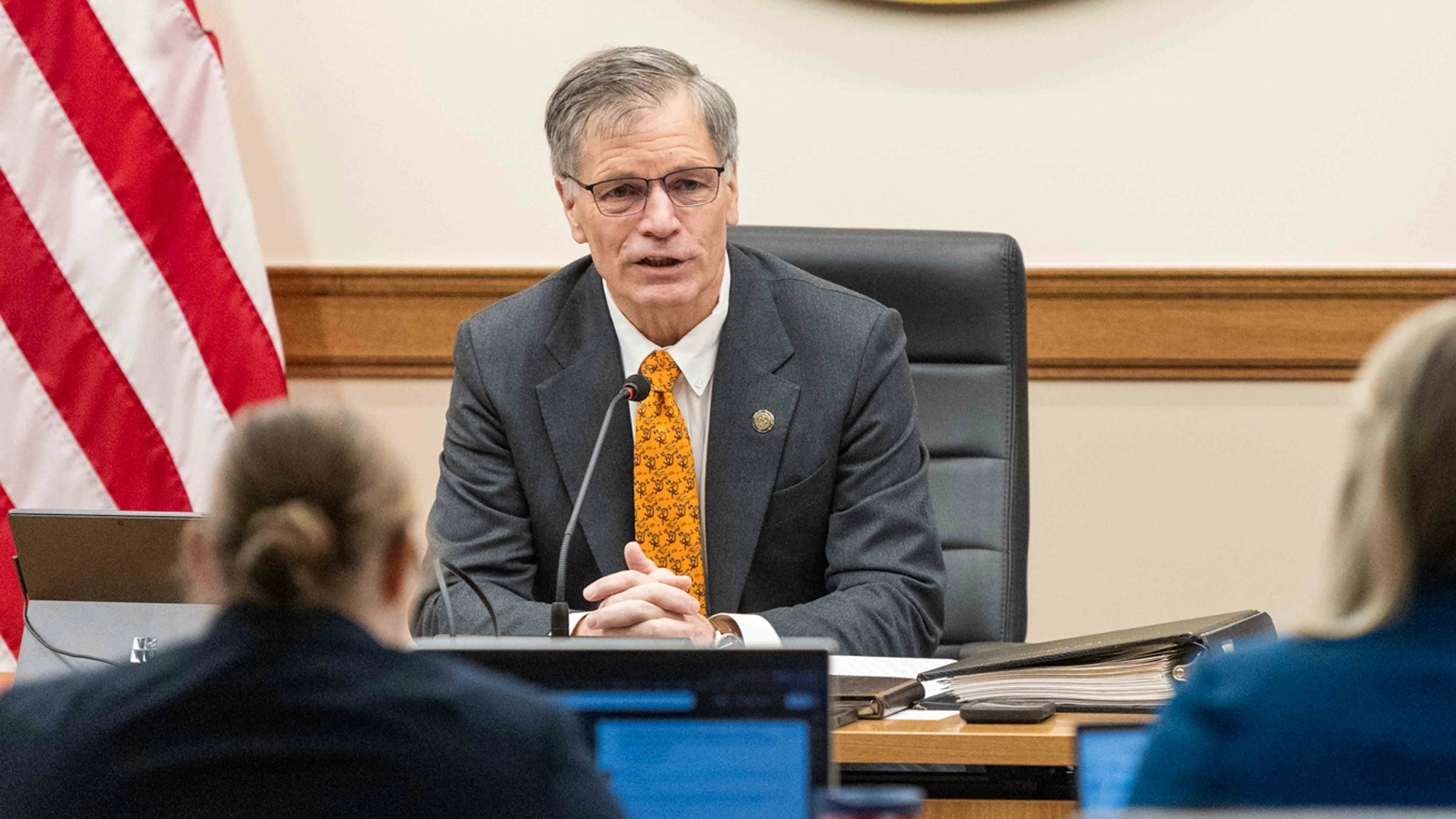
Gordon hinted that the Legislature should resolve some of the broader controversy over wind developments statewide – which one member of the public, Wendy Volk, has called a wind “wall.”
The governor spoke of state Sen. Cale Case, R-Lander, and the lawmaker’s decades-long mission to put severance taxes on wind projects.
Not usually favoring tax hikes, the legislature has resisted Case on that, Gordon noted.
“That has been in front of the Legislature for now, what? Probably 20 years,” said the governor. “So I think it is maybe time that the legislature can consider that.”
Why Did He Appeal In The First Place?
Wyoming Attorney General Keith Kautz told Cowboy State Daily in December that he’d be appealing Peasley’s ruling because it defined the word “including” in a unique way that, if proliferated, could upend the state of Wyoming legal interpretation.
Peasley had dissected the board's rule that allows leasing of land for "the exclusive right to convert wind energy into electrical energy including collecting and transmitting the electrical energy … to the interconnection of the transmission grid."
In the judge’s reading, that word “including” stipulated that those lease projects should feed the grid.
In Kautz’s reading, the word “including” treats the caveat to feed the grid as an option, not a requirement.
Kautz did not immediately return a voicemail request for comment Thursday.
The Sidewinder project is slated for 120,110 acres, of which 19.4%, or 23,290 acres is state land.
The Pronghorn project is slated for 46,000 total acres, of which 13,838 acres or 30%, is owned by the state.
Clair McFarland can be reached at clair@cowboystatedaily.com.