As wildlife research goes high tech, animals might increasingly be spared getting caught in nets or knocked out with tranquilizer darts — and researchers might avoid wearisome hours of data-crunching, or possibly even aircraft crashes.
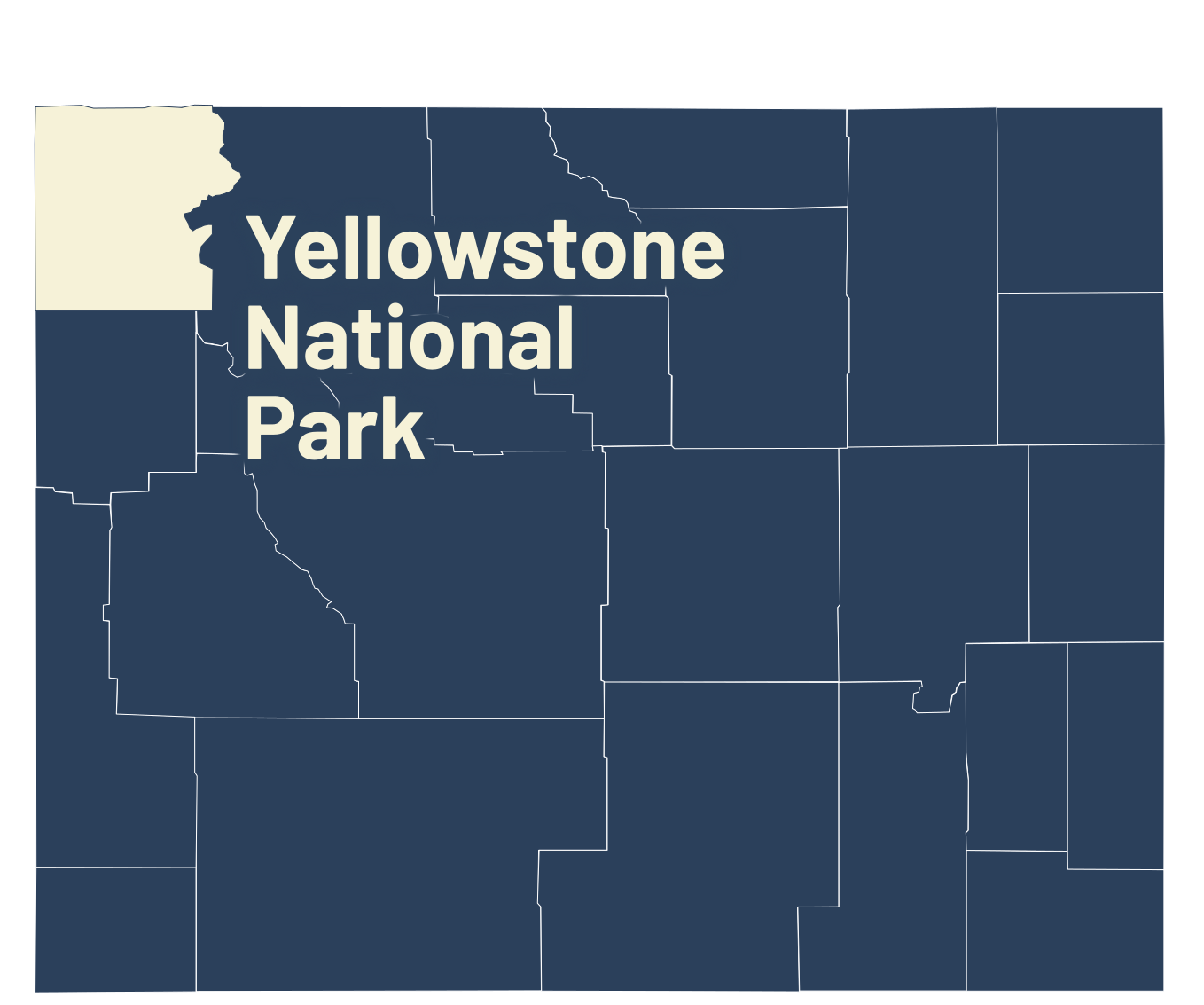
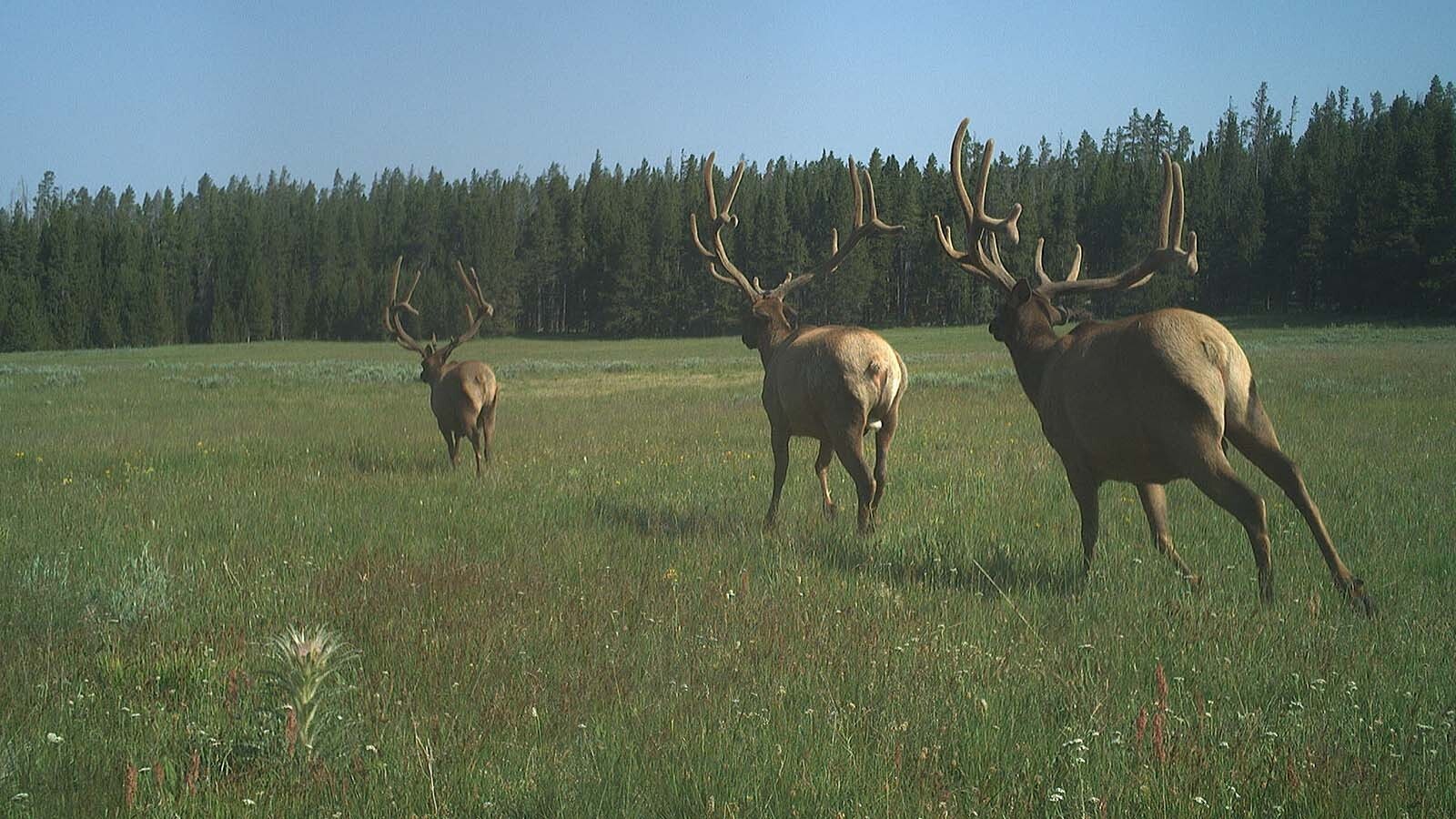
During a recent project in Yellowstone National Park, 120 remote cameras took 2.3 million photos over the course of roughly two months.
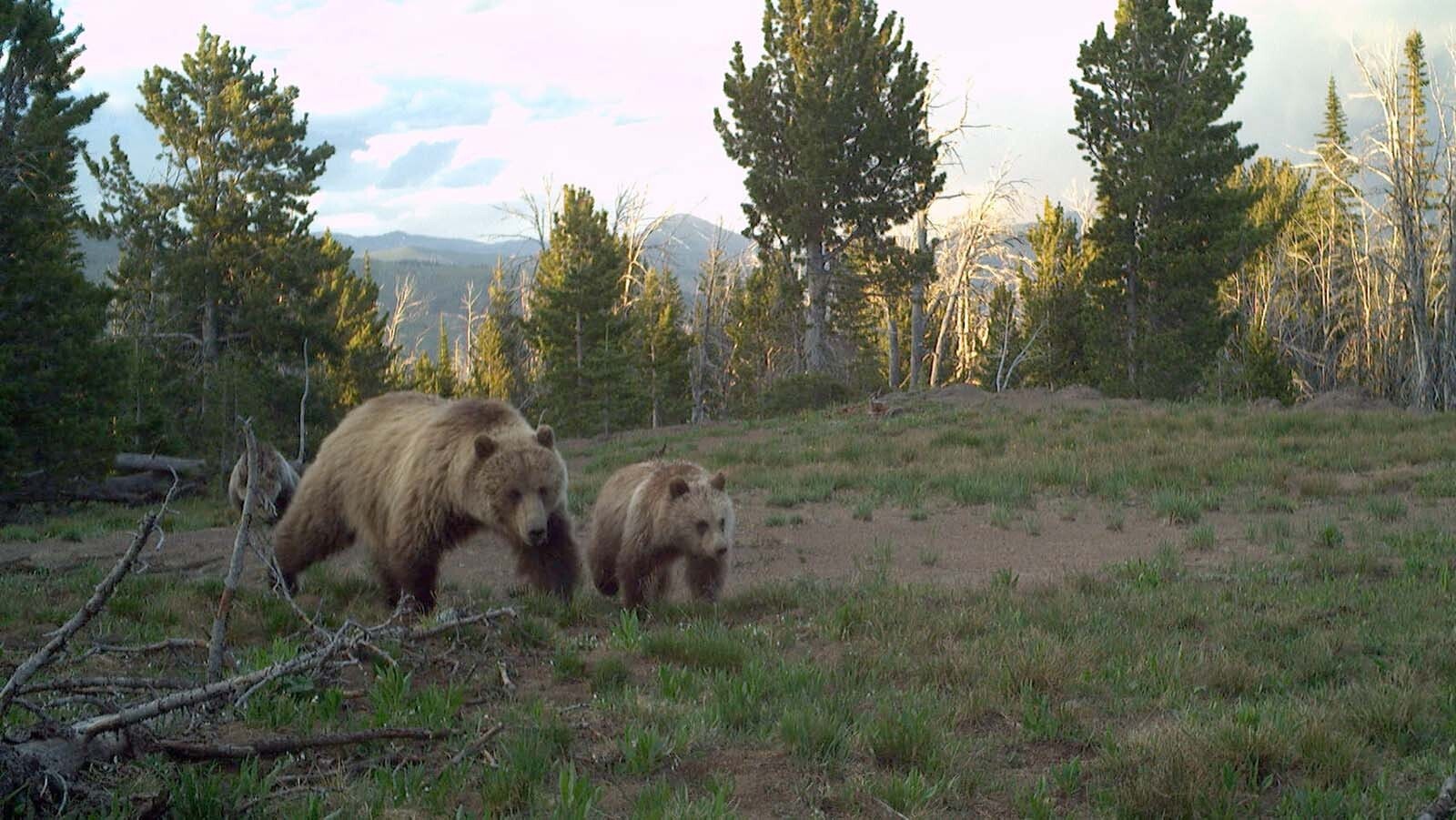
Buried amid that mind-bogglingly huge pile of images was the treasure researchers really wanted: 930 photos of grizzly bears.
Luckily, artificial intelligence-driven software helped researchers whittle the photos down to what they were looking for, Oscar Dalling, a graduate research assistant in the Ecology department at Montana State University, told Cowboy State Daily.
More Technology, Less Risk
Camera traps, or trail cameras, as hunters frequently call them, are nothing new. However, the capacity and durability of the cameras has recently reached the level where they’re suitable for serious backcountry research, Dalling said.
Coupled with AI photo-sorting software, they’re opening up new opportunities for wildlife researchers and ecologists, he said.
“Non-invasive” wildlife research methods – or those that don’t require direct contact with animals – are increasingly an option, Dalling said.
Prominent biologist Frank van Manen, who has studied bears in North America and Japan, agreed that non-invasive methods have promise.
The use of remote cameras dates back at least to the 1990s, but the technology of cameras has greatly improved as of late, he said.
Cameras, AI-driven software and other technology might lessen the need for capturing bears for research, which is time consuming, costly and “labor-intensive,” he said.
And it can have negative effects on the animals, van Manen added.
“Capturing an animal is always stressful to the animal, whether it’s a large grizzly bear, or mice,” he said.
The more researchers take a hands-off approach, the less risk there is to animals, and people, Dalling said.
Airplanes and helicopters are frequently used for aerial animal population surveys, or to drop capture nets on animals.
Sometimes, that doesn’t go as planned.
Recently, two helicopters slammed into each other while trying to land near Parkman in Sheridan County during a Wyoming Game and Fish operation to capture mule deer.
Luckily, nobody was hurt in the crash, but that’s not always the case.
“Dying in an airplane or a helicopter crash is one of the leading causes of death for ecologists,” Dalling said.
13 Photos A Second
The research project he’s working on started with packing cameras into 120 locations in Yellowstone, many of them incredibly remote.
The project had a dual purpose.
First, to help get a clearer picture of the “abundance” of grizzlies, or exact number of bears living in the park.
And other, to see how well the method worked. That being, coupling the remote cameras with other existing methods of collecting data, such as tracking the movements of bears outfitted with radio collars.
Dalling and seven technicians working with him started packing cameras in June 2023. By June 2024, they were all in place, ready to start taking pictures all at the same time, that July.
That September, they started taking the cameras down and collecting the memory cards.
Some of the cameras had been set to take photos every time their motion sensors were tripped by something moving close by. Others automatically took photos about every 10 seconds.
Going through all those photos would have been an absolute nightmare. But AI saved the day, Dalling said.
“AI was going through about 13 photos a second,” he said.
It was at least able to pare the images down to only those that had animals in them. And that was an absolute gamechanger, he said.
‘Gee Whiz’ Wolverines
Technicians still had to go through all the animal images to parse out the ones of grizzlies.
“The AI capability to sort images by specific species isn’t quite there yet,” he said.
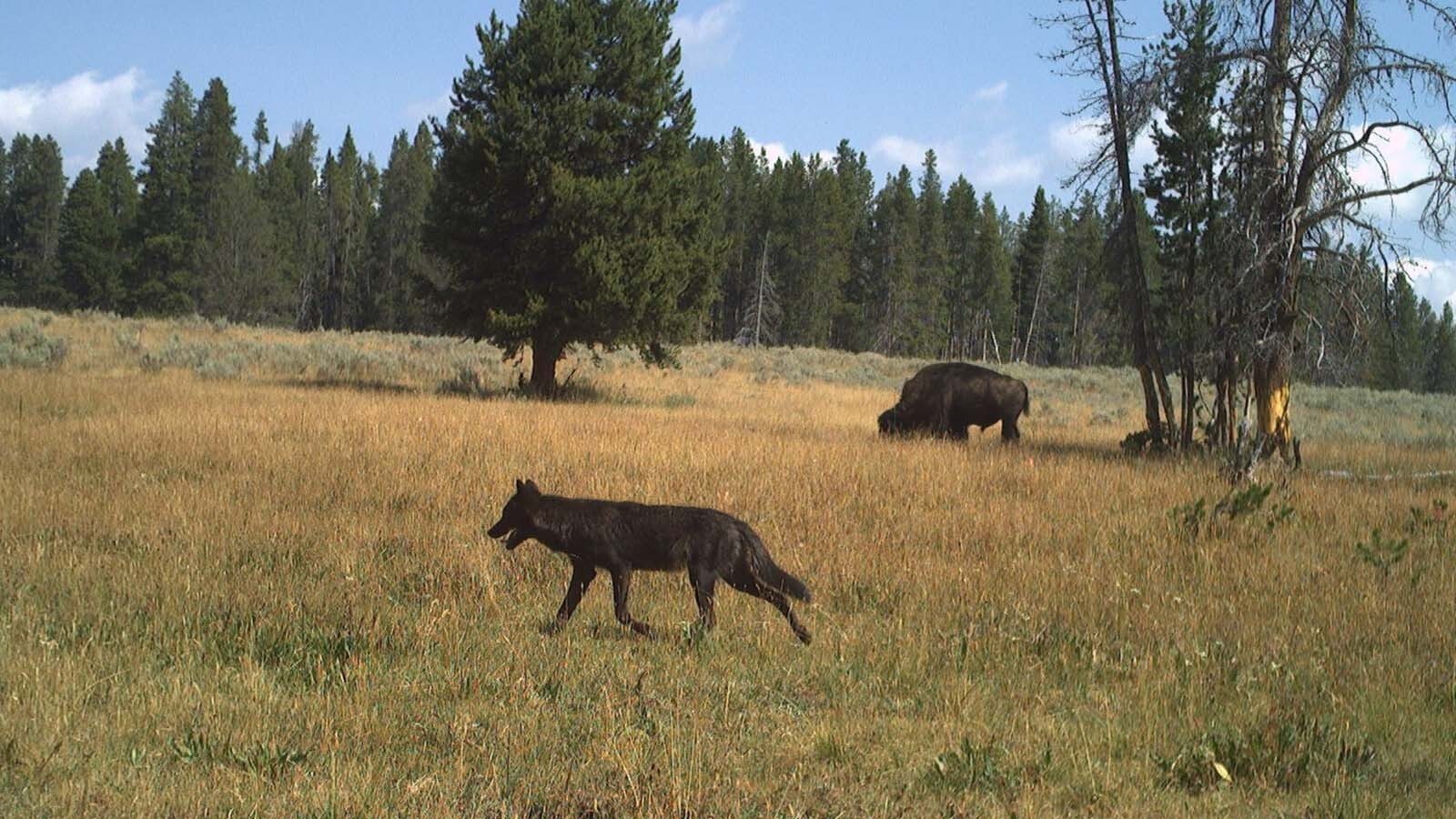
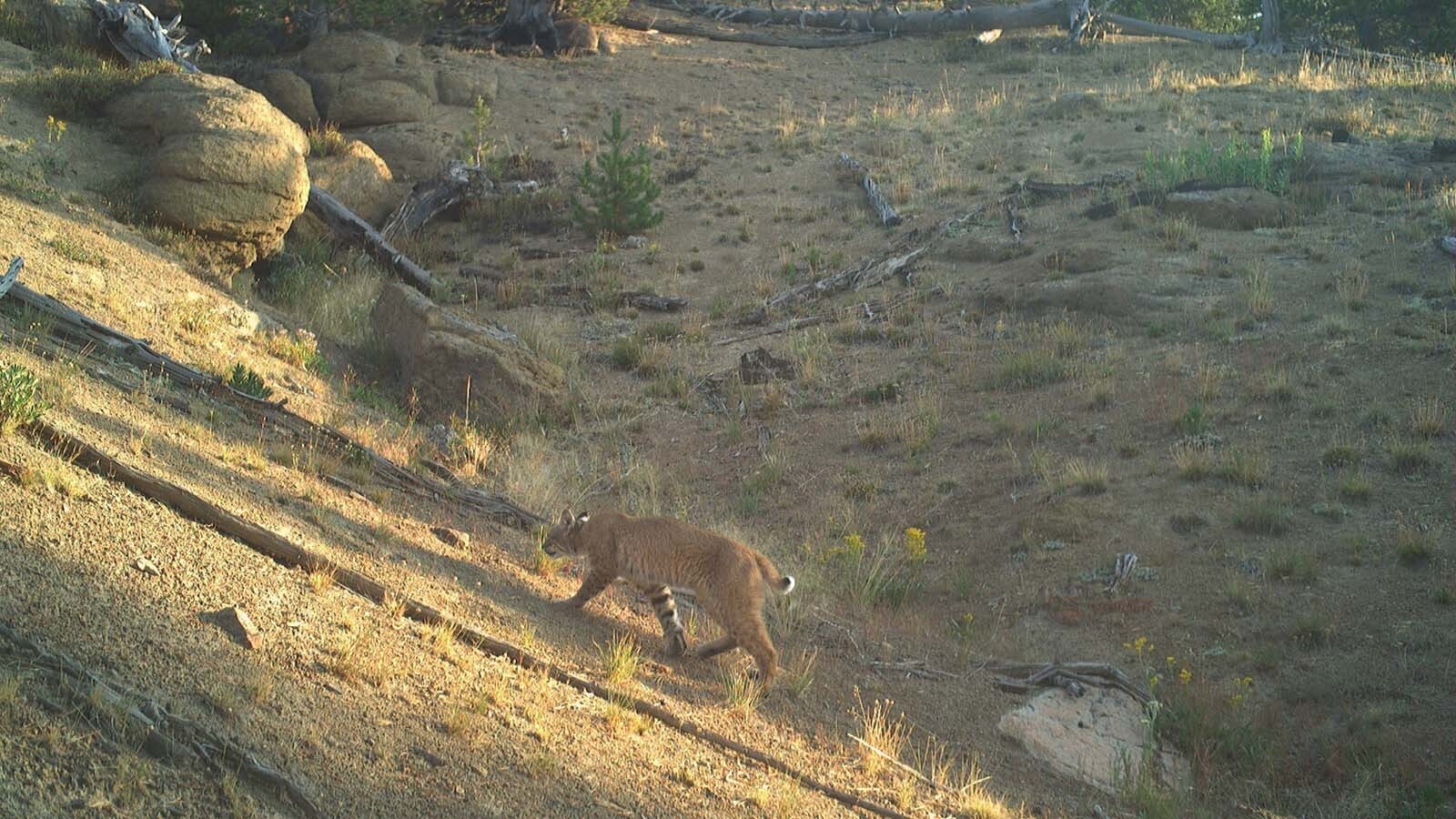
However, going through all the wildlife images wasn’t a bad thing. In fact, it was a bonus, he said.
Though the project is focused on grizzlies, it was still amazing to see the number and variety of animals that were caught on camera. There were even a couple of frames that seemed to show wolverines, which are extremely rare and elusive.
“That was more like a ‘gee whiz, we caught a wolverine image,” Dalling said.
“It’s cool we know they’re out there, but there’s not whole lot we can do with the data,” he added.
It will probably take another year to go through all of the data, and what researchers hope to find is a clearer picture of the number of grizzlies living in Yellowstone, and how effective the remote camera research was.
There are thought to be roughly 1,000 grizzlies in the entire Greater Yellowstone Ecosystem, which includes considerable amounts of habitat outside the park in Wyoming, Montana and Idaho.
But the exact number of bears in the core habitat inside the park isn’t yet clear.
The research aims to give a better picture of that, as well as acting as a test case for the effectiveness of using camera traps and related technology, Dalling said.
That could have broader applications across the entire ecosystem, he said.
Things Have Come A Long Way
There have been other advances in wildlife research, including possibly using AI facial recognition to identify individual grizzly bears. And, collar cameras put on the bears themselves, to give researchers a first-person (or first-bear), real-time view of their activities.
That’s a far cry from how pioneering bear researcher Cliff Bampton described capturing black bears in the Adirondack Mountains in New York State in the 1950s.
He told Cowboy State Daily that they used ether to put bears into a stupor, and his capture team included a college football player who once had to wrestle a bear into submission.
Technology Marches On
Dalling and Wyoming Game and Fish Large Carnivore Specialist Dan Thompson said the march of technology is inevitable. However, grizzly facial recognition software and bear collar cams likely won’t be coming to Yellowstone country anytime soon.
Thompson said AI facial recognition for bears “raises more questions right now that it answers.”
And, although as a seasoned biologist, he’s somewhat wary of technology, he can see how AI can help in other ways.
“There have been some very useful applications of AI to sort through remote camera data and other data management uses that have practicality,” he said.
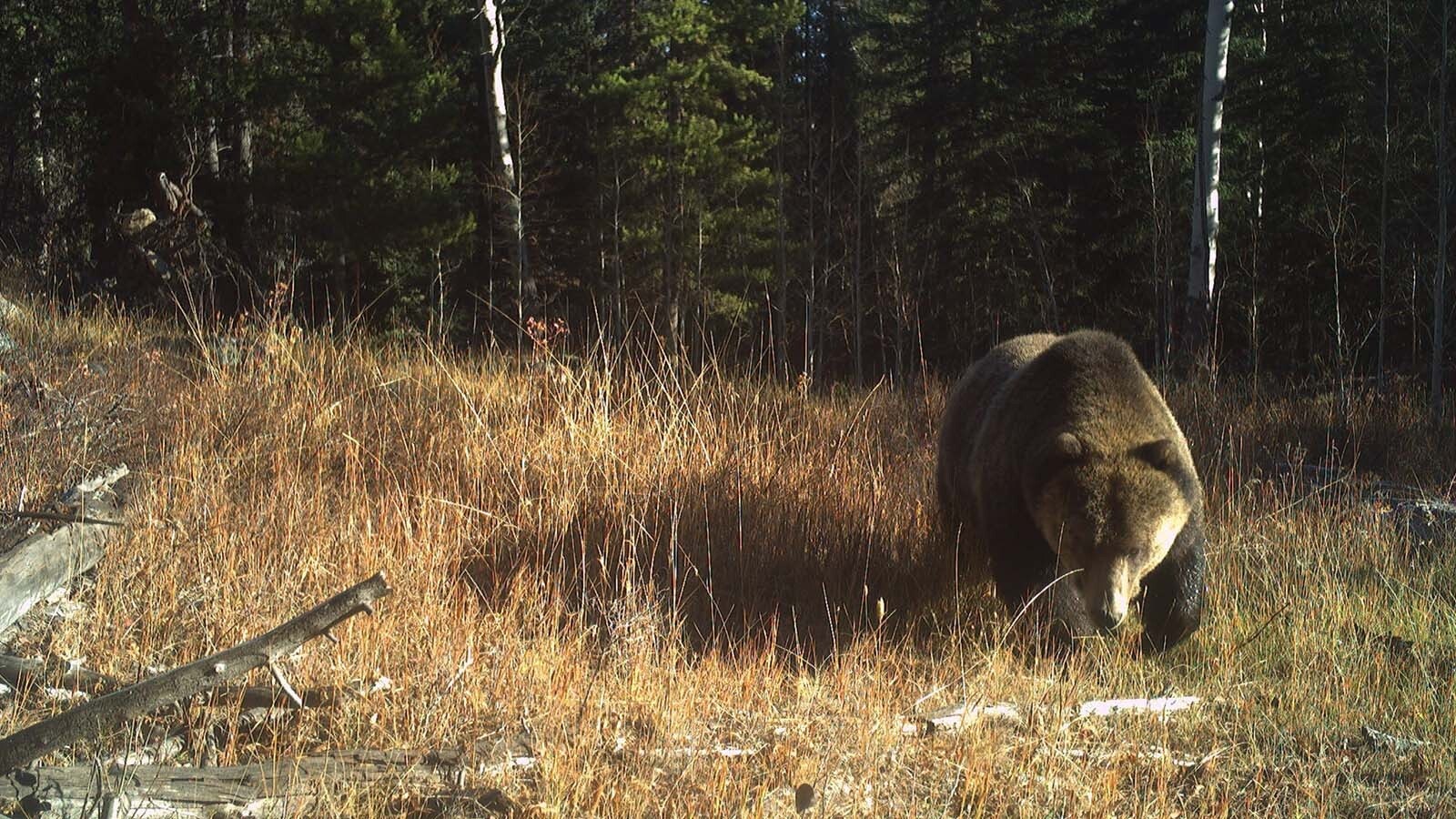
A recent grizzly bear study in Yellowstone National Park involved 120 remote cameras set up around the park, to capture photos of the bears’ activity. (Courtesy Oscar Dalling, Montana State University) 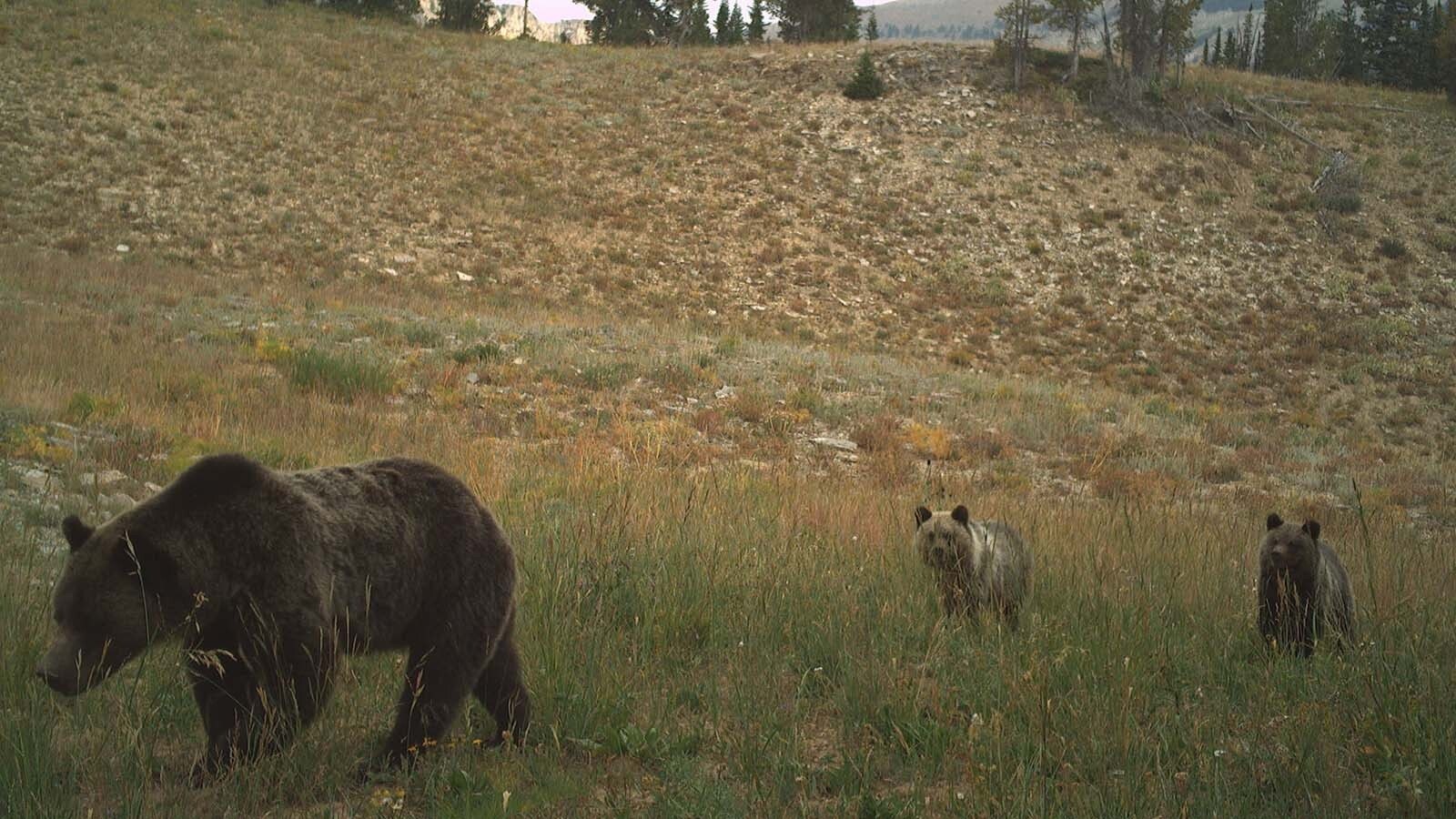
A recent grizzly bear study in Yellowstone National Park involved 120 remote cameras set up around the park, to capture photos of the bears’ activity. (Courtesy Oscar Dalling, Montana State University)
Old And New Methods Combined
One non-invasive method is no more high-tech than barbed wire, van Manen said.
Using barbed wire “corrals” to collect grizzly hair samples, for DNA analysis, was pioneered in Canada in the 1990s, and is still done, he said.
Researchers set out scent bait in a remote area and build a “square, rectangle or triangle” barbed wired corral around it. The wire is set high enough to allow grizzlies to crawl under it.
“When a grizzly crawls under, some of hair gets pulled off by the wire and it doesn’t bother the grizzly,” van Manen said.
DNA samples from hair can help identify individual bears, he said.
Remote cameras have proven effective in identifying individuals of other species, such as tigers, through unique patterns in their fur.
It's “a lot tougher” to identify individual grizzlies just through photos, he said.
AI facial-recognition software installed in cameras should eventually make that easier, he added.
Collar cameras can give researchers a peek into bears’ daily habits and dietary choices and might become more common as technology improves, van Manen said.
However, there will still be some need for capturing bears and examining them directly “for the foreseeable future,” he said.
“I think all of us working in wildlife science want to be the least intrusive that we can be. But there still is a key, important role for the hands-on approach,” he said.
Hands-on examinations can reveal things that other methods can’t, such as the overall health and body fat content of bears, as well as signs of injury or disease, van Manen said.
“You can get some information that you just couldn’t get from, say, remote cameras,” he said.
Mark Heinz can be reached at mark@cowboystatedaily.com.