JACKSON — Stella Zazzara stood at the top of the super-G course at Jackson Hole Mountain Resort, 15 years old and about to throw herself down a mountain.
Asked to assign a human personality to the course stretched out below her — the widely spaced gates, the rollers, the fall line dropping toward the valley floor — she said, “Brave.”
Her teammate Eliza Krugh, also 15, nodded.
“It’s pretty straightforward, so it’s really about who wants it more and who’s gonna push it," she said.
The two Jackson Hole Ski and Snowboard Club racers were among roughly 160 athletes gathered last weekend for the Wes Barron Speed Series, a four-day super-G event that honors a Jackson man who lived for velocity.
They came from Sun Valley and Park City, Snow Basin and Salt Lake City. They came to go fast.
Asked about pre-race nerves, Krugh said they vanish the moment she’s in the starting gate.
“Once I’m on the course, everything’s out,” she said.
Her advice for first timers was direct: “Just send it in a tuck.”
Bad snow years like this one bring fast slopes, as the groomers “become gods,": shaping and maintaining the slopes so they remain fun and fast.
These are the conditions that test young Wyoming racers who go looking for fully immersive speed experiences, like the one that nearly claimed Wes Barron’s thumb.
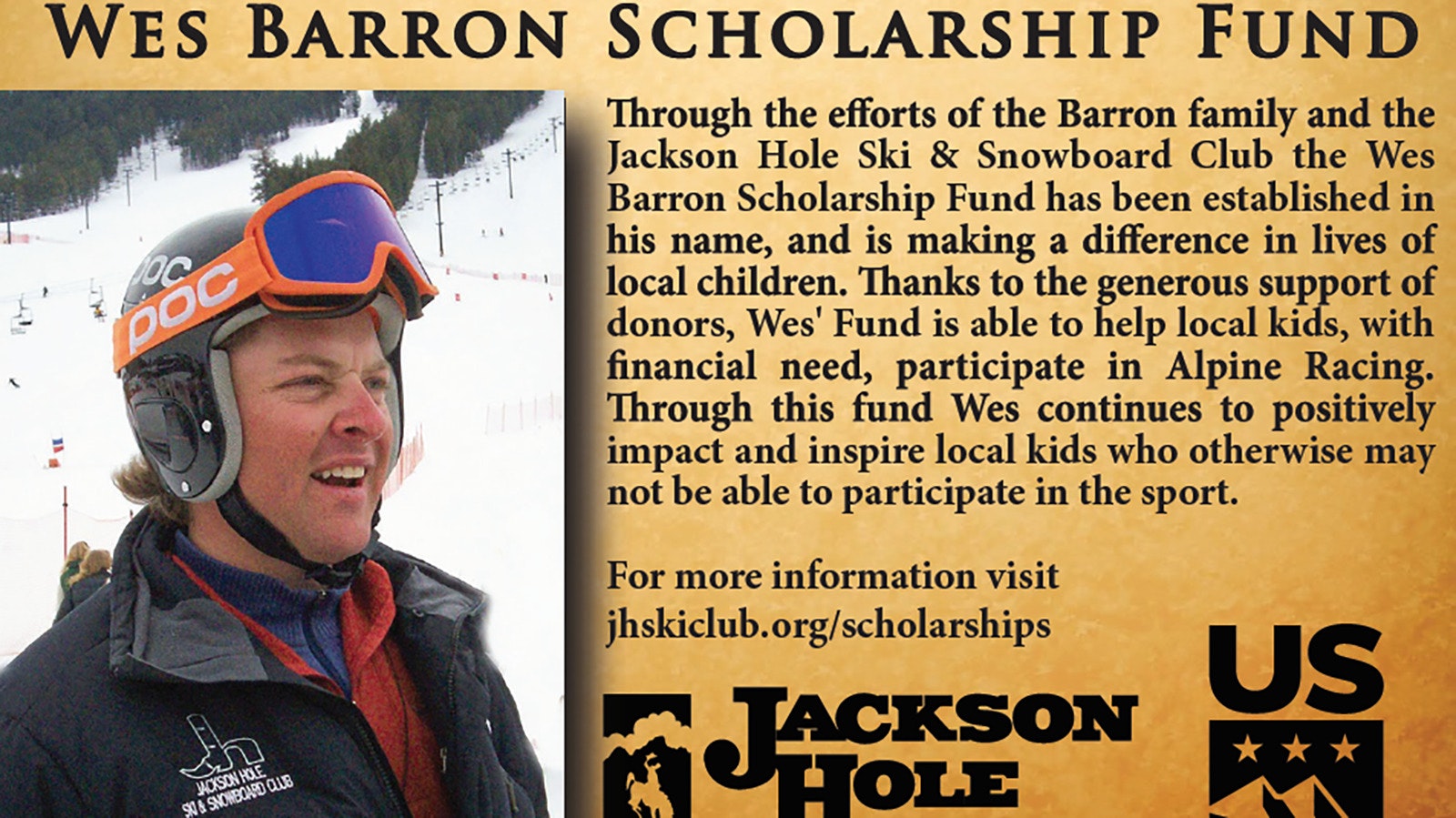
“Wes loved speed,” his father Mark Barron texted Cowboy State Daily. “But even more, he loved his ski club coaches and the club boys and girls he felt privileged to coach, his family and friends!” 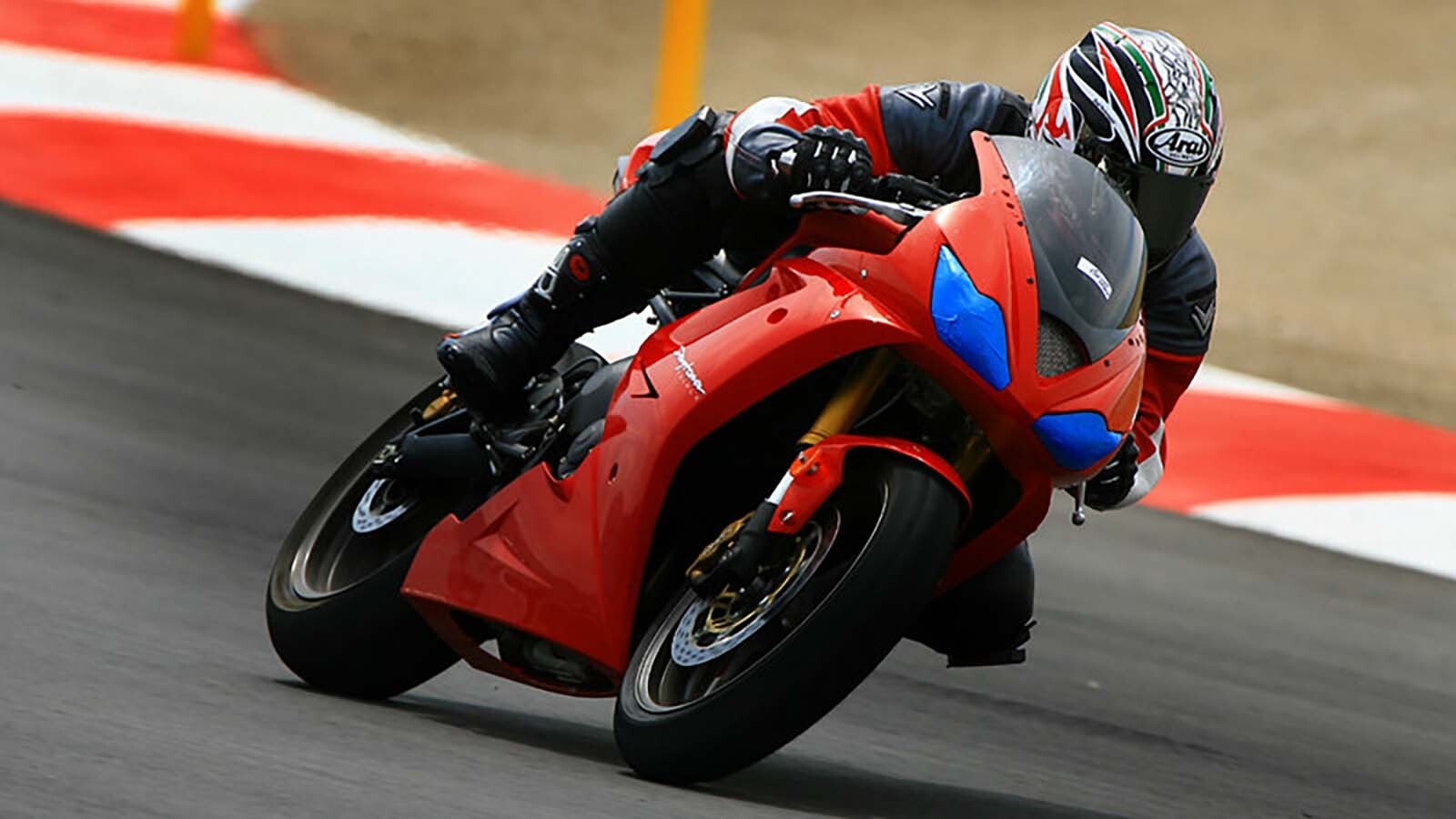
“Wes loved speed,” his father Mark Barron texted Cowboy State Daily. “But even more, he loved his ski club coaches and the club boys and girls he felt privileged to coach, his family and friends!” (Courtesy Photo) 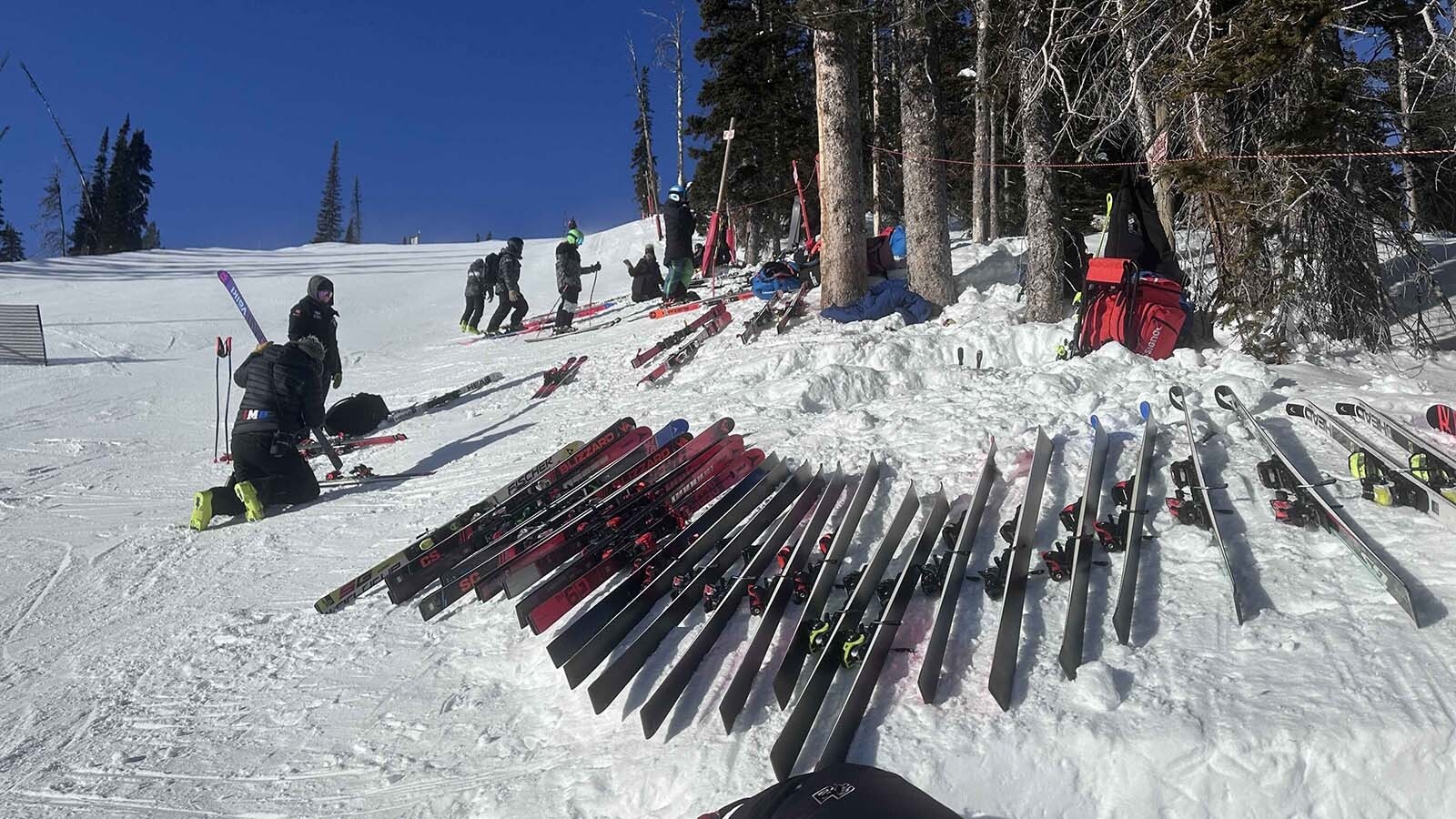
Jackson Hole Ski Club racers Stella Zazzara, No. 120, and Maia Zorkendorfer, No. 4, take on the super-G course during the annual Wes Barron Speed Series. (David Madison, Cowboy State Daily)
The Legend
Wesley Barron developed his passion for speed on Snow King, the steep, cold, north-facing hill that looms over downtown Jackson.
“The colder, the faster the snow. He loved it,” said his father, Mark Barron, the former Jackson mayor. “And if you could get a roller in there so he could get some speed air, that was even better.”
Wes raced with the Jackson Hole Ski and Snowboard Club, training daily on Snow King’s relentlessly steep pitch. He learned to keep the edges of his skis surgically sharp.
“He didn’t like to get stuck in the tedious slalom races,” said Mark. “He liked the super-G.”
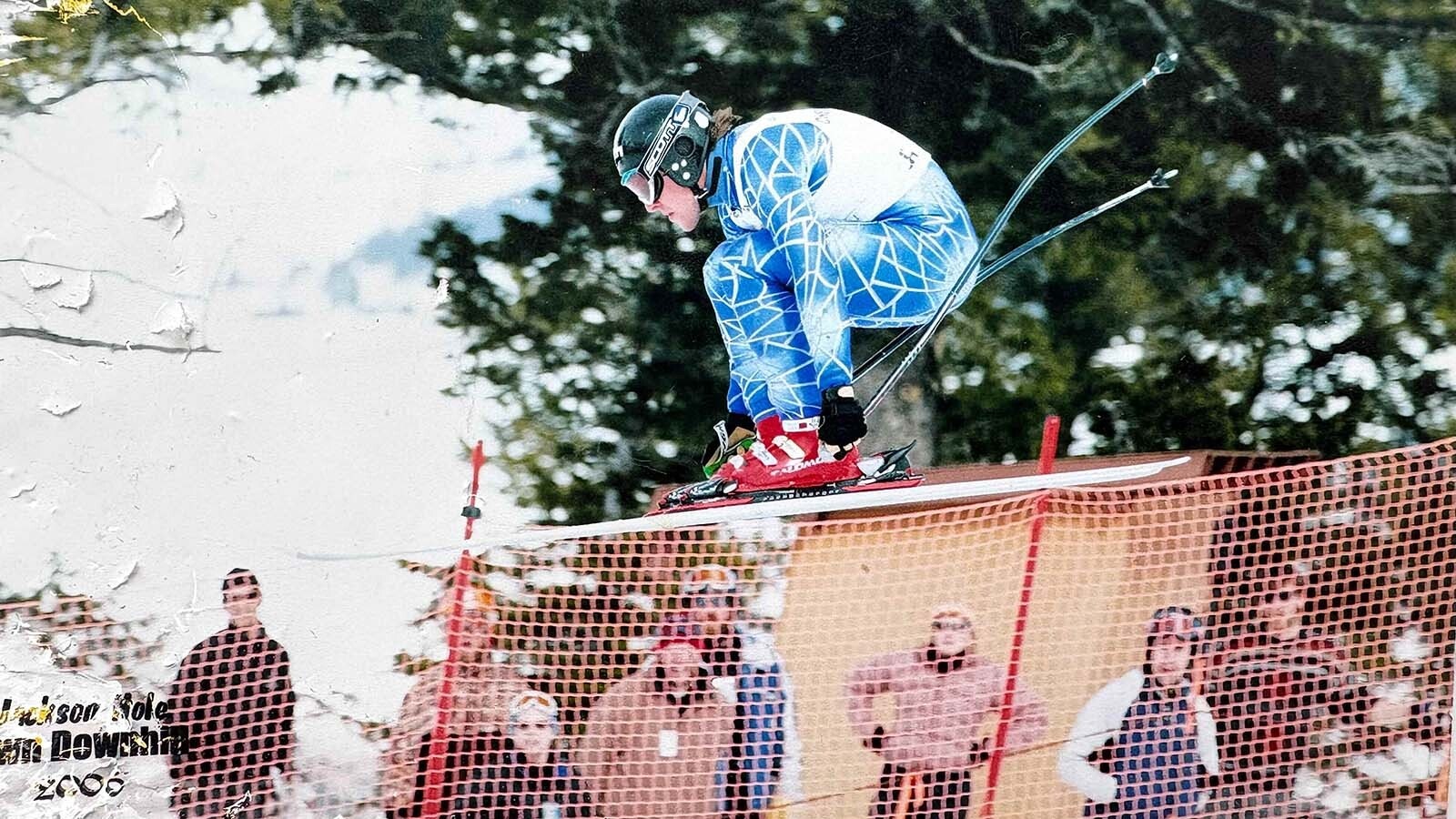
At the 2005 Town Downhill at Snow King, Wes was running third in the second heat when he hit a roller at Old Man Flats carrying serious speed. At a turn near the bottom, he double ejected.
“He came up and kind of walked back up the hill like he was looking for something,” remembered Mark. “As a parent, we’re down at the bottom of the race waiting for him to come down. Didn’t understand what he was looking for.”
As he skied by, Wes told his dad to get the car.
“When he double ejected one of his skis took off the top of his thumb,” said Mark, recalling, “It was kind of funny because I got him over to the hospital and the hospital said it would be useful if you could find his thumb.”
Wes’ stepmother — former Wyoming state representative Ruth Ann Petroff — and their friend Alex Romaine ran up the course just as the race had finished.
“Alex found that little bit of thumb sticking in the snow. Probably had it at the hospital in 20 minutes,” said Mark. Teton Orthopedics reunited the partial digit with the rest of Wes’ hand. Eventually, feeling returned to the once departed flesh, and Wes kept going fast. The Need
After high school, Wes moved to Phoenix for a motorcycle mechanics program and started racing.
In 2007, he crashed hard in Salt Lake City, breaking his arms and pelvis and landing in a coma.
“He came home physically broken, struggling to stand or sit,” Mark Barron said.
But Wes recovered. Then the ski club asked if he’d coach young racers.
Mark Barron said his son had a gift for teaching kids his high-velocity style — how to ride their edges, how to find speed without losing themselves to it.
“He just loved looking out for the younger kids, smaller racers. Just making sure they had every opportunity to excel,” said Mark.
After the 2009 ski season, on June 30, Wes died while rock climbing in Curtis Canyon, soloing without ropes when he fell about 100 feet. He was 26.
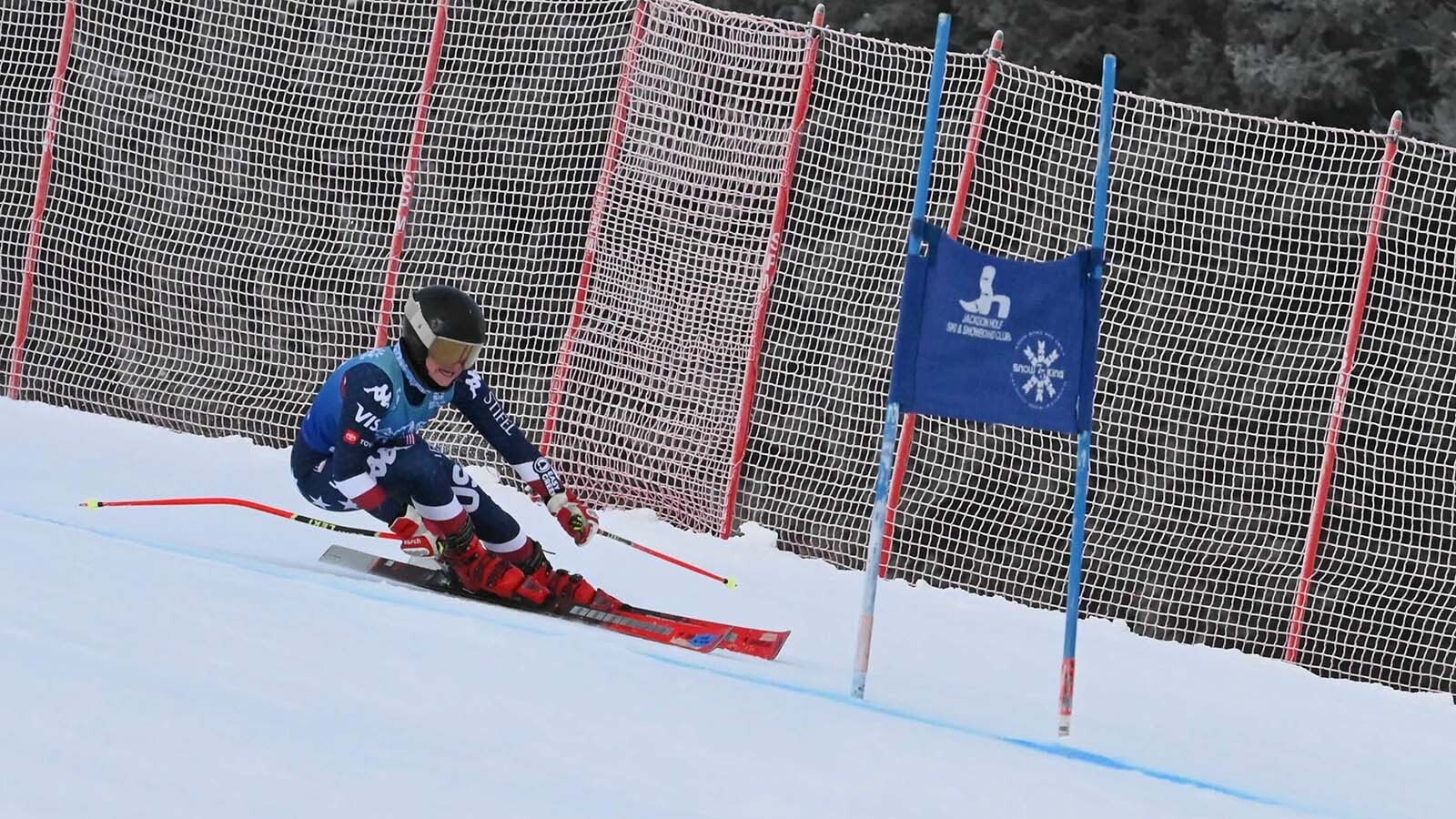
Lucy Wirth, currently one of the fastest racers in Jackson. (Courtesy Laura Paul) 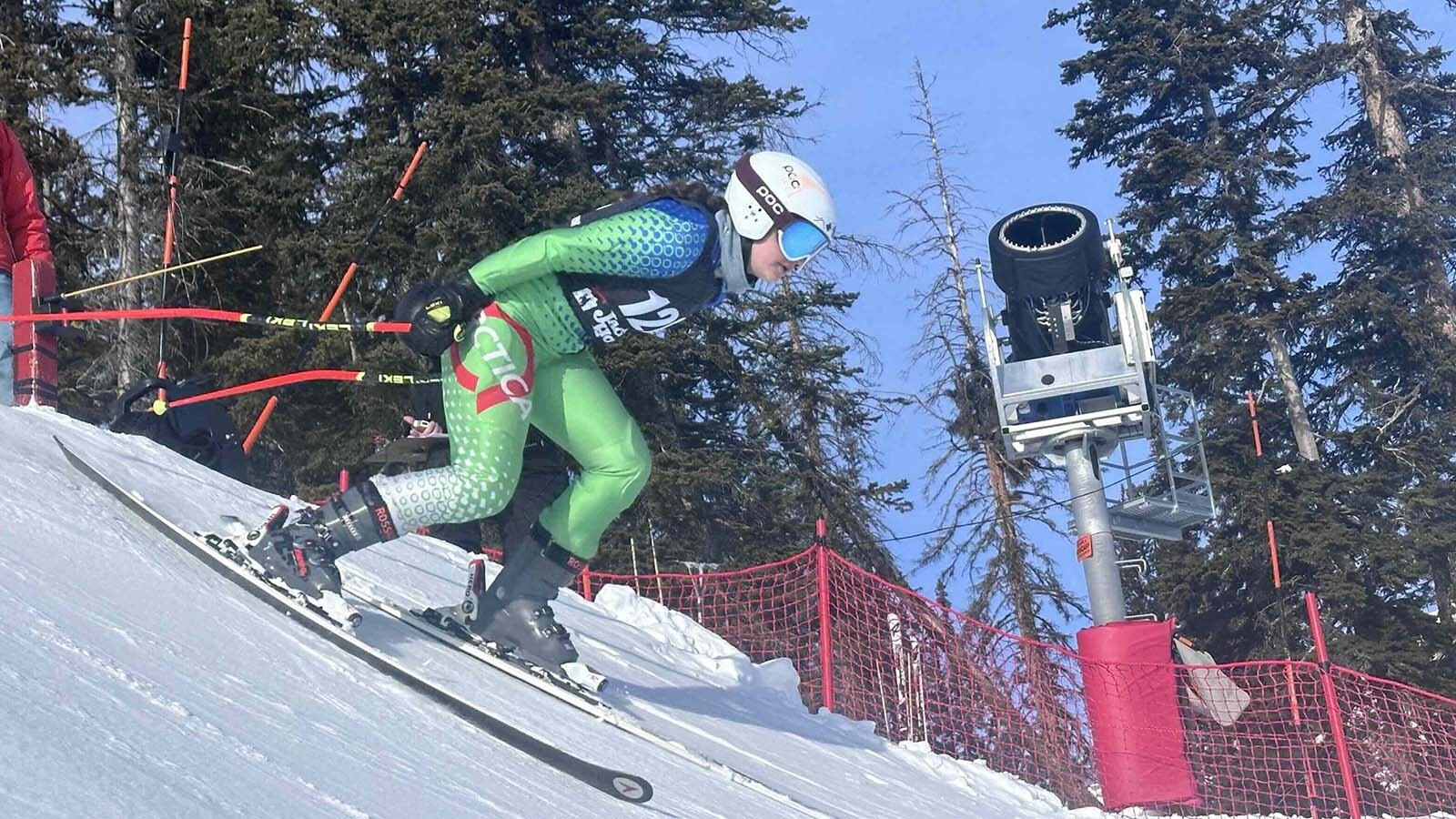
Jackson Hole Ski Club racer Stella Zazzara, No. 120, takes on the super-G course during the annual Wes Barron Speed Series. (David Madison, Cowboy State Daily) 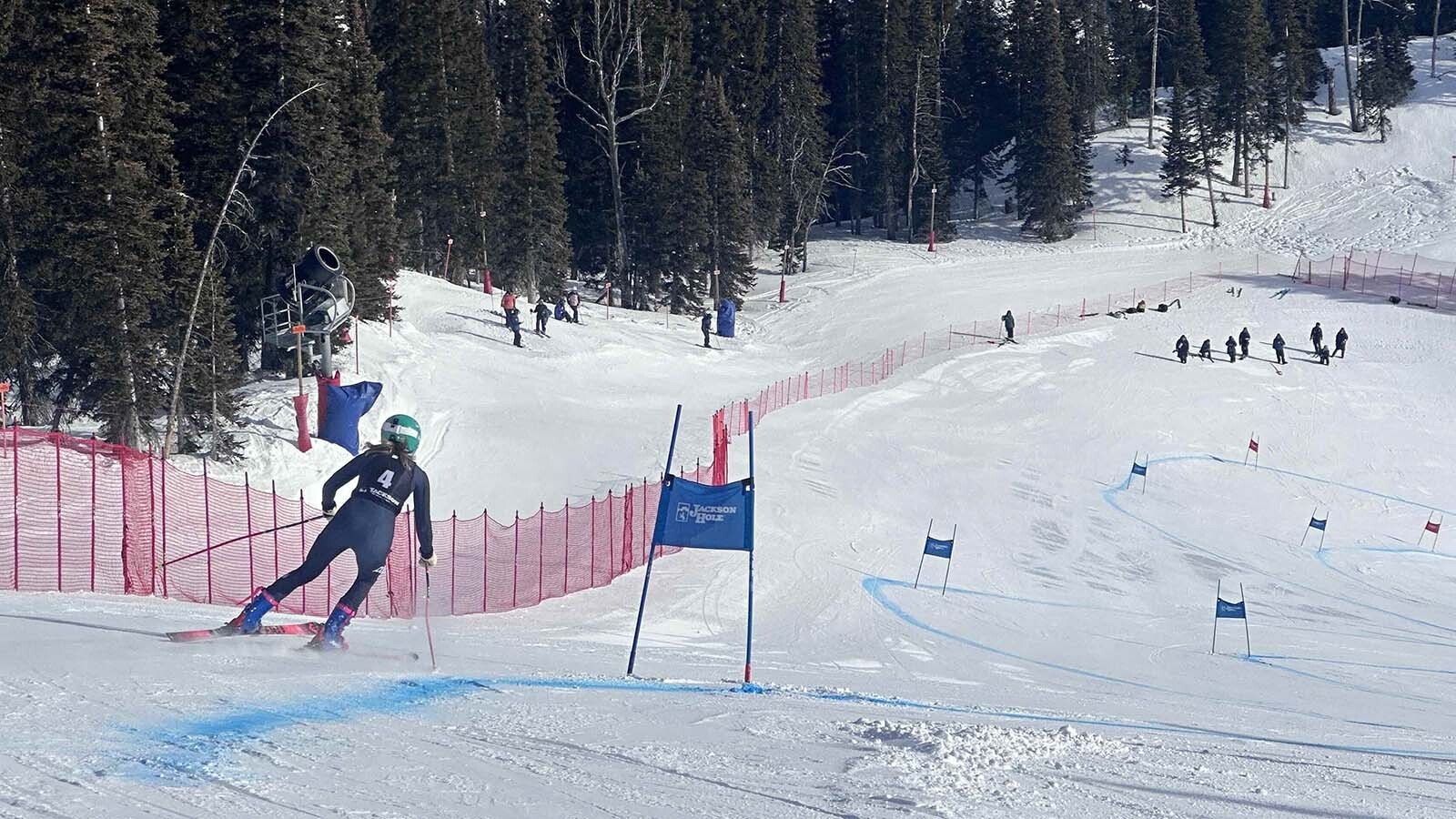
Jackson Hole Ski Club racer Maia Zorkendorfer, No. 4, takes on the super-G course during the annual Wes Barron Speed Series. (David Madison, Cowboy State Daily) 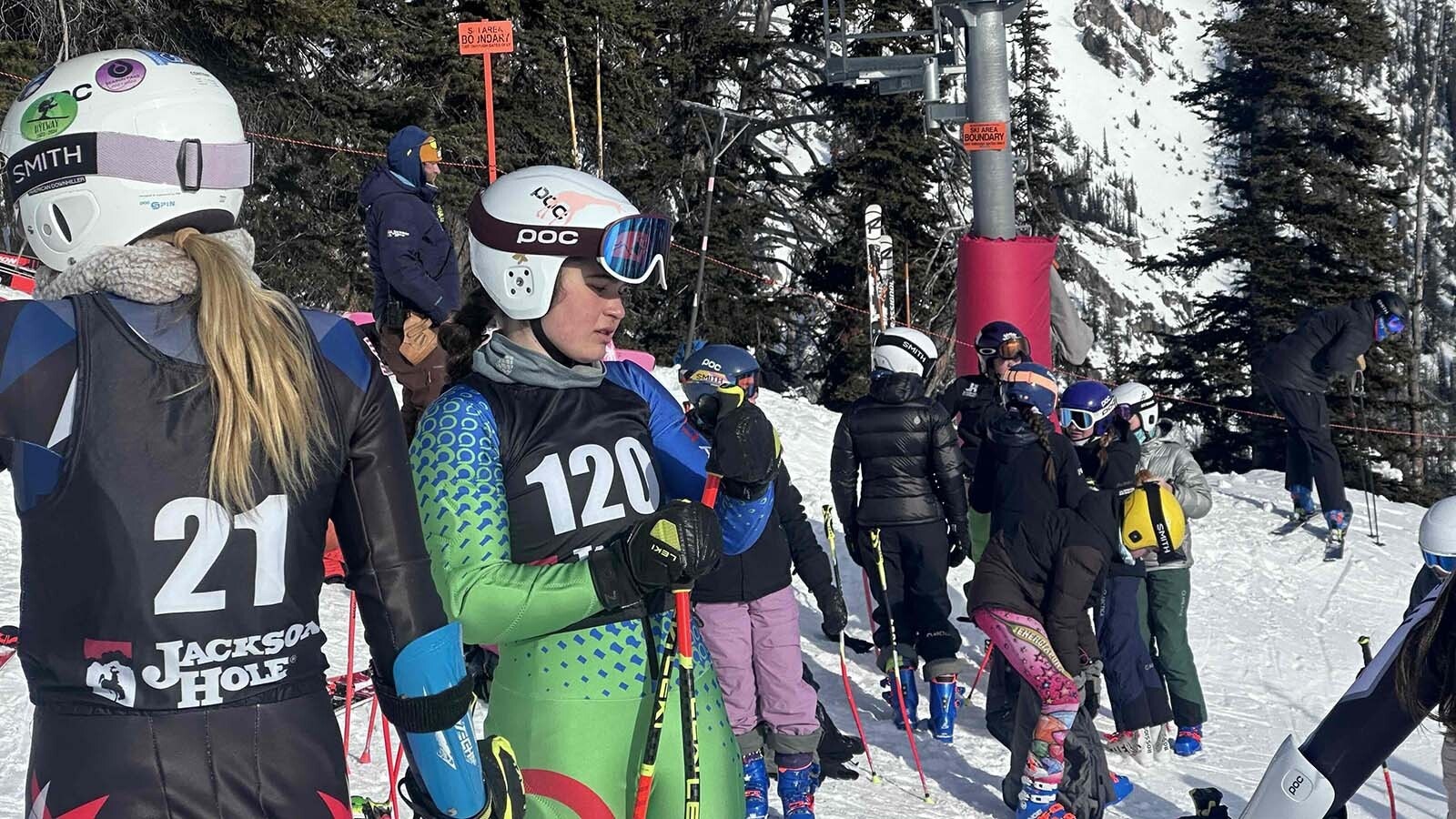
Jackson Hole Ski Club racer Stella Zazzara, No. 120, takes on the super-G course during the annual Wes Barron Speed Series. (David Madison, Cowboy State Daily)
Living Memorial
Today, the Wes Barron Speed Series helps keep locals stoked for speed events alive and well. Each January, young racers gather at Jackson Hole Mountain Resort to test themselves on super-G courses — the same discipline Wes loved most.
The Wes Barron Scholarship helps them afford a sport that demands a serious financial commitment.
The ski club invests roughly $280,000 in scholarships annually across more than 500 members, said Mark Barron, adding, “It’s great to know that he’s still helping.”
The racers who compete in the series train daily at Snow King, the same steep hill where Wes learned to stay on top of his sharp edges.
A tribute article about Wes in the Jackson Hole News and Guide ran under the headline: “Barron found peace in living on the edge.”
Father To Sons
The Wes Barron Speed Series wasn’t the only way Jackson locals reflected recently about their lives on skis.
This past week, Teton Gravity Research — the ski film company with a basecamp in Wilson — released a video titled “From One Generation to the Next — Jackson Hole’s Influence is Passed Down.”
The short features TGR founder Steve Jones skiing Jackson Hole side country with his two sons, JJ and Cayce, who have grown up on the same terrain where their father and uncles built the company that became synonymous with the best in skiing.
JJ dropped into Corbet’s Couloir at 7 years old, and the video blends vintage archive footage with modern action to show the evolution of the Jones family through the iconic lines that helped build TGR.
“It’s been a lot of fun for me because you go to these places and you’re showing your kids pieces of history and time,” Steve Jones says in the video. “Getting to watch them experience the terrain and the wildness and the magic of the place firsthand. It’s like a reboot.”
The film, posted Tuesday, shows how Jackson remains what TGR called “a training ground, a proving ground, a place where progression happens fast.”
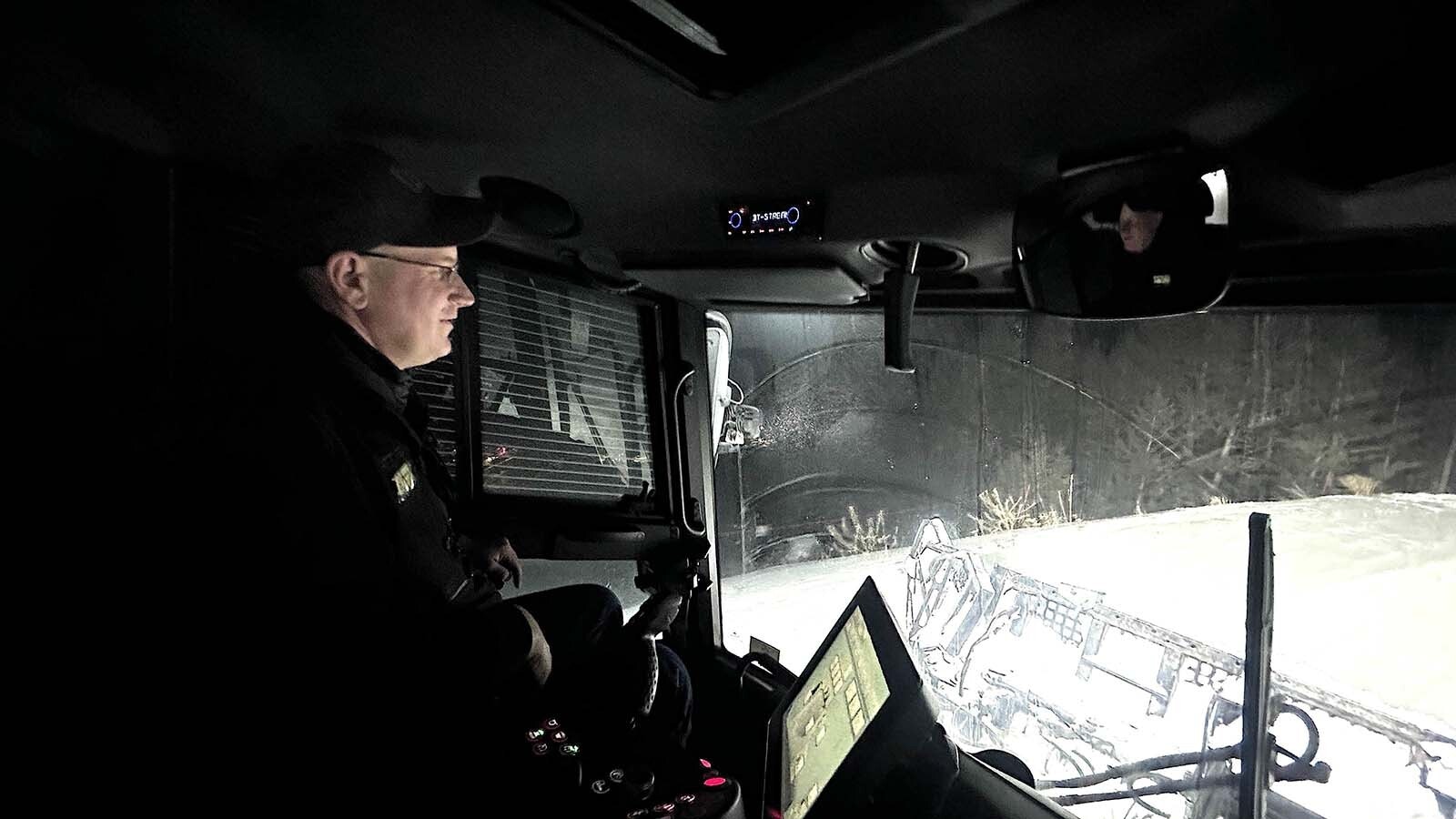
Brandon Wood, the master groomer at Snow King, specializes in building speed into the resort’s steep slopes — so steep, the snowcats sometimes tether with a winch. (David Madison, Cowboy State Daily) 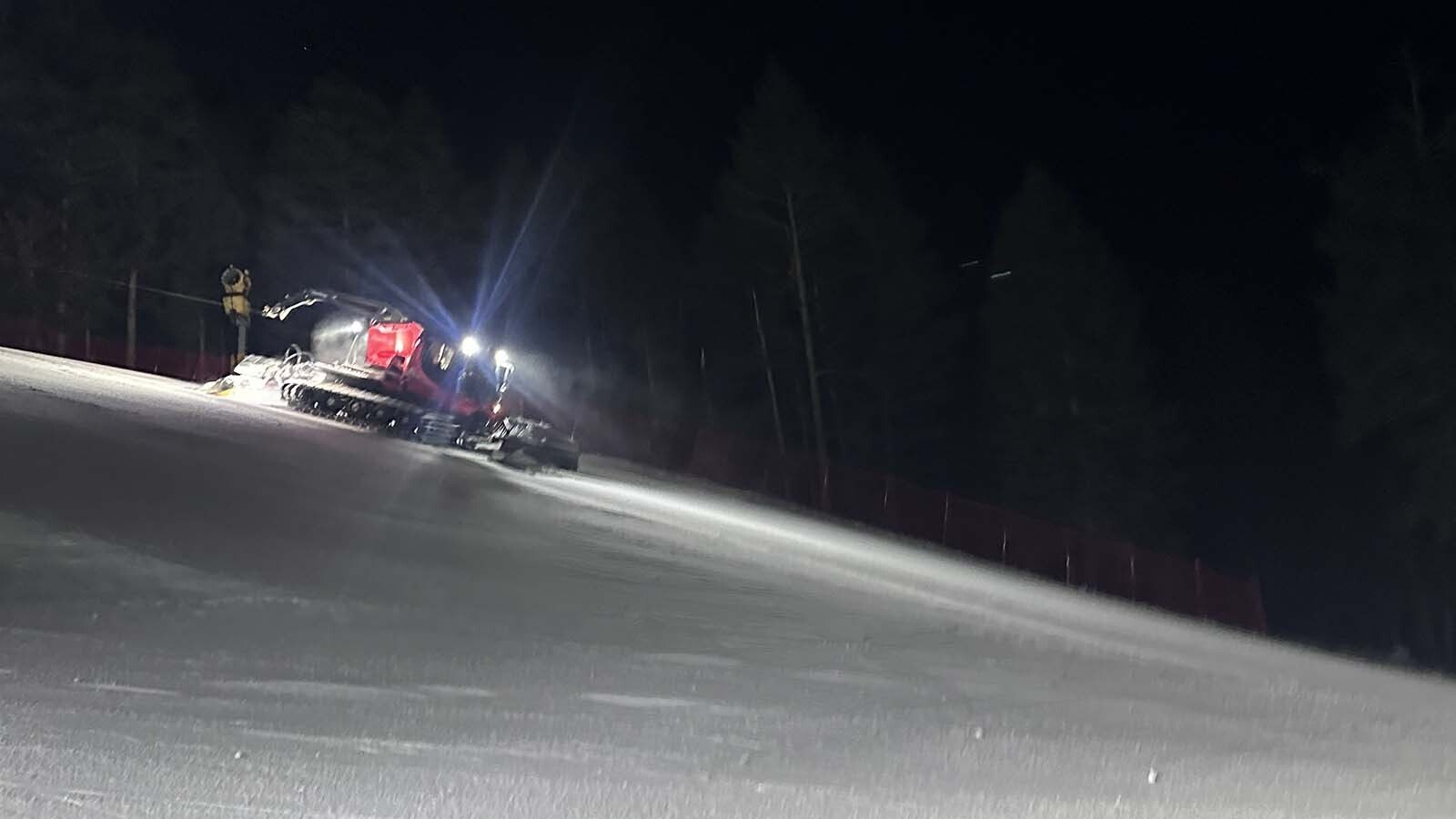
Brandon Wood, the master groomer at Snow King, specializes in building speed into the resort’s steep slopes — so steep, the snowcats sometimes tether with a winch. (David Madison, Cowboy State Daily)
The Support
Keeping Jackson’s slopes fast and ready for athletes eager to push themselves are behind-the-scenes heroes like groomer Brandon Wood.
Wood has been grooming slopes at Snow King for 23 years, plus a season in New Zealand. He spends his nights in the cab of a Pistenbully Park Pro 400, sculpting the surfaces that let young racers build speed.
“Groomers are like gods,” Wood said. “Because when Mother Nature isn’t delivering it, the groomers are the only thing that makes skiing worthwhile. If it wasn’t for groomers, you’d just have this ice field on the slopes. Miserable to ski.”
Creating a recreational surface is one thing. Creating a racecourse is another.
“There’s a whole craft to making a good course,” Wood said.
Speed tuning a race surface sometimes means pumping water into the snowpack to create a harder, faster course that won’t rut out under the pressure of racing edges, he said.
“We prepped that for a race and did water injection on it,” Wood noted, nodding from the cab of his cat uphill at a steep slope. “It is really icy.”
On injected snow, edges bite harder. Speed builds faster. The surface holds its shape through dozens of racers instead of deteriorating into crusty chop and chatter.
On slopes as steep as Snow King’s, even his snowcat can lose purchase. That’s where the winch comes in: a half mile of cable anchored to steel pipes buried six feet in concrete, with 4,000 pounds of pulling force.
“A free cat can groom a lot of slopes,” Wood said. “But you bring in the winch, and there’s no stopping you at that point.”
Snow King is one of the steepest ski areas in North America — not because of one extreme pitch, but because it never lets up.
“Other resorts got really steep runs, but they’re real short,” Wood said. “Snow King is just steep the whole time.”
Crawling and smoothing these steeps are snowcats that Brandon names. Most nights he drives Eleanor. There’s also Pearl and Gretta.
“Majestic creatures,” he called them. “Fabled creatures. They’re just unique machines.”
They push and sculpt the snow so when new generations of skiers feel themselves drawn to speed, they can let it rip just like Wes.
The Spotlight
This season, Jackson Hole High School senior Lucy Wirth has emerged as one of the fastest competitors in Jackson.
“Growing up, the majority of my ski racing career at Snow King, I don’t ski that many flats,” Wirth told Cowboy State Daily. “I am really good at the steeps.”
At her first-year FIS U.S. Nationals at Sun Valley, she started 68th in a super-G on an infamously steep run called Greyhawk and finished 19th.
“It was so steep and terrifying, but it was so fun,” she said.
This past summer, U.S. Ski and Snowboard selected her for the national regional development team.
She trained in New Zealand, then Belgium and Austria. She made the Western Region team. This week, she leaves for California to race against university teams — the next step toward the career she’s been building on Snow King’s icy pitches.
Wirth skied the Wes Barron Speed Series for years, though she never knew Wes. She understands what the race represents: a living memorial to a racer like her who found a sense of calm when traveling more than 50 mph over snow.
“Speed means many things to me, but most importantly, it means having fun,” said Wirth. “Speed in correlation to ski racing means slowing down your mind and being aware of your surroundings.
"If you slow down your mind and connect your entire body, then the speed comes. And then it gets really fun.”
She described entering a flow state, gliding and trusting her skis — skills acquired by young super-G competitors.
“It’s kind of peaceful,” Wirth said. “It’s not so hectic when you enter a state of speed where your mind is quiet, but you’re also connected through your body, but you’re going so fast that there’s nothing else besides you and the course. That’s what speed means to me.”
David Madison can be reached at david@cowboystatedaily.com.