Jake Hutton isn’t crass exactly, but he does have a mouth on him.
Lately he’s been sounding off at public officials in a fight that feels like deja vu, but this time around he has a bigger target.
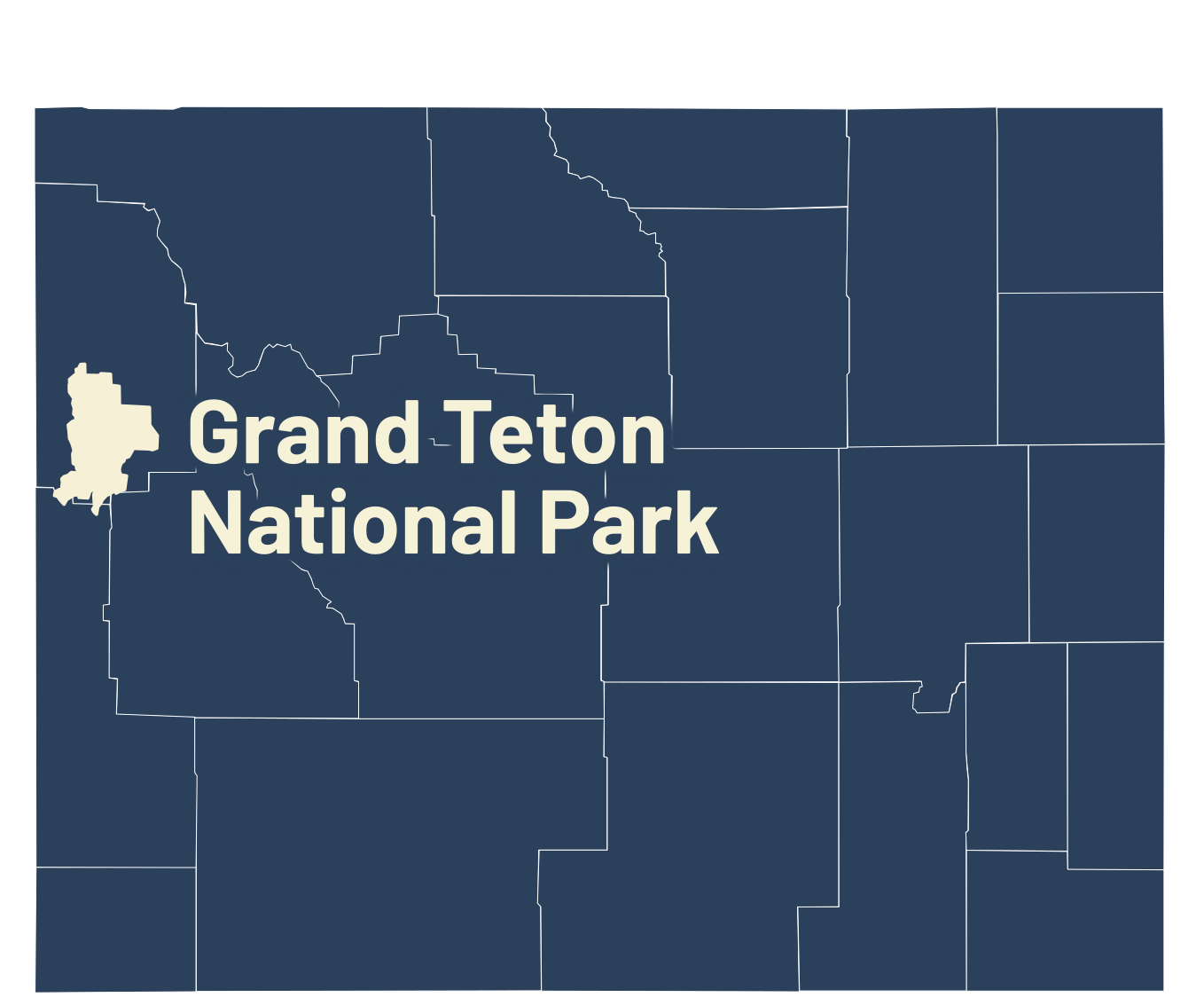
Hutton was a de-facto mascot in the fight over the 640-acre Kelly Parcel, then called the "crown jewel of state lands,” which was the last major state school‑trust inholding within Grand Teton National Park’s boundaries (GTNP).
It was also the source of his livelihood for JH Outfitting Co., which relied on a grazing lease to run 30 horses.
He’s the kind of guy whose livelihood you don’t mess with easily, so when the Office of State Lands and Investment in 2023 proposed to auction it off, he put up a fight.
The potential for a private landowner or developer getting their hands on the prime piece of land was a battle cry for Hutton and others in their fight to keep it public.
“My word has always meant something, and my working man’s handshake means even more,” he told public officials at the State Board of Land Commissioners meeting in Casper in 2024. "I signed a contract with the state, then around seven in the morning they called to tell us they were putting the Kelly Parcel up for auction and terminating our contracts.
“That seems like a pretty clammy handshake to me.”
He spoke with a truth-to-power conviction and had a look to match.
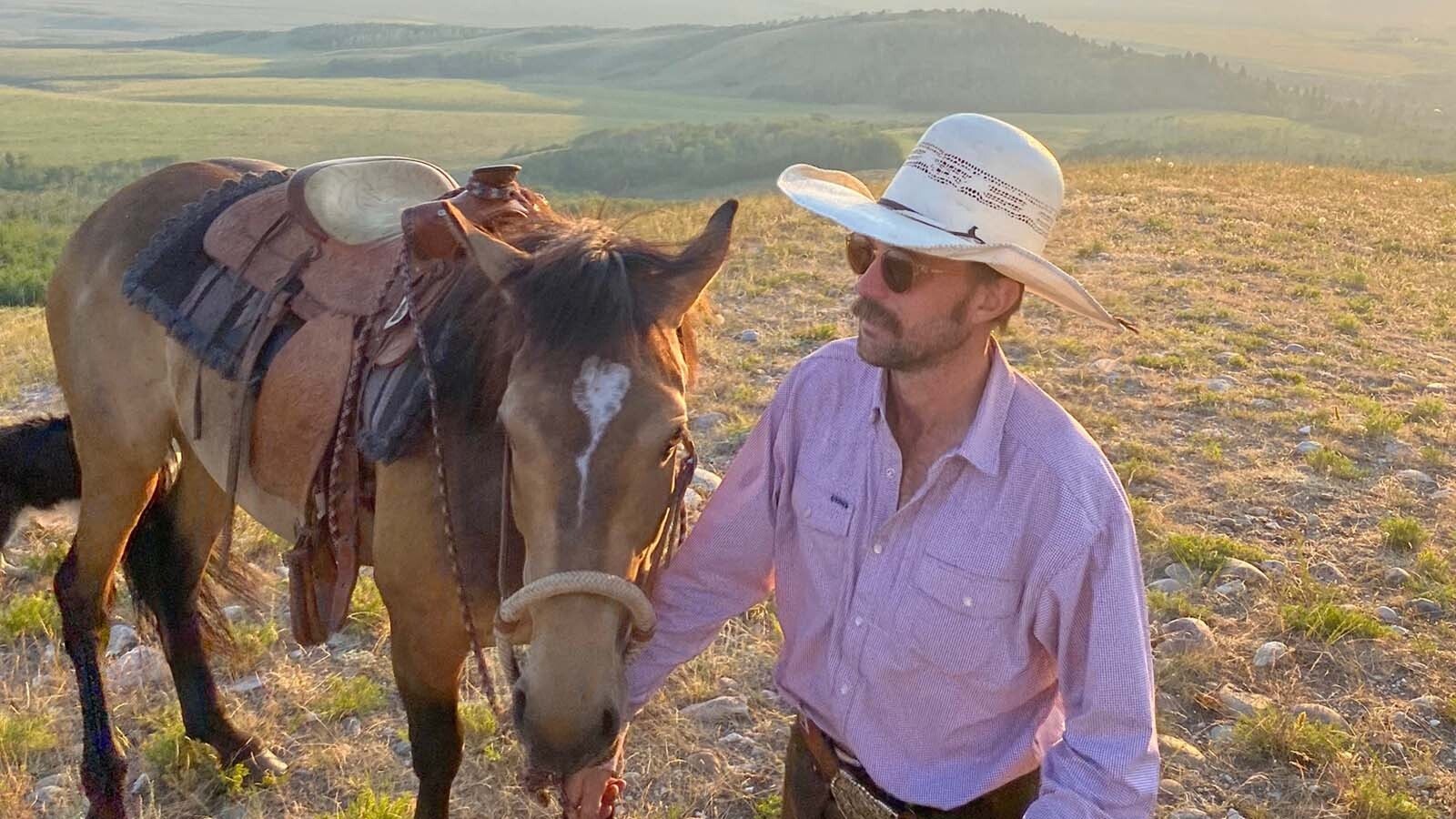
He wore a push-broom mustache and wide-brim hat, and stood before commissioners with dirt under his fingernails and a Western shirt that smelled of horse and hay.
He trailered a mustang filly to land board meetings across the state. He set up makeshift corals and hamburger tailgates to attract passersby, to whom he’d proclaim the importance of public lands, bringing to mind a street-preacher warning of moral decay.
His most pointed warnings were directed at public officials.
“They’ve tried to sell this land before, and every time, the people of Wyoming have stood up and said no,” he told Land Board commissioners, an unsubtle tone of threat in his voice. "If our elected officials aren’t listening when we show up, testify, and say no — then I have to ask: 'Do they not hear our voice?'
“I hope they’ll pay attention when our voice is heard in the next election.”
Leaders heeded the warning.
Historic Sale, False Victory For Hutton
Hutton all the while was held in a state of limbo. He’d put off his marriage along with key business decisions as his livelihood was tied to the parcel.
Finally, an array of advocates along with state and federal officials found a resolution that brought bucks to the state while ensuring the acreage remained undeveloped.
On the last day of 2024, the Kelly Parcel was sold to the federal government in a historic $100 million deal, officially placing it on the ledger of GTNP with the aim of preservation.
With the sale, Hutton’s life was finally back on track.
Or so he thought.
‘Backstabbed’
In June 2025, park officials told Hutton they’d be coming by to discuss the terms of his grazing lease.
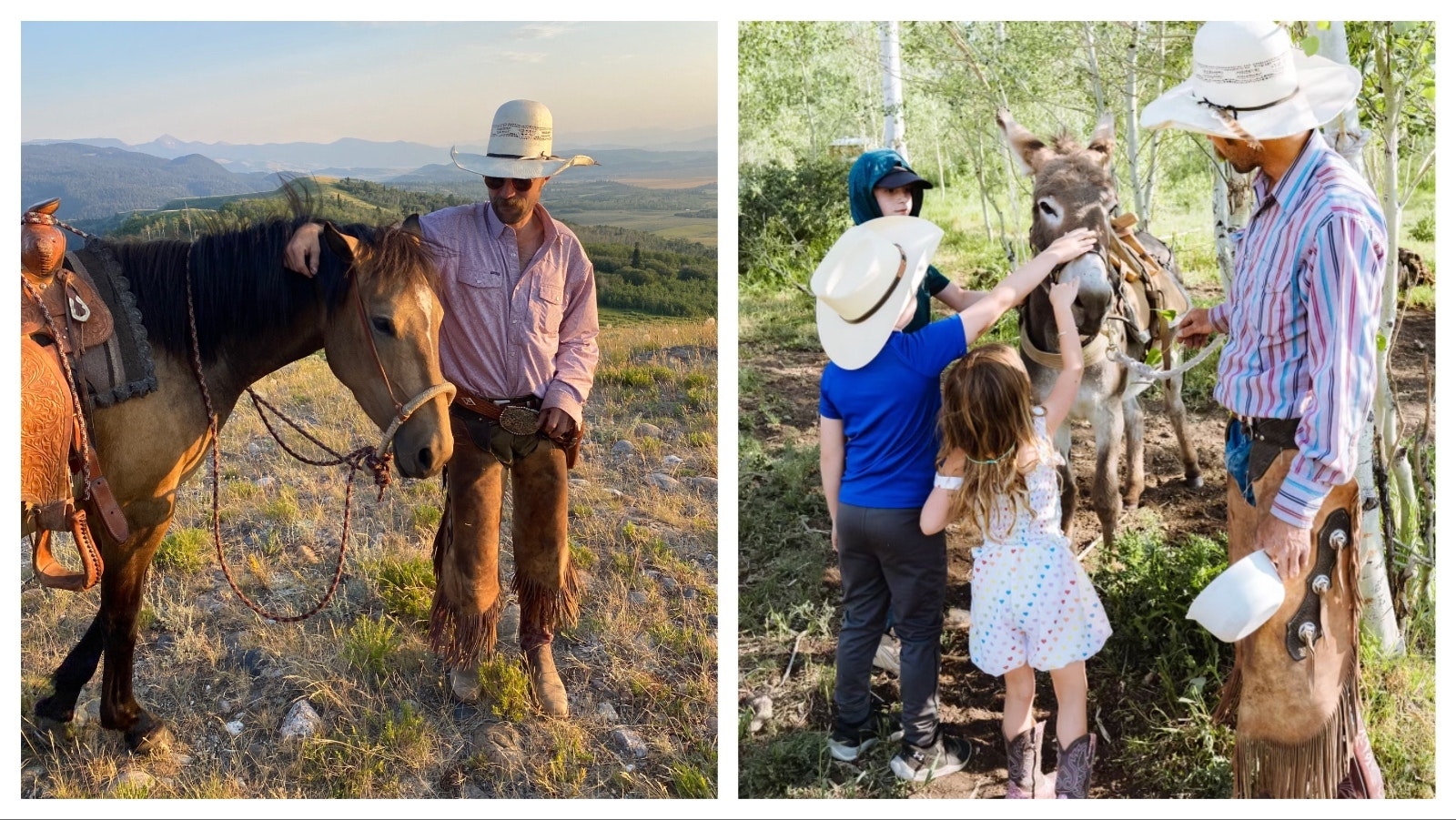
He was excited to show off his operation and saddled horses to give them a tour.
Instead, the superintendent and senior park staff informed him on the spot to get his affairs in order, because it would be his last season on the parcel.
“We were completely caught off guard,” Hutton said. "Park leaders had to come up to us after those initial (SLIB) meetings and they’d shake our hand and say, 'Hey, thanks for speaking out about this. We're on the same team. We don't want to see you shut down.'
“We felt shell shocked, backstabbed.”
At that moment, a pack donkey named Pepino trotted over and nuzzled Hutton, as though sensing his distress.
“I was standing in front of the park officials and I said, ‘I know, Pepino, I know. What are we going to do? We got to figure something out,’” Hutton said.
With a sense of deja vu, he soon found himself at public hearings railing against a flawed process all over again, a battle for the public land gracing leases he thought had already been fought and won.
“Grand Teton National Park has been two‑faced,” he told Cowboy State Daily, reiterating the statements he’s recently made at public hearings and in congressional offices in Washington, D.C. “They told us they didn’t want to see us shut down. Now they’re doing exactly that.”
Officials Paint A Different Picture
Chip Jenkins, superintendent of GTNP, told Cowboy State Daily he’d thanked Hutton for speaking out, but never suggested his grazing privileges would continue on the parcel under park jurisdiction.
“The state did not choose to put any conditions related to the existing commercial activities” in the parcel sale agreement, said Jenkins, who believes that Hutton had known all along his operation was destined to sunset.
“The Kelly Parcel was purchased for wildlife conservation, and it allowed grazing and hunting, which is entirely compatible with conservation,” he said.

Kept Asking For More
As Jenkins describes it, Hutton approached park officials when the transaction closed and requested an extension to operate into 2025, explaining he’d already taken reservations and would lose money if he didn’t work through the spring.
Jenkins granted the request, but Hutton kept asking for more.
“I grew concerned because first he asked for one more year … and we said yes,” Jenkins said. "Then he changed his ask and wanted to operate through '26 and '27. And when we met with him last summer, he started expressing a desire to be out there in perpetuity."
Hutton’s operation is tied to a grazing permit held by a man named Rob Hardeman, who has long-term rights for 325 AMU on the parcel. In 2022, Hutton signed a contract for a sublease on the Hardeman permit for a five-year period.
House Bill 1, signed by Gov. Mark Gordon in 2024, stipulated that, “The conditions of the sale require that the Kelly Parcel be leased for livestock grazing and be available for public hunting in perpetuity.”
Because his operation pre-existed the sale and is tied to that lease agreement, which allowed for indefinite renewal in five-year periods provided good standing, Hutton believes his operation renewal is vouched for under the stipulations in the bill.
Jenkins says no.
“Here’s a really important point: There's a difference between grazing and running commercial trail rides,” Jenkins said. “People do livestock for a living, but that activity was specifically called for and negotiated with the state. Other kinds of commercial activities are not."
Under the 1998 National Parks Concessions Management Act, GTNP is required to issue prospectuses for all commercial activities in the park.
Operators can then bid on prospectuses and are selected according to certain criteria.
Hutton's continued operation would seem to circumvent this law, said Rob Wallace, former assistant secretary of the U.S. Department of the Interior and key architect of the Kelly Parcel sale.
"At no time during the complicated negotiations on the Kelly Parcel do I recall any of the parties suggesting the $100 million sale be conditioned on granting Mr. Hutton an exclusive right to operate a business in GTNP,” Wallace said.
“The Department of Interior contributed the appraised value of $62 million, and the Grand Teton National Park Foundation championed a private fundraising campaign that sweetened the pot by another $38 million,” he said. "Both made this investment assuming it was to protect a world-class wildlife migratory corridor — not to subsidize a commercial business."
Hutton sees it differently, and he’s taking his case to federal delegates.
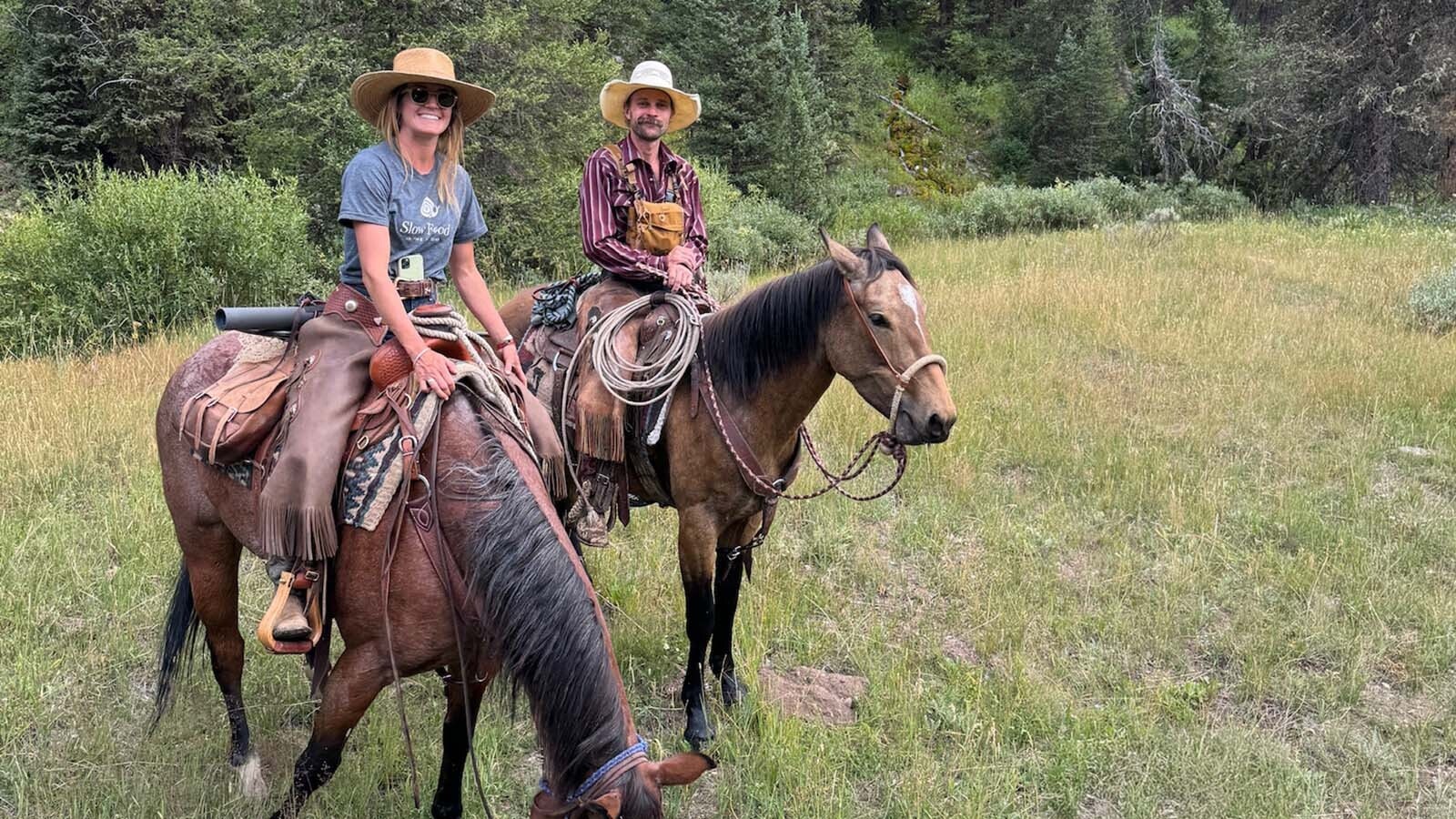
Jackson outfitter Jake Hutton helped lead the charge to keep the Kelly Parcel as public land. He’s still fighting for his livelihood on the land as Grand Teton National Park officials say commercial interests aren’t their priority. (Courtesy Jake Hutton) 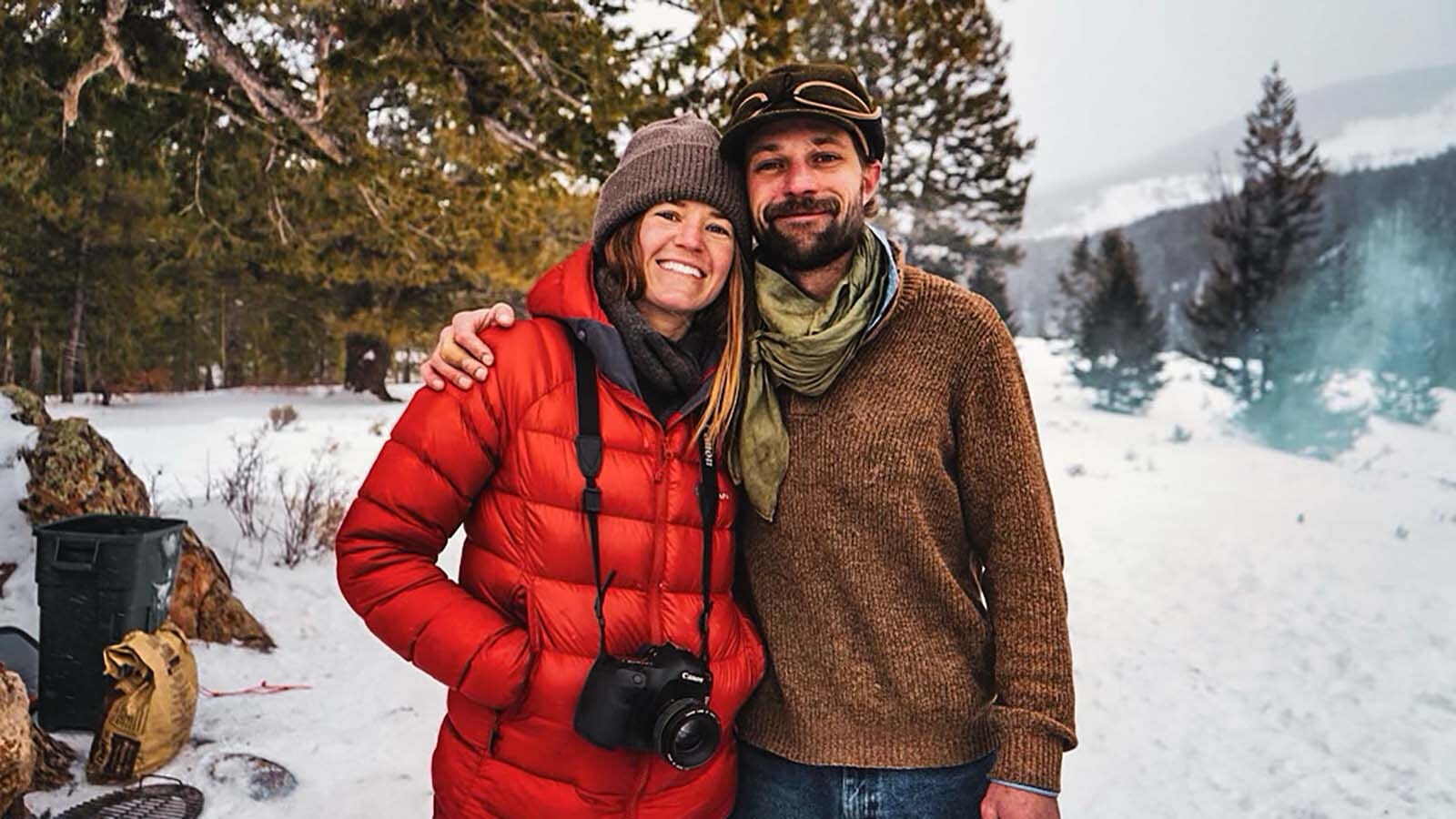
Jackson outfitter Jake Hutton helped lead the charge to keep the Kelly Parcel as public land. He’s still fighting for his livelihood on the land as Grand Teton National Park officials say commercial interests aren’t their priority. (Courtesy Jake Hutton)
Mr. Hutton Goes To Washington
Hutton in December visited the offices of 15 congressional representatives and office staff members in Washington, D.C.
He argued to them that the park's decision to sunset his operation violates Section 106 of the National Historic Preservation Act, which requires the park to include a host of stakeholders in a deliberative process before taking actions affecting historic uses.
He believes his operation — anchored by long‑used corrals and historic patterns of grazing — should trigger a Section 106 review.
“We fully believe that if the Section 106 process were followed, all of these entities would see value in our business and stand up for its longevity,” Hutton said. “We are keeping Wyoming heritage alive on this land, not exploiting it.”
Those arguments found sympathetic audiences with the offices of Wyoming’s delegates, as well as U.S. Sen. Mike Lee, R-Utah, chairman of the Senate Committee on Energy and Natural Resources, along with California Democrat Rep. Adam Gray, according to Hutton.
Jenkins says Section 106 does apply in this case, in part because “his business had only been operating under the state permit for two years” at the time of the sale, he said.
Those years have been tough on Hutton.
My fiancée and I “have put off our wedding and starting a family for going on two years now because we don't want those happy moments darkened by this conflict with GTNP,” he said.
Even if he admits it’s an uphill fight to survive, he doesn’t plan on going calmly.
“We stood up to help save this land from development,” he said. "Now we’re being pushed out of it.”
Contact Zakary Sonntag at zakary@cowboystatedaily.com
Zakary Sonntag can be reached at zakary@cowboystatedaily.com.