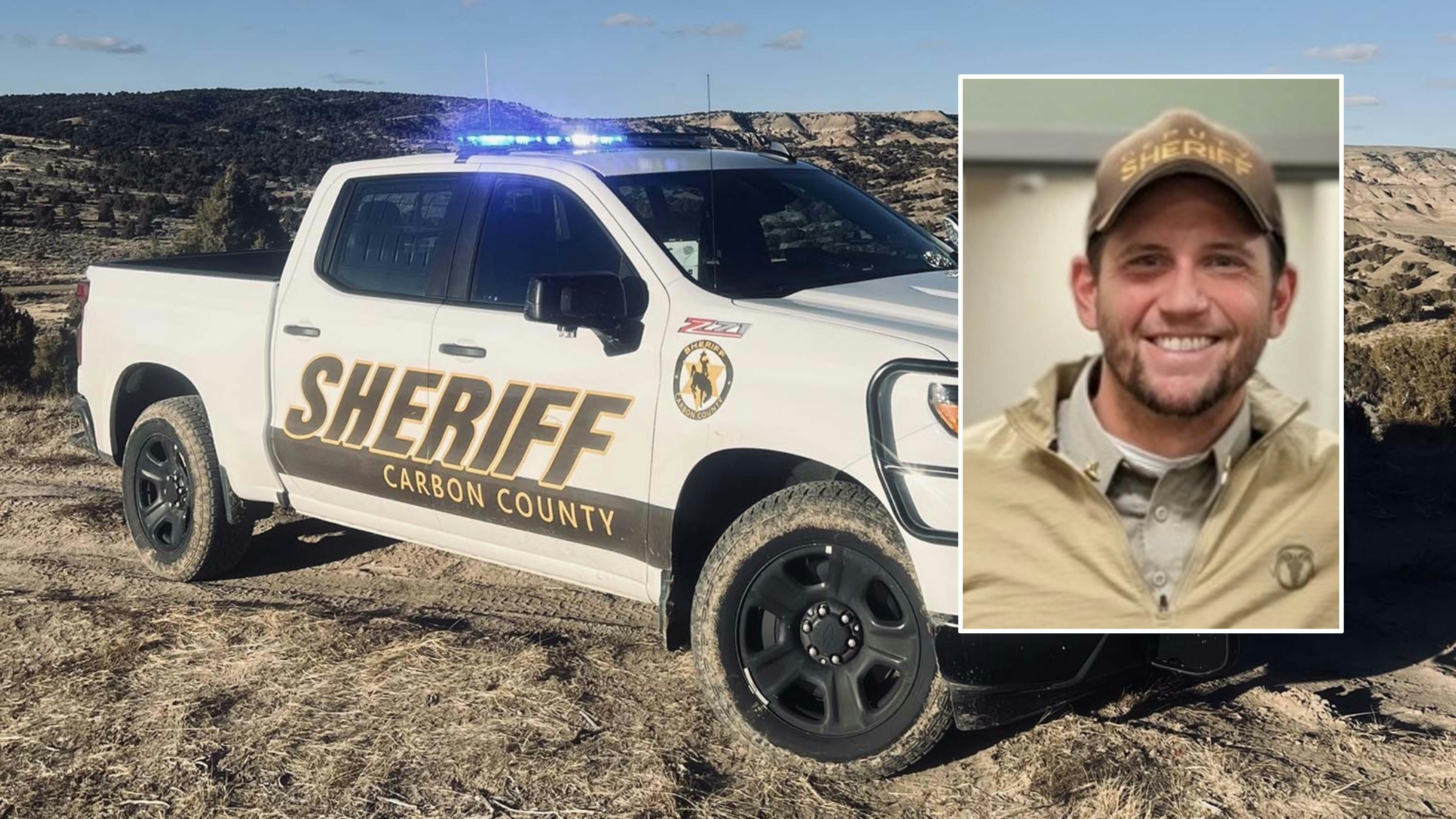
Carbon County Sheriff Alex Bakken plans to put one foot in front of the other for 100 miles in the Bighorn Mountains this summer to raise money for department communications equipment and make a point about the impact property tax reductions are having on state services.
He admits he maybe should have checked further into other race options after signing up for the Big Horn Mountain Trail 100 west of Dayton that will take him 20,500 feet up in elevation, 20,750 feet down, and give him 35 hours to complete it.
“So, there was a pretty serious lack of forethought and research on my end when I signed up for this,” Bakken said. “It’ll be up in the Bighorn Mountains on a single-track trail and then some forest service roads.
"So, I could have picked an easier one for sure, but we’re too late for that.”
Bakken said the idea came because of the increasing costs he sees associated with public safety and communications equipment for the department.
The dispatch console his department bought in 2022 will be outdated in 2030. It was $400,000 in 2022. Each radio for the search-and-rescue team costs $9,000.
He said he wanted to “think outside the box” and generate money for communications needs.
“I’ve always wondered if I could run 100 miles, so I figured it’d be a good time to find out in a good way to hopefully raise some funding for these communication projects,” he said. “I’ll be honest, there wasn’t a whole lot of planning involved.”
Bakken said another goal associated with the run is to raise awareness about how property tax reductions passed by the state Legislature last year, without any alternative funding, makes the purchase of that type of equipment as well as general operations more difficult for rural counties and municipalities.
“I get concerned for the long-term outlook of public safety,” he said. “When it comes to the property tax reduction debate, if we don’t have backfill, I just hope people are cognizant of what happens, what the repercussions are going to be if these funding sources are lost.”
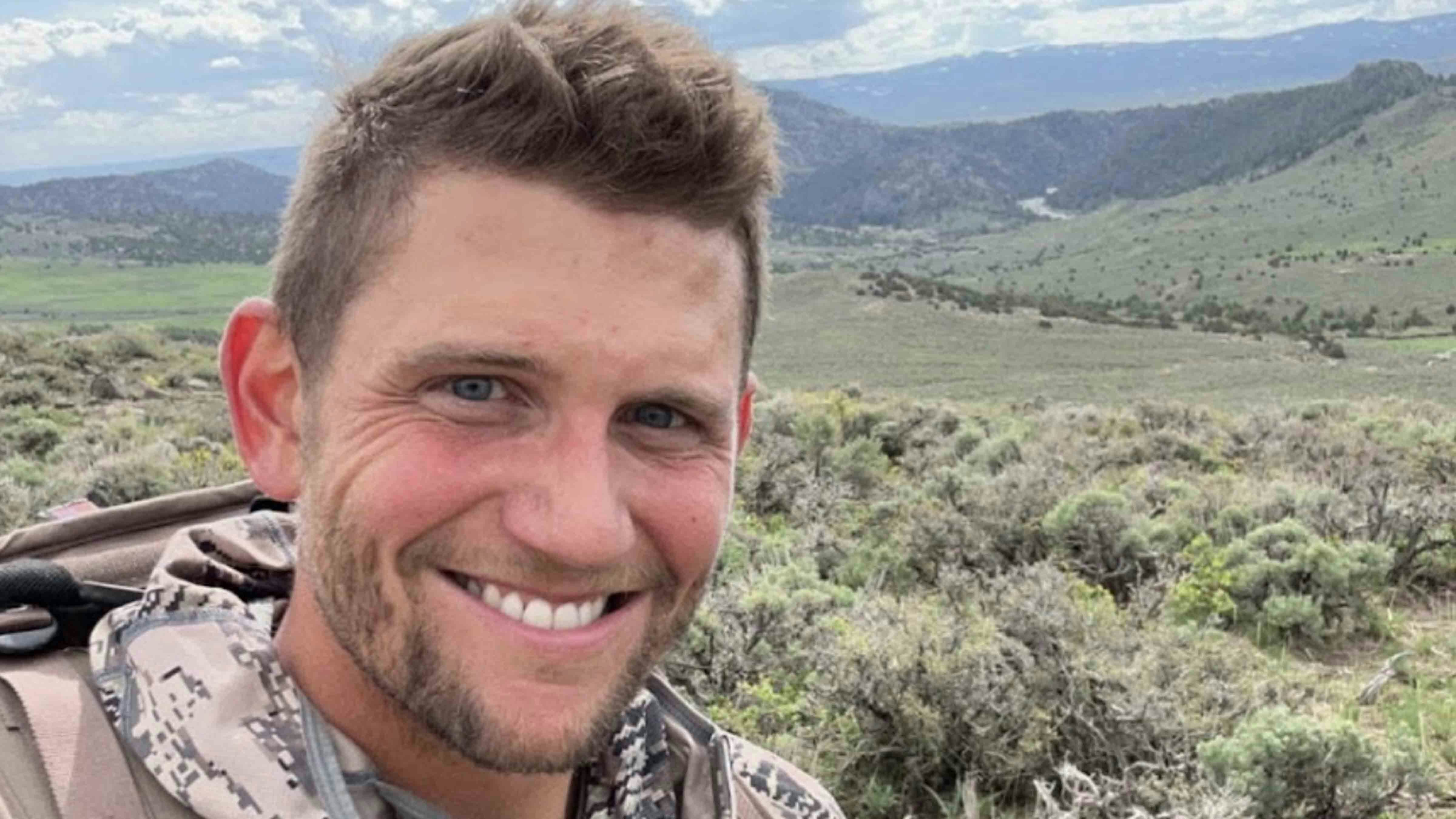
Carbon County Sheriff Alex Bakken plans to run a 100-mile ultramarathon in June to raise funds for communications equipment for his office and raise awareness of how property tax cuts without other compensation will hurt rural county public safety operations. (Courtesy Alex Bakken) 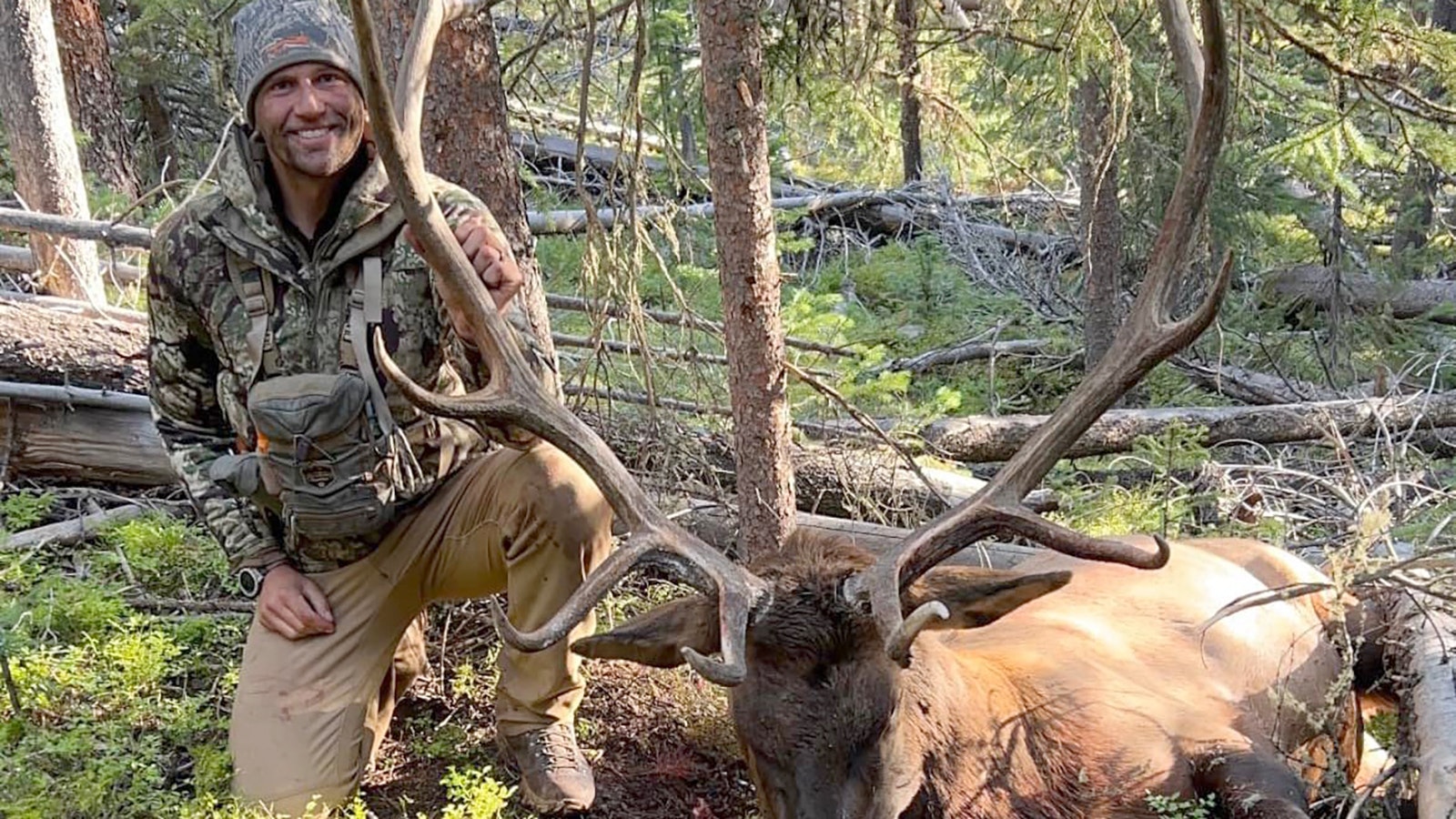
Carbon County Sheriff Alex Bakken plans to run a 100-mile ultramarathon in June to raise funds for communications equipment for his office and raise awareness of how property tax cuts without other compensation will hurt rural county public safety operations. (Courtesy Alex Bakken) 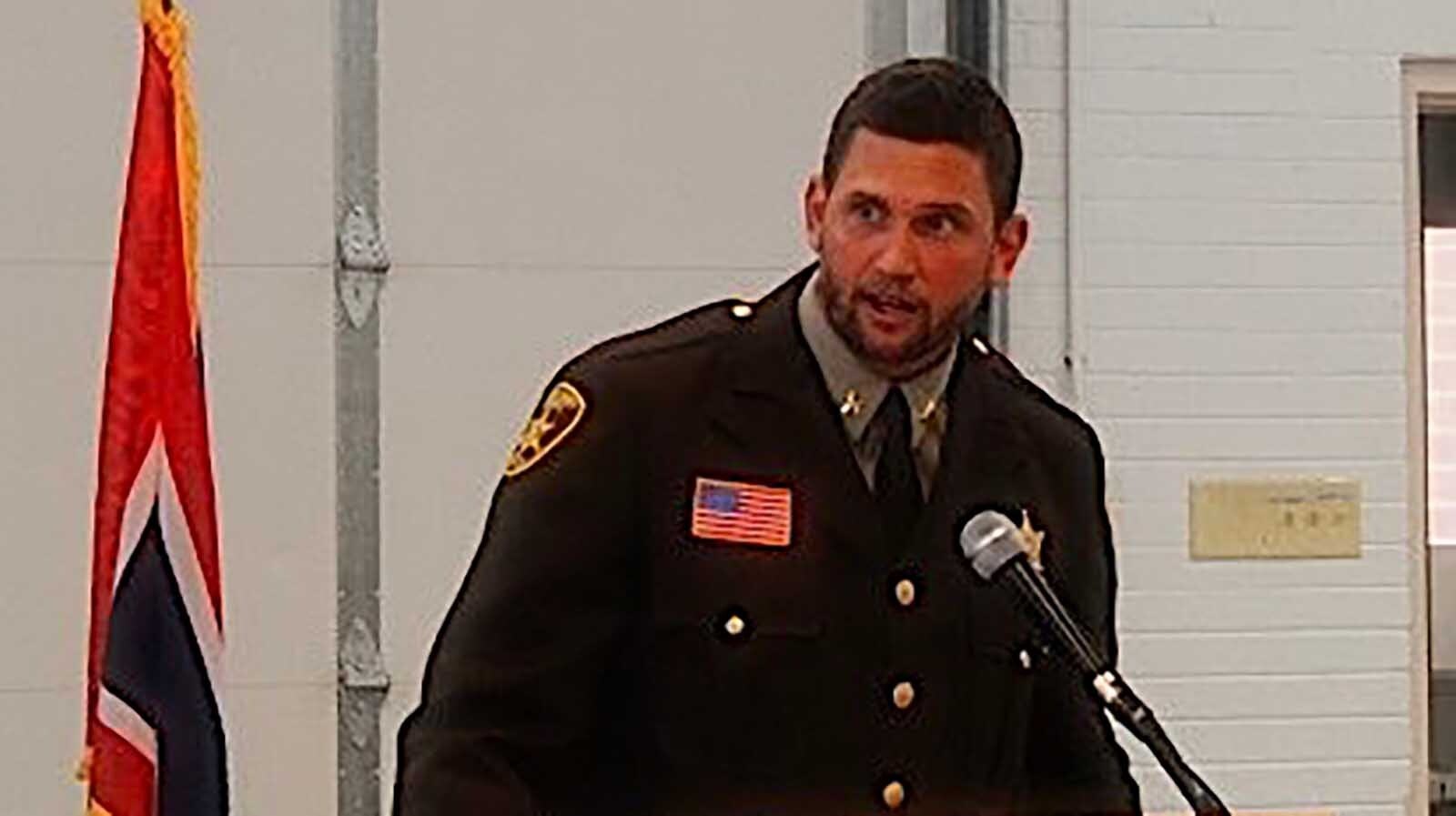
Carbon County Sheriff Alex Bakken plans to run a 100-mile ultramarathon in June to raise funds for communications equipment for his office and raise awareness of how property tax cuts without other compensation will hurt rural county public safety operations. (Courtesy Alex Bakken)
Second Fundraising Run
This will be Bakken’s second foray into competitive long-distance running.
He ran the Medicine Bow Rail Trail Marathon last August to raise money for the Carbon County COVE (Citizens Organized to see Violence Ended) group. The organization’s goal is to prevent domestic violence and enhance services to domestic violence and sexual assault victims.
Confessing that he really doesn’t enjoy running, Bakken said the new year has brought new focus for his physical training routine.
Normally, the sheriff hits the gym four or five times a week for weight training and then runs a couple of miles two times a week.
With the 100-mile challenge before him he has reduced gym time to two days a week and is running on most of the other days.
“Right now, I’m doing 40 to 45 miles per week,” he said. “As the time gets closer to the race, my weekly mileage is going to increase, so I think I’ll end up peaking around 60 to 75 miles per week.”
After doing a social media post about the plans for the fundraiser, he said he has heard from some ultramarathoners with tips.
One of Carbon County’s search-and-rescue team members who accompanied him on the rescue of teens lost on Medicine Bow Peak last June also is planning to do the ultramarathon and has shared some advice.
The Big Horn Mountain Trail 100 course takes competitors from a start outside Dayton, Wyoming, on a winding course up to Jaws Trailhead at 8,800 feet and then a trip back to Dayton.
A description of the course on the run’s website promises “steep ascents, quad-busting descents, and plenty of opportunities to discover just how tough you really are.”
For 76 of the miles, the course is a single track along with 16 miles of jeep trail and 8 miles of gravel road.
The finish line is at Scott’s Park in Dayton where “food, beer, live music, and celebration are awaiting you, the race promoters promise.
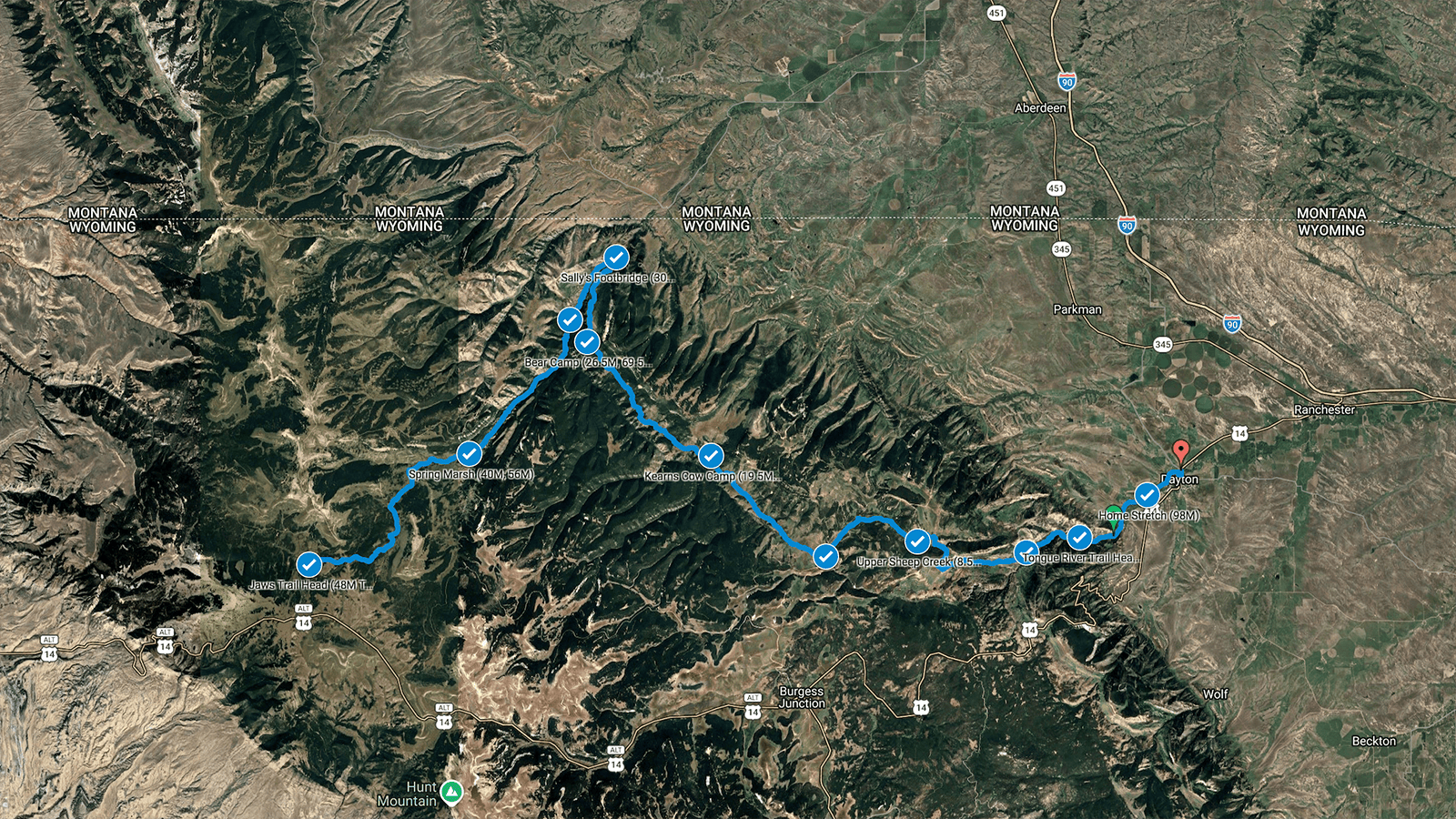
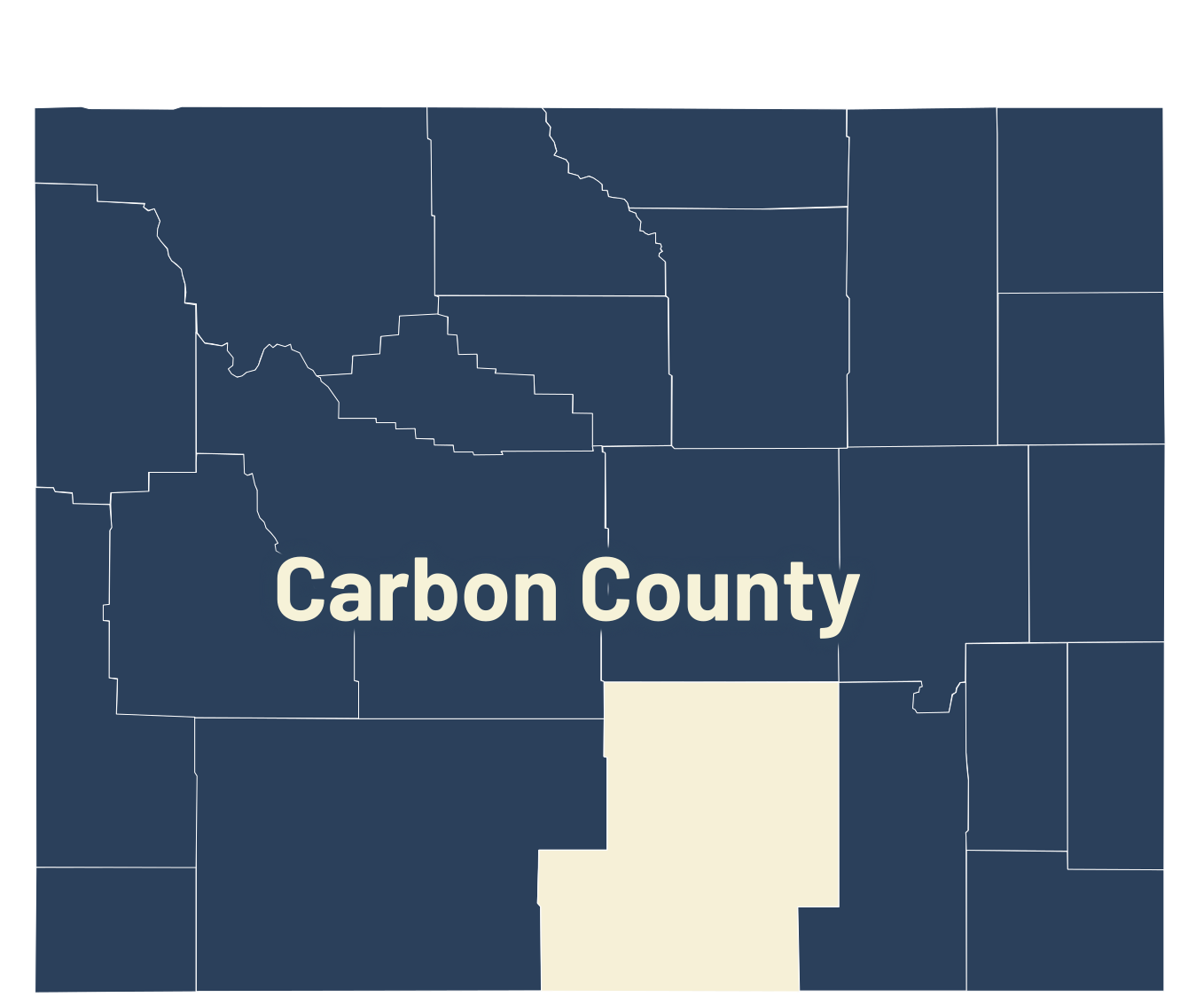
Carbon County Sheriff Alex Bakken plans to run a 100-mile ultramarathon in June to raise funds for communications equipment for his office and raise awareness of how property tax cuts without other compensation will hurt rural county public safety operations. (Courtesy Google Earth) 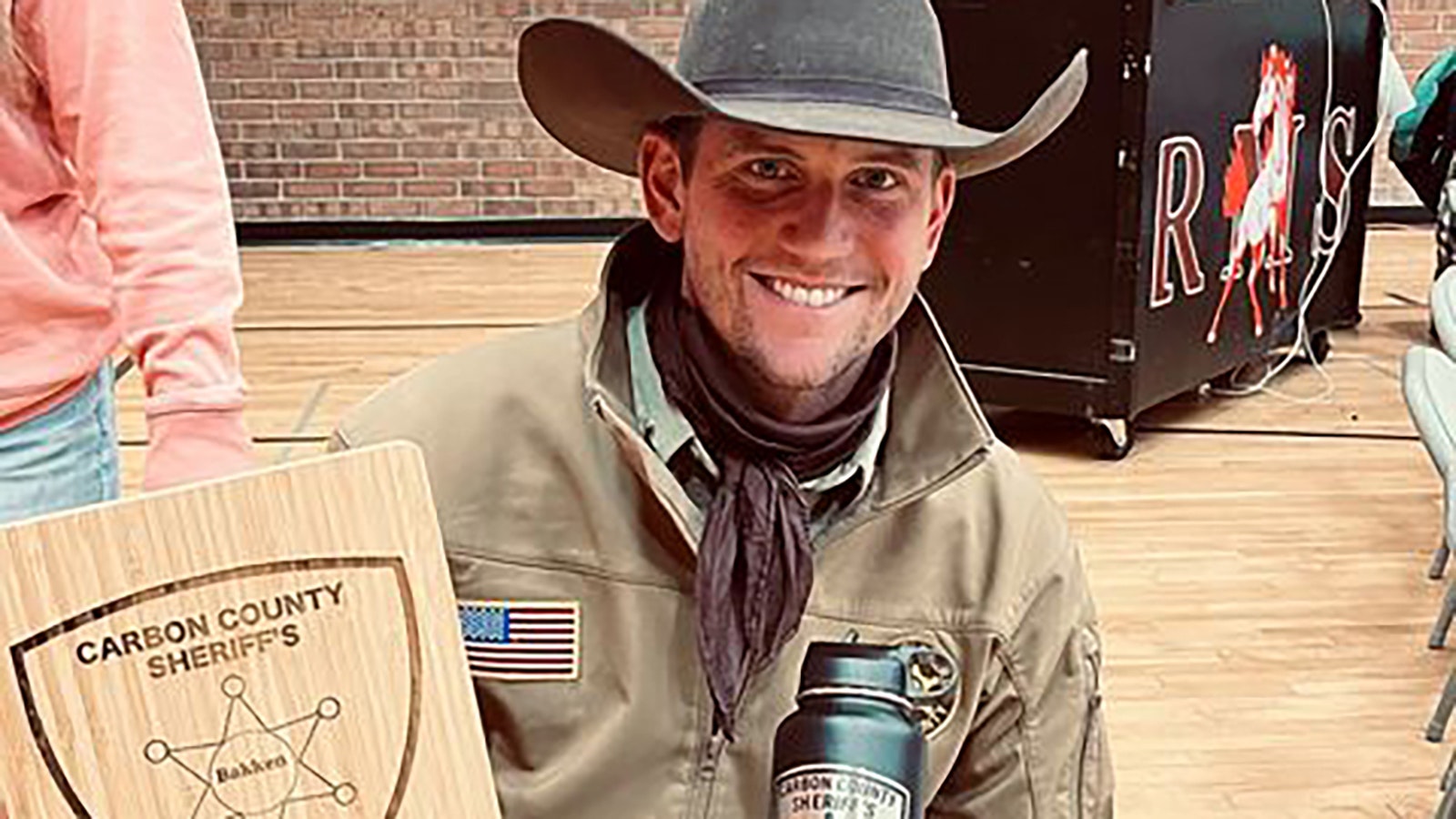
Carbon County Sheriff Alex Bakken plans to run a 100-mile ultramarathon in June to raise funds for communications equipment for his office and raise awareness of how property tax cuts without other compensation will hurt rural county public safety operations. (Courtesy Alex Bakken)
‘Valid Concerns’
Within the department, where Bakken emphasizes that his staff meet law enforcement physical fitness standards, the reaction to the boss’ quest has involved some raised eyebrows.
“I think there is some valid concerns for my mental health or sanity,” Bakken said. “I’ve had a couple of guys come up and go, ‘Gosh, I didn’t know that you liked running that much.’ Well, I don’t.”
A lover of the outdoors and activities such as snowmobiling and hunting, the sheriff hopes his experiences packing out elk from rugged places following a successful hunt will be a boon to his mental preparation as well as his physical abilities.
He’s done some research about what to eat during an ultra-marathon and understands that in itself can be a challenge.
“I’ve been packing Smucker’s Uncrustables with me on my long runs and practicing eating them during my runs, just to see what my stomach agrees with and what it doesn’t agree with,” he said. “I’d rather find that out now.”
Bakken’s training has taken him on different roads and courses in the mountains north and south of Rawlins and up by the Seminoe Reservoir.
He said he gets bored easily, so he tries to switch up his scenery. He already has done a couple of 20-mile runs and is working up to a 32-to 50-mile run before the June 19 - 20 event.
Helpful Citizens
On recent training forays, people have stopped by his truck out in the middle of nowhere to see if he is broken down, lost or just needs some help. He appreciates the thoughtfulness and concern.
Bakken said there is no specific money goal for the race but does have a GoFundMe set up that lists $10,000 as a goal. Donations are also being accepted at the sheriff’s office. He said he can “find use for any amount.”
The race allows competitors 35 hours to complete it. Bakken hopes to do it in 30 to 32 hours. Instead of a T-shirt, the ultramarathon promises successful finishers an ornament for their jeans.
“I really want that neat belt buckle,” he said.
Dale Killingbeck can be reached at dale@cowboystatedaily.com.