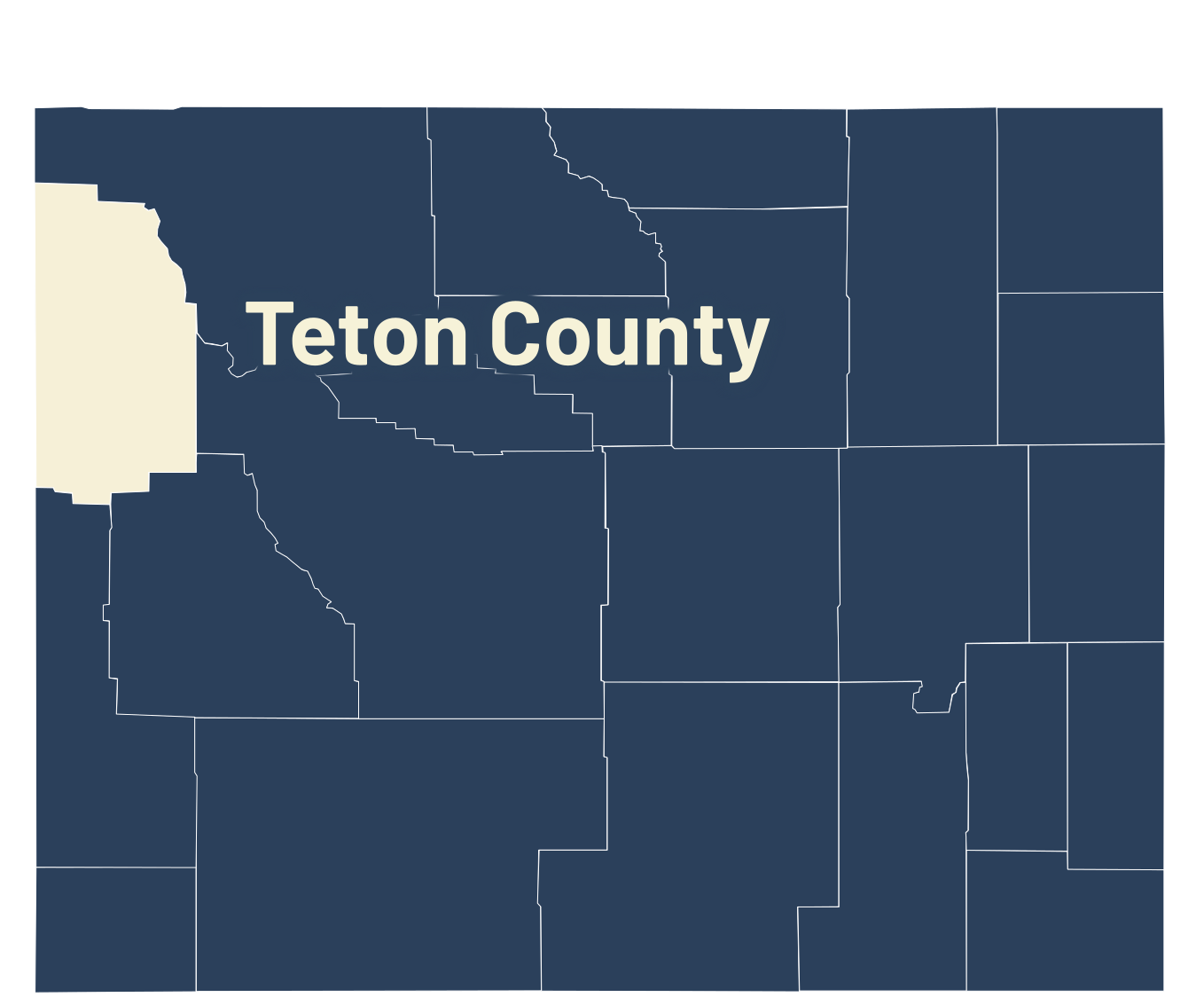
Two people have died in two separate snowmobiling incidents in Teton County within the last week.
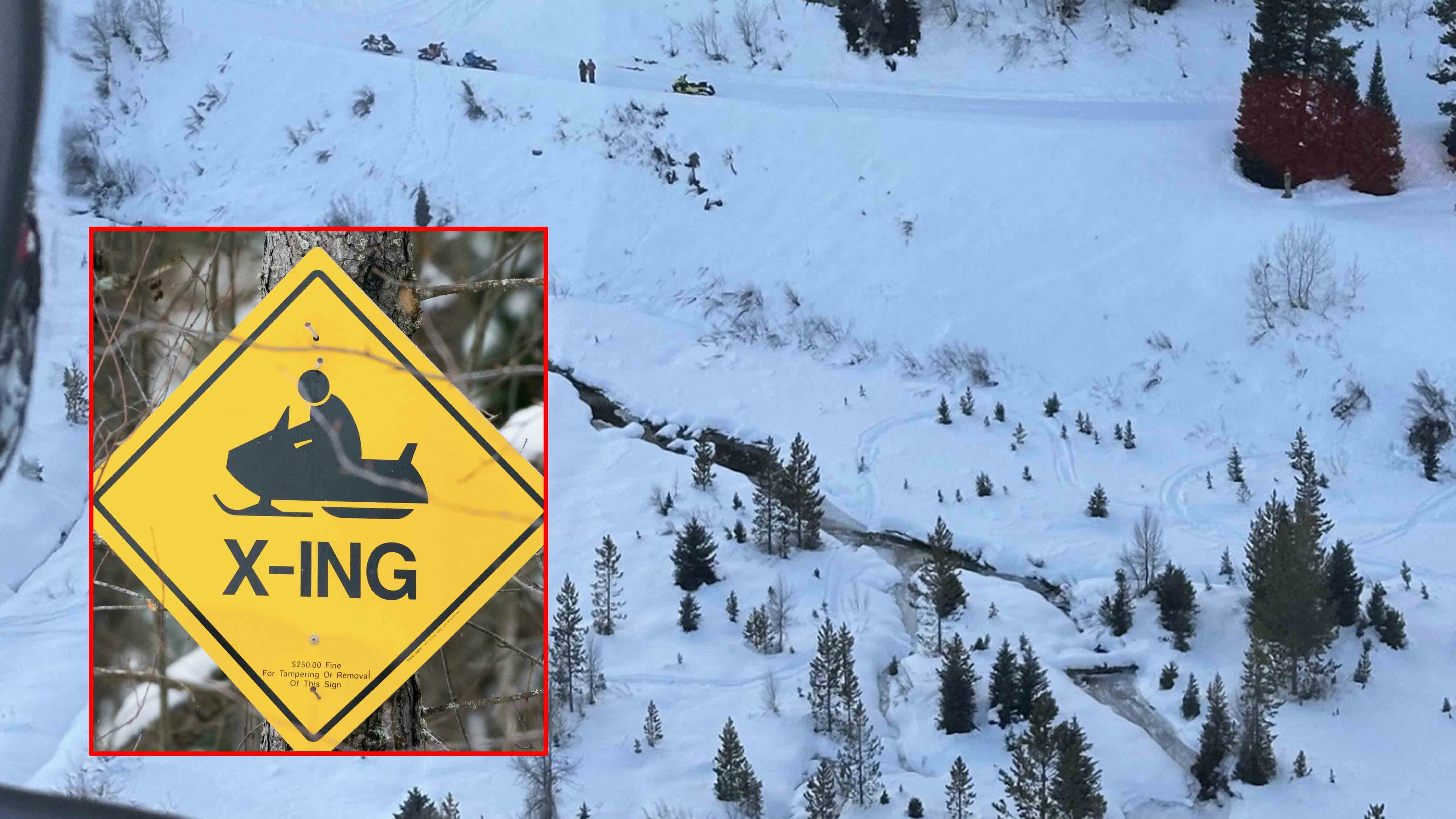
On Jan. 23, Teton County Search & Rescue (TCSAR) responded to a call from a guided snowmobile party in the vicinity of Granite Creek Road. One of the people in the party had “lost consciousness with life-threatening injuries” after colliding with a tree.
TCSAR drove a Polaris RZR side-by-side up the road to transport the victim out of the backcountry and to a waiting ambulance. The victim died later that day.
Teton County Coroner Brent Blue confirmed the victim was Edith Pike, 32, of Stanford, Connecticut. The cause of death was head and neck trauma sustained in the accident.
Another Collision With Tree
On Jan. 26, TCSAR responded to an incident on Togwotee Pass. Two riders, riding the same snowmobile, were riding off-trail when they collided with a tree.
When TCSAR and personnel from Air Idaho arrived at the scene via helicopters, the male victim who had been riding the snowmobile went into cardiac arrest. He could not be revived.
The victim of the Jan. 26 incident was Joshua Dillon Escamilla, 31. As of Thursday, Blue said his cause of death had yet to be determined.
"Fast As Hell"
"This has been a challenging winter so far for our mountain community," said TCSAR communications director Matt Hansen.
"TCSAR has responded to four fatalities, with two coming in the last three days," Hansen said. "We know that accidents happen and that we all make mistakes.
"This message is not intended to shame or judge anyone," he said. "Just please remember that when you take on a backcountry objective — no matter how big or small — the most important thing is to make sure you come home at the end of the day."
TCSAR didn’t have any additional details on these back-to-back incidents, but Blue had a message he wanted to communicate to Wyoming’s snowmobiling enthusiasts, amateur and experienced, given the current conditions.
“People need to be careful on snowmobiles, because without much snow, everybody's going fast as hell,” Blue said.
Snow And Scarcity
There’s snow in the mountains of western Wyoming, but that doesn’t mean conditions are ideal for outdoor recreation, and off-trail snowmobiling has evolved in ways many first-time riders might not understand.
TCSAR was responding to another snowmobiling incident on Jan. 23, also on the Granite Creek Road, when they received the call about the incident involving Pike.
That incident involved a 39-year-old male who crashed and rolled a snowmobile about 30 feet down an embankment, sustaining a severe leg injury.
Will Mook, co-owner of The Mountain Riding Lab in Jackson, is an experienced snowmobiler. He said less-than-perfect snow and heavy traffic might be subtly encouraging people to seek out pristine and more hazardous routes.
“We haven't had fresh snow in quite a while, and that makes finding soft snow that mountain riders are always in search of, a little more challenging,” he said.
This is a unique snowmobiling hazard that Mook called “scarcity.” When the ideal, easily accessible snow has been thoroughly used up, riders might seek out more remote, difficult places to find untouched embankments of fresh snow.
“Scarcity can come in several different shapes and forms, but I do think that when the resource is scarce, that resource being soft snow, we do typically push into more challenging terrain," Mook said. "And when there's a lot of tracks already out there, people go searching for more remote and difficult places to find that desirable snow.”
Universal Hazards
Mook was aware of the fatal snowmobiling incidents in Teton County last week but didn’t have any information beyond what was released by TCSAR.
Both incidents involving snowmobiles that collided with trees was notable but he categorized trees as a universal hazard when riding off-trail.
“It’s hard to speculate what happened in these incidents, and my heart goes out to the families affected and all the individuals involved with the rescue," he said. "By and large, (hitting trees) is typically more of a beginner mistake, but advanced riders are not immune, because they might have a sense of complacency."
Mandy Fabel, a recreational snowmobiler and Polaris spokesperson, said trees and rocks are constant hazards when riding off-trail.
They should never be underestimated, just as the driver’s skills and situational awareness should never be overestimated.
“To put it simply, snowmobiles are big machines that go fast,” she said. “When there's low snow, those hazards can be more exposed, but a fast, soft snow can cover them quickly. It’s all about the terrain, and too much snow can be just as dangerous as not enough snow.”
Not Your Father’s Snowmachines
Fabel said the sport of snowmobiling has changed in recent years due to the improved quality of snow machines on the market. Even she’s consistently impressed by the power and abilities of modern machines.
“The machines are so capable now, even a new rider can get places that they really shouldn't be based on their experience level,” she said. “That wasn’t the case 10 years ago.”
Fabel said some of the areas she’s familiar with would have been difficult even for an experienced rider with plenty of exposure and situational awareness.
Now, those areas are accessible to someone “on their third date with a snowmobile.”
Overestimating Abilities
In Fabel’s view, it’s simultaneously a testament to the increasing quality of the snowmachines and a concerning way for inexperienced riders to overestimate their abilities.
“I’m seeing more people get training and education before they go out, but the capabilities of the machines are working against that,” she said. “There is a need for riders to assess their own abilities, (and) to know what they don't know.”
Mook agreed with Fabel’s assessment on the increasing quality of snowmachines.
In his view, the quality has “progressed exponentially” over the last 20 years, which makes snow machines easier to ride - and underestimate.
“Snowmobiles have never been this good, and once you get over that initial learning curve, they are much easier to ride,” he said. “That said, they are a very unique vehicle. They’re very similar to an ATV or a jet ski, but they handle more like a motorcycle.”
More than anything, Mook said it’s crucial to “treat them with respect.” An easier ride doesn’t diminish the inherent danger of riding any snow machine, let alone taking one off-trail in rugged terrain.
“They're not toys, they are recreational vehicles,” he said. “They’re amazing, and better than they’ve ever been, but you have to treat them with respect, because they definitely can be dangerous.”
Andrew Rossi can be reached at arossi@cowboystatedaily.com.