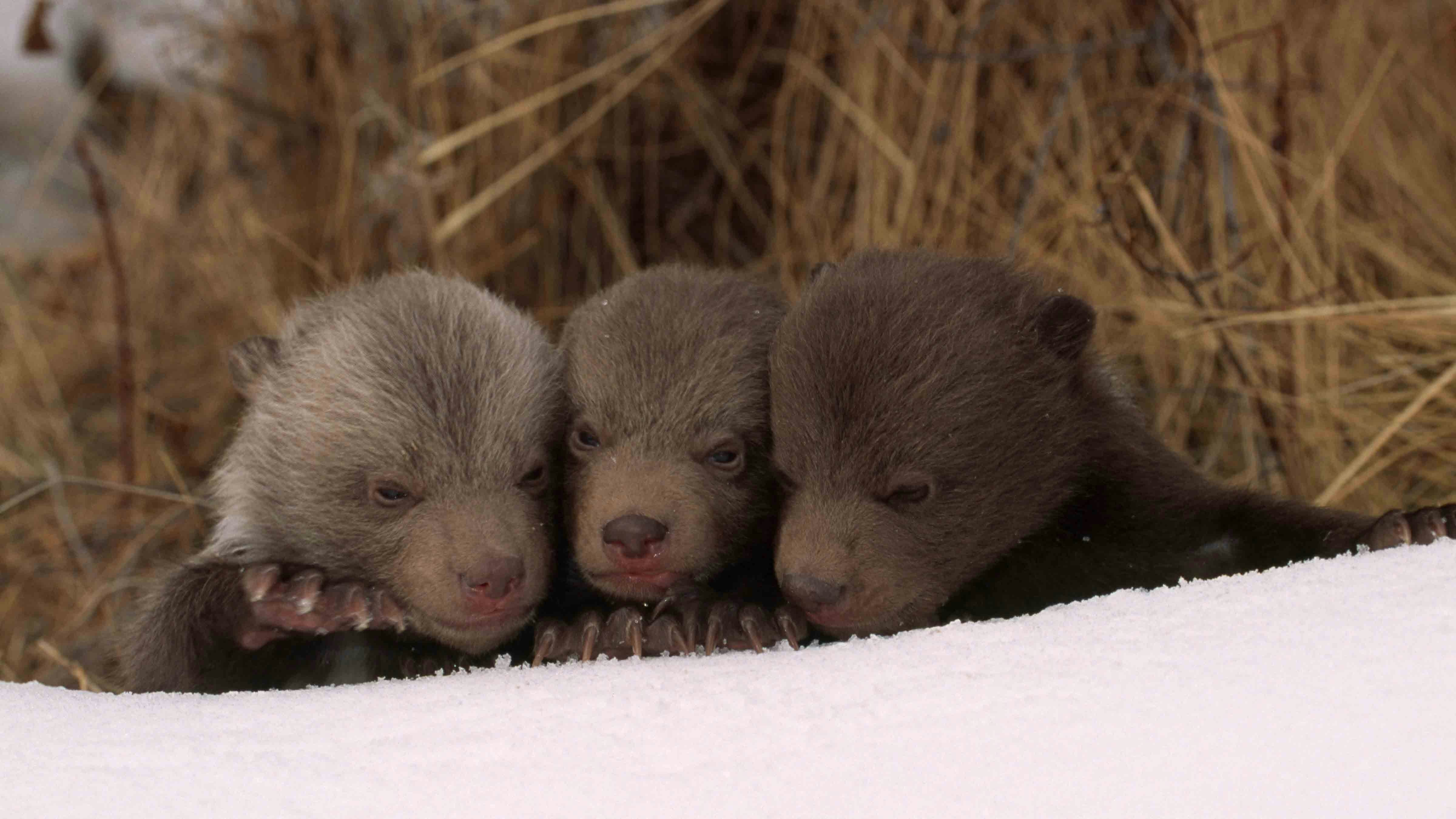
The new crop of grizzly cubs that will emerge this spring to the delight of visitors in Yellowstone National Park have already been born, according to researchers.
A long-term study nailed down January as the month when Yellowstone grizzly cubs are born. That means the cubs that will emerge stumbling and blinking from their dens in May will be right around five months old.
Previously, biologists had to make assumptions about bear birth dates across a broad timeframe, grizzly expert Cecily Costello told Cowboy State Daily.
“We have always worked under the assumption that bears, grizzly bears and black bears are born in January or some time in February,” said Costello, the statewide grizzly research biologist with Montana Fish, Wildlife and Parks (FWP).
Since it’s not practical to put video cameras in grizzly dens, researchers relied on motion-sensing collars on bears to figure out what they were up to over the winter.
January Grizzly Cub Boom
While January is the grizzly baby boom month in Yellowstone, birth dates can vary by region – generally, the farther north, the later cubs are born, she said.
A published paper on the findings is forthcoming, probably within two months.
Data was gathered from among four bear populations, including in Yellowstone and Montana’s Northern Continental Divide grizzlies. Also, in the Cabinet-Yaak and Selkirk Mountain regions in north Idaho and British Columbia, Canada. And finally, Gates of the Arctic National Park and Preserve in Alaska.
Grizzly cubs in Gates of the Arctic were typically born in February, roughly a month after the Yellowstone cubs, she said.
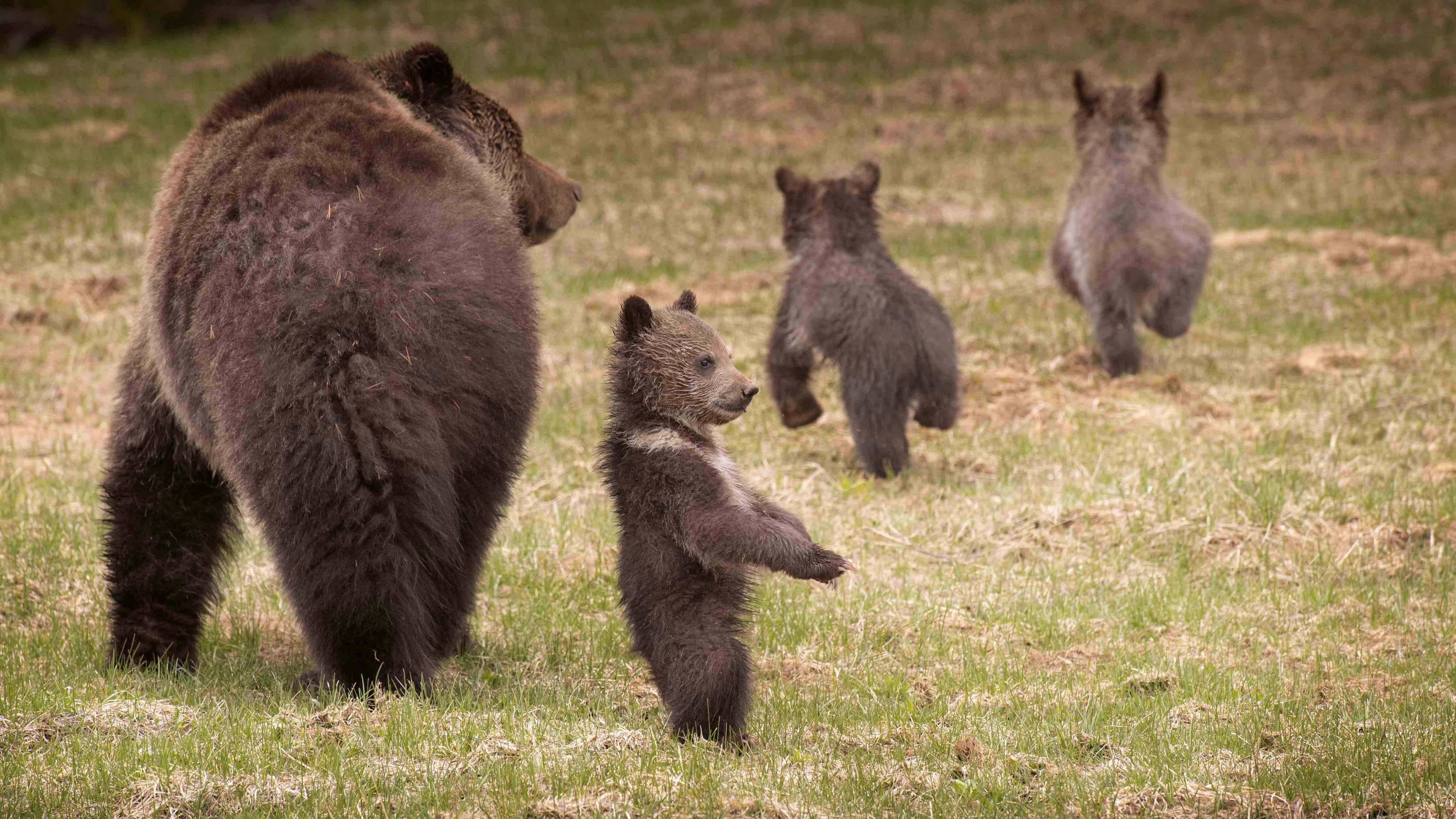
Peek Inside The Bear Den
What goes on in grizzly dens over the winter remains largely a mystery. The dens are typically remote, high in the mountains and difficult to find. So, sticking video cameras in them wasn’t a practical option.
Instead, researchers cracked the problem and got the data they needed by putting motion-sensing collars on bears.
The collars sense movement on “three planes, forward, backward and side-to-side,” Lori Roberts, research assistant on the FWP Grizzly Bear Trend Monitoring Team, told Cowboy State Daily.
The common assumption is that once grizzlies enter their dens to hibernate – typically in late October or early November – they essentially pass out and don’t do anything until spring.
That’s not true, Roberts said.
While they become lethargic, they might be in at least a semi-waking state much of the time, she said.
For the study, collars gave real-time feedback on what bears were doing in their dens.
“Every 10 minutes we get a reading of the ‘active seconds’ of the bear during that period,” she said.
Researchers were looking for a particular “spike” in activity among female bears to pinpoint cub births, she said.
Among captive grizzlies, a routine was observed when cubs are born.
“What they noticed was, after birth, there was crying from the cubs, and the female bear would sit up and start licking herself and the cubs clean,” Roberts said.
That prolonged spike in activity recorded by the bear collars was a giveaway for when cubs were born in isolated dens in the wild, she said.
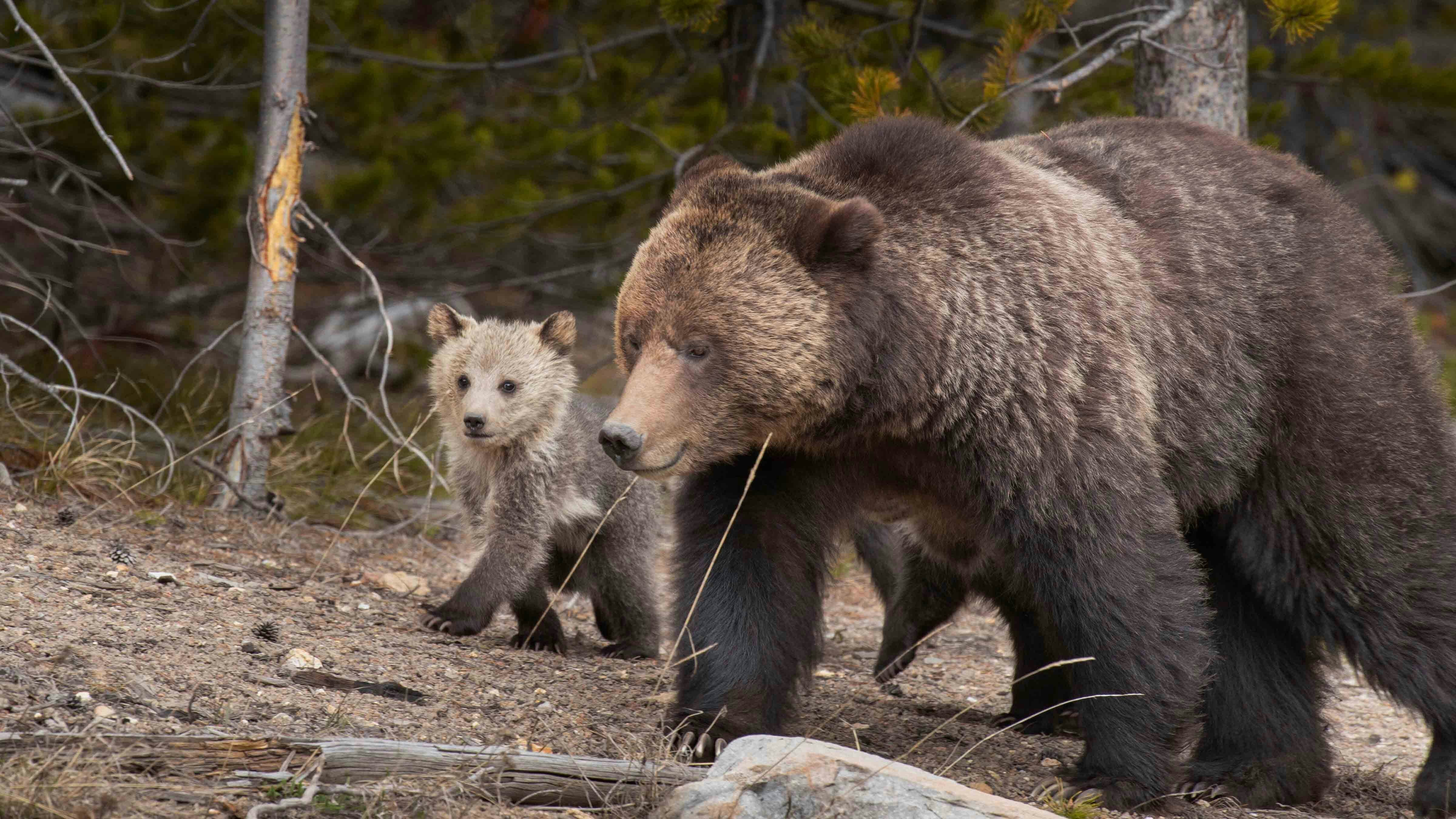
Timed Pregnancy
While grizzlies mate during the spring and summer, actual gestation of the fertilized eggs might not happen for a while, Costello said.
In other words, the female grizzlies’ bodies time when the eggs will attach to the uterine wall and start to develop, she said.
Grizzly moms need perfect timing, she added.
If gestation starts too early, the cubs will be born too soon, and she won’t have the milk reserves to sustain them through the winter.
And if gestation is delayed too long, the cubs will be too small and feeble to survive leaving the den in the spring, she said.
That could be why, for example, January is the birth month for Yellowstone grizzlies. It puts the cub births right in that sweet spot that is neither too early nor too late for the environment, Costello said.
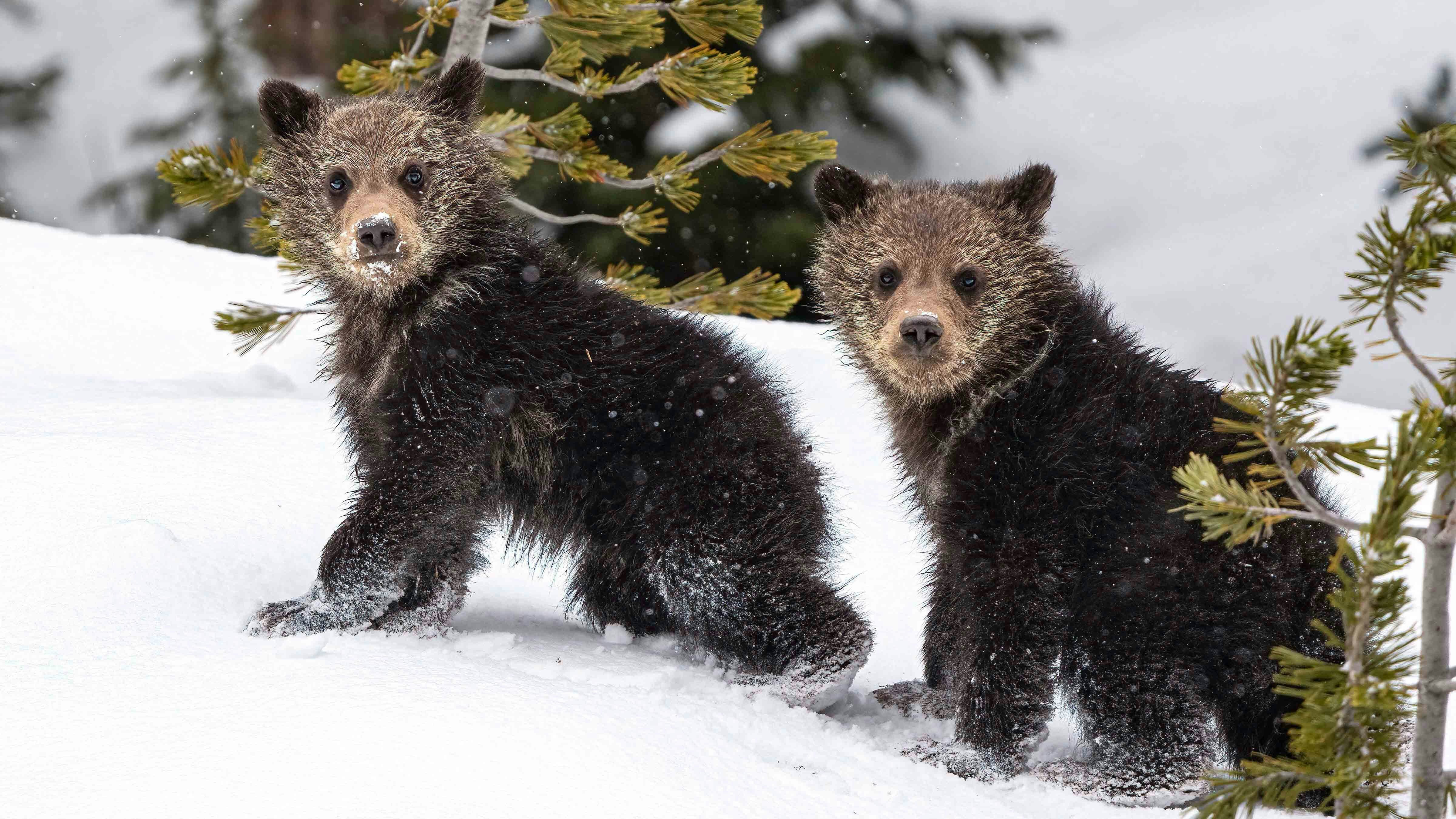
‘These Populations Are Still Growing’
Life is tough for grizzly cubs.
Some cubs born during the winter never make it out of the den. That might be because the mother is young and inexperienced. Or was underweight before she entered the den and simply didn’t have the extra body fat and energy to sustain the cubs after they were born, Roberts said.
There’s no way yet of determining how many cubs die in the den, she said. The motion sensors might indicate that there likely was a “birth event” in a den, but without video, it’s impossible to tell if it was a single cub, or a litter.
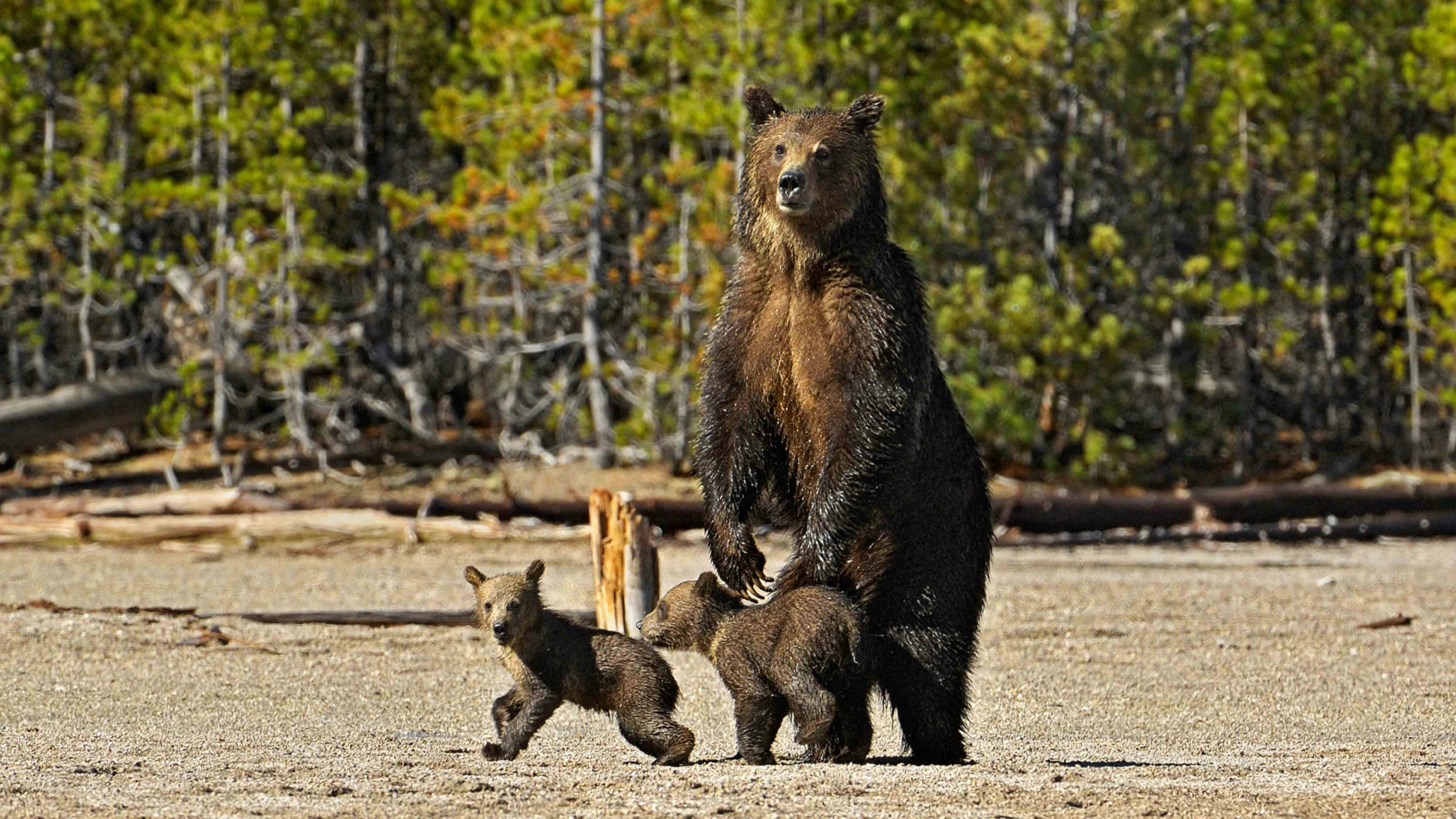
Grizzlies frequently have twins, or triplets. The most famous litter raised by the legendary Grizzly 399 were her quadruplets. They were born in 2020 and separated from their mother in 2022.
Even after cubs leave the den, experts estimate that sometimes, only half survive their first summer.
They can fall victim to accidents or even be killed and devoured by marauding male bears.
Even so, birth rates in Yellowstone and in the other study area are healthy, Roberts said, and the grizzly population seems to be staying ahead of losses.
“These populations are still growing. The populations are still doing fine,” she said.
Mark Heinz can be reached at mark@cowboystatedaily.com.