In 1956, Dwight D. Eisenhower famously said, "The only way to win the next world war is to prevent it."
As the supreme commander of the Allied forces in Europe during World War II, he knew a thing or two about winning geopolitical conflicts.
President Donald Trump and his military advisers also understand that reacting to our adversaries won't thwart their global ambitions -- military preemption will.
This month, Trump correctly asserted the United States' interest in securing strategic strongholds in Greenland.
Most Americans don't disagree with the president's analysis. But instead of building confidence and goodwill with Americans and our NATO allies, the president created chaos and division for multiple news cycles.
Greenland is critical to U.S. national security. Located at the crossroads of North America, Europe and the Arctic, the island is a gateway for movement across the north Atlantic Ocean. Receding ice caps have heightened the island's checkpoint advantage further, opening new commercial shipping (and potentially military) routes.
The territory holds a wealth of rare earth minerals necessary for cutting-edge technology, which will be necessary to maintain the United States' military dominance.
Perhaps most importantly, it is a node for U.S. military detection systems that could avert a hostile missile strike.
The island's strategic importance isn't lost on our rivals. Over the past decade, Russia has built and refurbished military installations in the area.
It's tested "novel" weapons in the surrounding Arctic Circle and launched ice-breaker ships to inaugurate the emerging North Sea Route.
Likewise, China has sought (mostly unsuccessfully) to buy ports, infrastructure and mining rights in Greenland -- not for economic interests but to install equipment to control military satellites and better gather intelligence on the U.S.
In 2020, retired General Terrence O'Shaughnessy, former commander of the U.S. Northern Command, cautioned Congress: "The Arctic is no longer a fortress wall, and our oceans are no longer protective moats. They are now avenues of approach."
In other words, whoever controls Greenland controls a military and economic advantage.
And while Denmark may be a friendly ally, the European country -- whose defense spending amounts to less than 3% of the United States' -- is hardly a formidable military power able to defend this global gateway.
Once again, the president has employed harsh rhetoric to achieve a laudable goal.
The president's questioning of Denmark's "right of ownership" and his suggestion that the U.S. could consider annexing the Arctic island sent the wrong message to our allies and enemies alike.
The result of the president's efforts may be a "framework" that would give the U.S. control over certain tracts of the island.
While there is currently no deal, Denmark's prime minister conceded last week: "We have always said that we are of course willing to make an agreement."
Trump's tactics, however caustic, and the results they may deliver stand in stark contrast to the Biden administration's global retreat-ism.
Former President Joe Biden sought to placate our adversaries by adopting a posture of humility that emasculated our military and put the far left's radical agenda ahead of U.S. national security.
Russia and China's willful aggression around the world shows how well that turned out.
By comparison, Trump's hardline position has moved the United States closer to securing long-term footholds in the Arctic -- ones that would not only bolster our military preparedness but also impede Russia's and China's ambitions.
It's the ounce of prevention that, as Eisenhower put it, could win the next war.
Greenland's global importance is not new.
In 1946, Harry Truman secretly offered to buy the territory from Denmark -- a deal it ultimately rejected.
But now -- as Russia, China and other antagonists work to disrupt the United States' global leadership, and changes in the Arctic make it more viable that they could -- the island takes on even greater stakes and significance.
Trump's actions to reassert the United States' military interests and isolate our enemies is exactly the kind of preemptive policy our country, and the world, needs.
However successful the president's Arctic strategy may prove to be, America's global friends and admirers would certainly appreciate less rhetorical chaos and more certainty from the leader of the free world.
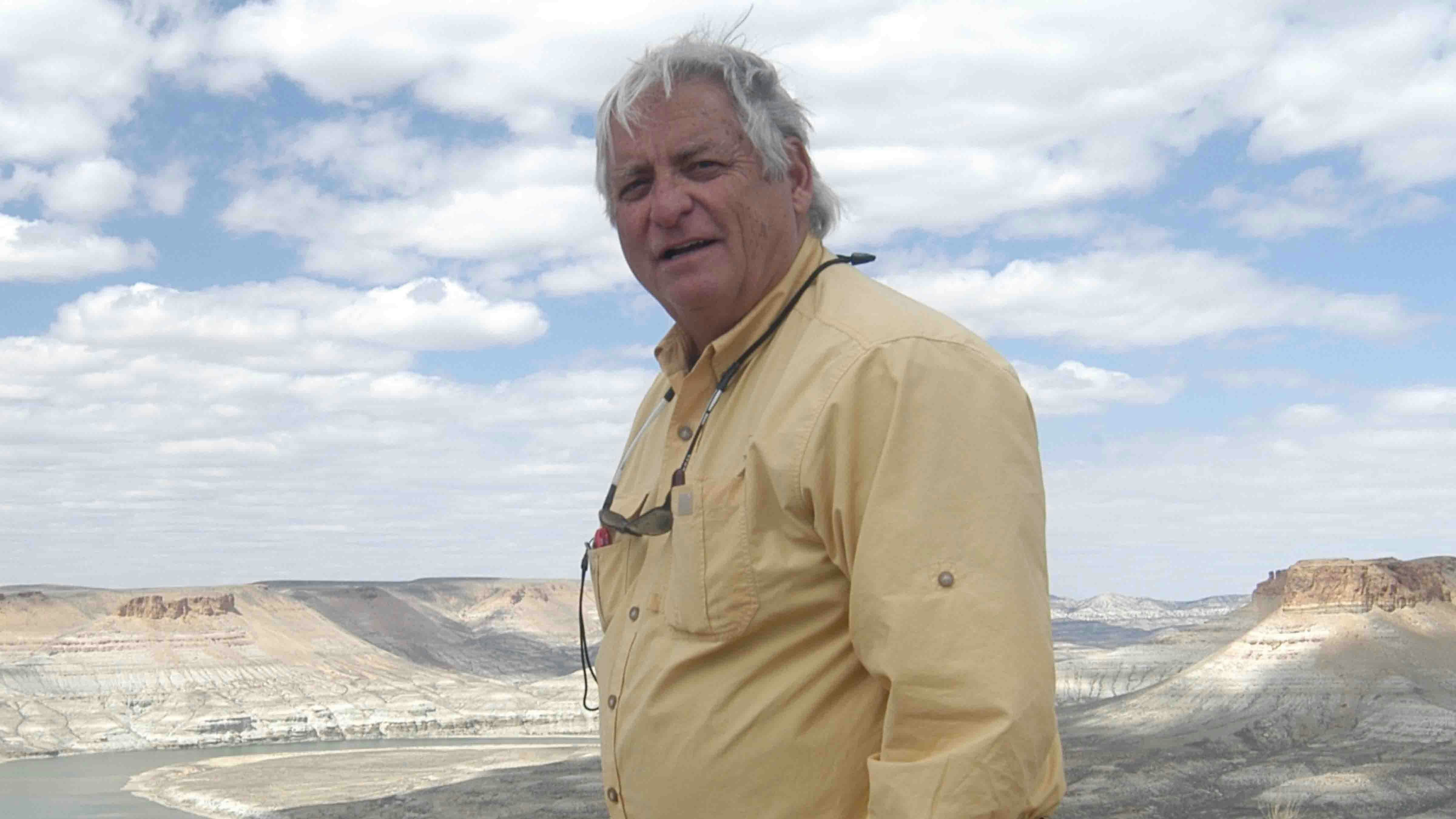
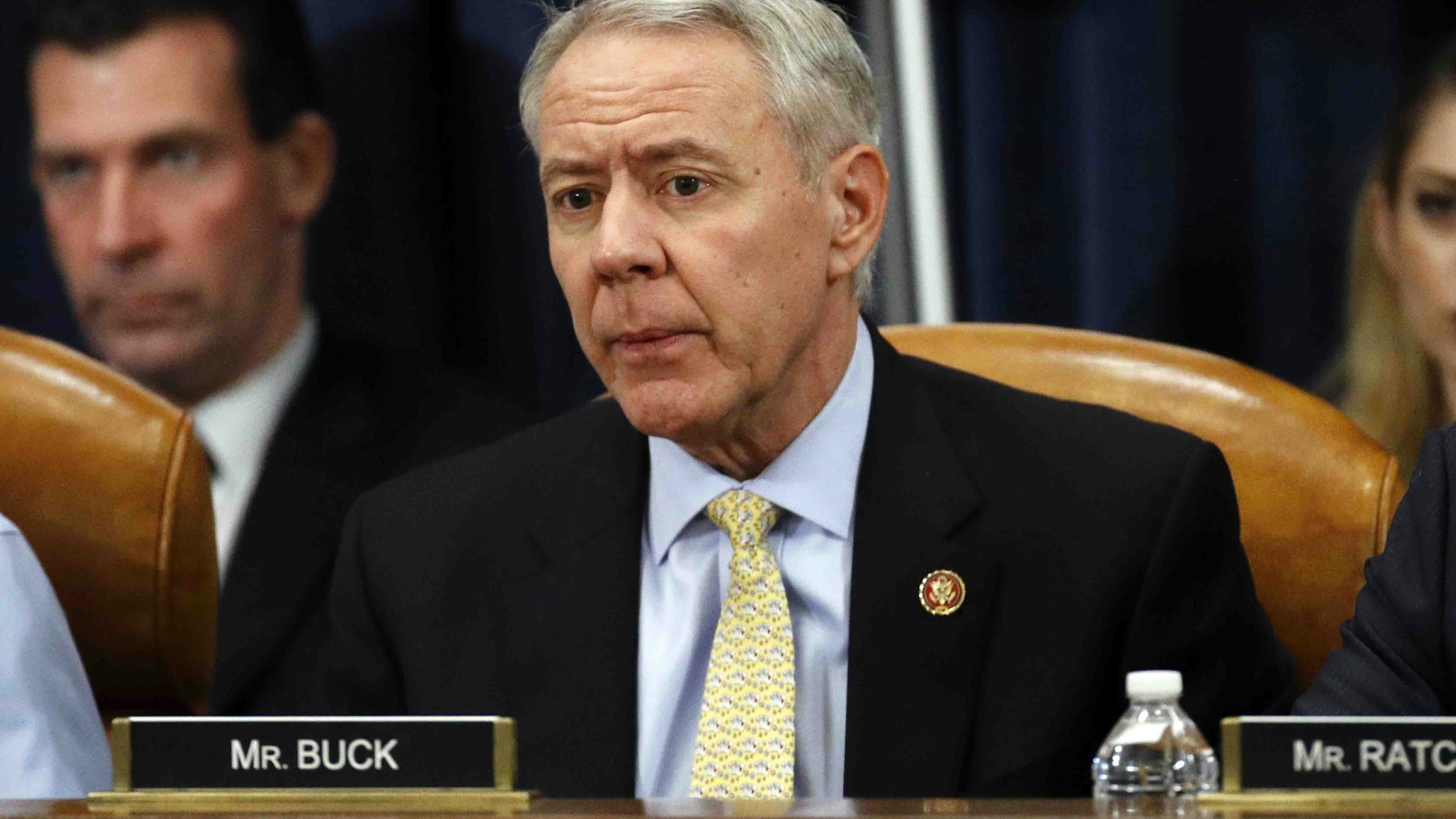
Ken Buck received his law degree from the University of Wyoming and served in the United States House of Representatives from 2015-2024 representing Colorado's 4th congressional district. He now serves as a Fellow with the Independent Center.