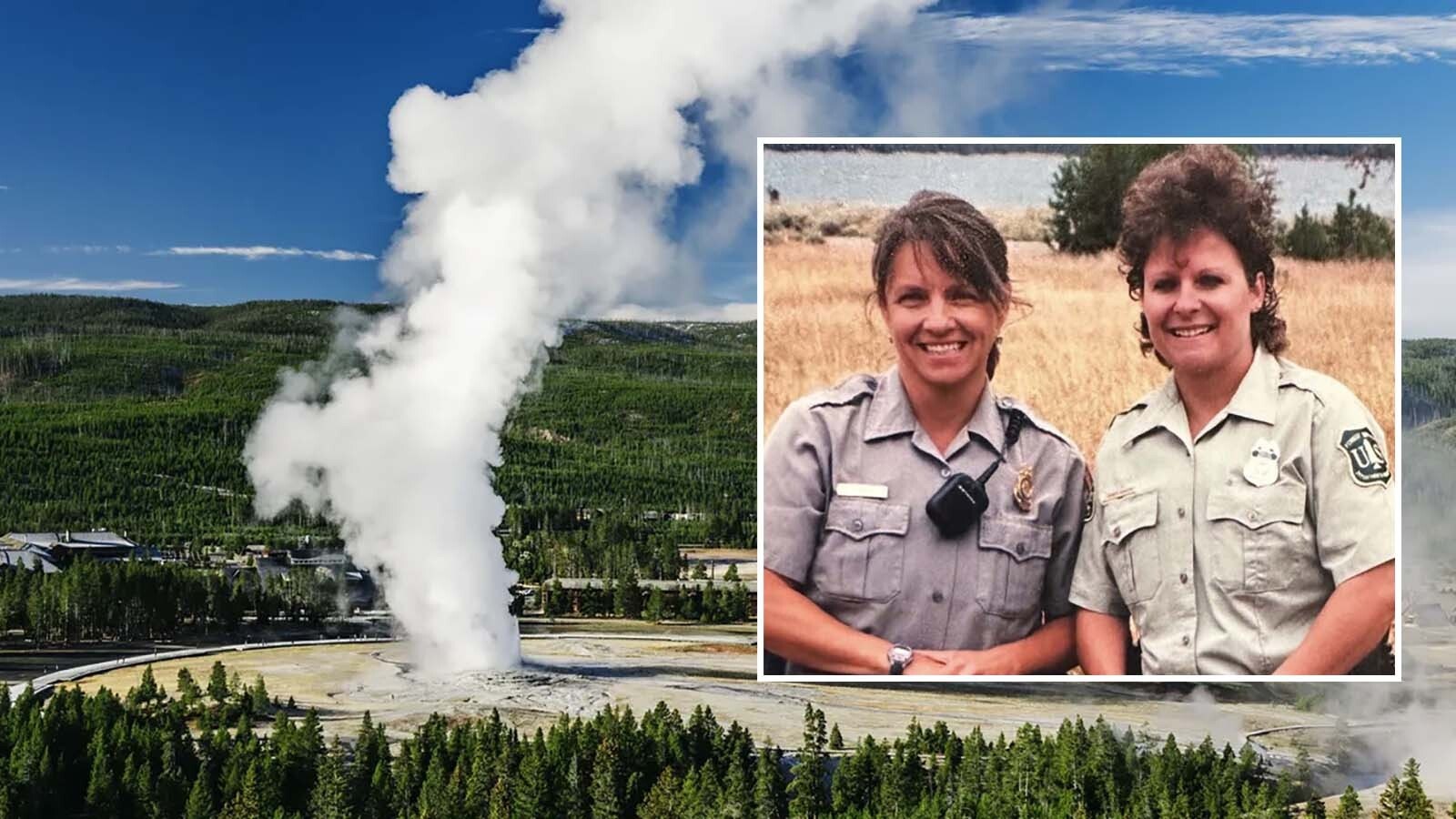
Tara Ross had just gotten home when her radio crackled with a request for backup. In ranger speak, that single word carries weight — another officer was in trouble, and they needed help fast.
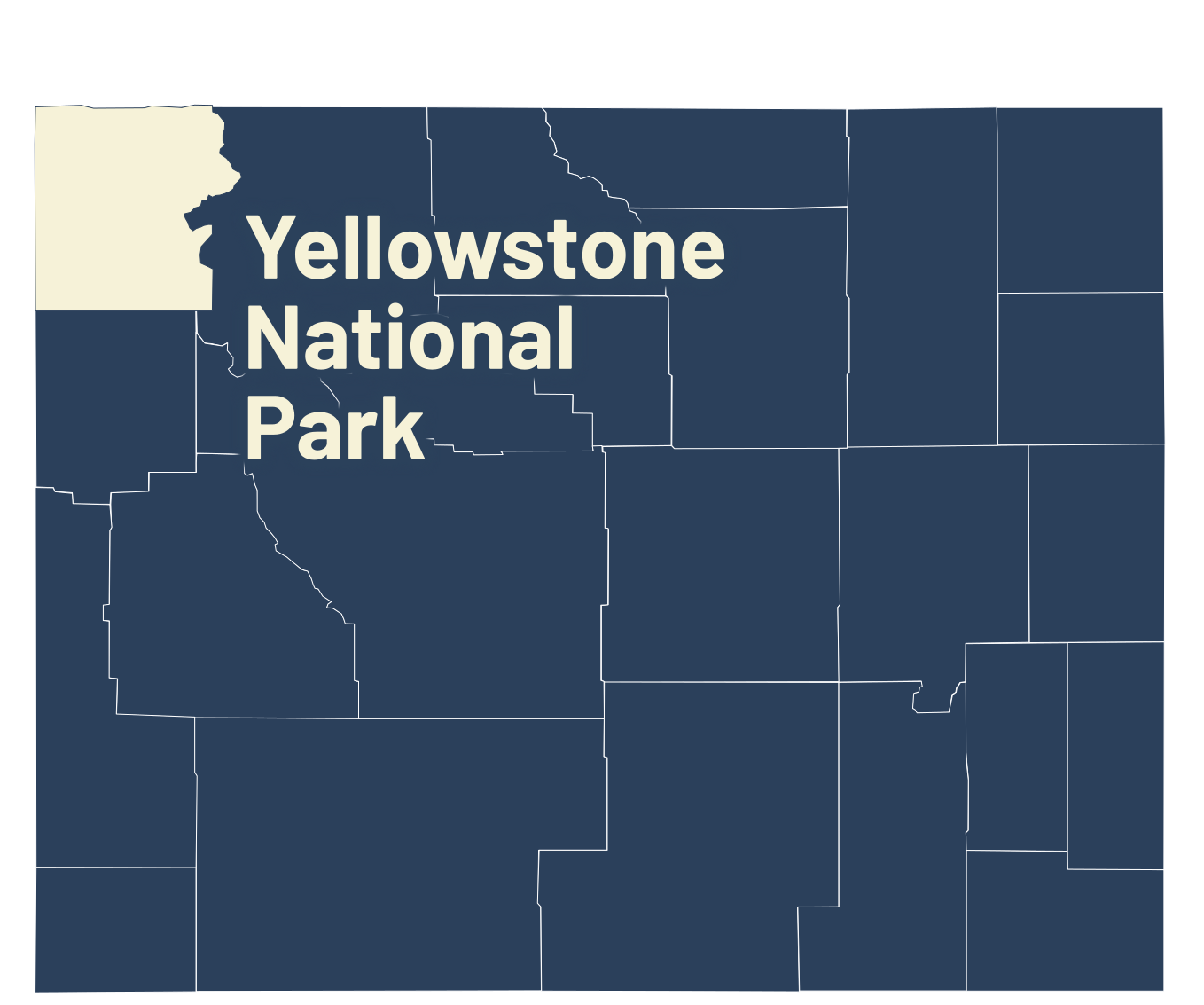
Fast is relative when one works as a law enforcement ranger in Yellowstone, the second largest national park in the nation, a sprawling 2.2 million acres of rugged wilderness bisected by miles of twisty narrow roads connected to park attractions and campgrounds that are often clogged by bison or bear jams — tourist traffic staring at wildlife.
During the summer, there might be upwards of 30,000 distracted tourists a day packed in the park, and depending on the ranger’s location, backup in the front country can take anywhere from 20 minutes to an hour and even longer in the remote corners of the park.
Being a ranger is a difficult job and one that requires wearing many hats. On top of policing, they have to be EMTs, counselors and survivalists all at once while navigating dangerous animals, weather and, sometimes, creeps.
They never know what they’re about to walk into as crimes vary from drunk driving, assaults, animal maulings and any variety of crimes and accidents that can occur within the miles of rugged and remote wilderness.
That summer day in 2007, now-retired park ranger Ross got lucky because her home in the park was just minutes away from the Grant Village Campground, which is also the largest with more than 400 campsites.
Dispatch calls to campgrounds are not uncommon, ranging from drunken fights to domestic assault to child abuse. It’s just like anywhere else, Ross noted. Where there are people, there is crime. Particularly when alcohol is involved.
And from what Ross was hearing over the radio as she drove, alcohol was definitely involved, and from the sound of it, in copious quantities.
Ross pulled behind the responding ranger to find him hunkered near his pickup fielding obscenities and threats of violence from an older guy and his two sons at their nearby campsite.
The commotion was scary enough to send neighboring campers into hiding in tents and RVs waiting for help.
With Ross now on site, the men turned their attention to her, hurling verbal insults and calling her “every disgusting female cuss word they could think of,” she said.
It was clear this wasn’t going to be the typical nuisance call that Ross had responded to hundreds of times over the course of her 30-plus-year career. It would end up being the first time rangers executed their new Taser policy adopted two years prior.
As they waited for more backup, Ross and the other ranger were able to extract some information from the men, learning they were all veterans. The sons were still active duty, briefly home from stints in the Middle East. The dad, a Vietnam vet, had a lengthy criminal record involving alcohol and violence.
The rangers weren’t taking his threats lightly.
As they waited for Yellowstone’s special response team to assemble from their respective locations throughout the park, the drunk men disappeared into their van for several moments as the two rangers racked their long guns preparing for them to reemerge with weapons.
It felt like an eternity as Ross and her fellow ranger waited for backup, knowing they would be vastly outgunned should the men come out armed.
Luckily, Ross said, when they eventually came out of the vehicle, their hands were empty.
The standoff might have ended there, but the men were ready to rumble.
They stripped off their shirts as they told the rangers they were coming for their weapons. They relayed how they planned to use them once they confiscated them and what the bullets might feel like as they ripped through their flesh.
Then they locked arms in what Ross said looked like a three-headed amoeba and began heading in their direction.
Ross quickly devised her “DST” plan: distract, separate and tase at the advice of her boss while reinforcements started to arrive.
The rangers split up and called each man to head their direction, which worked, allowing them to tase and handcuff the men for transport to the Yellowstone park jail at Mammoth Hot Springs.
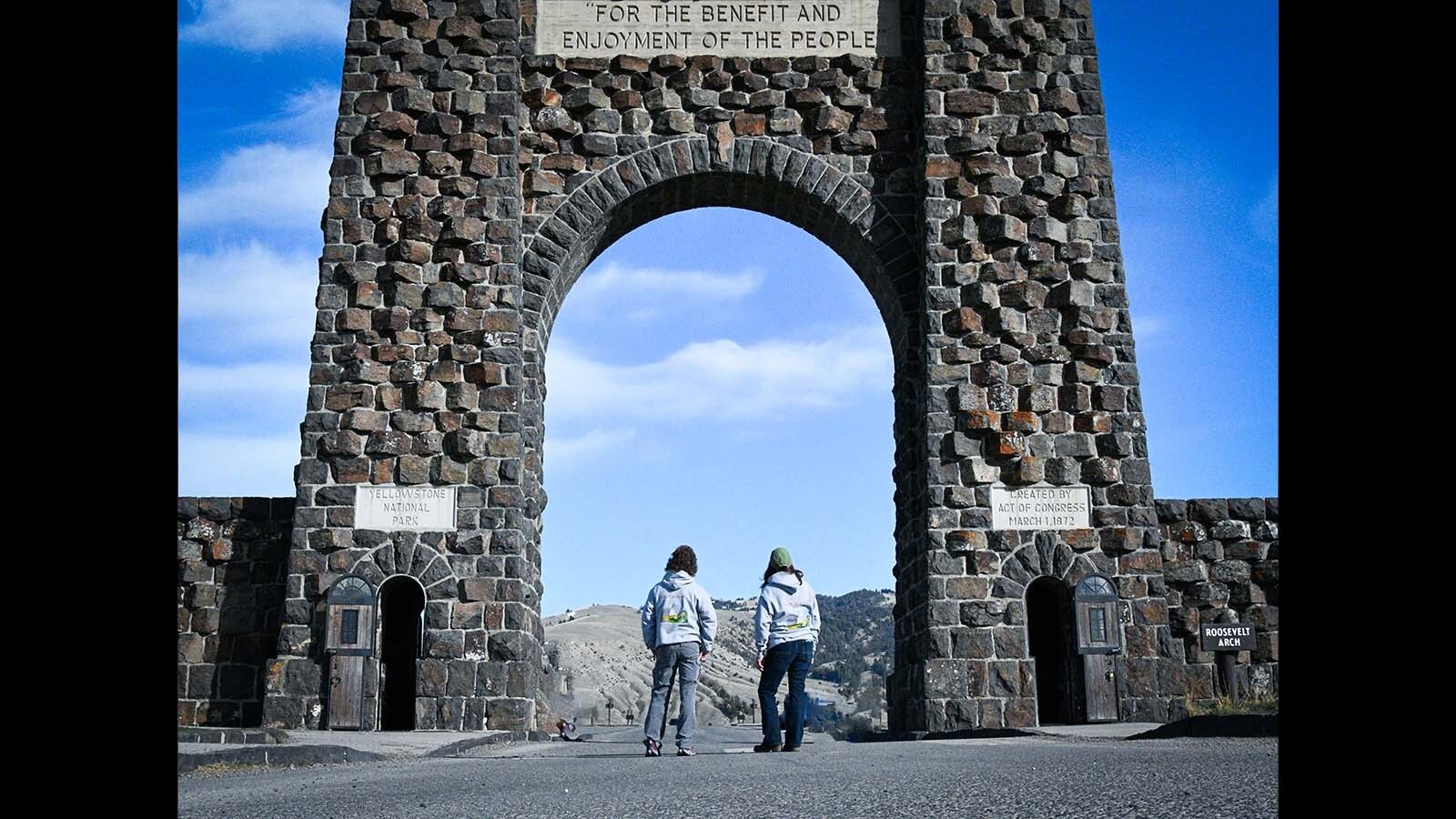
Nancy Martinz and Tara Ross enjoyed long, storied careers as Yellowstone National Park law enforcement rangers. (Courtesy Tara Ross) 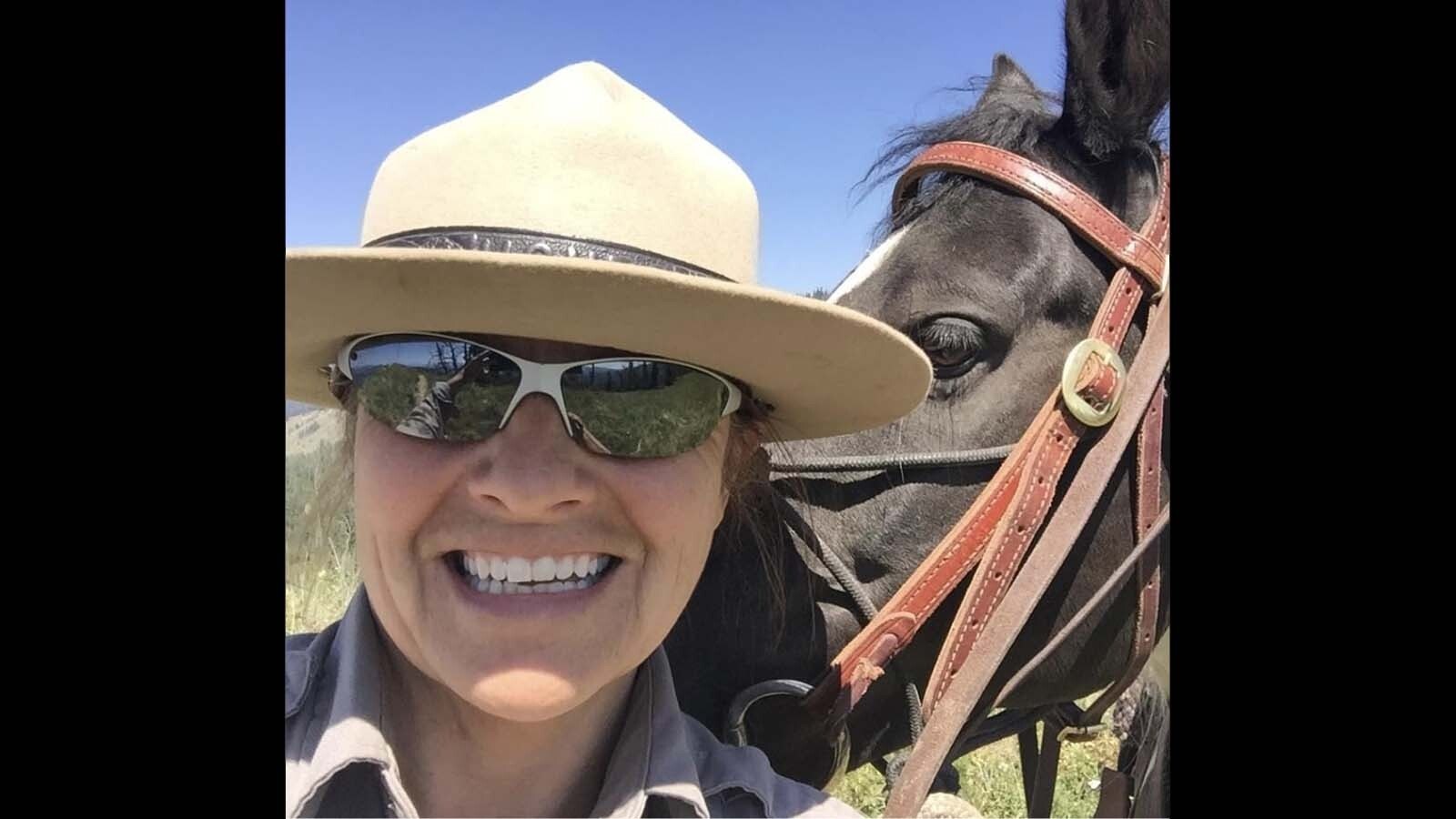
Being a park ranger is a difficult job and one that requires wearing many hats. On top of policing, they have to be EMTs, counselors and survivalists all at once while navigating dangerous animals, weather and, sometimes, creeps. (Courtesy Tara Ross)
'They Ain’t Chicken Bones'
Perhaps one of the more grisly murders occurred in July 1970, which Ross covered in a December 2023 podcast episode called “Yellowstone River and the Hippie Cannibal.”
It began when a fisherman along the Yellowstone River in Montana snagged a headless torso that was later identified as 22-year-old James Schlosser, a social worker from Montana, who had the misfortune of picking up a couple hitchhikers high on LSD who were headed to Yellowstone.
Along with his missing head, authorities said the body's arms had also been removed with the legs chopped off at the knees. The man’s chest had been repeatedly stabbed and his heart was also missing.
The culprits involved in his murder were Stanley Dean Baker and Harry Allen Stroup, both from Sheridan, who were later nabbed in Schlosser’s stolen car in northern California.
When apprehended by law enforcement two days later, Baker, 23, was found with what appeared to be small bones in his pocket.
When asked about the objects, Baker blurted out, “They ain’t chicken bones, they’re human fingers,” Ross explains in the podcast.
Then he told police that he had a problem: “I’m a cannibal,” he said.
Also in Baker’s possession was a recipe for LSD and a satanic bible in his pocket, earning him the nickname the “hippie satanist.”
He later confessed to shooting Schlosser in the head, cutting up his body and eating the raw heart.
His taste for human flesh apparently stemmed from his involvement in the Church of Satan, which he said gave him supernatural powers from eating human flesh. Prior to killing Schlosser, Baker said he’d brought good weather to a rock festival in Toronto and was also responsible for the death of rock legend, Jimi Hendrix.
He claimed to have picked up this religion in college in Sheridan.
Baker was sentenced to life in prison and claimed he was solely responsible for the murder. Stroup, meanwhile, denied any involvement but was found guilty of manslaughter and sentenced to 10 years in prison, according to the Casper-Star Tribune.
As Ross said, “You can’t make this stuff up.”
Sharing Ranger Tales
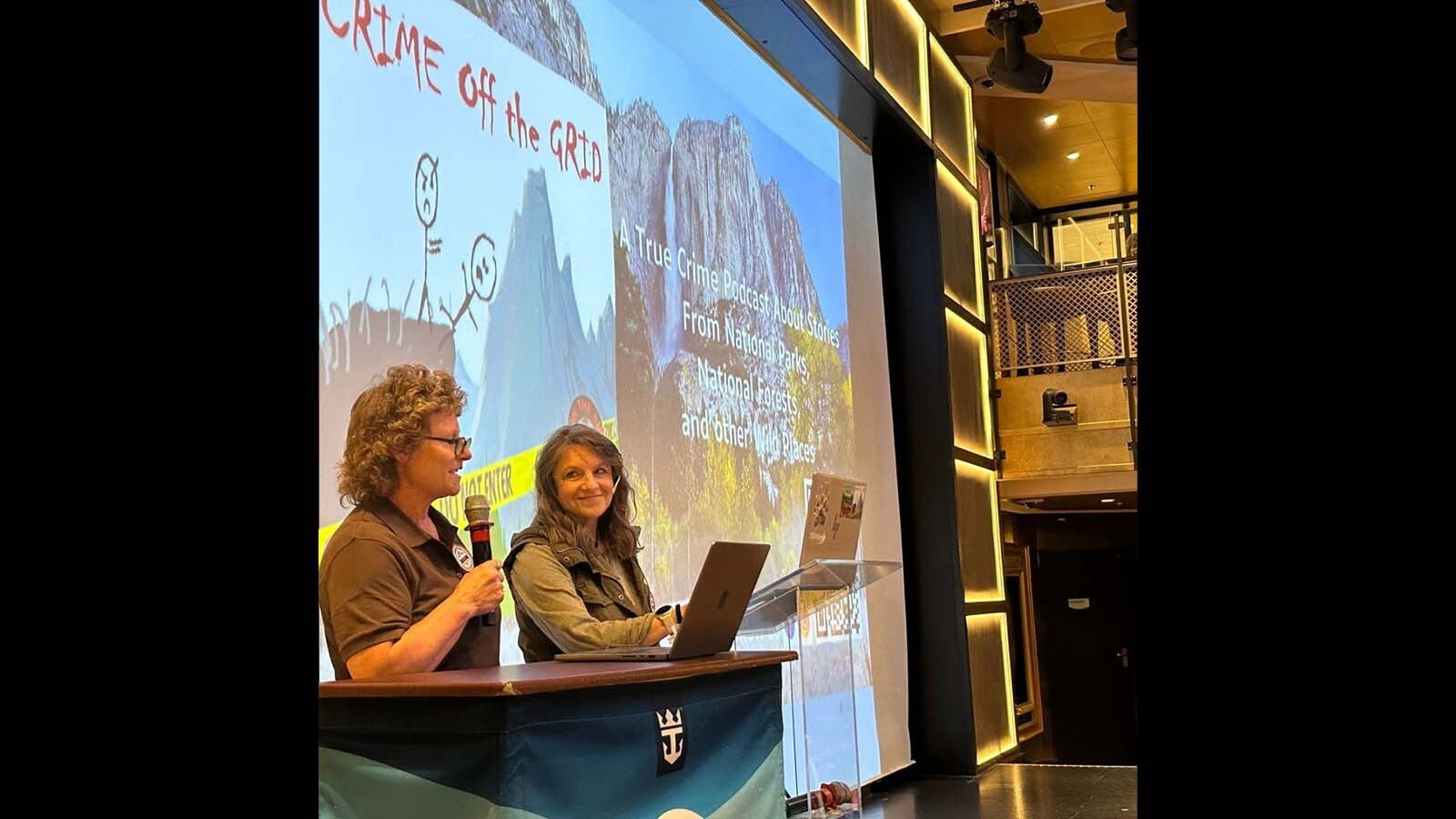
It was just another day on the job as a ranger and one of the many stories that Ross now shares with her co-host and former Yellowstone ranger, Nancy Martinz, on their podcast “Crime off the Grid,” which just surpassed 200,000 listeners with a 4.9 star rating on Apple Podcasts.
Ross launched the podcast in 2023 after she retired, thinking it was a good way to share some of the wilder crimes that happened in Yellowstone and other national, state and Forest Service land throughout the country.
Any reporter who has attempted to extract these types of stories from the Yellowstone communication team understands how rare it is to get details about such incidents, let alone from the first-person perspective of the responding ranger.
The podcast offers a rare glimpse into this world.
Along with telling good stories and entertaining their listeners, the duo hopes the podcast also helps people understand that wild places are not zoos or amusement parks. And though the chance of dying or being a victim of a crime in a national park is relatively low compared to national crime rates, it still does happen.
And sometimes, the crimes are so bizarre that as Ross notes, “you seriously can’t make it up.”
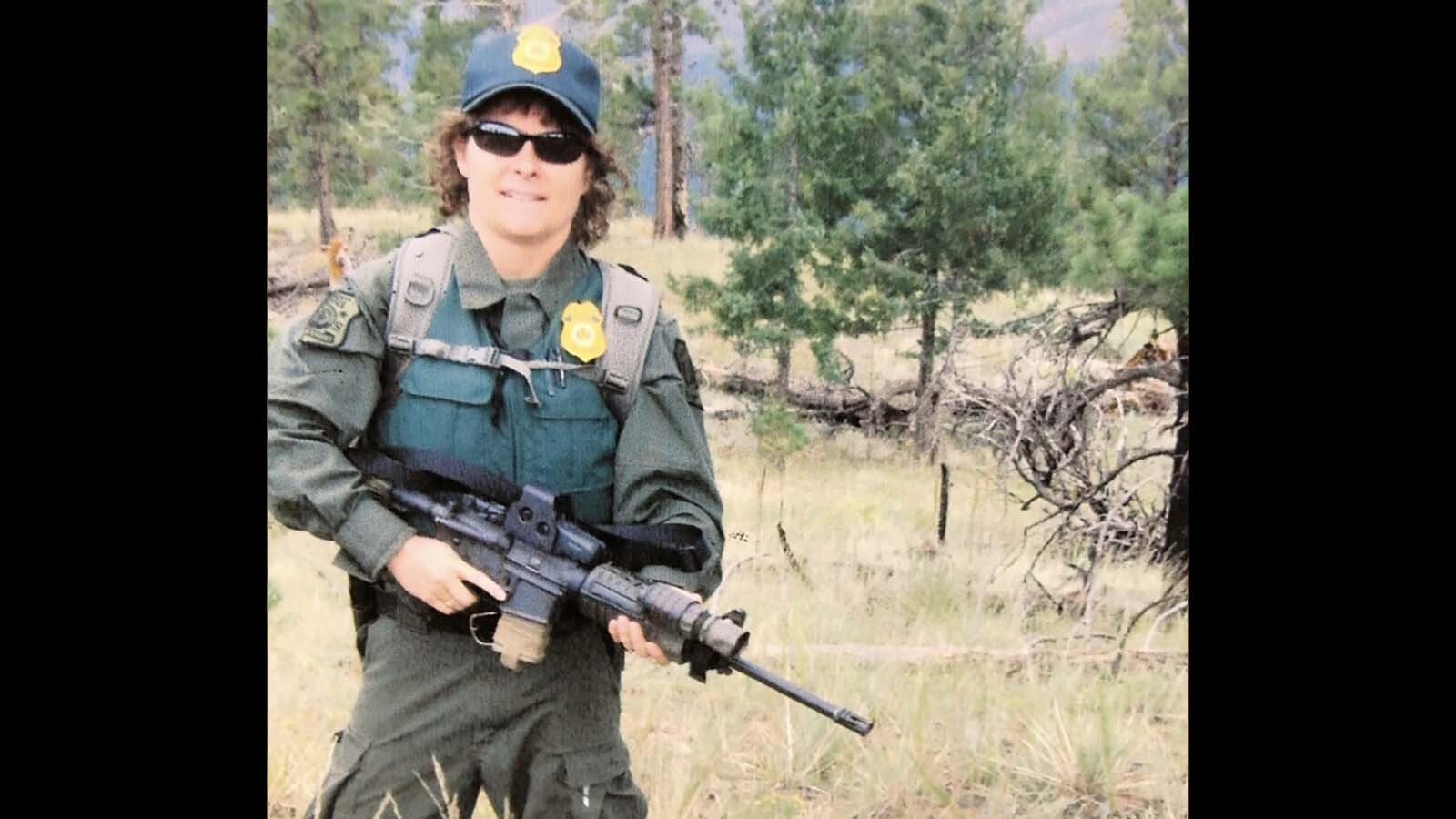
After leaving Yellowstone, Nancy Martinz went on to work at Mt. Rushmore and later become a patrol captain for the U.S. Forest Service in the Black Hills region. (Courtesy Tara Ross) 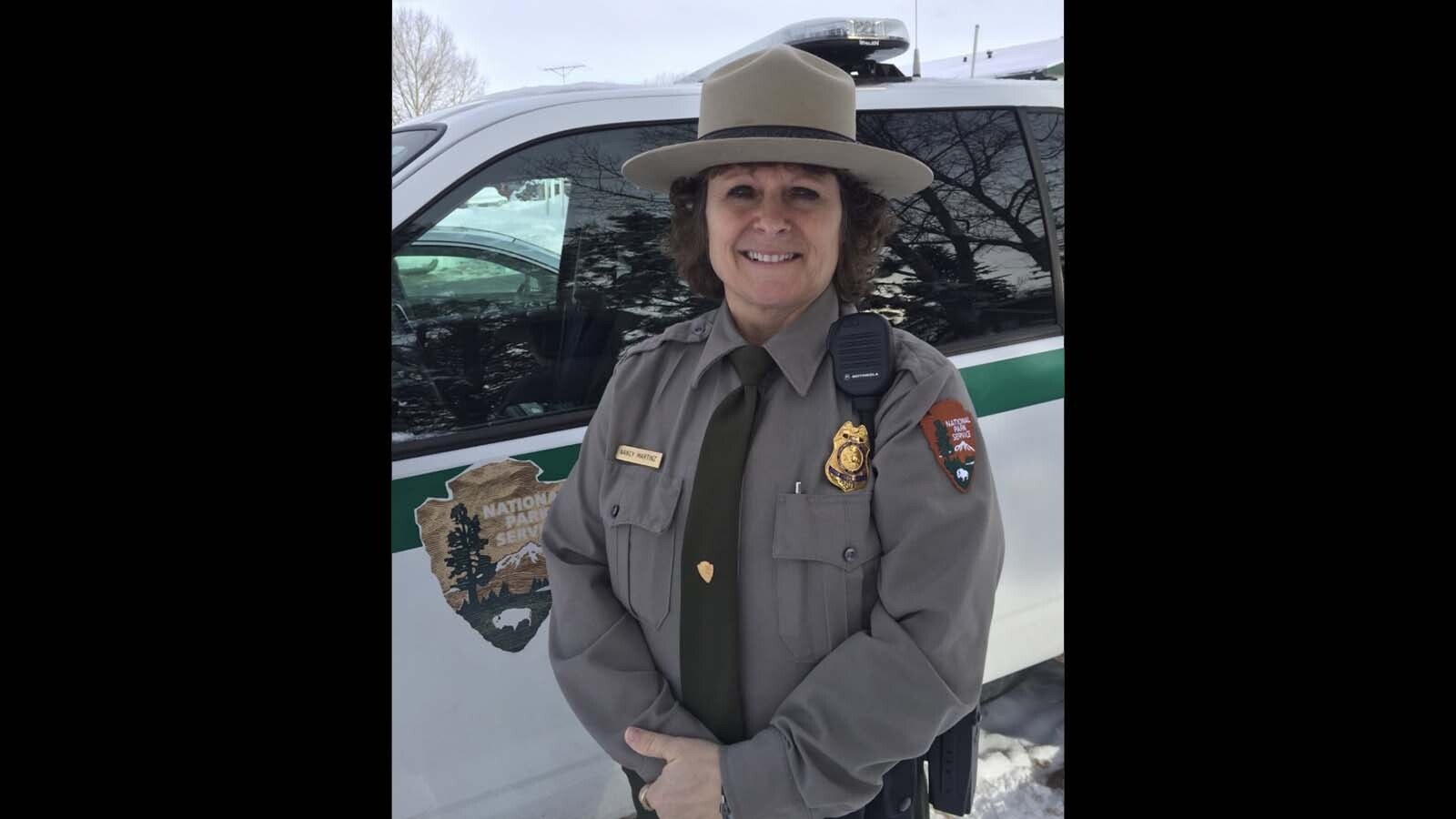
Nancy Martinz wanted to be a park ranger at age 16 after taking her first trip to Yellowstone National Park, where she'd eventually get her first job. (Courtesy Tara Ross)
Badass Women
To make a podcast work, the hosts have to be interesting and be able to tell a good story without tripping over their own feet.
Ross and Martinz have this in spades, which they attribute to their long working relationship as females — and mothers — in a field largely dominated by men.
To Ross, who spells out any cuss words on air, Martinz was both her mentor and one bad-a-s-s” woman whose on-the-job actions are legendary.
Along with being able to “bench press a small house,” Martinz also served as inspiration for the writer C.J. Box, who based his Judy Demming character on Martinz in his book, “Free Fire.”
The character was right on the mark, both agreed.
The two friends also have a lot in common. Both married men in uniform – Ross a park ranger and Martinz a wildland firefighter – and have two sons around the same age.
They also both knew they wanted to be park rangers from an early age.
For Ross, who is originally from Tennessee, it started with her first summer job in a state park where she idolized her female park ranger supervisor.
“I thought she was the coolest, and I wanted to be just like her,” Ross said.
Ross started her career with NPS at Curecanti National Recreation Area in Gunnison, Colorado, in 1985. Two years later, she moved to Yellowstone as a seasonal law enforcement ranger doing front country and boat patrol.
She was hired full-time in Yellowstone in 1994. Here she met and married Dave Ross, who was a supervisory backcountry ranger in the southwest corner of park. His father and two brothers were also park rangers.
It made for an interesting marriage, Ross said, particularly when Dave was out on week-plus long stints and she would spend her days off hiking food into him.
Ross held various positions throughout her 30-plus year career, including medic and fitness coordinator, but perhaps her proudest accomplishment, she said, was heading up the National Park’s Victim Witness-Assistance Program.
Dream Job
For Martinz, it was her first trip to Yellowstone during summer vacation when she was 16 years old.
“I came home and told my mom, 'I want to be a park ranger,’” she said.
Her first job was in Yellowstone in 1986, where she eventually became a permanent ranger. Over the course of her career, Martinz held a number of positions including wildland firefighter, EMT and Taser instructor.
She also served as a contract guard for the U.S. Marshals Service transporting prisoners from the park and elsewhere for 20 years and has many stories to tell about some of those long drives.
After leaving Yellowstone, Martinz took on a supervisory role at Mt. Rushmore, before leaving to become a patrol captain for the U.S. Forest Service in the Black Hills region.
Now retired, she still works part-time as an EMT for an ambulance service.
Crime Just Like Anywhere Else
Over the course of their careers in Yellowstone, Ross and Martinz never worked together and instead worked in opposite ends of the park.
It wasn’t a 9-to-5 job by any means and both worked a lot of night shifts. They stayed busy given all their various roles. Some weeks, they might be called out every night during the park’s busy seasons.
Over the years, they handled a garden variety of crimes, but the biggest offense they policed was drunken driving.
Martinz and another female ranger once busted a magistrate judge, who was so drunk he was pinballing off buildings as he walked down the main street in Gardiner, Montana, which Martinz discussed in the Nov. 16, 2025, episode, “Ranger Tales: Not Above the Law.”
Ross found the child abuse cases the hardest by far to investigate, including one incident in particular involving six children and their abusive foster care parents that she discusses in the “For the Protection of the Children” episode.
They attempted to hide out in the park, which didn’t work when a neighboring camper saw the abuse and reported it.
“I think people see national parks as a great place to get away and think it’s hard for law-enforcement-wise to adequately cover,” Ross said.
They have a point, she noted.
The massive size of the park makes it challenging to monitor on top of the 2,150 vehicle-accessible sites across 12 campgrounds spread throughout the park. And that is just the front country or areas readily accessible by roads.
The back-country rangers have much more tangled terrain to patrol and just as many crimes and accidents to handle.
Apart from busting drunk people on the roads, the campgrounds are also fertile grounds for incidents that can put rangers in precarious situations.
Noise complaints, for instance, are often hard to pinpoint, particularly in the middle of the night when a ranger is relying solely on instincts and senses, Ross and Martinz said.
“You’re standing in the dark listening and trying to identify who’s making the noise,” Ross said, which can be eerie as you try to parse out animal sounds versus human.
Or sometimes both. And don’t get Ross started on the snoring.
Campgrounds Strange Places
They learned, too, that people can get really grumpy when their sleep is interrupted, whether that be rangers waking campers up to tell them to put their food away in bear-proof places or as EMTs responding to medical emergencies.
Back in the 1990s, one guy even stole an idling diesel ambulance while EMTs were working on a cardiac patient, Martinz recalled.
“They were getting ready to put him in the back, and somebody was so mad at the noise of the diesel idling they got in and drove it out of the campground,” she said.
The ambulance was found abandoned up the road, and the patient was ultimately saved despite the delay, though the situation could have had a much bleaker outcome.
Other incidents are equally unpredictable.
Ross recalled an incident around the same time involving a Russian tourist. He was riding on a bus behind a woman when out of nowhere he leaned forward and bit her.
A big portion of the crime involves seasonal workers in the hotels, restaurants and other lodging facilities who live in employee housing within the park with their own designated bar. Historically, this had led to lots of drunk and disorderly conduct — and assaults, including the time a ranger fought off a drunk park employee wielding a large ninja sword that’s featured in a podcast episode.
Relatively Safe
In terms of safety, Yellowstone ranks as the fifth most dangerous park, according to a 2022 survey by Outforia, a nature and outdoor webzine, that ranked the Grand Canyon as the most dangerous park in the country with 134 total documented deaths.
Yosemite National Park came in second with 126, followed by the Great Smoky Mountains with 92 total deaths, according to the same survey.
Yellowstone, meanwhile, had 52 total deaths.
The most common cause of death in Yellowstone was a tie between motor vehicle crashes and heart attacks, according to Outforia’s survey. Second place was also a tie between falling and undetermined deaths, followed by drownings.
Across all the national parks, falls by far were the most common way to die, said the survey. Medical incidents and natural causes came next.
Murders are rare but they do happen. To date, at least 13 people have been killed in the park since its founding in 1872, according to attorney and longtime Yellowstone tour guide, park ranger and historian Lee H. Whittlesey who documented park deaths in his book, “Death in Yellowstone: Accidents and Foolhardiness in the First National Park.”
Taking Down ‘Grizzly Adams’
Both Ross and Martinz agree that introducing a taser policy in the parks has helped de-escalate potentially dangerous situations. Martinz has her own taser story that she shared in the “Ranger Tales: TASER TASER TASER!” podcast from Dec. 17, 2023.
In this case it meant tasing a large-bodied drug dealer in Mount Rushmore National Memorial in Keystone, South Dakota, in 2005.
The abbreviated version is that the “Grizzly Adams” look-alike tried to punch a ranger as he attempted to handcuff him while on his knees. This resulted in his being tased while Martinz jumped on his back and wrestled two pairs of cuffs connected together around his meaty wrists while avoiding being tased herself.
As Martinz can attest, being tazed hurts a lot. Back in the day when she underwent training, it was mandatory that officers be tazed, and it’s not something she cares to repeat again.
When they were finally able to cuff and book the guy, he looked at them dumbfoundedly and asked, “Who are you guys?”
They’re rangers, Martinz explained.
Typically, he told them, when he gets arrested, he fights with law enforcement until one of them loses. Historically, it's been him.
This was his first arrest without a brawl, he said, which they’d later determine as true when they searched the van and found his criminal scrapbook. In the album were several articles about his arrests, including a newspaper article with a photograph of him with blood dripping off his face.
Also in the scrapbook were photos from what appeared to be him cooking meth at a makeshift lab out in the woods.
Martinz said such criminal scrapbooks were common back in the days before cell phone cameras.
Perhaps not surprisingly, police found several precursors for making meth stashed in the van, along with large, black garbage bags full of clothing and purses with the tags still on from Walmart that he and his group had stolen and were selling for gas money as they made their way across the states.
“As Tara says, you can’t make this stuff up?” Martinz said with a laugh.
'Boy Band' Bandits
Along with their own ranger tales, the pair’s podcast also shares stories from other rangers in Yellowstone and parks throughout the U.S. such as Keith Gadd, who shared the story of one of his last nights on the job as a seasonal ranger in Yellowstone in 2001.
It was the first week of September, and Gadd was winding up an overnight shift. He was the sole ranger on duty when he encountered a pickup truck with Minnesota plates parked illegally in a pullout near Elk Antler Creek.
Gadd pulled in headfirst in front of the vehicle and sized it up before getting out with his flashlight to approach the driver. Initially, he figured it would be a simple mistake of out-of-bound camping to which he planned to issue a warning unless they’d done it before.
As he approached, he saw the driver was a young teen with surfer hair highlights. His young, teen girlfriend was by his side. His first thought was “boy band,” followed by what the heck is a clean-cut kid from Minnesota doing parked by the side of the road in the middle of the night?
He told the 18 year old that he was going to run his information and would be back if there were any issues. If he didn’t return, then the kid could assume he was being let off with a warning not to park there again.
Gadd soon learned this was not a clean-cut kid. Instead, he had a warrant out for his arrest. The teen had been driving a stolen vehicle that was procured during a home invasion that left its elderly occupants severely beaten that left one of them hospitalized.
As more information poured in over the radio, Gadd learned the teens were also wanted in multiple burglaries throughout the Midwest in which they’d stolen several firearms, including a high-capacity semi-automatic pistol.
The worrisome report made the ranger carefully weigh the situation. He was the sole officer on and backup was a long way off. Gadd decided to drive off and let the teens think they were off the hook before circling back and following them with his lights off as the pair headed south.As he stealthily followed behind, Gadd saw a third silhouette in the cab that popped up out of nowhere.
Later, Gadd learned the silhouette was a third suspect who had planned to shoot him in the head had he returned to the pickup after the initial traffic stop.
As Gadd continued trailing the truck, rangers kicked into gear, creating checkpoints and roadblocks to stop the teens while visitors to the park had no idea what was transpiring in the early morning hours.
The vehicle finally came to rest in a remote section of the Fishing Bridge lot, where the suspects fled on foot into the park, triggering a massive search. Within hours, a call came in about a break-in at a small Montana Power utility shed, where the suspects had sheltered as snow had started falling. Rangers followed the footsteps along the Howard Eaton Trail as concern grew that they’d cross the shallow Yellowstone River, evade capture and steal a vehicle at gunpoint.
After nearly 20 hours on duty, Gadd was sent home to rest but didn’t make it far before he heard radio traffic about a suspicious young woman, who was barefoot and shivering, approaching people for help. The callers had no idea they were observing fugitives, and what could have ended in violence, ended without incident when rangers tracked the teens and apprehended them after a 12-hour manhunt.
In the aftermath, Gadd took away a key lesson about restraint and how easily an otherwise innocuous stop could have turned violent.
The rangers later learned that the trio had stalked two other couples at the rapids but in both cases, other witnesses pulled up into the parking lot as they were about to attack.
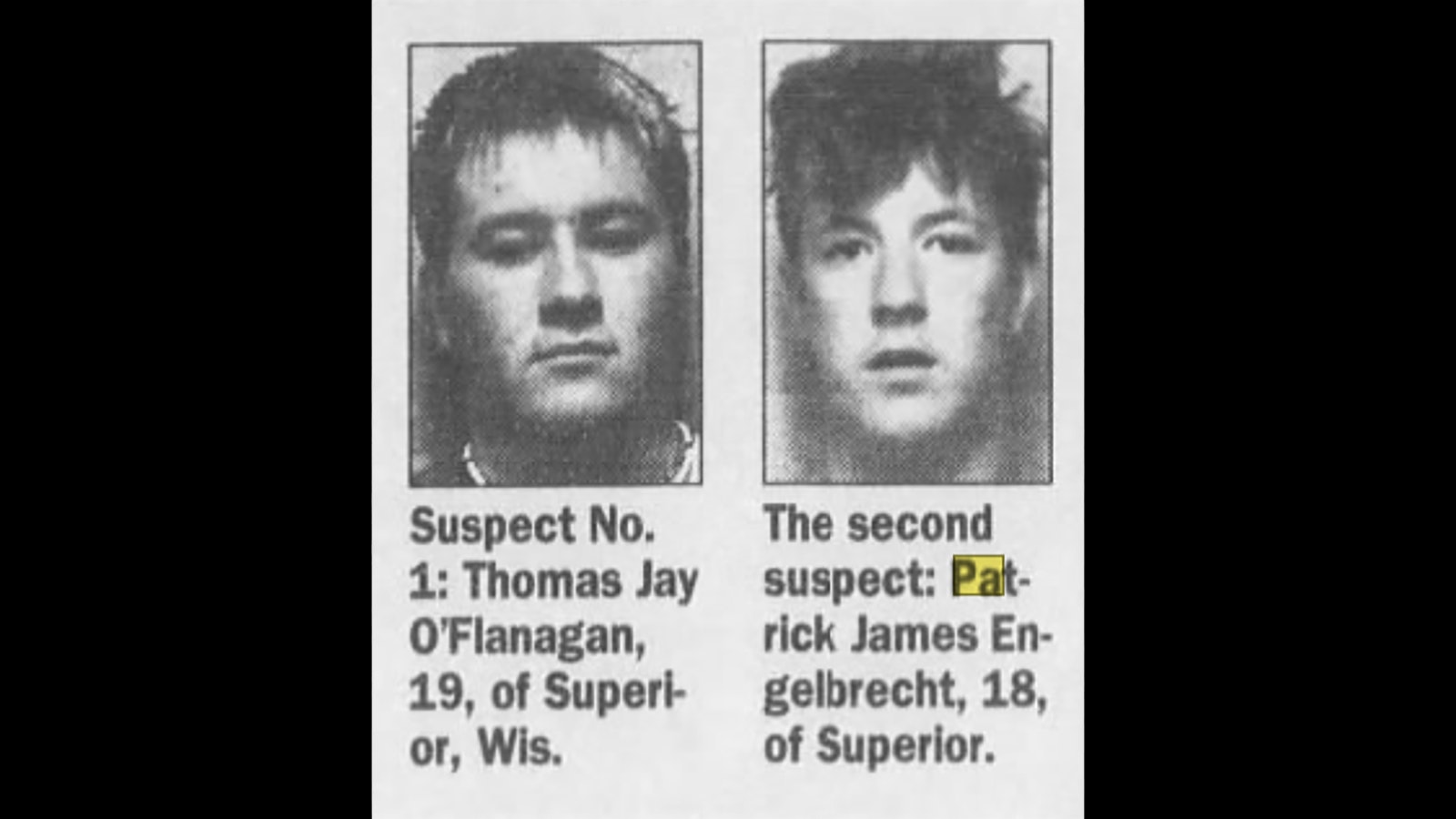
The teens were later identified as Patrick Engelbrecht, Thomas O’Flanagan and an unidentified 16-year-old girl, according to reporting by the Minnesota Star Tribune.
Engelbrecht’s father, Ken, would later tell reporters that this incident was the latest in a long line of problems with his son, who he claimed had drug and alcohol addictions.
The teens were each sentenced to 10 years in prison.
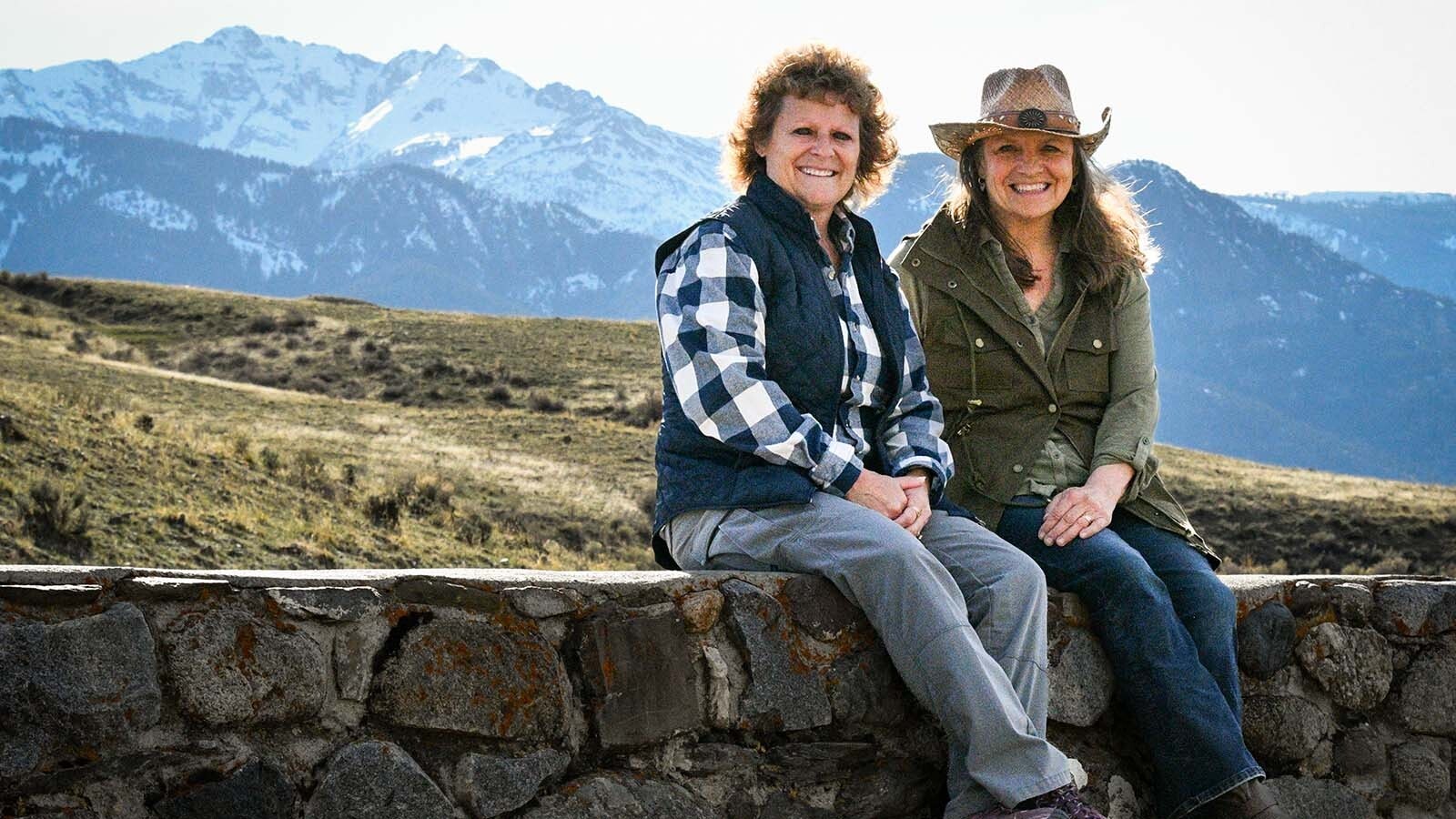
Retired Yellowstone rangers Tara Ross and Nancy Martinz share wild crime stories — from taser takedowns to a cannibal case — on their hit podcast “Crime off the Grid.” They reveal the dangers of policing 2.2 million acres packed with tourists, drunks and killer bears. (Courtesy Tara Ross) 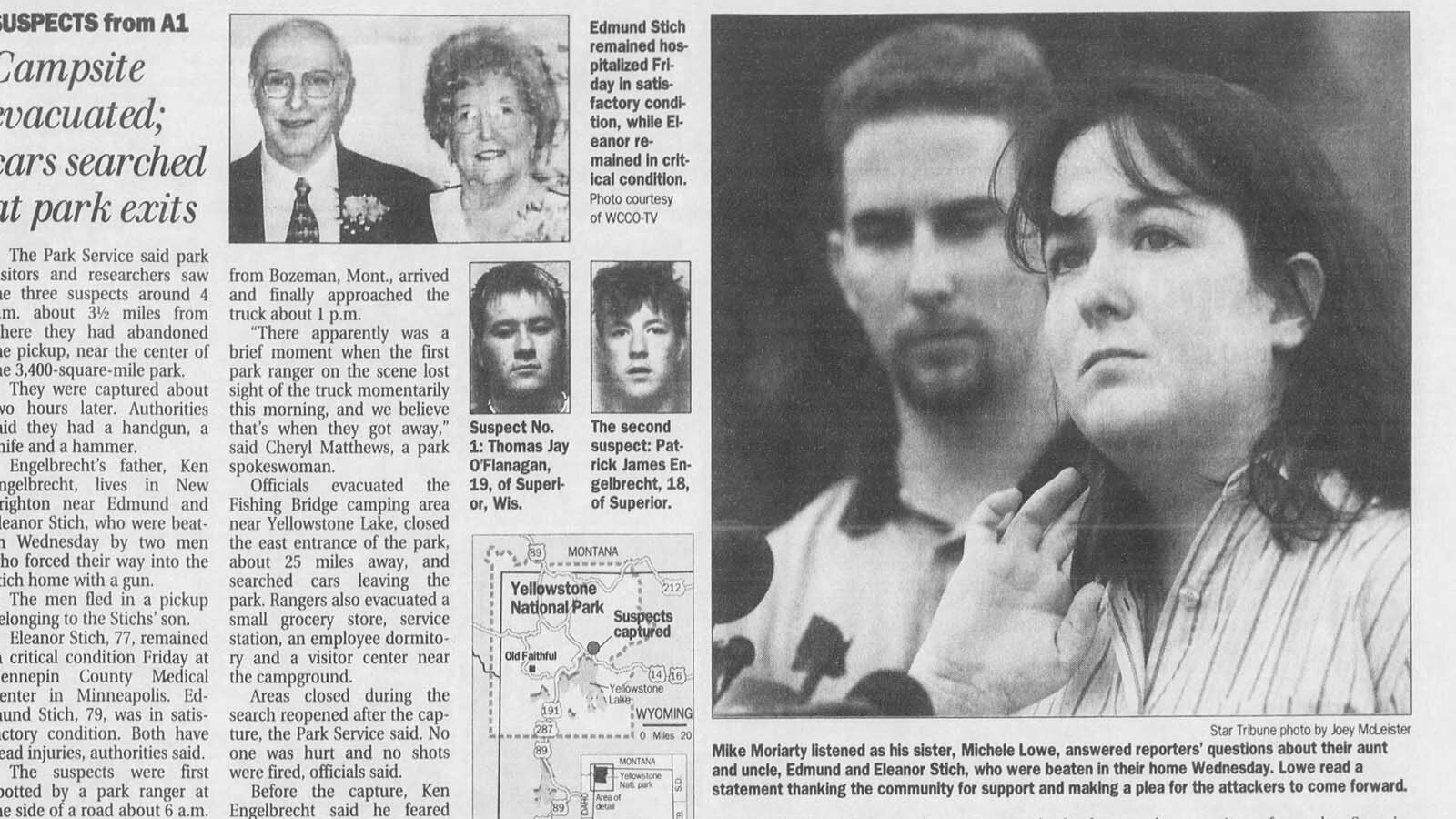
Retired Yellowstone rangers Tara Ross and Nancy Martinz share wild crime stories — from taser takedowns to a cannibal case — on their hit podcast “Crime off the Grid.” They reveal the dangers of policing 2.2 million acres packed with tourists, drunks and killer bears. (Courtesy Tara Ross)
After A 'Tussle'
These would not be the last fugitives to be nabbed in the park. In June 2006, Justin Shrader and Aaron Rafferty attempted to hide in the park after robbing an Iowa bank. Their plan was foiled, however, when rangers tracked their vehicle to their cabin after it had been involved in a hit and run in the Canyon area of the park.
There they found Shrader and realized there was a felony warrant out for his arrest, according to a June 2006 Jackson Hole News and Guide story.
When they realized the jig was up, the men took off running into the woods with the rangers hot on their tails. They caught Shrader who resisted arrest, resulting in a “tussle” that took a Taser to get him under control.
A manhunt ensued to locate Rafferty who was found the next morning sleeping in a parked car.
Bear Mauling
Like the episode with Gadd, the retired rangers' podcast offers a rare behind-the-scenes insight into the complicated — and sometimes harrowing — roles rangers play out in the wild.
One of the better examples of this is a fatal grizzly bear mauling of a California man in July 2011 as told by retired Yellowstone ranger Patti Murphree in a Nov. 6, 2024, episode.
Murphree and two other male rangers were called to the Howard Eaton and Clear Lake trail area in where a 911 call came from hikers who reported hearing screams for help. It’s an area of the park known for heavy bear activity with signs warning hikers to carry bear spray and remain aware.
Murphree looked at the other rangers and said she had a bad feeling about this. They geared up with lethal and non-lethal shotguns and medical supplies and headed toward Clear Lake Trail where the screams were thought to have come from.
They didn’t get far before they came up an enormous bison lounging on the trail. They thought they were giving it a wide enough berth as they circumvented around the animal, but it ended up not being wide enough.
The animal suddenly leapt up and began racing toward the rangers “at full blast,” Murphree said. It got within about 5-to 10-feet of them when one of the rangers blasted it with bear spray. The beast quickly veered off to the right.
They eventually found the reporting parties who had called from an area saturated in bear scat. The group directed the rangers to a thermal area in the woods where they thought the screams were coming from.
The rangers headed in that direction to find a deceased man and a woman covered in blood. This turned out to be Brian and Marylyn Matayoshi of Torrance, California, who had run into the bear on the trail, according to reporting by the Associated Press.
Marylyn said they had earlier spotted the sow and her cubs grazing in the distant meadow and had filmed and taken pictures of the grizzlies before continuing on the trail. When the bugs became too intense, the couple decided to turn around which is when they ran into the grizzlies for a second time.
The bear didn’t immediately react to them, Marylyn told Murphree, but when they turned and started walking away the bear raised her head at which point Brian yelled for them to run. The bear then began chasing them, hitting and knocking Brian to the ground while Marylyn attempted to play dead behind a log.
She could hear the bear growling and mauling her husband but was forced to stay still, she told Murphree. At one point, she lifted her head and locked eyes with the bear who immediately ran over to her. The sow picked her up by the day pack and began shaking her before dropping her back on the ground.
The next time Marylyn lifted up her head to look, the coast was clear and she immediately ran to tend to her 57-year-old husband who had succumbed to bite injuries as well as internal organ damage from the bear pouncing on top of him.
Meanwhile, the rangers had no idea where the bears were, and every breaking twig sound had them on edge as they tended to the couple. It took hours before rangers could get Brian’s body evacuated while Marylyn insisted on remaining with her husband with Murphree her side.
Murphree described how she and the other rangers turned their backs to give Marylyn privacy while she said her final goodbyes. It’s an incident that’s stuck with her all these years, Murphree said.
The ranger’s investigation later determined that the couple ran about 173 yards from the spot where they saw the bear, which had been about 100 yards away. It only took the bear about 28 to 58 seconds to close the gap before it caught Brian.
Ross noted that it’s never a bad idea to turn around if a situation doesn’t seem safe because once you’ve heard a bear roar in the wild, you’ll never forget it. It’s that terrifying.
Unlikely To Be Mauled In Park
Brian’s death marked the first fatal mauling in the park for 25 years, according to the Associated Press, but it was not the last that summer.
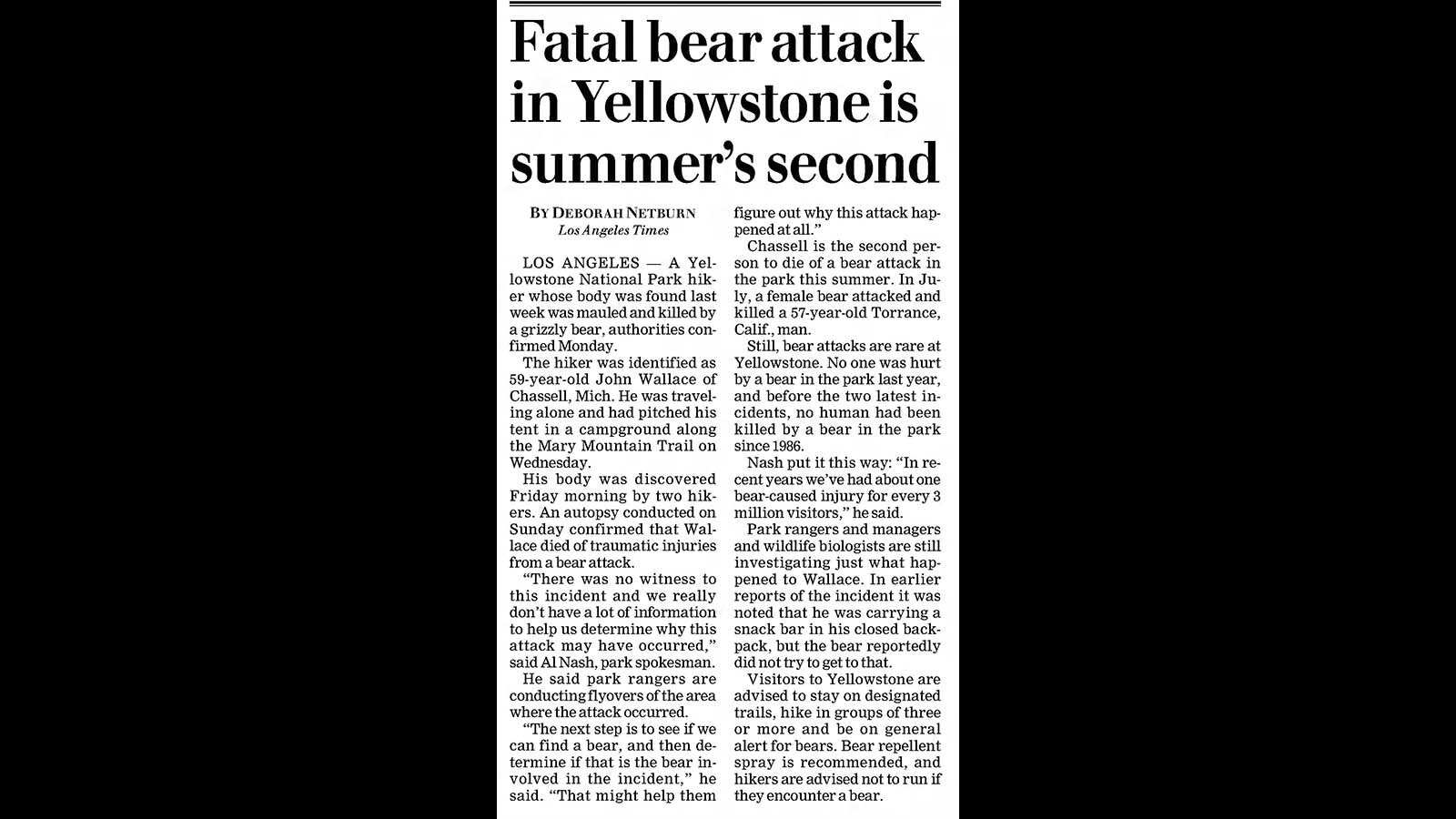
One month later, the body of 59-year-old John Wallace of Michigan was found in a campground along the Mary Mountain Trail by two hikers, according to media reports.
Nobody witnessed the attack, but an autopsy confirmed Wallace died of traumatic injuries from a bear attack.
Despite the rash of maulings that summer, bear mauling are not common. As former park spokesperson, Al Nash, was reported saying at the time, the park only had about one bear-caused injury for every 3 million visitors.
Historically, as of 2020, only seven people have been killed by grizzlies in Yellowstone and an additional two from bison.
An undated release from park officials further said that there had been 44 additional injuries from bears since 1979.
Jen Kocher can be reached at jen@cowboystatedaily.com.