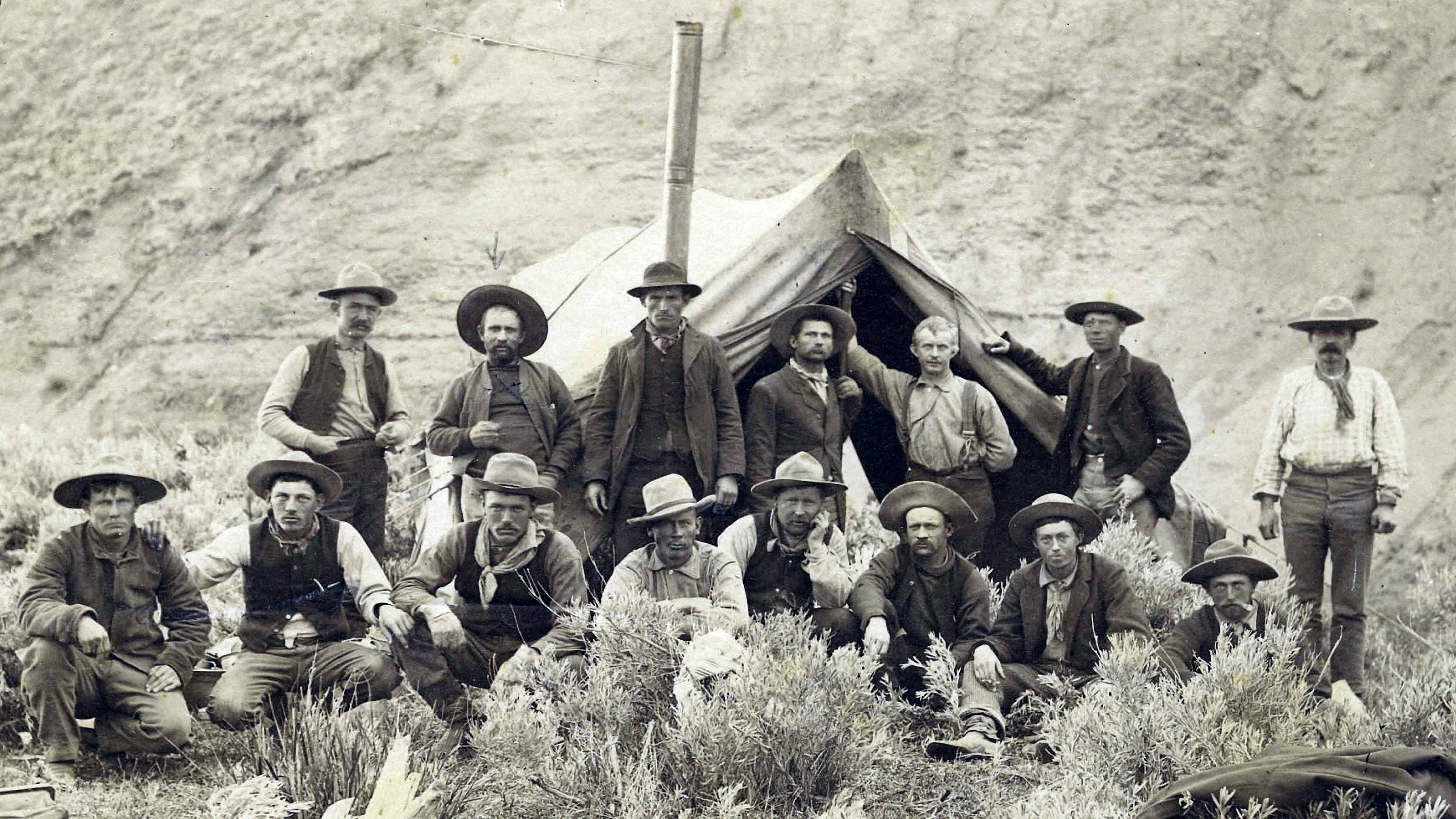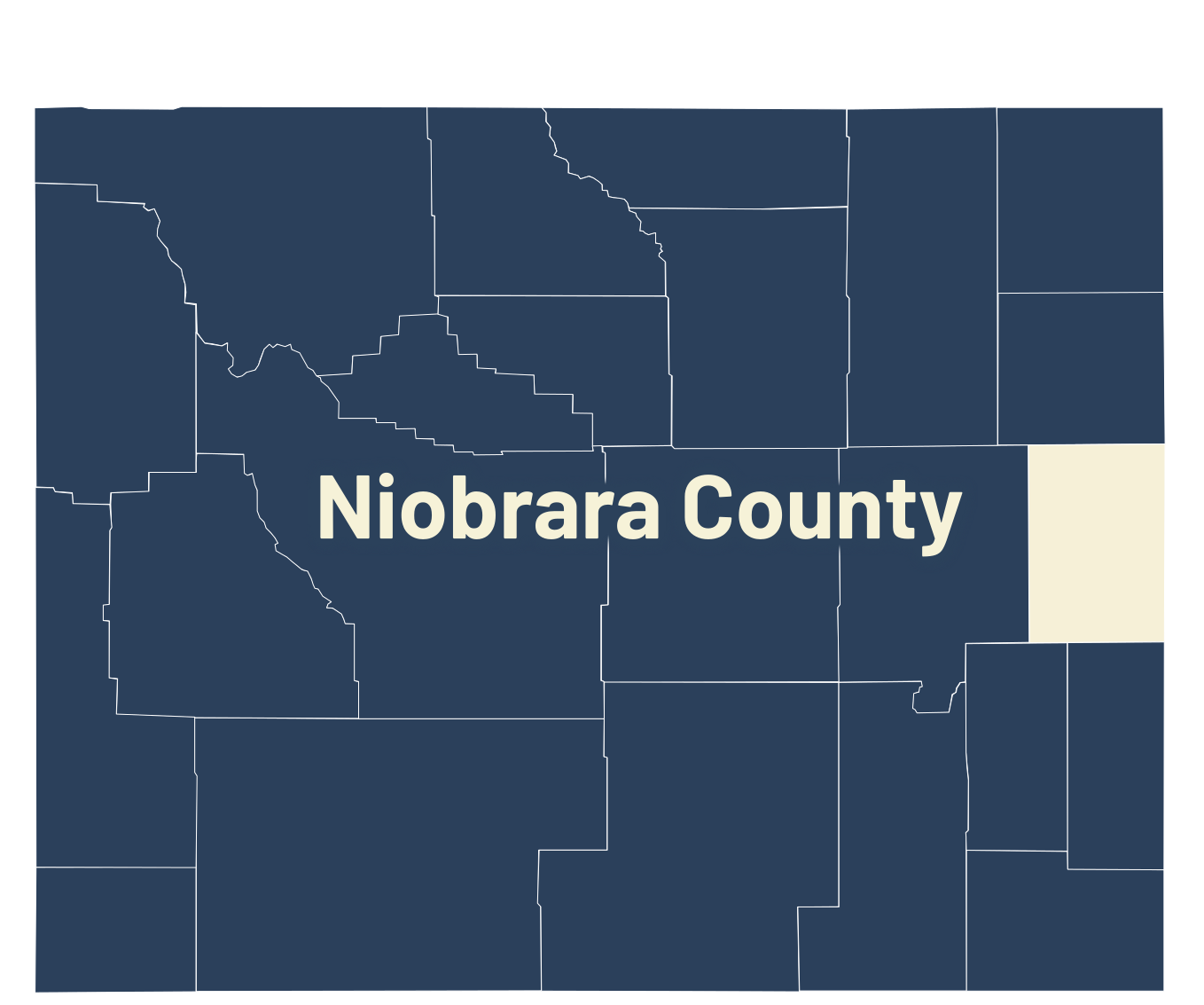

Niobrara County is the least-populated county in the least-populated state of Wyoming but is rich in history, according to volunteers Jo Ann Wade and Leslie Stewart at the Stagecoach Museum in Lusk.
The Cheyenne-Deadwood stagecoach and the Texas Trail both crossed through the county, bringing many colorful characters to the region. Niobrara was home to now vanished railroad towns, gold mines and has one of the five Carnegie Libraries still operating in Wyoming.
Wade and Stewart said their high-spirited history includes James Nathaniel Edwards, the richest black cattle baron in the west who had hot and cold running water before anyone else.
Wyoming Gov. John B. Kendrick was another that lived in the area. He was born in Texas and came to what is now Niobrara County trailing herds of cattle from Texas as a young man. In this region, he became ranch manager of the OW ranch, and a landowner prior to his moving to Sheridan and becoming involved in politics.
Niobrara County’s most remembered and beloved citizen is Dell Burke, the local madam of the Yellow Hotel.
“Dell was more than a madam,” Stewart said. “She was also a community booster and provided a lot of funding for the town including the first electrical system in town. She was a mover and shaker in town as well as just having a colorful career.”
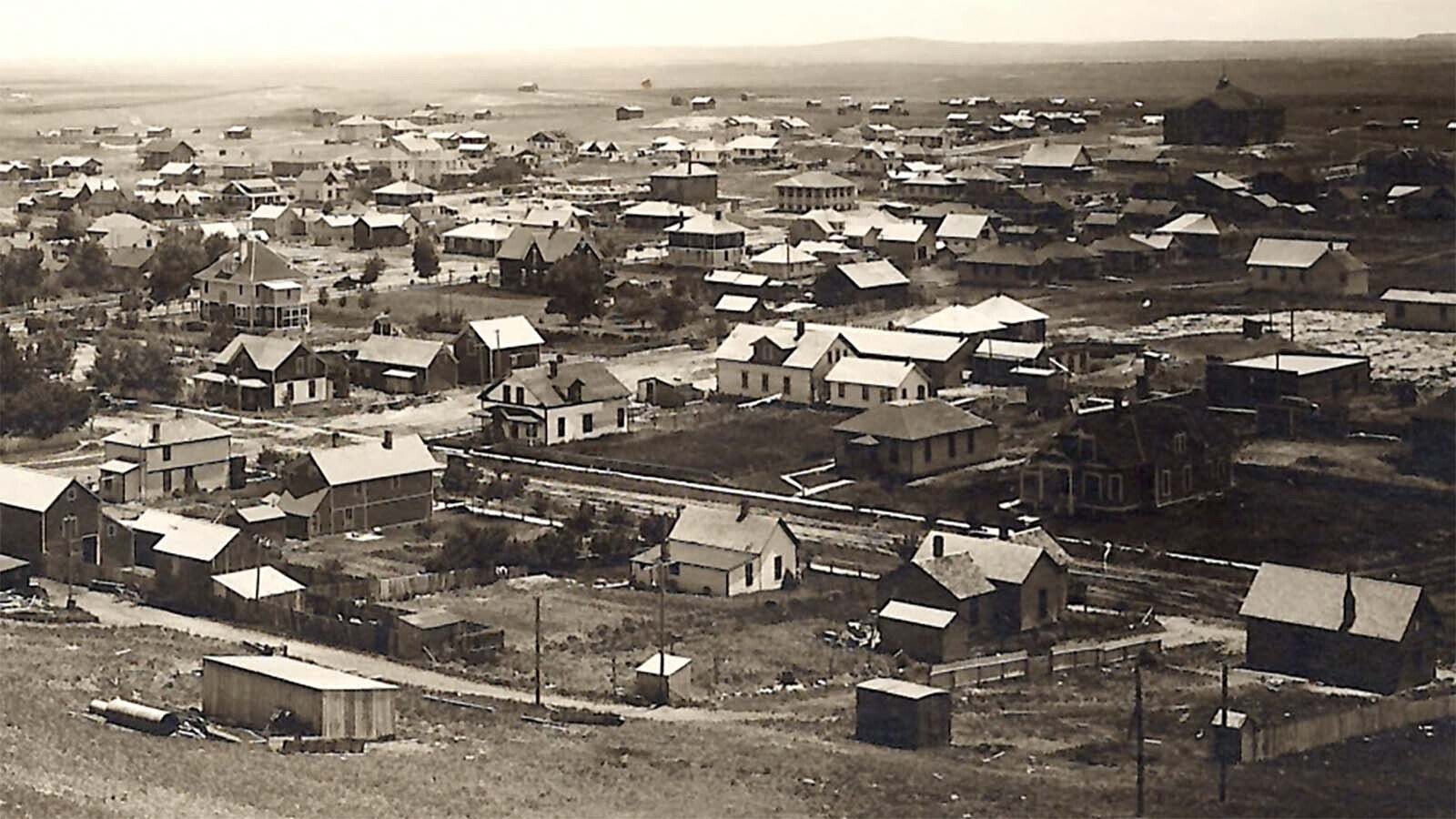
The town of Lusk was founded along the railroad when Frank Lusk won the bid for the townsite. The original tent town of Silver Cliff subscquently died and Niobrara historians are trying to uncover stories about the ghost town. (Wyoming State Archives) 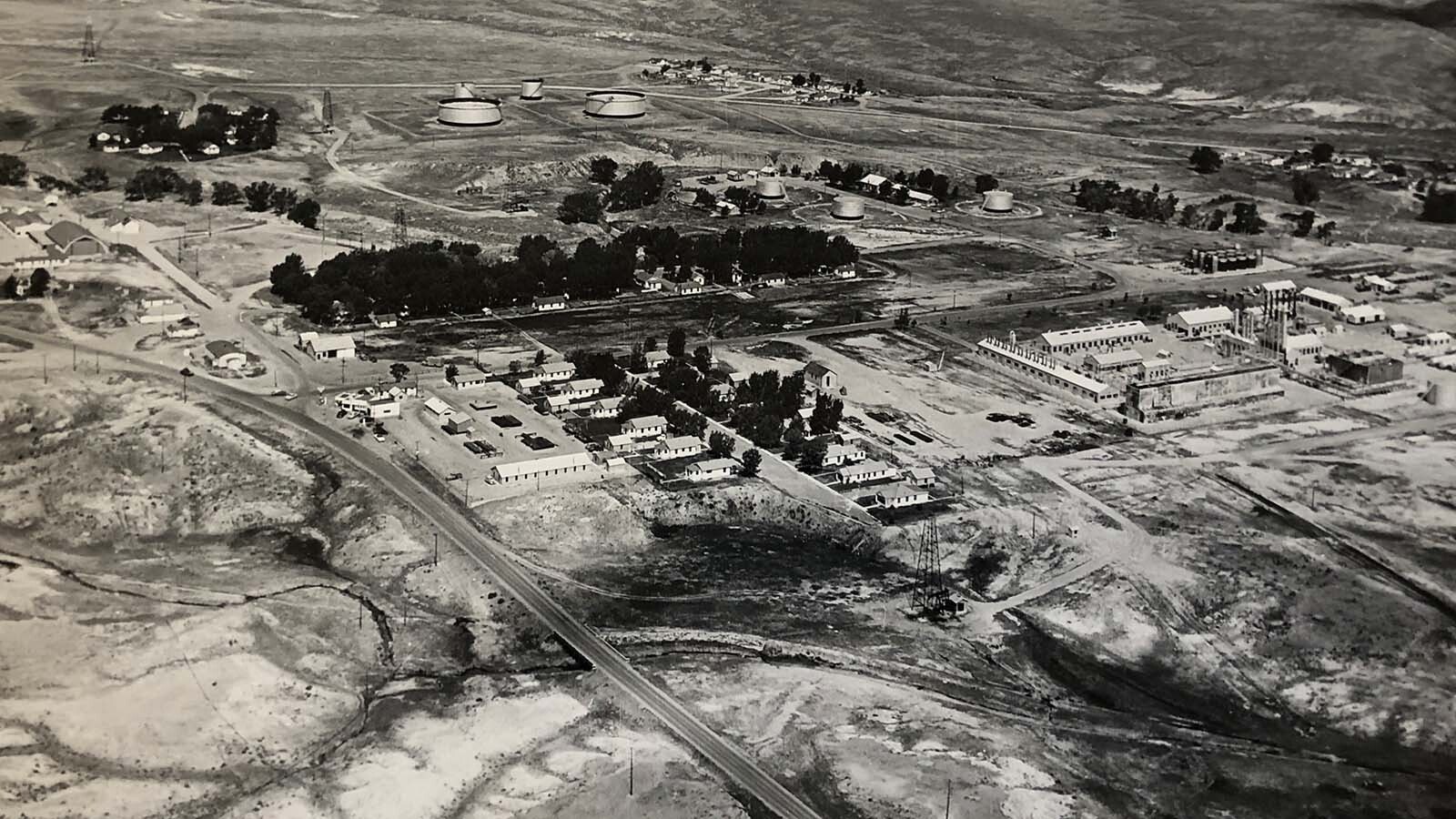
Volunteers for the Niobrara Historical Society are uncovering lost stories about their history including the important connection that Lance Creek had to the national war effort during World War II. Japan had the oil field as one of their main targets and so the U.S. soldiers were stationed to protect the important asset. (Niobrara Historical Society) 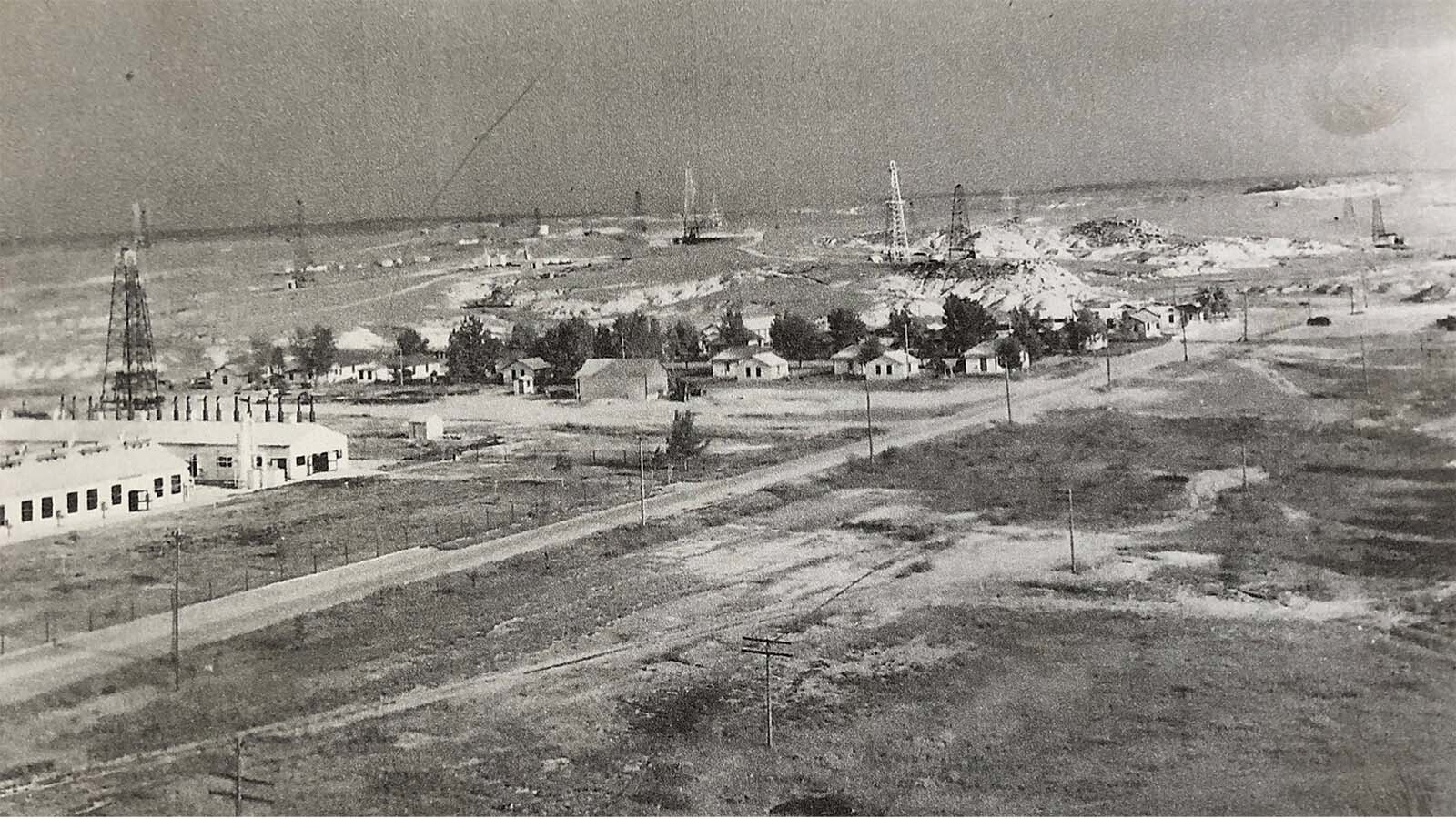
Volunteers for the Niobrara Historical Society are uncovering lost stories about their history including the important connection that Lance Creek had to the national war effort during World War II. Japan had the oil field as one of their main targets and so the U.S. soldiers were stationed to protect the important asset. (Niobrara Historical Society) 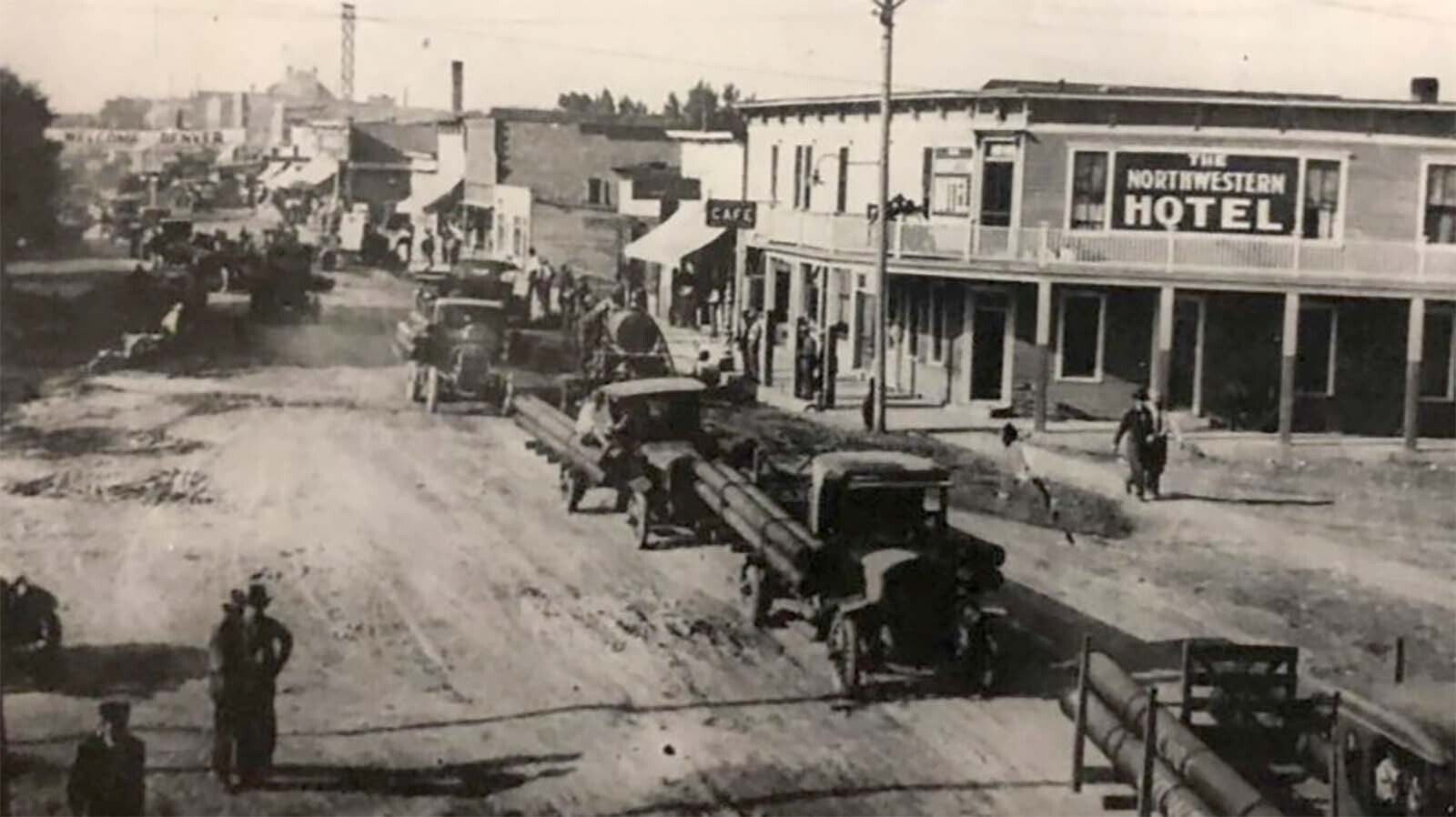
Volunteers for the Niobrara Historical Society are uncovering lost stories about their history including the important connection that Lance Creek had to the national war effort during World War II. Japan had the oil field as one of their main targets and so the U.S. soldiers were stationed to protect the important asset. (Niobrara Historical Society) 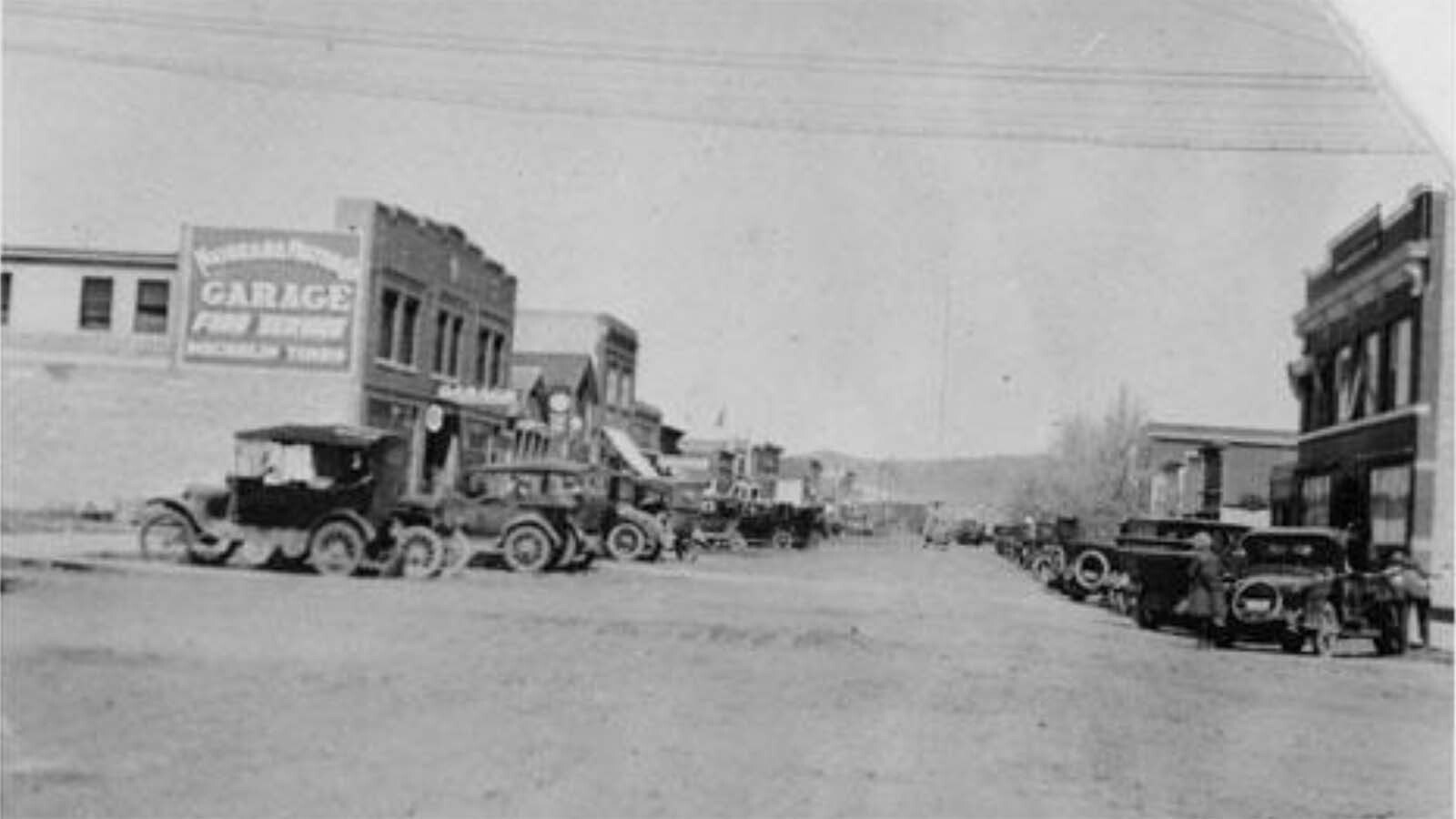
The town of Lusk was founded along the railroad when Frank Lusk won the bid for the townsite. The original tent town of Silver Cliff subscquently died and Niobrara historians are trying to uncover stories about the ghost town. (Wyoming State Archives) 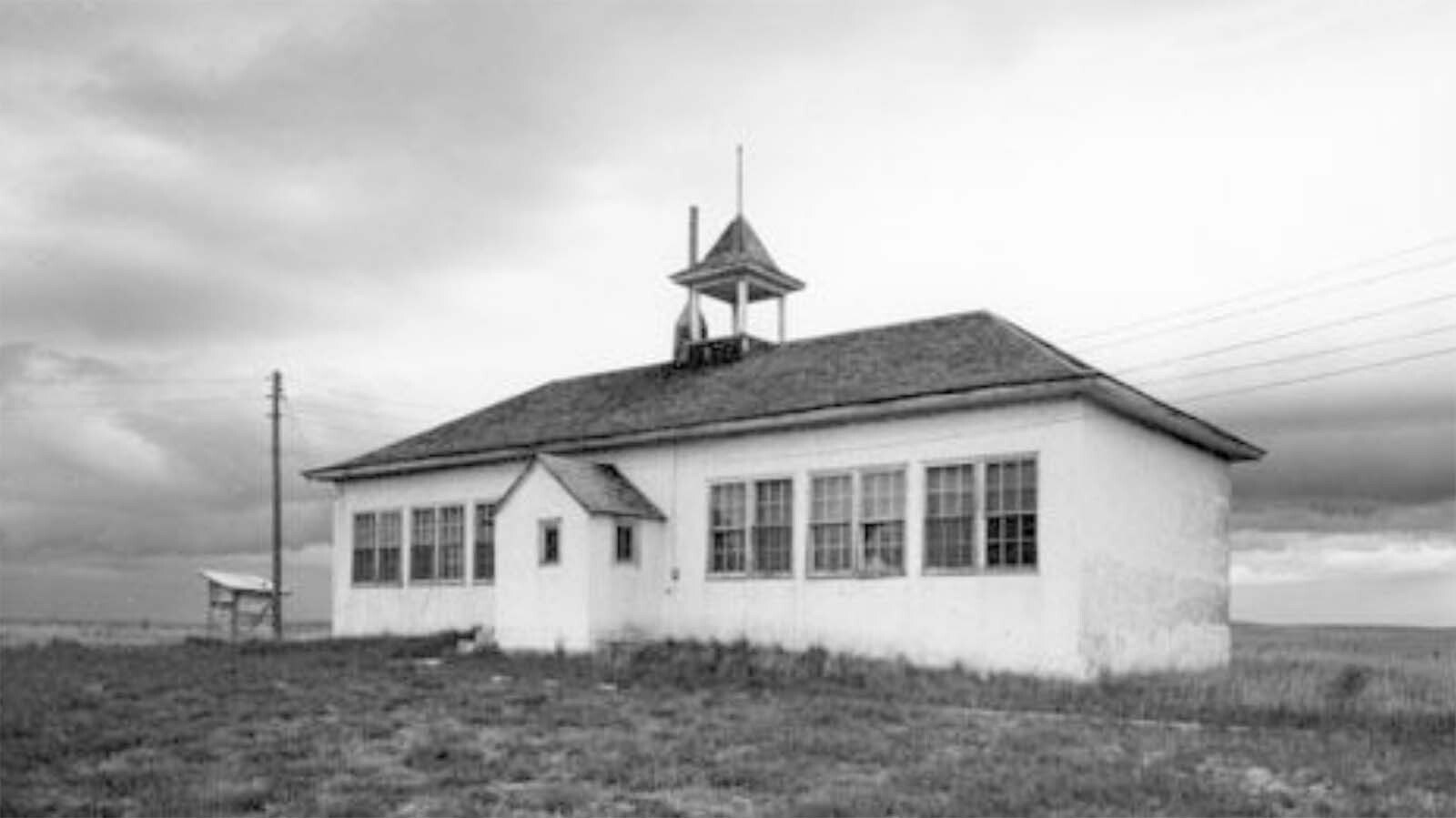
Keeline, Wyoming in Niobrara County was once a bustling frontier town but little is left of the town today and the Niobrara Historical Society volunteers are working to preserve the few stories they have been able to find. (Wyoming State Archives) 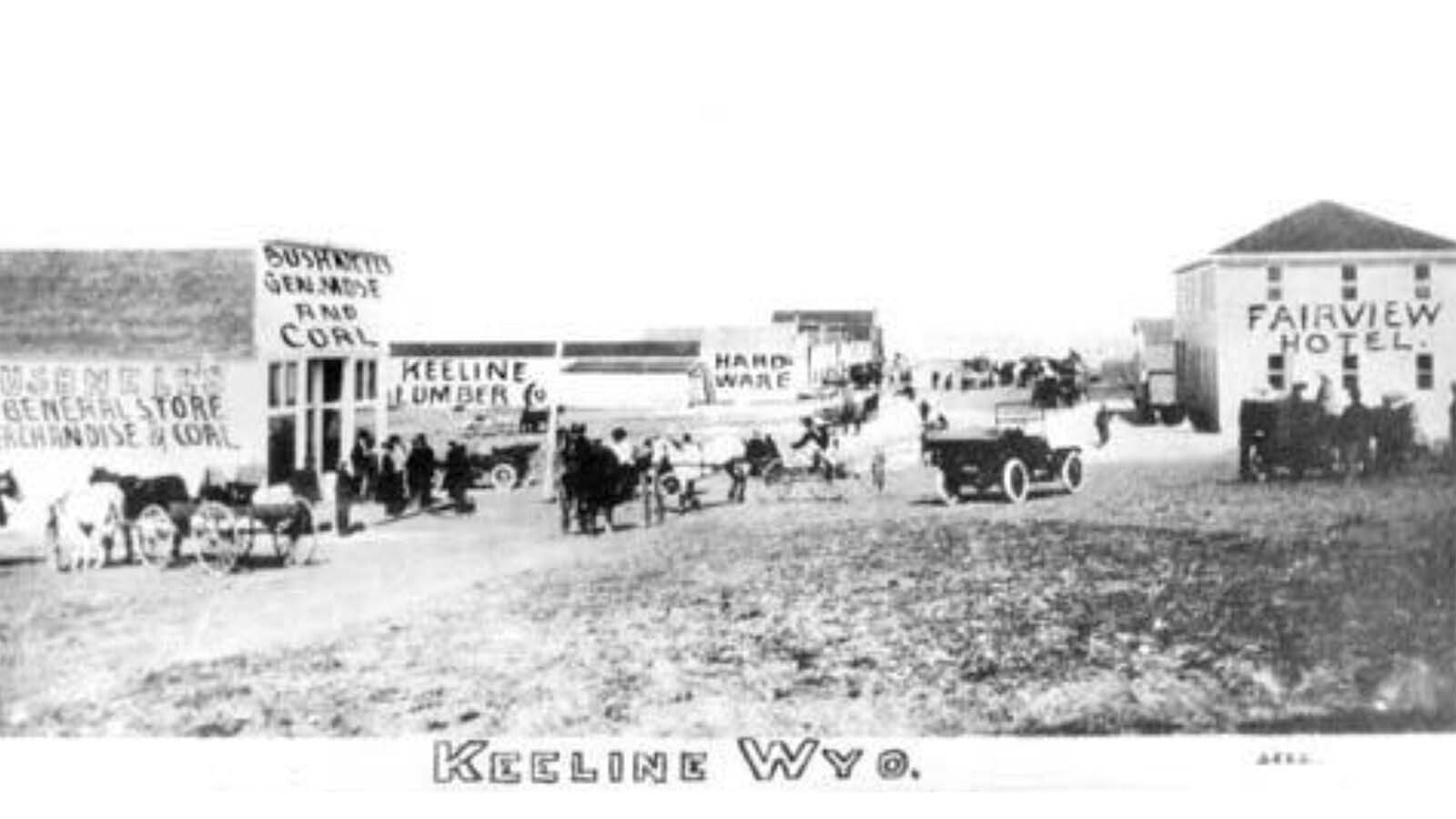
Keeline, Wyoming in Niobrara County was once a bustling frontier town but little is left of the town today and the Niobrara Historical Society volunteers are working to preserve the few stories they have been able to find. (Wyoming State Archives) 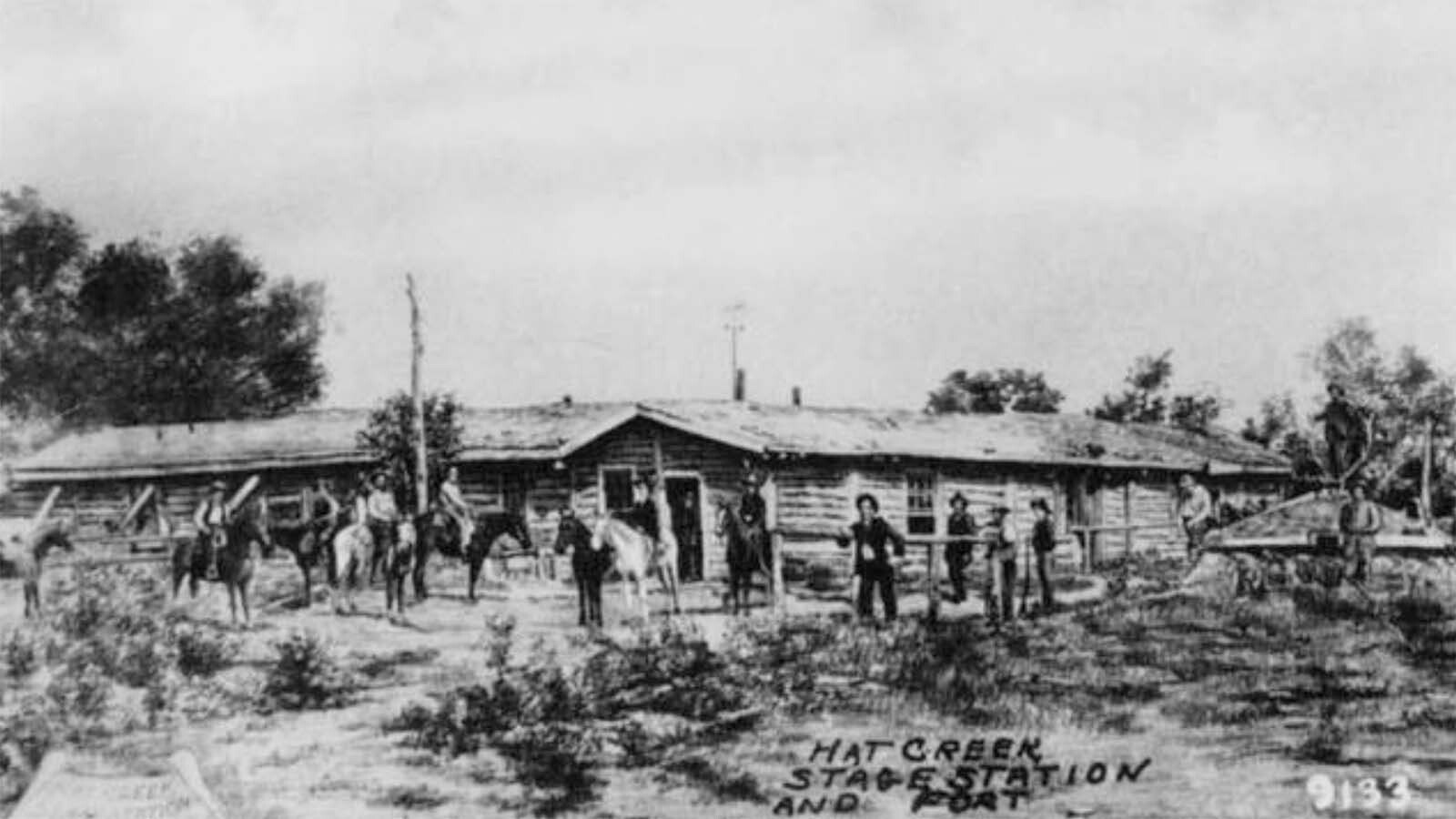
Once the gold rush to the Black Hills began, the soldier outpost at Hat Creek was exchanged for the Hat Creek Stage Station, the only stage station still standing between Cheyenne, Wyoming and Deadwood, South Dakota. (Wyoming State Archives) 
The Niobrara Historical Society have been inviting pioneer families to share their family stories in order to preserve the history of their county. It is part of their celebration to honor America’s 250th birthday. (Wyoming State Archives)
Saving History
Niobrara County was not open for settlement until after 1875, and the county was formed in 1911. Despite the rather recent history, the pair say they are finding gaps in their records and are working at preserving their stories before they are lost completely.
“As I am researching things, I find out how much I really don't know,” Wade said.
Wade was born and raised in Niobrara, surrounded by history, which led her to become the chairman of the Niobrara Historical Society which also runs the Stagecoach Museum. Stewart is one of the museum volunteers and together, they are spearheading a new historical campaign, Explore Niobrara, to preserve their community stories.
They have received a grant from The Wyoming Semiquincentennial Celebration committee to honor America's 250th anniversary, to capture the county's stories, and to share them with their community through events and signage.
“We are mainly highlighting some of our community's history by having a day in the life at these different communities,” Stewart said. “Last September, we did 'A Day in the Life at Hat Creek,' which is the only remaining station on the Cheyenne to Deadwood Trail.”
Stewart said that she is learning along with everyone else the history and is excited about the stories they are finding such as the last killing of the Johnson County cattle war that was in Niobrara County.
“We just feel like our history is important,” Wade said. “As we are trying to capture this history, we are finding out that there's some real gaps in the information in our history.”
Marking Historical Sites
Another project they have embarked on is marking historical sites, graves, and public areas with informational QR codes linked to the Niobrara County Library historical database. One of these monuments being tagged was erected in part by Madam Dell Burke to honor Mother Feather Legs, a madam who was murdered in Niobrara County.
They are also putting up historical signs on some of their more important buildings in Lusk. In the outlying areas, work is being done to save the stories of the railroad towns of Van Tassell, Node, Manville, Jireh, and Keeline, two of which have long been abandoned.
“Niobrara County is emblematic of the settling of the West,” Stewart said. “The railroads brought in a lot of settlers and so did the Cheyenne Deadwood Trail that came right through here. It’s up to us now to preserve those stories.”
Another story they are preserving is the arrival of the first detachment of soldiers at Hat Creek in 1875 to prevent non-natives from encroaching on lands that had been under treaty to the native tribes. Once the gold rush to the Black Hills began, the soldier outpost was exchanged for the Hat Creek Stage Station, the only stage station still standing between Cheyenne and Deadwood, South Dakota.
Some of the miners stampeding to the Black Hills diverted to Niobrara to prospect for copper, silver, and gold in the Rawhide Buttes and in the hills to the west of the townsite of Lusk. In 1879 a silver-mining operation sprang up, and the tent city of Silver Cliff was formed.
“I'm working on trying to find a history of the little town of Silver Cliff, which was the precursor to Lusk and was only about a mile away from Lusk,” Wade said.
Silver Cliff died when Frank Lusk won the bid for the townsite and the town of Lusk was founded on Lusk's land. The Silver Cliff businesses then moved east towards Lusk, taking with them their memories since not much else is known about the short-lived tent town.
Mining and cattle ranching led to the expansion of the Elkhorn, Fremont and Missouri railroad to Lusk from Nebraska and small towns sprang up along the railroad.
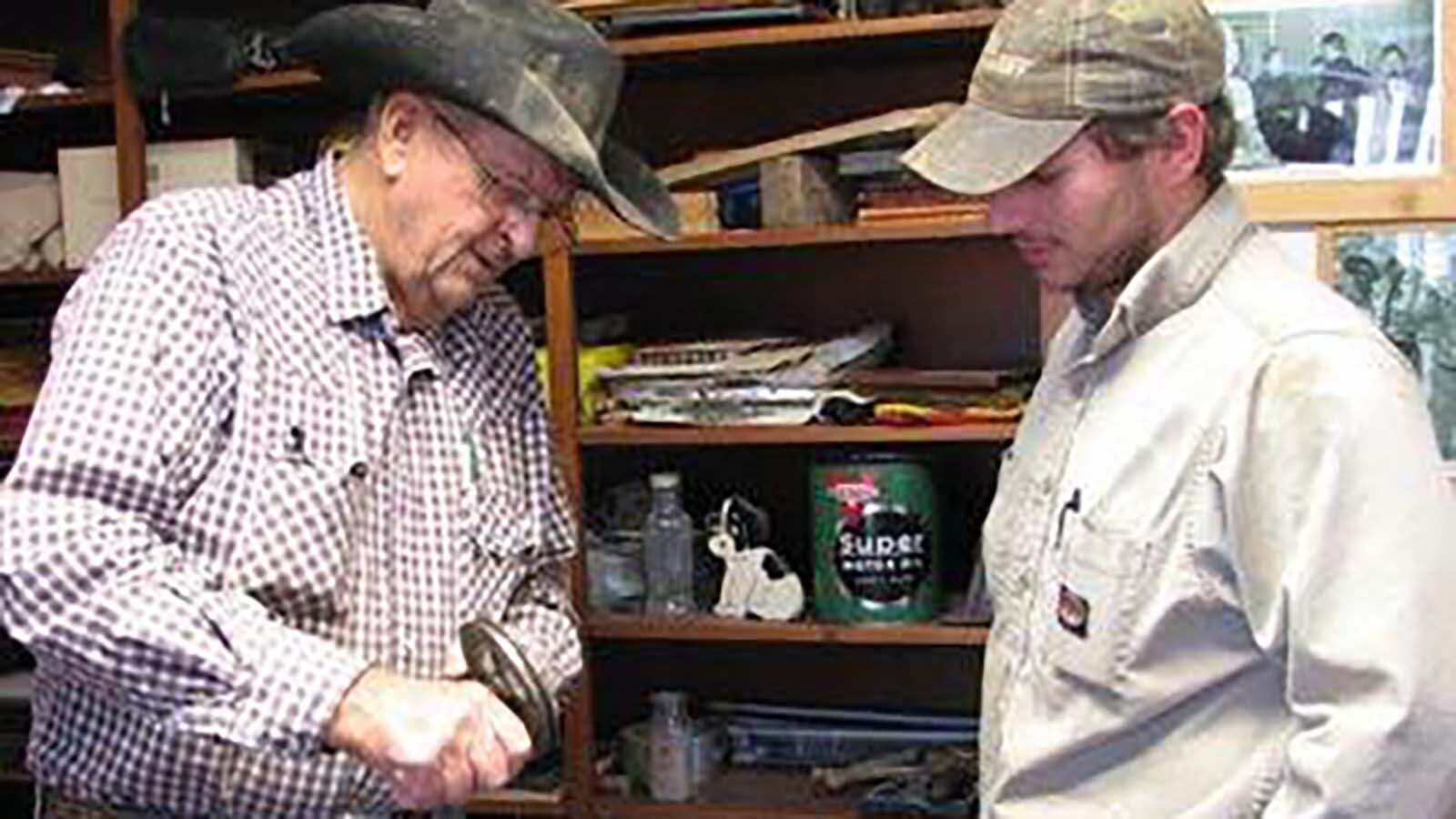
The Niobrara Historical has been researching the history of Lance Creek and preserving the stories by interviewing locals before the history is lost. (Niobrara Historical Society) 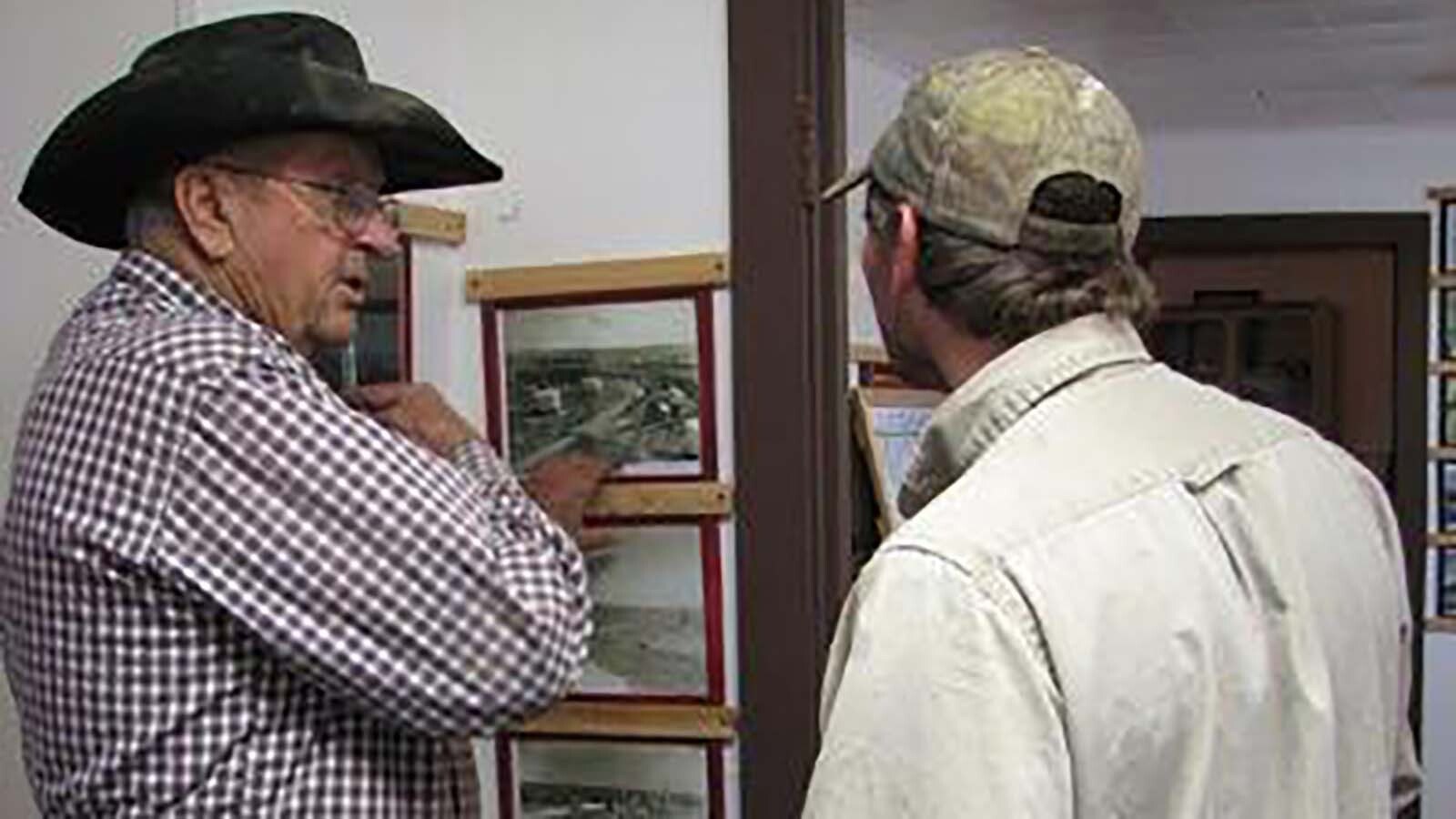
The Niobrara Historical has been researching the history of Lance Creek and preserving the stories by interviewing locals before the history is lost. (Niobrara Historical Society) 
Niobrara Historical Society is hosting events using a grant from the Wyoming Semiquincentennial Celebration committee to to celebrate each of their tiny communities. In September 2025, they celebrated a “Day in the Life of Hat Creek,” the last standing stagecoach stop on the Cheyenne to Deadwood route. (Niobrara Historical Society) 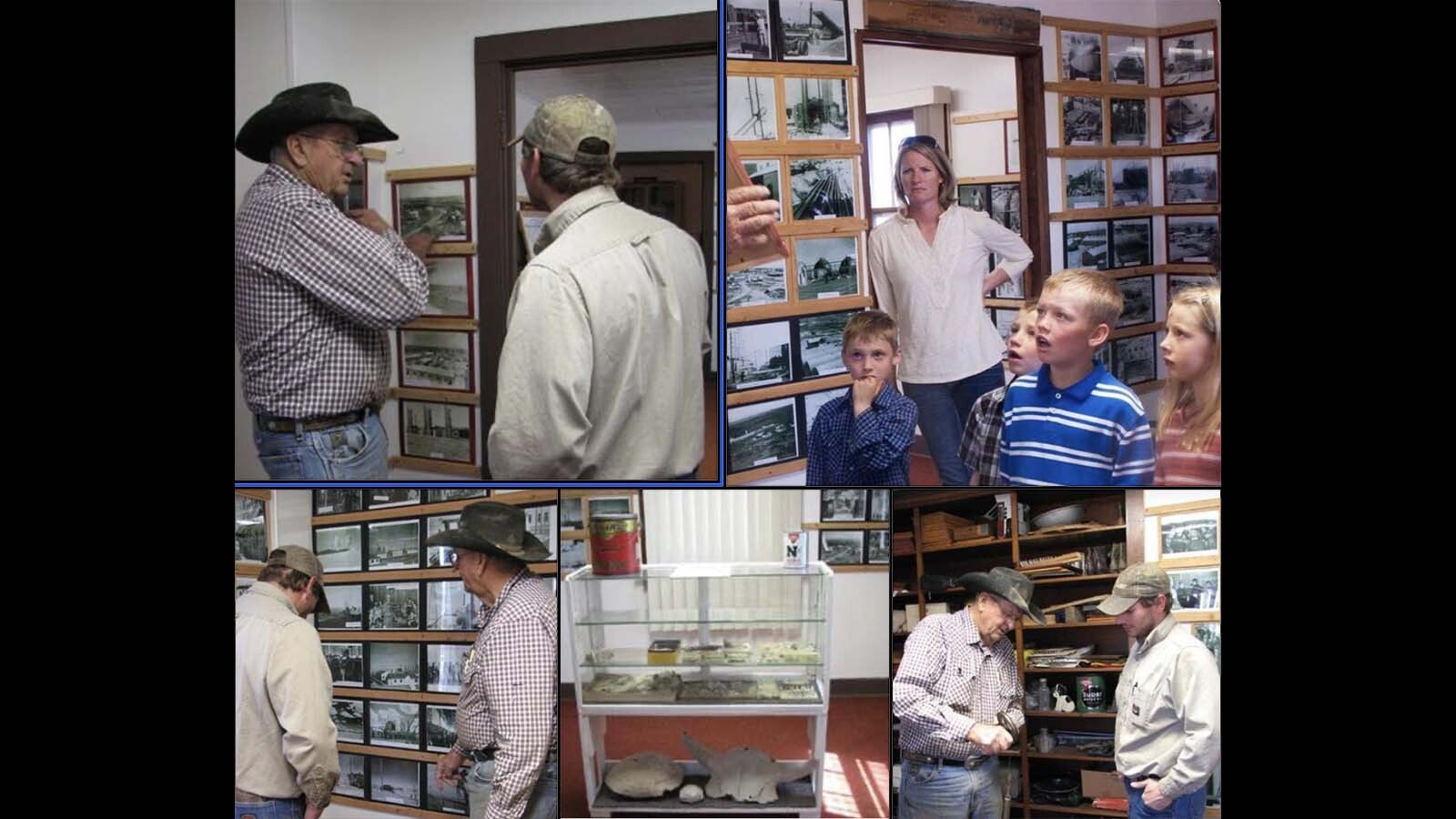
The Niobrara Historical has been researching the history of Lance Creek and preserving the stories by interviewing locals before the history is lost. (Niobrara Historical Society)
World War II History
Wade said that they are also remembering their more recent history such as Lance Creek’s role in Niobrara County. The tiny community experienced an oil boom during World War II, and played an important role played in the nation’s strategic oil reserves.
“Its oil reserve was heavily guarded during World War Two,” Stewart said. “It was once a thriving community but now Lance Creek is pretty much dissolved though they still have a church and a post office.”
While researching the community, Wade was surprised to see the importance of Lance Creek to America’s national war efforts.
“Japan had said if they landed on the mainland of the US, that the Lance Creek oil field would be one of the first things taken out,” Wade said. “Growing up here, that was something that I never even had heard about.”
As the research continues, Wade and Stewart said they are hoping to fill the missing gaps and share their important history with their community and tourists alike.
“We're constantly aware that the people in our community who know a lot of this information are elderly, and we're trying to make sure that we capture as much of their memories as possible so that we don't lose those as well,” Wade said.
As the volunteers at Stagecoach Museum research their history in the early days, they are also working to preserve their more recent history from homesteaders and others to ensure that more stories are saved than lost.
Contact Jackie Dorothy at jackie@cowboystatedaily.com
Jackie Dorothy can be reached at jackie@cowboystatedaily.com.