With people getting mauled by bears from Wyoming to Florida and Japan, some experts say using artificial intelligence (AI) facial-recognition software on bears could make things safer for humans and bears.
The BearID Project has developed an AI facial recognition program for bears. It can be coupled with remote cameras to help game agents and biologists quickly identify individual bears, including those that might have mauled people, the outdoors publication Gear Junkie reported.
Identifying bears now usually requires collecting DNA, which can be time-consuming and expensive, Canadian bear safety expert Kim Titchener told Cowboy State Daily.
So, technology that could simplify and expedite the process could make a difference, she said.
“I can see why that can be an interesting concept,” she said.
Bear Attacks All Over
In Wyoming, hunters say that potential grizzly attacks are a big concern for them.
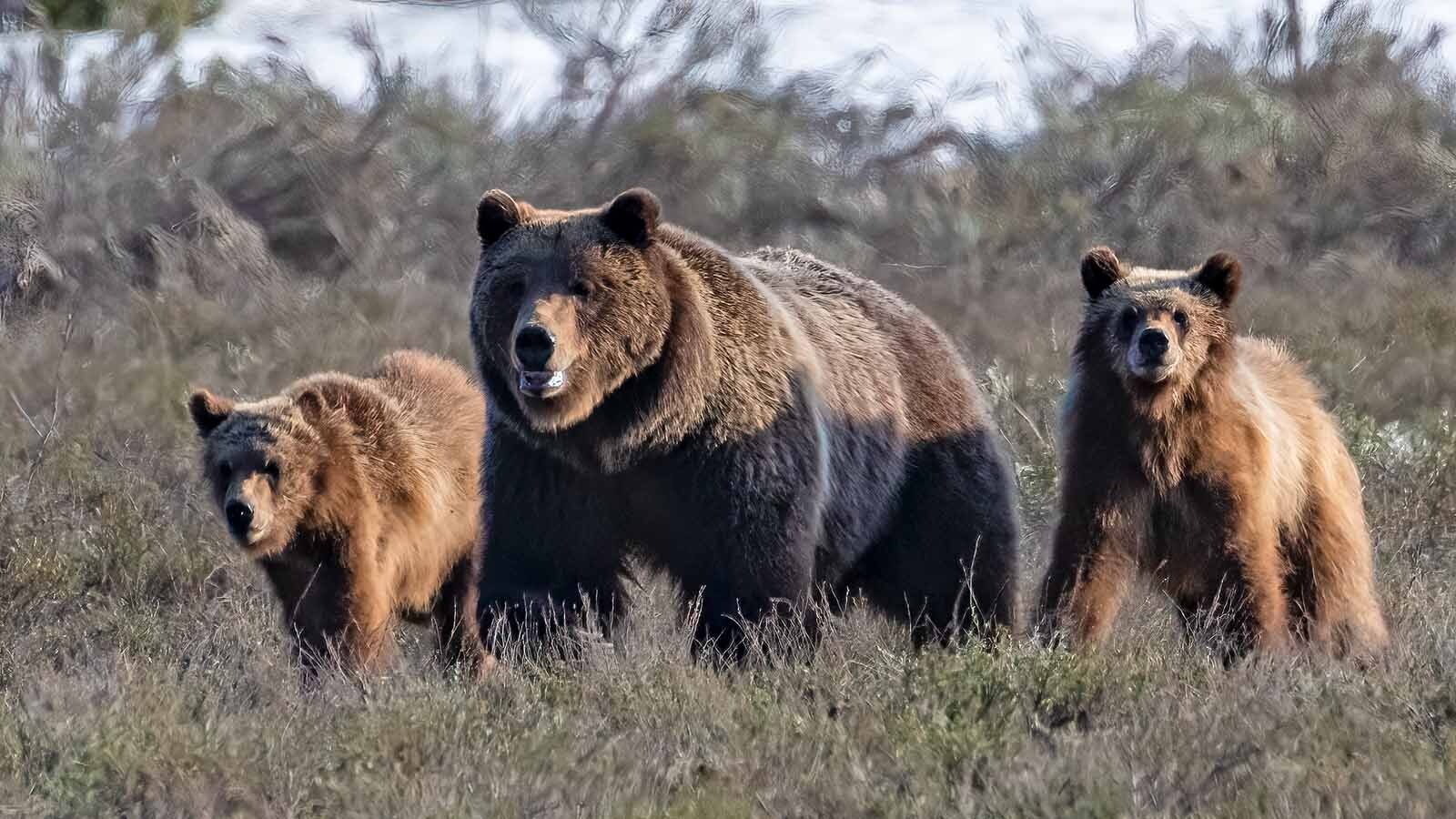
In November, a grizzly, thought to be a female with two cubs, attacked a group of about 20 people out for a school picnic near a tiny coastal community in British Columbia, Canada. At least four people injured, including a teacher and three children.
An intensive search was launched for the bears, but they apparently slipped away, and wildlife agents eventually gave up on the search.
“They had traps out for weeks” to no avail, Titchener said.
Had the bears been trapped, they possibly could have been tied to the attack through DNA, via bear saliva and hair samples taken from victims, she said.
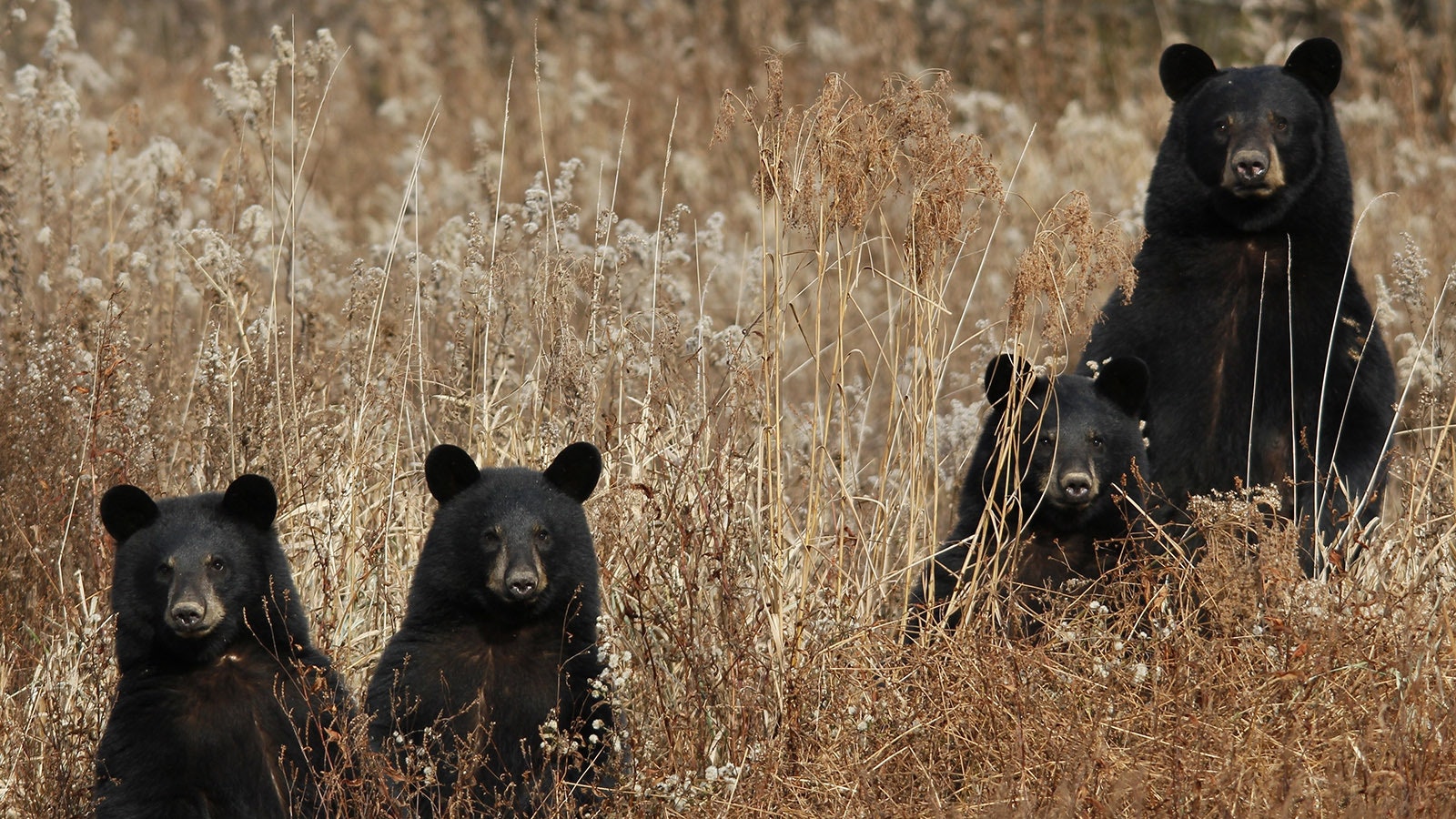
Florida in 2025 reported its first-ever fatal black bear attack, even as that state had its first black bear hunt in a decade. Hunters killed 52 bears.
In Japan, there was a surge in bear attacks; roughly 100 people were injured, and at least 12 were killed. Things got so bad, the Japanese government called in the military to assist with bear-trapping efforts.
Scientists with the U.S.-based BearID Project say that using AI facial recognition on bears could help zero in on the particular bears involved in attacks. They claim that might be more effective than large-scale hunting of bears, Gear Junkie reported.
Try Using It With Drones
Alaska outdoorsman Chuke Johnson told Cowboy State Daily he can see the potential in AI bear recognition.
“It definitely sounds sci-fi, but I think it could be effective,” said Johnson, the host of Chuke’s Outdoor Adventures.
He hunts Alaska’s black bears “as a food source,” and has also hunted the state’s massive brown bears.
The most common method of monitoring bears in Alaska is trapping them and putting ear tags on them. That’s also frequently done in Wyoming.
Johnson said that AI facial recognition could greatly streamline the process, particularly if it was coupled with cameras on drones.
“You could just fly in with the drone and identify the bear,” he said.
“Facial recognition has gotten so good these days, I think it could help identify particular bears,” he added.
Regardless of how bears are identified, Johnson said he favors bear hunting as a method for controlling the bear population and mitigating conflicts with people.
He favors delisting from federal endangered species protection in the Lower 48.
“I tend to lean toward opening up more hunts and delisting bears as these attacks on humans just keep increasing,” he said.
Others have argued that hunting grizzlies in the Lower 48 probably wouldn’t make them fear humans. Grizzly hunting opponents claim that because bears are mostly solitary, they wouldn’t directly witness other grizzlies getting shot.
Mark Heinz can be reached at mark@cowboystatedaily.com.