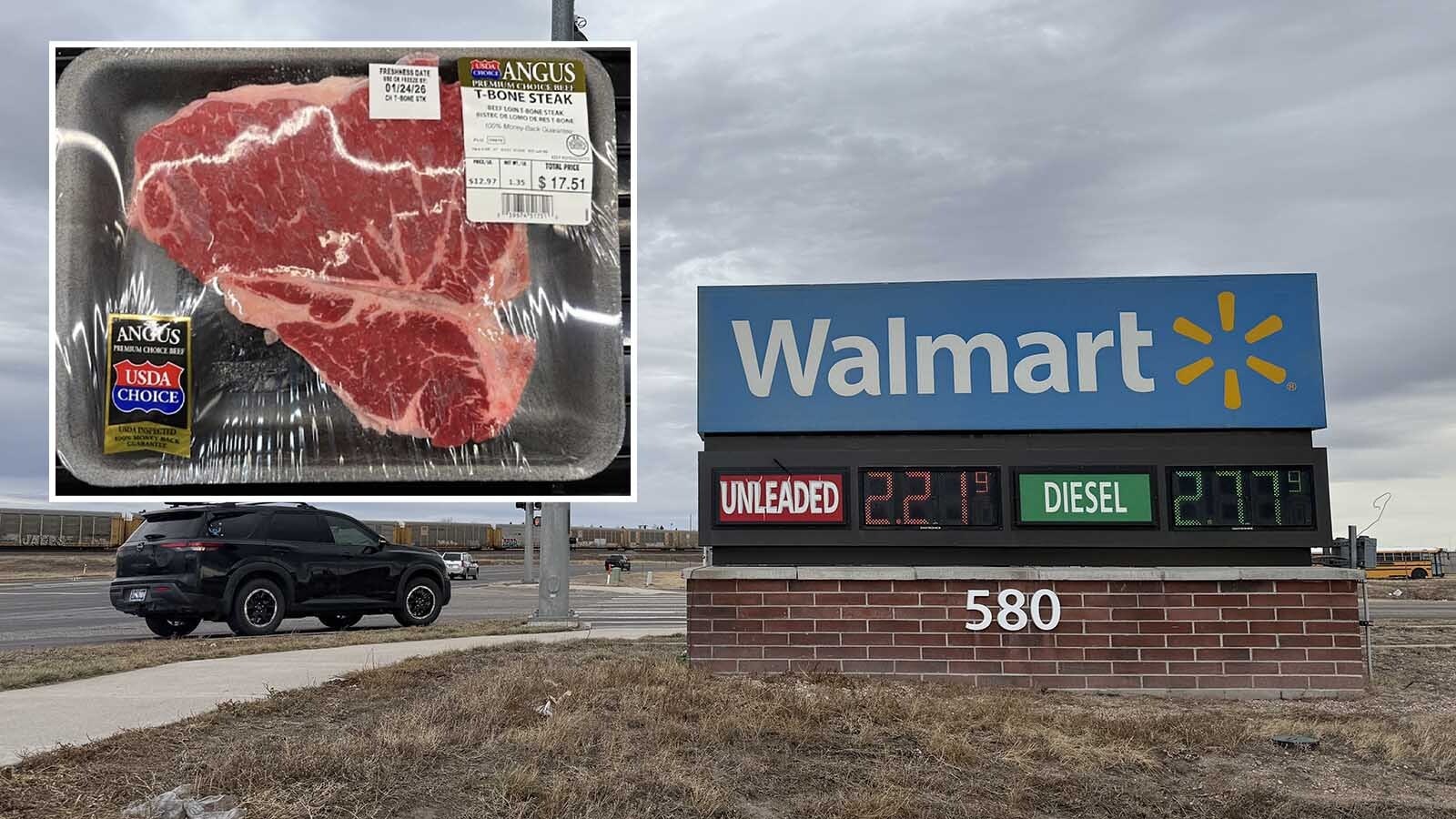
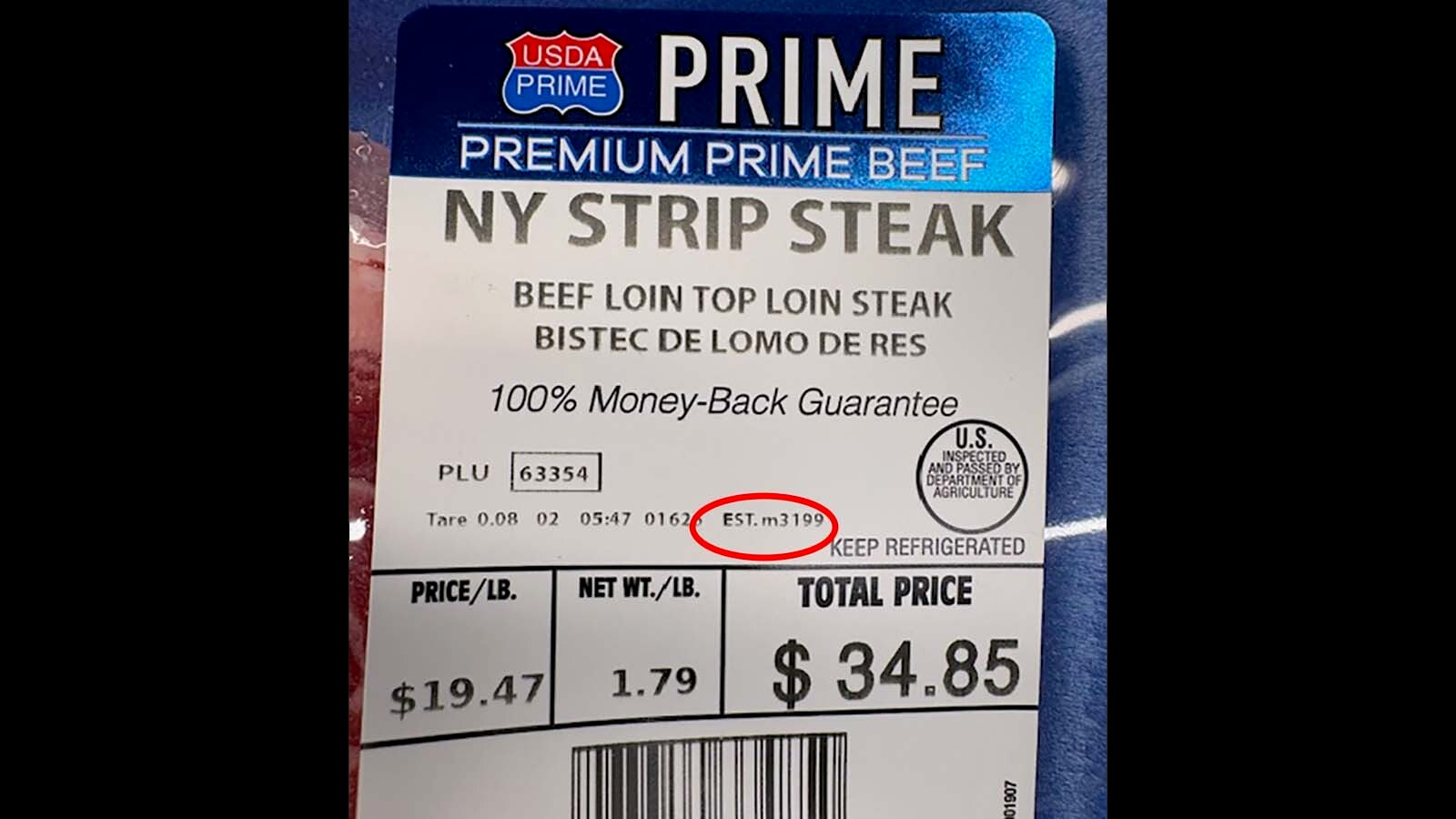
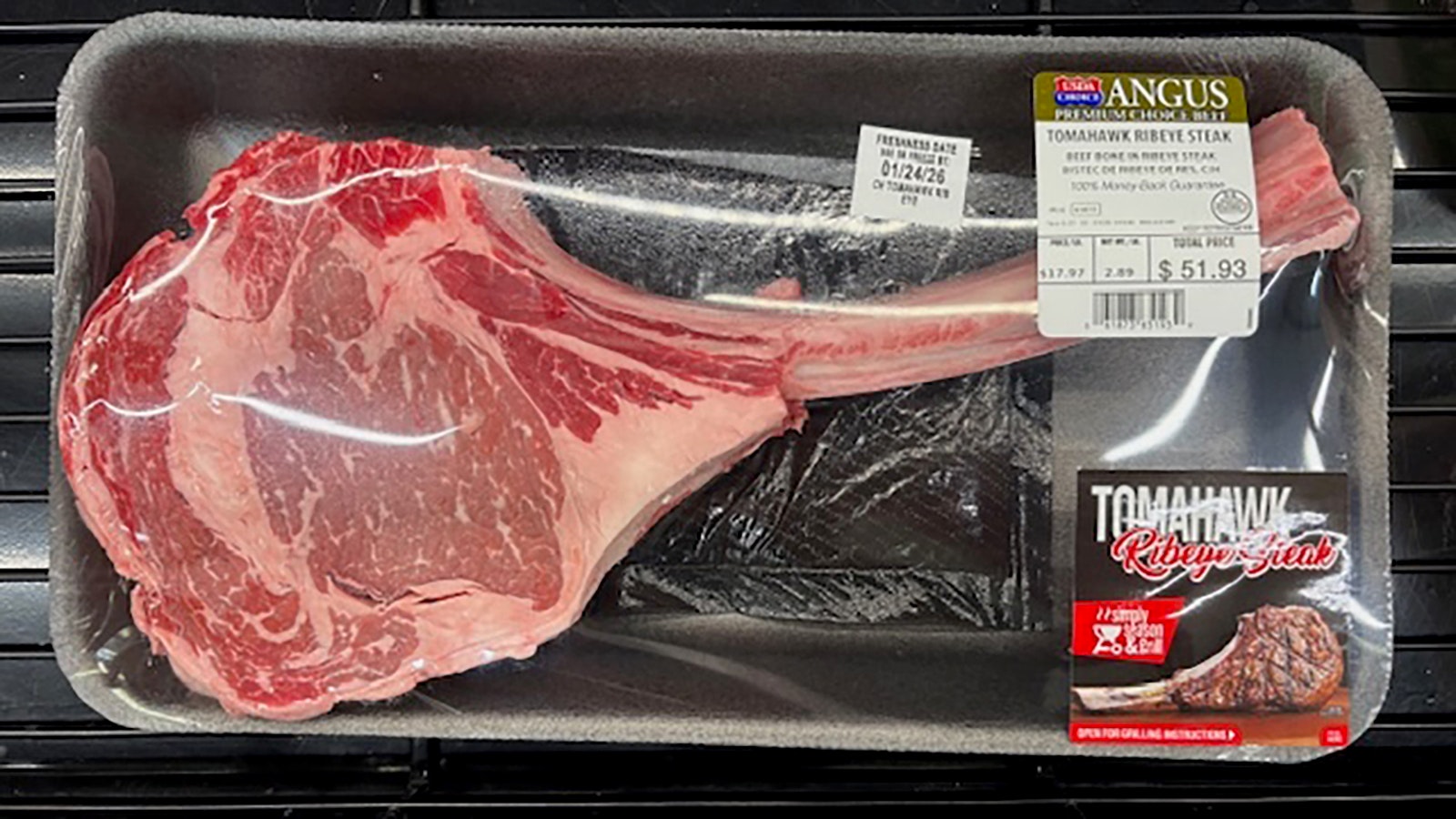
The first thing Wyoming born and raised rancher Trey Wasserburger did when he heard that steaks from Sustainable Beef’s rancher-owned packing plant in Nebraska had hit store shelves was to go shopping for some of his own beef.
“I was there this morning,” he said. “And I bought New York strips, T-bones, and some ribeye tomahawks. So, it’s awesome. It’s fantastic.”
Wasserburger is a cofounder of Sustainable Beef, but he’s also a 2006 graduate of Campbell County High School and has family ties to the Bootheel 7 Ranch in Lusk, which celebrated 100 years of history in 2019.
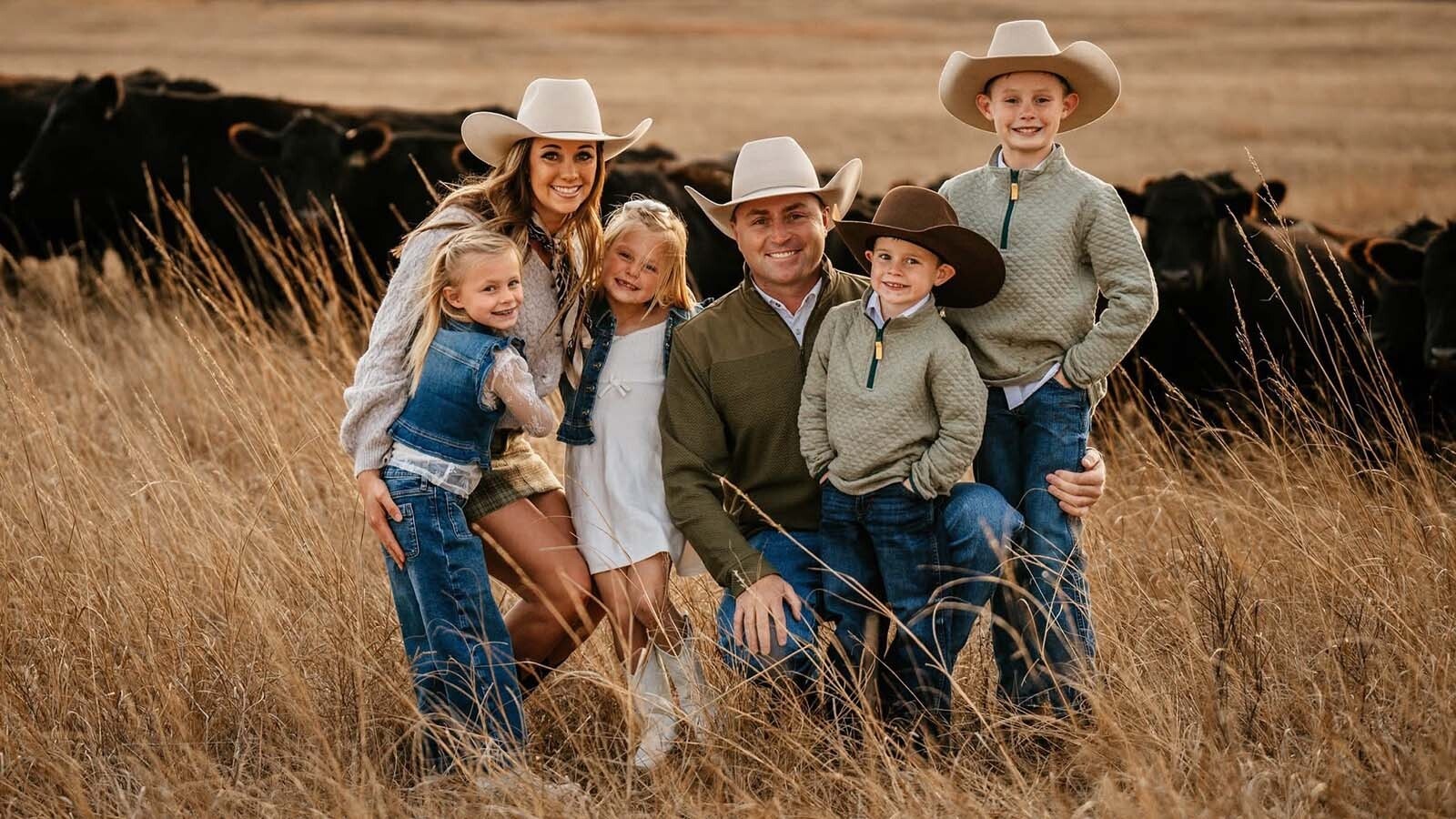
He and his wife Dayna, who is a Nebraska native, bought a ranch near North Platte, Nebraska in 2017, where they now operate the TD Angus Ranch.
The ranch is known for the quality of its genetics and sells bulls across America — including a rather famous Angus bull named Doc Ryan, which sold for $525,000 in 2021.
Wasserburger said he believes some of the prime and choice cuts from Sustainable Beef should be showing up as of Monday in Wyoming Walmart stores as well.
Sustainable Beef sources a substantial portion of its beef from Wyoming cattle herds, which means some of that meat on Wyoming store shelves likely came from cattle herds in places like Torrington.
“We hope to be in all of (Walmart stores) fairly soon,” Wasserburger said.
That will just be a process of continuing to scale up their operation, which is focused on processing prime and choice cuts of beef for high-end dinner table menus.
Price Makers
It’s been a long and winding road from farm to table for American beef. Straightening up that path is part of the concept behind Sustainable Beef, in hopes it will help family ranchers hang onto more of the retail dollar from their beef.
Otherwise, their fear is that family ranches will become economically unfeasible and die out in America.
Ranchers have long faced challenging economics in the commodity markets, where they are the price takers, rather than the price makers.
That leaves them navigating things like drought and high production costs amid market volatility that sometimes means they’re not breaking even. Added to that difficulty are regulatory hurdles and labor shortages.
The challenges have pushed many ranchers into an early retirement, even as youths, meanwhile, are becoming less and less interested in trying to replace them, given high risk and ever higher entry costs.
Sustainable Beef just opened in May and is owned by a group of eight ranchers, including Wasserburger.
“We got together with some like-minded people, the Lapaseotes family, Bob Maxwell and some other cattle feeders who just believed in the same mission and goal to own their own destiny,” Wasserburger said.
“It takes about five years to complete the cycle, raise the calf all the way through to the food supply chain. And to just throw away the profit in the last 24 hours makes zero sense," he said.
Pandemic Forced Their Hand
The ranch Wasserburger and his wife bought was the Rishel Ranch in the Sandhills of Nebraska.
Bill Rishel, the previous owner, had long been at the forefront of innovation in the cattle industry, and was among the first cattlemen to use carcass data and ultrasonography for breeding decisions.
The Wasserburgers planned to continue Rishel’s vision with the herd he had developed over several decades. But just three years into owning the ranch, the COVID-19 pandemic hit.
Things quickly became a little Western for the couple.
“We were getting shut out,” Wasserburger recalled. “We were having trouble getting our cattle in the store.”
That was a dire situation for the couple, who had mortgage payments to meet and bills coming due.
“I was definitely in over my head financially,” Wasserburger said. “I had to make a decision, a tough one, to continue down the road of being a price taker or become a price maker.”
Grocery stores, meanwhile, were facing their own difficulties getting beef on empty store shelves. Ultimately, it was the broken supply chain that helped Wasserburger and his partners make their dream of owning their own packing plant a reality.
“Walmart needed a way to get that beef, and we needed a way to get our premium cattle for a great price,” Wasserburger said. “So, we just met in the middle. we had the same goal, and it’s just been a great marriage. It’s been a great relationship.”
Changing North Platte’s Future
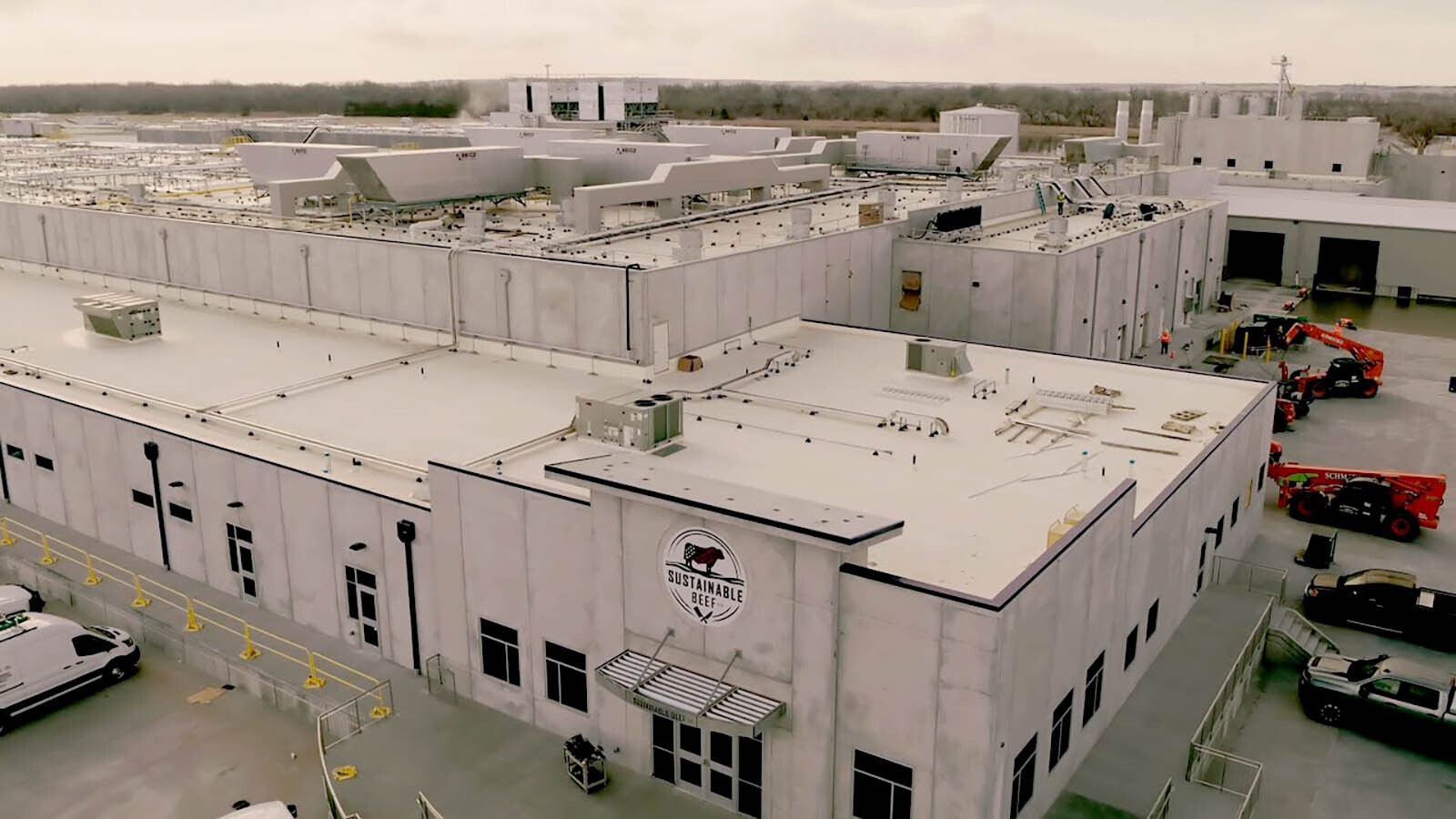
Sustainable Beef is among the first new packing plants to be built in America in a generation. It’s not a new idea. It’s been tried before, but the time has come for this model, Wasserburger believes, to help family farms and ranches become more sustainable.
In the meantime, the Sustainable Beef experiment has already boosted economics for North Platte, Nebraska, which made headlines in 2021 as the state’s fastest shrinking town.
Early economic indicators have put smiles on a lot of faces in the small town, among them North Platte Area Chamber & Development Corporation President and CEO Gary Person. He weighs in about the changes he’s seen in a documentary put out by First National Bank of Omaha, which is the company’s banker.
“We have broken records in retail sales,” Person said in the documentary. “We grew valuation substantially. We will have crossed a threshold of $1 billion worth of retail sales and expenditures. That is exactly double what it was five years ago.”
New restaurants and small businesses have opened. The community’s hospital underwent a major expansion and its recreation center upgraded as well.
“We’re at $1.2 billion impact for our community,” Wasserburger said. “We had to figure out what we do best. And instead of hauling things in, trying to manufacture it and hauling it back out, which doesn’t work. We’ve got to assemble, or in our case disassemble. What we make in this community is cattle and corn.”
Wyoming Plant Not Out Of Question
Initially, Wasserburger did try to build his rancher-owned meat packing plant in Wyoming, and was working with Sen. Ogden Driskill, R-Devils Tower, on that.
Ultimately though, Driskill told Cowboy State Daily in an interview last year that there just weren’t enough of the right elements to create the total package in the Cowboy State for such a large packing plant.
“When you start getting into these 1,000-plus cattle head a day plants, it’s really complicated,” Driskill said. “I kind of looked around Torrington, and they didn’t have the labor market.”
Cheyenne had a great location for a packing plant, with an opportunity zone and easy railway access. But North Platte just had a lot more of the necessary feedlot infrastructure.
Driskill said if he were to try again, he’d probably look at smaller operations.
“The truth is, Wyoming would probably be just as far ahead, rather than to have a plant like the one they have (in Nebraska) to have three or four plants that did 500 head a day,” Driskill said. “Then you could scatter them around the state.”
The diesel alone from shipping processed beef to markets would be a huge economic boost for any small rural town in Wyoming.
Wasserburger, meanwhile, said he’s not opposed to building more rancher-owned packing plants, if the experiment he’s started in Nebraska works out.
“I’d love to build more,” he said. “But we’ve got to get this one going first.”
Contact Renee Jean at renee@cowboystatedaily.com
Renée Jean can be reached at renee@cowboystatedaily.com.