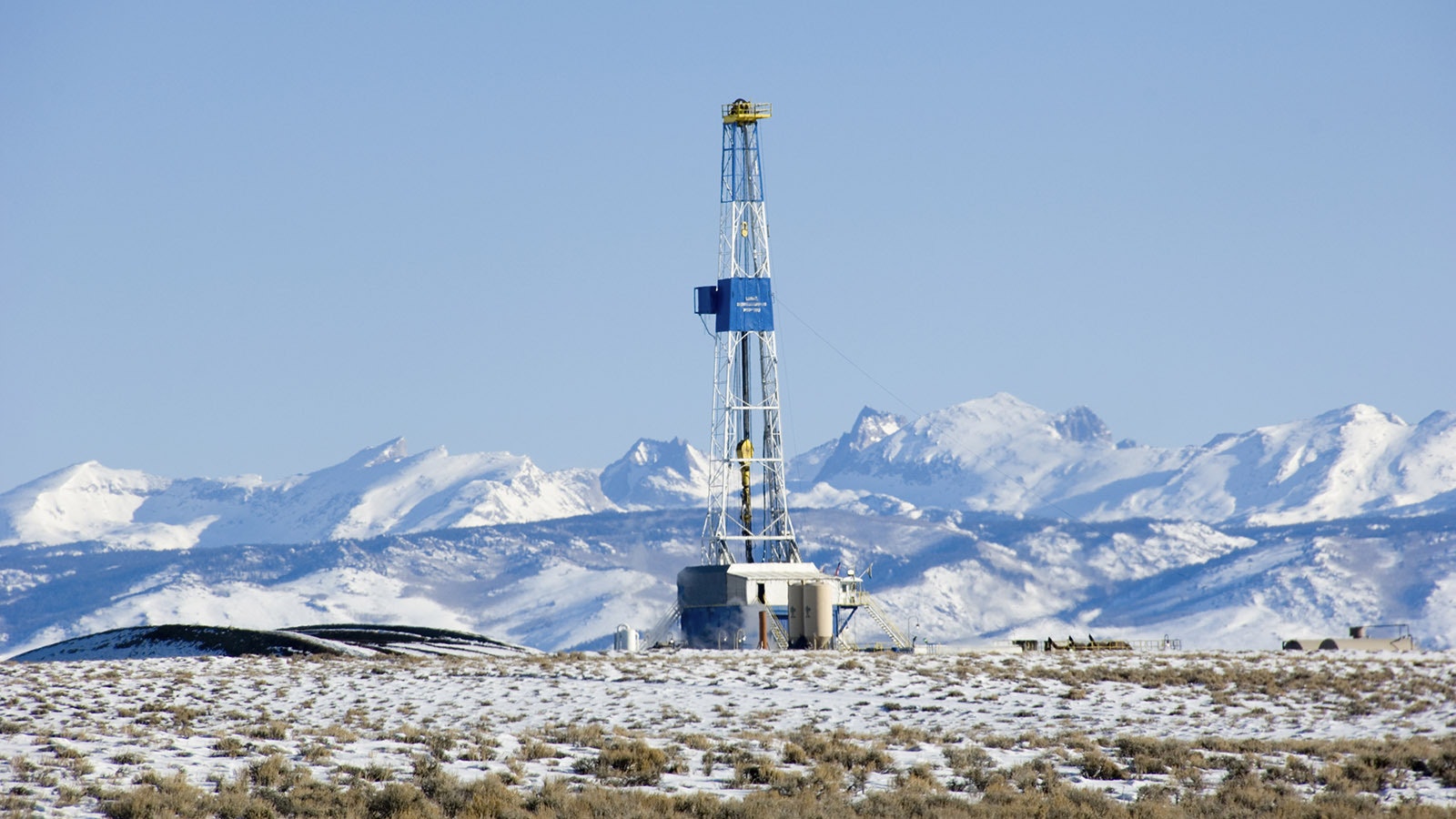
Oil and gas producers from across Wyoming gathered at the Wyoming Oil and Gas Conservation Commission this past week to discuss whether the state’s drilling permit system is delivering the results everyone wants.
The roundtable brought together operators large and small for a frank conversation about a rule known as “8M” — the process that governs how companies can take over drilling permits from operators who haven’t put them to use.
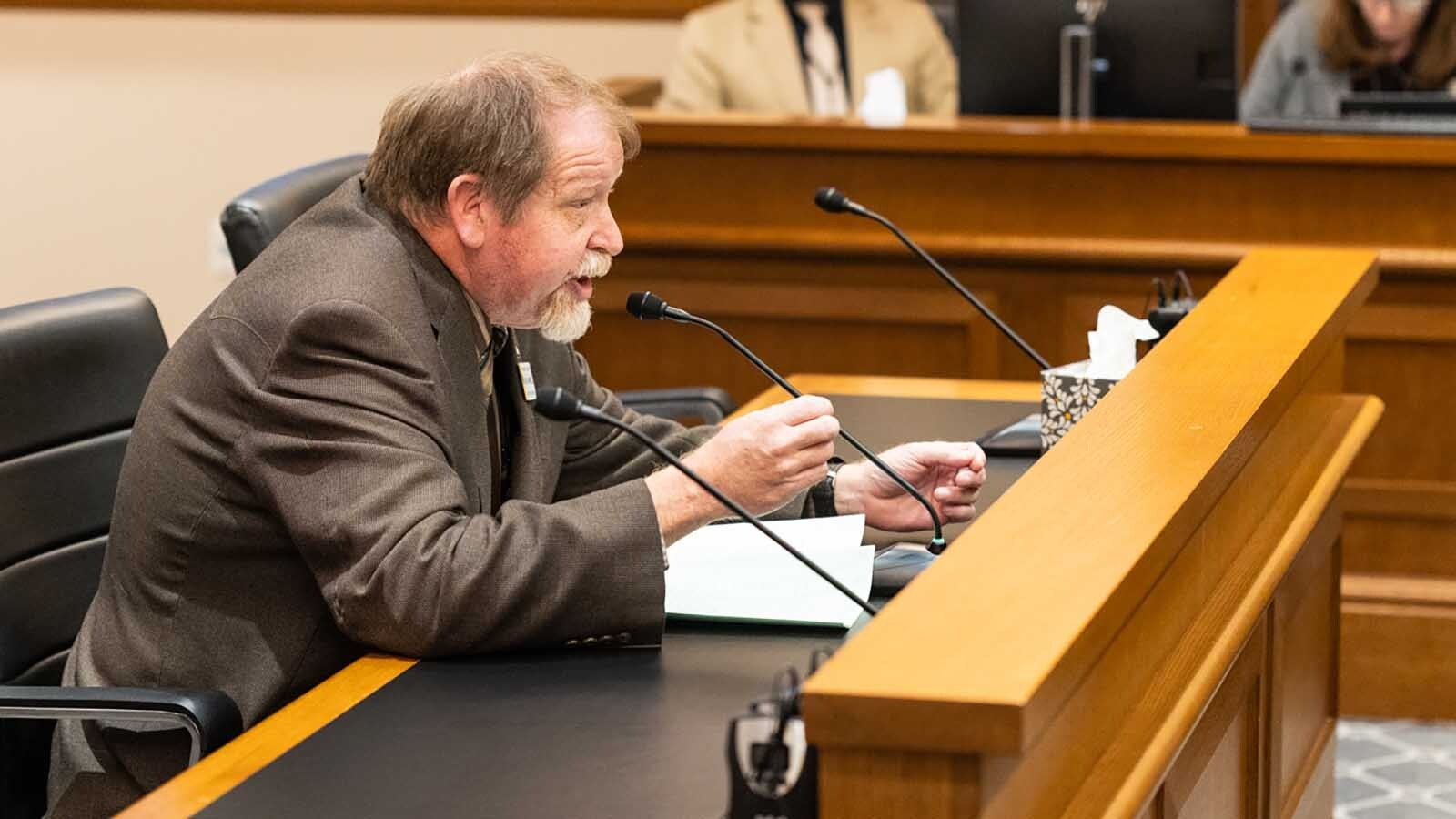
Howard Cooper, owner of Three Crown Petroleum, came with research comparing Wyoming’s drilling activity to neighboring states. The numbers, he told his industry peers, suggest Wyoming may be leaving production on the table.
The analysis Cooper presented shows Wyoming holding 8,617 active drilling permits, more than three times Colorado’s 2,806 and six times North Dakota’s 1,359.
Yet the state converts only 59% of those permits into drilled wells, compared to 91% in Colorado and 80% in North Dakota.
Over the past seven years, Wyoming has converted an average of just 57% of approved permits into drilled wells, according to Cooper’s research.
In 2025, the state drilled 346 wells, while Colorado drilled 729 and North Dakota drilled 909.
That gap shows up in production. Wyoming pumps about 290,000 barrels of oil per day, while North Dakota produces 1.17 million barrels and Colorado produces 480,000.
The state sits on 978 million barrels of proven oil reserves and 15 trillion cubic feet of proven gas reserves. Yet daily production has essentially flatlined since 2019, according to the Three Crown analysis, while North Dakota’s output has climbed steadily.
“I brought all that up. I spoke about all that,” said Cooper recalling his presentation at the roundtable, which included, “Everybody that is drilling wells in Campbell, Converse and Johnson County were there.”
The meeting was not a noticed public meeting, but instead a closed industry brainstorming session.
“I thought it was a good meeting because pretty much industry was represented,” Cooper told Cowboy State Daily. “The major players were there. Everybody had good input.”
More Numbers
Cooper believes Wyoming’s business environment is among the most favorable in the nation. A drilling permit costs $500 in Wyoming versus $150,000 in Colorado. Wyoming has no state income tax, and its severance and ad valorem rates are competitive.
So what’s holding things back? Cooper dove into the details.
He understood how Wyoming’s current system issues drilling permits valid for two years. If an operator doesn’t drill, they can renew — unless another company files an 8M application to challenge that renewal and seek to take over drilling rights.
The rule was designed to ensure permits eventually get drilled. If the original permit holder isn’t moving forward, another operator with a stake in that drilling unit can step in.
Cooper said the system works when companies use it. Three Crown has filed 8M challenges and successfully negotiated settlements with larger operators including Devon, Continental and Anschutz, allowing his company to move ahead with drilling.
But of the 8,000-plus active permits statewide, only about 100 currently face 8M challenges. Cooper suggested the commission examine whether the renewal process could be tightened to encourage more drilling activity.
“Do we make the renewal six months?” Cooper wondered, offering a possible tweak to the rule and encouraged by the feedback so far from the Oil and Gas Commission.
Tom Kropatsch, the commission’s supervisor, said Wednesday’s roundtable drew 40 to 60 participants.
He characterized the gathering as a listening session on a rule that’s been in place for more than five years, Kropatsch said, and the commission wanted to hear directly from operators about whether the process is working as intended.
“The idea was just to do a check-in on the 8M rule,” Kropatsch told Cowboy State Daily. “Once in a while people have suggestions for us to consider … things that they might think would make it work better, smoother or easier.”
Kropatsch said operators generally expressed appreciation for the certainty the current system provides, particularly when planning around lengthy federal permitting processes.
“The big takeaway was that providing that certainty — that when they make that investment, they’re going to kind of know the way that process is going to work,” Kropatsch said.
“The two years is important for a lot of people because it takes some time to work through the issues and without having to just defend, always defend a permit. Especially as they try to put together a larger acreage lease.”
Can adjustments to the 8M rule increase oil production in Wyoming? Kropatsch wasn’t certain.
“There’s a lot of factors that go into why or where people would drill,” he said. “It might be one factor in an operator’s decision on if they’re going to drill in Wyoming and when they’re going to drill. But when you consider all of the other factors that are part of that — the federal lands we have in Wyoming that they don’t have in Colorado.
"The rock — the cost to drill here versus there. There’s just a lot of factors.”
While the commission isn’t proposing rule changes, Kropatsch said the ideas raised Wednesday remain under consideration.
“There’s no plans right now to take any action on it,” he said. “But as we kind of think about this … that’s something that’s on the table.”
As for why the meeting was industry-only?
“We wanted the operators to speak freely about their thoughts on it,” explained Kropatsch. “We didn’t want anyone to have concerns that if they had a contrarian thought or something else and just kept to themselves because of fear of having their name out there.”
Industry Perspective
The Petroleum Association of Wyoming said the roundtable reflects what makes the state attractive to operators.
“Decisions about when and where to drill for oil have many factors,” said Ryan McConnaughey, PAW’s VP and director of communications. “One of the reasons why Wyoming is a good place to operate is we have state agencies that are willing to review their rules and take input from industry about whether changes are necessary.”
Steve Degenfelder, a landman with Kirkwood Oil & Gas in Casper, said the 8M process addresses a real challenge in the industry.
“There has always been a dilemma where the Oil and Gas Commission gives operatorship to a company for a drilling and spacing unit and approves several drilling permits,” Degenfelder said. “Then another operator might come around and request a permit but cannot get a drilling permit because the OGCC has given all the allowed permits.”
“I think that is where some companies have become irritated with the process,” Degenfelder added.
When a designated operator doesn’t drill and requests an extension, other companies can challenge it through the 8M process — exactly the scenario the rule was designed to address, according to the OGCC.
Looking Ahead
Cooper said he left Wednesday’s meeting encouraged. The commission indicated it would examine what happens after the initial two-year permit period and remains open to input from operators.
“They understand now that they need to look at these permitting rules and make it easier for other companies to come in and drill if the first company has a permit that expires,” Cooper said.
He also raised the idea of reducing ad valorem and severance taxes in a well’s first year to incentivize more drilling.
For Cooper, the stakes are straightforward: more drilling means more jobs and more tax revenue for Wyoming.
“Tom Kropatsch and the Wyoming Oil and Gas Conservation Commission are doing a very good job to streamline permitting and improve permitting in Wyoming,” Cooper said. “Everybody had good input. And I think it’s going to lead to some very positive changes.”
David Madison can be reached at david@cowboystatedaily.com.