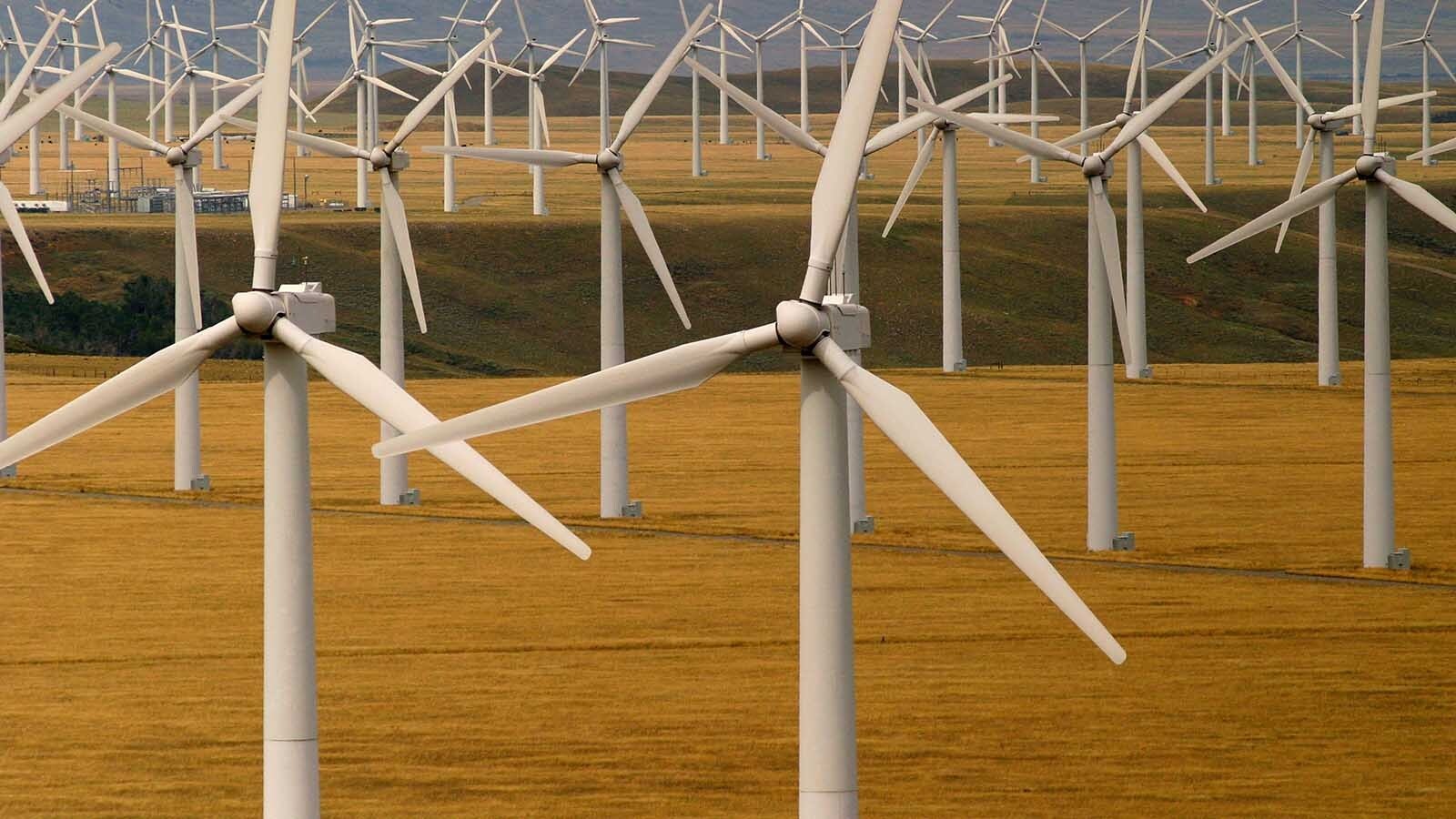
The U.S. wind industry is rapidly moving into a world where new projects cannot count on the longstanding federal tax credits that fueled three decades of growth.
Wind development is increasingly driven by state policy, corporate demand for quicker hookups and cost competitiveness rather than guaranteed federal support.
That transition is playing out now in Wyoming, where communities are weighing the economic promises of wind development against concerns about landscape, wildlife and property values.
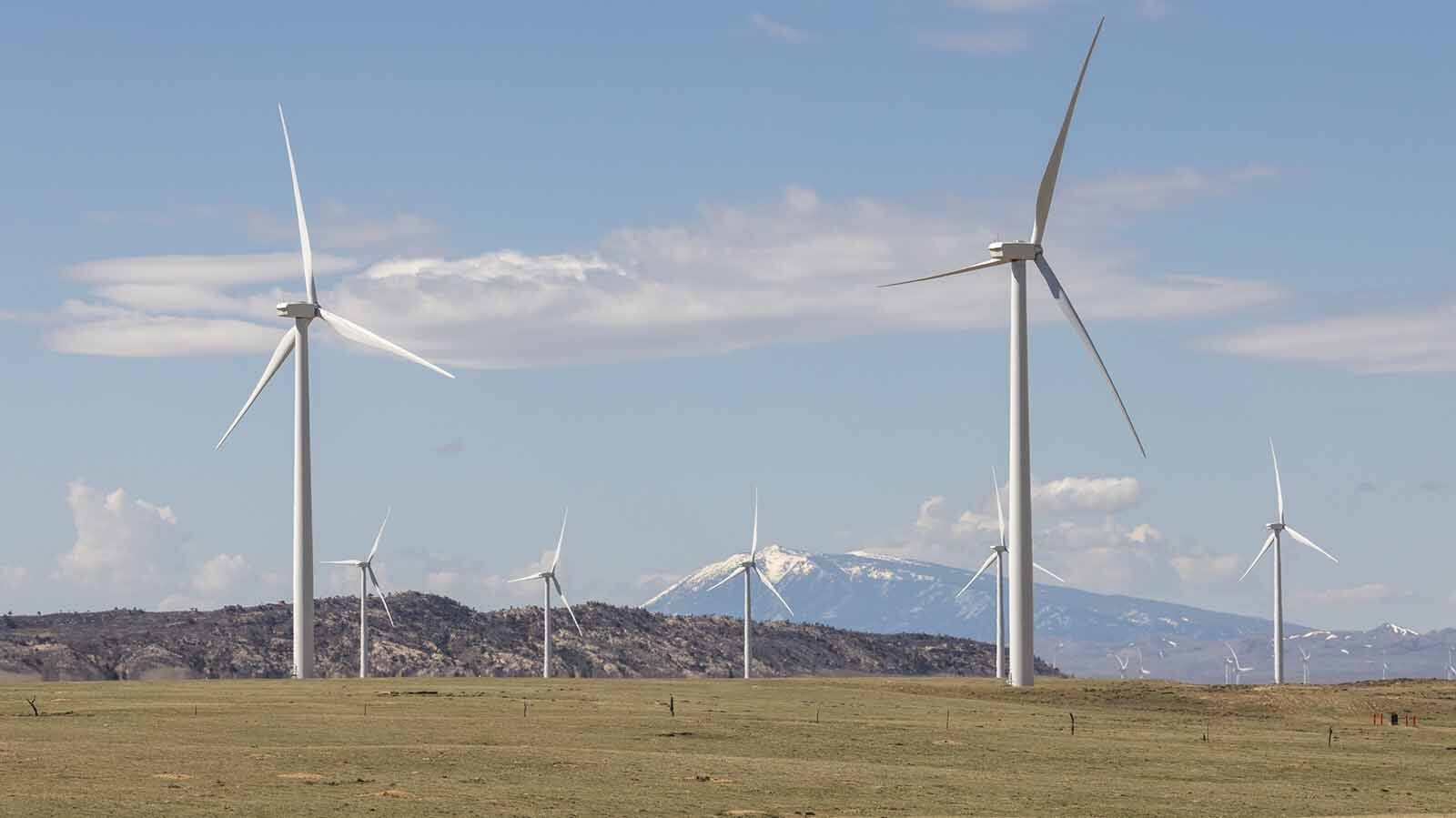
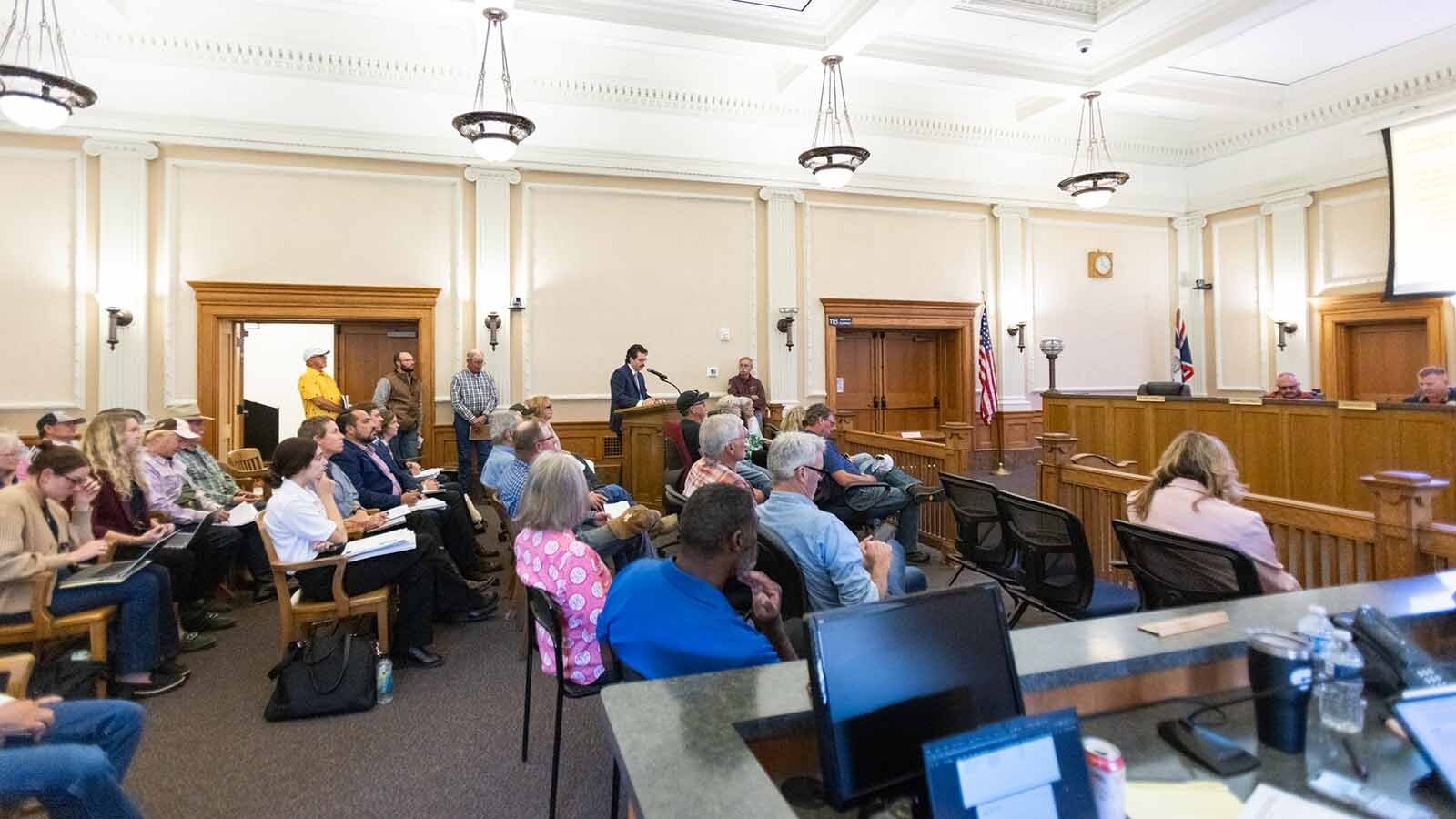
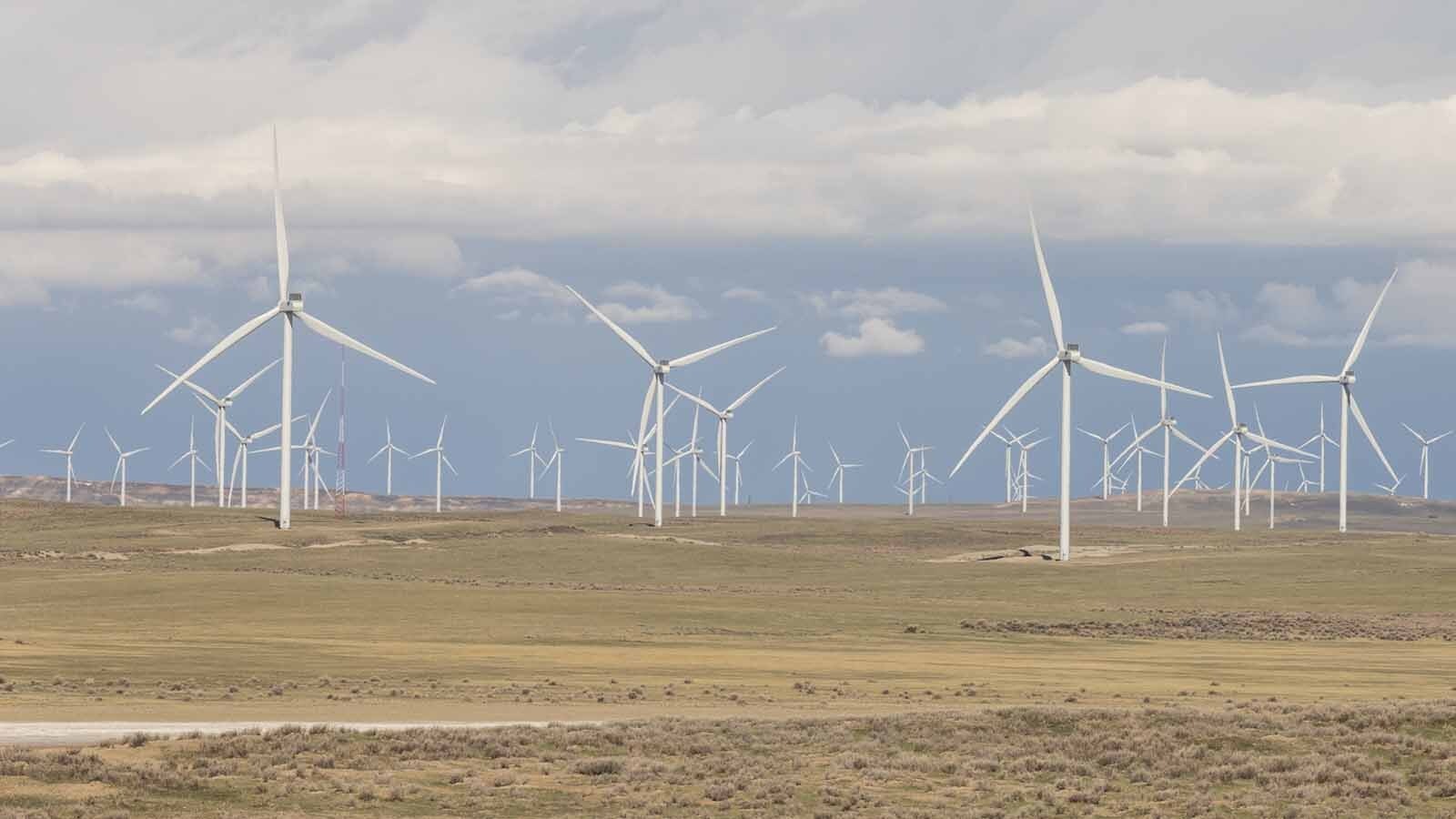
A Jan. 8 special meeting of the Wyoming Board of Land Commissioners in Douglas drew dozens of residents opposed to the Pronghorn H2 wind project, a 267-turbine development partially on state trust lands along the northern Laramie Range.
During hours of testimony, nobody spoke up in favor of the Pronghorn project.
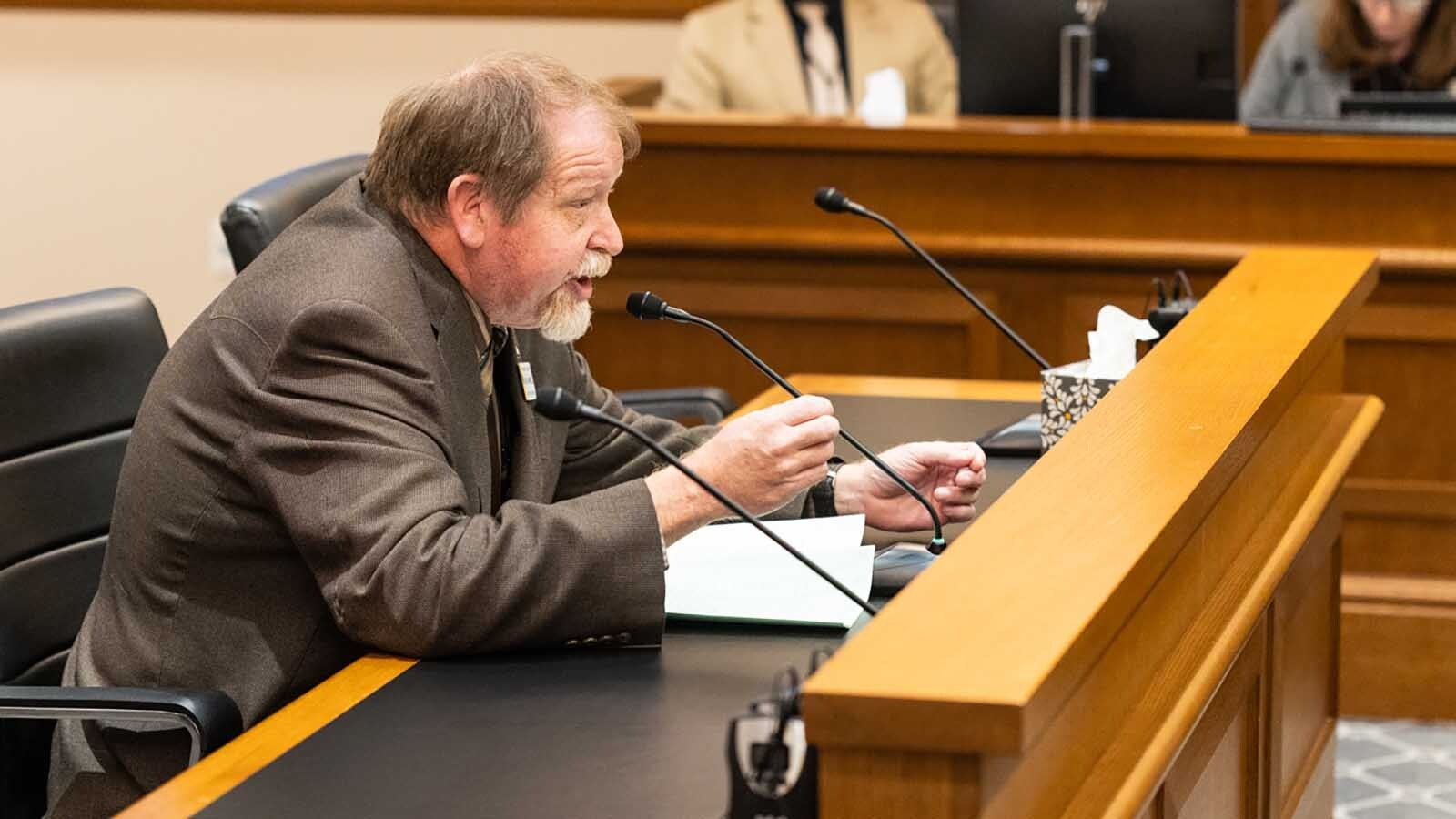
Secretary of State Chuck Gray, the lone board member to vote against the Pronghorn lease when it was approved in April, told Cowboy State Daily local opposition to wind is plain to see.
"The people of Wyoming were clear at last week's meeting in Douglas that we are against these projects," Gray said.
"From the open testimony made by the proponents of Pronghorn and Sidewinder wind projects back in April, the wind projects were clearly dependent on federal tax credits and subsidies that President Trump is eliminating," said Gray, who often takes swings at anything done "in the name of some Green New Deal agenda."
"The future of our state is on the line," Gray wrote in an email to Cowboy State Daily. "I'm planning on bringing my motion to end the leases again in February, and it was clear that we had a majority of the board to end the leases at the meeting last week."
Gray's opposition has focused specifically on the Pronghorn and Sidewinder projects developed by Focus Clean Energy in Converse and Niobrara counties.
In August 2023, Gray voted in favor of the state land lease for the Cedar Springs wind project, also in Converse County, developed by NextEra Energy Resources.
The Cedar Springs project covers about 2,400 acres of state trust land and is expected to include 36-54 megawatts of capacity.
Gray did not respond to a question about the differences between the Pronghorn project, which he opposes, and the Cedar Springs project he approved.
Nebraska Lessons
More than 500 miles east, Bill Spelic of Spalding, Nebraska, has had time to reflect on what it takes to influence a wind project's outcome — even if you can't stop it entirely.
Spelic, 68, moved to Greeley County in 2019 from Denver seeking the quiet rural life his wife's family had known for generations.
Two years later, he opened the local newspaper to discover the county planning and zoning board had approved a wind energy permit for NextEra's Greeley Wind project.
"It said in the article that the landowners were there for the meeting — eight or 10 of them that were there," Spelic told Cowboy State Daily. "But there was nobody that was against it. So they talked it over and they just passed it."
Spelic and his son John decided to join other anti-wind organizers. They held town hall meetings across a region in Nebraska that’s known for its bird life.
“Greeley County is located in central Nebraska along the southern edge of the Sandhills,” according to the county’s website. “There are four villages in Greeley County: Scotia, Spalding, Wolbach and Greeley (county seat).”
Spelic was encouraged to see public meetings about wind scheduled in every community.
"The first meeting that we had in Spalding, there was probably 15 people," Spelic said. "Then we went to Greeley, you got more people. Wolbach, there was probably 40 people there."
The crowds kept growing.
Commission meetings that started with 10 attendees in a small conference room eventually moved to the county auditorium with around 100 people packed inside.
"We even had people that came in and said, 'Oh, I'm for wind turbines, it's going to help with the electricity issues, and our county's going to get money for it,'" Spelic recalled. "Well, as more of these meetings went on, we had people that were changing their minds."
The Greeley County Commission ultimately approved NextEra's project in August 2023.
Money Up Front
But the sustained opposition extracted significant concessions, said Spelic.
"They had 42 regulations that they put onto these wind turbines," Spelic said. "And two of the regulations were, they had to put up $12 million in decommissioning of any towers. They had to have that money put up and put away for down the road.
"Also, they had to have $5 million in road repairs, any damages. So it was $17 million that they had to put up front before they could even start any kind of construction."
According to Spelic, as of mid-January, NextEra has not deposited the required money and no construction has started — though he acknowledged he's uncertain about the project's current status.
"Everything was just really quiet. Nothing was said much," Spelic said. "And then President Trump takes office. Their plan of attack was different with wind turbines.
"It's just — nothing's happened. It’s ... I don't know if it's dead."
NextEra did not respond to a request for comment on the project's status.
According to the company's website, the Greeley Wind project would feature up to 41 GE wind turbines capable of generating approximately 115 megawatts of clean, renewable energy. Subject to local and state approvals, the project is scheduled to begin operations by December 2026.
NextEra says the project would create up to 250 construction jobs and four to five full-time positions for maintenance and operations.
The company estimates the project would generate about $27 million in payments to Greeley County landowners and about $19 million in county tax revenue over the project's first 30 years.
"Wind farms are compatible with agriculture and are fast becoming an important component of farm viability in Nebraska and many areas across the country," the company states on its project website. "They can also generate significant economic benefits for the communities that host them."
Shifting Economics
The wind industry's changing landscape extends beyond local politics.
After 33 years of federal tax support, this corner of the energy sector remains in transition, which U.S. Energy Secretary Chris Wright made clear in December.
"We cleaned out a ton of subsidies, over a half a trillion of energy subsidies, the wind and solar, for example, 33 years running — that seems like enough," Wright told Cowboy State Daily.
Legacy projects and those that began construction before recent law changes could continue receiving tax credits for years.
The question is whether new developments can pencil out without that federal backstop.
According to the American Clean Power Association and the consulting firm Wood Mackenzie, turbine orders fell 50% in the first half of 2025 compared to the same period last year, the lowest since 2020.
Still, the organizations project the U.S. will add 46 gigawatts of new wind capacity from 2025 to 2029, though regulatory uncertainty following the One Big Beautiful Bill Act has created significant headwinds.
Over the past year, Cowboy State Daily has reported on what’s driving the current demand spike for electricity.
Utah Gov. Spencer Cox told attendees at the Wyoming Business Alliance conference in November that nothing in his career prepared him for the speed of change, noting that while everyone anticipated rising demand from electric vehicles and electrification, the explosive arrival of AI-powered hyperscale data centers presents new challenges.
Wyoming's aging power infrastructure now faces demand increases unlike anything seen in several decades, according to state Consumer Advocate Director Anthony Ornelas.
The scale is staggering. AARP Wyoming's Sam Shumway points out that a single large data center can consume as much electricity as all of northeastern Wyoming combined.
Prometheus Hyperscale founder Trenton Thornock noted the U.S. grid is already straining under the weight of manufacturing returning from overseas after a 25-year exodus.
Now layer in the data center boom, and that’s why we’re seeing increased demands across Wyoming.
Rocky Mountain Power Vice President of Government Affairs Tom Carter testified to Wyoming lawmakers last May that it had more than 10 gigawatts of requests for service that all want power in the next three to five years.
“To put that in perspective, our service territory load in Wyoming is just under 1 gigawatt, and it took us 100 years to get there,” Carter said then. “So, we’re being asked to add 10 new states in a matter of three to five years.”
Wyoming Concerns
At the Jan. 8 hearing, witnesses raised concerns about the cumulative impact of wind development across the state.
Wind critic Wendy Volk called into the hearing and spoke about the huge scale of the proposed projects.
"From Cheyenne up to Douglas and Glenrock and from Cheyenne to Rawlins, there is more than 200 miles of proposed wind turbines, haul roads, substations, transmission lines, and associated infrastructure that are forming across ranch lands and wildlife habitat," Volk testified.
She urged the board to consider the permanence of land-use decisions.
"Once agricultural land is converted to industrial use, it is effectively lost forever," Volk said. "I know this as a 30-year real estate professional. Once you change it, we're not getting it back."
Anne Brande, who started a nonprofit focused on wildlife habitat and history, testified about the scale of approved wind development in Wyoming.
"I think we are not taking into account the full cost of permitting over 4,000 wind turbines because those are approved permits," Brande said. "We're talking (about) over 3,000 square miles of wind energy in this state."

Lessons Learned
Back in Nebraska, Spelic reflected on what made the difference in Greeley County.
"If we wouldn't have gone to the commissioners' meetings right when they said that the planning and zoning had passed this, it would have gone through and they would have been putting these up," Spelic said. "I think that with us having the town hall meetings, we did get it slowed down and people were able to look at it."
The business community's silence complicated organizing efforts, Spelic acknowledged.
"The businesses in the towns, they would not say one way or another because they felt like it would hurt their business," he said. "If they did say, 'Oh yeah, I'm against the wind turbines,' they might just be losing business."
At one emotional meeting in the Greeley auditorium, an audience member approached the podium and asked the crowd to join him in reciting the “Our Father” prayer that the project wouldn't go through.
It was a moment that captured just how deeply the issue had divided neighbors and how personal the stakes had become for both sides — landowners who had worked 15 years to bring the project to fruition, and residents who felt blindsided by a decision that would transform their landscape.
Looking Ahead
The Pronghorn wind lease remains vacated following Converse County District Court Judge Scott Peasley's Dec. 5 ruling.
Attorney General Keith Kautz has appealed the decision to the Wyoming Supreme Court.
For landowners who signed wind leases hoping to diversify their income, the uncertainty is frustrating.
For neighbors who worry about property values and viewsheds, the pause offers time to keep organizing the opposition.
And for an industry navigating the end of guaranteed federal support, the coming years will test whether wind can compete on economics alone.
Bo Downen, American Clean Power's director of Western state affairs, acknowledged the opposition, but said the industry's fundamentals remain sound.
"While opponents have been the loudest voices recently, many communities and landowners in Wyoming continue to support wind and have seen clear benefits where it's been developed, including tax revenue, lease payments, jobs, and economic diversification," Downen told Cowboy State Daily.
He argued Wyoming's energy future should include all of its resources.
"In Wyoming and across the country, wind and solar are competing in a post-subsidy environment, with development driven by significant cost declines and market demand," Downen said.
Downen and other wind advocates point out that states with less renewable energy have seen energy prices rise, while states with the highest availability of renewable energy are seeing electricity prices go down — all thanks to wind and solar.
"In a time where we need more energy immediately, they are the fastest to deploy with project timelines under a year or two,” noted Downen. “Whereas other generation options are simply not able to meet these timelines.”
David Madison can be reached at david@cowboystatedaily.com.