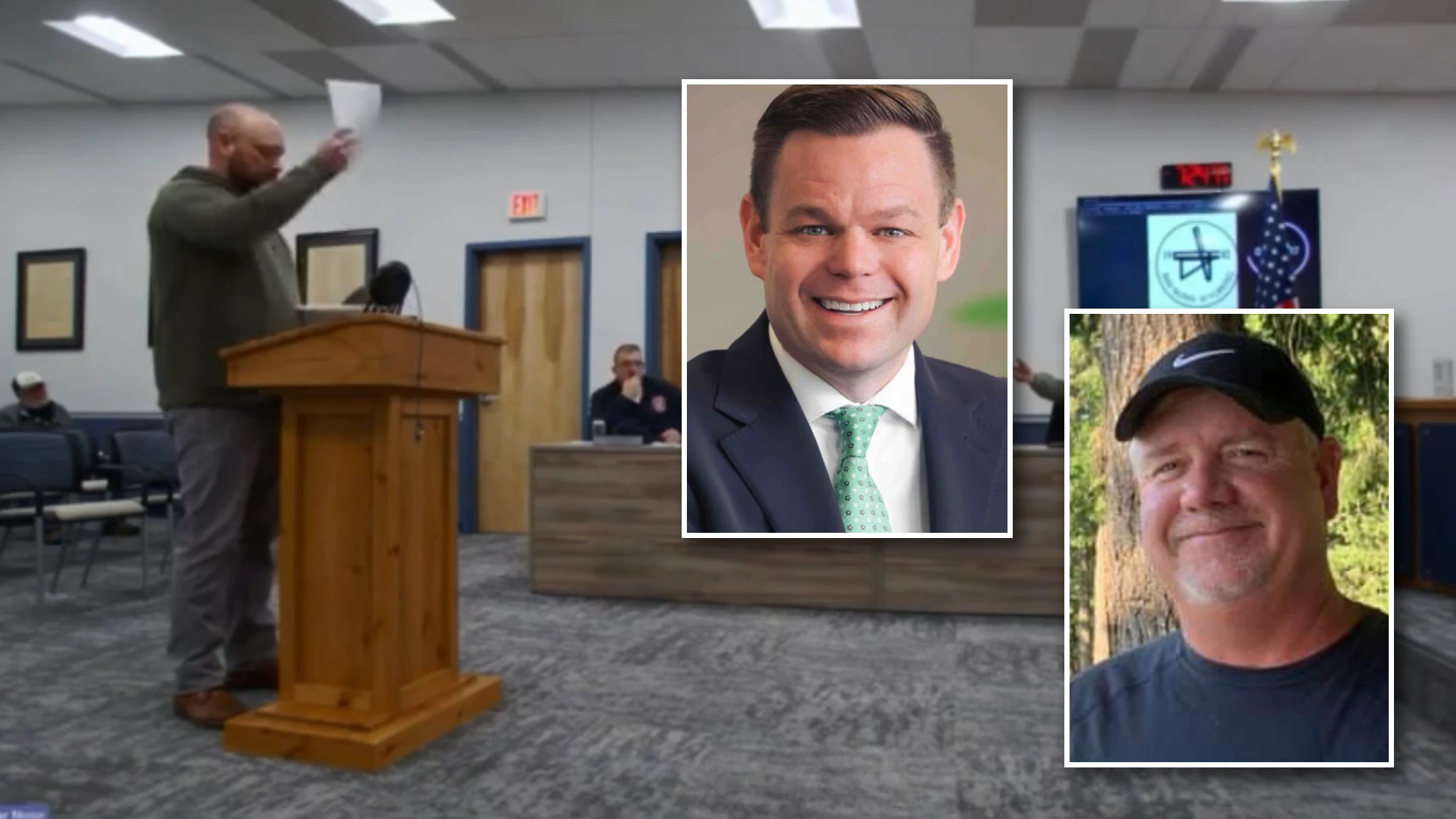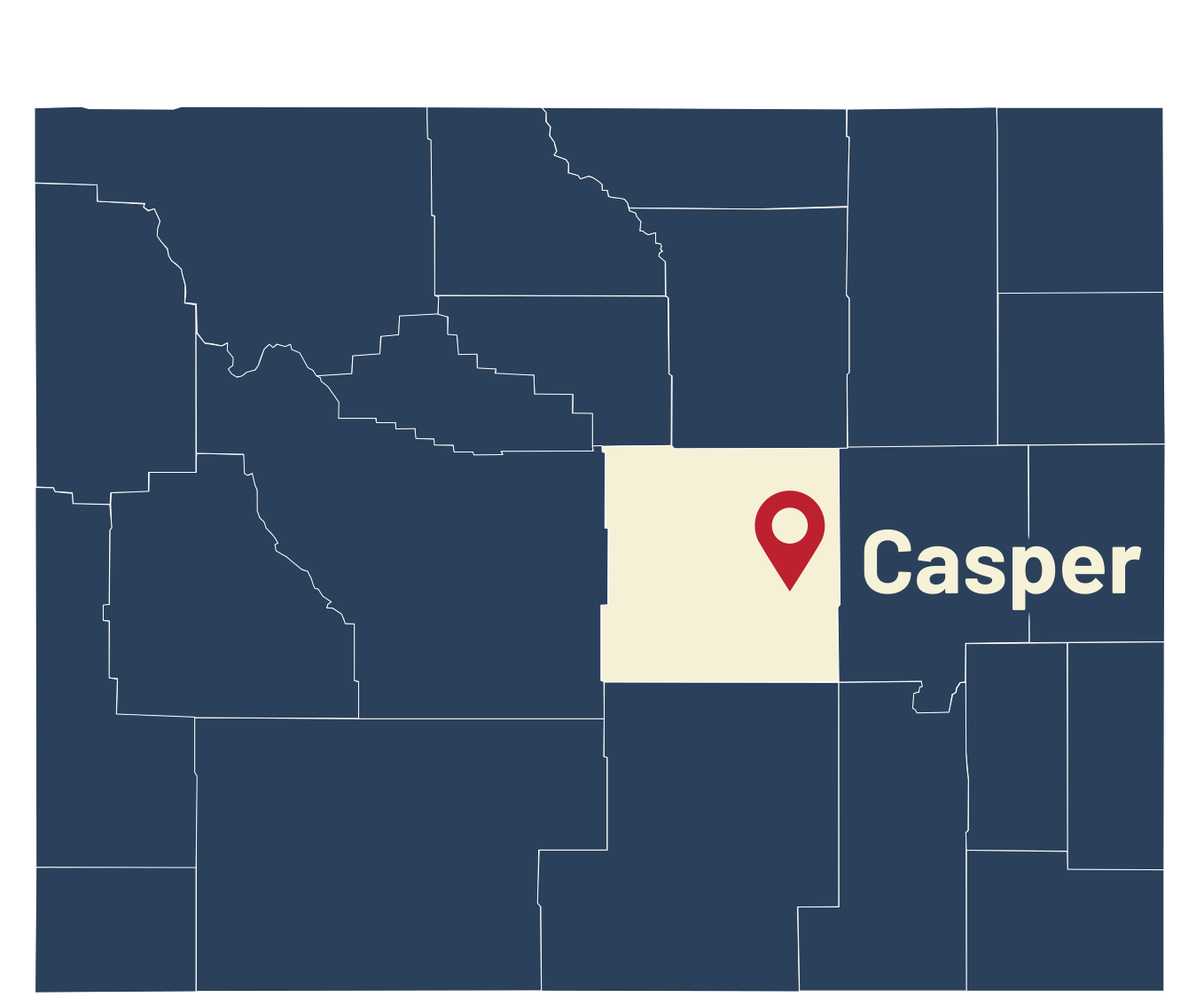
In May 2025, 27-year-old Casper resident Kohlman Claney died from a peculiar case of acidosis, a condition in which excess body acids result in cardiac or respiratory failure.
Officials are still investigating the underlying cause of the acidosis, but his family feels certain of one thing: he’d still be alive if only his girlfriend had called 911.
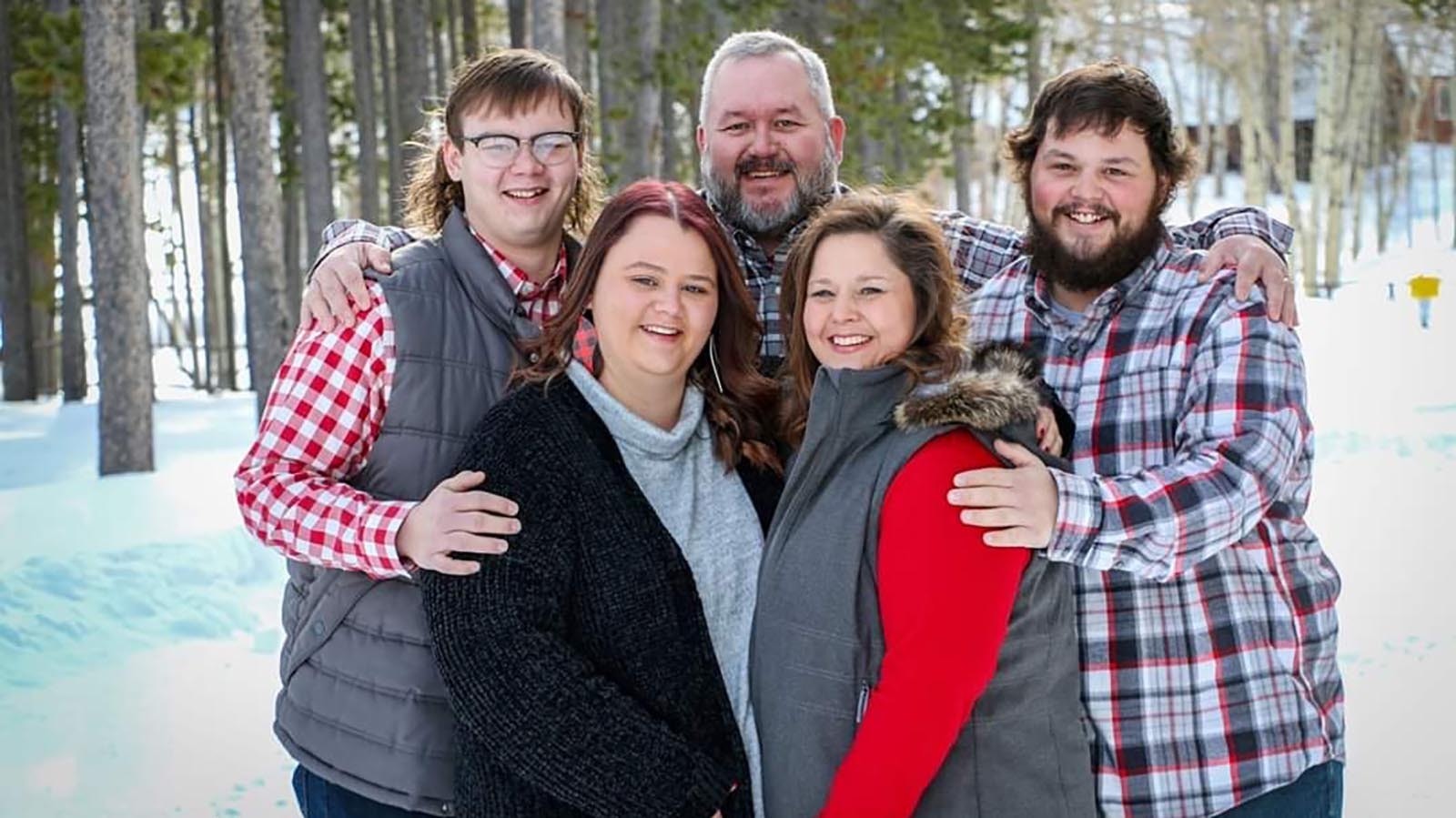
“The coroner and our family doctor … said if he would have gotten medical attention fast enough, he'd still be here,” said his father Buddy Claney, who believes his son’s live-in girlfriend understood the need for medical attention, but chose not to solicit help.
"She had control. She could have called 911, and they could have done something and saved him, but she never did,” he said.
Penalty For Not Calling 911
Now a state legislator is proposing to make bystanders criminally liable if they fail to seek help for someone in life-threatening danger.
Under House Bill 47, people who knowingly ignore emergency situations could face fines and misdemeanor charges, with steeper penalties if inaction contributes to a fatal outcome.
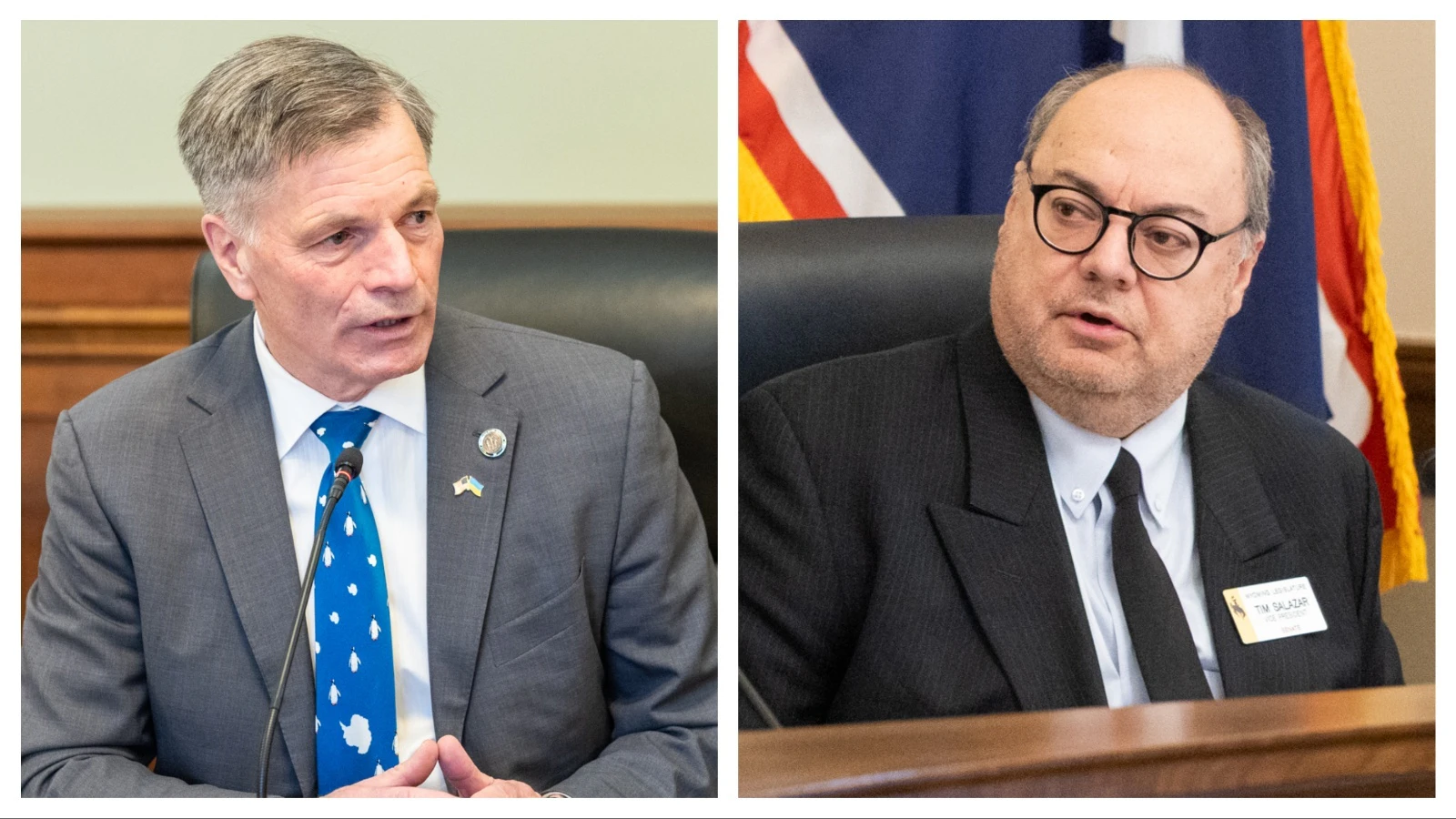
Sponsored by Rep. Steve Harshman, R-Casper, the bill would build on the growing nationwide trend in Good Samaritan laws, a movement that sprung in the 2010s from an opioid epidemic and spikes in drug-related deaths.
Motivating Samaritans With A Stick
Most of those laws encourage intervention by giving limited immunity to people who report drug overdoses.
Although different from other Samaritan efforts, Harshman’s approach relies on a stick rather than a carrot to prod people to act, with the possibility of imprisonment and a fine of up to $2,000 if the failure to assist results in the death of another person.
The legislator says his real aim is not to penalize, but rather to encourage attitudinal changes, as he believes Wyomingites may be too laissez-faire in the face of serious threat.
“Part of it is our cowboy-tough culture, where we just say, 'Oh, you’ll be OK,’” he said. “This is about starting to change that culture, kind of the same thing with our 988 suicide hotline."
For Harshman, the bill is personal.
He coached Kohlman Claney on the Natrona County High School football team, where Claney played offensive tackle a decade before his death.
“We want people to be comfortable [getting help] and if somebody's in tough shape,” Harshman said. "I think we have a duty to our fellow person to call 911."
Wyoming law currently provides that people who render assistance in emergency situations are not liable for civil damages. If a Samaritan breaks a rib administering CPR, for example, they cannot be sued for damages.
The state also requires a duty to report when someone is involved in or causes damage or injury, such as a motor vehicle accident.
Last year, the state passed a law giving immunity to people who report drug overdoses, with the hope of mitigating the long-term rise in the state's drug overdose deaths.
Harshman hopes HB 47’s threat of fines and imprisonment will further encourage people to call in potential drug overdoses and take proactive roles in other emergency situations.
The bill carves out protections in instances of self incrimination, as penalties would not apply to a person “who would incriminate himself by providing information to law enforcement or an emergency medical care provider.”
‘People … Need To Be Held Accountable’
Kohlman Claney’s family strongly supports the bill, but they’re not motivated by retribution.
“We'll sit here and think if [his girlfriend] would have called 911, we'd still have my son,” said Buddy Claney. "She won't be held liable, because there's no law on the books, but I think people do need to be held accountable because it will help us change the culture.
“We don't want another parent or loved one to have to go through what we went through.”
Zakary Sonntag can be reached at zakary@cowboystatedaily.com.