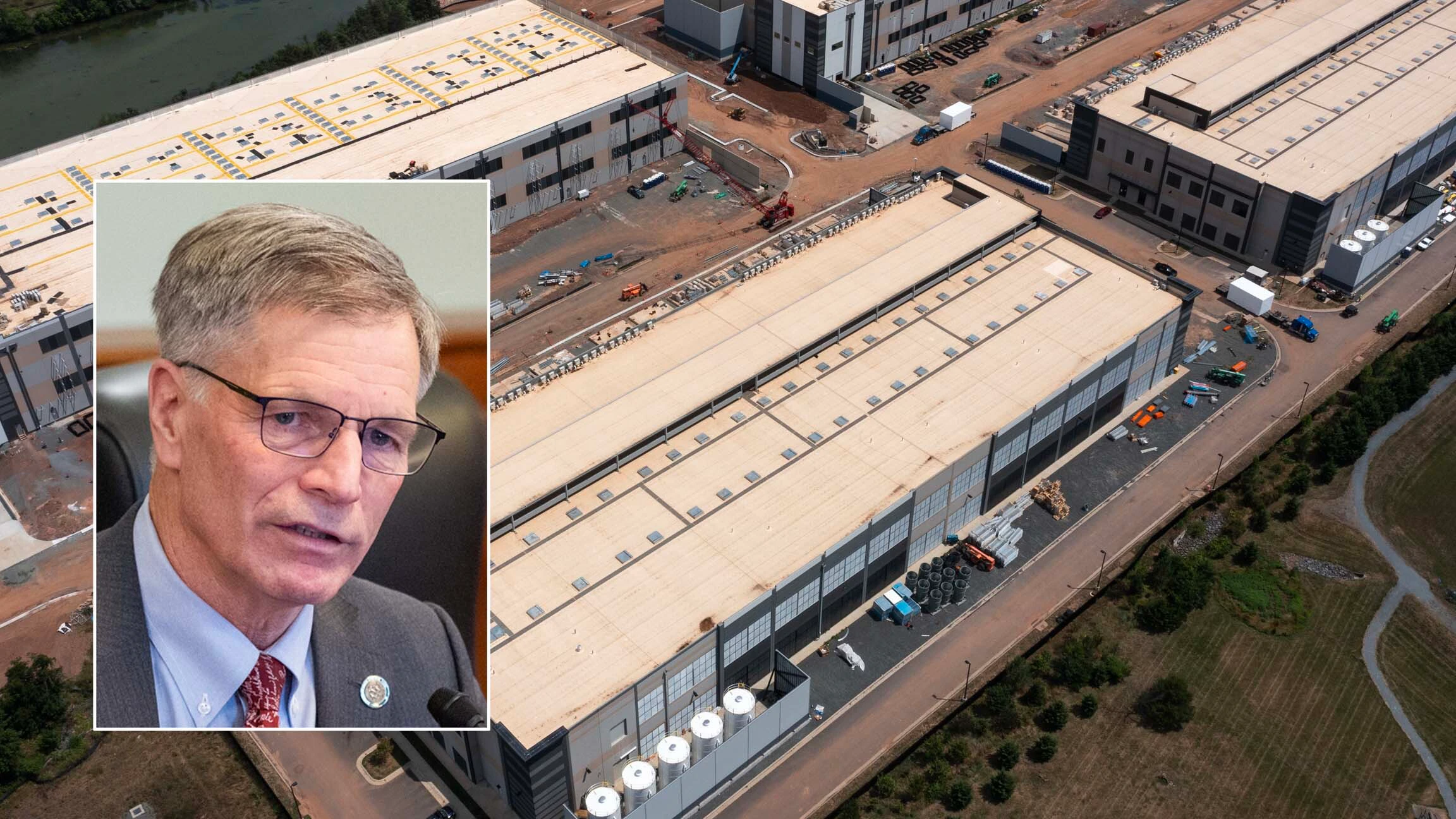
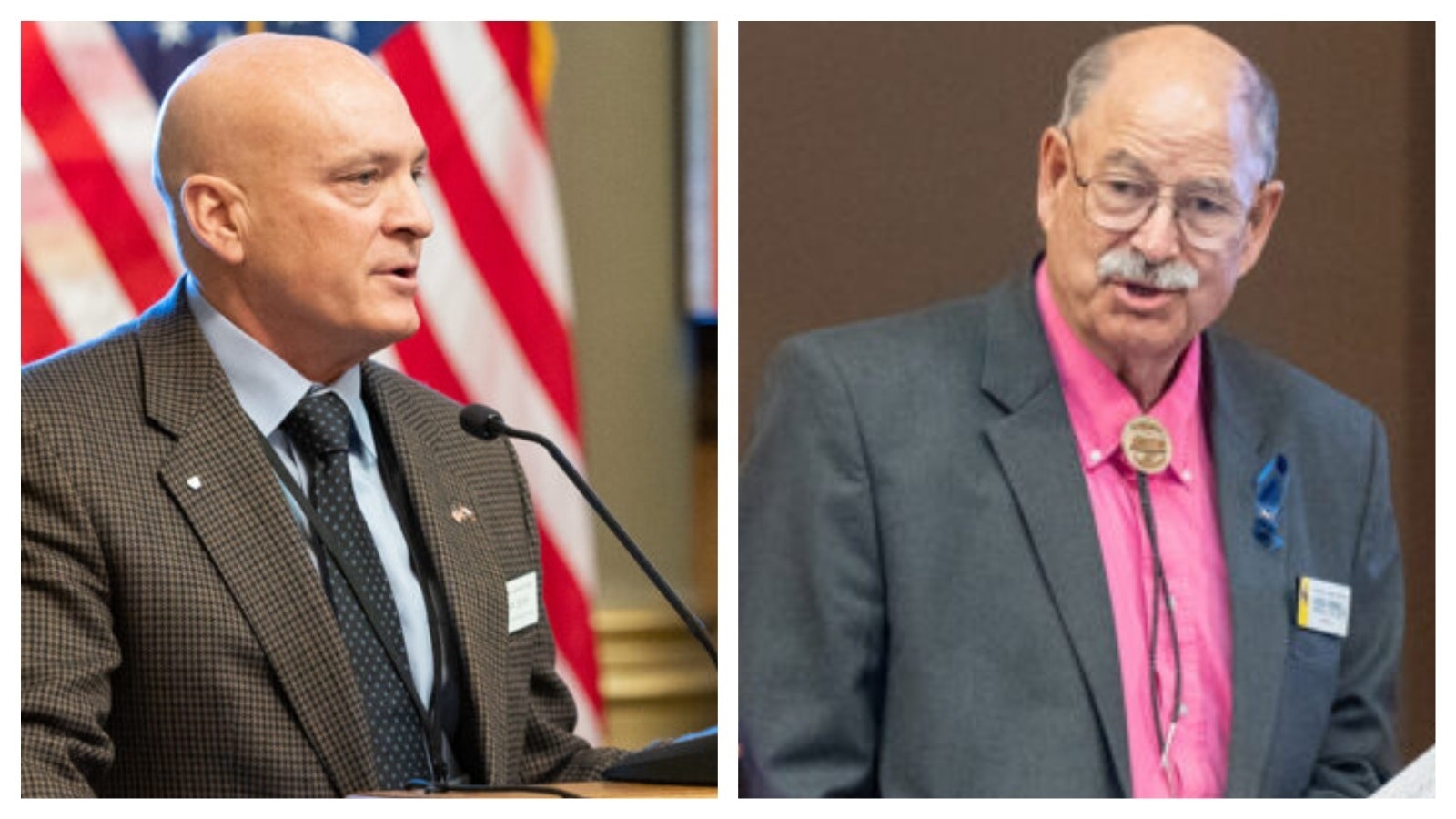
It took two days and three impassioned attempts for a Wyoming legislator who lives near a rare earths plant to convince his colleagues to advance a $16 million payout for the industry.
When Sen. Ogden Driskill, R-Devils Tower, on Wednesday persuaded every member of the bipartisan Joint Appropriations Committee to put the money into the rough draft of the state’s two-year budget, he did so by compromising — and making it a loan instead of a grant.
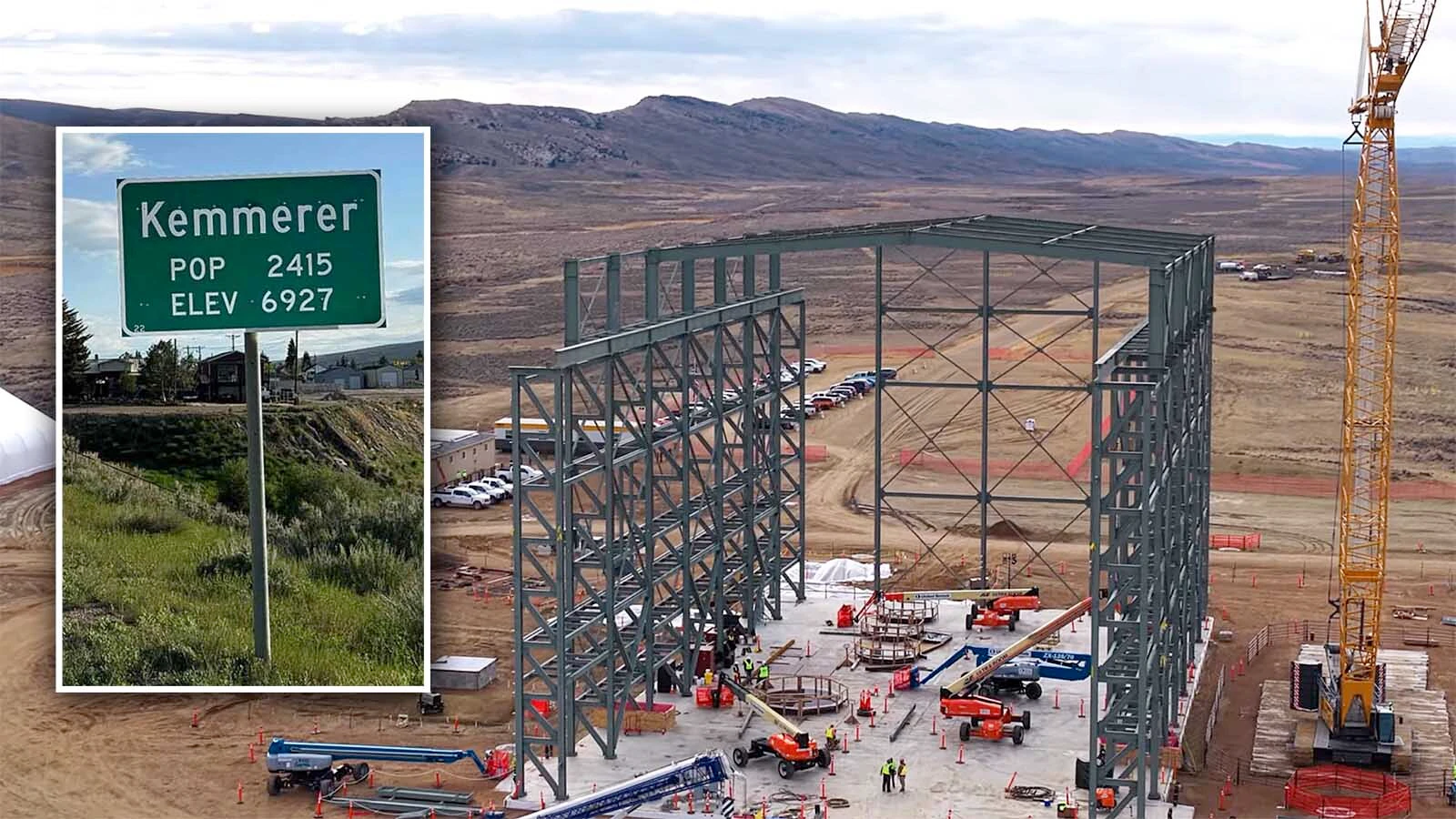
If the entire legislature approves release of the loan, Rare Element Resources, which is operating in Upton, Wyoming, may have to compete against other businesses in the industry to win it. But Driskill said the money would help the company install its more permanent processing plant.
Those plants are a scarcity in the United States, and many mining operations send their rare earths to China, he said.
RER lobbyist Jeff Daugherty echoed that in a Thursday phone call, saying “This is truly Upton, Wyoming, versus China — this is how we in Wyoming push back against China.”
House Appropriations Chair John Bear, R-Gillette, countered Driskill’s pitch during a Tuesday debate on the matter, saying Wyoming should be keener to invest in the project, than to give money to an industry and hope for the best.
“I agree with (Driskill), this is a good project,” said Bear. “If it were such a good project, the private sector stepping up and funding it would be a great way to fix this.”
It wasn’t the only facet of this week’s budget-planning marathon over which Bear stood as budget hawk, reiterating that he wants to represent the silent taxpayer.
So on Wednesday when Driskill undertook his third of three efforts to pass the funding measure, Bear suggested running the $16 million as a loan.
At first, Driskill bristled at the motion.
That wasn’t a friendly amendment, said the senator, because Wyoming already stands to gain enormous tax revenues from the mining and processing of rare earths if it can establish those industries.
RER is charged at 2% severance tax, 9.5% property tax, 11.5% on its industrial facility and 6.25% ad valorem.
Driskill also emphasized that this gesture is about international dominance and national security.
“Let’s send a message to the administration in Washington, to the Chinese and to the people of Wyoming, that we support business, national security and helping ourselves,” he said. “Without it, we get nothing.”
Wonder What Happened Here?
Senate Appropriations Chair Tim Salazar, R-Riverton, called for a “timeout.”
The meeting paused.
Roughly 15 minutes later, Driskill and the other lawmakers returned, and Driskill changed his motion from advancing a $16 million grant, to advancing a $16 million loan of less than 3% interest for the rare earths industry.
Salazar seconded it.
The 12-person committee approved the vote unanimously, whereas Driskill’s earlier two attempts at running a grant had failed on tie votes.
In response to an inquiry regarding whether Salazar or someone else prompted Driskill’s about-face, Senate leadership aide Joey Correnti said only the senators know the answer to that.
“It may have had more to do with Senator Driskill’s statements of, this is supporting Wyoming industry, national defense (and signaling that we) are not closed for business,” said Correnti on Salazar’s behalf.
“I was just happy to see the committee finding a way to work together on something that was so close (in earlier votes),” he said. “I think it’s a very good sign for the upcoming session.”
Driskill had derided what he called the Wyoming Freedom Caucus’ faction of the House Appropriations Committee’s anti-business stance, on the Cowboy State Daily Show With Jake.
After the measure passed Wednesday, Driskill’s tone softened.
“Thank you. (That was) pro-business,” he told his fellow committee members. “I’ll eat a few words for the past day or two. I very much appreciate the flexibility and the ability to work.”
He indicated the project would also help his home community by boosting its economy.
Busting Chinese Monopoly
The demonstration plant at Upton is a brand-new approach to refining rare earths for commercial use, one that Rare Element Resources has said will be more efficient and more affordable than anything that’s presently being done anywhere else in the world.
Rare earths have become increasingly valuable in an array of advanced technological gadgets, ranging from smartphones and tablets on up too weapons like nuclear missiles.
China has long stifled competition in the rare earth sector by flooding the market with ultra-low prices. More recently, the country put a lock on the export of rare earth processing knowledge to maintain its stranglehold on the sector.
That kind of anticompetitive behavior is what distinguishes the Upton plant, as a potential boon to Wyoming’s future economy and U.S. national security.
Company Has Skin In The Game
The company has invested significantly in the project.
The demonstration plant is $60 million bet on not just the long-term potential of the resources there, but in the new process as well. About half of that bet was funded by the U.S. Department of Energy, while Wyoming Energy Authority kicked in another $4.4 million.
That expense is on top of a $140 million investment in Bear Lodge that the company has already spent.
The U.S. Department of Energy’s financial assistance went through General Atomics, whose affiliate Synchron is the company’s majority shareholder, says RER’s website in a Nov. 5 update on the project.
The Wyoming Energy Authority also is furnishing a $4.4 million award, the site says.
The company estimates the construction cost at about $60 million, and ongoing operation costs of $1.5 million per month this year, which includes the cost of all materials and labor for about 30 workers, it adds.
The company had expected to match the $16 million one-for-one “at least” when it was conceptualized as a grant, Driskill told Cowboy State Daily in a Thursday phone interview.
Clair McFarland can be reached at clair@cowboystatedaily.com and Renée Jean can be reached at renee@cowboystatedaily.com.