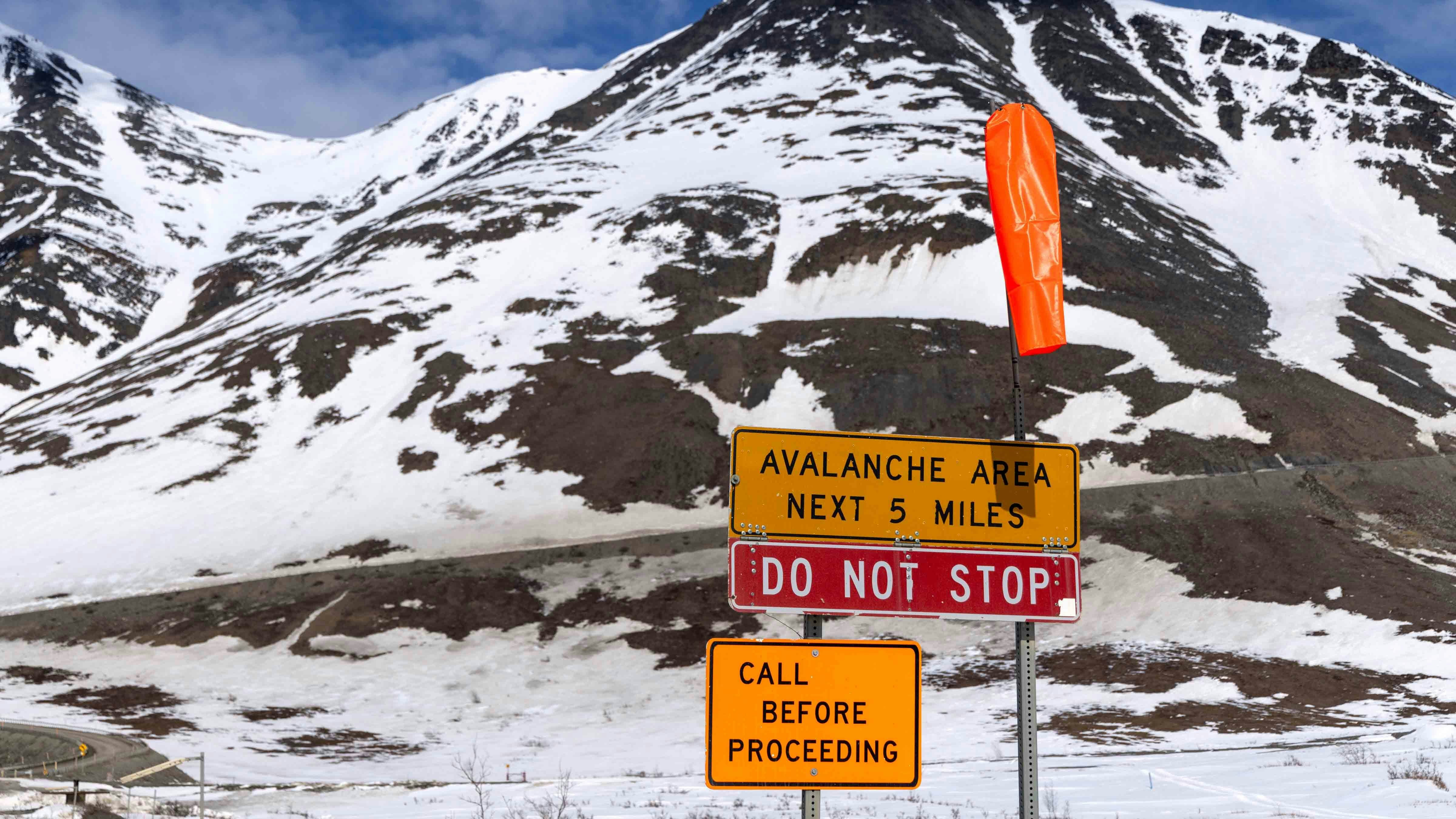
Unseasonably warm weather created dangerous avalanche conditions in the Bridger-Teton region of Wyoming, with two avalanche-related deaths reported within a three-week time span.
Recent deaths in Wyoming and Washington brought the national avalanche fatality numbers to six, according to Avalanche.org.
But changing conditions are changing the tune in Wyoming.
“Snowpack has really turned around,” said Frank Carus, director of the Bridger-Teton Avalanche Center. “We’ve gotten a lot of snow, and those weak layers have had time to adjust.”
Avalanche danger in the Tetons was listed as “low” on Thursday on the Bridger-Teton Avalanche Center website.
But low risk doesn’t mean no risk.
“The main takeaway is that every winter is different and really every day is different,” Carus said. “It is important to read and understand the forecast every day.”
Crusty Layers
Carus told Cowboy State Daily that warm weather over Christmas and into the new year created some crusty layers throughout much of western Wyoming’s Bridger-Teton region.
Such layers are unusual for Wyoming, he said, adding, “They’re not our typical problems here.”
The crusts make for weak potential layers because they result in a change in the snow grains inside the snowpack.
“If you dig down to the ground, the snow on the ground looks nothing like the snow that fell out of the sky,” Carus said.
According to data on the Bridger-Teton Avalanche Center site, 14 avalanches have been triggered by humans in the past two, whereas six occurred naturally. That’s pretty normal, Carus said, noting that most of the human-triggered avalanches have been small and “relatively harmless.”
Avalanche Fatality
The most recent avalanche fatality in Wyoming occurred last weekend, when an Utah snowmobiler triggered an avalanche in the Wyoming Range backcountry southeast of Afton. Thirty-one-year-old Nicholas Bringhurst of Springville, Utah, was buried under 2-to-3-feet of snow, beneath his snowmobile.
The area is avalanche-prone. Bringhurst and his riding partner were on a steep, ungroomed slope when they triggered the avalanche. Bringhurst’s riding partner, who was nearby, was not injured.
According to the preliminary report, “His partner noticed no engine noises and returned to find an avalanche had occurred. He began companion rescue efforts and began CPR upon finding his partner buried beside his snowmobile on flat ground at the base of the slope.”
The slope wasn’t big, Carus said, and neither was the avalanche. But the terrain made it deadly.
“This one was tragic in that it was such a small slope and a small avalanche,” he said. The snow conditions and landscape created a terrain trap — a space in which the chances of an avalanche proving fatal dramatically increases.
A post on the SnoWest Forums Facebook page announcing Bringhurst’s death and a GoFundMe campaign to support his family and prioritize avalanche awareness reads, “Avalanche incidents don’t just happen to ‘inexperienced’ riders. They happen in real terrain, to people who ride often, prepare, and understand the risks. Conditions can change quickly, and even familiar areas can become dangerous.”
According to Carus’ preliminary report, the two riders had separated, at least momentarily.
“It’s something that’s really easy to do,” he said. “You have to balance the concerns of running into each other with keeping eyes on someone for safety due to avalanche concerns.”
Carus said the pair would likely have seen few if any signs of snow instability where they were. At the time they were riding, no recent avalanches had been reported in the area. However, another snowmobiler had observed a nearby avalanche earlier that day. The observation was not reported until the following day, however.
Carus reiterated the importance of reporting avalanche activity as soon as possible, for the good of the public, knowing that every report is helpful in analyzing the ever-changing terrain.
“It’s just really important for people to recognize that they’re part of this community,” he said.
Anyone can submit an observation by clicking a button on the Bridger-Teton Avalanche Center’s homepage.
The Bridger Teton Avalanche Center team depends on the public to create accurate forecasts.
“All observations are a part of our forecast process,” Carus said. “You don’t have to be a snow scientist to submit an observation.”
Last year, the avalanche center benefited from over 700 reports.
Avalanche Courses
Carus recommends that anyone who plans to spend time in the Wyoming outdoors in the winter take an avalanche course.
The Bridger-Teton Avalanche Center offers free courses throughout Wyoming.
Some of the courses are geared toward specific outdoor activities, distinguished between motorized and nonmotorized. Others focus on differences in companion rescue strategies.
“Learn to make your own assessments,” Carus said.
Kate Meadows can be reached at kate@cowboystatedaily.com.