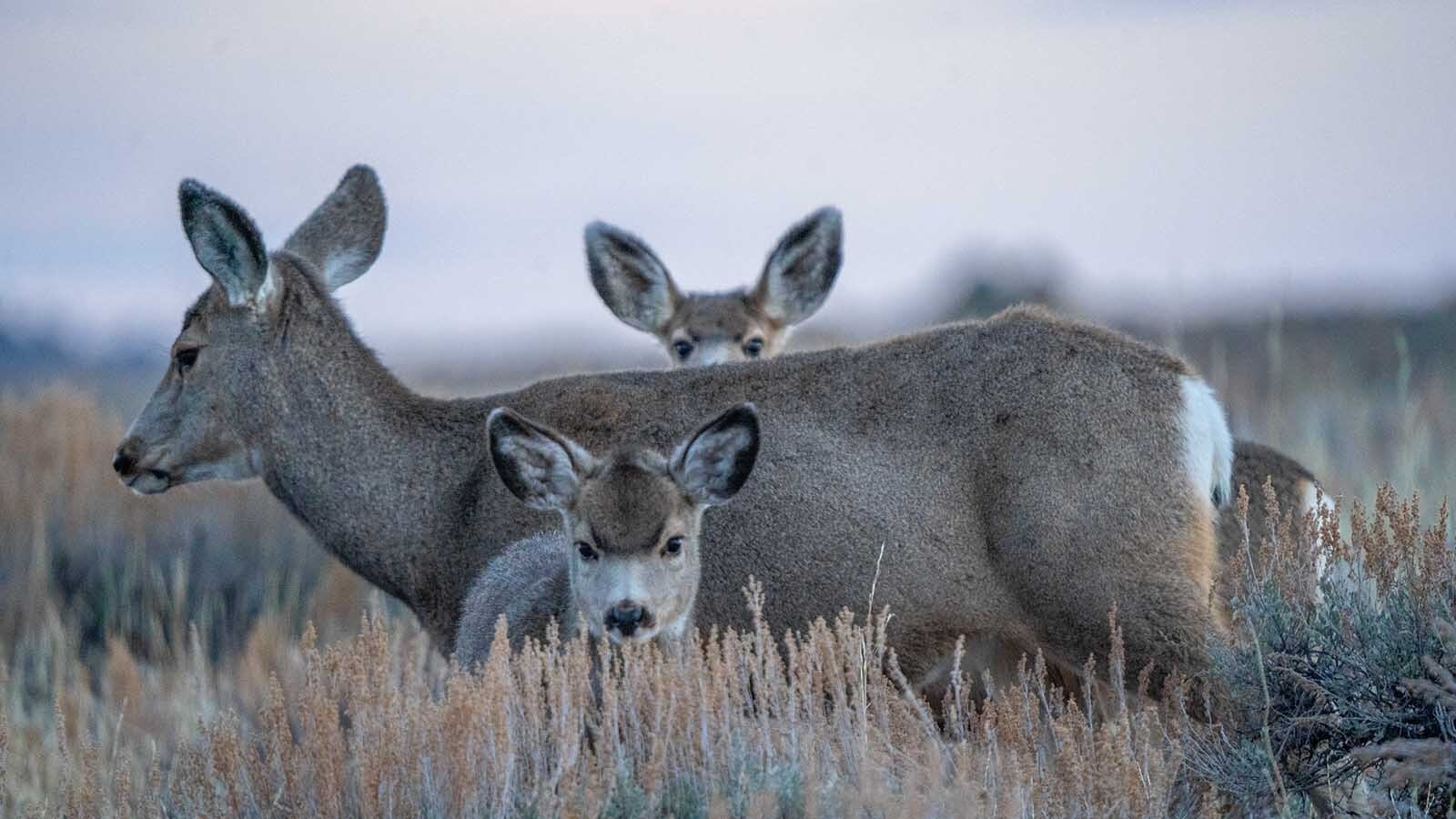
Across Wyoming and the West, mule deer have been getting it from all sides, with disease, fractured migration routes and roadkill. And invasive cheatgrass is a growing threat.
Mule deer stand to lose roughly two-thirds of their habitat in northeast Wyoming over the next 20 years if cheatgrass isn’t brought under control, according to research from the University of Wyoming.
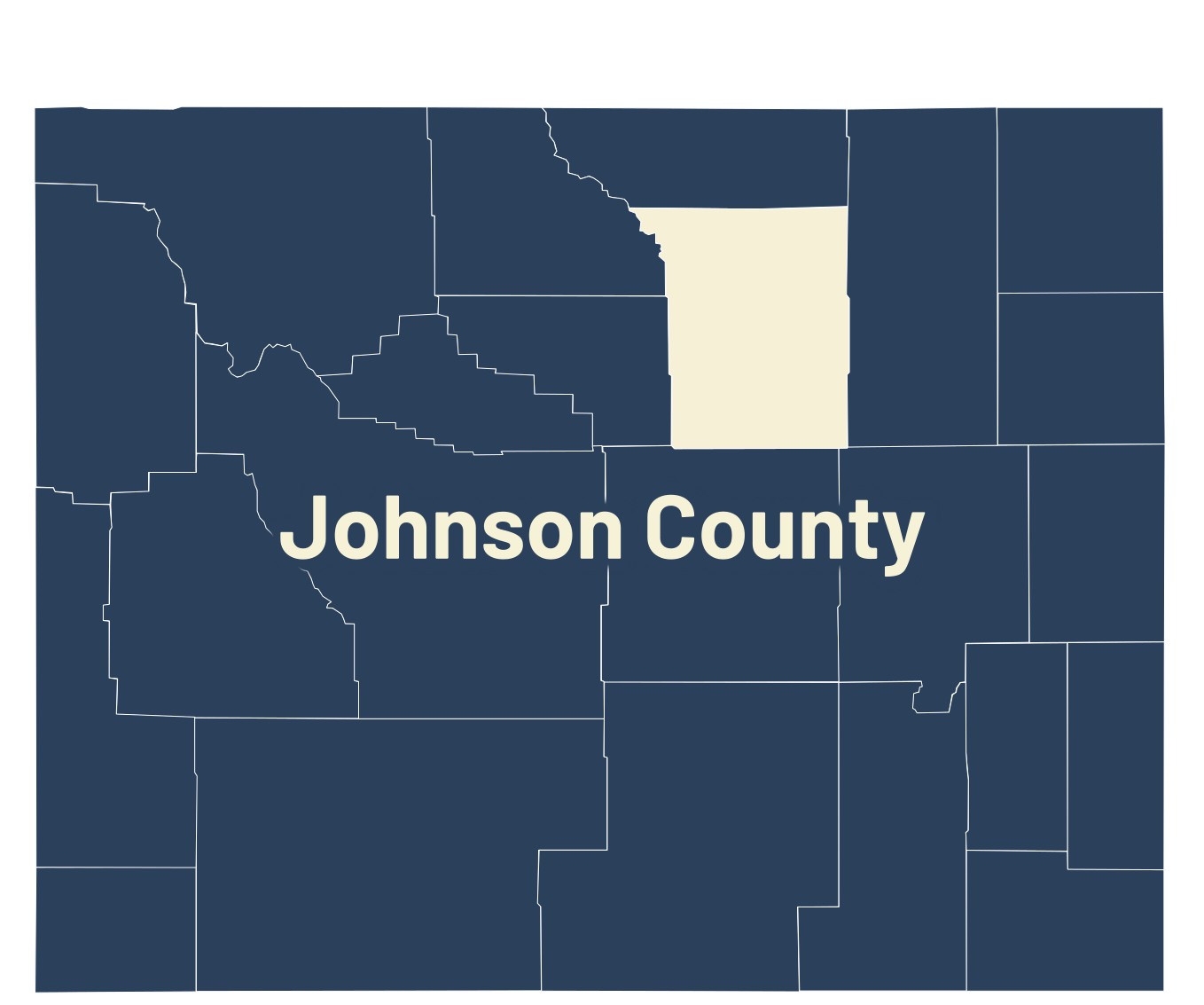
Cheatgrass is particularly aggressive in burned areas, such as those scorched by the massive House Draw Fire in Johnson County in August 2024.
Like other invasive plants from Europe and Asia, cheatgrass is no picnic for agriculture, Casper-area rancher Dennis Sun told Cowboy State Daily.
As deer do, cattle will refuse to graze in areas invaded by cheatgrass, he said.
“It’s just a waste of space. It’s an aggressive species,” Sun said, adding that, “It’s bad stuff. I can’t emphasize that enough."
Only Good In The Spring
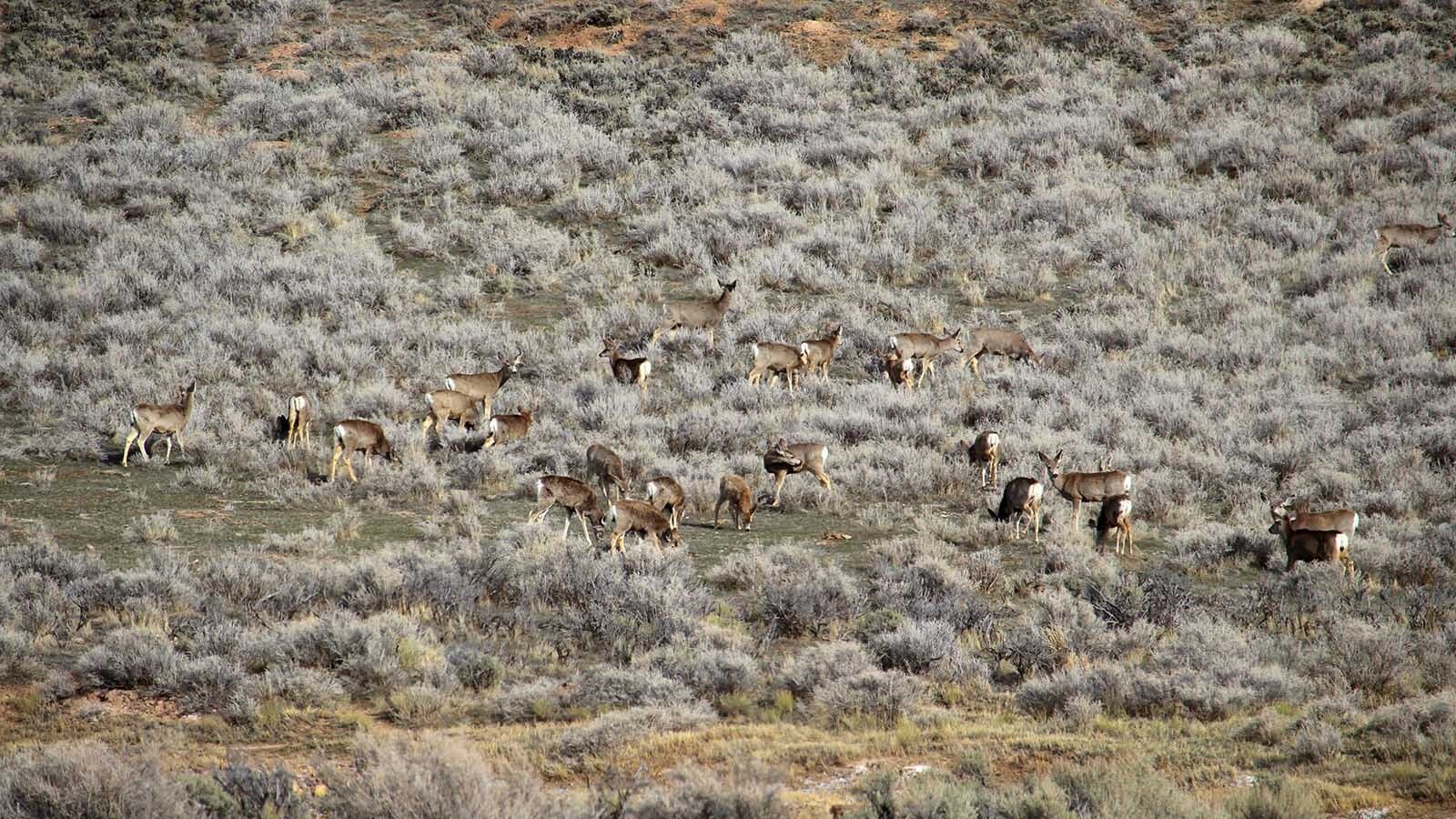
While eating cheatgrass doesn’t make mule deer sick, they’ll turn their noses up at it, Jerod Merkle, an associate professor in UW’s Department of Zoology and Physiology, told Cowboy State Daily.
He was part of research team involved in a study on the effects of cheatgrass on mule deer herds in the Gillette and Buffalo areas, in conjunction with the Wyoming Game and Fish Department.
Mule deer start avoiding areas where cheatgrass comes in, according to the research. Once sagebrush rangelands reach a 20% coverage level of invasive grasses, deer will abandon those areas altogether.
And with habitat fragmentation already a big threat to mule deer, they can’t afford to lose any more ground, Merkle said.
“Cheatgrass is just, generally, lowering the habitat quality for deer,” Merkle said.
“The vegetative matter (of cheatgrass) does not have a lot of quality for them,” he added.
It’s the same with livestock, Sun said. Sheep and cattle mostly refuse to eat it, because it has no real nutritional value for them.
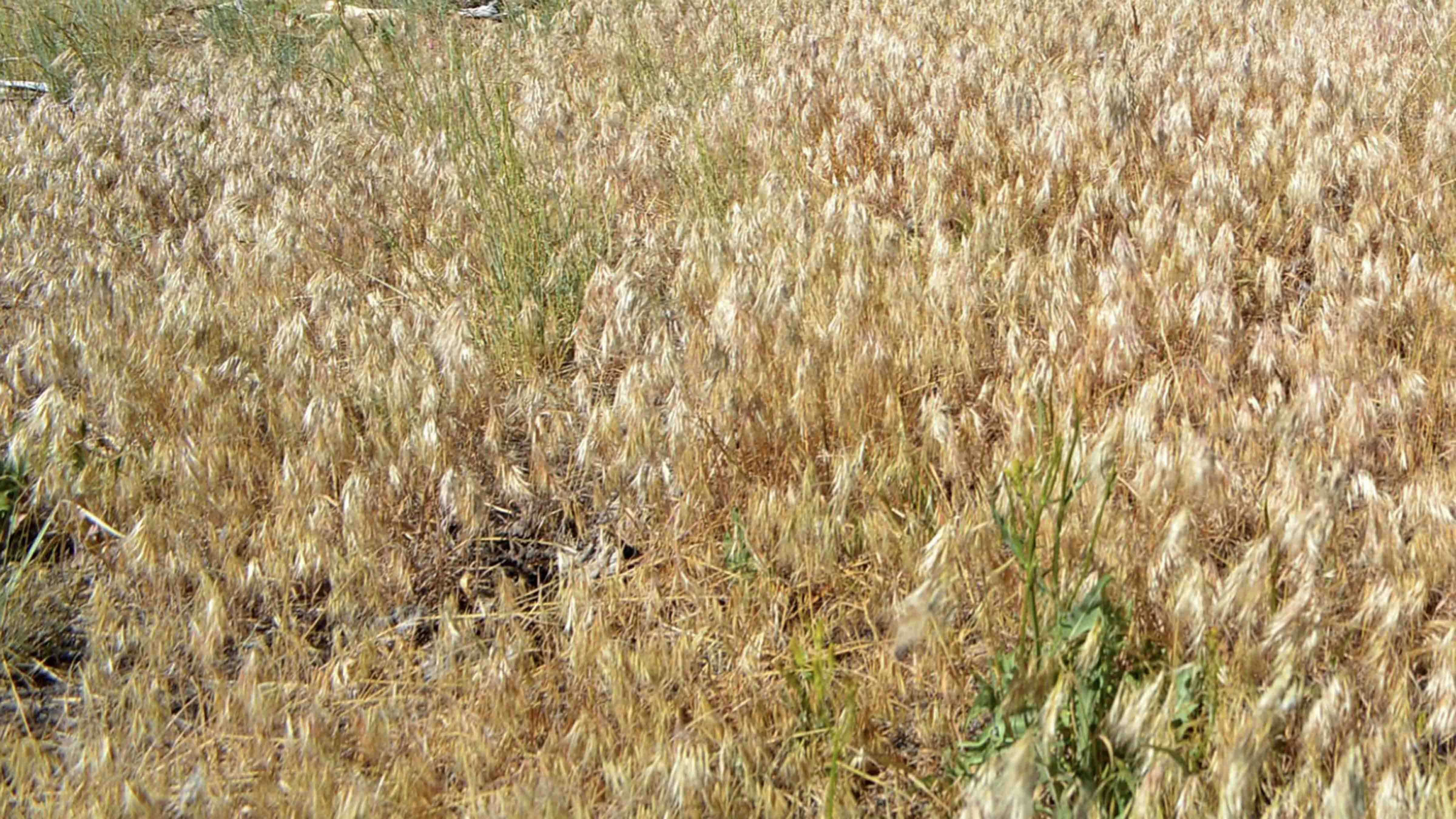
There is a small window of exception. In the spring, when cheatgrass first “greens up,” deer don’t seem to mind it, Merkle said.
It’s the same with cattle, Sun said. But that “green” period for cheatgrass doesn’t last long.
“When it dries out, they won’t eat it. They won’t graze in the areas where it cures,” Sun said.
Herbicide Treatments Are The Answer
The good news is, there might still be time to turn the cheatgrass tide before it devastates huge swaths of mule deer habitat.
“While this sounds dire, the (research) authors are quick to point out that if we strategically treat invasive annual grasses to defend and grow core sagebrush habitat, we can maintain high-quality mule deer habitat instead of allowing it to decline,” according to the Gillette-Buffalo area research summary.
Herbicides are the best option, Merkle said.
“The application of herbicide is the most effective way to manage cheatgrass,” he said.
“You need to think about defending core areas of deer habitat” first, he said.
Or applying herbicide in places where cheatgrass is just starting to take hold.
Areas “that are completely overrun” can be treated later.
Researchers with UW and Game and Fish radio-collared deer to study the herds’ movements, and how cheatgrass affected them.
The next phase of the study is set to start later this winter, Merkle said.
It will involve tracking collared deer’s movements in areas where cheatgrass came in after the House Draw Fire.
Now that those areas have been treated with herbicide, researchers are eager to see if deer are willing to start moving back into them, he said.
“Now, we’re going to assess how deer respond to those treatments to keep cheatgrass at bay,” he said.
Killing Off Seeds Is The Key
Sun said ranchers are also hanging their hopes on herbicide to stem the steady creep of cheatgrass into Wyoming’s rangelands.
The problem is, treating an area just once doesn’t work, he said.
Cheatgrass germinates every year, while the desirable grasses for feeding cattle do so only every other year, Sun said.
If herbicide treatments aren’t kept up, “cheatgrass will take back over. It will take over from the good grass,” he said.
A newer herbicide, called Rejuvra looks promising, Sun said.
It’s currently more expensive than most herbicides, but it seems to get rid of cheatgrass permanently, he said.
“The cheatgrass seedbeds will last in the soil for years and years. And this (Rejuvra) kills the seedbeds, instead of just killing this year’s seeds and plants,” he said.
Mark Heinz can be reached at mark@cowboystatedaily.com.