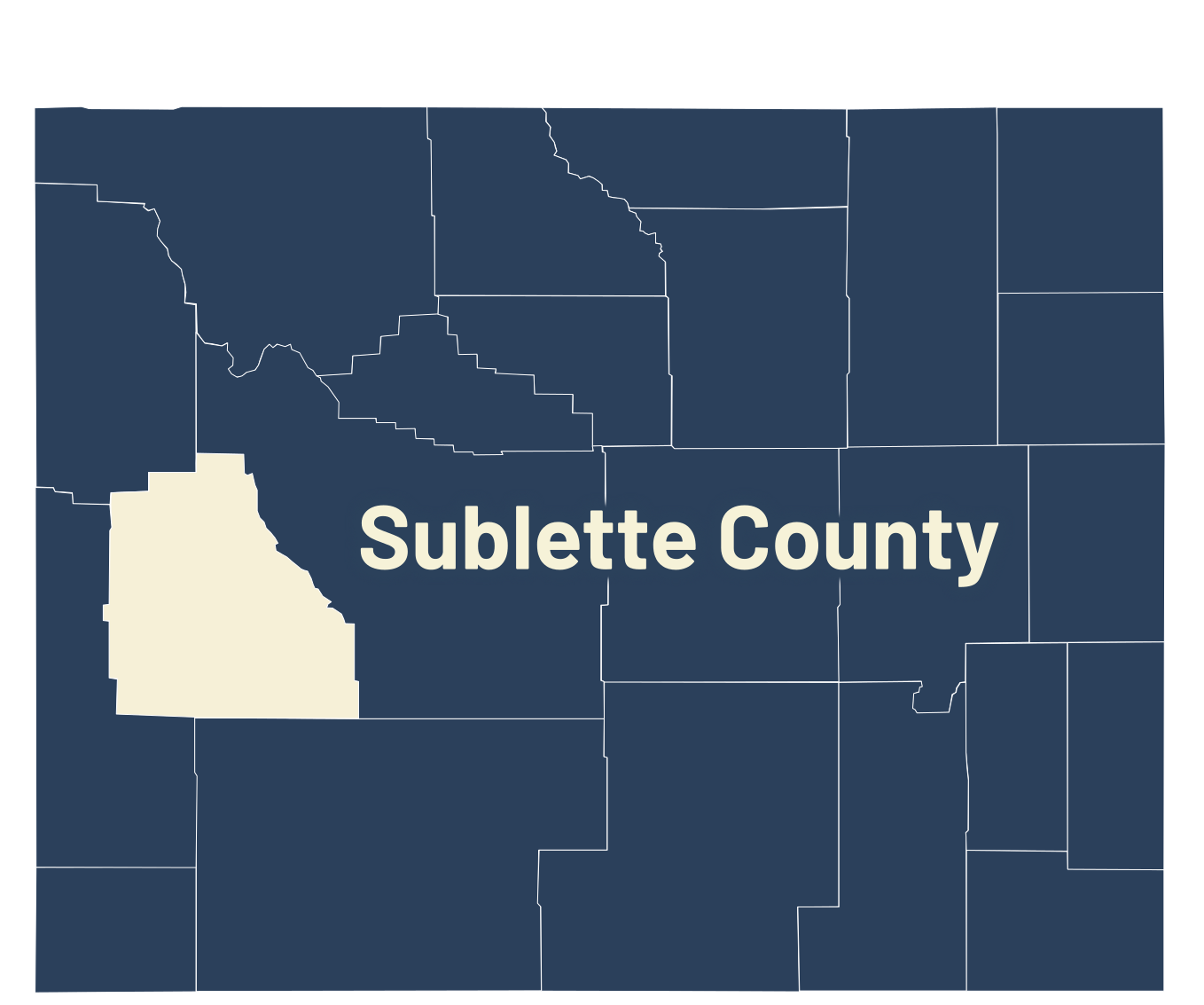
The drive was moving 1,200 head of cattle off public land and down Highway 189 in Sublette County, headed toward winter pasture.
It’s a common scene in Wyoming — cattle crowding the highway shoulder, sometimes straying into traffic, with ranch hands on horseback and working dogs keeping the herd out of harm’s way.
The drive that day this past fall was going well.
An 11-month-old mostly border collie with some cur mixed in named Flo was proving herself to be a skilled cattle wrangler.
“She was going a quarter mile away up steep ridges and bringing cattle down to me,” said her owner, Kent Robbins. “She was so fast. She understood cattle. She had her commands down.
"Back, sit, wait. I mean, she was outstanding.”
A cattle foreman at Barney Ranches in Big Piney, Robbins had raised Flo since she was 6 weeks old. With help from his two mature dogs, she was developing into something special.
“She was becoming probably the absolute best working dog I ever had,” Robbins said.
The final 8 miles of the drive ran along Highway 189. Flaggers positioned at the front and back of the herd warned approaching traffic.
The cattle stretched out for 2-3 miles along the roadside.
About 2.5 miles from where they would leave the highway, a calf and some cows crossed the road, trying to get to the other side.
Flo and the other dogs went around the cattle to bring them back.
It was the last thing Flo would do as a working dog.
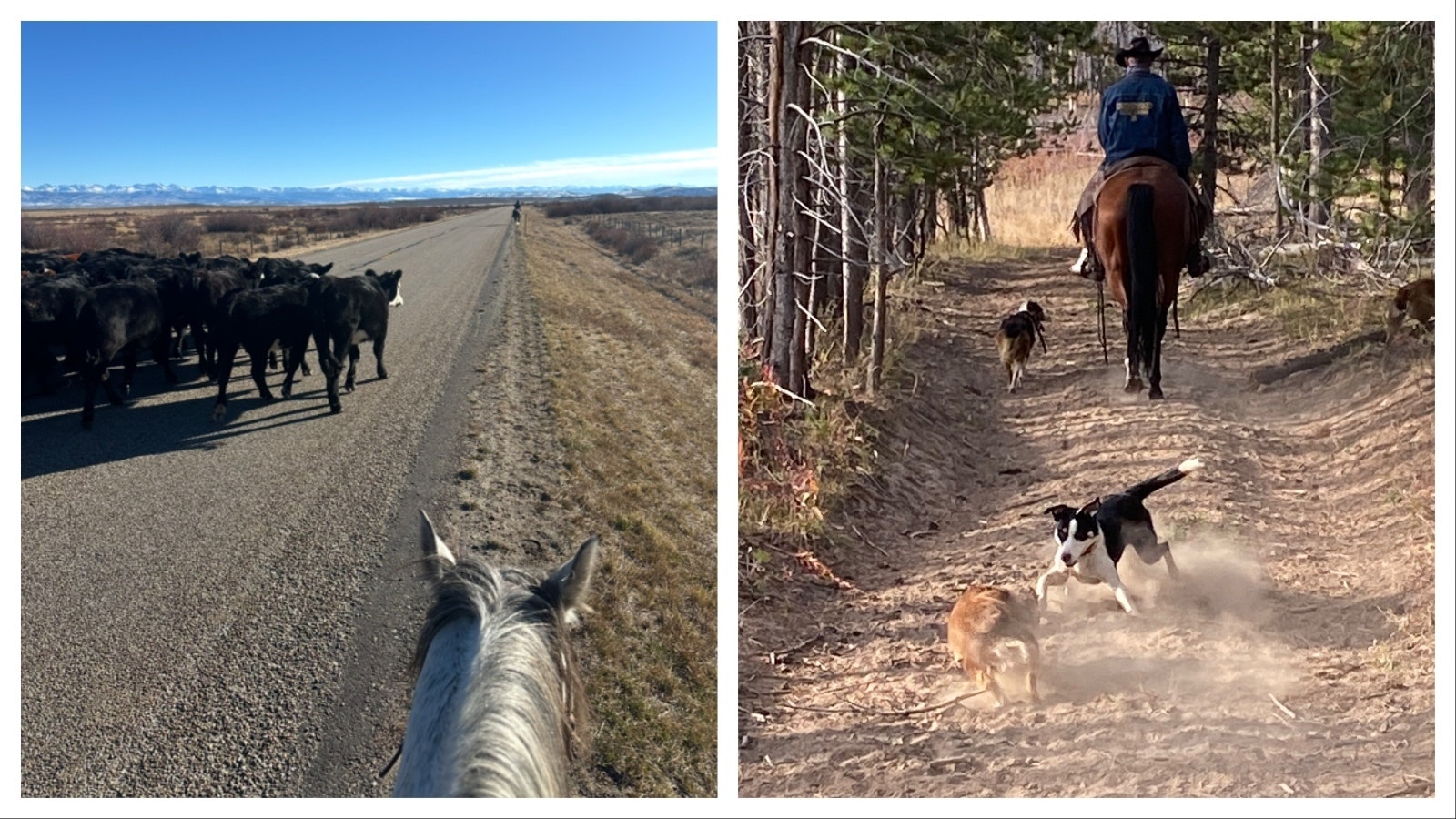
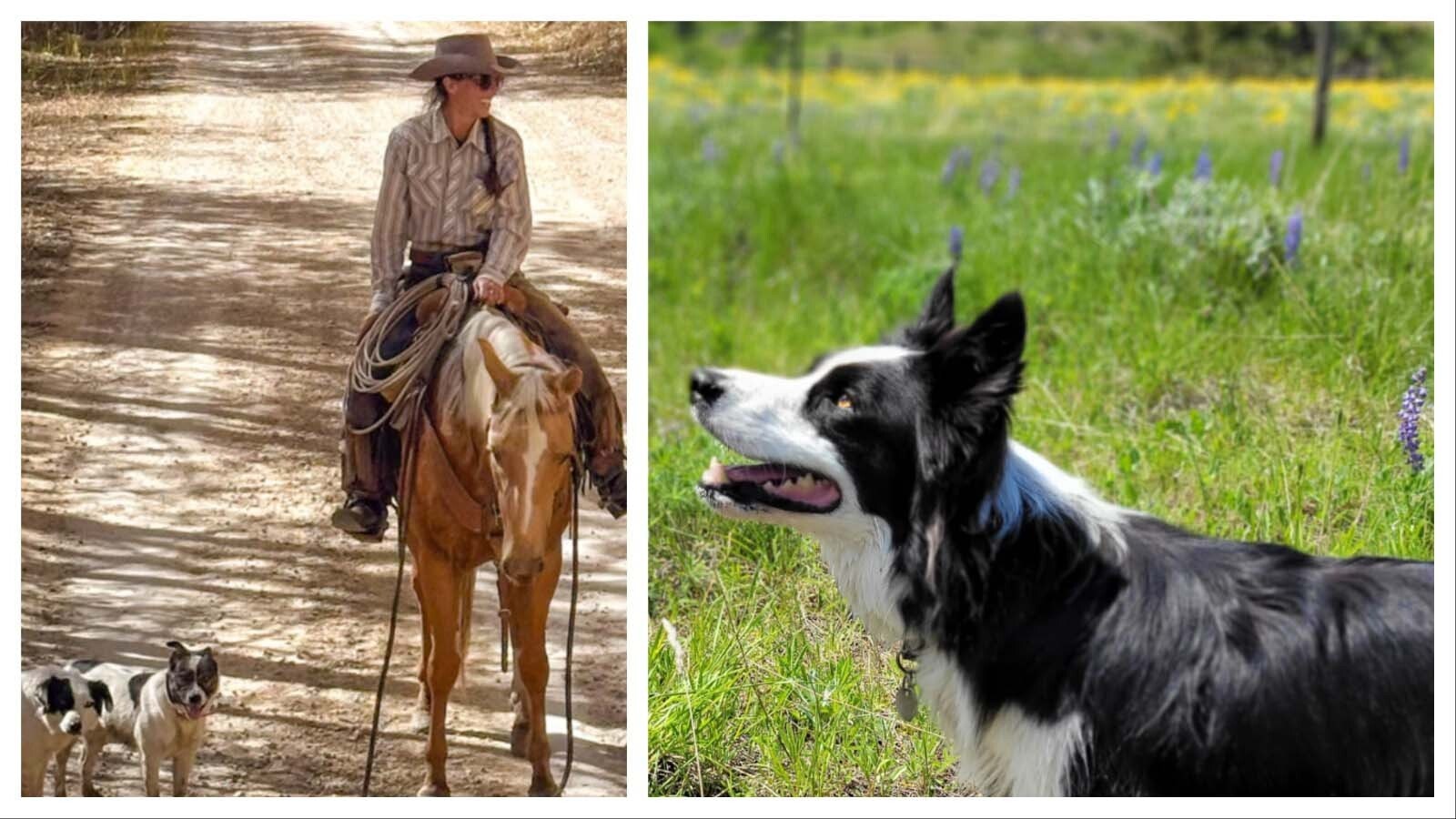
Flo the cattle dog was just coming into her own when she was hit by a tourist passing through Sublette County. Across Wyoming, working dogs are part of the fabric of ranch life. (Courtesy Rachel Misiewicz and Cyndi Robbins) 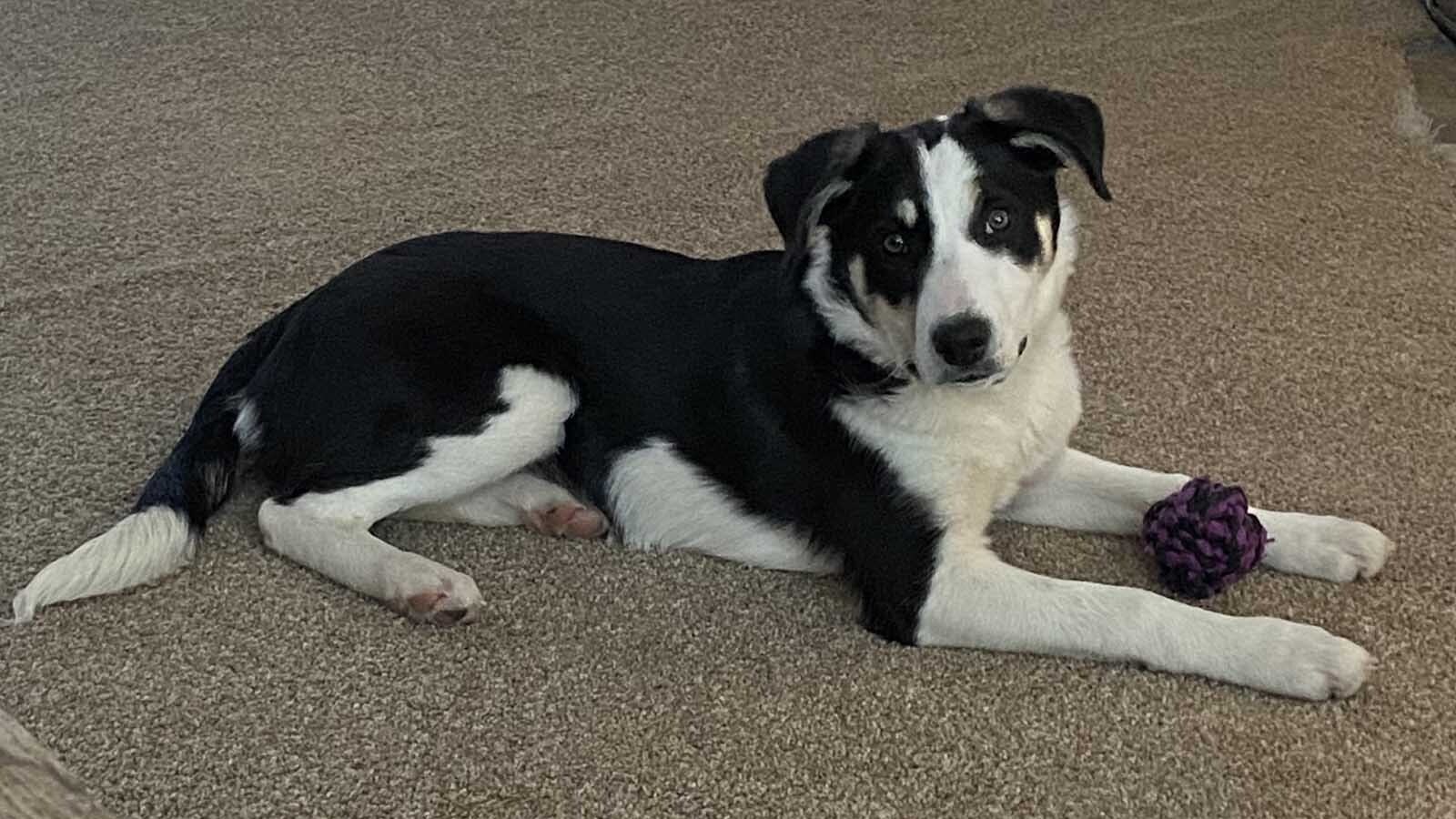
Flo the cattle dog was just coming into her own when she was hit by a tourist passing through Sublette County. Across Wyoming, working dogs are part of the fabric of ranch life. (Courtesy Cyndi Robbins) 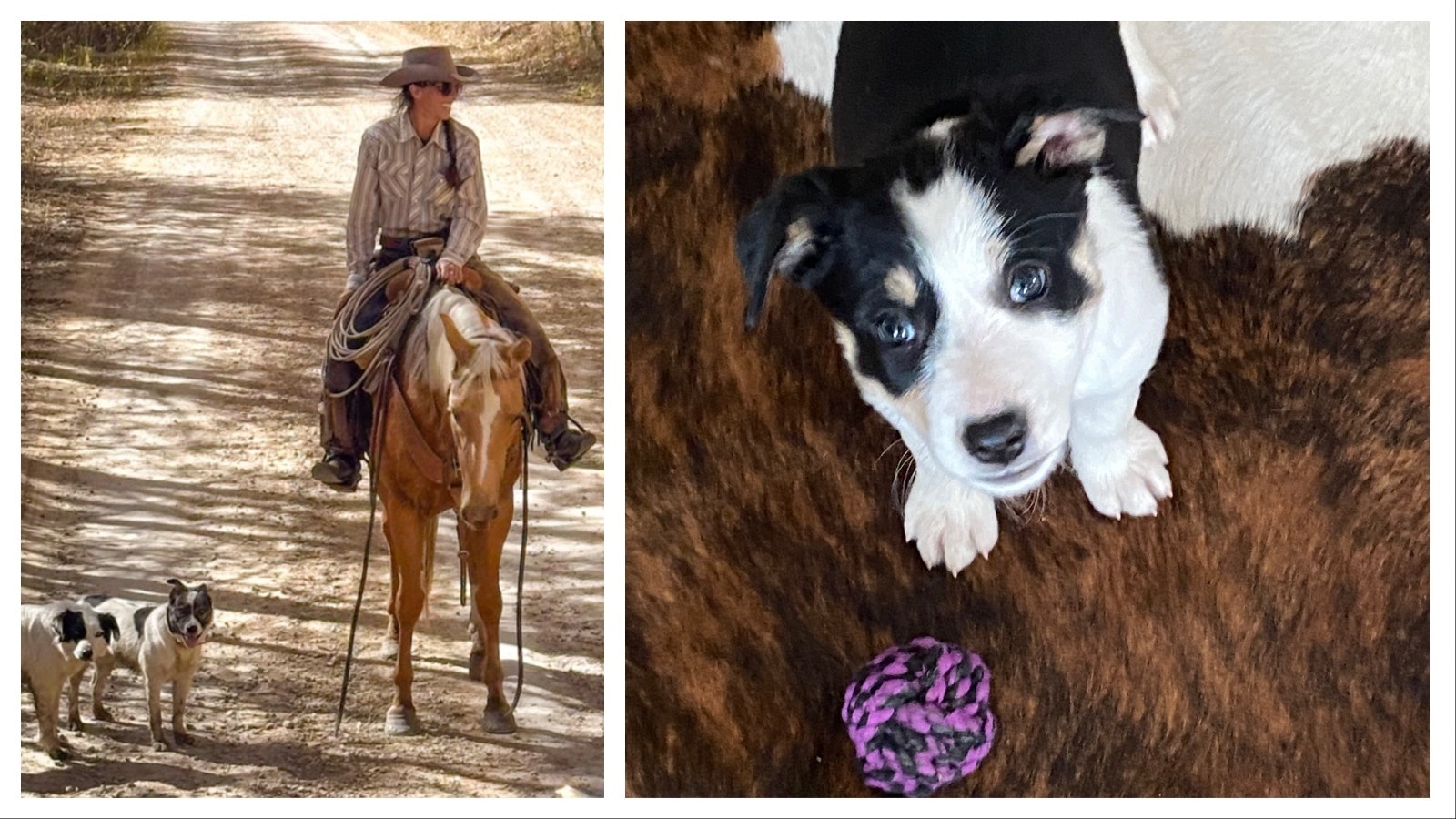
Flo the cattle dog was just coming into her own when she was hit by a tourist passing through Sublette County. Across Wyoming, working dogs are part of the fabric of ranch life. (Courtesy Rachel Misiewicz and Cyndi Robbins) 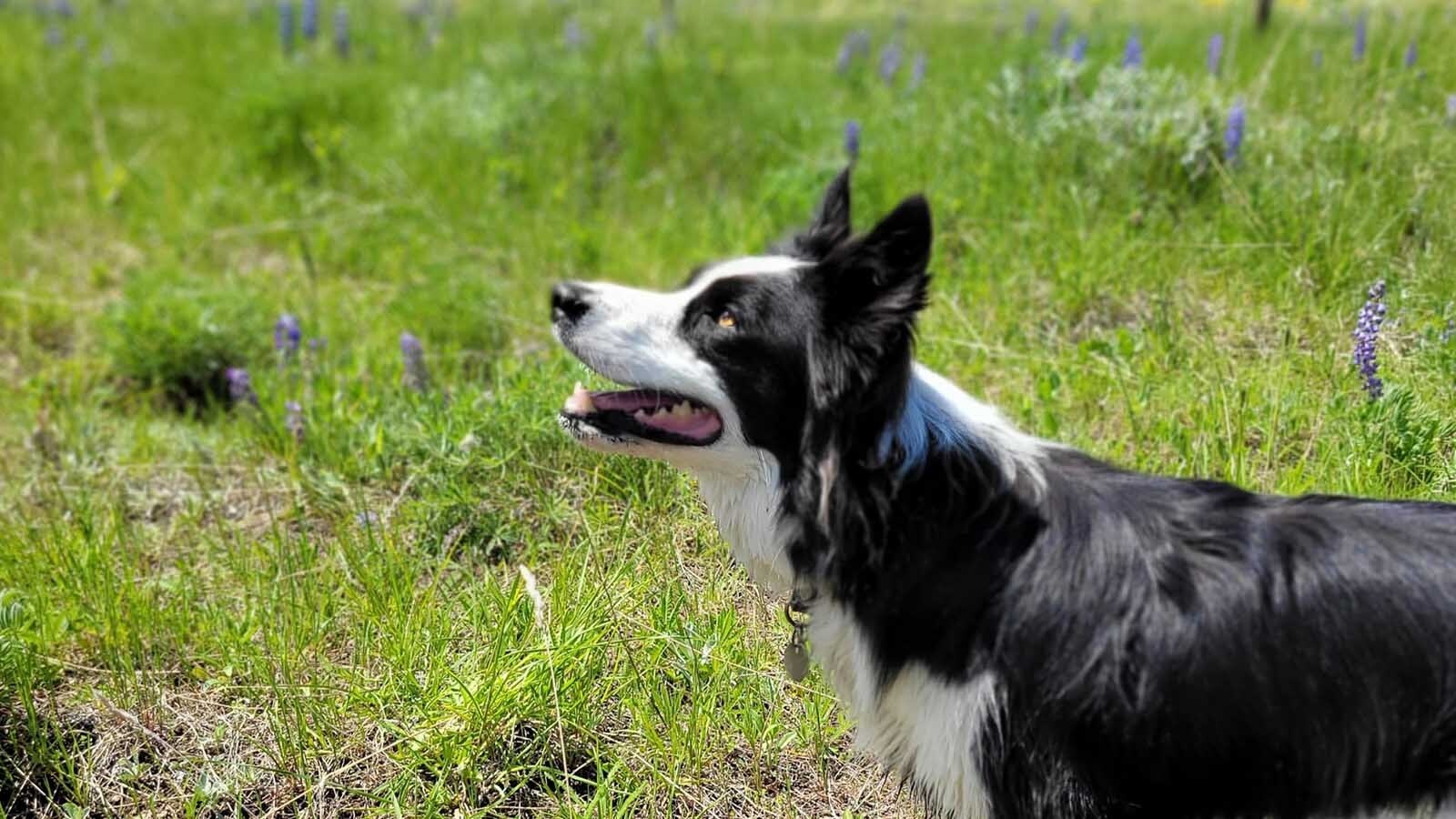
Flo the cattle dog was just coming into her own when she was hit by a tourist passing through Sublette County. Across Wyoming, working dogs are part of the fabric of ranch life. (Courtesy Joan Adsit)
Indispensable Partners
Working dogs like Flo occupy a critical place in the economy and daily routines of ranch life.
As the ranching workforce shrinks, border collies and other herding breeds have become indispensable.
“There’s not very many cowboys anymore anyway,” said a professional stock dog trainer in Putnam, Oklahoma, named Kent Herbel, who has worked with handlers across the country, including Wyoming.
“There’s a lot of areas across the country where you can’t get day workers to come out, and there’s a lot of operations that can’t afford full-time cowboys,” he said.
A well-trained dog can make an enormous difference for a ranching operation, Herbel explained.
“Best-case scenario, a person can get by with one or two dogs with no employees, and a very large operation,” Herbel said. “They can accomplish stuff that you can’t do on horseback. They can go places and do things that you can’t do as on a side by side or a horse or anything else.”
The director of Herding Rescue Dogs of Wyoming in Sheridan, Joan Adsit said the breeds that excel at this work — border collies, Australian cattle dogs, Australian shepherds — share certain qualities bred into them over generations.
“Because these dogs have been bred to work with a herder or a rancher and move stock, they typically are very devoted,” Adsit said. “They’re also very aware of space. Especially with a border collie, in order to move sheep, you have to be able to know exactly how much pressure and not too much pressure to put on.”
Because herding dogs sometimes work independently at great distances from their handlers, Adsit said that “they have to be pretty intelligent breeds.”
The co-owner of Gold Creek Ranch Border Collies in Hamilton, Montana, Suzy Foss learned the power of the breed firsthand when she was shopping for a new dog years ago.
A breeder told her about working cattle drives with her brother on a 5,000-acre ranch near Great Falls, Montana. The brother and his crew used Australian shepherds.
The breeder used border collies.
"She said, 'I get up in the morning, and I start making sandwiches and getting everything packed so that these guys, when they all show up, will have lunch,’” Foss recounted the breeder telling her.
“I finally go out, get my dog or two. I usually have two. I get my book. I get some coffee. I get my lunch, get on my horse," she said. "We ride, and we open up a bunch of gates till we get to the last gate that needs to be kept open, and then I just find a tree.
"Let my horse graze, sit under a tree, drink my coffee, read my book, eat my lunch when I get hungry, and wait for my dogs.”
An hour or so later, the breeder told Foss, she would feel a rumble on the ground.
“And here come real slowly, a herd of cattle coming with two dogs,” Foss said.
Later in the day, the cowboys working with Australian shepherds show up hot and tired after a long day in the saddle.
“There’s a noise, and dogs barking, horses neighing, cattle bawling, and dirt coming down in a big rush,” Foss recalled, describing the cowboys with Australian shepherds. “Everybody’s covered in sweat, dirt — It’s a mess.”
Two border collies, working independently, had done the job of nine men on horseback with a pack of Australian shepherds.
“It’s a lifeline to being able to stay in the ranching,” Foss said of working dogs. “There aren’t enough cowboys anymore. So it’s not like they’re taking away a job. They’re actually helping ranchers stay in the business.”
Front Tire
One of the ranch hands working Flo’s last cattle drive was Rachel Misiewicz, a day worker who has cowboyed in seven states.
Flo had been born in her kitchen, two weeks short of a year before she was killed.
The drive had come off public land and was trailing 6 miles down the highway between Daniel and Big Piney.
A driver in a Ford Bronco with Texas plates slowed somewhat as he approached the herd, his wife recording the scene on her phone. The Bronco was moving at about 35 mph past the ranch hands, horses, cattle and dogs.
Flo had just brought a bunch of cows that had crossed the highway back over to the shoulder.
She was focused on her job. Flo didn’t see the SUV heading right for her.
“There was the front tire, ‘yelp,’ then back tire,” Misiewicz said. “It was really quick. I was between her and her owner. I’m the only person that saw it.”
The driver knew he had hit something, Misiewicz said.
“There’s no way that he could not have known," she said, but he kept driving.
Misiewicz, who was on horseback, gave chase.
Another ranch hand on a four-wheeler joined the pursuit. They ran the vehicle down and stopped it.
“I immediately completely lose it on this guy,” Misiewicz said.
She told him he had destroyed someone’s personal property, killed their dog.
“I said, ‘Well, you at least need to apologize to him,’” Misiewicz recalled. “He goes, ‘Why would I do that?’”
Robbins got off his horse and carried Flo off the road.
“I lost control of myself for a while,” Robbins said. “I kept asking them if they had kids. I wanted to say, ‘You just ran over one of my family members.’”
The driver called 911, said Misiewicz. Law enforcement arrived but did not ticket the driver.
The couple was on vacation from McKinney, Texas, said Robbins.
“There was nothing more important than them getting where they were going that day,” Robbins said.
Flo’s Law
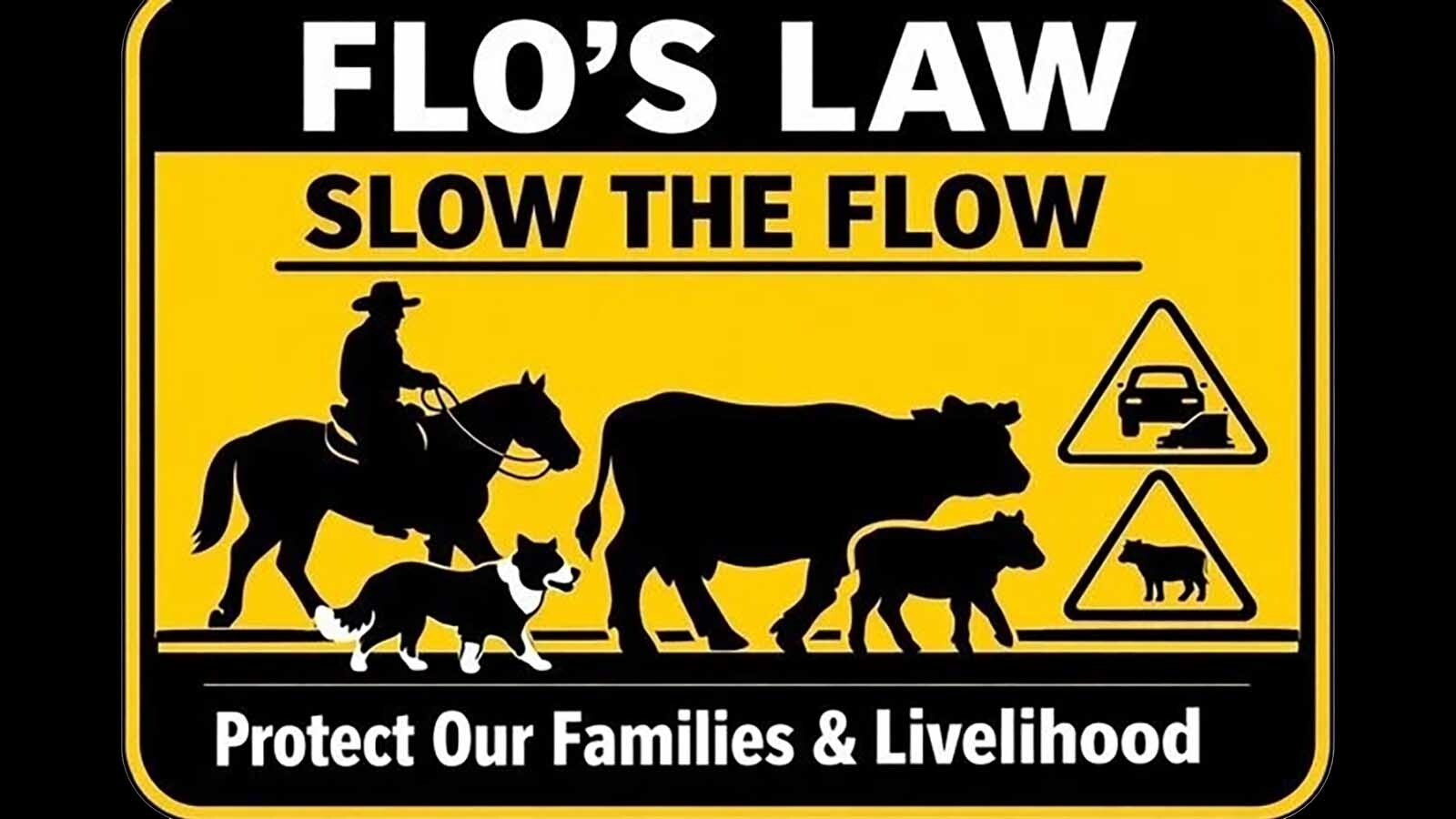
Misiewicz is now leading a petition drive to pass what she calls “Flo’s Law.”
The petition, posted on Change.org, calls for legislation that would require motorists to slow to 25 mph when encountering cattle, horses, riders or active livestock drives on public roadways.
It would stablish a $3,000 fine for failure to comply, mandate clear road signage in livestock-heavy areas, and include livestock-safety education in Wyoming tourism and travel materials.
“This law is not about punishment,” the petition states. “It is about prevention, respect, and accountability. This is about the state of Wyoming ‘The Cowboy State’ supporting its own.”
The petition argues that working dogs like Flo are essential partners, not disposable animals, and that “slowing down for a few minutes can prevent death, trauma, and lifelong loss.”
Robbins supports the effort.
“I would like to see a law with some teeth in it, that there are some consequences for not looking,” Robbins said. “Most people don’t even know that Wyoming’s an open range state.”
Herbel said the very instincts that make border collies so valuable also put them at risk.
“This is what makes them vulnerable to somebody who comes speeding by, because they’re not paying attention to what those people are doing,” Herbel said.
“They’re paying attention to what they’re accomplishing.”
In the language of stock dog trainers, Flo was doing what’s called “covering escapes” — stopping cattle from getting away and bringing them back to where they needed to go.
Exceptional working dogs routinely sell for $15,000 to $20,000, said Misiewicz, but the loss of Flo goes far beyond money.
“Our dogs are valuable as family members, as workers,” she said. “I mean, they’re a huge part of our life.”
The Wyoming Department of Transportation does not track crashes specific to cattle drives but does track livestock-involved crashes.
A spokesperson said the agency “certainly shares a passion for safety on our highway system” and recommends ranchers contact local law enforcement for assistance when moving livestock on state highways.
“I think the most important factor is that drivers remain patient, alert, and aware when driving through Wyoming,” said Jordan Young, deputy public affairs officer with WYDOT. “Avoid speeding through any work zone, no matter if it’s highway construction or a cattle drive.”
For Robbins, the wound is still fresh.
Flo’s littermates — Daisy, Duke, Snuffy and others — are still working in the area. But the dog that produced them was spayed after that litter because she was getting too old.
“There’s not a chance to ever have another one,” Robbins said.
He thinks about Flo flourishing in the work, about being part of a team and the fabric of ranch life.
“Unfortunately,” Robbins said, “Flo lost her life doing what she was born and bred to do.”
David Madison can be reached at david@cowboystatedaily.com.