Dear editor:
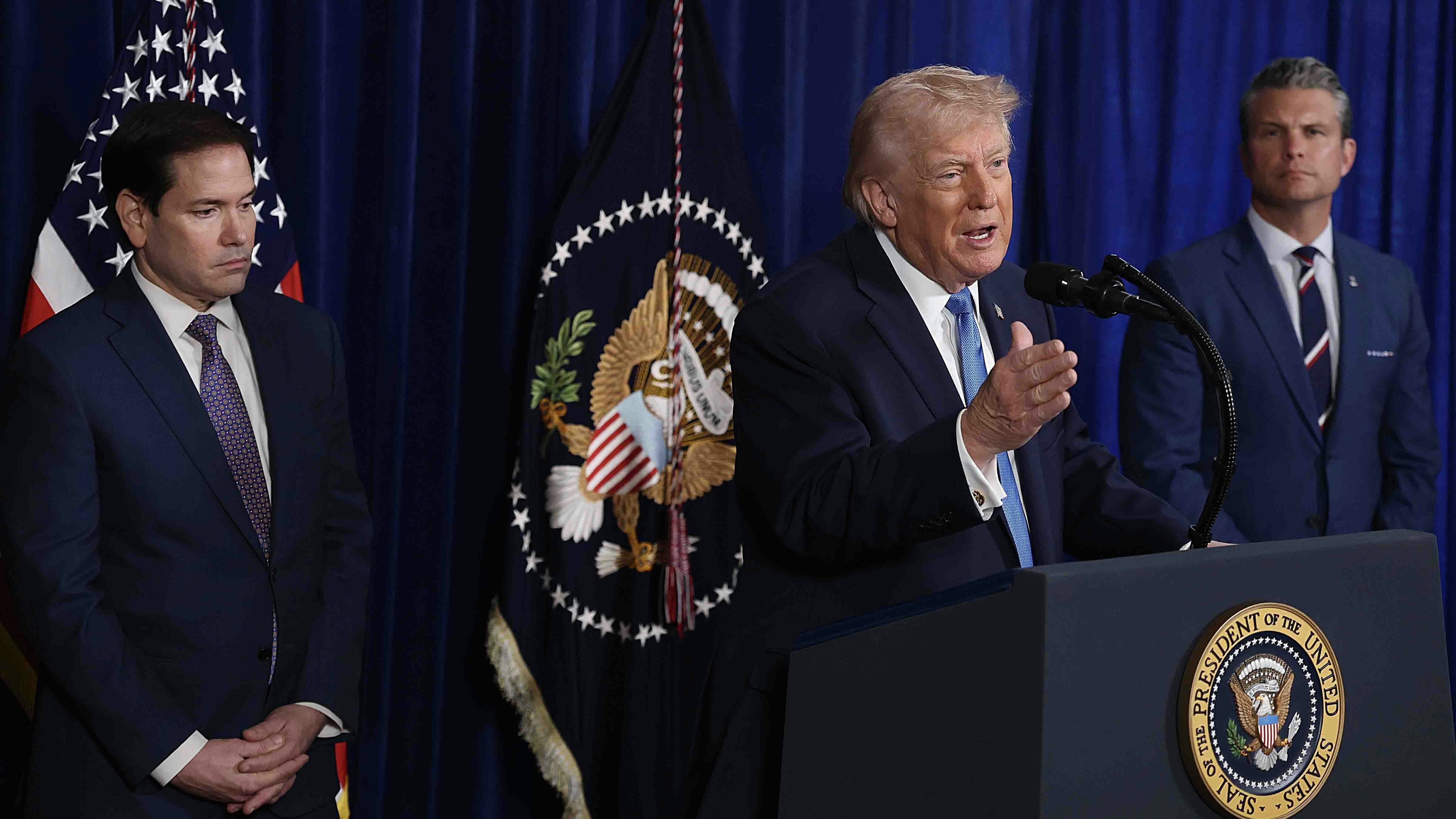
When President Donald Trump announced that the United States would launch military strikes in Venezuela, captured Nicolás Maduro, and said that “we will run the country” until a transition is complete, the statement was meant to project strength.
But for many Americans — especially those living here in Wyoming — it landed as something else entirely: another reminder that Washington’s priorities often drift far from the lives of the people it claims to serve.
The idea that the United States will now administer a foreign nation — overseeing its oil infrastructure and political future — may excite cable news panels and partisan loyalists. But it does nothing to help the Americans who have quietly been left behind at home.
In Wyoming, the problems are not theoretical. They are immediate, personal, and deeply felt.
Start with youth outmigration. Wyoming continues to lose many of its brightest young people — not because they don’t love this state, but because they can’t find the kinds of diverse, stable job opportunities that allow them to build a future here.
College-educated young adults routinely leave for Colorado or Utah, drawn by broader employment options and urban amenities that our smaller towns struggle to offer. Every family that watches a son or daughter pack up knows this pain. It is a slow, steady hollowing-out of the communities that once defined the West.
At the same time, Wyoming faces a lack of economic diversification.
While there are real efforts underway to grow technology, energy innovation, and outdoor recreation, those sectors have not yet come close to replacing the losses from the decline of traditional energy and mining.
The result is an economy caught between eras—one where workers feel uncertainty instead of opportunity, and where long-term planning is too often replaced by short-term political slogans.
Then there is healthcare, perhaps the most pressing issue of all for rural families.
As the least populous state in the nation, Wyoming faces what policymakers call “frontier healthcare” challenges — where distance itself is the greatest barrier.
Many rural hospitals and clinics struggle to recruit and retain doctors, nurses, and specialists. That means long drives for routine appointments and even longer, more dangerous delays in emergencies.
Financial instability compounds the problem. Small-town clinics operate with low patient volumes and high fixed costs.
A $205 million federal grant awarded in late 2025 helped stabilize many facilities through 2026, but even those who welcomed the funding know it is temporary. The long-term sustainability of rural healthcare remains very much in doubt.
And layered on top of all of this are rising costs. Health insurance premiums continue to skyrocket. Prescription drug prices climb.
The expiration of certain federal tax credits has only made matters worse. For working families, ranchers, and retirees on fixed incomes, these increases are not abstractions—they are choices between care and everything else.
These are the realities shaping daily life in Wyoming.
Yet as these challenges mount, too many of our political leaders seem more focused on proving loyalty to a national figure than on addressing the needs of their own constituents.
Secretary of State Chuck Gray’s newly announced bid for Wyoming’s lone seat in Congress is emblematic of this problem. His campaign is built around absolute allegiance to Donald Trump and advancing Trump’s agenda — full stop.
That raises an important question Wyoming voters deserve answered: Would Chuck Gray have supported this attack on Venezuela?
Would he have questioned the wisdom of the United States “running” another country without congressional debate or clear benefit to American families?
Or would he simply fall in line, as so many in Washington now do, regardless of the consequences?
This is not about left versus right. It is about priorities.
In my book The Forgotten Center, I argue that America has lost its grounding — not because we lack strength, but because we’ve mistaken loyalty to leaders for loyalty to people.
Real leadership begins at home. It asks whether our actions — especially the most dramatic ones — actually improve the lives of the citizens we represent.
Foreign interventions, no matter how forcefully framed, will not lower insurance premiums in Wyoming.
They will not keep young people from leaving. They will not stabilize rural hospitals, diversify our economy, or help families afford prescription drugs.
Wyoming deserves leaders who will ask hard questions, resist blind allegiance, and focus relentlessly on the real struggles of rural America.
Not leaders who chase national spectacle while the center of the country continues to be forgotten.
Before we decide to “run” another nation, we should start by taking better care of our own.
Sincerely,
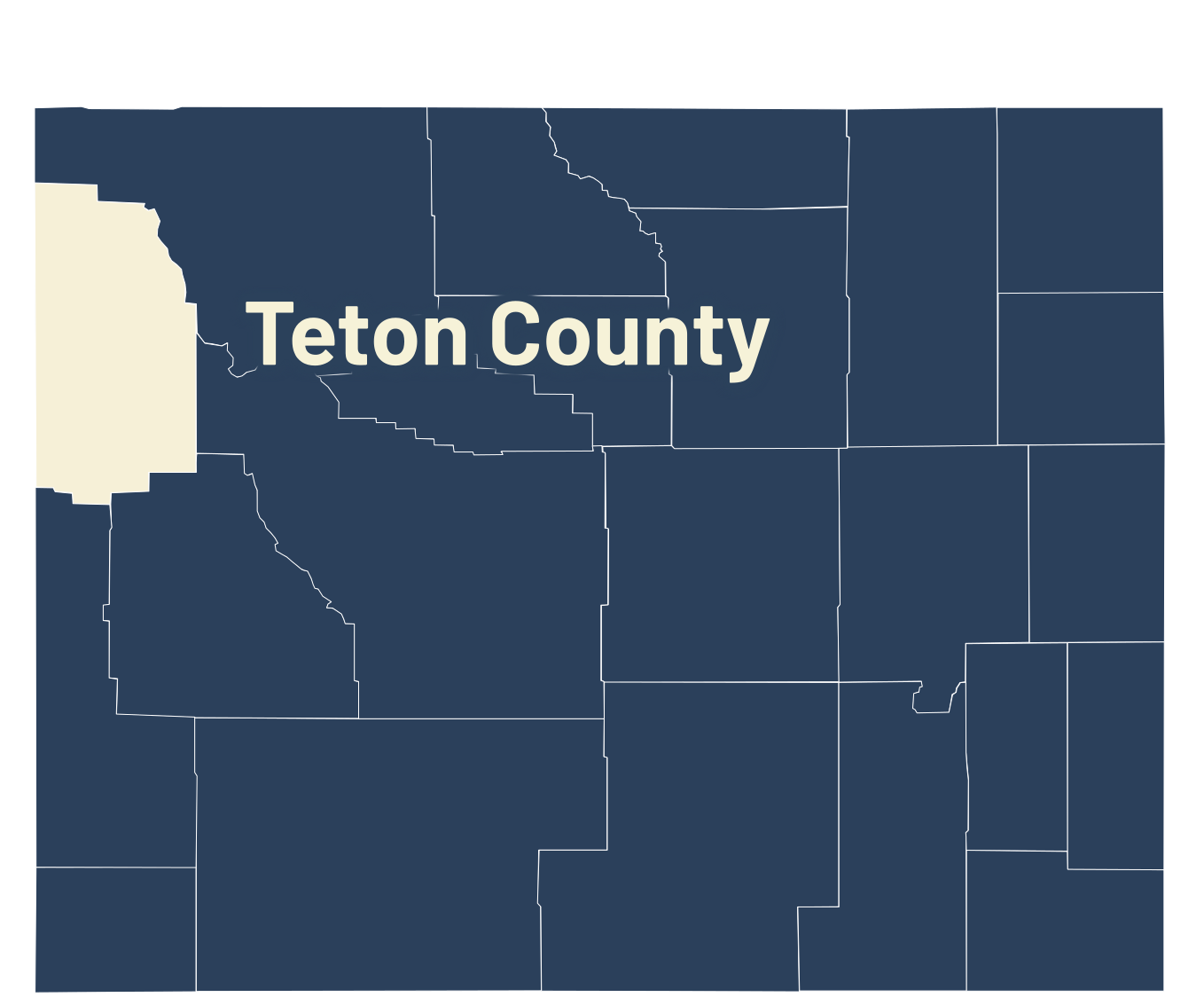
Trevor Neilson, Teton County