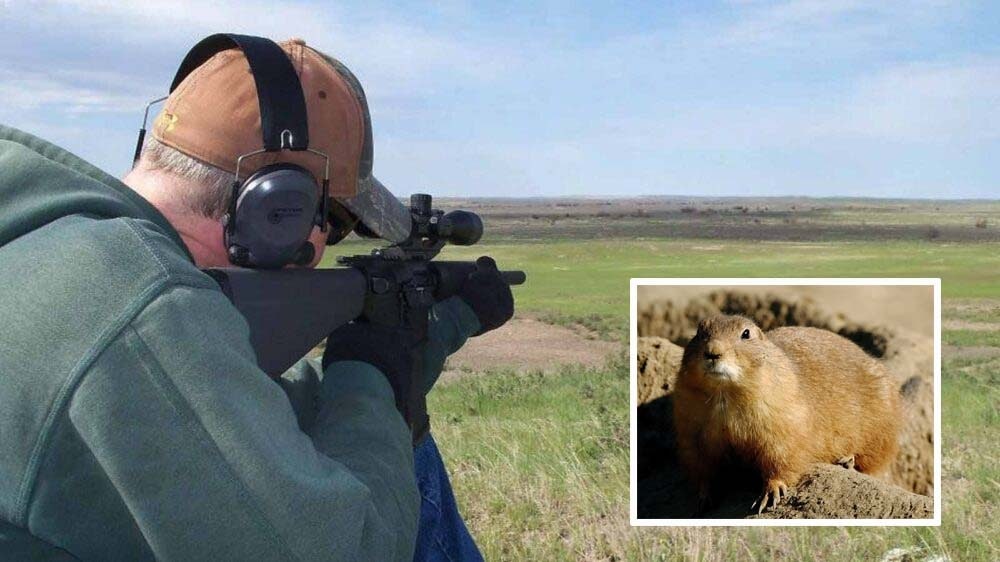
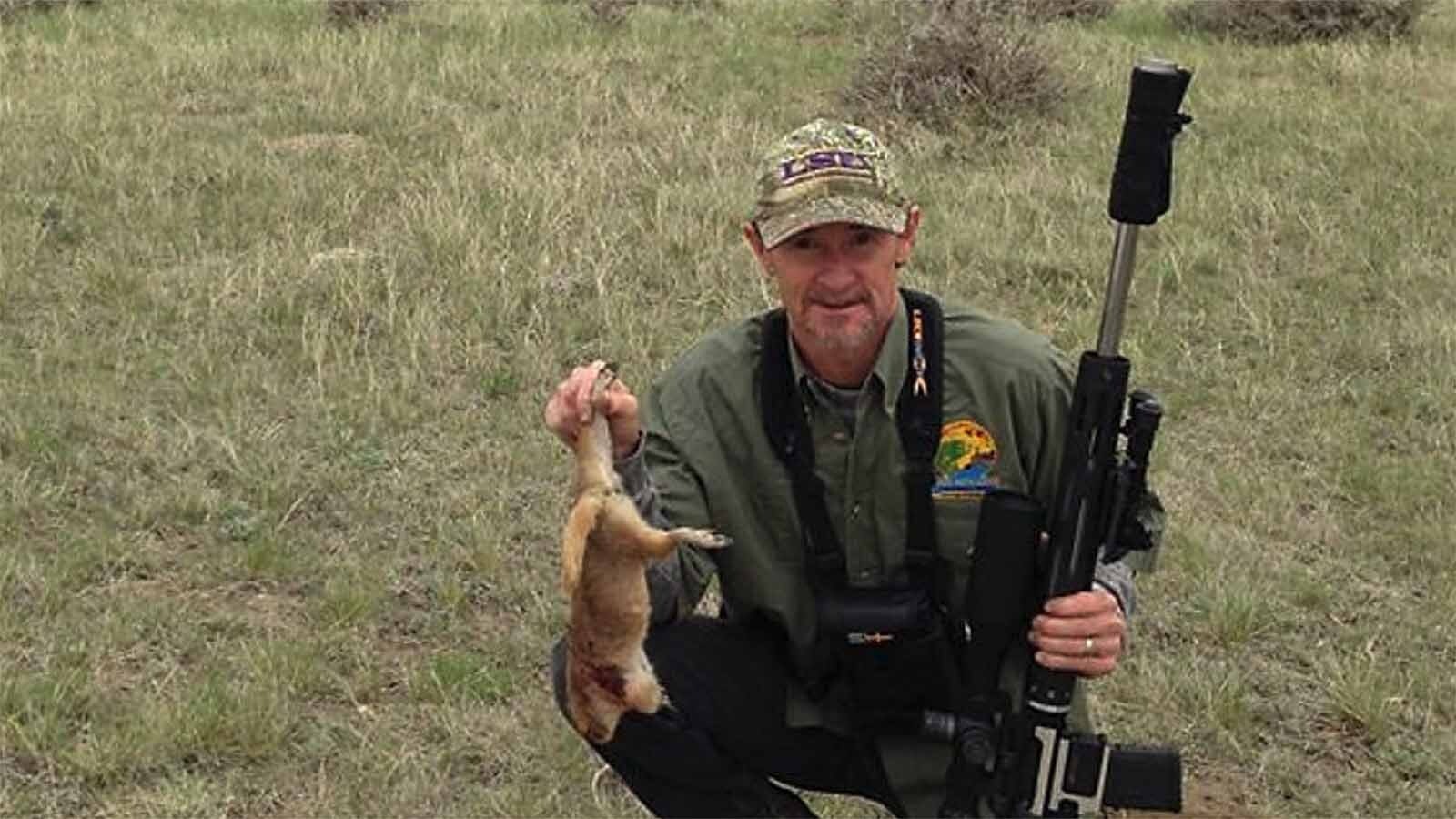
People blasting prairie dogs in a Colorado grassland are threatening a “keystone” species and the rodents’ lead-riddled carcasses poison other wildlife, says a group calling for more regulations.
Grasslands Colorado recently published a case study titled “Massacre for Sport: Ending Unregulated Prairie Dog Hunts in Colorado’s Protected Lands.”
Colony Collapse
The group claims that recreational shooters mow down so many prairie dogs on the Comanche National Grassland in southeastern Colorado, they’re pushing the animals’ colonies to the verge of collapse.
Prairie dogs are already struggling against outbreaks of plague, and with shooters targeting “healthy colonies,” prairie dogs might not stand a chance, Grasslands Colorado founder Elise Elswood told Cowboy State Daily.
She said the case study was prompted in part by a Cowboy State Daily story about professionally-guided prairie dog hunts in Wyoming and South Dakota.
To gather information for the case study, Grasslands Colorado members “infiltrated” prairie dog shooting Facebook groups, she said.
Grasslands Colorado isn’t looking to ban prairie dog shooting, Elswood said.
Instead, it’s calling for stricter regulation of the sport on public land.
That should include requiring shooters to pick up the rodents’ carcasses. That would save raptors, badgers, coyotes and other wildlife from suffering lead poisoning from eating the carcasses, she said.
Manage Them As Small Game
Colorado Parks and Wildlife (CPW) classifies prairie dogs as small game animals.
They may be hunted recreationally with a license during Colorado’s small game hunting season, from June 15 through the end of February.
In the agricultural sector, Colorado classifies prairie dogs as a nuisance species that may be killed year-round on private farm and ranch property.
The U.S. Forest Service has jurisdiction over the Comanche National Grassland, but CPW has jurisdiction over most of the wildlife there, including prairie dogs, Elswood said.
The Forest Service banned recreational target shooting on the grassland. But because prairie dog shooting technically counts as “hunting” under CPW regulations, it’s still allowed, she said.
Colorado small game regulations require hunters to recover the carcasses of most small game species, rather than leaving them to waste, she said.
That rule should be expanded to include prairie dogs, she said.
That would save other wildlife from lead poisoning, and it also would probably cut down on the sheer number of prairie dogs shooters would be willing to blast, she said.
The recreational shooting of prairie dogs has long been considered varmint control across the West. They typically aren’t regarded as a food animal.
There are rare exceptions, however.
South Dakota resident Gerald Jasmer previously told Cowboy State Daily that prairie dogs are good to eat, especially with an Italian marinade.
If people want to shoot prairie dogs, the hunting season for them should be shortened on public land, Elswood said.
Prairie dog offspring, called pups, typically aren’t old enough to survive on their own until the end of summer, she said.
So, allowing people to shoot the adults on public land in June dooms the pups to death as well, Elswood said.
Differing Views On Prairie Dogs
For some, prairie dogs are mere pests, while others argue that they’re a vital grassland species.
Western Watersheds Project Executive Director Erik Molvar told Cowboy State Daily that although he’s an avid big game hunter, he doesn’t see any point in shooting prairie dogs.
“From a hunting perspective, it’s pretty hard to defend prairie dog shooting as hunting,” he said.
“It verges on psychopath behavior. It’s pretty hard to justify that in the 21th century,” at a time when the public image of hunting is already suffering, he said.
From an ecological standpoint, prairie dogs are a vital food source for numerous species, Molvar said.
Prairie dogs are key to the recovery of black-footed ferrets, because they’re the ferrets’ primary prey species, he said.
And prairie dog colonies provide vital nesting spots for burrowing owls and other birds, he added.
While it’s commonly assumed that prairie dogs gobble up forage that could have gone to livestock or bison, that’s not really the case, he said.
Studies indicate that the grass at the edge of prairie dog colonies has a high protein content, he said.
“What you might lose (to prairie dogs) in quantity of forage, you make up for in quality of forage,” Molvar said.
Ranchers Want Prairie Dogs Shot
Ranchers typically take a dimmer view of prairie dogs, Jim Magagna, executive vice president of the Wyoming Stock Growers Association, told Cowboy State Daily.
By digging up the ground and gobbling grass, prairie dogs do “significant damage to the range and the soil,” he said.
There is concern over horses or cattle breaking their legs in prairie dog holes, he added.
Particularly in eastern Wyoming, ranchers are more than happy to see people out shooting prairie dogs, Magagna said.
“I know a lot of ranchers welcome that,” he said. "If people contact them ahead of time and say, ‘I would like to come and hunt prairie dogs on your property,’ for the most part, that is very welcome."
Ranchers also support prairie dog shooting on the Thunder Basin National Grassland in Wyoming, because much of the land there includes grazing leases, Magagna said.
Mark Heinz can be reached at mark@cowboystatedaily.com.