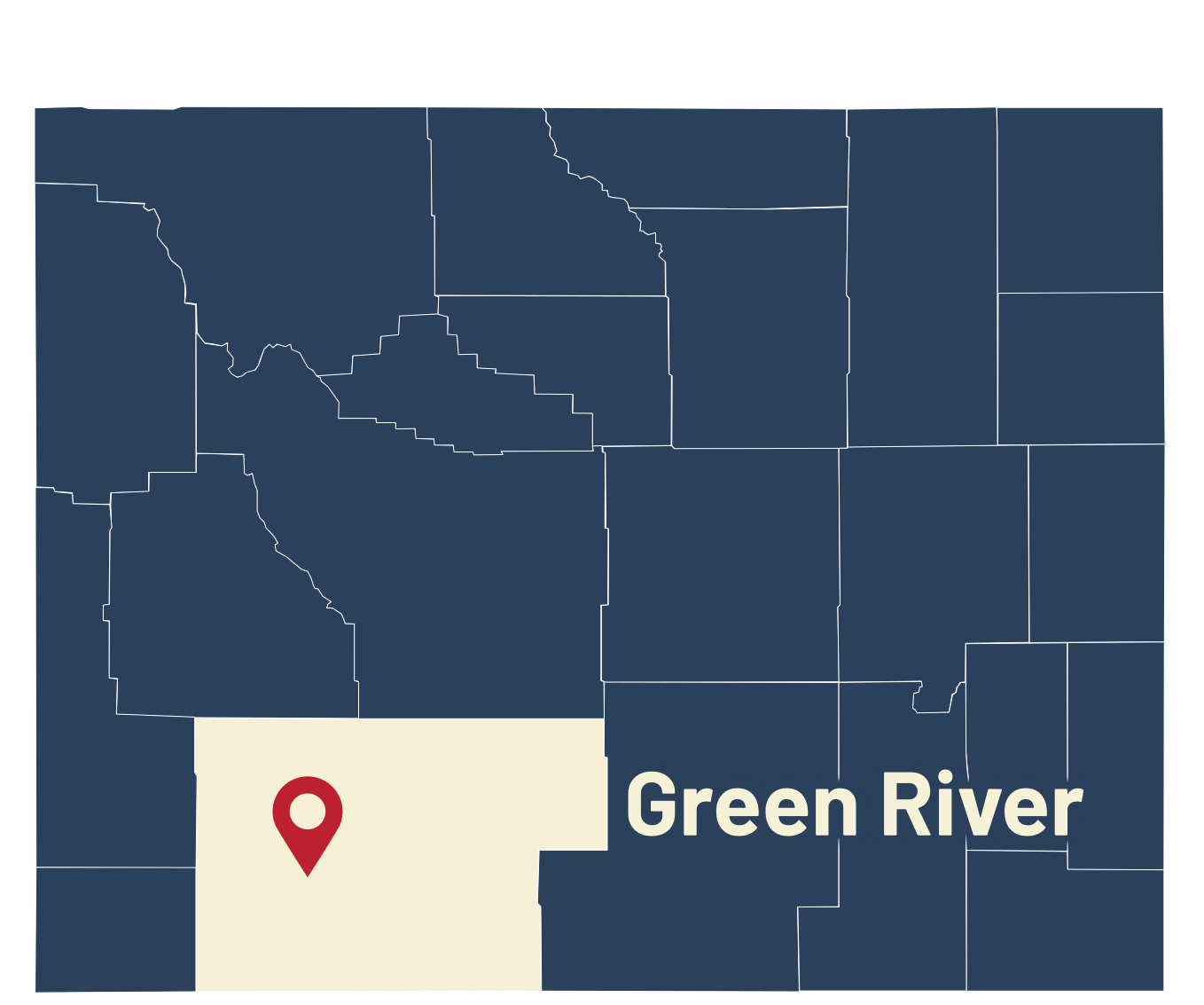
The original Little America hotel near Green River, Wyoming, was named after the base camp of Admiral Richard Byrd during his 1928 expedition in Antarctica.
S.M. Covey, the founder of Little America, felt he could relate to the brutally harsh conditions at the South Pole after enduring the fury of Wyoming's winters.
Covey made Antarctica central to the branding of Little America, Wyoming when he opened the first themed hotel in 1934.
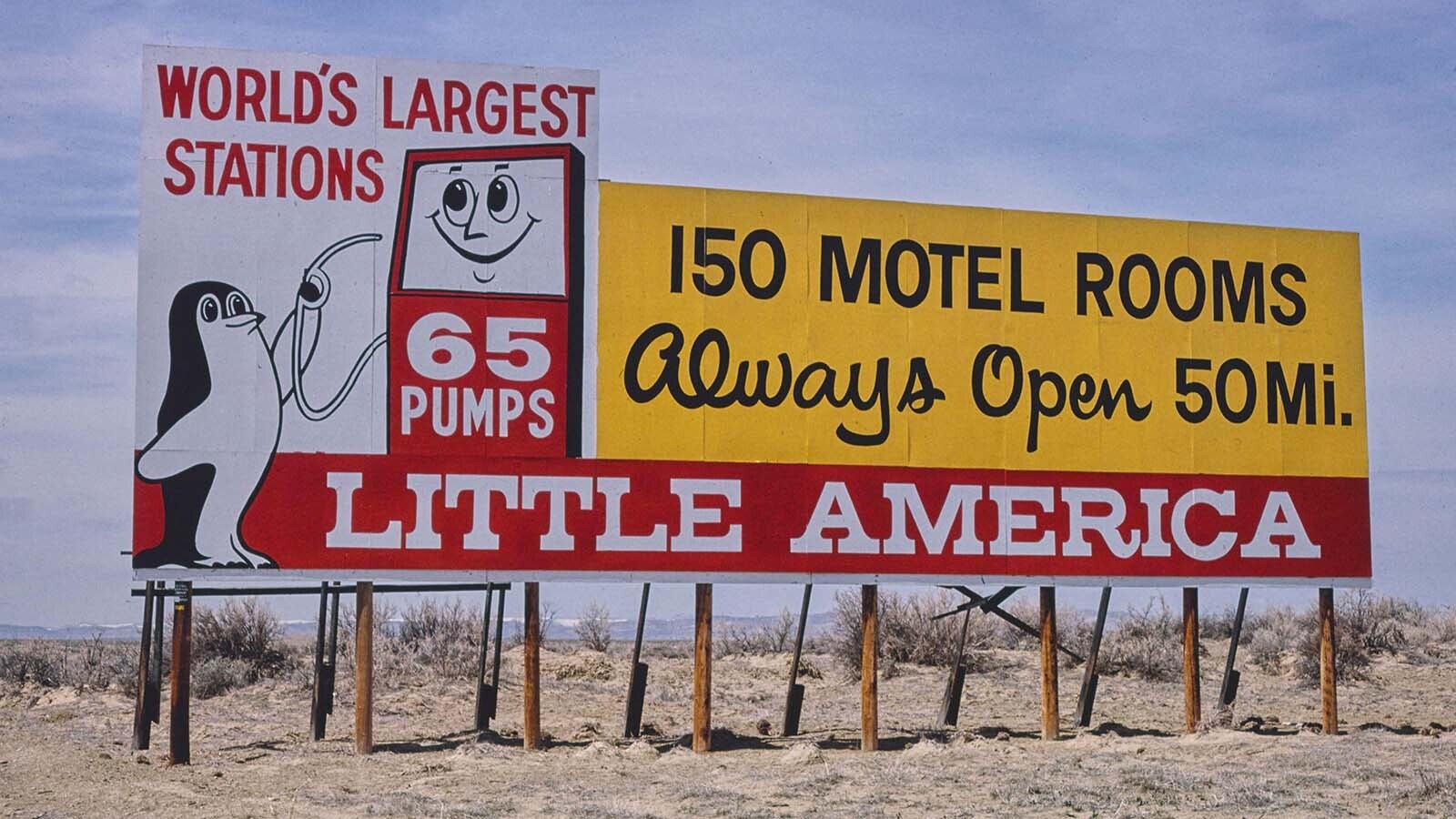
The mascot that greeted wayward travelers to his refuge along the old Lincoln Highway, U.S. 30, was a friendly, waving penguin as a tribute to Byrd.
That admiration was reciprocated from Antarctica to Wyoming in the form of a real penguin.
According to the scant historical records available, Capt. Isak Lystad, commander of Byrd's flagship the North Star, presented Covey with an offer "in the 1930s" that was too good to refuse: a living emperor penguin, possibly two, to take up permanent residence at Covey's hotel.
One of the cold-loving birds named "Emperor" was plucked off the ice of Antarctica and put on a boat to Boston.
The penguin was intended to wing his way to Wyoming to be a living ambassador of the Antarctic at Little America.
What seemed to them a good idea at the time was actually doomed from the start.
Emperor made it to Little America — and is still there to this day — but the penguin didn't live a long and happy life in Wyoming, and was never going to.
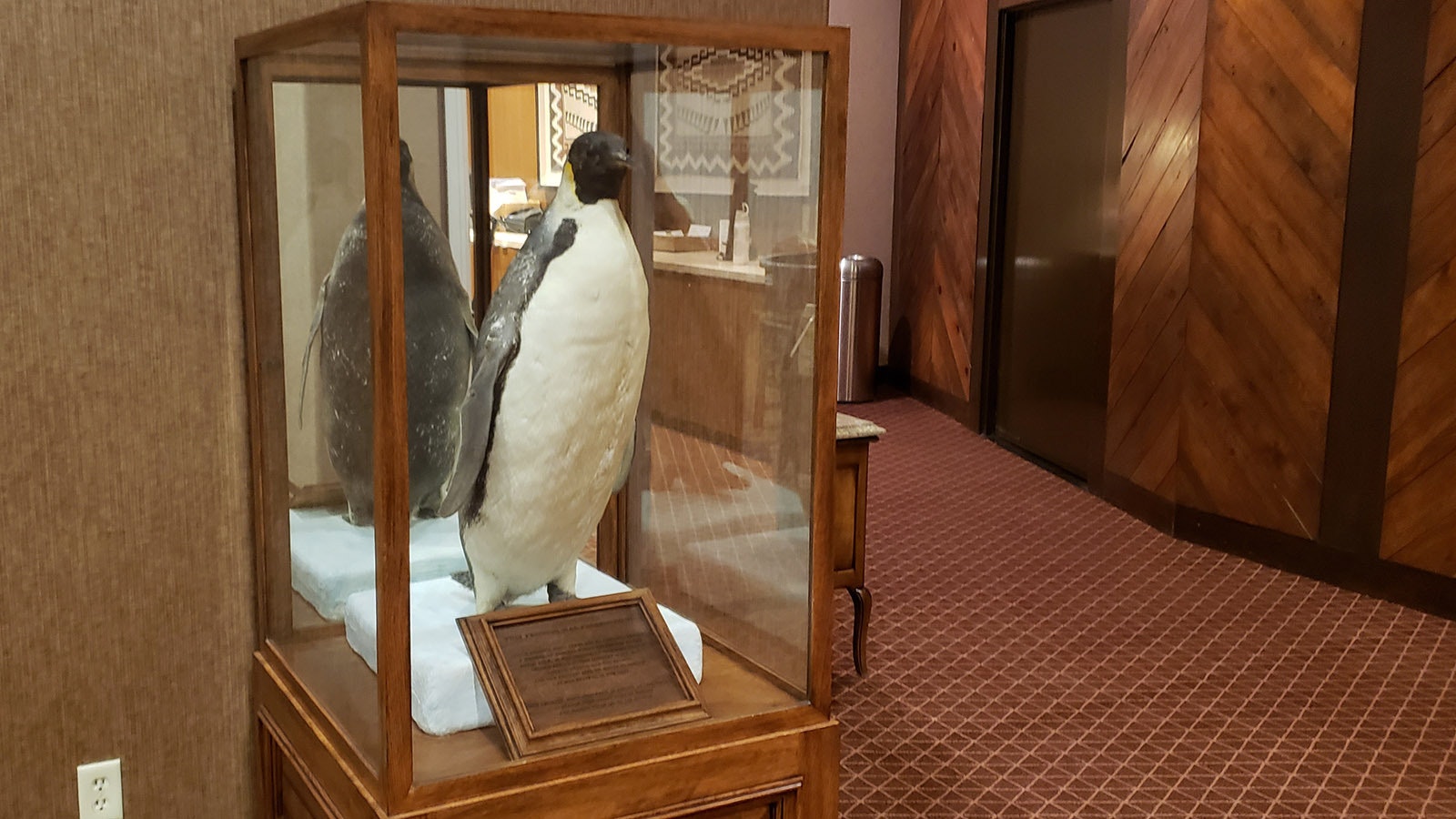
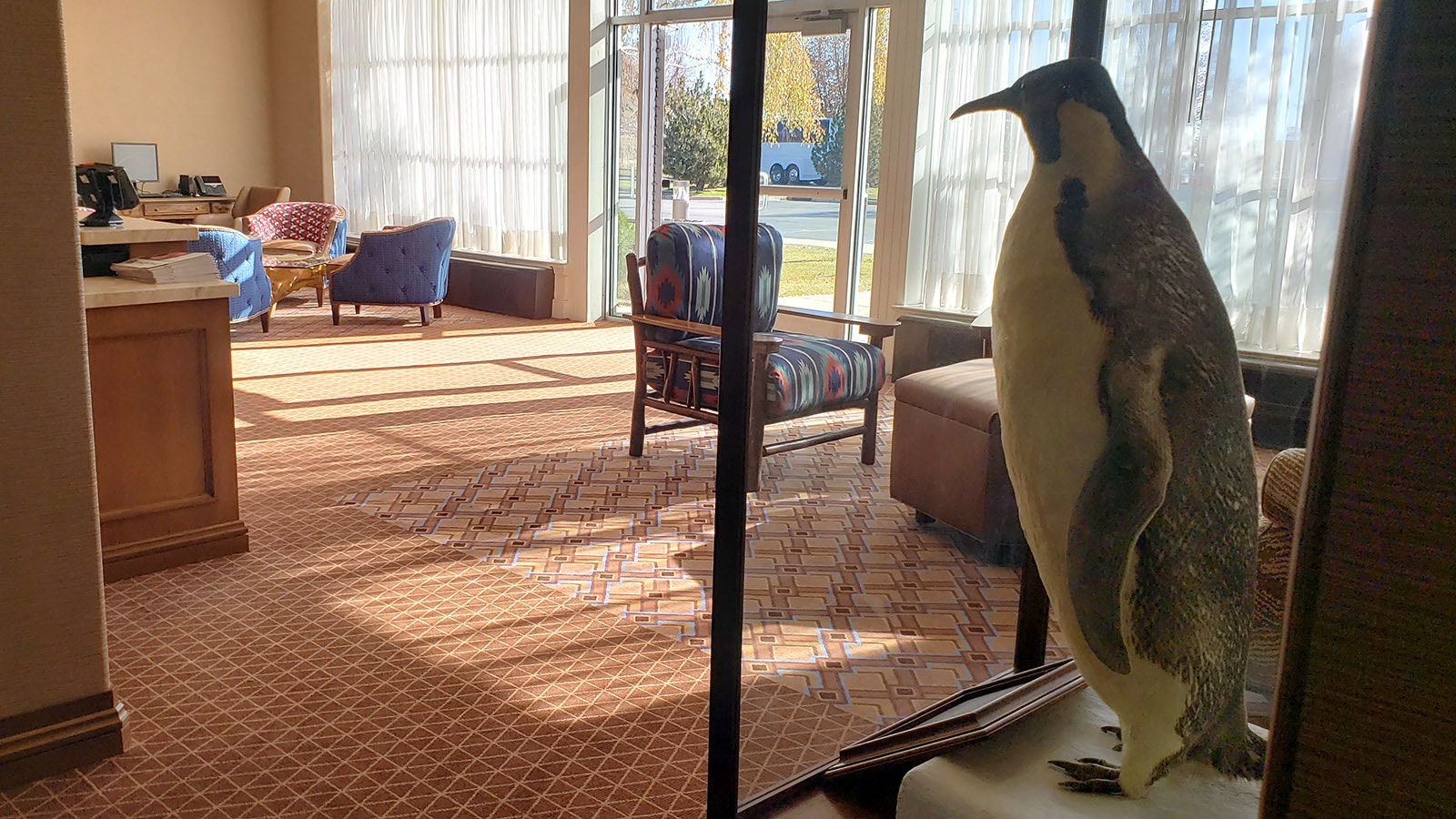
The stuffed emperor penguin on display at the Green River Little America started its journey to Wyoming from Antarctica alive and died during transport. The plan was to keep a living penguin at the hotel, but it was doomed from the start. But that didn't stop the hotel from adopting the penguin as its mascot. 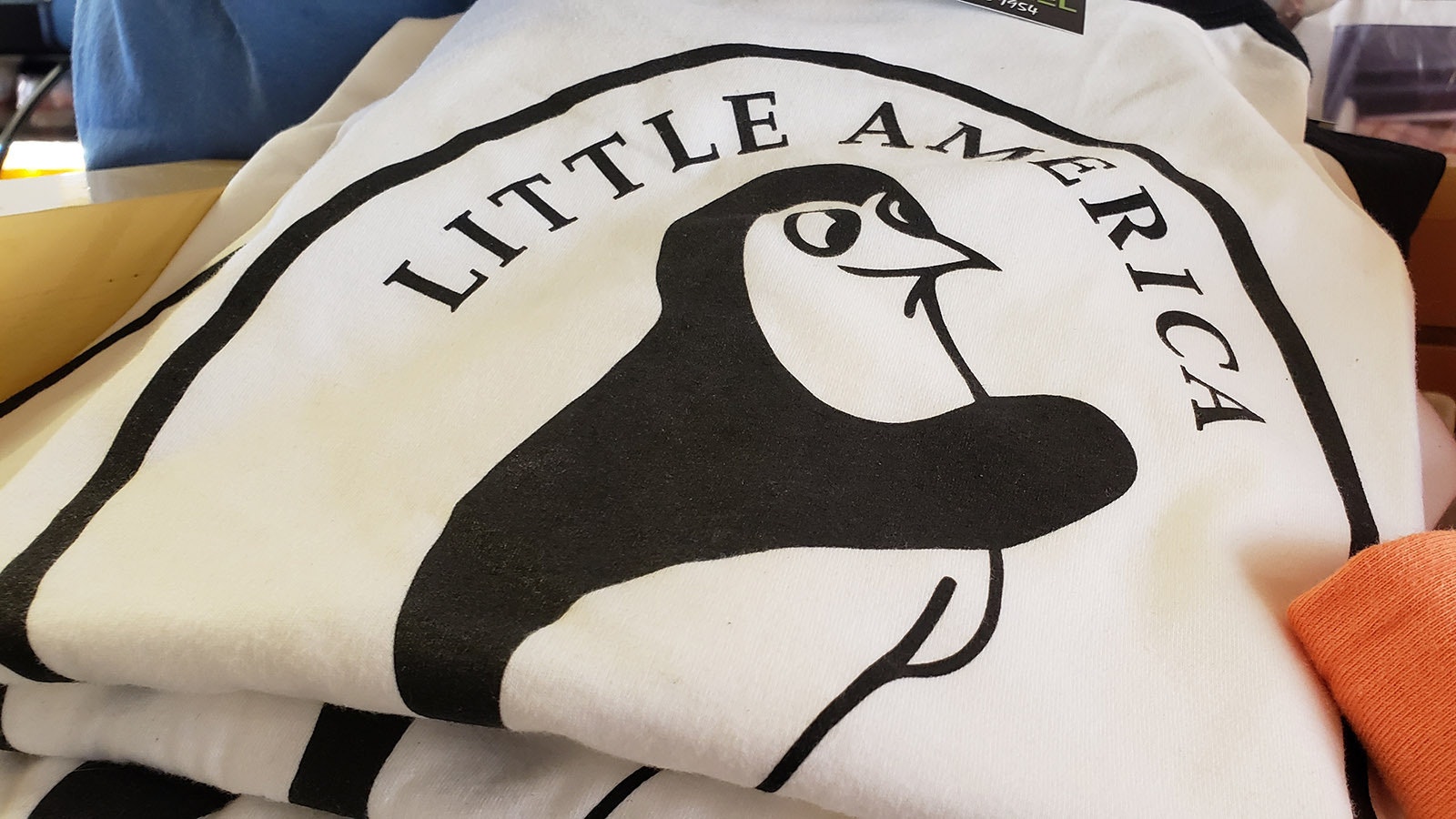
The stuffed emperor penguin on display at the Green River Little America started its journey to Wyoming from Antarctica alive and died during transport. The plan was to keep a living penguin at the hotel, but it was doomed from the start. But that didn't stop the hotel from adopting the penguin as its mascot. (Renee Jean, Cowboy State Daily) 
The stuffed emperor penguin on display at the Green River Little America started its journey to Wyoming from Antarctica alive and died during transport. The plan was to keep a living penguin at the hotel, but it was doomed from the start. But that didn't stop the hotel from adopting the penguin as its mascot.
Imperial Aloofness
People have tried to keep penguins in captivity since the 1930s, but it took decades of trial and error (and a lot of dead penguins) before anyone figured out how to keep any species of the bird happy and healthy.
People can see African, gentoo, macaroni, and king penguins at many zoos and aquariums around the world, but few have beheld an emperor penguin in the flesh.
Andrea Colon was an aviculturist at SeaWorld Orlando for five years. She worked with a wide variety of birds, including flamingos, pelicans, and five penguin species.
"They can be the funniest group of birds you've ever met," she told Cowboy State Daily. "I still get updates on all my 'bird babies' at SeaWorld."
During her time at SeaWorld Orlando, Colon briefly worked with a small group of emperor penguins. They came from SeaWorld San Diego, the first facility to successfully breed emperor penguins in captivity.
"They were very calm and aloof," she said. "We were all new to them, so that could have explained their behavior, but emperors aren't going to walk up and ask for attention.
"They're not snuggly. They keep to their own."
Emperor penguins are the largest of the 18 extant penguin species. A fully-grown adult can stand over 3 feet tall and weigh nearly 100 pounds.
Colon understands why someone like Covey would be thrilled to receive an emperor penguin. They have an undeniable presence that their smaller contemporaries lack.
It's also why she knows any attempt to keep an emperor penguin alive in Wyoming was futile, especially in the 1930s.
Proper Penguin Care
Many exotic animals are notoriously difficult to keep in captivity, owing to their specific habitat, dietary, and social needs.
Penguins are a mixed bag, but even the species that are easier to work with require a sizable investment.
Colon said any penguin facility needs to be cutting-edge to keep its penguins alive and well. They might not be as big as elephants, tigers, or giraffes, but they're just as demanding.
"Not a lot of places can afford a penguin facility," she said. "Besides the financial aspect, the facilities have to maintain adequate temperatures, humidity, and lighting specific to the biome of warm and cold-weather species, and they have to do it all indoors."
There are warm-weather penguins that can live more easily in hybrid facilities with indoor and outdoor enclosures, but that doesn't work for cold-weather species like emperors, which live only in Antarctica in the wild.
A crucial aspect of penguin care, given their habitat, is lighting.
"The amount of daylight they're exposed to is crucial for hormone regulation," Colon said. "It lets those penguins know what time of year it is for them, so they know when to go into migratory season, nesting season, chick-rearing season, and molting season."
SeaWorld San Diego's penguin facility followed the Southern Hemisphere's light cycle. That means keeping their penguins in the dark for most of the winter, as they would in the wild.
As technology and scientific knowledge of penguins have advanced, it's become easier to build world-class facilities to support breeding penguins. That hasn't made it any more affordable.
"We understand more of their needs and requirements now, and it's all very necessary," Colon said. "There's so much that goes into penguin care, and it's not a small undertaking for any facility."
Court Of The Emperors
Emperor penguins are one of only two penguin species that, according to Colon, are "true Antarctic species.”
They are one of only four penguin species that nest on the frozen continent, and the only species that breed during the Antarctic winter.
A facility that successfully keeps penguins isn't automatically capable of handling emperors. Colon said maintaining the temperatures they'd need to be comfortable is enough of a hurdle.
"They can live in temperatures as low as minus 30 degrees," she said. "Trying to replicate that indoors without causing your HVAC system to go absolutely haywire is a pretty daunting task."
Being able to provide that at the Little America in Wyoming 90 years ago would’ve been nearly impossible.
Furthermore, emperor penguins spend a significant portion of their lives in constant light or total darkness. They will spend several months without seeing a sunrise and several more without a sunset.
Those doses of daylight are crucial to maintaining a group of emperor penguins in captivity. That means keeping the penguins, keepers, and visitors in the dark a lot of the time.
"You have to replicate those conditions to keep them happy, and a lot of guests don't want to see the birds in the dark," Colon said.
Then there's their diet.
Penguins subsist on fresh seafood, including fish, crustaceans, and squid.
Colon said most smaller penguins receive between half a pound and a pound of seafood every day, depending on the season.
An emperor penguin requires 2 pounds of food per day, and there's always more than one to feed.
"A group of 25 emperors is going to require 50 pounds of seafood … per day," she said. "Feeding penguins is a big undertaking for any facility, and emperors are going to greatly increase the operational costs."
Can you start to see why Emperor never stood a chance in Wyoming?
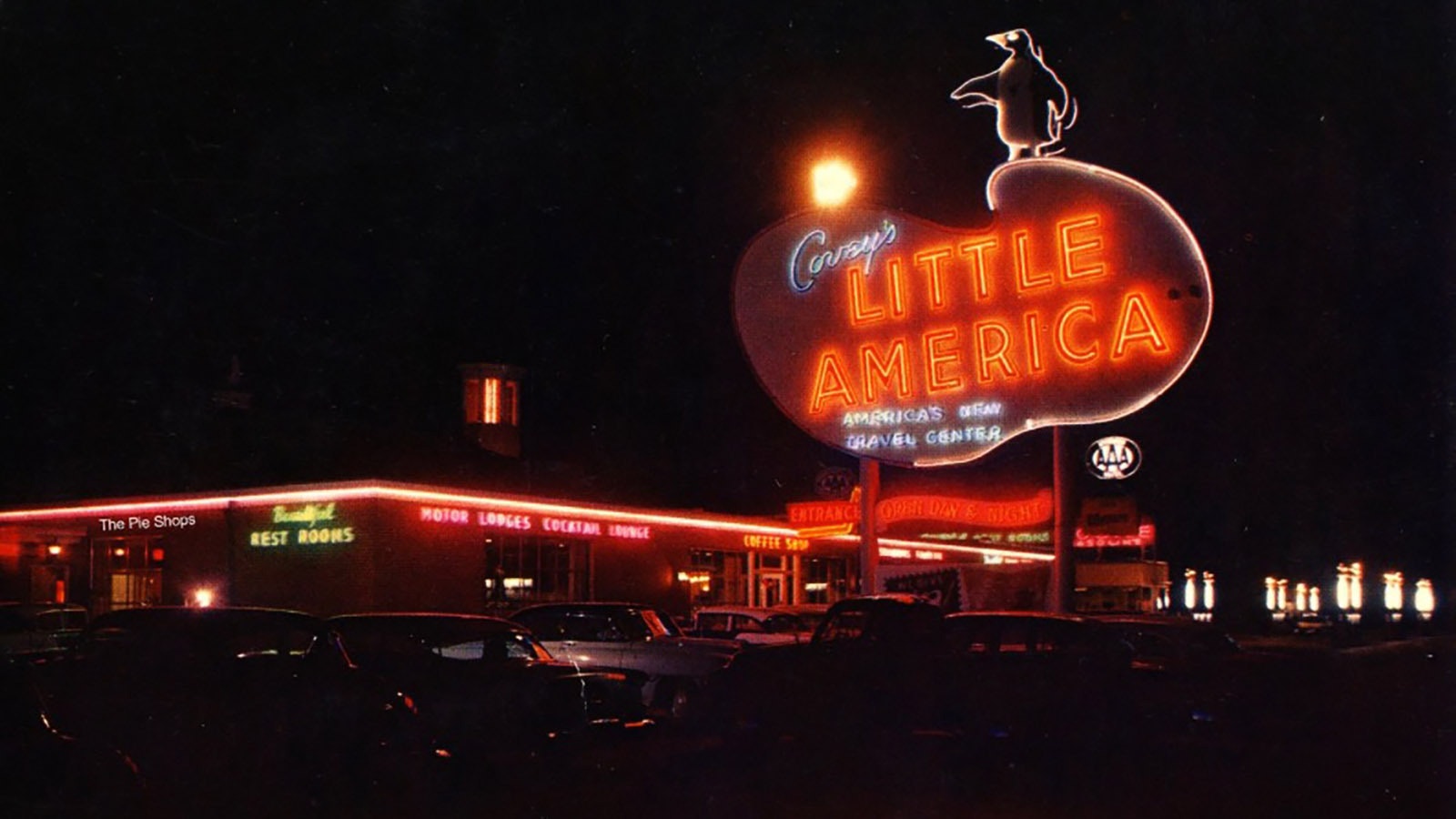
The classic neon of Little America in the 1950s and 1960s. (Little America Wyoming via Facebook) 
Little America Wyoming is a mandatory stop for many travelers across Interstate 80, even if it's just to fuel up. (Little America Wyoming via Facebook) 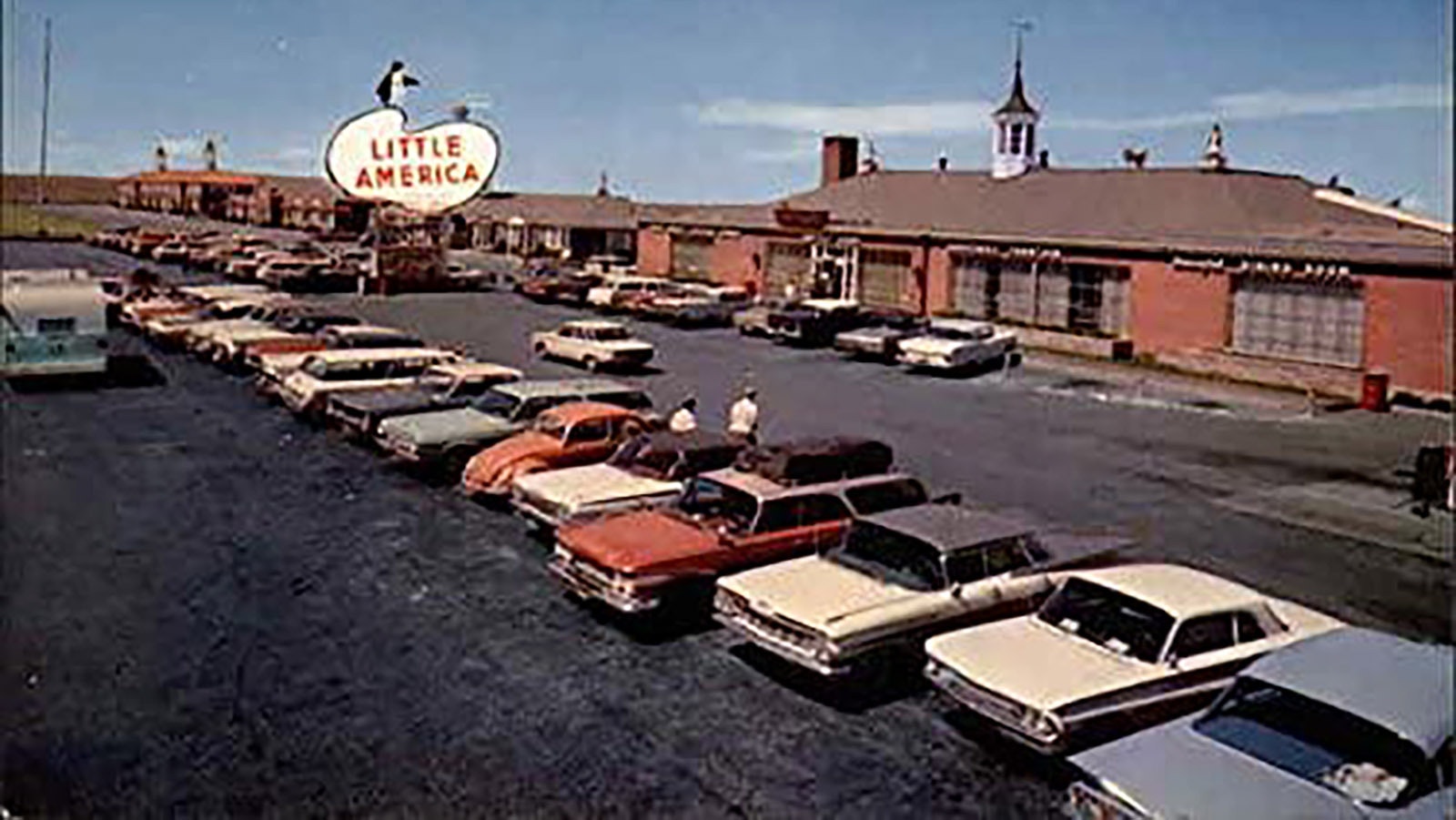
The classic Little America penguin is a nod to the resort's inspiration, Admiral Richard Byrd and the Little America outposts in the Antarctic. (Little America Wyoming via Facebook)
Poor Penguin
Emperor was shipped from Antarctica to Boston.
The penguin eventually reached Wyoming, but not as the living Antarctic ambassador that Covey and Lystad had hoped would arrive at Little America.
According to Little America, the "climatic change was too severe" and "the penguin died enroute to Boston.”
The penguin was taxidermized in Boston and shipped to Wyoming, where it's been on display since.
Even if Emperor had arrived in Wyoming alive, Colon doesn't see any scenario where he'd have survived for long. It's hard enough to keep them in captivity today, and nobody had a clue what to do with them in the 1930s.
"They would really need to step up their penguin game, and they weren't scientifically advanced enough to do it at the time," she said.
Even if Covey had, somehow, created the perfect indoor environment to keep an emperor penguin alive, he would have received only one.
Cheyenne Penguin
There's another stuffed emperor penguin at the Little America in Cheyenne that says on its display that it was "one of two" presented to Covey by Lystad, but there's no mention of a second penguin at the Little America near Green River.
Colon said that penguins are "very sociable animals." Emperor penguins hunt, swim, and huddle together in large colonies, and can live between 20 and 50 years.
"There's always survival and safety in numbers for them," she said. "They're not going to get buddy-buddy with every single penguin in that colony, but they do rely on each other."
That's why you'll never see a zoo or aquarium with only one penguin.
If Emperor had arrived, Covey or someone else at Little America would have needed to be the penguin's full-time friend, functioning as a caretaker and social companion.
In addition to their robust habitat and dietary needs, penguins do their best when they're surrounded by other penguins.
Emperor would have been surrounded by tourists, which are barely tolerable for most Wyomingites, let along a lonely penguin.
"Having one penguin would have been a challenge, as you'd have to fulfill all their social needs as their caretaker," Colon said. "It's definitely not recommended to keep them alone, and emperors are already very difficult to keep in captivity."
Prescient Penguins
Emperor penguins returned to Orlando in June 2025.
SeaWorld Orlando proudly boasted that it was "the only place in the Western Hemisphere" where emperor penguins were on public display, after SeaWorld San Diego relocated their entire population to Florida.
To house their newly arrived emperors, SeaWorld Orlando renovated its existing facility.
It now maintains a constant temperature of 28 degrees and mimics an Antarctic light cycle, with its months of perpetual daylight and darkness, inside.
All this goes to show how Emperor never stood a chance of making it to Wyoming, let alone living a long, healthy life in Little America or Cheyenne.
Covey might have thought his winter experience in Wyoming was comparable to Antarctica, but Little America's penguin would have suffered in the ignorance of what was needed to keep it alive.
"We've learned so much about penguins themselves throughout the years since I worked with them," Colon said. "Emperors need the royal treatment. They have very stringent environmental requirements that not every zoo or aquarium can meet today.
"That poor little emperor was a doomed experiment from the get-go."
Andrew Rossi can be reached at arossi@cowboystatedaily.com.