
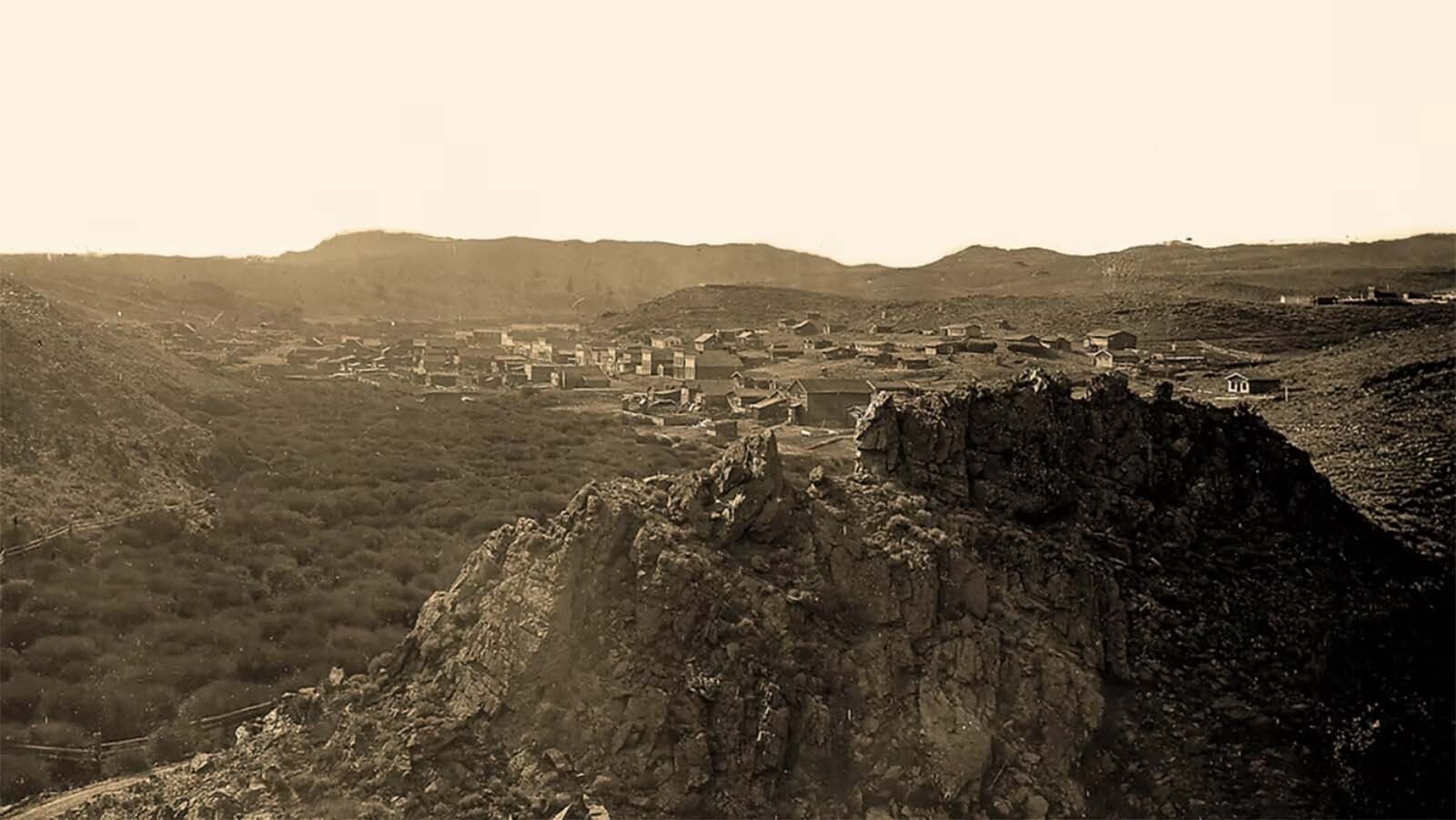
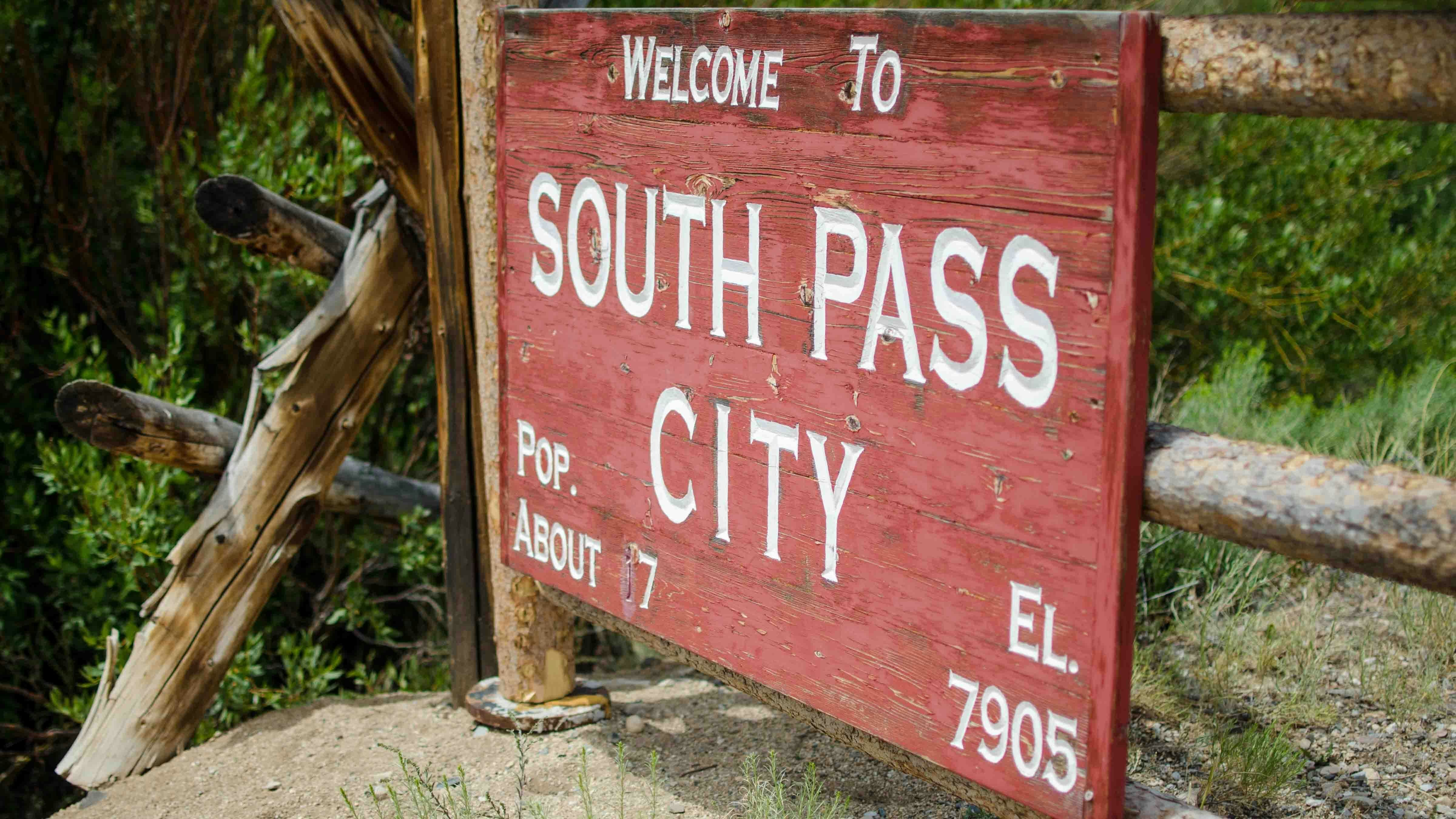
In the height of the gold rush, South Pass City, Wyoming, and the surrounding mining camps were wild and dangerous.
It was not uncommon to learn that someone had died unexpectantly from everything from a bad play at a poker game to an Indian attack.
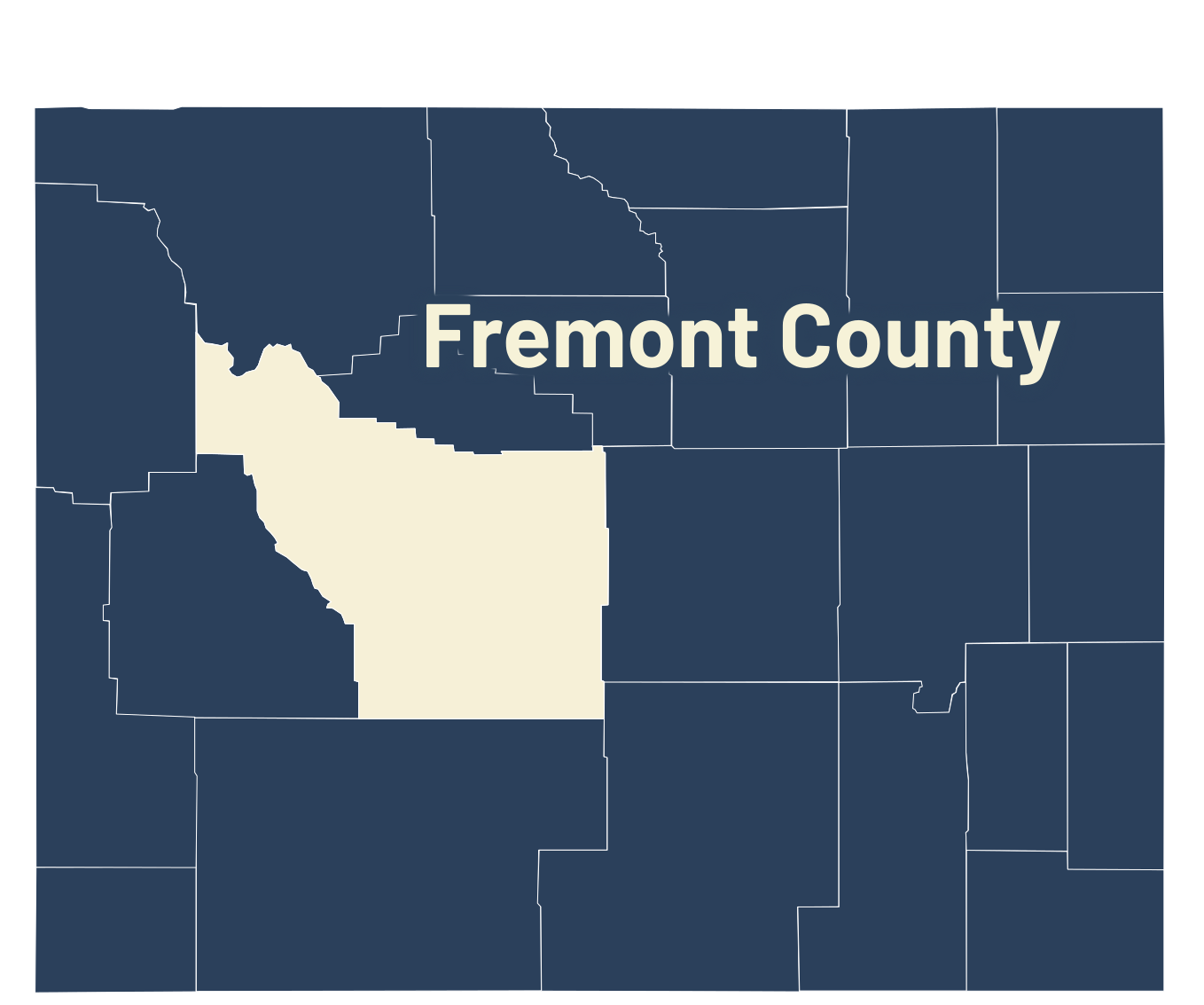
When men went missing, it was so commonplace that it took some time before it was discovered that the cause for 22 missing men was one young woman with a supply of arsenic.
James L. Sherlock had grown up in the mining town of South Pass and heard the story of the murders from his uncle and others who witnessed the wild times for themselves.
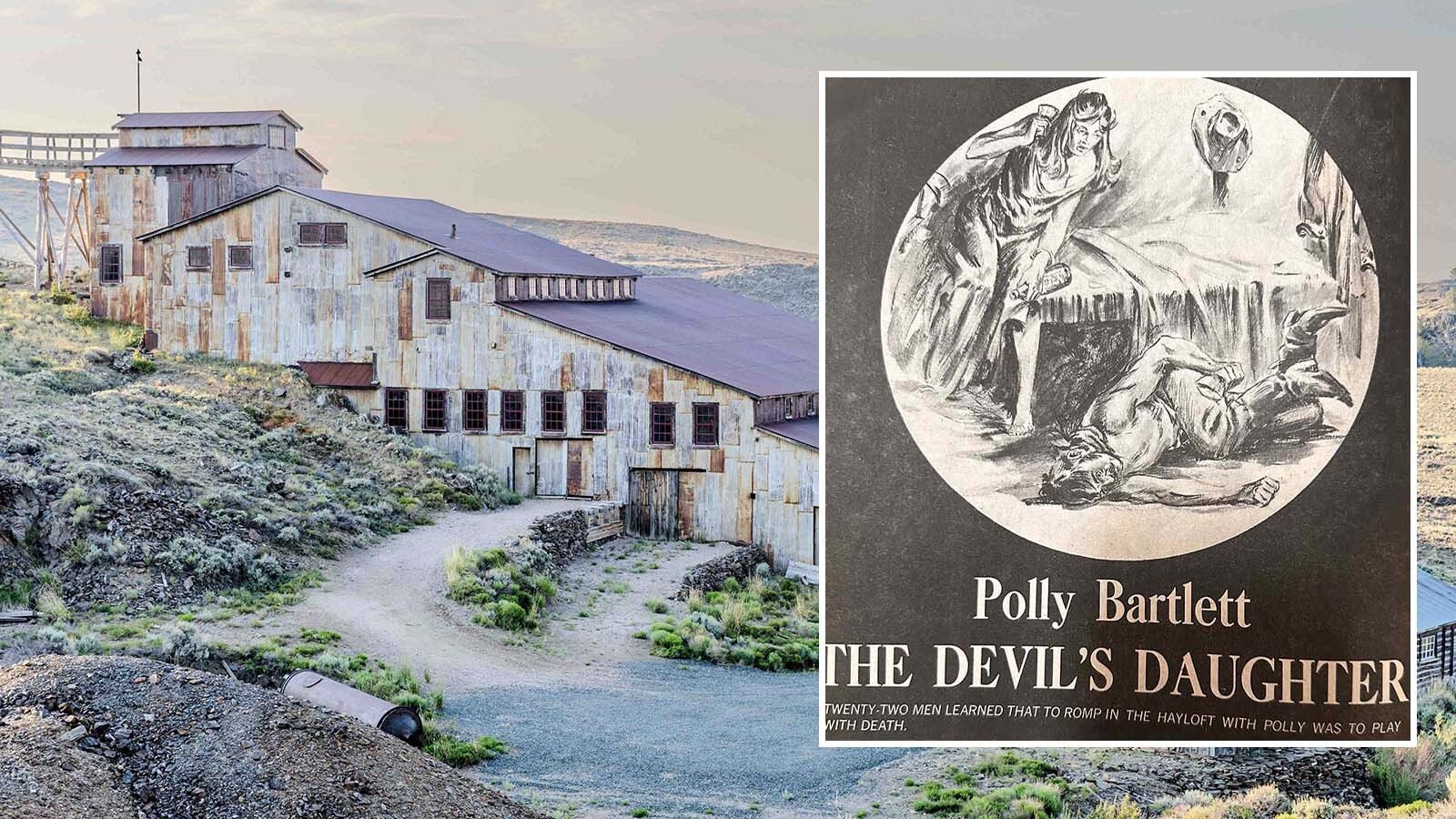
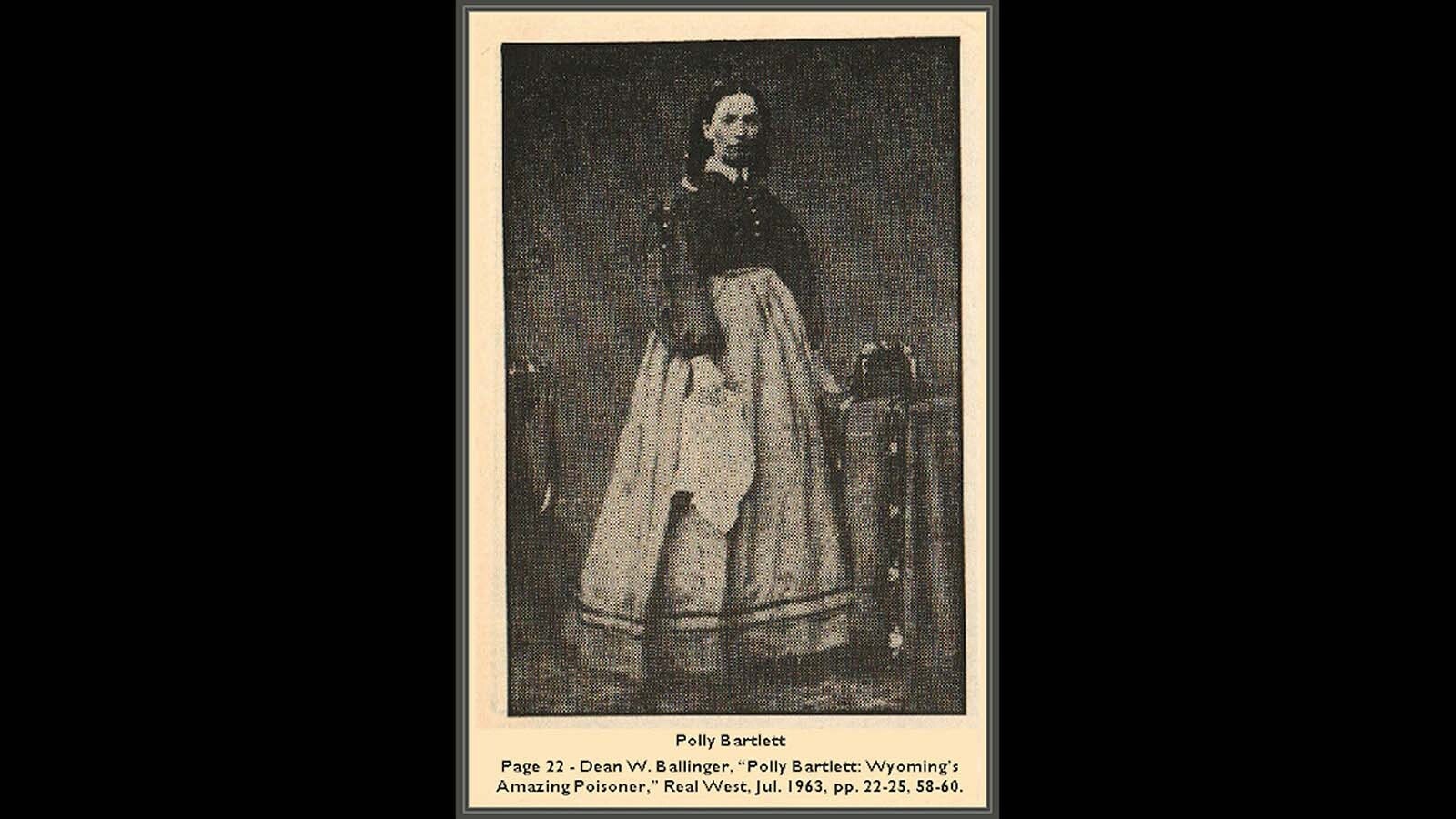
His family met many characters of South Pass, including Old Jim Bartlett, the father of Polly Bartlett, who would later become known as the “Deadly Damsel” and the “Murderess of Slaughterhouse Gulch."
Sherlock shared the story of this young serial killer in his book “South Pass and Its Tales,” and claimed quite adamantly that every word is true.
Knowing the nature of just how wild that town was, the 22 murders could very well have happened just as Sherlock claims.
They also make her the worst serial killer in Wyoming state and territorial history.
The Temptress
In the September 1977, Oldtimers Wild West magazine historian Leone Arlandson said that the murders took place in 1867 through 1868 and the locals never suspected a thing.
“In lethal doses, Polly Bartlett shared her sensuous body and her bottle of arsenic with any wealthy stranger hankering for a woman,” Arlandson wrote. “The townsfolk didn’t know it, of course, but when the Bartletts opened their inn for business, the community was host to Murder, Inc.”
Polly’s father Stephen Bartlett — also called Jim or John, depending on the account — ran a saloon and dance hall in Cincinnati, Ohio.
When he heard of Wyoming’s gold boom, he packed up his family consisting of his teenage son, daughter and a housekeeper and headed west.
In Denver, they bought some arsenic that was used to sprinkle around outside of the tent walls to kill the ants, mice, and rodents.
Unfortunately for the men who would pass through South Pass once the Bartlett’s arrived, Polly soon found another use for this poison.
The First Victim
The murders, according to Sherlock, started with a crime of opportunity when the family was camped at along Willow Creek, about 3 miles from South Pass.
They had pitched a tent and intended to stay only a few days to rest their cattle.
“In those early days of sparse settlement, travelers were sociable and it was common custom to visit without the formalities of acquaintance or introduction,” Sherlock said.
Lewis Nichols had been prospecting and mining gold with some success when he stopped at the camp on his way back east.
When he smelled frying buffalo steak, he said that he would give $10 for such a meal.
“Polly told him that she doubted if he had $10 to pay for a meal,” Sherlock said. “Lewis assured her that he had been fortunate in his mining activities, and produced a roll of greenbacks.”
Later, Polly confessed that the perfect plan flashed through her mind on just how to make the meal more profitable than a mere $10.
The steak she served Nichols was sprinkled well with the powdered arsenic. Before finishing it, Nichols became violently ill and soon died in convulsions.
While Polly counted her loot, her father buried the body in a shallow grave in the stock corral.
The next morning when it was time to break camp, it was said to be Polly who persuaded the family to stay to pursue the easy profit to be had in this remote, lawless place.
Apparently, her father didn’t need much convincing and they claimed their camp as their homestead, soon building a simple building that they dubbed the Bartlett Inn.
Deadly Hosts
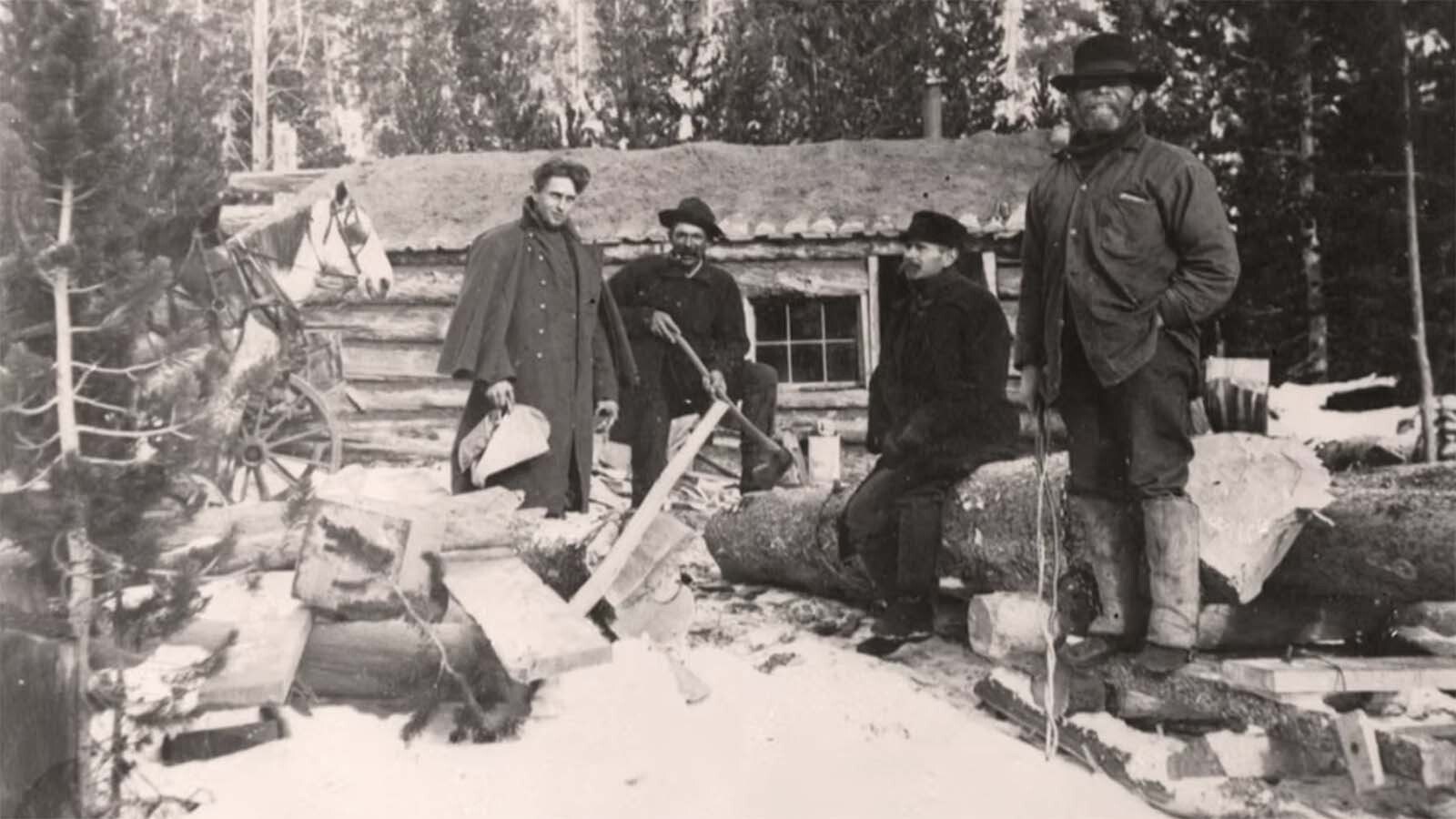
Not all guests at the Bartlett Inn would leave under a sheet.
Polly would first determine if they were worthy guests of their corral by checking to see if they had enough money to make it worth her while.
Sherlock said one such guest was a salesman calling on customers in the region.
When Timothy Flaherty never arrived back home in Omaha, an investigation uncovered no clues into his disappearance.
Sam Ford, a resident of South Pass City, was expecting his brother Edmund and received information that he had arrived at the Bartlett Inn.
According to Sherlock, Ford presumed that his brother had been the victim of Indian savagery or had been ambushed by one of the numerous bands of road agents once he left the safety of the inn.
Theodore Fortune, 23, was on break from college and scheduled to arrive in South Pass City to visit his dad, Barney, about Aug. 14, 1868, before returning to his studies.
“Upon his failure to arrive after some time, and when his departure was confirmed by a letter from Barney’s sister in Bellvue, Nebraska, the Pinkerton Detective Agency was employed to trace Theodore on his journey,” Sherlock said.
The agency reportedly sent three investigators, well trained in the work in this frontier country, and Theodore’s trail was easily followed to the Bartlett Inn, where it disappeared completely.
When Sheriff Lombardi questioned Polly, she dissolved in tears and said that she had warned Theodore about the dangers of night travel, but he had insisted on risking the journey.
Escaped
One intended victim was said to be a 29-year-old cattle buyer who had a brother living in South Pass City.
He would come into the region to buy cattle and often carried considerable sums of money to make his purchases.
Polly had taken him out to see the Bartlett cattle, then invited him to accompany her to the hayloft in the barn to enjoy a good time.
In the loft, he heard someone enter the barn, and soon her father's head appeared through the opening in the floor to the loft.
“Bartlett had climbed the ladder and held a double-bit axe, which he leaned against the wall in the loft,” Sherlock said. “He also had a pint of whiskey, which he placed on the loft floor, telling Polly it was for her use in entertaining her friend.”
Polly urged the cattle buyer to have a drink, but he told her that he was a total abstainer and would not have a drink, in spite of Polly’s taunts and ridicule that she would have nothing to do with Sunday School boys who did not drink or swear.
The cattle buyer left the loft, saddled his horse, and left Polly and the inn behind.
Arriving in South Pass City, he told his brother what had happened at the Bartlett Inn.
Western Justice
Eventually, the Bartletts had decided too many people were suspicious and left the Bartlett Inn in such a hurry that they left behind their cattle.
The next day, Billy Gordon, a trail boss, reported the family's departure, which prompted another search of the house and barn.
“When the searchers were about to give up again, fresh digging was discovered where the cattle had eaten all the hay covering it,” Sherlock said. “Investigation revealed that this was Bartlett’s method of concealing the evidence.”
Stephen Bartlett buried the corpse in a shallow grave in the corral, then covered the graves with hay for his cattle.
Twenty-two bodies were found, and that of Edmond Ford was identified by a Masonic ring with his name etched on it. Fortune’s body was identified by a gold belt buckle that had been presented to him by his father.
Fortune was so grieved over the death of his son, Theodore, that he posted a $10,000 reward for Stephen Bartlett, and the territorial legislature also approved and posted a three-thousand-dollar reward.
Ford located what he believed to be the family's trail, and seven days after their sudden departure from Willow Creek, Ford found the Bartletts in the Hoback River Valley.
That night, Ford crept into their camp and ordered the elder Bartlett to put up his hands. He went for his gun leaning against a nearby tree, but Ford’s shot killed him instantly before he could reach it.
His body was lashed to a saddle and the party proceeded back to South Pass City, where Polly was turned over to Sheriff Lombardi.
The housekeeper and teenage son of Bartlett were released to continue their journey.
Polly was placed in the county jail to await trial, but never made it to court.
Sherlock said that on Oct. 7, 1868, Otto Kalkhorst, a mine boss and foreman employed by Barney Fortune, rode down Smith Street at dusk with a sawed-off 10-gauge, double-barreled shotgun slung by a loop of rope on the saddle horn.
Reaching the jail, he dismounted, entered the front room, and quickly discharged both barrels of the shotgun through the bars in the day room of the jail, striking Polly and killing her.
Western justice had been served.
Not Forgotten To Time
The Bartlett Inn and its gruesome story would have been forgotten except for Sherlock who had the story passed down to him by the old-timers of South Pass and claimed that it was a true story despite modern historians calling it a myth.
Sherlock theorized that the Bartlett’s had been able to operate their inn so successfully because it was a lawless gold mining town. They had also made allies with the Indians who benefitted well from their murderous spree.
“Indian depredations were frequent in the South Pass country, but in its short existence, Bartlett Inn was never raided,” Sherlock wrote.
“It was theorized that this was due to the fact that when a victim fell to the ruthless hands of the proprietor, his horse and personal belongings were given to the Indians, thus gaining their favor and also removing evidence of the deplorable cruelty and ruthlessness of the Bartletts."
The evidence would point to Indians instead of the deadly damsel and her father who once ran the deadliest inn in the Wyoming Territory.
Jackie Dorothy can be reached at jackie@cowboystatedaily.com.


