An unexplained weather event caused Delta Air Lines Flight 191 to crash in 1985, killing 136 people.
The crash about a mile short of the Dallas-Fort Worth International Airport runway eventually prompted significant wind shear safety changes for planes.
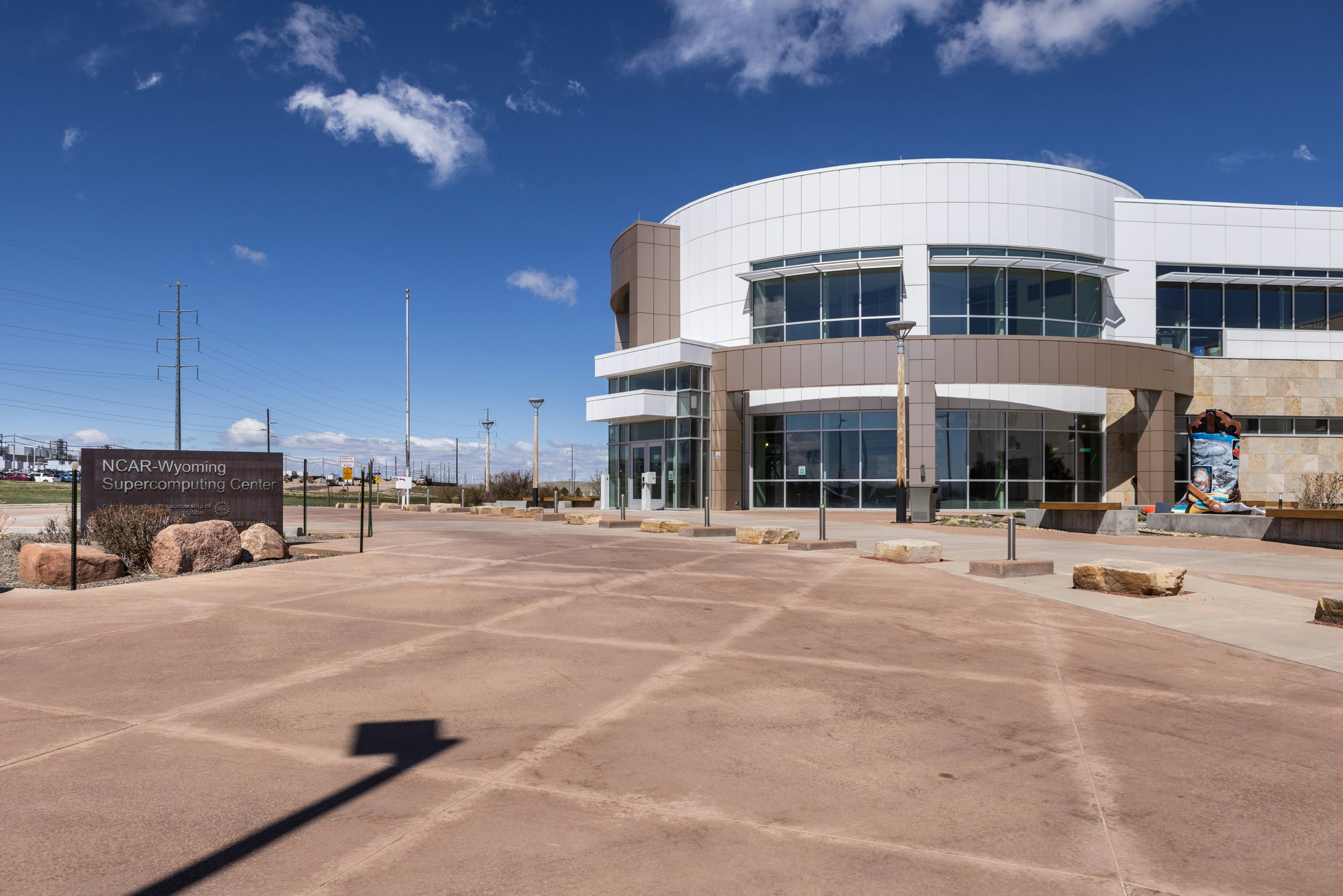
The little-told backstory to those changes tracks to the embattled National Center for Atmospheric Research (NCAR) program that President Donald Trump has threatened to dismantle, which includes facilities in Wyoming and Colorado.
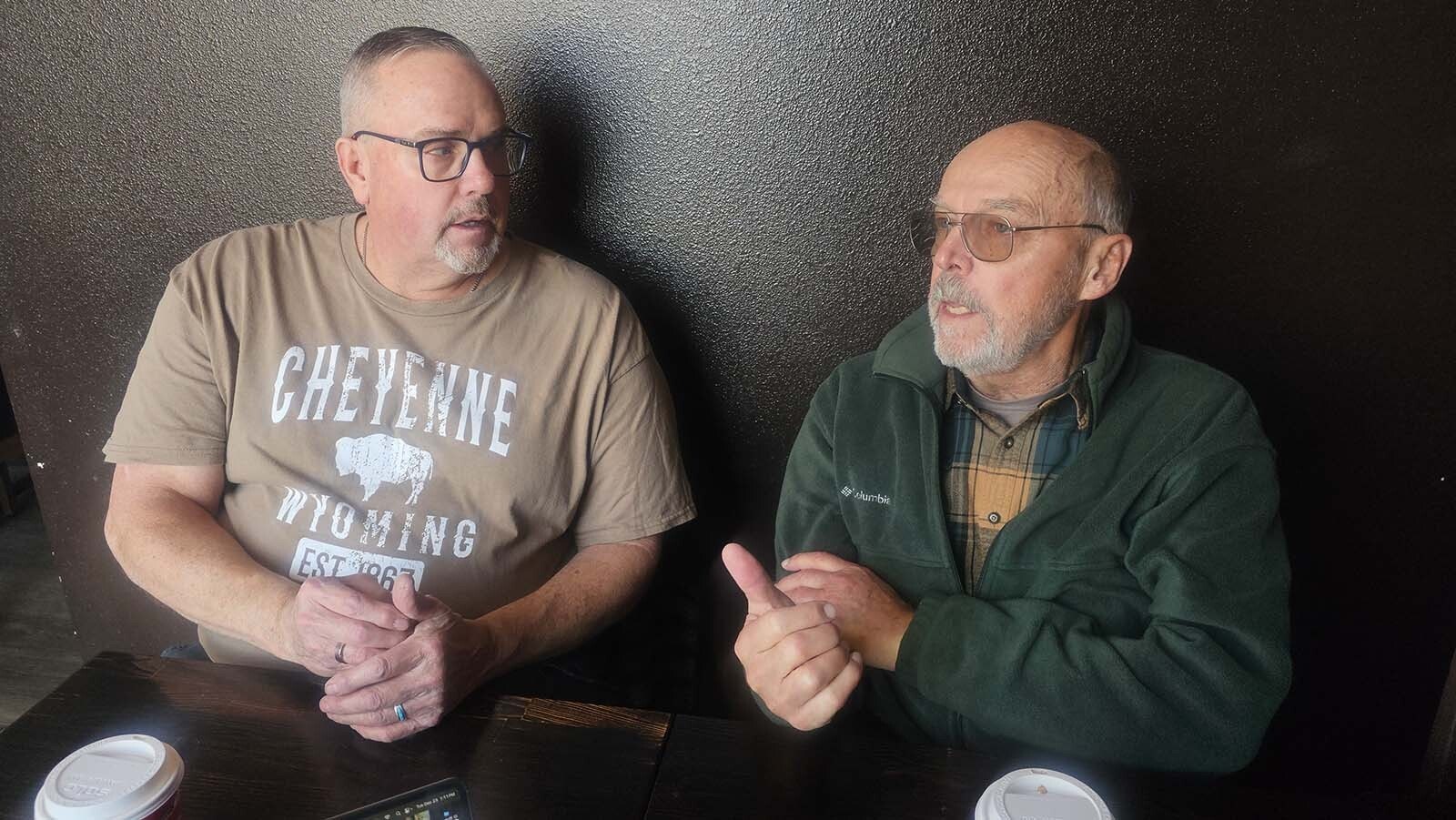
Countless lives were saved thanks to those changes, Cheyenne resident Gary New told Cowboy State Daily.
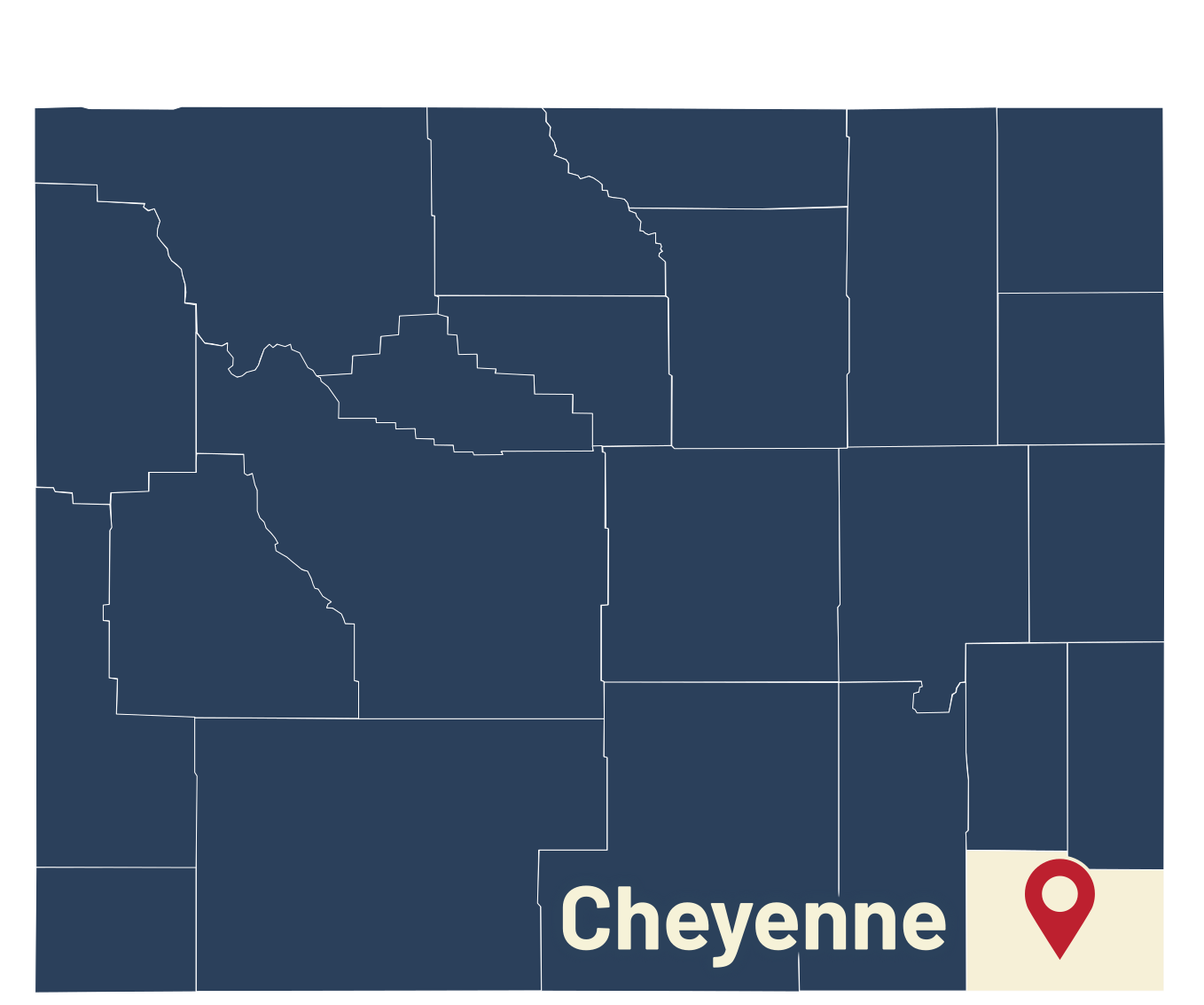
New knows that backstory because he once worked for NCAR in Colorado, and he ultimately became the operating manager for the supercomputing facility NCAR built in Cheyenne.
New said he’s a Trump supporter and agrees with the president on a wide range of things. But on NCAR, he feels the president must be getting some bad advice.
“The science that NCAR does goes way beyond climate change,” New told Cowboy State Daily. “They have done stuff where it would be really hard to quantify just how many lives they’ve saved.”
The research into what was leading to crashes like that of Delta Flight 191 was in that vein.
“There were several airplanes crashing, and it was kind of for unknown reasons,” New said. “It was either on take-off or landing. That was the most dangerous time.”
NCAR helped tease out the conditions that were leading to these mysterious crashes, providing information that could guide better safety rules and ultimately help put a stop to them.
“What was happening was the atmospheric conditions would create what they call a severe downdraft,” New said. “And as the plane was taking off or landing, you would catch it right in one of those downdrafts and just drive it right into the ground.”
More Time To Get Away
The weather condition causing the crashes was too localized to be seen by radar, which made it a complete mystery at the time.
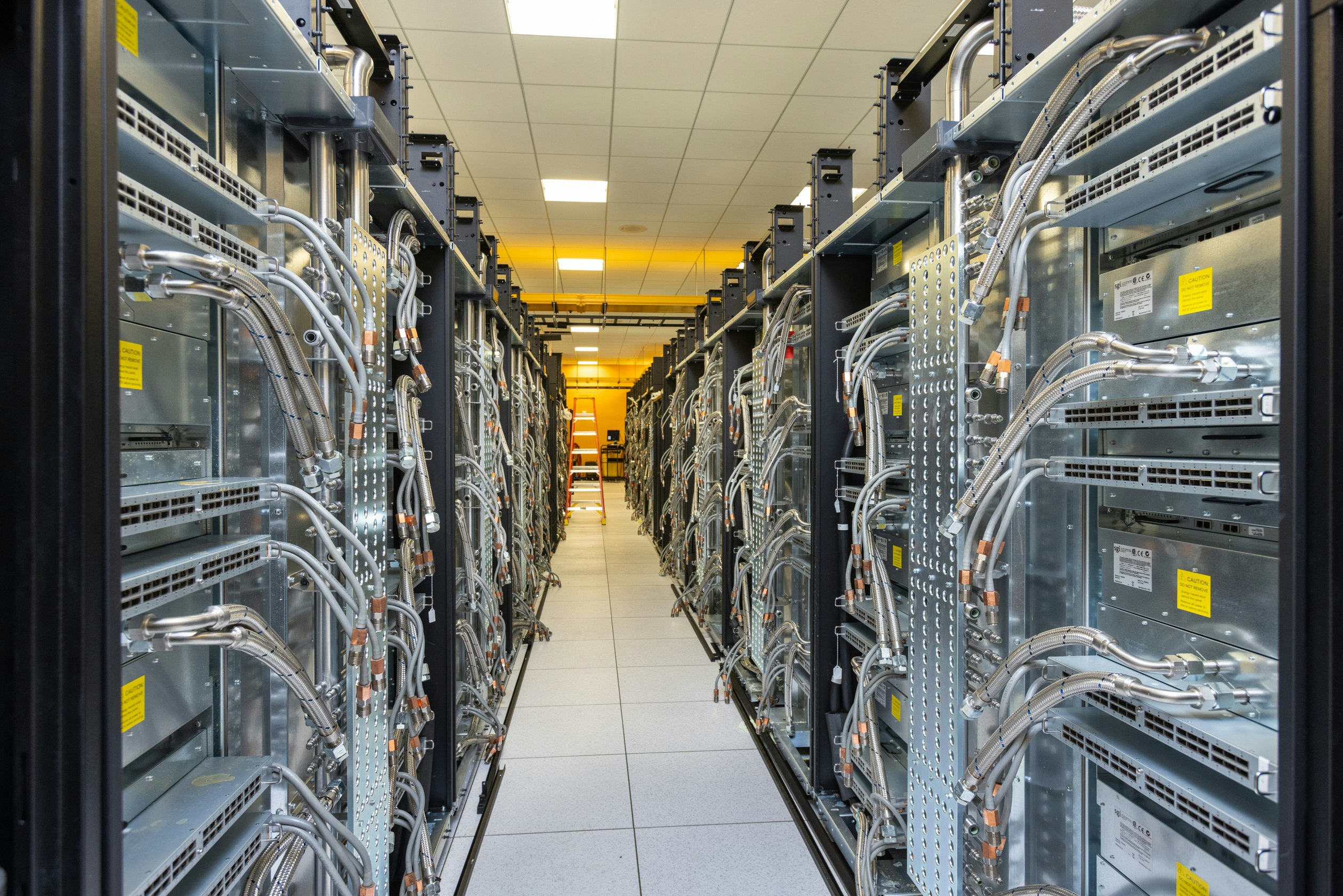
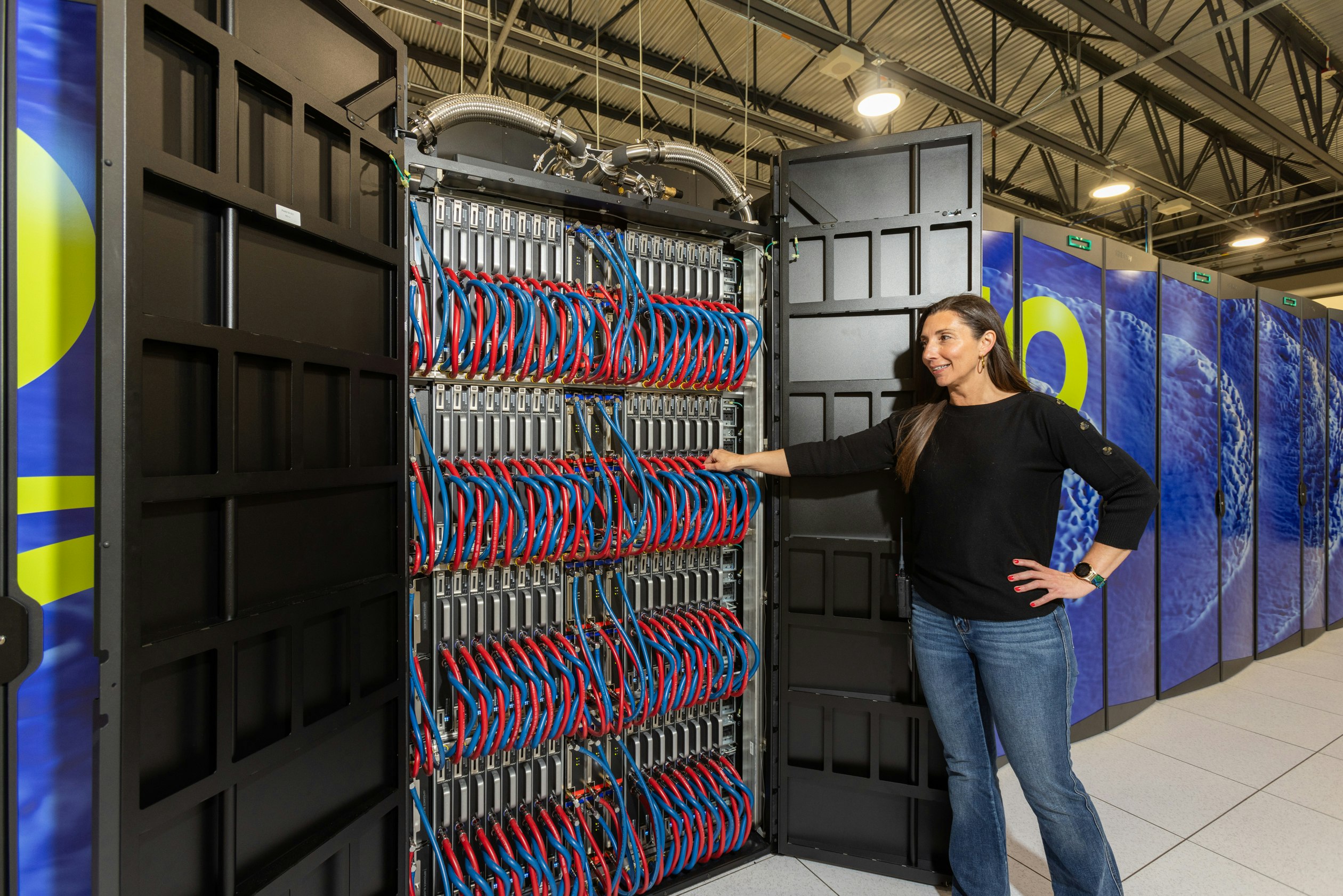
But supercomputers like NCAR’s gave America the capability to figure out what was previously unfathomable.
NCAR was created in the 1960s as a national resource for atmospheric and Earth system research.
Its mission was to provide a supercomputer platform for use by the scientific community and universities so they could figure weather stuff out.
The stuff they unraveled helped inform policies that have made the world a safer place for people like wildland firefighters and airline pilots, as well as people caught in the path of a hurricane.
“By dismantling NCAR, they’re throwing the baby out with the bathwater,” New said. “NCAR is a tool. It’s a capability. It’s a resource that researchers use.”
Losing that tool worries New because he’s seen up close and personal how many lives NCAR’s work has saved.
Ultimately, it was those lives being saved that kept New working for NCAR for 20 years. There was nothing like going to work every day knowing that he was not just making a difference, but making the difference, he said — the difference that saves people’s lives.
“Remember when Katrina hit?” New said, referring to the 2005 hurricane that killed nearly 1,400 people in the U.S. South. “They were working really hard to develop the software and the modeling capability to predict what hurricanes were going to do.
"And you know how much life Katrina cost and property damage and all that kind of stuff.”
The models NCAR developed during that time frame ultimately led to much better predictions of a hurricane’s path.
“I saw the NCAR model of Katrina right alongside the observed data of Katrina, and they were damn near identical,” New said. “And so, what that does is it buys time. It gets us out in front of the damaging force to warn people, to get them out of the way.
"That’s exactly the kind of research that NCAR does.”
When A Plane Needs De-Icing
Cowboy State Daily meteorologist Don Day also has a long history of working with NCAR that goes back to his college days.
He worked on the Winter Icing Storms Project (WISP), which was a research effort between universities in the Rocky Mountain region that aimed to predict winter storms better, as well as the icing of aircraft wings.
“Obviously, understanding how ice forms on wings and the weather environments, that takes understanding those winter environments that cause icing on wings and aircraft,” he said. “I think people would appreciate the fact that any time you get on an airplane and they’re de-icing it, there’s good science behind understanding the science and physics of icing on wings.”
When Day was involved in the early 1980s and 1990s, the capabilities of supercomputers were just beginning to ramp up.
“We were still putting data on stone tablets,” he joked. “No, it wasn’t that bad, but we were using computer printouts — just regular paper printouts — and data tapes and that type of thing.”
The capabilities of today’s supercomputers have made figuring out problems like the icing of wings faster and easier to model and understand.
“NCAR has been mischaracterized by some as a climate research outfit,” Day said. “While that’s certainly part of it, NCAR has been around for a long time, before a lot of this, how do I say it in a gentle way, before climate had become such a big political hot button.
"It has a long history of being on the cutting edge of some of the best research when it comes to everything from winter storms to severe weather forecasting for tornadoes.”
Politics A Poison Pill For Science
The politicization of climate science and research is something that’s taken Day by surprise over the years.
“I never thought at all when I got into meteorology that it would be so political,” he said. “I mean, I thought it was one of those professions where you’re not in the social sciences, you’re not in economics, you’re not into things like that. How could the weather get so political?”
Day feels the problem is scientists have allowed themselves to become too involved in politics.
There’s also a trend where companies or other private interests commission cherry-picked studies that are intended to reach a preconceived conclusion. That’s the antithesis of what science is supposed to be, he said.
In true science, there’s a question worthy of research, with a hypothesis about the answer. And then there’s an honest study that collects all of the relevant data to determine if the hypothesis was true or false, rather than a predestined outcome.
“When government funds science, it’s going to get political,” Day said. “And I’ll be the first to tell you, science has gotten to the point where you have a lot of scientists with strong political ideologies, and how do you fix that?”
It’s a difficult challenge, but shutting everything down is not the answer, Day said.
“We have tremendous challenges trying to figure out a lot of things with day-to-day weather,” Day said. “So, to me, shutting down NCAR and possibly shutting down these supercomputers, to me, just completely doesn’t make sense. I'm a little baffled.”
Improvements, audits, a realignment of priorities make more sense, Day said.
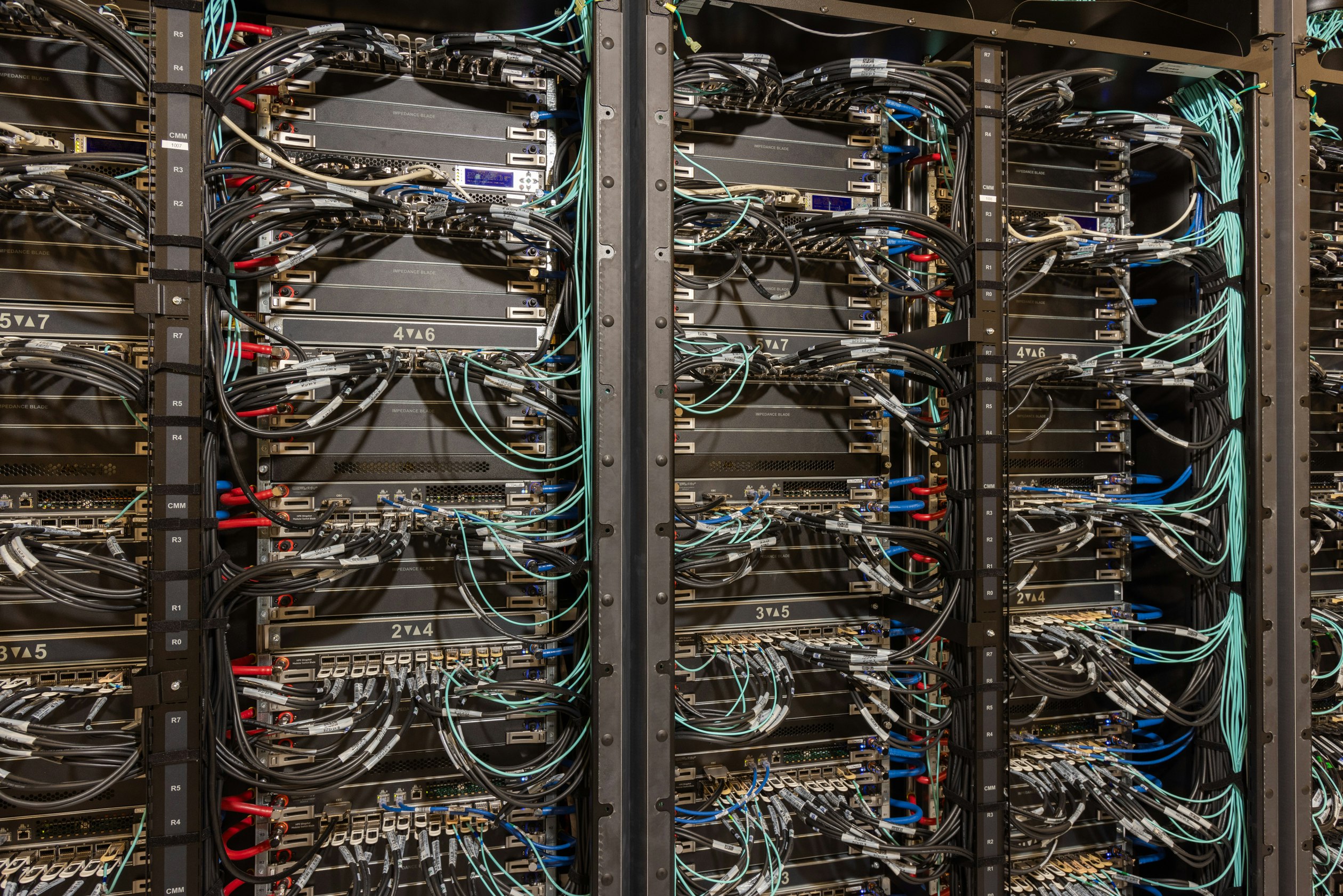
NCAR is a multimillion-dollar investment in America’s supercomputing power that is already in place, and that has already proven itself by helping develop many cutting-edge capabilities.
“Too many things have been accomplished by NCAR in its history to just say on a whim it should be shut down,” Day said. “And coming from the private weather forecasting side of things, the United States and its weather modeling capabilities are falling behind.
"There are other groups, entities — especially over in Europe — that are producing better weather forecasting products than we are.”
Cutting NCAR’s research threatens to put America even further behind, Day said.
“We’re having a hard time staffing our weather service forecast offices,” Day said. “We’re not launching the number of weather balloons we used to. And now you’re going to shut down our super computing capabilities and research, when we’re already falling behind?
"I mean, I would say, what’s the plan? If you’re going to do this, what’s the plan? To me, this is just bordering on ridiculous.”
Wildfires Can Make Their Own Weather
Wildfires are another area where NCAR has made great strides in life-saving data, New said.
“I was a firefighter, and we all know about loss of life when they’re fighting these fires,” New said. “And what we’ve learned about wildfires is, especially major conflagrations, they actually generate their own weather, because they’re creating so much heat and there’s so much oxygen being consumed.”
NCAR developed weather models for wildfires to help fire chiefs on the ground figure out where best to place their crews from both a firefighting and a safety standpoint.
“If you’re caught on a hillside somewhere like they were in Glenwood Springs, it’s over before (you know it),” New said.
He was referencing the 1994 Storm King Mountain fire in western Colorado where 14 firefighters were killed by an unpredictable and fast-moving wildfire.
“NCAR has developed a lot of the modeling capability to give fire ground commanders a lot more intelligent intel so they can make better decisions on where to place their crews,” he said.
Bipartisan Effort Brought NCAR Super Computer To Wyoming
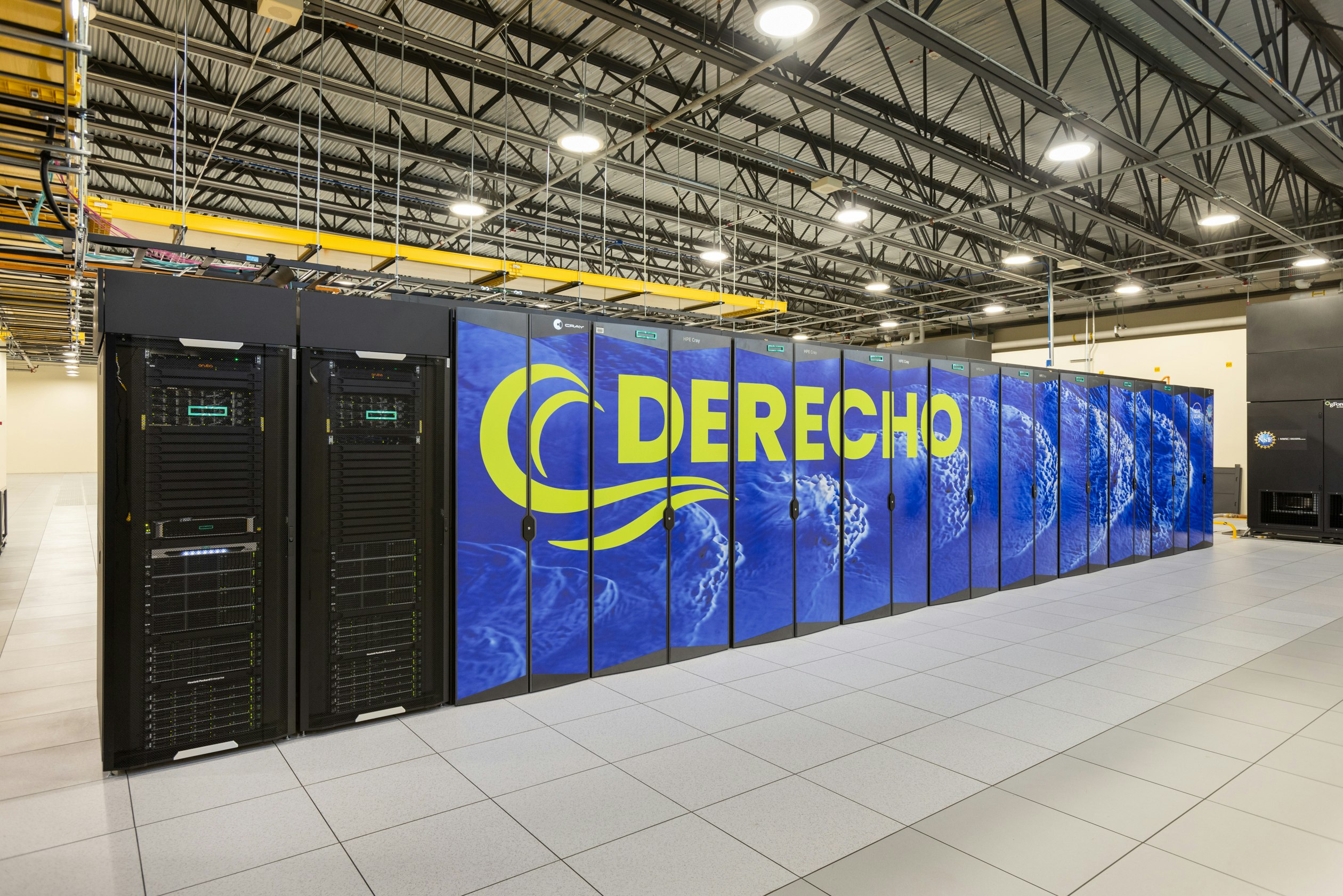
Randy Bruns, Cheyenne’s economic developer, was instrumental in bringing one of NCAR’s supercomputers to Cheyenne.
He also told Cowboy State Daily he has been surprised by how partisan everything is becoming. That was not the environment that brought NCAR to Wyoming, a feat that Bruns was told at the time was a "mission impossible."
Wyoming couldn’t compete on that stage, he was told by one expert after another.
“But not only could we do it, we could do it well enough that it was an agnostic decision,” he said. “It was based on capability. And it really put a marker down. It set the stage for us, a seal of approval if you will, for a certification of the capability of Wyoming locations for technology.”
Pulling that feat off in a time when Wyoming wasn’t known for its technological prowess took a bipartisan effort, Bruns said, and is something he’s proud of.
“People of opposite political persuasions, on two different sides, were all in the same room working toward a common goal to get that center here, and to put together the best package possible,” he said. “It was amazing. We were competing with other sites to get that facility here, and it wasn’t who was right or wrong. It was who could put together an arrangement that best met the specific needs.”
That was a time when Wyoming really shone and showed a lot of people what the Cowboy State was made of, New added.
“It’s what really gave us an advantage,” he said. “And that’s shown itself with Microsoft and Meta and all the other (data centers) coming here.”
Throughout the discussions, Bruns said there was constant discussion of future proofing for the NCAR facility, to ensure that some natural disaster wouldn’t threaten this costly, advanced resource that was being built.
The idea that the facility might need future-proofing from politics wasn't something anyone at the time considered.
“This is really a landmark achievement for Wyoming, and I’d hate to see it go away,” Bruns said.
“I hate to even see it besmirched,” New added. “Because it’s so much more than it’s being made out to be.”
Renée Jean can be reached at renee@cowboystatedaily.com.