When BP announced that it had hired Meg O'Neill to become its next chief executive, it marked a couple of firsts for the 116-year-old industry leader.
O’Neill is the company’s first woman CEO and first outsider to come in from another company to take over the top spot.
The selection announced last week capped a year that reshaped the global oil and gas industry. In 2025, the sector operated like a call-and-response. President Donald Trump issued executive orders and policy directives and the industry answered.
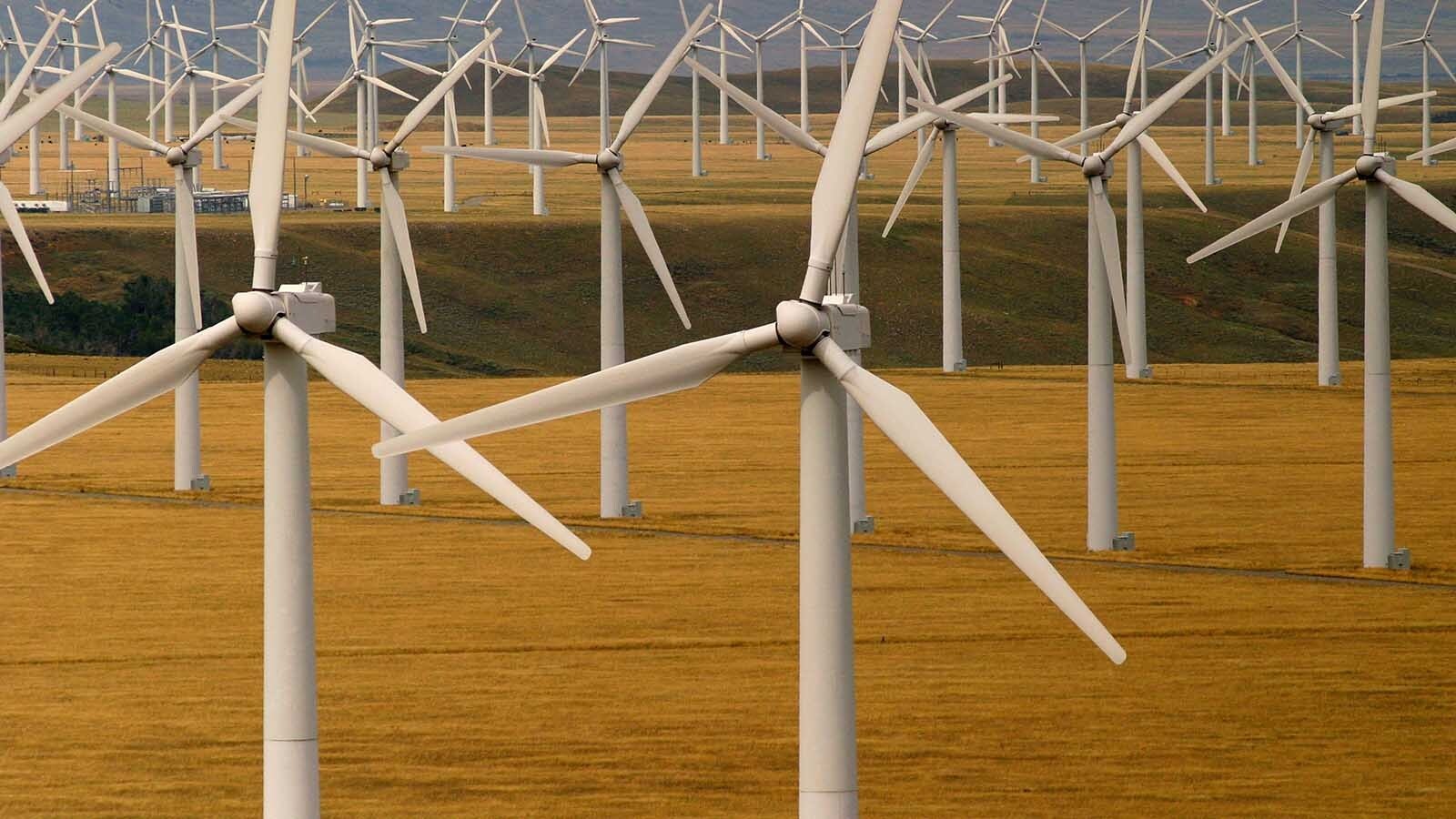
Along the way, major producers steered away from renewable energy investments. The renewable industry didn't disappear — it kept growing globally — but in Wyoming, oil and gas now commands the political stage.
O'Neill spent 23 years at ExxonMobil before becoming CEO of Australia's Woodside Energy, where she doubled production. Her selection signaled BP's retreat from the ambitious climate targets that had defined the company under former CEO Bernard Looney.
BP's strategy announcement in February 2025 in anticipation of a shift under Trump had already made that clear — the company slashed renewable energy investments by more than $5 billion and boosted oil and gas spending to $10 billion annually.
That’s a 20% increase, according to CNN, Reuters and other outlets covering the investor day presentation.
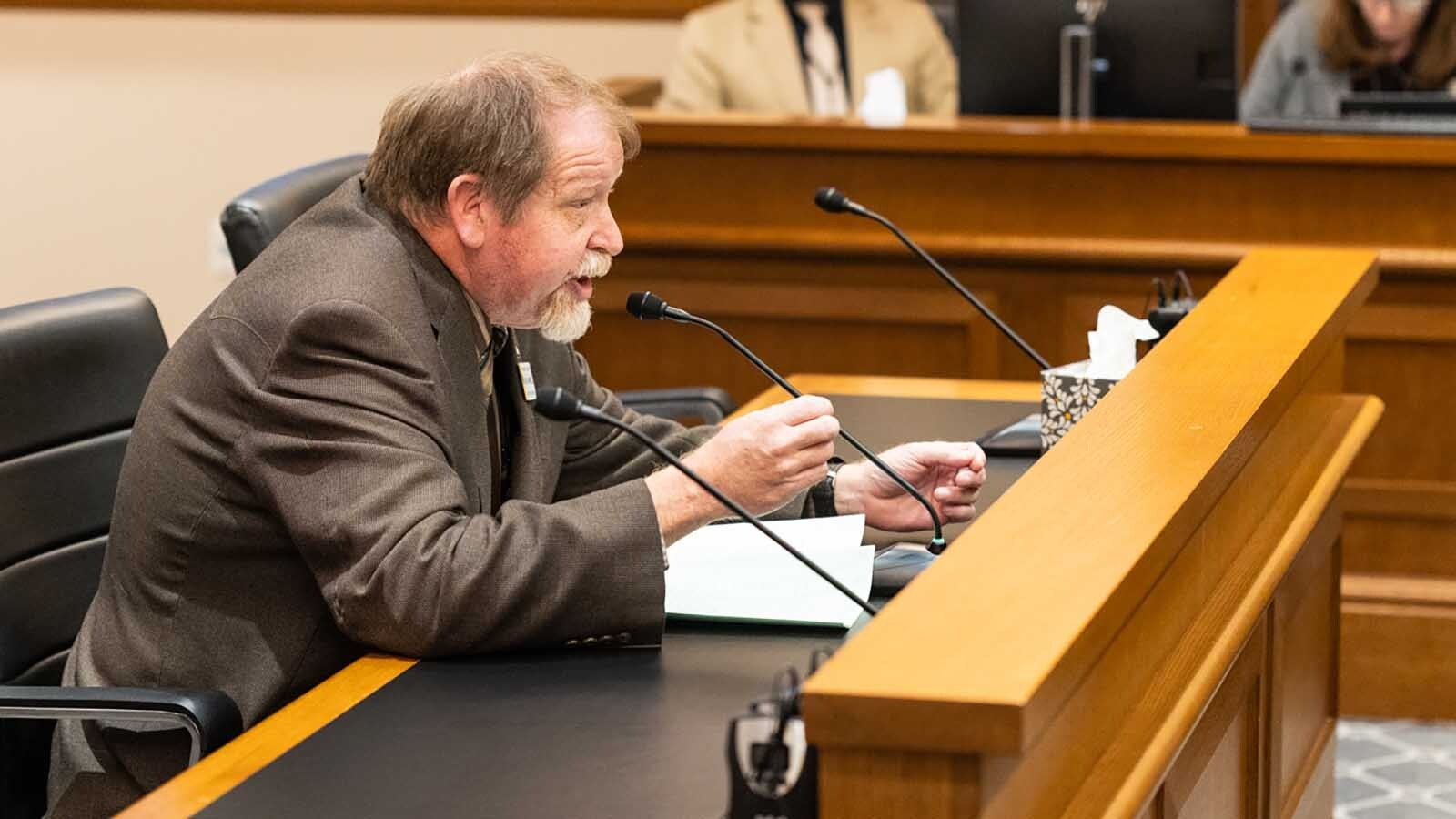
Steve Degenfelder, a landman with Kirkwood Oil and Gas in Casper, isn't surprised at BP’s shift.
"They are one of the last companies to decide to pivot," Degenfelder told Cowboy State Daily.
Degenfelder owns stock in BP and said the company “watched their stock price languish where most other companies that quickly pivoted have appreciated quite a bit more.”
BP hasn't operated in Wyoming for years, said Ryan McConnaughey, vice president of the Petroleum Association of Wyoming. But the company's strategic shift reflects a broader industry realignment.
“Every energy company makes its own strategic decisions and investments — some play out and others do not — that is the nature of business,” McConnaughey told Cowboy State Daily. “At PAW, we have long known, even in the height of energy ‘transition’ fever, that oil and natural gas will be the primary sources of global energy for decades.”
Shell had already cut its low-carbon workforce by 15% in late 2023 and relaxed its 2030 carbon reduction targets in 2024.
This year, Norway's Equinor halved its planned renewable investments from $10 billion to $5 billion.
Wind and solar power didn't vanish. Electricity from renewables in Wyoming increased more than 13% year-over-year as of August 2025, according to the University of Wyoming's Consolidated Review of Energy in Wyoming reports.
But the political conversation, the corporate investment signals, and the headlines were elsewhere.
Opening The Door
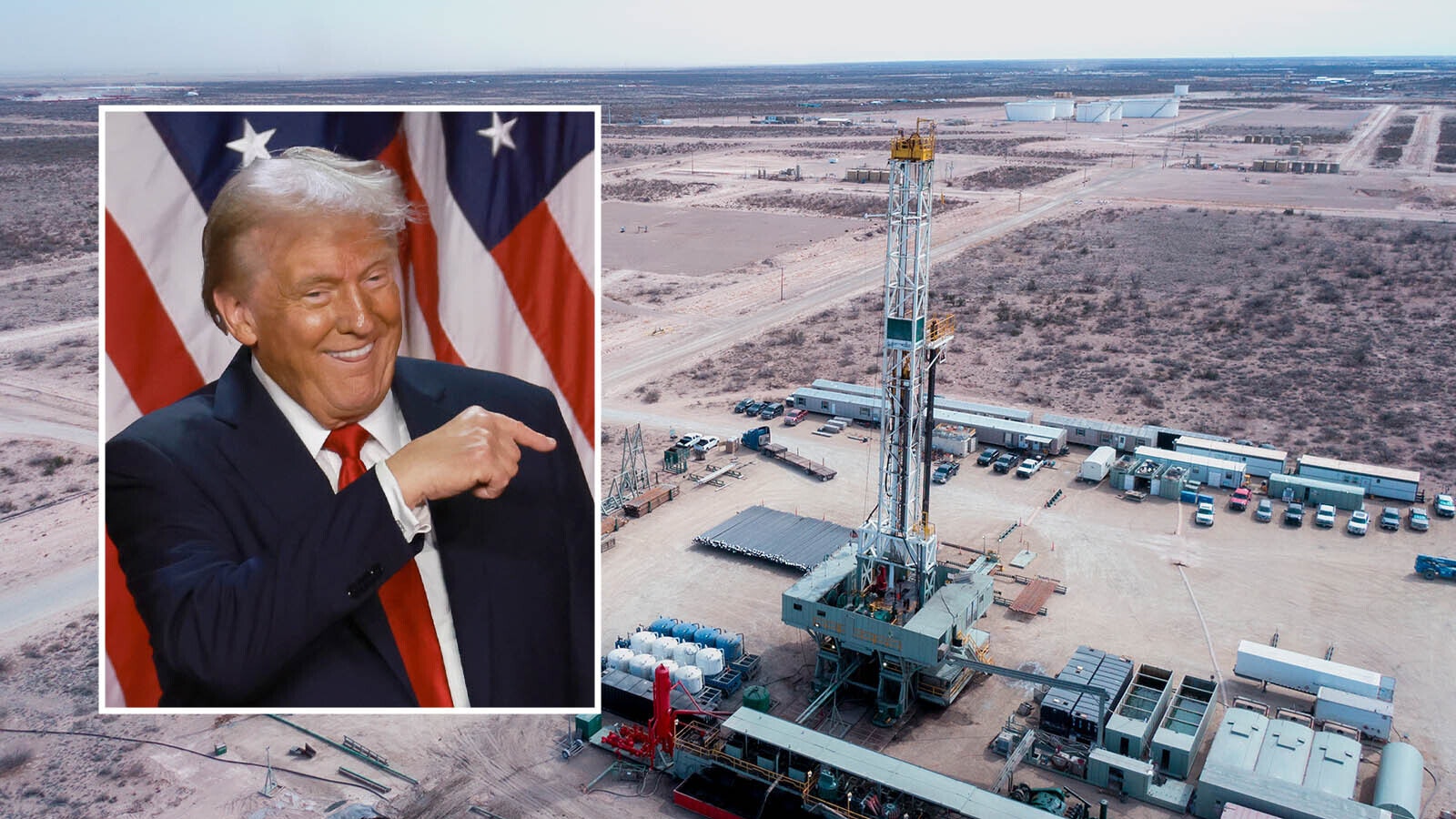
The policy shift that emboldened these decisions began Jan. 20, 2025, when President Trump signed Executive Order 14154, "Unleashing American Energy," declaring a national energy emergency and directing federal agencies to expedite permitting.
"Americans sent a clear message at the ballot box, and President Trump is answering the call on Day One," said Mike Sommers, president of the American Petroleum Institute, in a statement.
Two weeks later, Interior Secretary Doug Burgum signed six Secretary's Orders that began dismantling Biden-era conservation measures. For Wyoming, where the BLM manages millions of acres of mineral estate, the shift was immediately tangible.
The state hosted a steady drumbeat of lease sales throughout 2025.
In June, the BLM offered 29 parcels covering nearly 23,000 acres, according to agency announcements. September brought 37 parcels totaling more than 45,000 acres. The December sale was the largest: 86 parcels spanning nearly 80,000 acres, generating $17.5 million in revenue.
The One Big Beautiful Bill Act, signed into law July 4, codified many of these changes.
It restored the 12.5% royalty rate for federal onshore leases — reversing the Inflation Reduction Act's 16.67% minimum — and mandated quarterly lease sales in Wyoming and eight other producing states.
One of the political figures directing industry away from renewables was Energy Secretary Chris Wright.
This month during a visit to the Idaho National Lab, the former fracking executive told a group of reporters that with the One Big Beautiful Bill Act, “or Working Families Tax Act. We cleaned out a ton of subsidies, over a half a trillion dollars of energy subsidies, the wind and solar, for example, 33 years running that seems like enough.”
Positioned For Growth?
The major oil and gas operators in Wyoming moved to capitalize on the new political environment.
Crude oil production in the Powder River Basin rose nearly 5% year-over-year as of August 2025, according to UW's CREW reports. The state was on pace to produce 106 million barrels for the year.
EOG Resources, one of the largest producers in the Powder River Basin, reported strong second-quarter 2025 results, generating $973 million in free cash flow and returning $1.1 billion to shareholders, according to company statements.
The company also expanded internationally with concessions in Abu Dhabi and Bahrain.
Devon Energy, which operates in the Powder River Basin alongside positions in the Delaware Basin and Eagle Ford, unveiled a business optimization plan in April 2025 targeting $1 billion in annual improvements.
Continental Resources, Harold Hamm's privately held company, continued describing Wyoming as potentially "its next Williston Basin,” referencing the North Dakota formation that made Continental a household name.
ExxonMobil announced this month a corporate plan projecting $25 billion in earnings growth through 2030.
"Today, our transformation is driving industry-leading results," said CEO Darren Woods in a company announcement.
Not All Rosy
Yet for all the policy tailwinds, the market told a multi-dimensional story.
By December, oil prices had retreated to around $55 per barrel — down roughly 25% for the year and the lowest in nearly five years.
According to a December survey by the Dallas Federal Reserve, most U.S. oil companies struggle to profitably drill new wells when crude falls below $61 per barrel.
"Market conditions are the prime drivers of U.S. energy investment — not moves by politicians seeking to seem supportive of the industry," wrote Skip York, a fellow at Rice University's Baker Institute for Public Policy.
Trump's "drill, baby, drill" agenda — combined with OPEC+ production increases and softening global demand — created conditions that pressured the very companies the policies aimed to help.
Degenfelder, the Casper landman, pointed to a more fundamental challenge.
"The one thing businesses need is a predictable operating environment," he said. "And we have not had that for more than four years at a time, and then it switches drastically."
The complicated story of 2025 was not about the death of the energy transition.
Renewable installations kept growing globally. Green energy investment outpaced fossil fuels by a ratio of 2-to-1 in 2025, according to the International Energy Agency's World Energy Investment report — $2.2 trillion versus $1.1 trillion.
It was about who would lead that transition, and from what position.
Big Oil, emboldened by a sympathetic administration and skeptical shareholders, chose to consolidate its core business rather than transform it.
The industry publication Energy Intelligence described it as a year that "cemented the majors' pivot back to hydrocarbons."
Near-term shareholder demands for maximum returns, the publication noted, had "won out over long-arc concerns about strategic viability."
For Wyoming, which has weathered boom and bust cycles for more than a century, the 2025 policy environment offered familiar terrain.
Oil and gas producers invested in the Powder River Basin acknowledge that market forces — not executive orders — ultimately determine where their capital goes.
BP's December leadership announcement bookended a year of transformation.
In her prepared statement, Meg O'Neill mentioned "sustainability" but not "renewables." The words that appeared most often in the announcement was "shareholder value."
David Madison can be reached at david@cowboystatedaily.com.