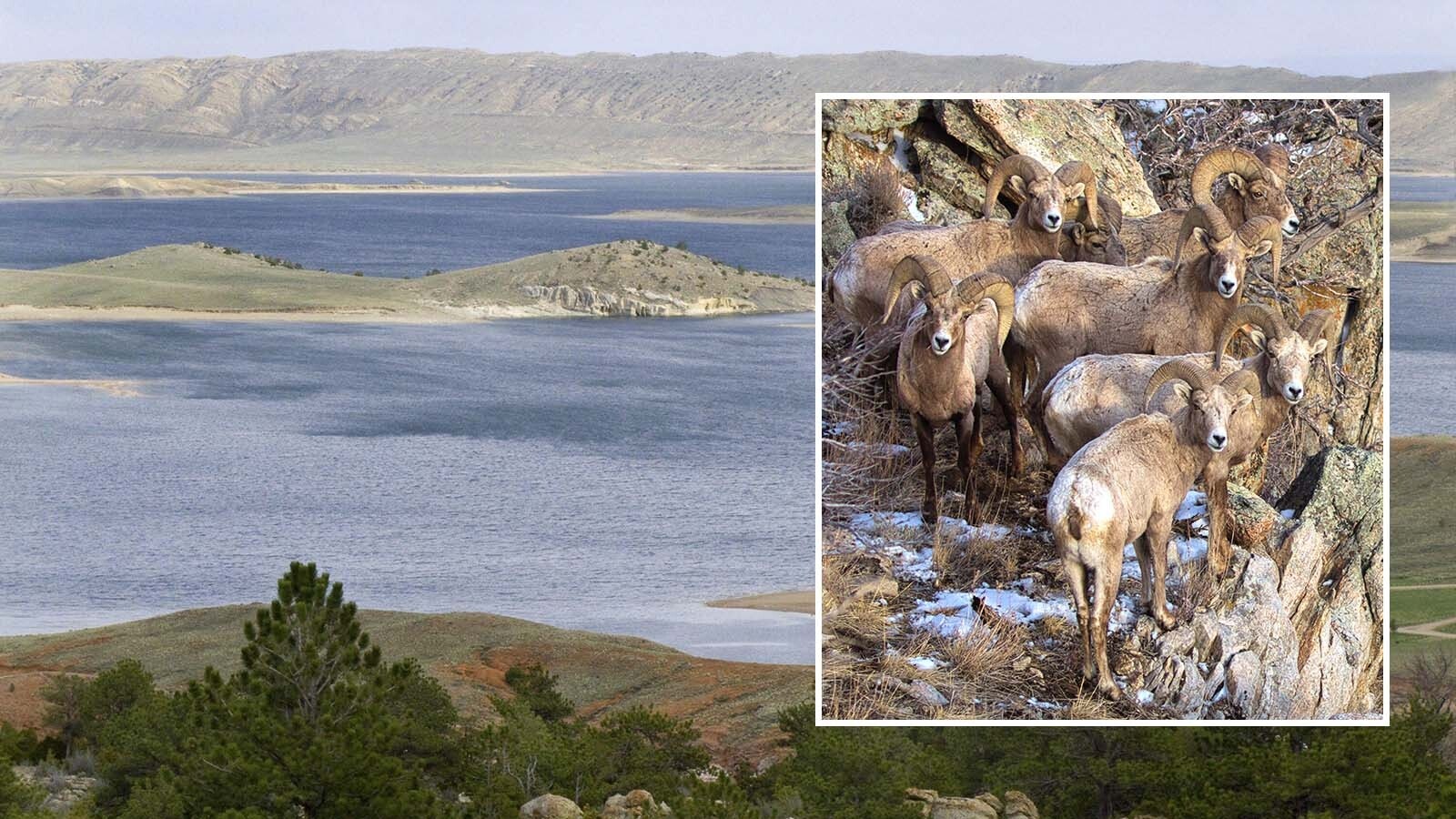
If a proposed 900-megawatt power generation project at Seminoe Reservoir adheres to restrictions protecting a prized bighorn sheep herd there, its cost will soar high enough to render it “infeasible,” according to the company behind the plan.
Prohibiting construction during “vulnerable periods” for the bighorn sheep could drive the project’s price tag up by $1.62 billion, possibly making it no longer worth doing, according to documents filed with the Federal Energy Regulatory Commission (FERC).
The documents were filed by Black Canyon Hydro/rPlus Hydro as part of FERC’s public comment process. Jan. 2 is the deadline to file comments on the Seminoe Pumped Storage Project.
The Salt Lake City-based power company has touted the project as a huge economic boon for the area.
But wildlife advocates, county commissioners and the Wyoming Game and Fish Department are worried about the potential impacts on Wyoming’s premier bighorn sheep herd.
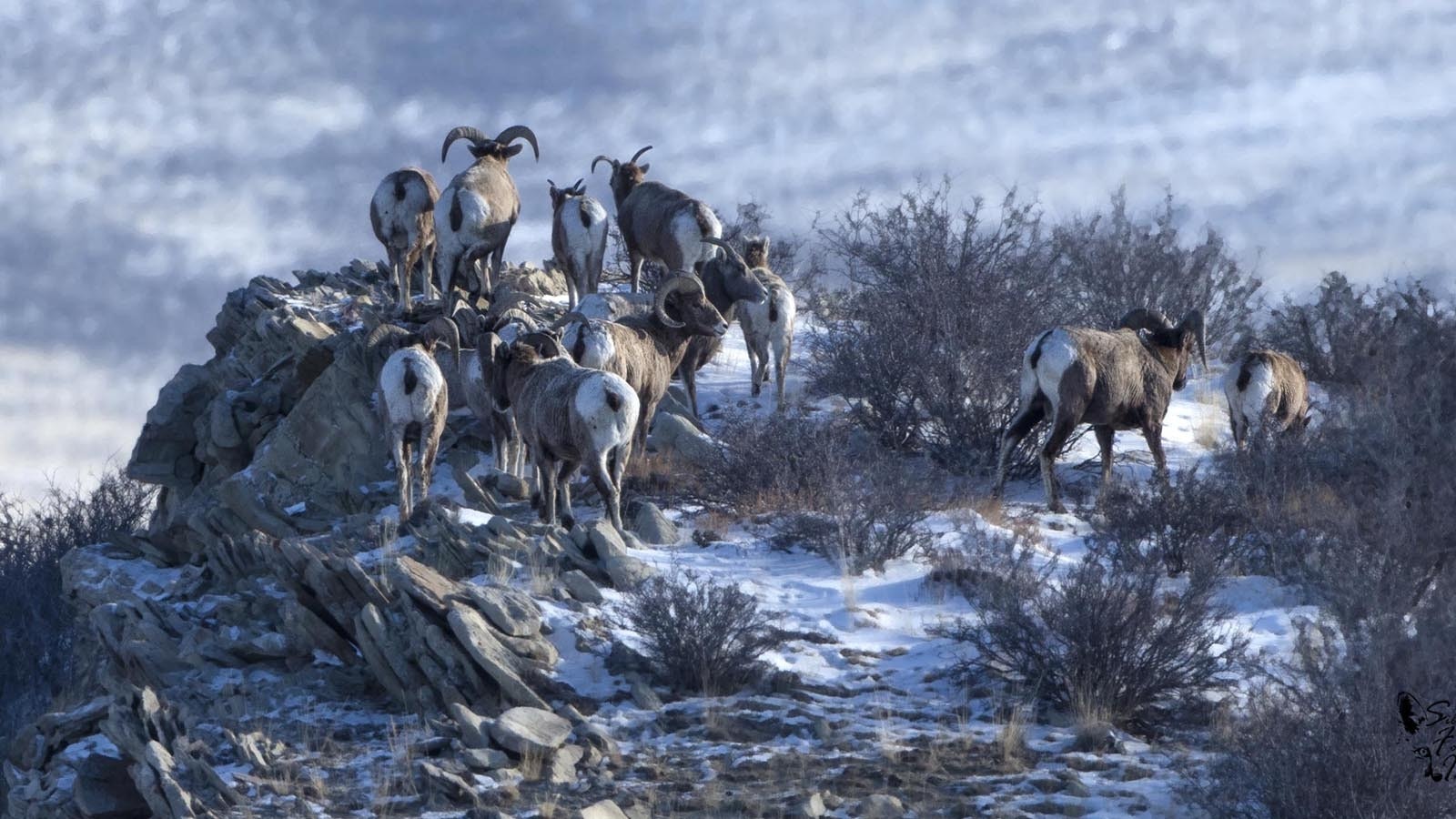
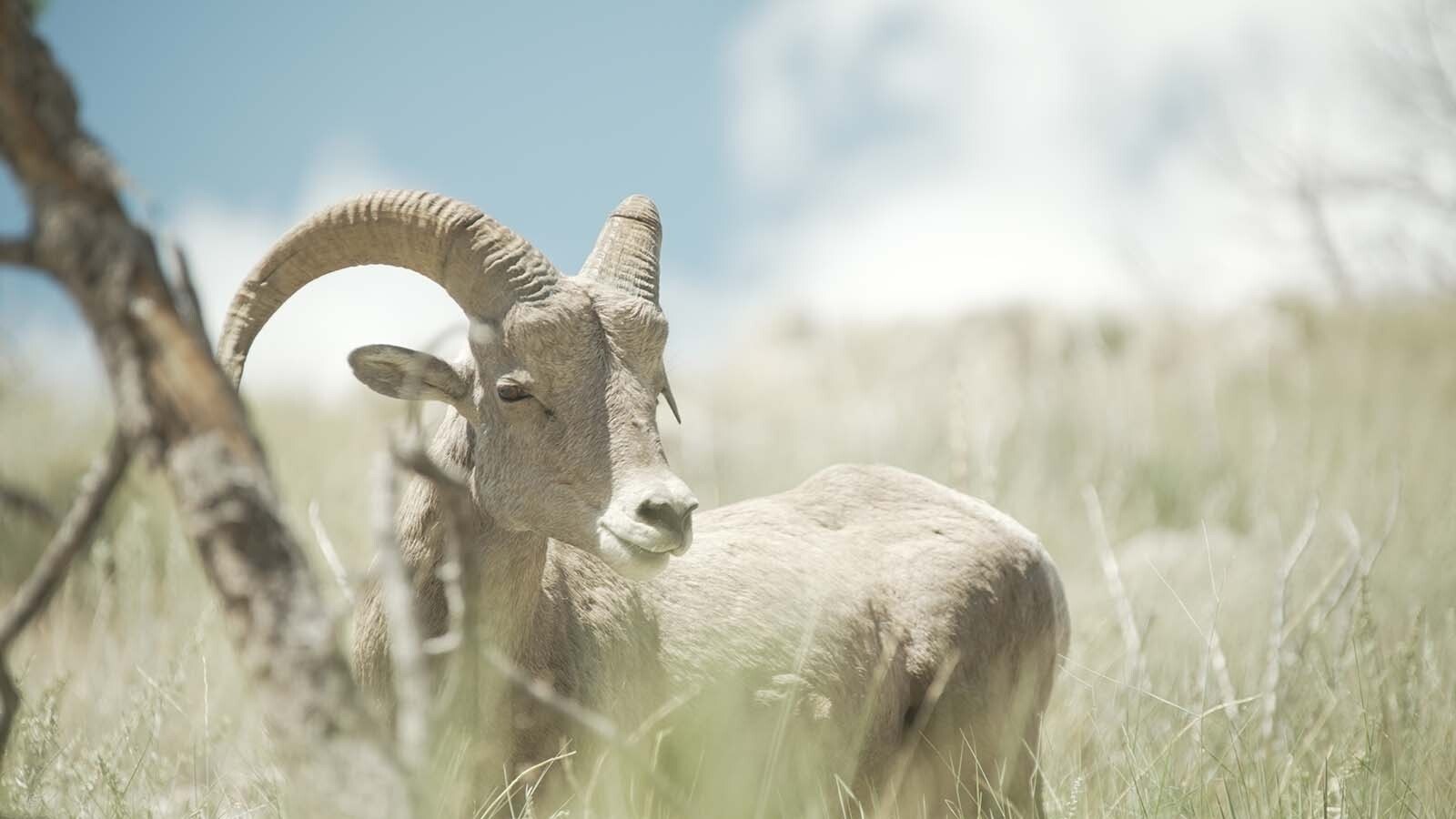
The Ferris-Seminoe herd was brought back from the brink — with fewer than 15 bighorn sheep left in 2003 — to its current strength of 300-350 animals that, so far, have remained free of deadly bacterial pneumonia infections, according to the Wyoming Game and Fish Department.
In addition to worries about the bighorn sheep, there is also concern over how the project could affect the blue-ribbon trout fishing along the famed Miracle Mile stretch of the North Platte River.
Skyrocketing Costs
The company plans a five-year construction period, year-round, starting in 2027.
However, restrictions recommended by Game and Fish to protect the bighorn sheep and other wildlife could whittle that construction window to roughly two months a year, according to the documents filed by Black Canyon Hydro/rPlus Hydro.
Game and Fish has called for construction to halt during the bighorn sheep wintering season, Nov. 15 to April 30; big game hunting seasons, Aug. 15 to Oct. 31; and the lambing season, May 1 to June 30.
Moreover, “other sensitive seasonal windows (e.g., raptor protections, greater sage-grouse requirements, etc.) would reduce available construction time to approximately two months per year,” according to the company’s comments.
The resulting price increases would be too much to bear, so the company is requesting relief from the seasonal restrictions.
“BCH estimates that such restrictions would likely double the overall construction duration and add approximately $1.62 billion in cost — raising the initial estimate from about $3.35 billion to approximately $4.97 billion, an increase of roughly 48%,” the company says.
"Extending the construction schedule would also prolong and amplify recreational and other environmental impacts associated with the Project,” according to the documents filed with FERC. “BCH has indicated that these limitations would render the Project infeasible."
A Proposed Alternative
The company is proposing a way to continue construction year-round, without threatening the bighorn herd, rPlus Hydro CEO Matthew Shapiro argues in a written statement sent to Cowboy State Daily.
Not only could the restrictions drive the project’s costs too high, they could “end up creating more disturbance, which is what rPlus Hydro and stakeholders are working to minimize,” Shapiro stated.
“This is the schedule conflict that would exist if rPlus Hydro does not receive a temporary waiver for seasonal activity during the construction period,” he added.
The effect on the bighorn sheep could be minimized by moving the “rock spoils area,” thus cutting the heavy truck traffic distance by 60% to roughly 1.6 miles, he stated.
And the disturbance to the bighorns during winter should be minimal, Shapiro added.
“It should also be noted that the upper reservoir construction site, where the main activity involves laying concrete for the reservoir, winter temperatures will create a natural slowdown of activity there that overlaps well with the winter seasonal restriction,” he wrote.
“These factors, combined with stringent traffic controls and other mitigation measures which rPlus Hydro is proposing and exploring, are expected to meaningfully reduce potential short-term effects while supporting the continued health and stability of the bighorn sheep herd over the long term,” Shapiro added.
‘Data-Driven Guidance’
Game and Fish bases its recommendations for major projects on the best available science, agency spokeswoman Amanda Fry wrote in a statement to Cowboy State Daily.
"Wyoming Game and Fish conducts wildlife environmental reviews by providing recommendations through rigorous scientific assessments,” Fry stated. "These recommendations are designed to avoid, minimize and mitigate impacts on critical wildlife habitat.
“Our focus remains on providing data-driven guidance that can be taken into consideration by the regulatory agencies involved in the project permit process. We have no further comment at this time.”
The Wrong Site?
The Wyoming Wild Sheep Foundation has come out in opposition to the project.
Protections for the Ferris-Seminoe bighorn sheep herd and other wildlife in the region have long been in place, from the Bureau of Land Management and Game and Fish, the group’s Executive Director Katie Cheesbrough told Cowboy State Daily.
So, the company should have known that going in, she said.
“It seems like they didn’t do their due diligence before siting the project,” she said. “The rules are there for the protection of wildlife. And when you’re choosing that site, you know those exist."
From the Wild Sheep Foundation’s perspective, it seems “backward” for the company to select a site known to have wildlife protections in place, and then ask for relief from those restrictions.
If exceptions are made for the Seminoe pumped storage project, it could set a bad precedent for other projects, undermining wildlife protections across Wyoming, Cheesbrough said.
“I think it really erodes what has been established by the public, by the people of Wyoming,” she said.
Mark Heinz can be reached at mark@cowboystatedaily.com.