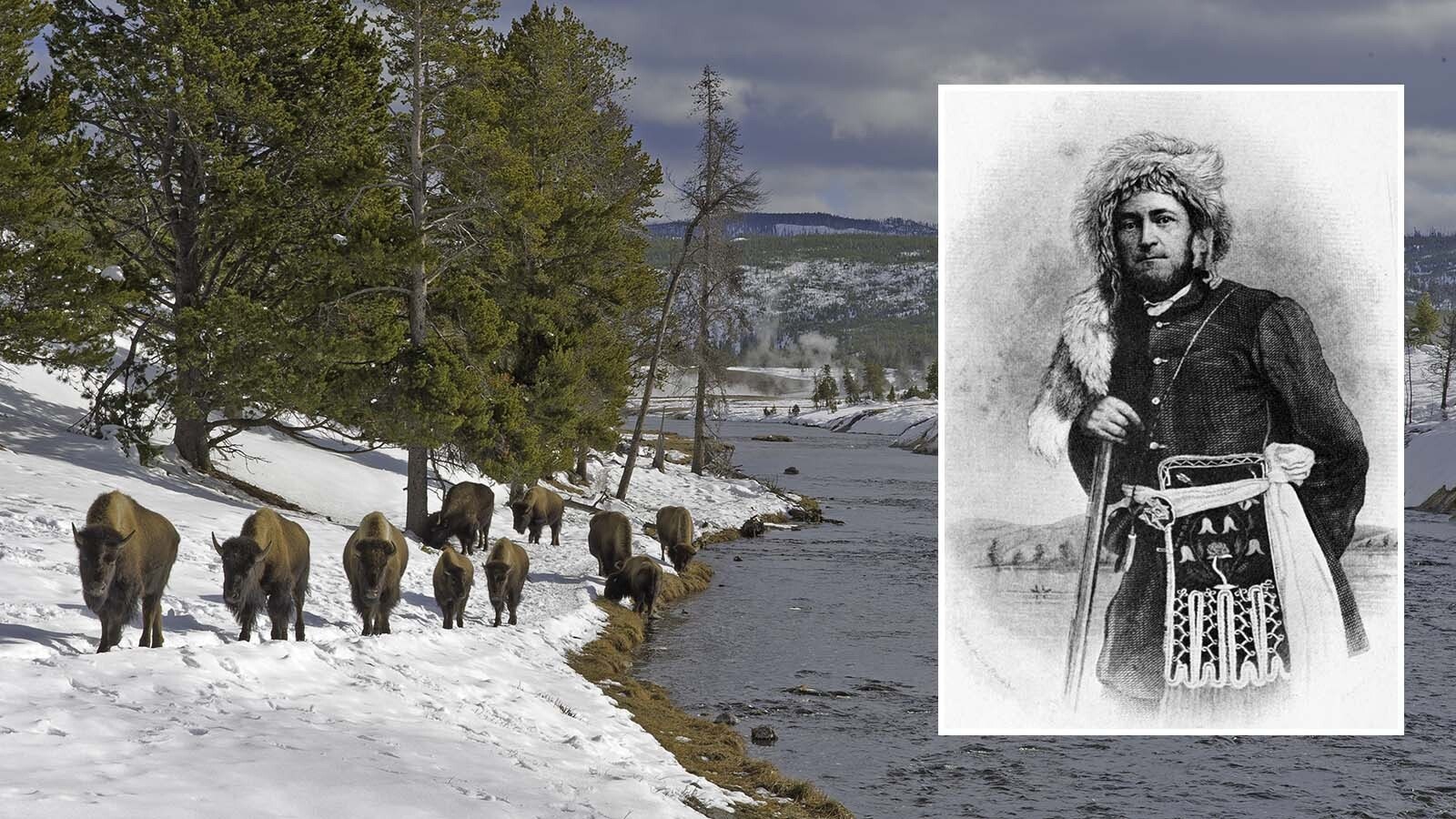
Joe Meek was a teenage runaway who had joined Capt. William Sublette’s Rocky Mountain Fur Co. as a hired hunter and trapper in the spring of 1829.
As the Christmas season came upon them, the tall Virginian had already been attacked by Indians, became lost in the wilderness, and had come close to starvation.
Years later, Meek shared his story with Frances Victor, author of his biography “The River of the West.” about how as a greenhorn he had been lost along the Yellowstone River in the middle of winter.
It had happened when Blackfeet Indians attacked the camp while Meeks was out hunting.
The 19-year-old had returned just in time to see Sublette and his men fleeing from the attack.
It was bitter cold and Meek was suddenly alone with only his mule for company.
“The ground was covered with snow, blotting out the trails,” author Stanley Vestal said in his book “The Merry Mountain Man.”
“Joe didn’t know straight up about that tangled country,” he wrote.
The teenager had no food with him and had not seen any sign of game all morning.
Even if he had seen anything, after witnessing the number of enemy Blackfeet about, Meek would have been too afraid to fire his gun.
“Keep your nose open, old gal,” Vestal recounted about what Meek told his mule. “Thar’s red skin hyar abouts.”
When Meek had surveyed his surroundings and realized his predicament, he broke down in tears. He then gathered himself together and knew that bawling would not save him.
Too afraid to light a fire and knowing he would freeze to death if he tried to sleep in the snow, Meek said that he instead spent the night stumbling through the unknown countryside tied to his mule so that the two stayed together.
By morning, he had covered 30 miles and he saw neither his friends nor any game.
“The bears were already slept snug in their winter hideouts; elk and deer and sheep had left the high ground for better grazing below,” Vestal wrote. “The cold kept small game snuggled in their holes and forms, and nary a bird flew over big enough to eat.”
By the end of the first day, Meek shot an old ewe and risked a fire, figuring he would rather be scalped than starve to death.
By the fourth day, Meek made it to the hot springs at Yellowstone and was warming himself in the boiling water of Colter’s Hell when a war whoop startled him.
Fortunately for the teenager, it was two fellow trappers who were delighted to see him.
By surviving the winter wonderland on his own, some of the green had rubbed off the teenage greenhorn. He was treated as an equal by the men and had earned the title “Old Joe."
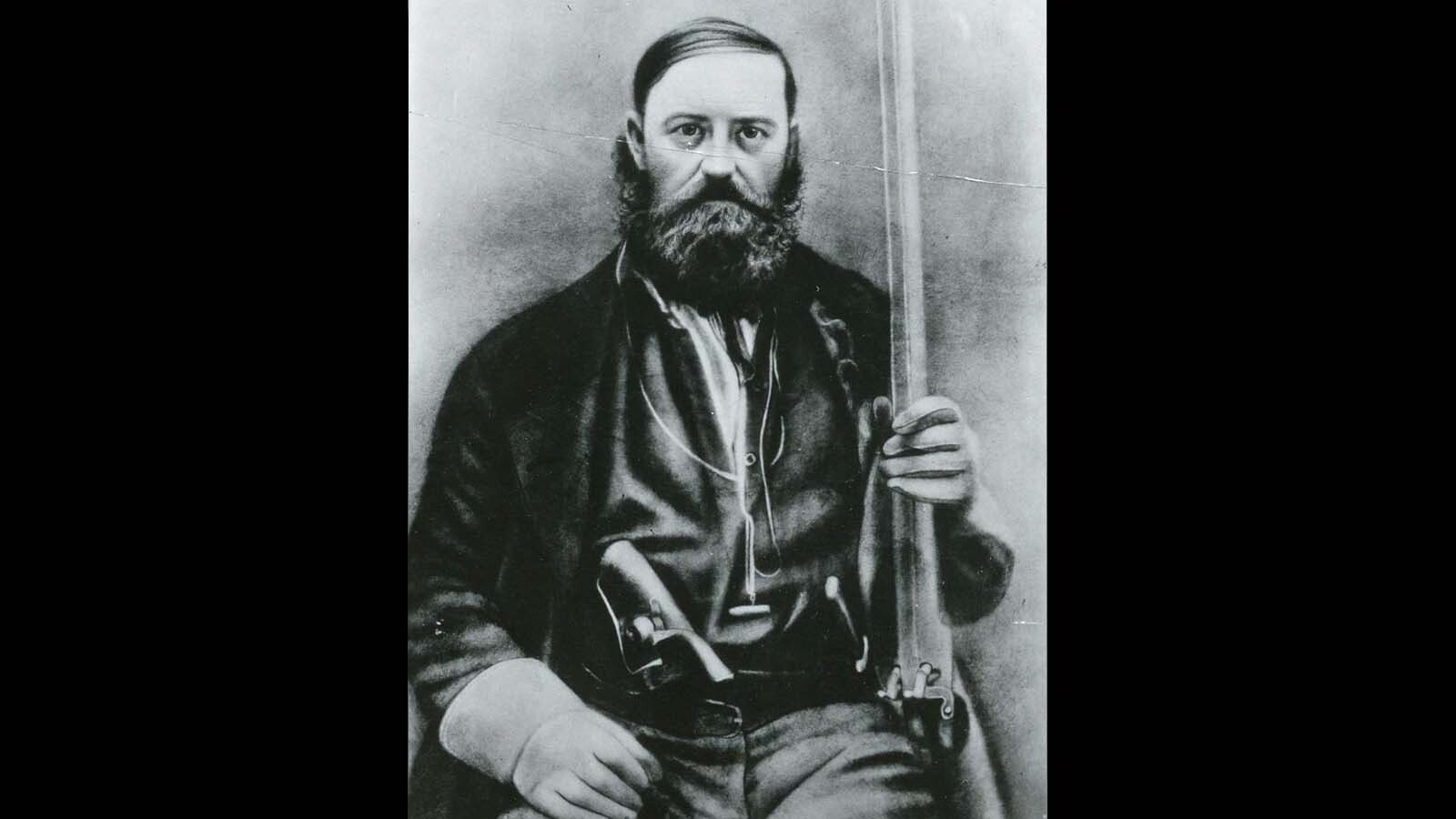
Joe Meek had run away from his Virginian home to seek his fortune. By the time he was 19 years old, the teenager was a greenhorn trapping beaver for the Rocky Mountain Fur Company. 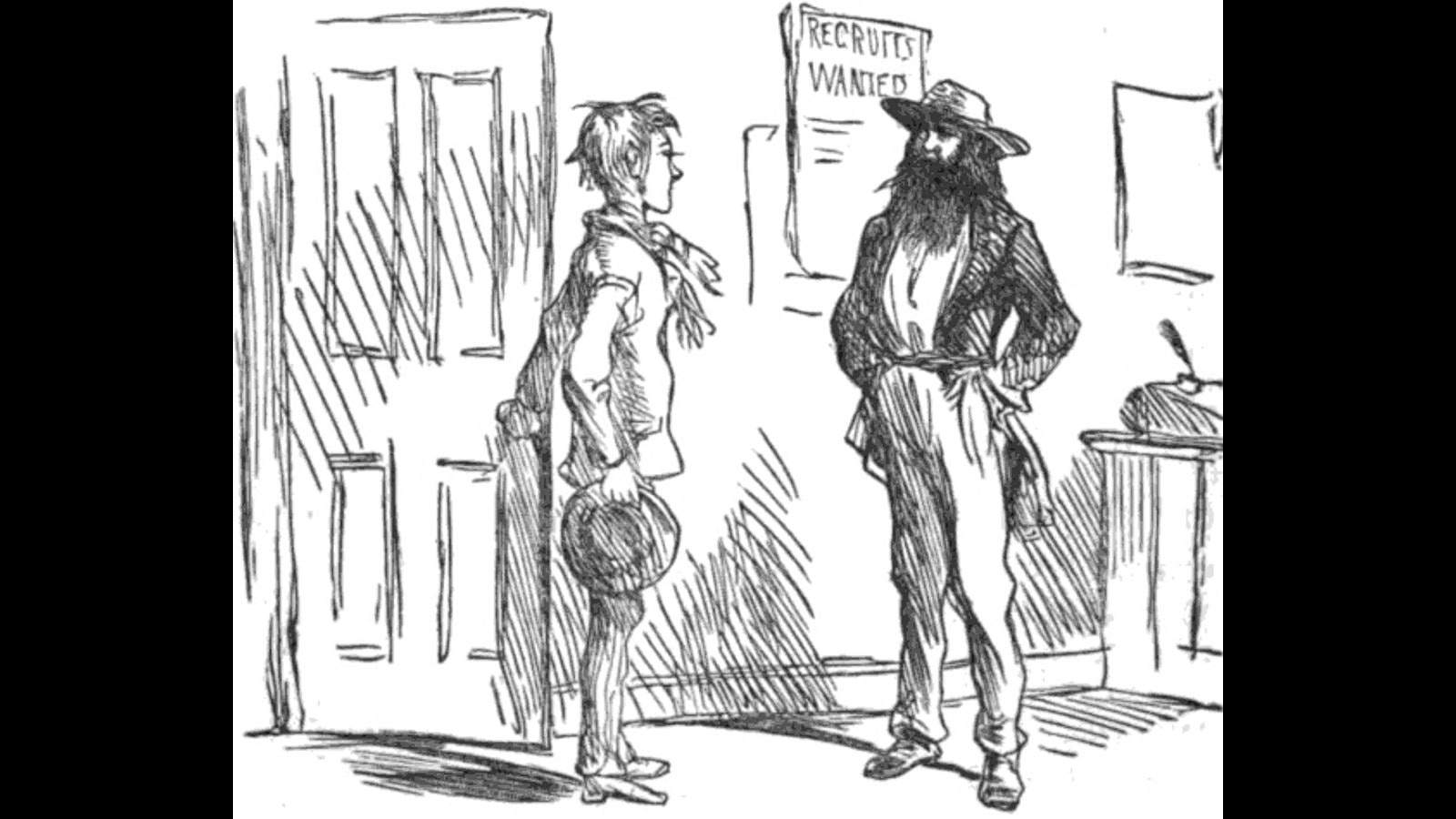
Joe Meek was still a teenager when he approached Captain William Sublette of the Rocky Mountain Fur Company for a job as a trapper. After some persuasion, Sublette agreed to hire the greenhorn and took him into the wild country that would one day be Wyoming in 1829. 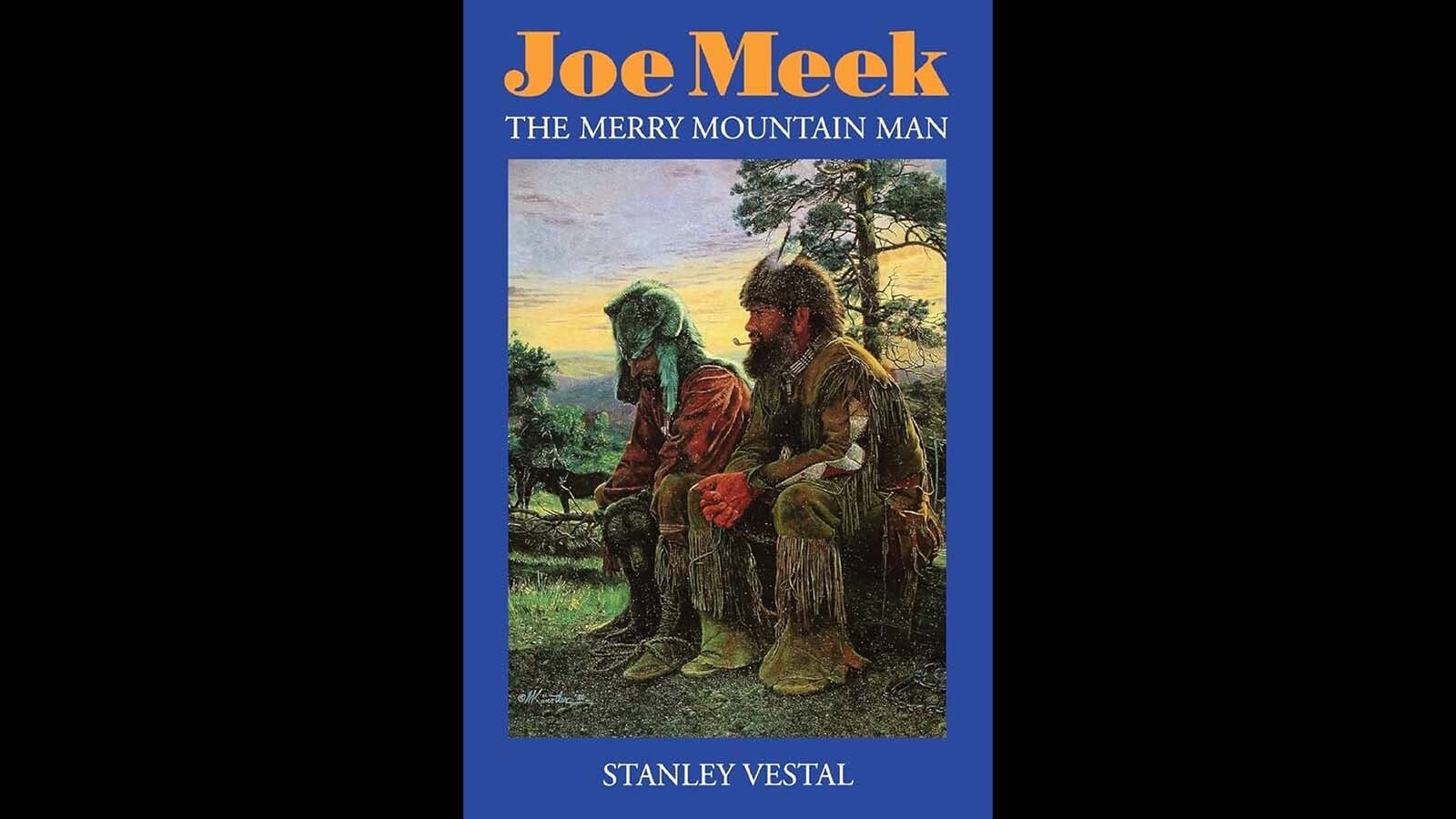
Joe Meek’s story is preserved thanks to biographers such as Frances Victor who interviewed him and captured his first person account and Stanely Vestal who researched his story. 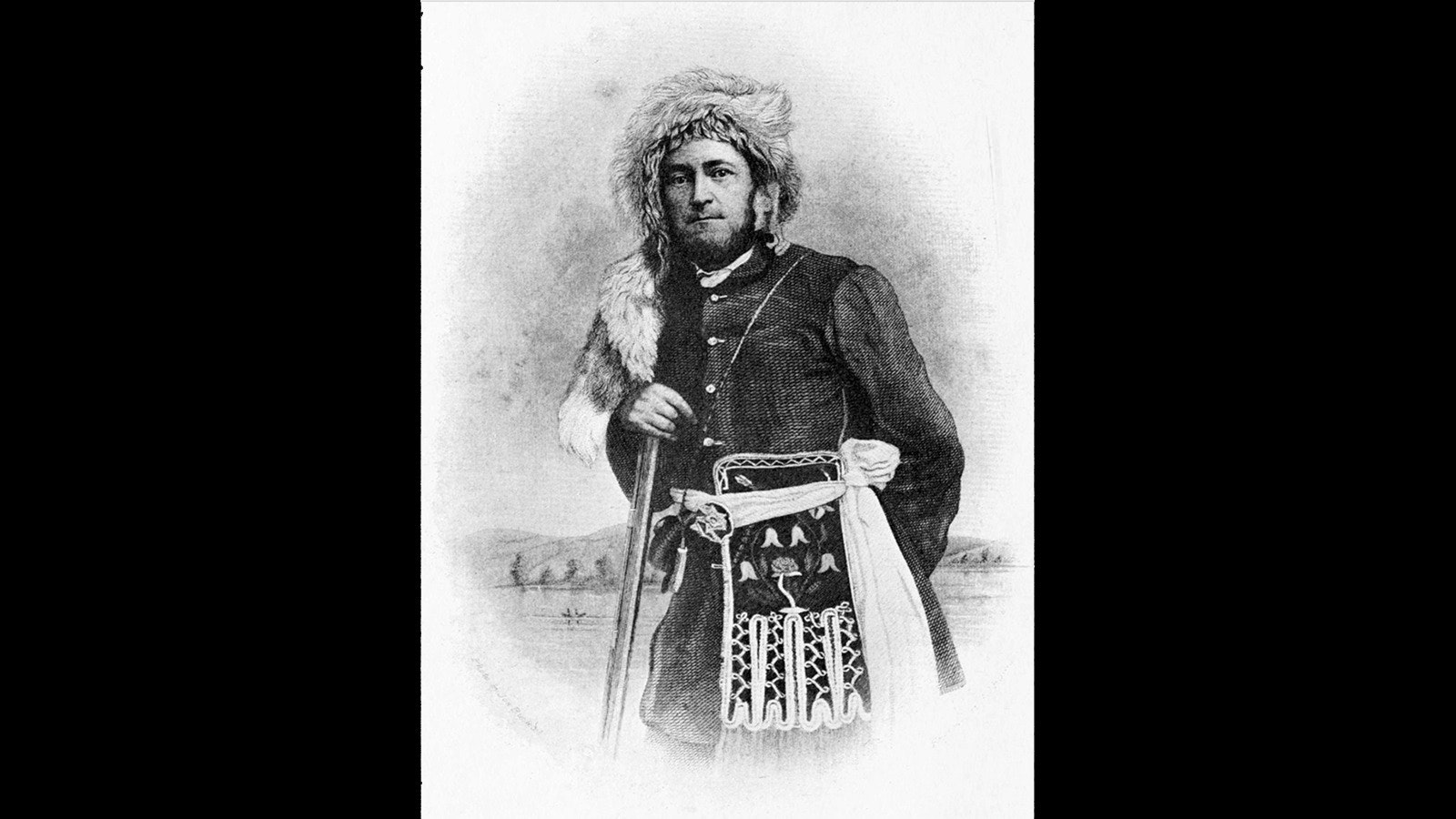
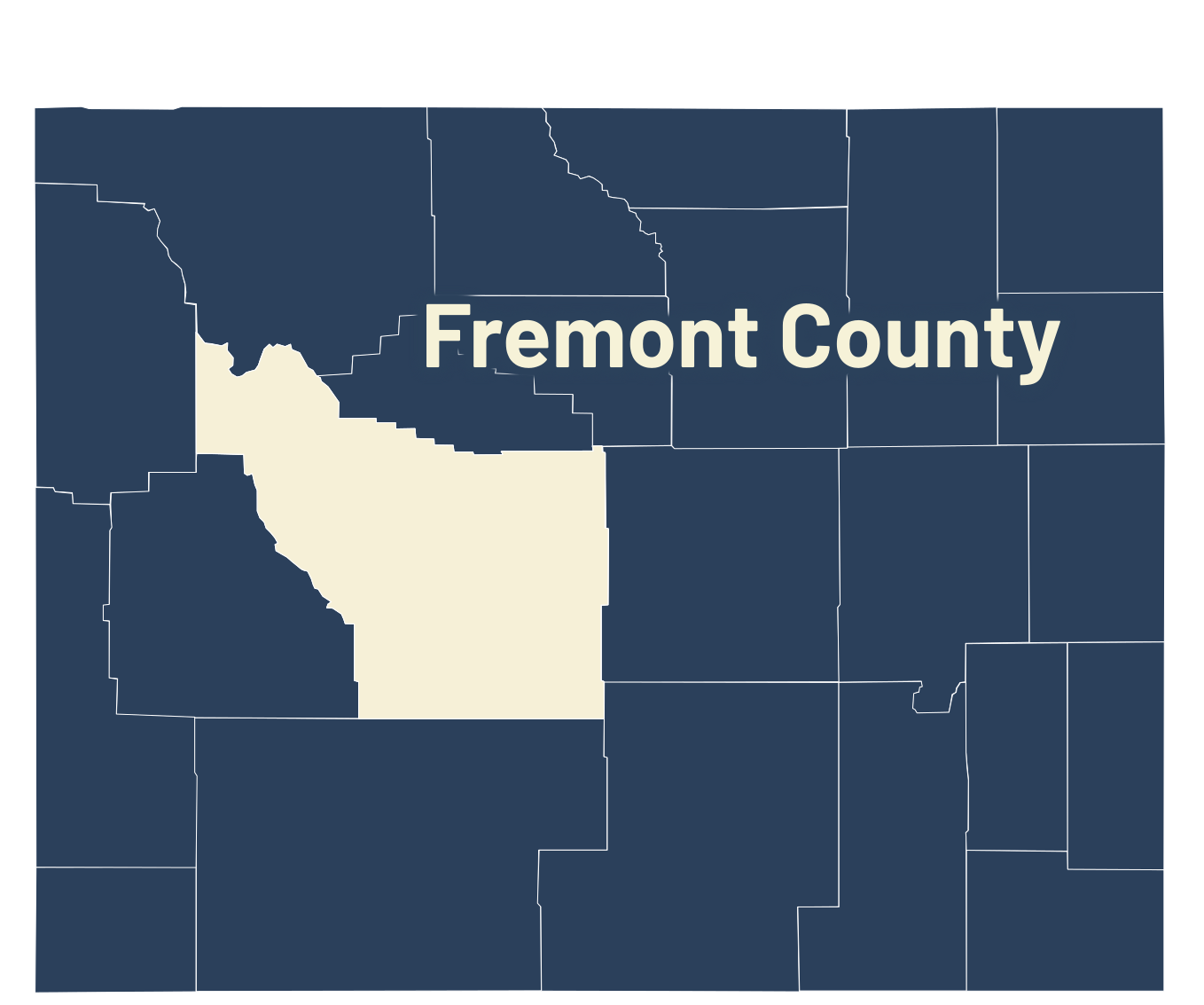
Joe Meek was just 19 years old when he ventured into what would one day be Wyoming in 1829. He was a greenhorn but by Christmas, all the green had rubbed off. He spent Christmas along the Wind River, hungry and cold, and grateful to be a trapper for the Rocky Mountain Fur Company.
The Holiday Season
Two days later, Meek and his two companions found Sublette’s camp in the Absaroka Mountains.
The mountain men were heading for the plains along the Big Horn River and were also starving. The snow was deep and the animals had all gone down to the lower country.
“Within a few days, the Rocky Mountain Fur Co. lost a hundred head of mules and horses, which fell exhausted one by one in the drifts and could not get up again,” Vestal wrote. “When the train had floundered past, Meek or some other would go back, shoot the fallen animal and butcher it for food.”
Despite the hardships, no men were lost and they finally made it to the Shoshone River, where the sulphureous waters earned it the name of “Stinking Water.”
They pushed on and found the comfortable camp of Milton Sublette and his trappers.
The Sublettes cached their furs and took the men to their winter quarters along the Wind River, the name they had given the headwaters of the Big Horn River.
Even with all the hardships, Meek said that this new frontier held him.
As he hunkered near the fire to warm his hands and prepared to celebrate Christmas, he wasn't ready to go back to civilization.
The fires crackled in the camp, lending its light to the wilderness, and cast a dim glow on the snow that surrounded the camp. The mountain men were hungry, their traps empty.
They stripped the cottonwood tree for nutrients for themselves and their pack animals. They were afraid to use their guns for fear of the hostile Blackfeet that had pursued them. So, the geese flew safely overhead, out of reach.
Their stomachs growled, and they melted snow to drink.
The Green Dusted Off
Captain Sublette had donned a pair of snowshoes and prepared for the long journey home.
It was Christmas 1829 in the Wind River Country, a wild and untamed land, and he was leaving his trappers to head back to St. Louis for supplies and provisions for the next rendezvous.
The group of men had just crossed the Bighorn Mountains into Wind River Valley, having had altogether a successful fall hunt despite the attacks and hunger gnawing at them.
Despite the severity of the weather and difficult mountain traveling in the winter, they made some important explorations in this formidable wilderness.
The snow was so deep that the men had to keep in advance and break the road for the animals, according to Meek.
To make their condition still more difficult, there were no provisions in camp, nor any prospect of plenty, for men or animals, until they should reach the buffalo country beyond the mountains.
Meek, as usual, had no underwear or even a shirt.
Like most of the mountain men, he wore only a beaver fur cap, buckskin breeches, moccasins, and his capote, which was a blanket coat with hood attached.
A shirt served no purpose in the mountains, except to dress himself up at rendezvous, according to Vestal.
It was nearly Christmas 1829 when the camp first arrived on Wind River, and the cold was intense.
They had traveled from present-day Cody, and would soon head to the plains where the buffalo roamed.
While the men celebrated Christmas as best they might under the circumstances, Captain Sublette started to St. Louis with one man, Harris, on snowshoes with a train of pack dogs.
The snow was too deep for the horses and mules, so they were left behind in camp with his hungry mountain men.
As Meek ate the little game they were able to kill and tried to stay home, the green fell off him and he became a full-fledged mountain man, a small Christmas gift to a teenager who had found the adventure he had run away from home to find.
Jackie Dorothy can be reached at jackie@cowboystatedaily.com.