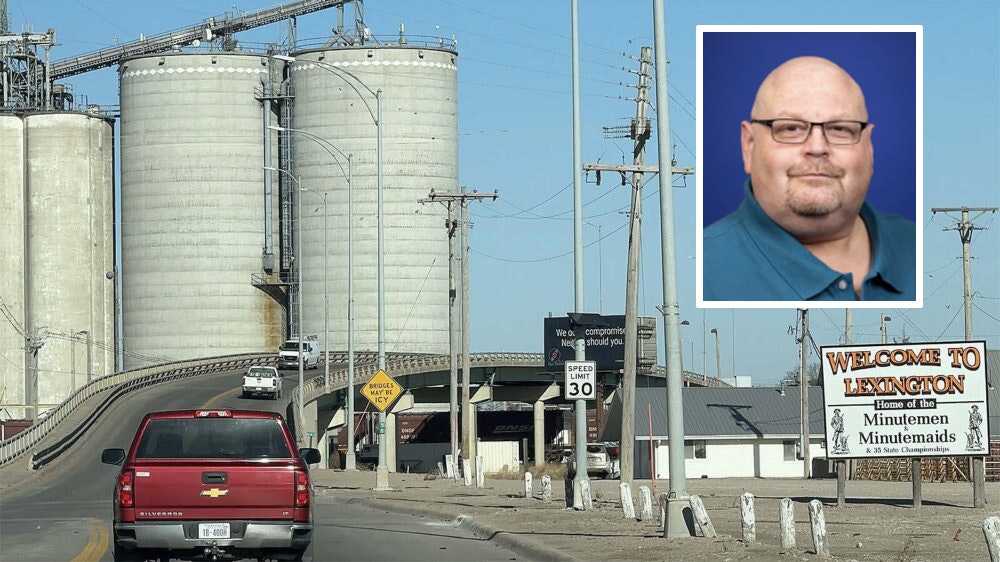
It’ll be a long time before I forget the far-away look in the eyes of the residents of Lexington, Nebraska, when I was there last week. Maybe I never will.
It’s the same look most people in Gillette had after July 1, 2019, when Blackjewel without notice abruptly shut down the Eagle Butte and Belle Ayr coal mines.
It wasn’t, “Hey, we just can’t make it. We’re going to have to close, we have 60 days left.” The mines were taken offline in the middle of a shift.
Those workers were told to get off their machines and go home, while text messages were sent to other shifts telling them not to come in.
In Lexington, they also were blindsided. Less than a week before Thanksgiving, Tyson Foods showed up and informed the 3,200 workers there that as of Jan. 20, they’re out of jobs. The company is closing the huge beef processing plant.
What that will do to this small, rural town of less than 11,000 people is difficult to tell, but the expectations are anywhere from throwing it back 40 years in progress to total devastation.
I went to Lexington because there are a lot of things Wyomingites can understand. We know how rural towns and areas can struggle, especially when they heavily depend on one company or industry.
Our backbones also are the hard-working, honest people who do a good day’s work for a good day’s pay. They don’t demand much, other than honesty and fairness.
Across the street from the giant plant is a small, mom-and-pop family Mexican restaurant, Los Jalapenos. It could be in any town in Wyoming, not flashy, but friendly with decent food and better conversation.
It’s peppered with dusty trophies going back years from all the Little League teams and other youth sports teams the restaurant sponsored.
Much of its business comes from Tyson workers who stop in before and after shifts. Without them, it’s not likely the Martinez family’s livelihood will survive after 11 years there.
Telling Lexington’s story from the ground up, by talking to the people there, is what makes its story relevant and relatable to all of us. It makes you think, “What if?” about where you live.
What if another coal company pulls a Blackjewel in the Powder River Basin? What if F.E. Warren pulled out of Cheyenne? What if the trona mines in Sweetwater County were shuttered?
Yeah, none of those things are likely to happen, but we’re playing “What if” here.
I can’t help but think about what kind of Christmas many families in Lexington are facing this year. Already worried about making ends meet, there’s the desire to give their kids a nice holiday.
Young kids don’t understand why mom and dad are worried, they don’t understand why Santa can’t bring everything they want, and they may not understand if they have to leave their hometown to chase work elsewhere.
That’s why this is my favorite story, because it’s about people in a tough spot. Yet, they haven’t given up, and in fact many are more determined than ever to prove that Lexington is more than one huge Tyson plant.
I’d like to go back in 10 years and see just what the locals have grown from the giant pile of manure left behind by a giant corporation.
‘A Gut Punch’: Nebraska Town Shell-Shocked By Tyson Closing Huge Beef Plant