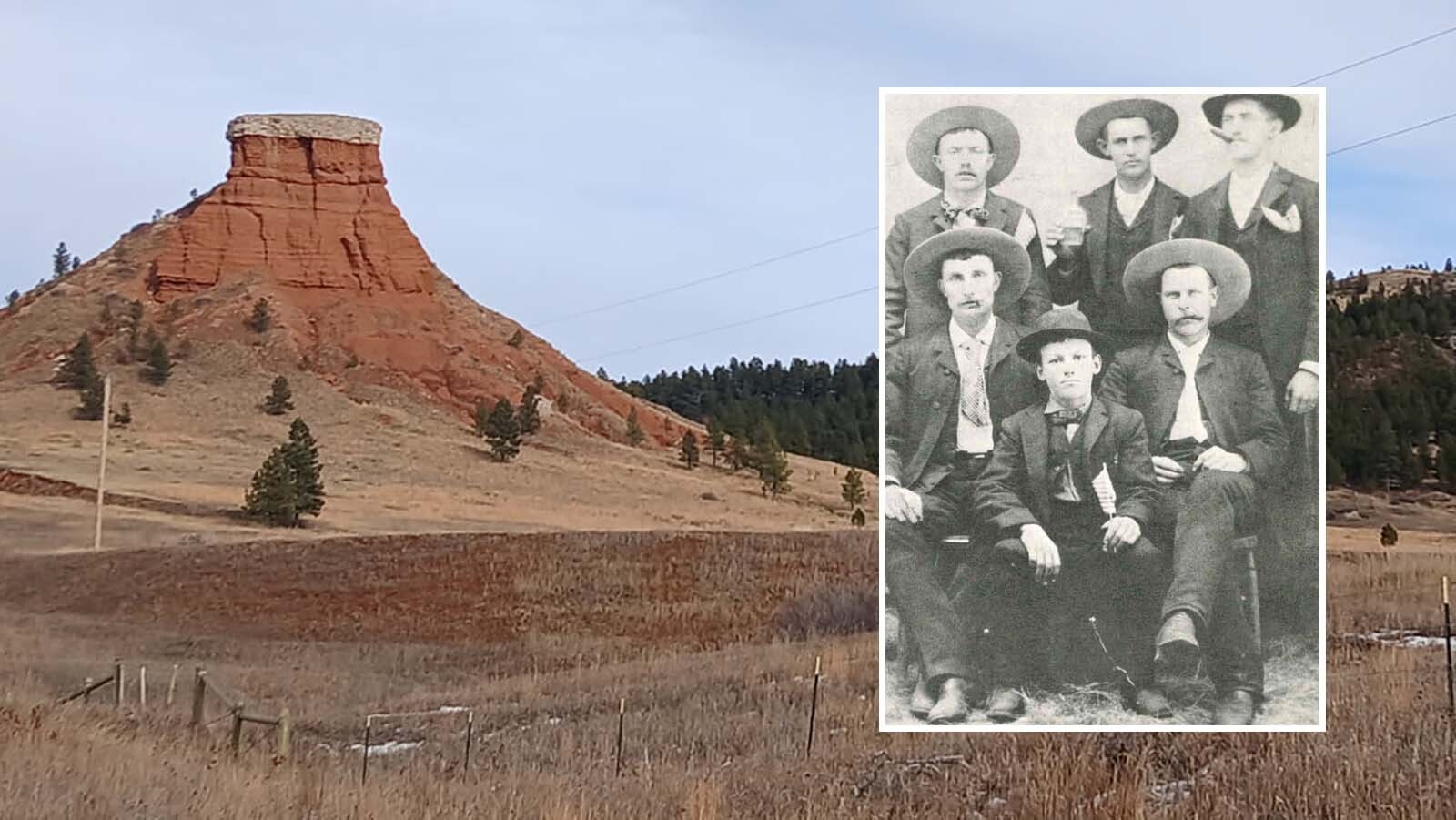
When Buck Hanby and his gang arrived in the Wyoming Territory in 1888, they were welcomed to Salt and Oil creeks with enthusiasm.
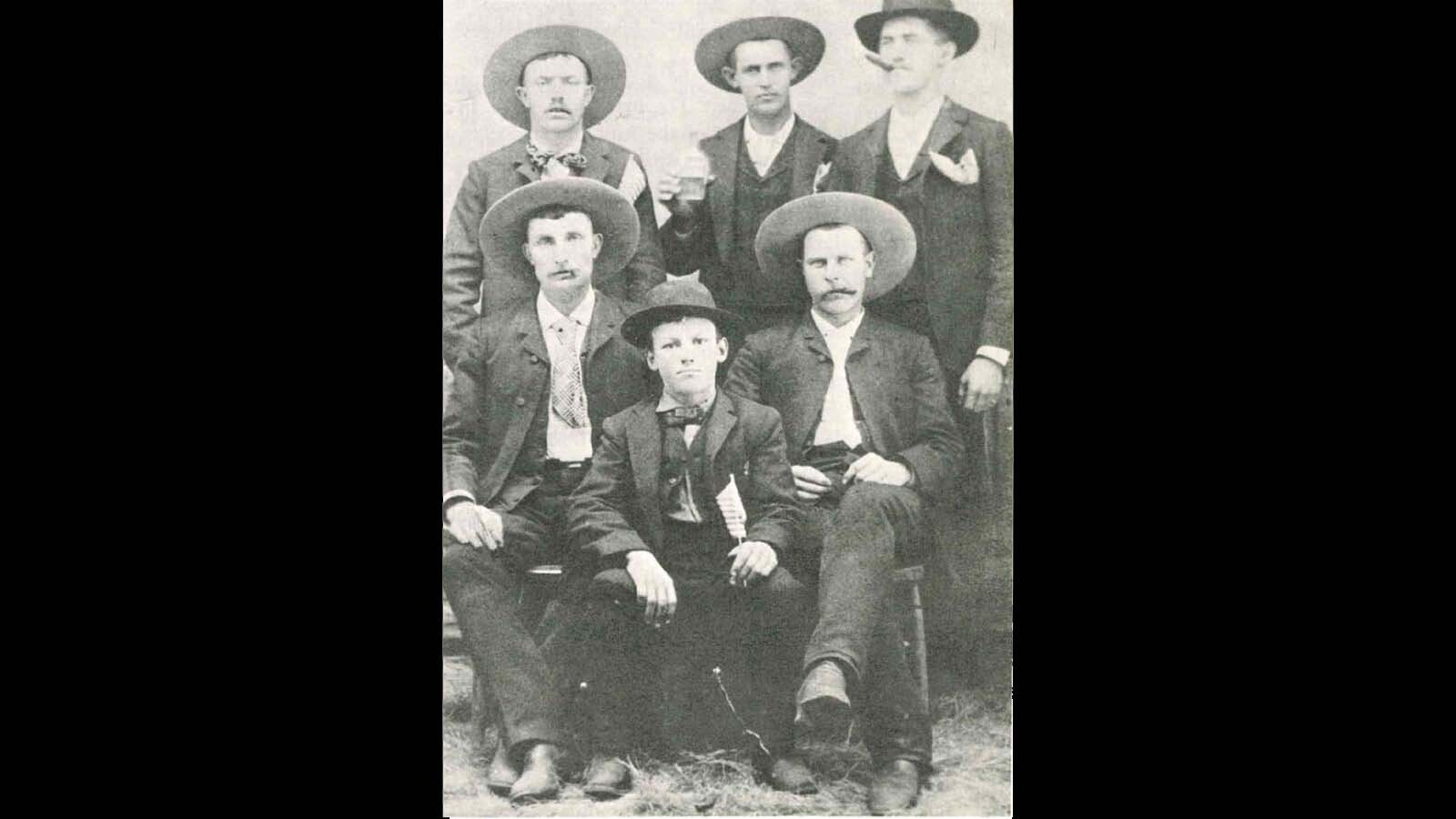
“For the last few weeks our town has frequently been visited by four or five long-haired, wild and wooly-looking individuals,” the September 1888 Sundance Gazette announced.
“They had all the paraphernalia of such gentry in the way of a fine display of six-shooters, big large jingling spurs, Mexican sombreros and bucking horses,” the newspaper described.
A few of the newcomers were noticeably dressed in cavalry uniforms, stripes and all, and did not try to hide their presence in Sundance.
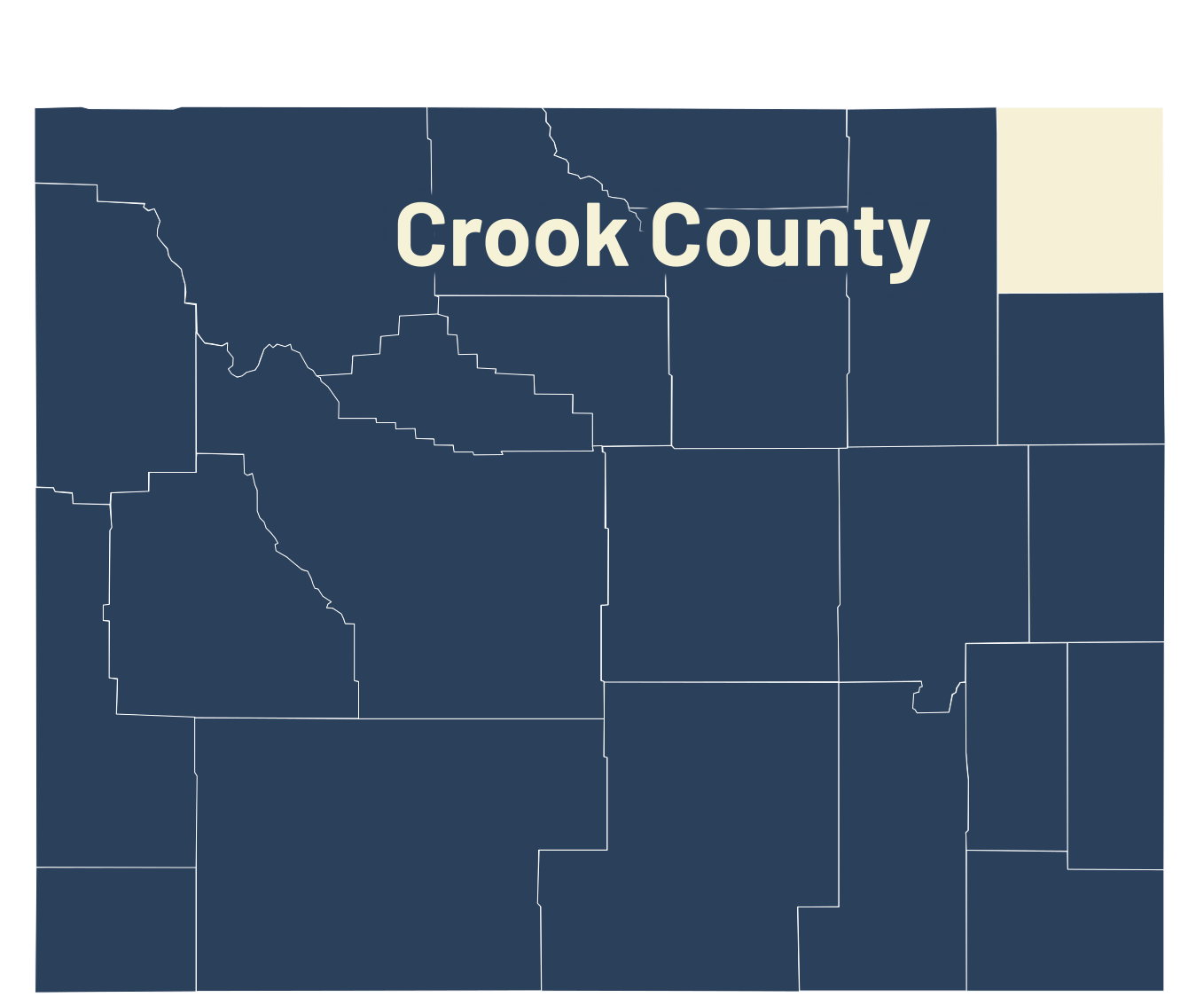
“Reports have been circulated here that they were gentlemen largely interested in horses and cattle, and had come from Texas to settle in Crook County,” the Sundance Gazette reported.
The locals were impressed that such fine, upstanding-looking people were becoming part of their community.
“The people around Salt and Oil creeks, where these parties have been making their headquarters, were congratulating themselves with the idea that quite an acquisition had been made to their fast-growing settlement,” according to the Gazette.
What wasn’t known at the time was that the leader of the gang, Buck Hanby, had ridden in under an alias and was wanted for murder.
But even after the locals learned this little tidbit, the men were left alone because able-bodied men were needed in the country.
Accusations Of Horse Thieves
When it was discovered that Hanby and his men were horse thieves wanted in Nebraska, the local deputy cleverly swooped in to arrest the gang, according to the Gazette.
“Tuesday evening when five of the long-haired wearers were in town, Deputy Sheriff Jack Rogers, with the assistance of City Marshal Swisher, succeeded in getting them divided into small drinking squads,” the Gazette reported. “They gathered the whole five in, and have them safely stored in the county jail.”
In another twist, it turned out that only three of the prisoners were actually the horse thieves.
Hanby, William H. Brown, and Jim Fisher were brought to Nebraska, and then reappeared on their homestead in Crook County by the Christmas season.
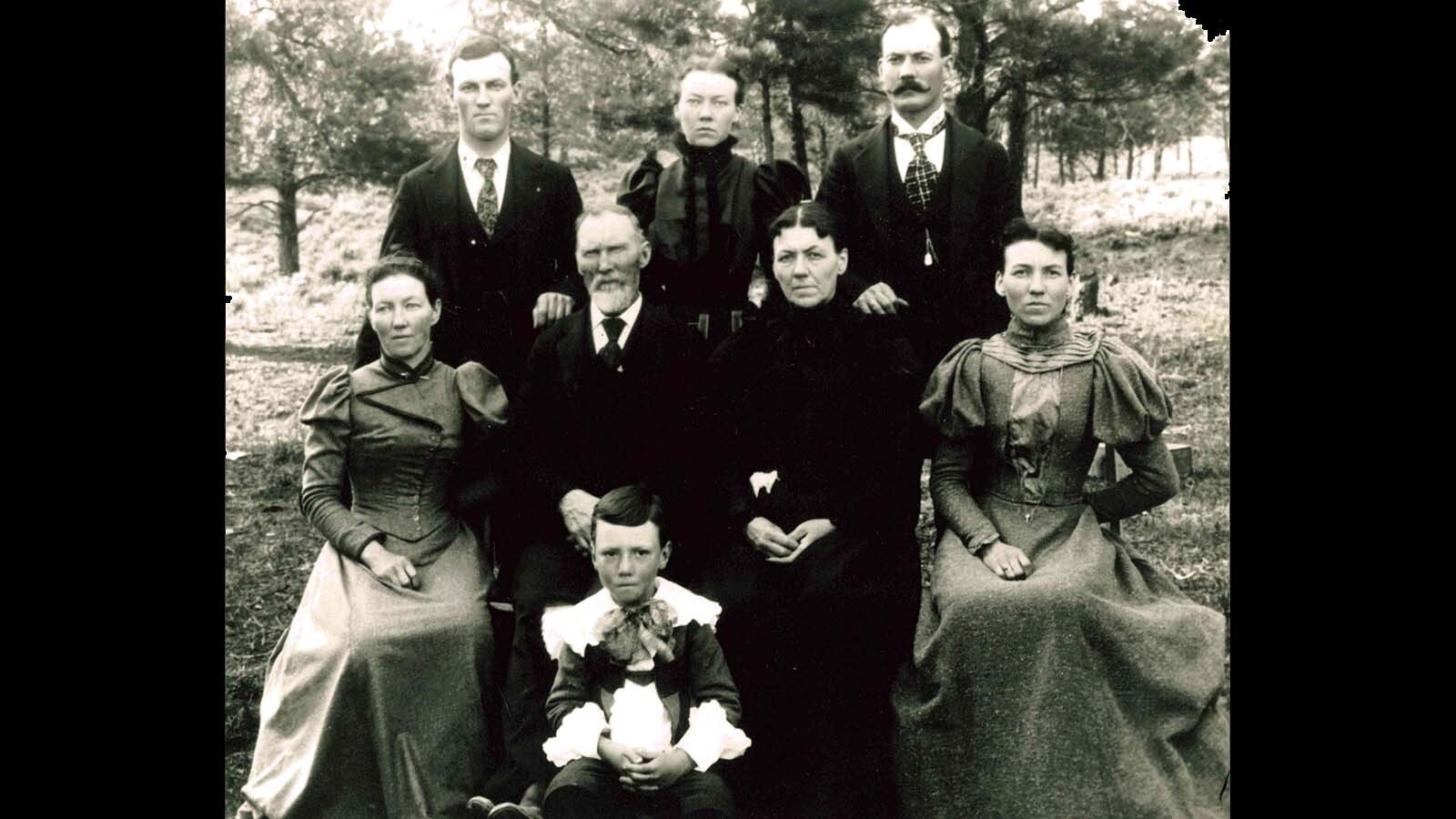
Dick Nelson was just 13 years old when his family arrived in the region, and his dad, Alfred, homesteaded on Oil Creek.
Hanby and his men were the family’s nearest neighbor, although still many "rough Black Hills miles" apart.
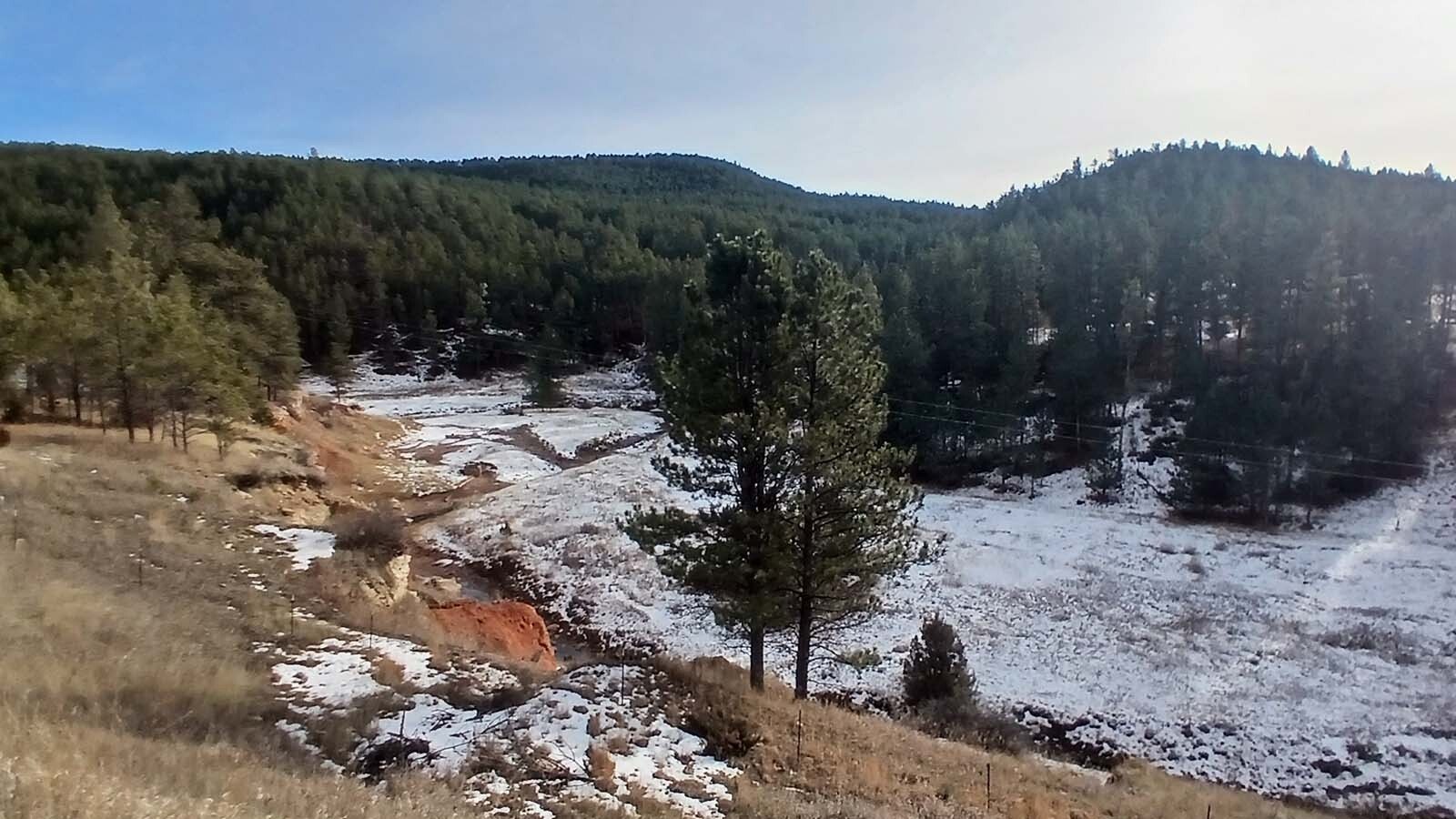
The gang had built a half-dugout 16 by 20 feet wide on their homestead on the east side of Salt Creek Canyon and south of Red Butte.
Dick wrote a short history that is now at the American Heritage Center about his family’s neighbors, whom he said he knew were wanted in Dodge City, Kansas.
It was well-known that Hanby had recruited a young man who "was clear of the law" as their contact man, according to the history.
“It was said that relations and friends back home would send post office money orders in the name of this contact man to Sundance, Wyoming,” Nelson said. “As need be, he would take the pack horses, go to Sundance, cash the money orders and buy the supplies needed, so that it would not be necessary for the gang members said to be 'wanted by the law' to show up in town.”
Sheriff Rogers of Crook County, who had already arrested them once before, knew they were in Salt Creek Canyon
But as long as no complaints came in of wrongdoings in Wyoming, he felt he had no right or reason to bother them, according to Nelson.
Spreading Christmas Cheer
On the day before Christmas in 1888, Alfred Nelson and his son Frank decided to make a goodwill, Christmas-cheer call on the Hanby gang and let 13-year-old Dick Nelson tag along.
“As we neared their dug-out home, we were met by the contact man who wanted to know who we were and what we wanted,” Dick recalled.
After Alfred had explained to him that they had good intentions, the contact man said, “Stay right here; I will go and see what they say.”
He soon returned and said, “You can go in if you leave your horses and guns with me.”
“That is fine,” Alfred said. “We are here, as I said before, only because it is Christmastime and we thought the boys might care to talk to someone who is not ‘out to get them.’"
Dick said that as he followed his dad into the dugout, being just a kid, he was pretty shaky. They were told by the contact man to go down the steps, knock on the door, and enter when told to “come in."
Alfred went first, then Frank and Dick.
When Alfred opened the door, the three good-wishers were faced by four men, each holding two six-guns. After a few tense seconds that seemed a long time to Dick, Hanby put his guns away and shook Alfred’s hand.
“No doubt the young man told you who we are and why we are here,” Alfred said. “These are my sons Frank and Dick, and if we are not welcome say so and we will go.”
Dick said that Hanby instead responded that they were glad to see them and told the other outlaws to put away the guns and meet their Christmas friends.
“We were then all seated and a general conversation was carried on,” Dick said.
Kansas Mayhem
Dick said that Hanby proceeded to talk about why he was on hiding out in Salt Lake Canyon.
“My brother owned and ran a saloon in Dodge City,” Hanby said. “One day as I rode by the saloon, I heard shots being fired inside.”
Hanby said that he got off his horse and looked in. Two men were shooting toward the back-bar and he saw his brother, who was on shift as a bartender, drop as if he’d been shot.
“I was armed and whipped out my gun and shot and killed both men,” Hanby said. “Then I learned my brother had not been shot but had dropped to the floor to get out of the line of fire.”
It turned out, the two men had been shooting glasses off the back bar, not at his brother, so Hanby was arrested and placed in jail.
"The judge would not let me out on bail,” Hanby said. “The men I killed had some good connections, and I was not brought to trial. After months, I escaped from the jail and rode one of the sheriff’s horses out of the country.”
Hanby said he got together with the other three men and, while searching for a place to "hold out," found the remote Oil Creek.
“We are waiting for time to smooth things out so we can go back home,” Hanby said.
After a few more stories were exchanged, Alfred stood and shook hands with the men, who thanked them for thinking of them at Christmas and coming.
The contact man brought their horses up near the dug-out and the four gang members followed Alfred and his sons out.
“We gave them a real surprise when we took out of our saddle bags the doughnuts and cookies mother and our sisters had made for that trip, hoping our neighbors would enjoy them during the holidays,” Dick said.
An End To Hanby
Dick saw Hanby once more when Hanby arrived at the sawmill where Dick was working.
The fugitive remembered the boy and once more thanked him for his Christmastime visit.
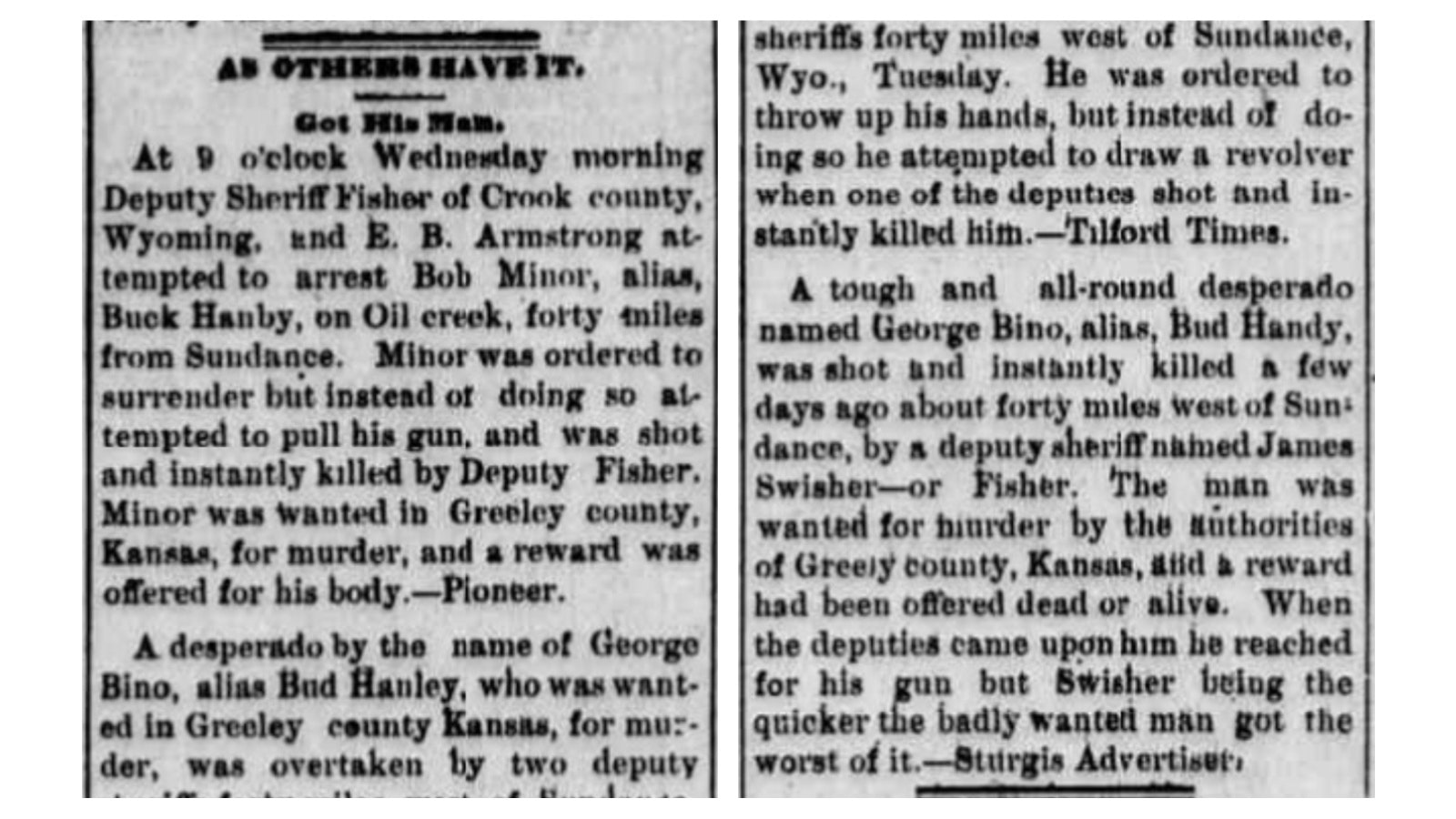
Not long after in May 1889, Hanby was shot and killed when he resisted arrest by sheriff’s deputies.
They had a warrant from Kansas to bring him back for trial, which Hanby knew would be rigged. The newspapers of the time all had differing accounts of the shooting and none could even agree on Hanby’s real name.
For Dick, Hanby’s real name didn’t matter, just the truth of what had happened when Hanby had mistakenly defended his brother — at least, that was his story.
As Hanby’s gang scattered, Dick was left with the memory of how his family spread Christmas cheer all those years ago to a group of suspected outlaws who had little hope of a future as they hid out in a dug-out in the remote Wyoming Territory.
Jackie Dorothy can be reached at jackie@cowboystatedaily.com.