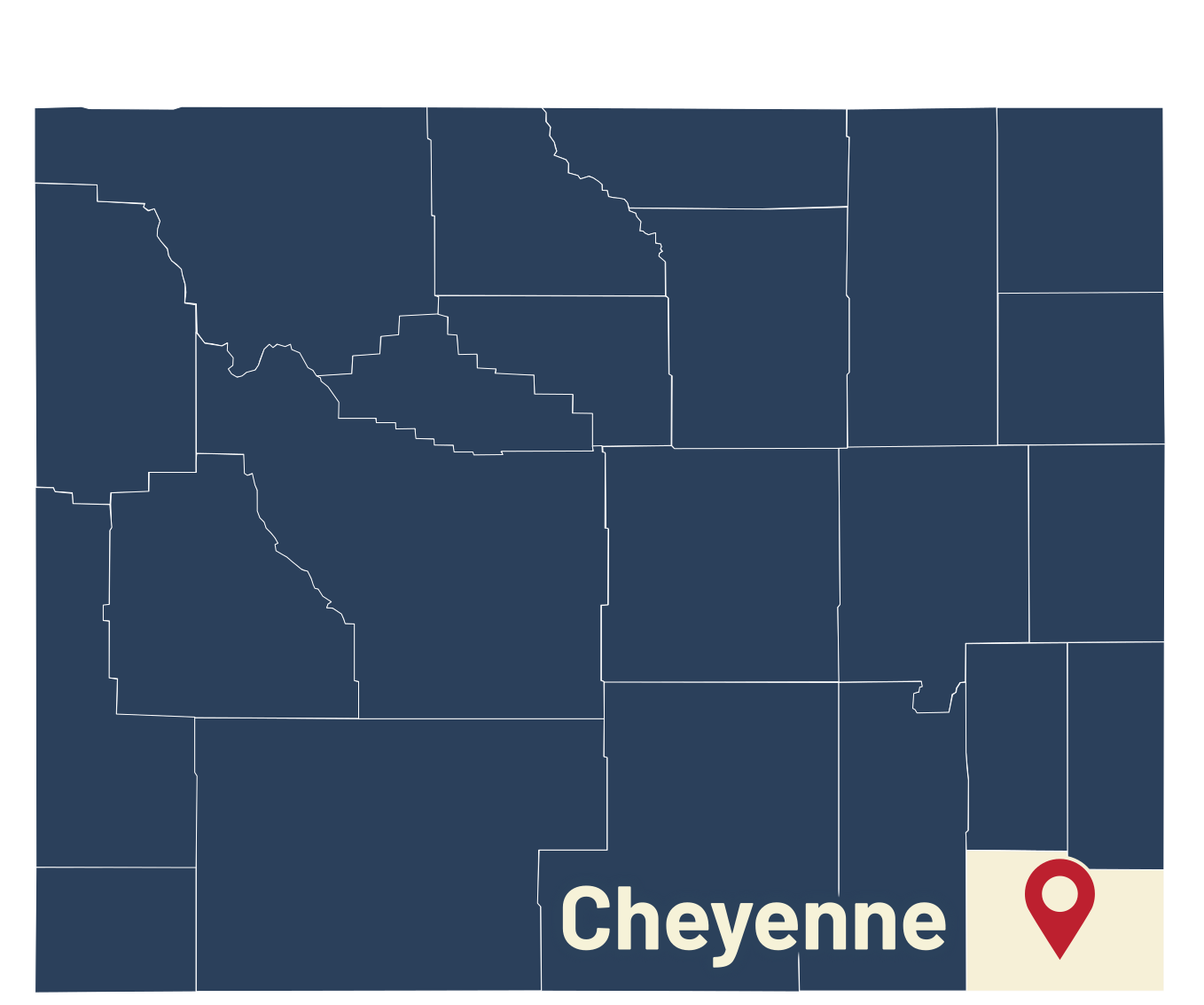
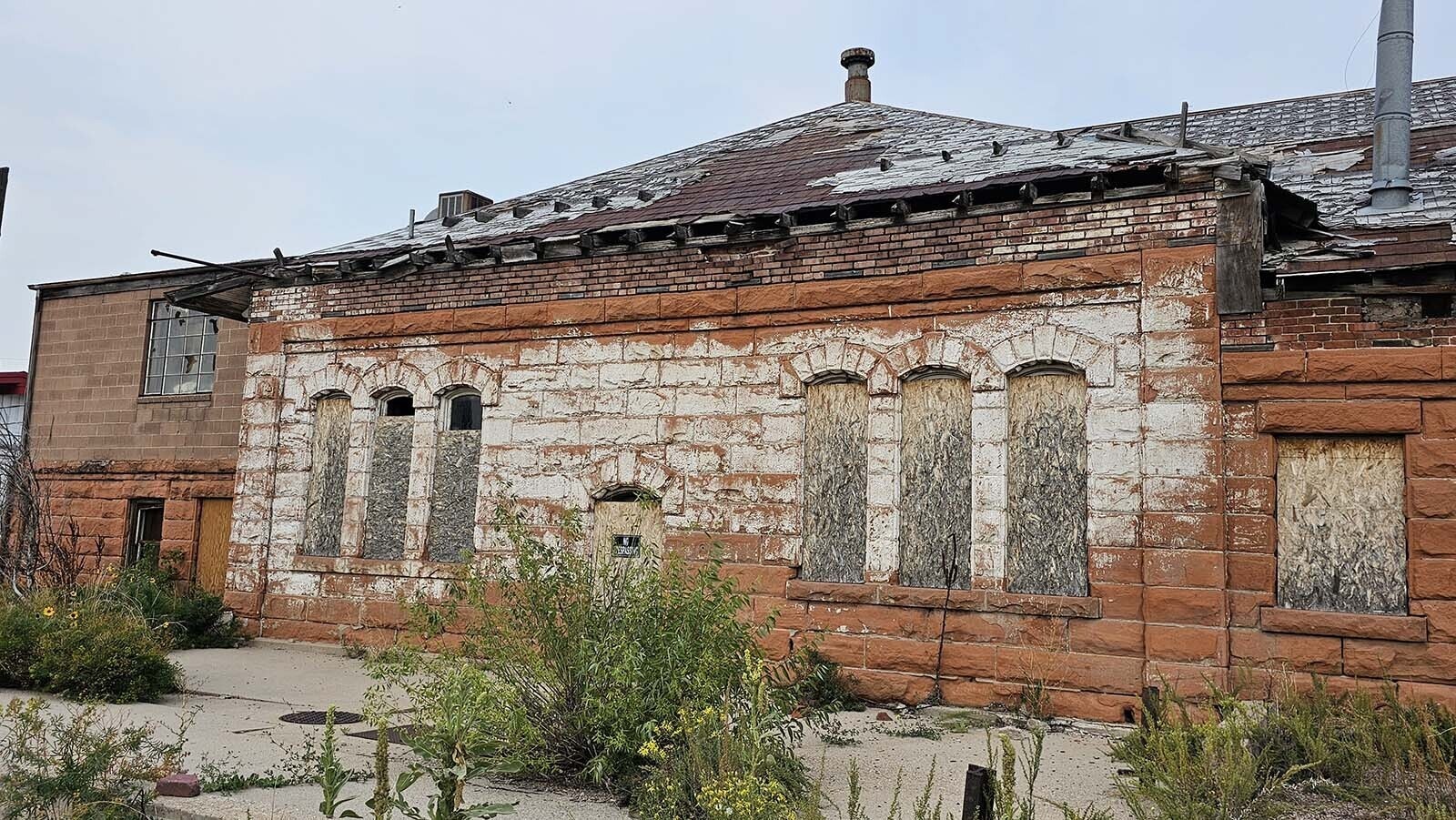
CHEYENNE — A piece of Wyoming’s pioneer history is getting a reprieve from the wrecking ball.
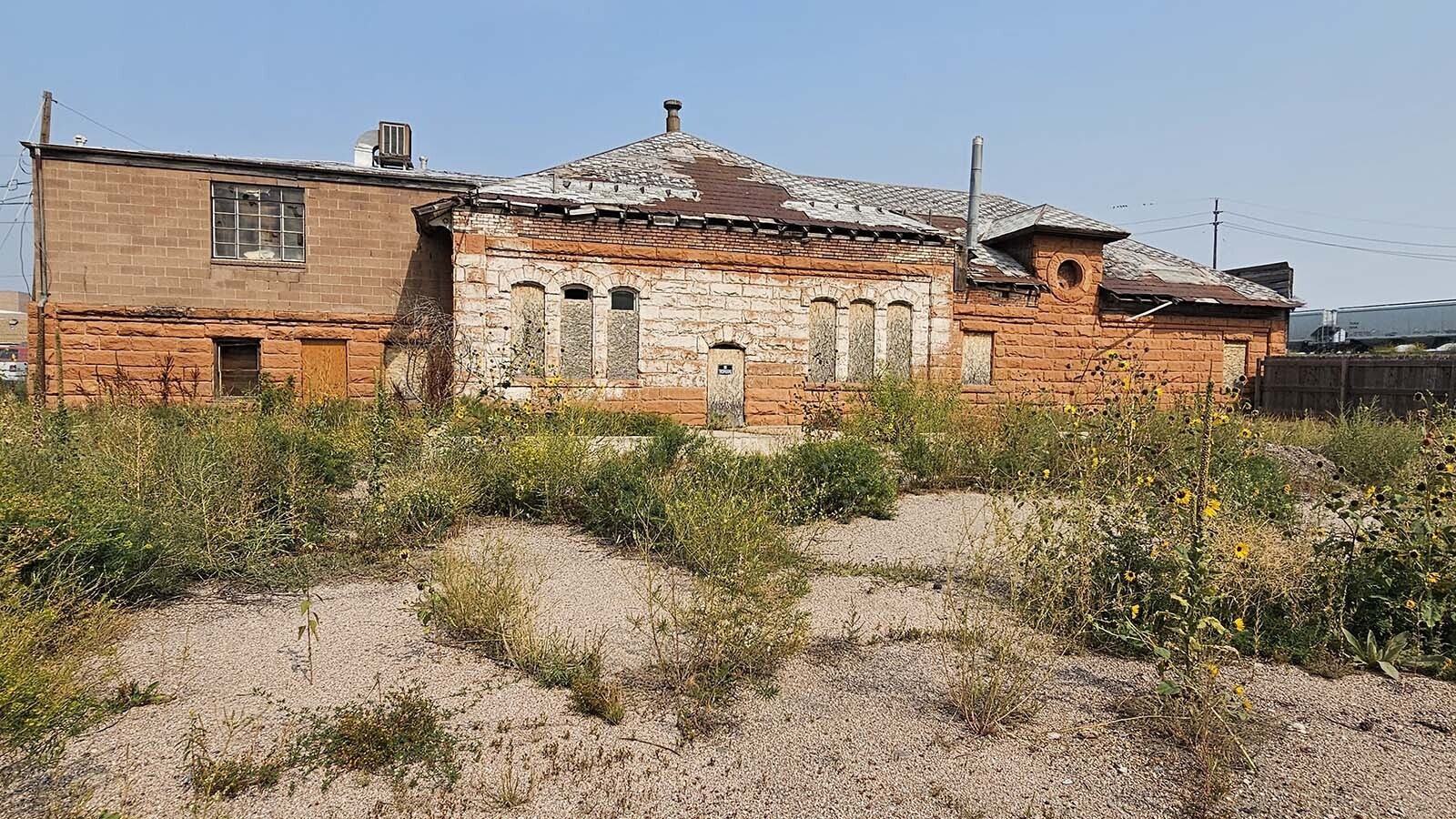
Cheyenne’s Historic Pumphouse, built in 1892 with Richardsonian Romanesque architecture, had a deadline of Jan. 14 to either sell or lease the building. After that, a Cheyenne City Council resolution called for the stone structure’s demolition.
But the council rescinded that July 2025 resolution Monday and replaced it with a new one, which calls for working with community stakeholders to “place the property back into beneficial use.”
The new resolution also contains no specific deadline for demolition.
That comes as a relief, Alliance for History Wyoming Executive Director Megan Stanfill told Cowboy State Daily.
Stanfill had placed the Pumphouse on the Alliance's watchlist for properties in serious jeopardy of being lost. That deadline to be torn down made it particularly difficult to discuss options for saving the building, including fundraising.
“That call for demolition really just put us on edge,” she said. “If demolition is on the table, then there’s a stronger fight. There are things that need to happen to keep it from being demolished.
"But now that’s not the case anymore, we actually have the opportunity to have conversations instead of being worried about a looming demolition.”
An Important Pioneer Story
Tearing down the Historic Pumphouse was something Mayor Patrick Collins told Cowboy State Daily he would never have voted for anyway.
“I just can’t imagine tearing a historic building down,” he said. “And I sure don’t want to be the mayor who tore down the Carnegie Library from back in the day, and I don’t want to be the mayor who tore down the pumphouse.”
Taking the demolition language out of the resolution will help reframe the conversation, Collins said.
“From my perspective, the conversation is how do we best save the pumphouse for future generations to be able to appreciate?” he said.
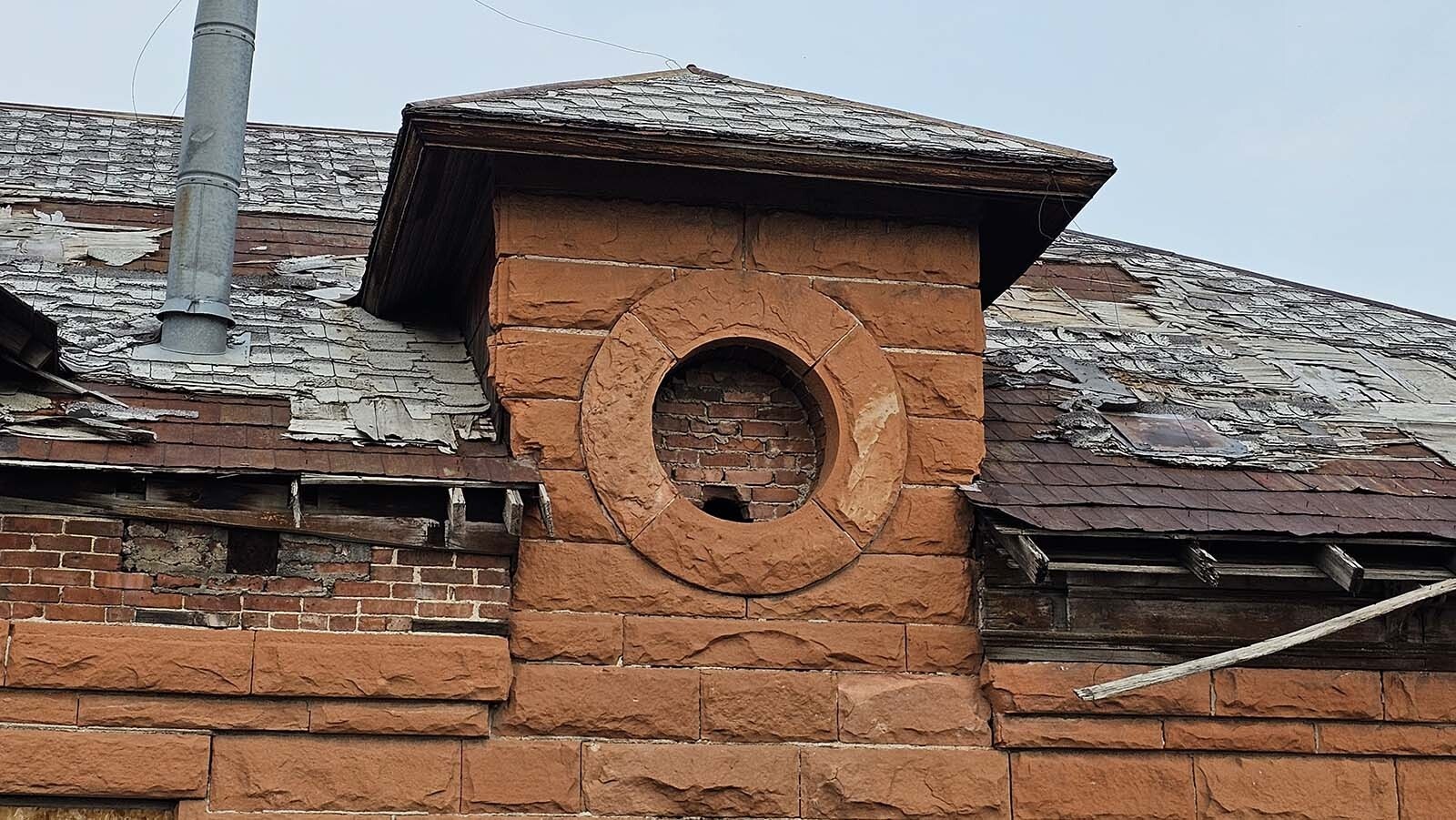
The building’s architecture matches up with both the Capitol building and the historic depot, Collins added. It’s a piece of history that cannot be easily replaced.
“It’s an important story,” he said. “It’s one of the first water systems in the West. It’s what allowed Cheyenne to go from being a camp that was here for the railroad to a city that, more than 150 years later, is still here.”
When Bathtubs Weren’t Common
At the time Cheyenne built its red stone pumphouse, the railroad town had been growing so fast, it had earned the nickname Magic City of the Plains.
The then-new pumphouse was extolled in newspapers of the day as a building for the ages.
It was such a cutting-edge facility for the day, it put Cheyenne on a par with some of the biggest, best cities in America, Historic Cheyenne Inc. Vice President Maren Kallas has previously told Cowboy State Daily.
“They were very proud of it when it opened,” she said. “They called it a veritable young depot. To have a municipal water system like that meant you were a real cosmopolitan city.”
At that time, many people had never even seen a bathtub. So, to have a system that would deliver potable water to everyone was tremendous and exciting at that time.
“This was like a really new, modern thing to have city water,” Kallas said. “That’s what was so unique about Cheyenne, was that we were quite cosmopolitan.
"We had opera houses, a lot of different languages were spoken here, and people came from all over the world via rail.”
Becoming A Public Nuisance
Although the building had been built for the ages, Cheyenne’s booming population soon outstripped the facility's capacity while newer technology overtook its capabilities.
By 1910, a new and better facility had been built, a gravity-fed water system that had twice the capacity.
For a time, the pumphouse still found some use keeping the dust down on streets or serving up extra water supply in times of high demand, such as fires or Cheyenne Frontier Days.
But by 1920, it was useful as a pumphouse no more. It was decommissioned and adapted to new purposes.
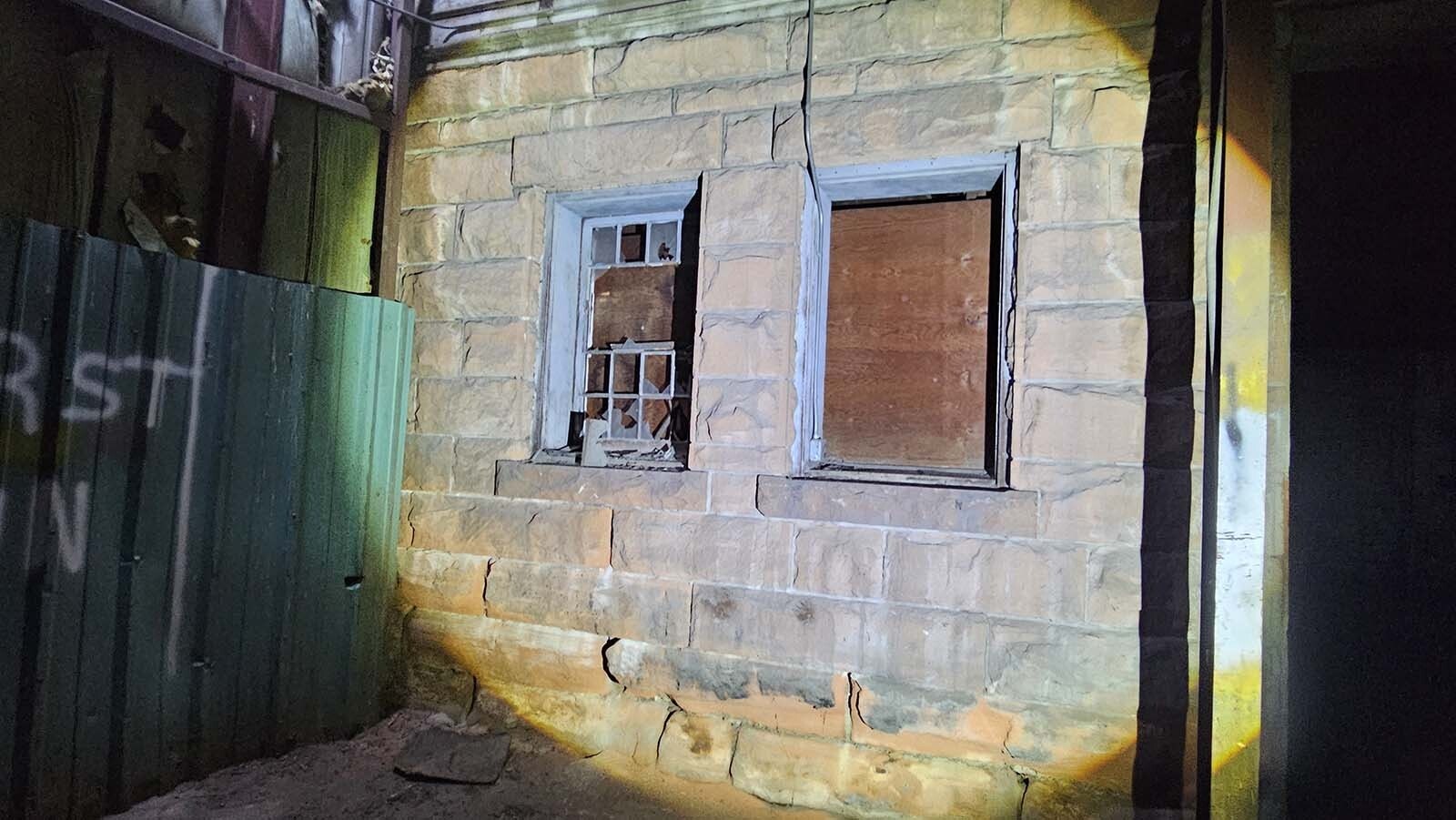
The Cheyenne Street Department eventually used the stately old building as a maintenance garage and storage shed, beginning sometime in the 1970s. After that, it was abandoned for decades.
Homeless people started sneaking into the building at night, seeking respite from Wyoming’s cold winters, as well as its wind and storms.
The neglected building went from a stately structure to a public nuisance, with some advocating for simply tearing it down.
Going To Be Expensive
The new City Council resolution for the pumphouse doesn’t mean that the hard work of saving the historic building is over.
“The challenge is that to restore this building is going to be really expensive,” Collins said. “So, we’re going to have to figure out how we’re going to do this, working together with the whole community.
"But what I appreciate about this substitute that we voted on and passed is that it contemplates how we move forward and does not contemplate how we’re going to tear it down.”
It’s been estimated that it will take $4 million to restore the building.
Collins said he doesn’t see the pumphouse being added to the Sixth Penny sales tax, an option that some have talked about.
“There’s a lot of things we could potentially add to the Sixty Penny,” he said. “My gut is, I don’t see it going on the Sixth Penny, but that’s a decision the city council will make, and we’ll see where we go from there.”
Collins sees other, more likely avenues to restore the pumphouse, and said his efforts will be going into them.
“I have a couple of ideas,” he said. “We’re working on them right now, and if we find one that we think will be successful, I’ll sure let you know.”
Keeping Momentum Going
Stanfill agreed that a lot of work is ahead, but for now she’s just savoring what feels like a win for history.
“There’s a lot of conversations that need to happen,” she said. “A lot of numbers that need to be figured out. But it feels like the city has given us the opportunity to collaborate now. That definitely feels like a win.”
Stanfill said she’s talked with a couple of other historic organizations about the pumphouse and said she hopes to see a coalition of organizations form to pursue money to save the structure.
“We had a discussion where we’d like to see a situation similar to what’s going on with the 1960s terminal, the proposed Arts and Aviation Center,” she said.
For an effort like that to move ahead, though, it was important that the word “demolition” not be included in the menu of options for how Cheyenne plans to deal with the facility.
“This is a significant win for one of our watchlist properties,” Stanfill said. “In this surprising turn of events, I hope that the community takes a moment to recognize the power of their voice in the public process, and that there is still work to be done to save the pumphouse.”
Stanfill also encouraged anyone interested in the future of the pumphouse to get in touch with her at the Alliance for Historic Wyoming.
“It’s time to roll up our sleeves, work together, and keep this momentum moving forward,” she said.
Renée Jean can be reached at renee@cowboystatedaily.com.