"There comes a time when the familiar isn't enough and the hunger for discovery takes over."
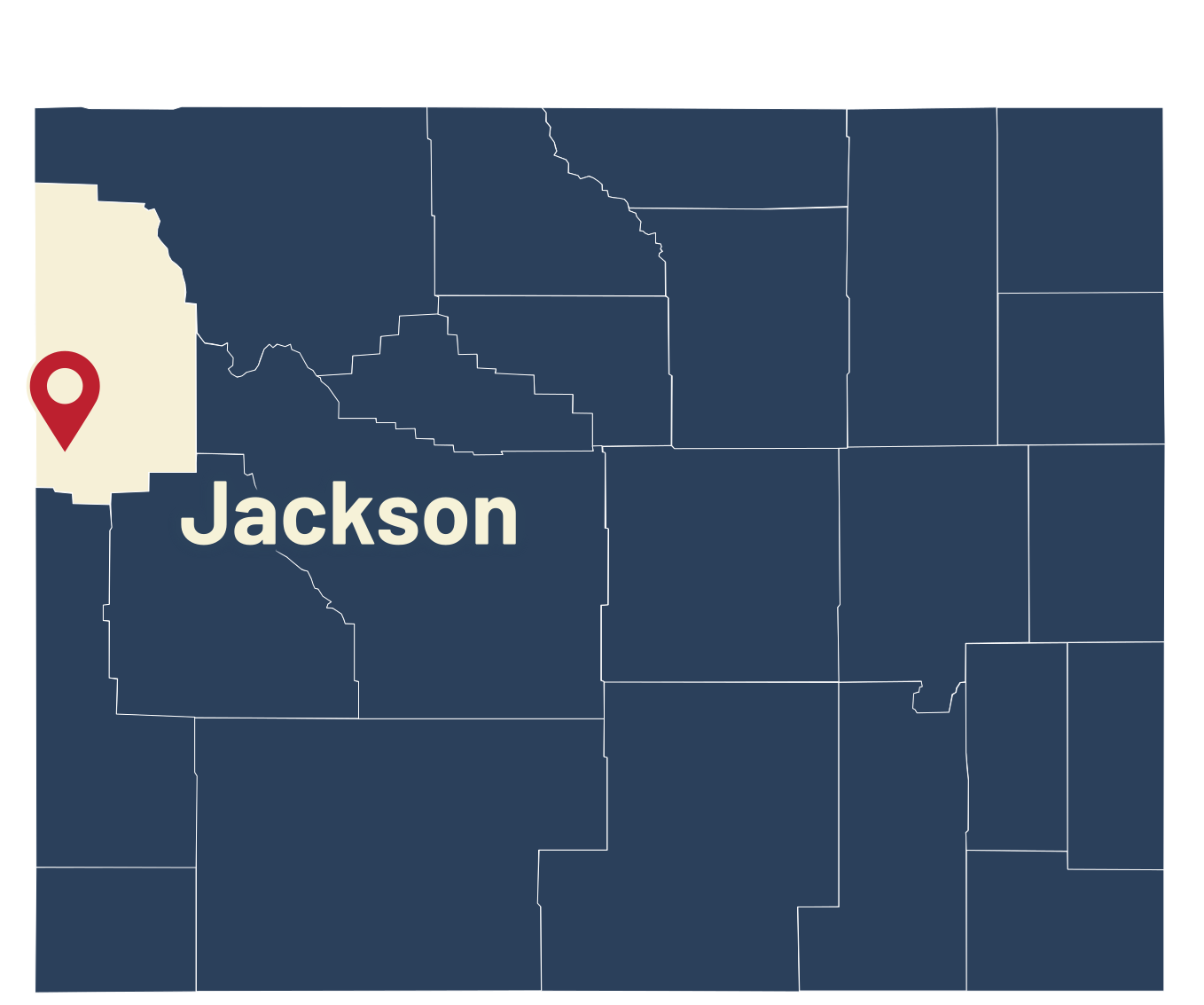
That's how Tristan "Teton" Brown opens "Clean Slate," his third self-produced ski film that recently debuted on YouTube after live premieres in Jackson, Victor and Ketchum, Idaho, Bozeman, Montana, and a European tour through France and Belgium.
The words serve as both narration and personal philosophy for the 36-year-old Jackson resident who has spent more than a decade grinding toward professional skiing while the cost of living pushed many of his peers out of town.
For "Clean Slate," Brown set his sights on a place as steep as rents in Jackson: The mountains of Alaska.
"I felt like an Alaska trip was overdue, and I needed to get up there," Brown told Cowboy State Daily. "I made that my main priority for the season."
He and his crew camped out on Thompson Pass for three weeks, waiting on weather that refused to cooperate. The plan was 10 days. The storms rolled in and wouldn't leave.
"You just have to kind of go and hope for the best in Alaska," Brown explained. "It's just too hard to plan for the weather."
When the skies finally cleared, they got five days of skiing.
"Five of the best days of skiing in my life," he said. The film captures what Brown describes in the narration as a place where "everything is amplified here. The scale, the isolation, the risk. This shit is real up here. As real as it gets."
"Clean Slate" pulls back the curtain on Brown's creative process and work routine.
"Early season, it's a lot of time spent behind the scenes," he narrates. "Google Earth, maps, coffee, just trying to spot something that sparks an idea."
Then the waiting begins — for storms, for windows of sunshine, for the terrain to "come alive."
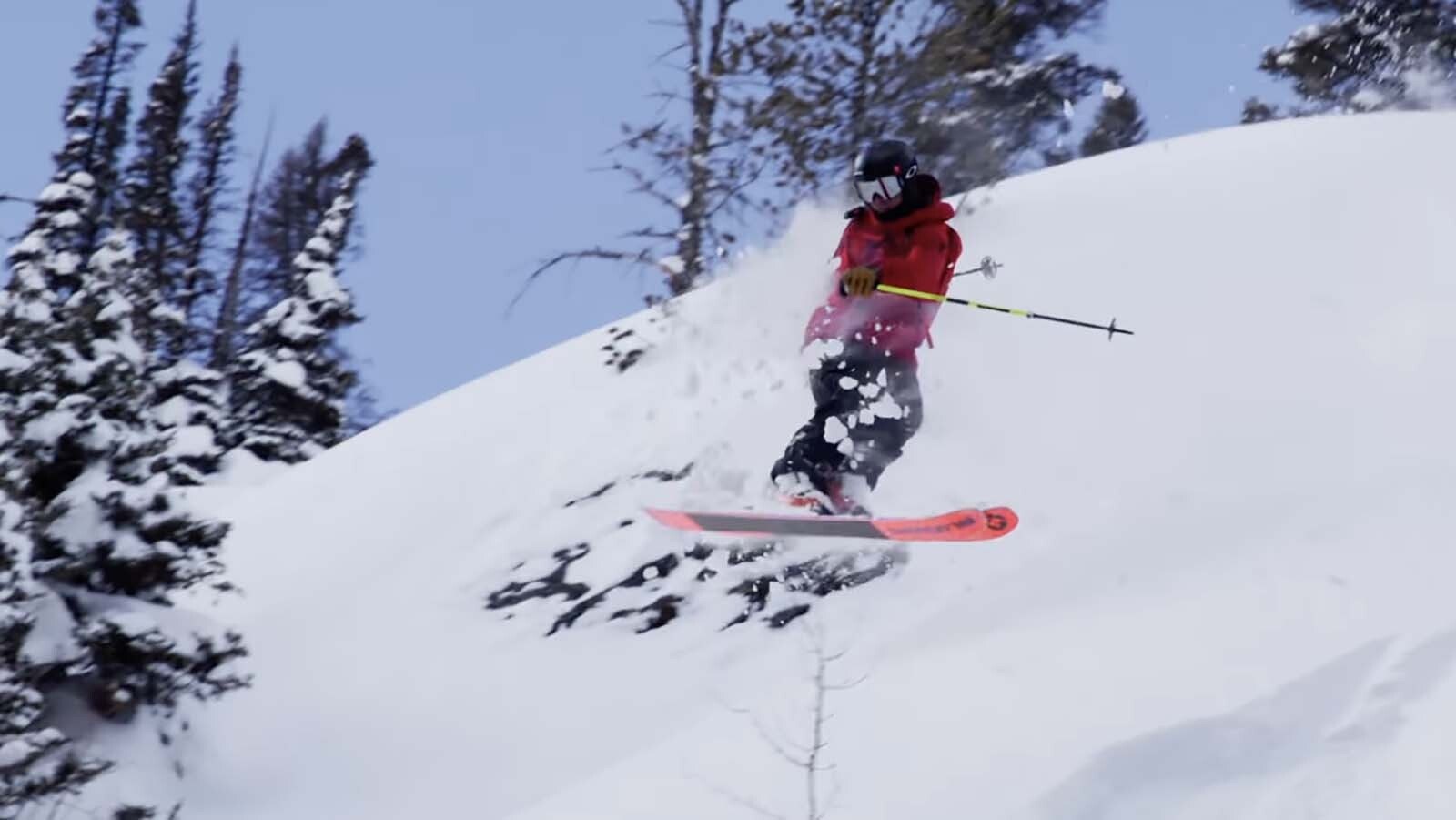
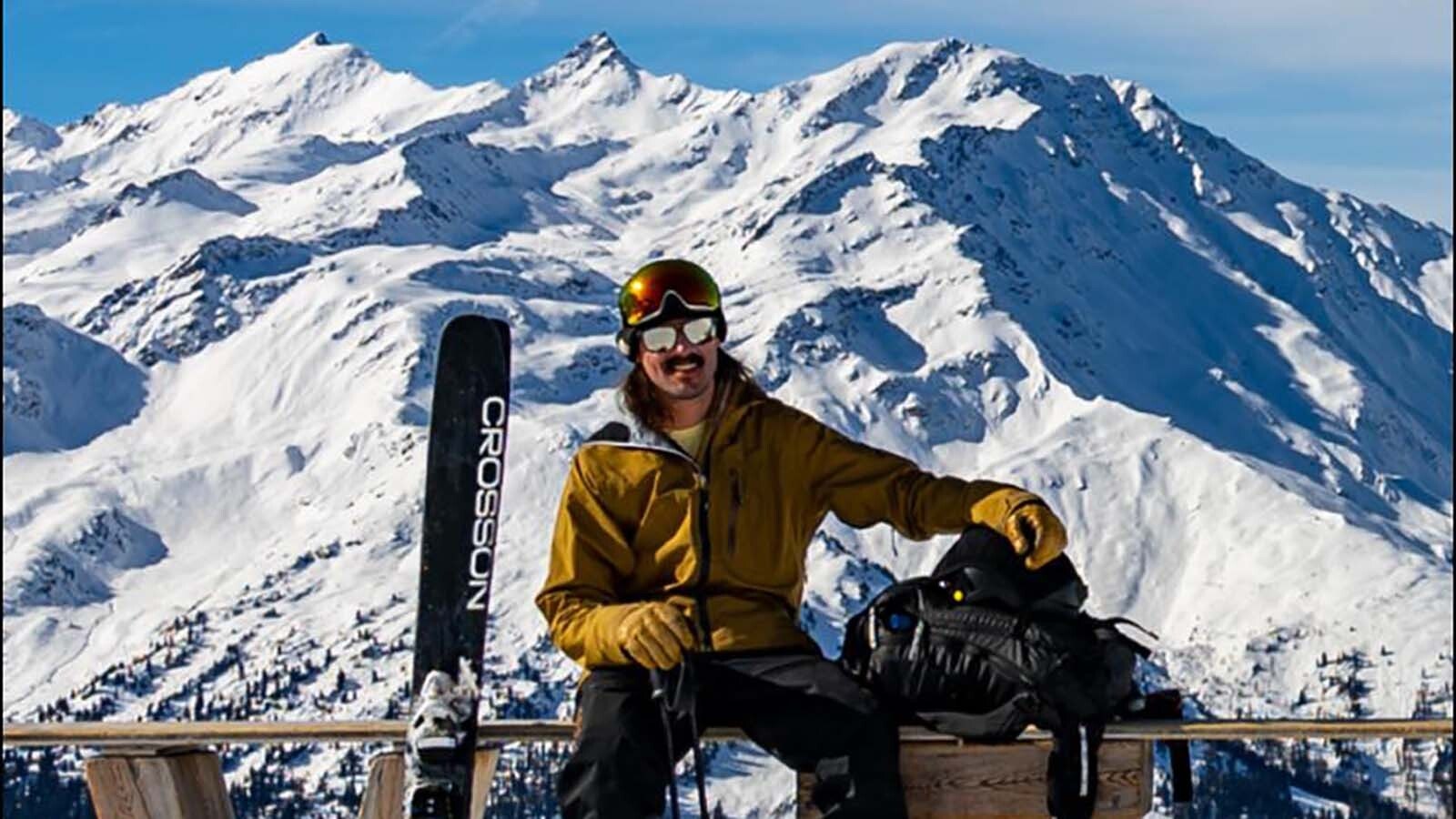
Tristan “Teton” Brown recently released his third self-produced ski film. He stands out as a longtime Jackson skier who goes to great lengths to ski for a living and live in one of the most expensive ski towns. (Courtesy Teton Brown) 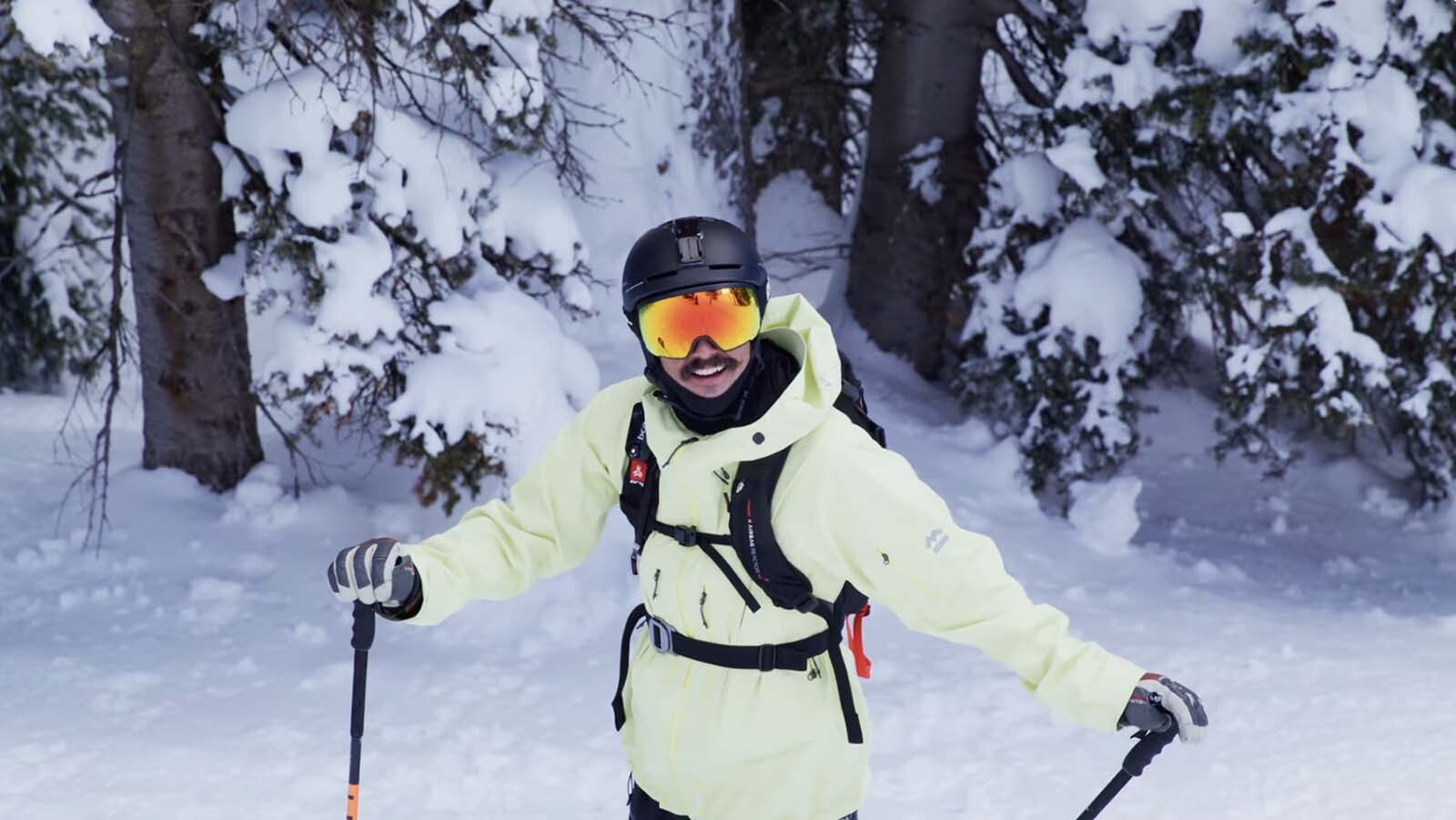
Tristan “Teton” Brown recently released his third self-produced ski film. He stands out as a longtime Jackson skier who goes to great lengths to ski for a living and live in one of the most expensive ski towns. (Courtesy Teton Brown) 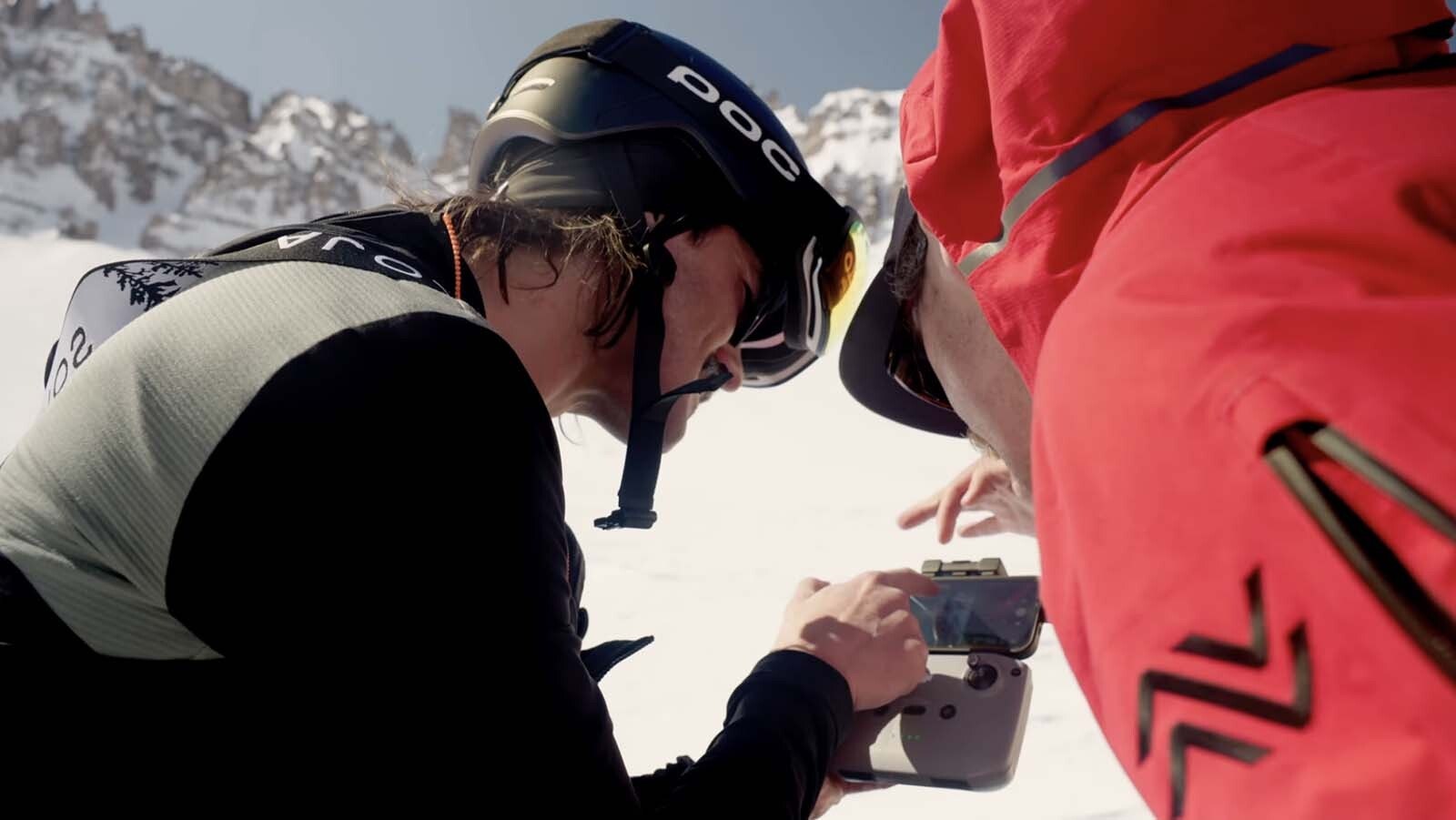
Tristan “Teton” Brown recently released his third self-produced ski film. He stands out as a longtime Jackson skier who goes to great lengths to ski for a living and live in one of the most expensive ski towns. (Courtesy Teton Brown) 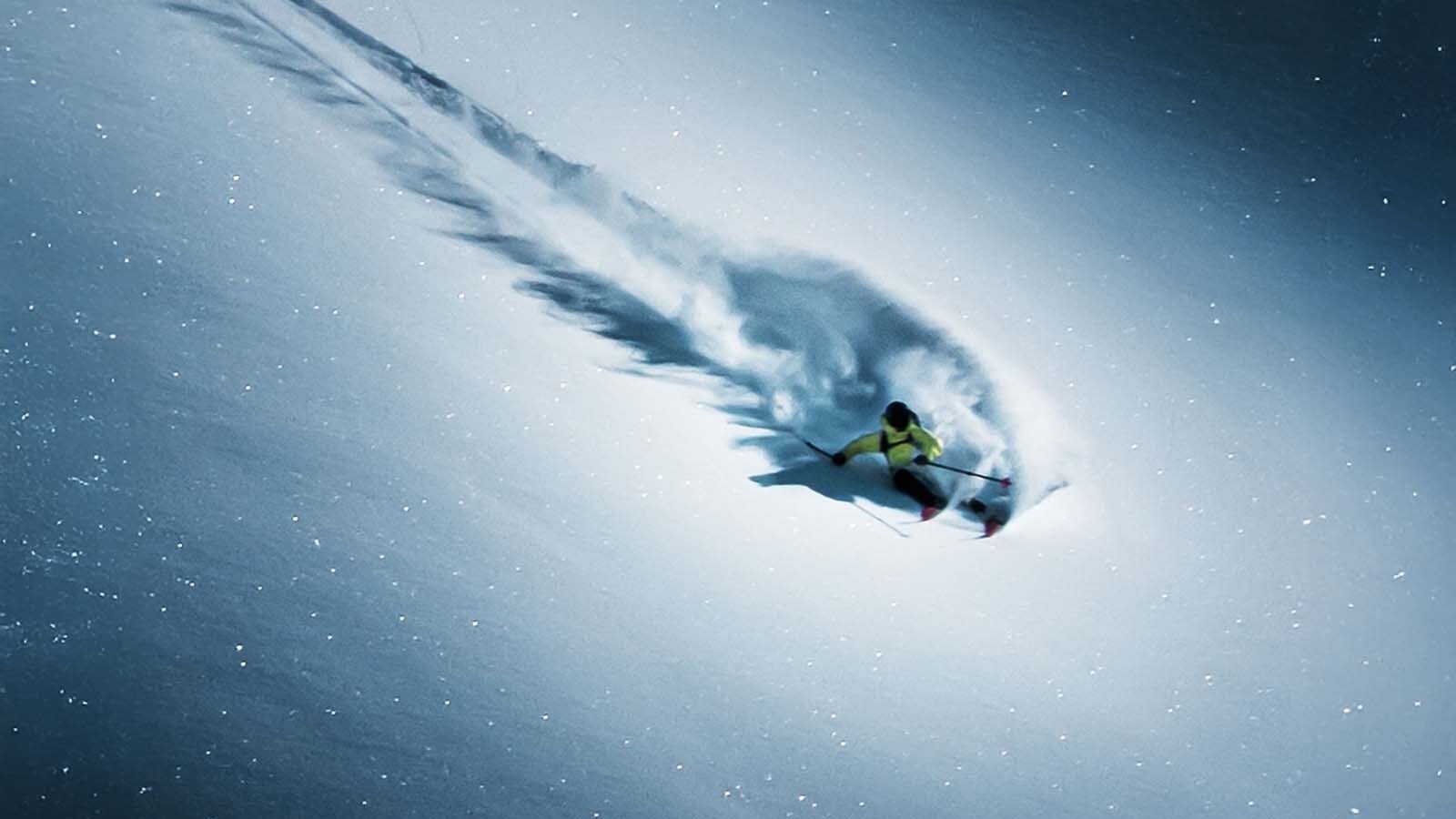
Tristan “Teton” Brown recently released his third self-produced ski film. He stands out as a longtime Jackson skier who goes to great lengths to ski for a living and live in one of the most expensive ski towns. (Courtesy Teton Brown) 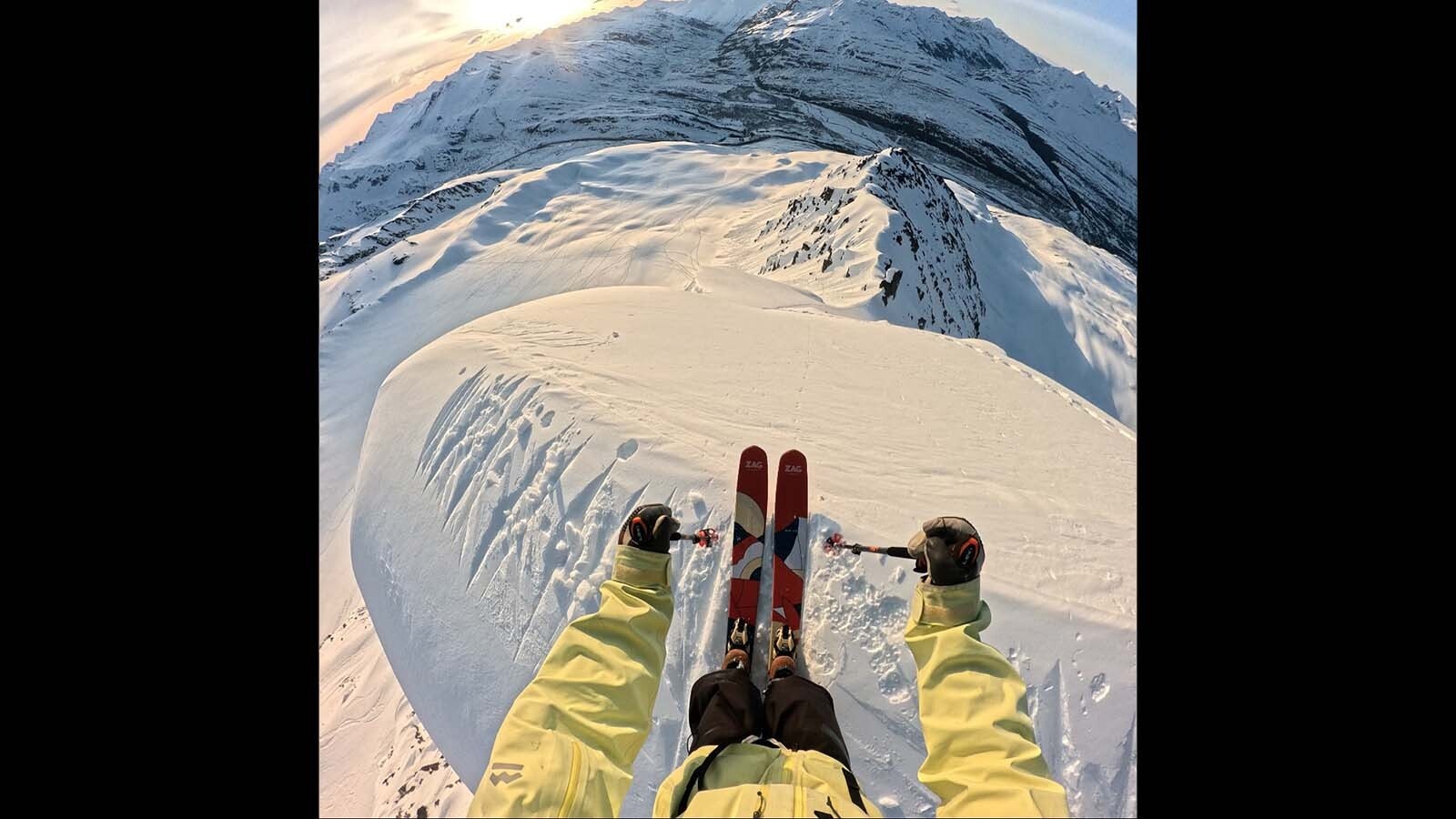
Tristan “Teton” Brown recently released his third self-produced ski film. He stands out as a longtime Jackson skier who goes to great lengths to ski for a living and live in one of the most expensive ski towns. (Courtesy Teton Brown) 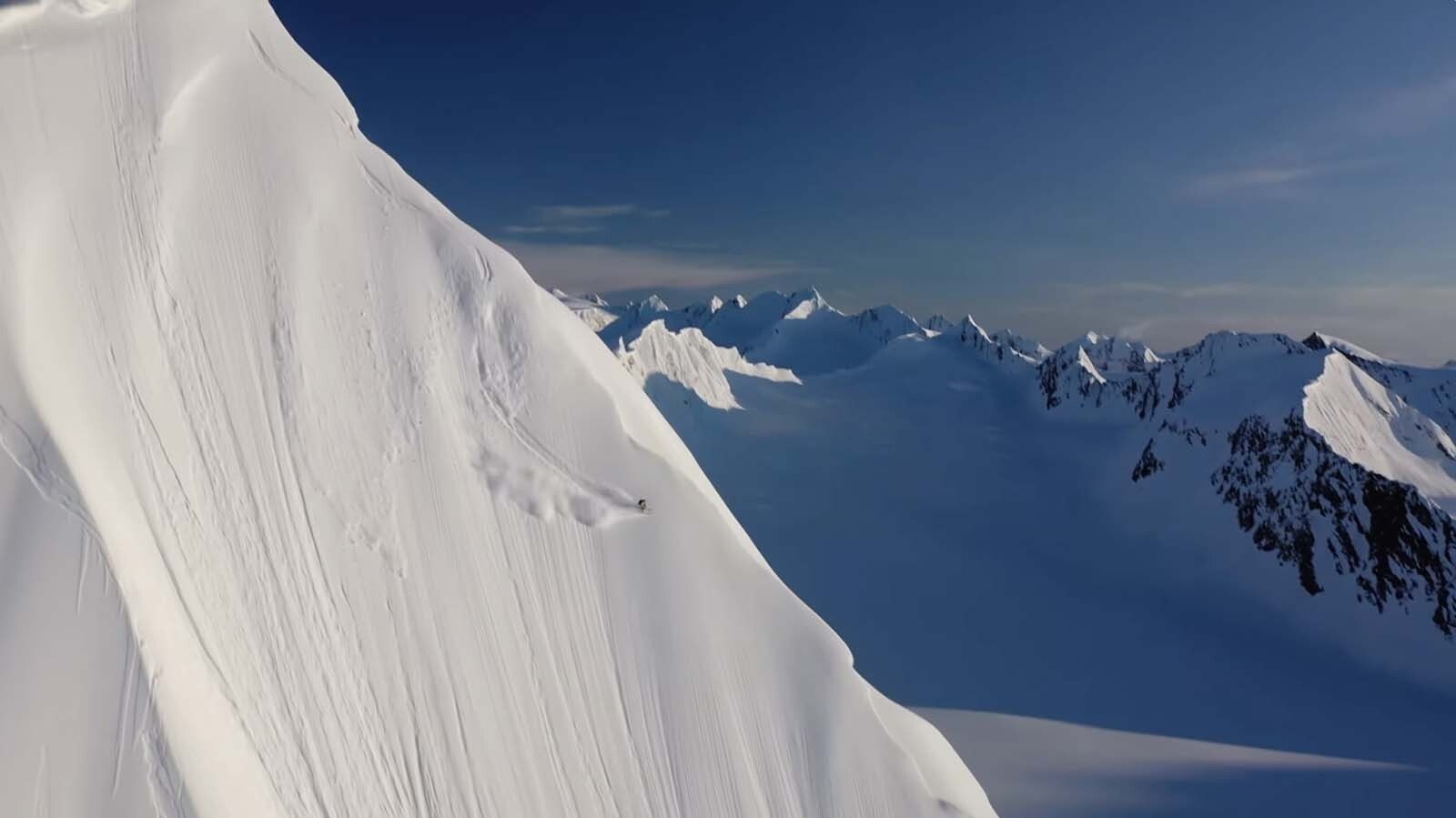
Tristan “Teton” Brown recently released his third self-produced ski film. He stands out as a longtime Jackson skier who goes to great lengths to ski for a living and live in one of the most expensive ski towns. (Courtesy Teton Brown)
Mountain Roots
Tristan Brown was born in Germany, and as a young tyke, he had a hard time pronouncing his own name. It came out sounding like "Teton" and that stuck.
His grandmother instilled a deep love for the sport in her children, and Brown's mother carried on the tradition, making sure he and his sister learned young. By the time Brown started getting competitive with ski racing in Seattle, coaches were telling his parents he needed to be on the mountain three or more days a week. The family ultimately relocated to Ketchum, Idaho.
"It was a great move," Brown said. "We lived five minutes from the ski area. I was able to go to school half the day in the winter and then go to the resort for a few hours and train in the afternoon."
He was diehard about racing at that point, with Olympic dreams that would eventually fade, but the obsession with skiing never did as he headed off to college at the University of Colorado at Boulder.
Brown met friends in Colorado who were into big mountain freeride competitions. His first comp was in Crested Butte. He and a couple buddies drove down from Boulder, arriving ready to inspect the venue — but the venue inspection had happened the day before, and the competition was already underway.
Officials told them they couldn't compete, but Brown persisted. They went up to the start anyway, found a sympathetic official, and got permission to drop at the end of the pack.
Brown had never seen the venue.
"Big mountain competitions are gnarly as it is, but competing blind is on a whole other level," Brown said.
He made the finals and finished in the top 10.
Kindred Spirits
Connery Lundin met Brown on a ski racing trip to New Zealand when both were around 13 years old.
"We were the two little shitheads, fast and cocky," Lundin recalled. "We were really young guys that were fast for our age. So we got to ski with the older kids. And him and I bonded over that."
Both eventually transitioned from racing to big mountain skiing, chasing storms and exploring new, more challenging terrain.
"I consider myself a fairly fearless person, but I feel like my mother when I'm hanging out with Teton," Lundin said. "He's just got this kind of crazy thing in his eyes. He's just confident."
Lundin added, "Teton has always been skiing as hard as or harder than anyone. But not necessarily doing it for the cameras or the sponsors. And it's just only in the last three or so years that he's sort of become recognized and put out content. But he's been doing this for a long time."
Belt Buckle
The Sickbird Award is a belt buckle given at freeride competitions for the coolest or wildest move pulled off during the event.
In 2014, at the Big Sky Freeskiing World Tour in Montana, Teton Brown won it. That piece of hardware became his calling card.
"If you can get one competition or like result that shows that you are in a level above like the rest of the pack, that's what's going to make sponsors take notice," Brown explained. "That's what happened for me at a young age."
The Sickbird win gave him something to show. He reached out to Blizzard with photos and a simple pitch, along with names of friends who already skied for the brand who could vouch for him.
Of course, free skis didn’t make Brown a full-time pro. For about seven years, Brown worked seasonal jobs to support his skiing habit. He estimates he worked at least 10 restaurants in Jackson, cycling through positions as ski trips and backcountry adventures inevitably interfered with his shifts.
Summers brought different gigs: painting houses, washing windows, doing carpentry. He now runs a real estate photography business.
According to Lundin, Brown lived on a friend’s porch at one point, doing "anything he could to make it work for skiing."
Matt Lancaster, another longtime Jackson ski buddy who has known Brown for about 12 years, continues to watch local ski culture wither under financial pressures, he said.
Brown is one of the holdouts.
"It sucks to just see how the cost-of-living drives ski culture away," Lancaster said. "He really is keeping it alive. And it sucks because he has to move every six months. But he's been successful with his real estate photography business. So he's found a little niche there to make money. And then he's just dedicated, like dedicated and committed to skiing."
"Finally, my career got to a place where I could afford to just ski in the winter," Brown said, who’s five years in as a pro skier — no side jobs when snow is falling, just ski filmmaking.
Classic Style
Lundin sees Brown's ski racing foundation in every line he rips. Naturally crisp technique. Speed. Confidence.
"A lot of our world of big mountain skiing sort of moved away from like gnarly, fast, hard charging to more tricks and a little slower," Lundin explained. "And he finds like really staying true to that sort of classic old school-ish, rugged rock, fast, big air style."
Lancaster describes Brown's skiing differently: "Energetic. Playful. Dialed. Calculated." The combination of abandon and precision is evident throughout "Clean Slate," particularly in the Alaska segments where Brown carves thoughtful arcs down spines of fresh snow.
Brown's message comes back to something he says in "Clean Slate" as the camera pulls back to reveal the vast Alaskan landscape: "It's never just the line. It's the people you're with. The long days, the laughs, the struggles. That's why we keep coming back. And every year, every storm, it all starts again with a clean slate."
David Madison can be reached at david@cowboystatedaily.com.