LEXINGTON, Neb. — It’s an hour past the afternoon shift change at the Tyson beef processing plant across the road and Armando Martinez, owner of Los Jalapeños Mexican restaurant, is busy getting ready for the dinner rush.
If there is a dinner rush.
The lunch and dinner crowds have been shrinking in the month since Tyson Foods abruptly announced it's closing the Lexington plant.
While it will keep processing beef through Jan. 20, the families of the 3,200 Tyson workers in this town of nearly 11,000 people are pinching every penny.
With the prospect of unemployment and possibly uprooting to find new jobs, every dollar has to be stretched.
That means less for mom-and-pop businesses like Los Jalapeños, which has supported Martinez and his family for 11 years.
Quick with a smile, enthusiastic, and with a penchant for chatting, Martinez is naturally upbeat and outgoing. He’s a glass half-full guy, but his face also is creased with worry and fear.
In fact, he said he’s terrified about what the Tyson plant closure will do to his family, his business, and the town he’s adopted as his own for more than 20 years.
“I think half the town is going to go somewhere else for work,” he said through his daughter Vicky Martinez, who translates his Spanish.
“We’re worried,” Armando said, saying that there’s an air of “sadness” around town that has developed as a cloud over the holidays.
Tyson’s announcement came a week before Thanksgiving, and the shock and awe hasn’t let up, Vicky said.
“We’ve noticed people are spending a lot less, and a lot of families have already left,” she said, sitting next to her father at a table in the otherwise empty restaurant. Her kids are well-behaved in a corner booth coloring and quietly watching cartoons on a wall-mounted TV.
“It’s really sad to think how different Christmas is going to be,” she said. “It’s supposed to be happy, but now it’s a lot of worry and sadness.”
The Martinez family business depends on the Tyson plant. It’s convenient for workers to stop in before and after shifts to pick up lunches or dinners, Armando said.
Without that business, he said he’s more than worried about whether locals will go out of their way to eat there with enough frequency to make up for the loss of the Tyson customers.
The company is the largest employer in Lexington by a huge margin. After its 3,200 workers, the next largest employer is the local school district at about 500.
“Most of the town depends on the plant, not just us,” Armando said. “Before people go to their shift, they come in and stop for lunch. Or, they’re getting off shift and come get food so they don’t have to go home and cook.”
He calls the Tyson plant “the heart of Lexington,” adding that a community that’s given its blood and sweat to the corporation for 35 years has had its heart torn out.
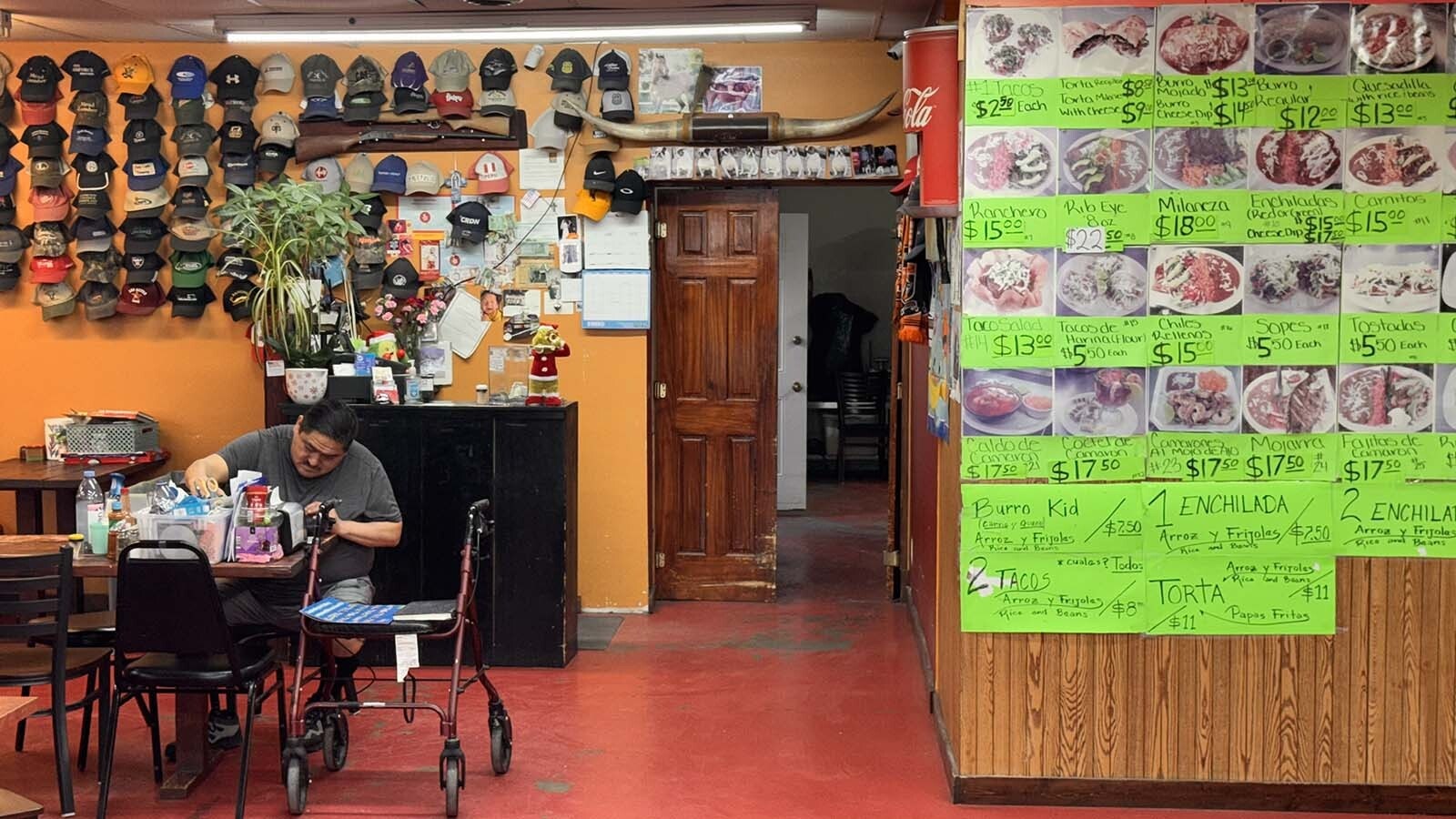
Armando Martinez in Los Jalapenos Mexican restaurant across the road from the Tyson beef plant. Business already is down since the company announced the plant will close next month. He's worried about what happens when the doors shut. (Greg Johnson, Cowboy State Daily) 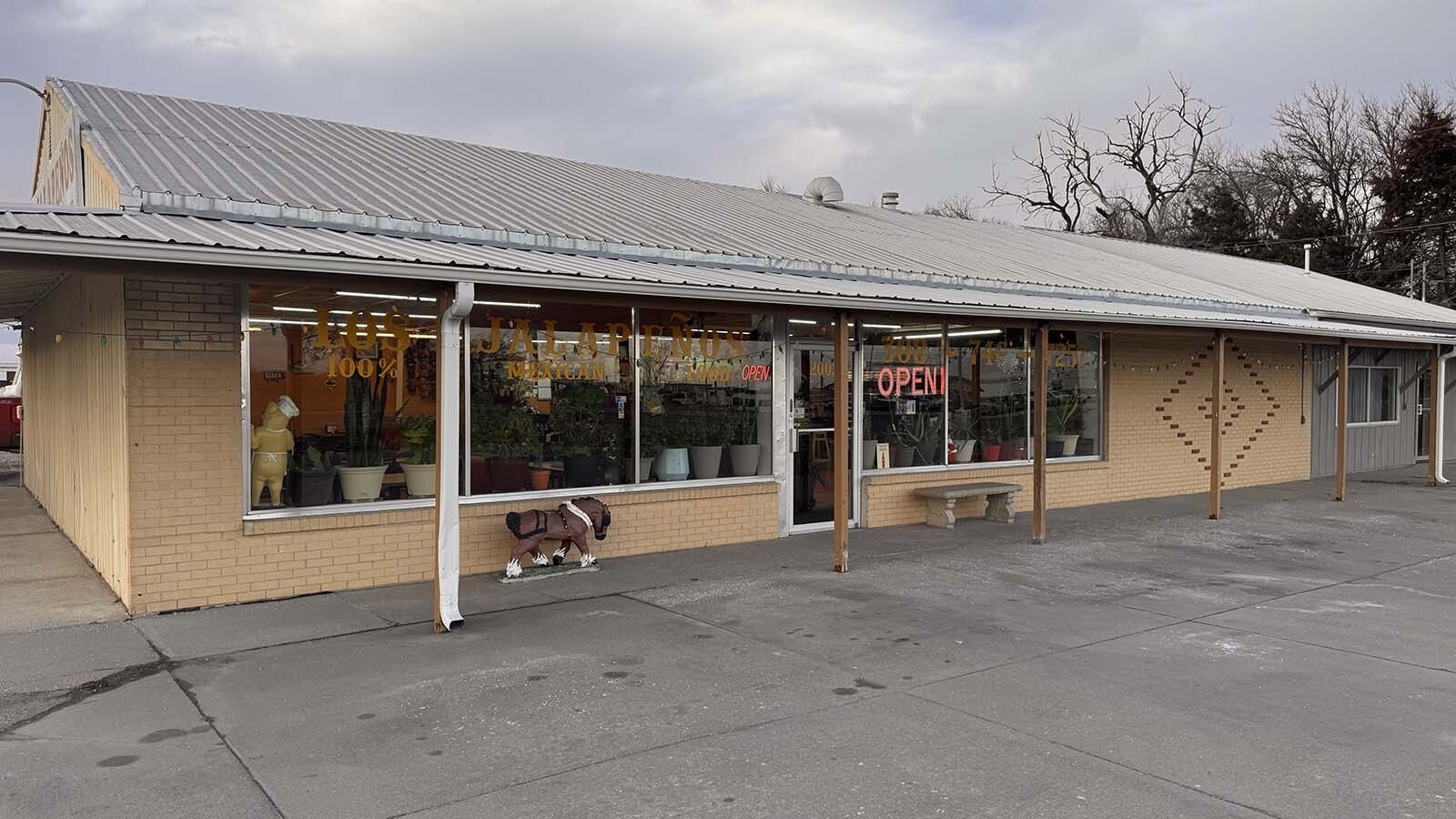
Los Jalapenos Mexican restaurant across the road from the Tyson beef plant says it's open, but nobody's there. (Greg Johnson, Cowboy State Daily) 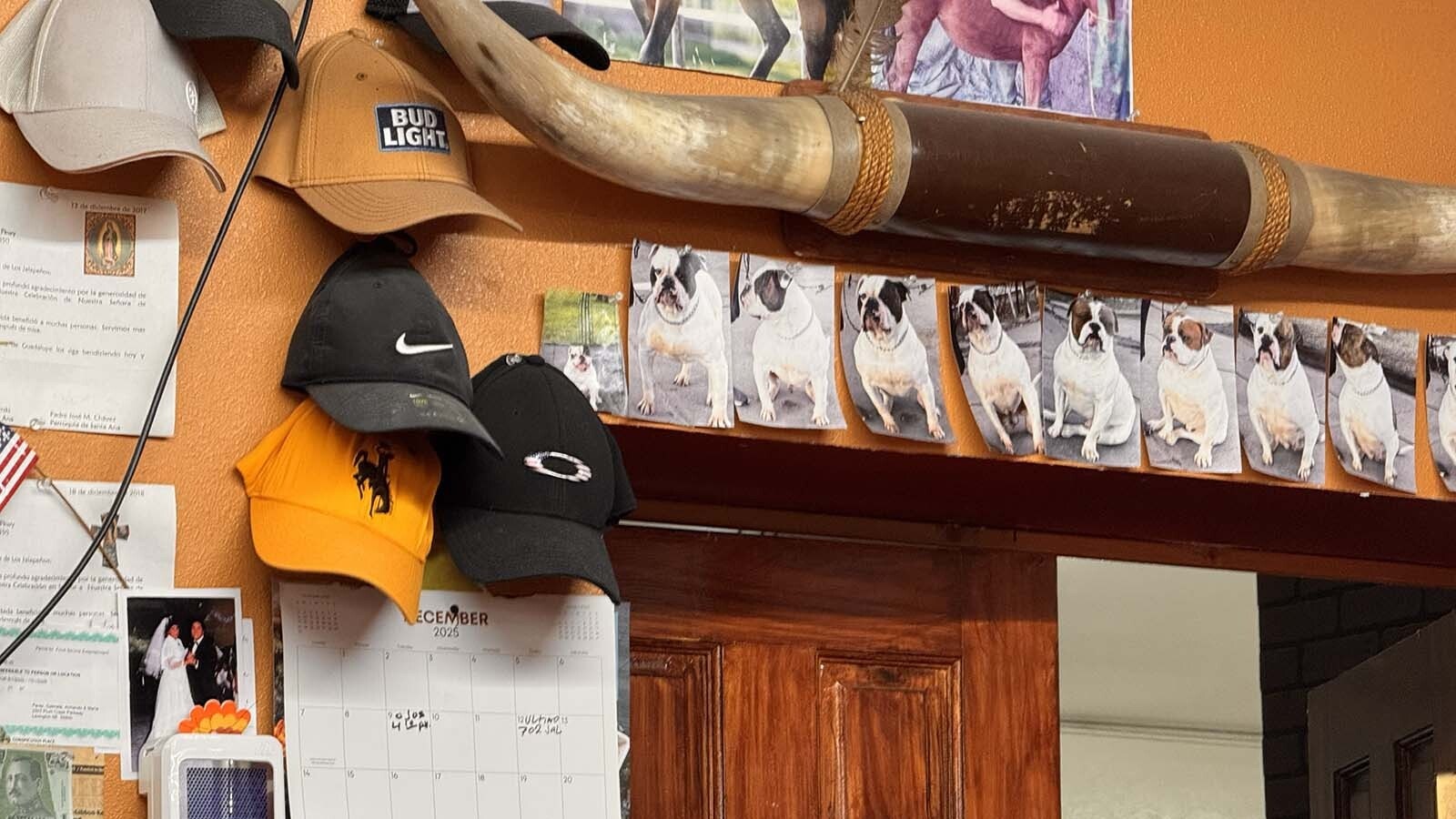
Armando Martinez collects hats at Los Jalapenos restaurant, and says the Wyoming hat his is favorite. (Greg Johnson, Cowboy State Daily) 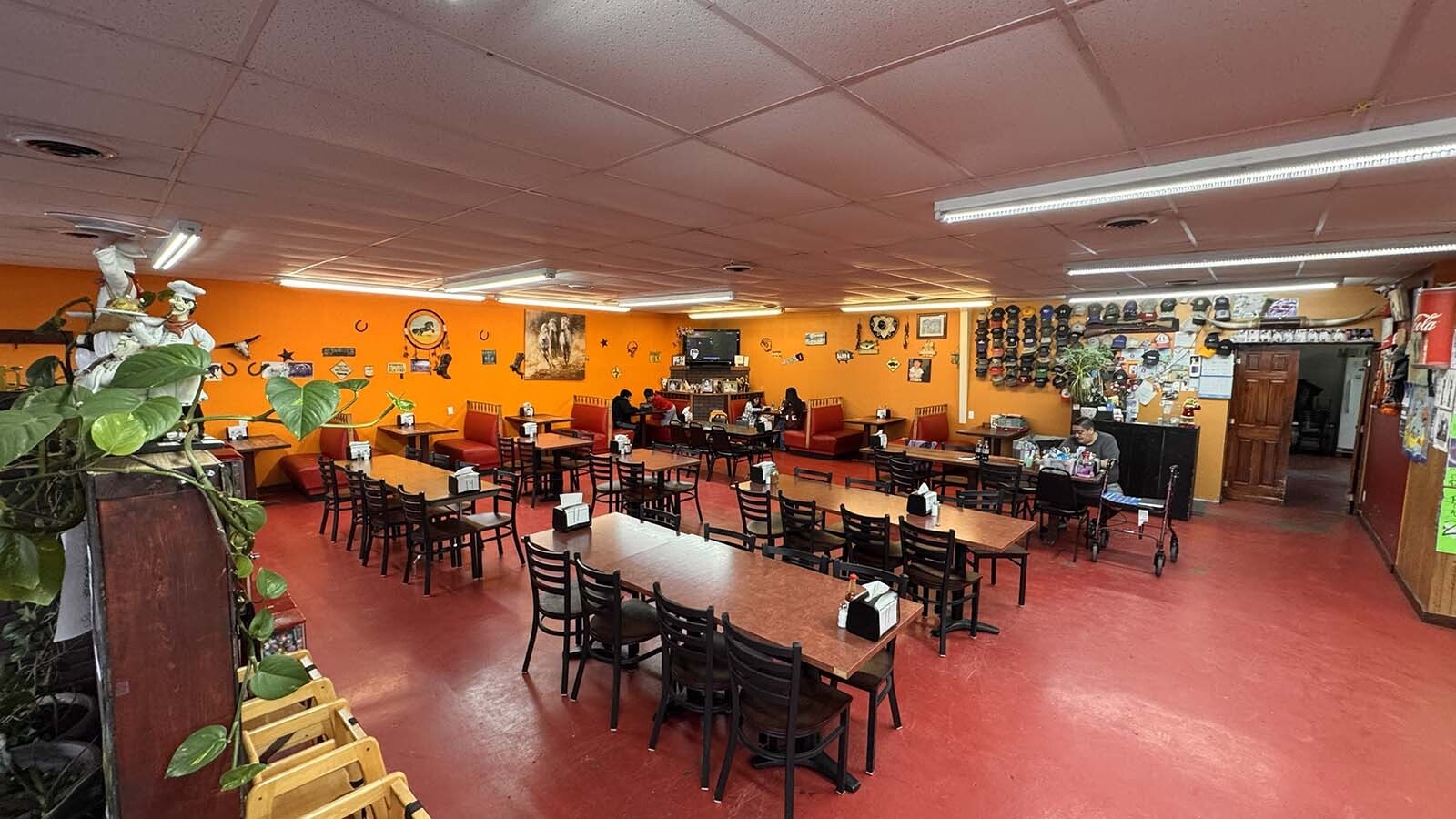
Los Jalapenos Mexican restaurant across the road from the Tyson beef plant is empty on a recent afternoon. Business already is down since the company announced the plant will close next month. He's worried about what happens when the doors shut. (Greg Johnson, Cowboy State Daily) 
There's a lot of local flavor inside Los Jalapenos Mexican restaurant across the road from the Tyson beef plant. (Greg Johnson, Cowboy State Daily) 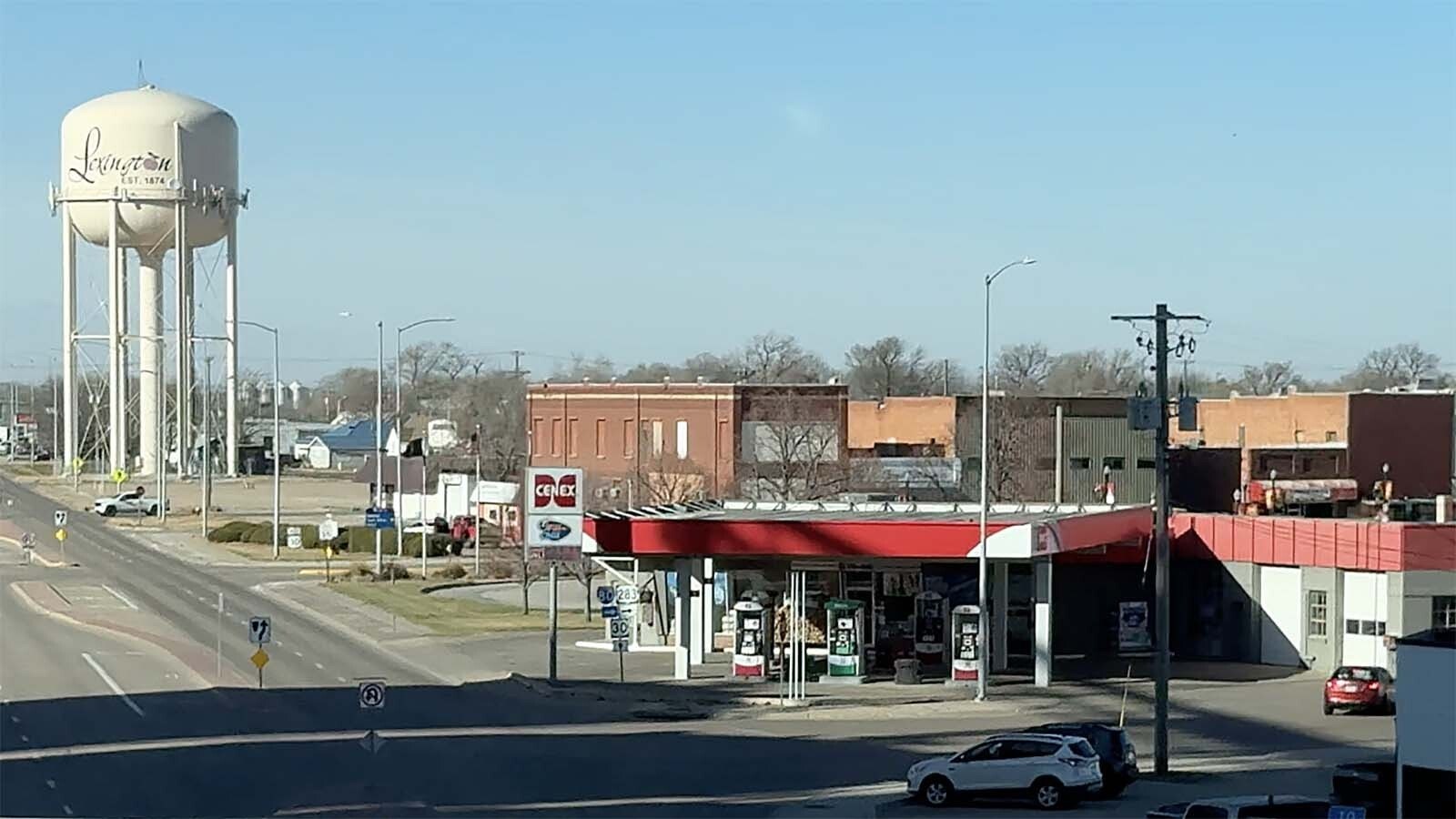
About 3,200 of Lexington, Nebraska’s 11,000 residents work at a huge Tyson Foods beef processing plant — for another month. News that the plant will close next month was an unexpected “gut punch” many fear will devastate this rural cow town. (Greg Johnson, Cowboy State Daily) 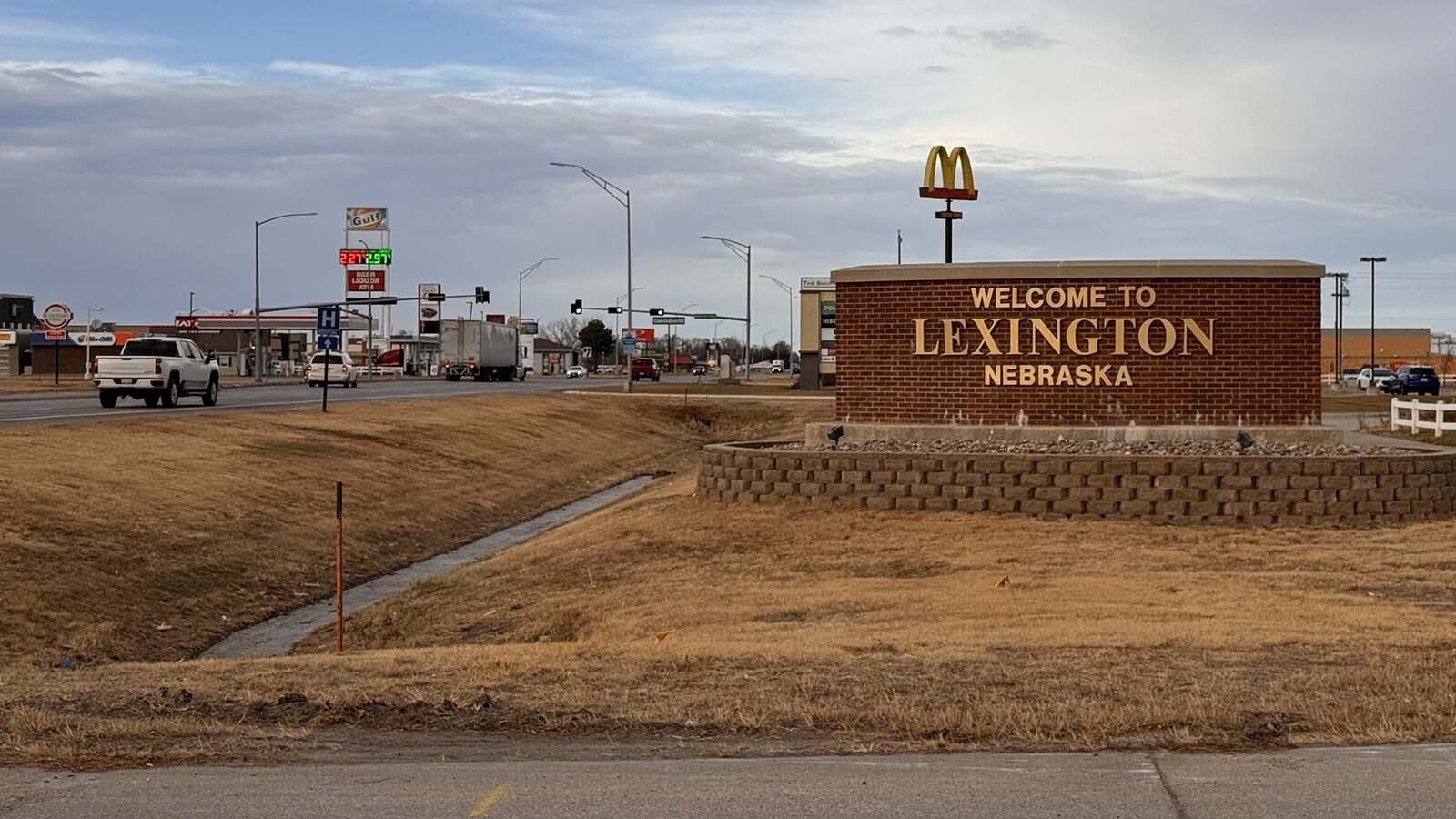
About 3,200 of Lexington, Nebraska’s 11,000 residents work at a huge Tyson Foods beef processing plant — for another month. News that the plant will close next month was an unexpected “gut punch” many fear will devastate this rural cow town. (Greg Johnson, Cowboy State Daily) 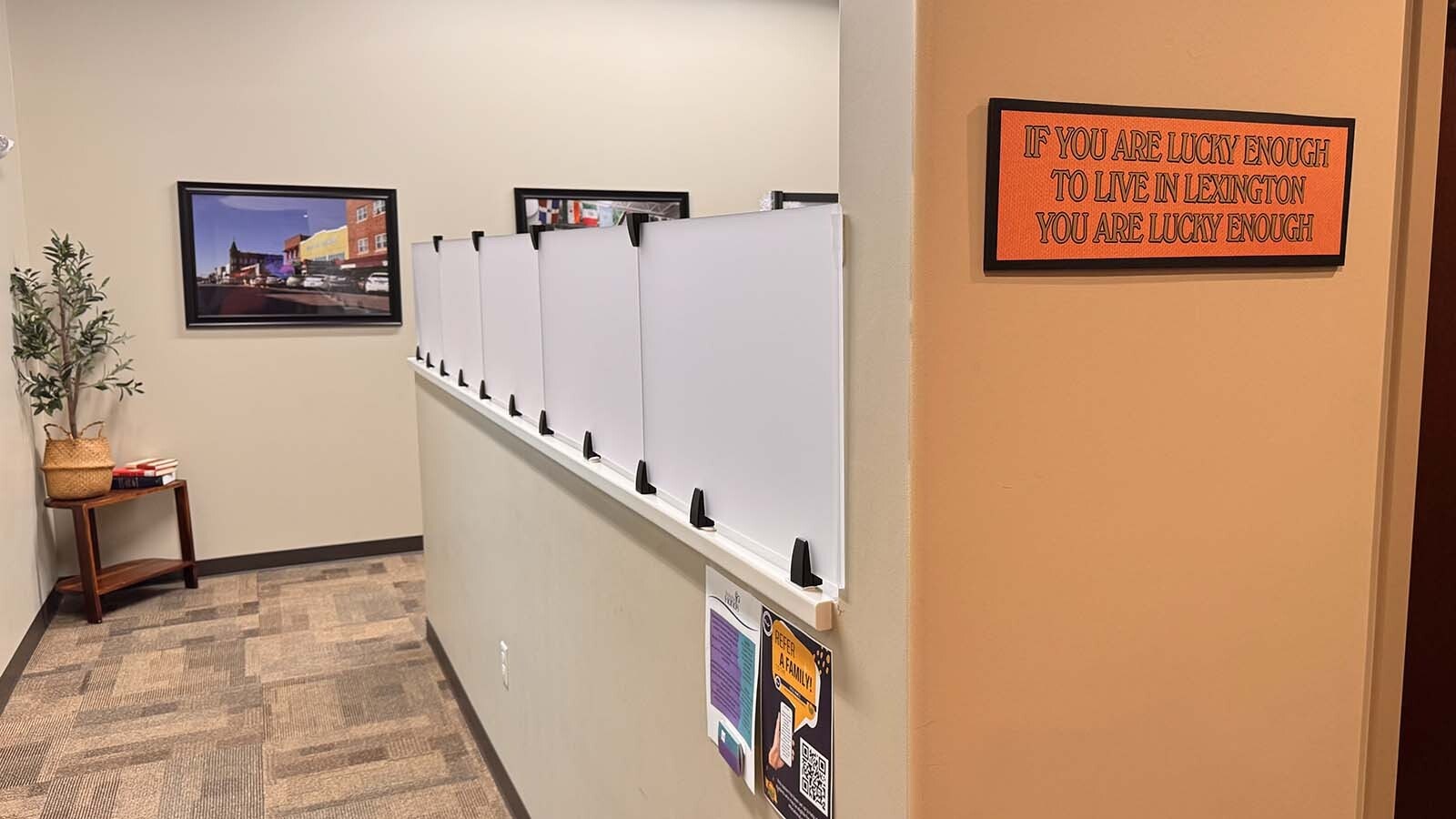
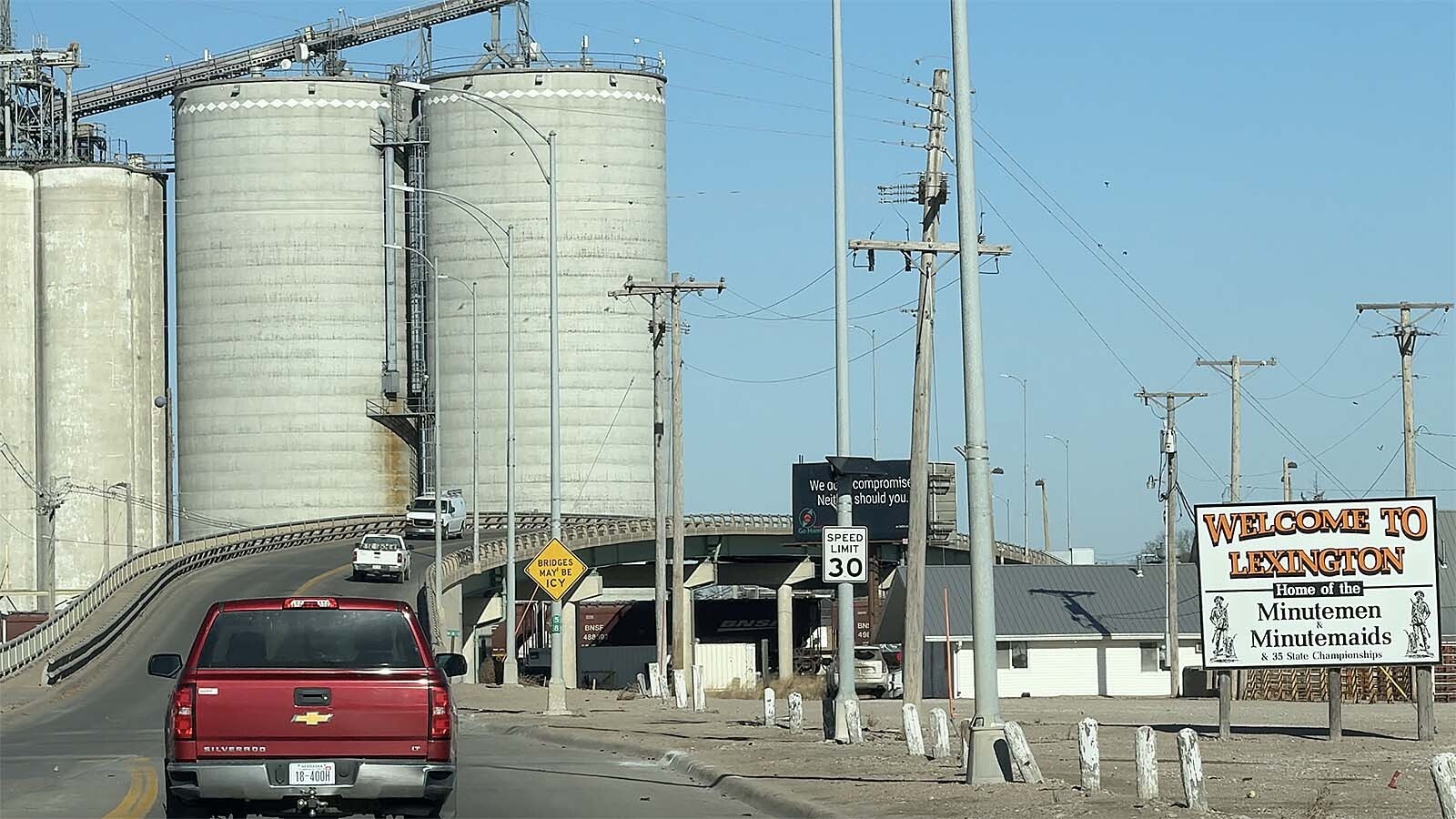
About 3,200 of Lexington, Nebraska’s 11,000 residents work at a huge Tyson Foods beef processing plant — for another month. News that the plant will close next month was an unexpected “gut punch” many fear will devastate this rural cow town. A sign at the Lexington Visitor Center shows the pride locals have in their town. (Greg Johnson, Cowboy State Daily) 
About 3,200 of Lexington, Nebraska’s 11,000 residents work at a huge Tyson Foods beef processing plant — for another month. News that the plant will close next month was an unexpected “gut punch” many fear will devastate this rural cow town. A Scrabble display at the Lexington Visitor Center shows the pride locals have in their town. (Greg Johnson, Cowboy State Daily)
‘Network Changes’
For its part, the nation’s largest poultry and meat producer doesn’t say it’s shutting down or closing the Lexington plant, which can process up to 5,000 head of cattle a day, or about 5% of America’s beef.
It says it “will end operations” and calls the closure “network changes” that will position the company “for long-term success.”
The announcement came in a 125-word press release that says production will be increased at other Tyson beef plants to make up for shuttering the Lexington plant.
With cattle supplies at a 70-year low across the country, huge plants like Tyson’s can’t keep their operations running at full capacity, according to the Center for Agricultural Profitability at the University of Nebraska.
For these huge plants, it’s all or nothing. They can make money in volume, but bleed to death if they can’t produce at full capacity.
Tyson’s six beef plants produce the most in the U.S., with capacity to process 27,600 cattle a day, the center reports.
People in Lexington have been through this before.
The plant originally was owned by Sperry-New Holland, which made farm equipment until the factory closed in 1985.
Four years later, Iowa Beef Packers (IBP) bought the facility and retooled it to process beef, opening again in 1990. It was expanded again when Tyson acquired IBP in 2001.
The Tyson closure announcement also says that the company “recognizes the impact these decisions have on team members and the communities where we operate.”
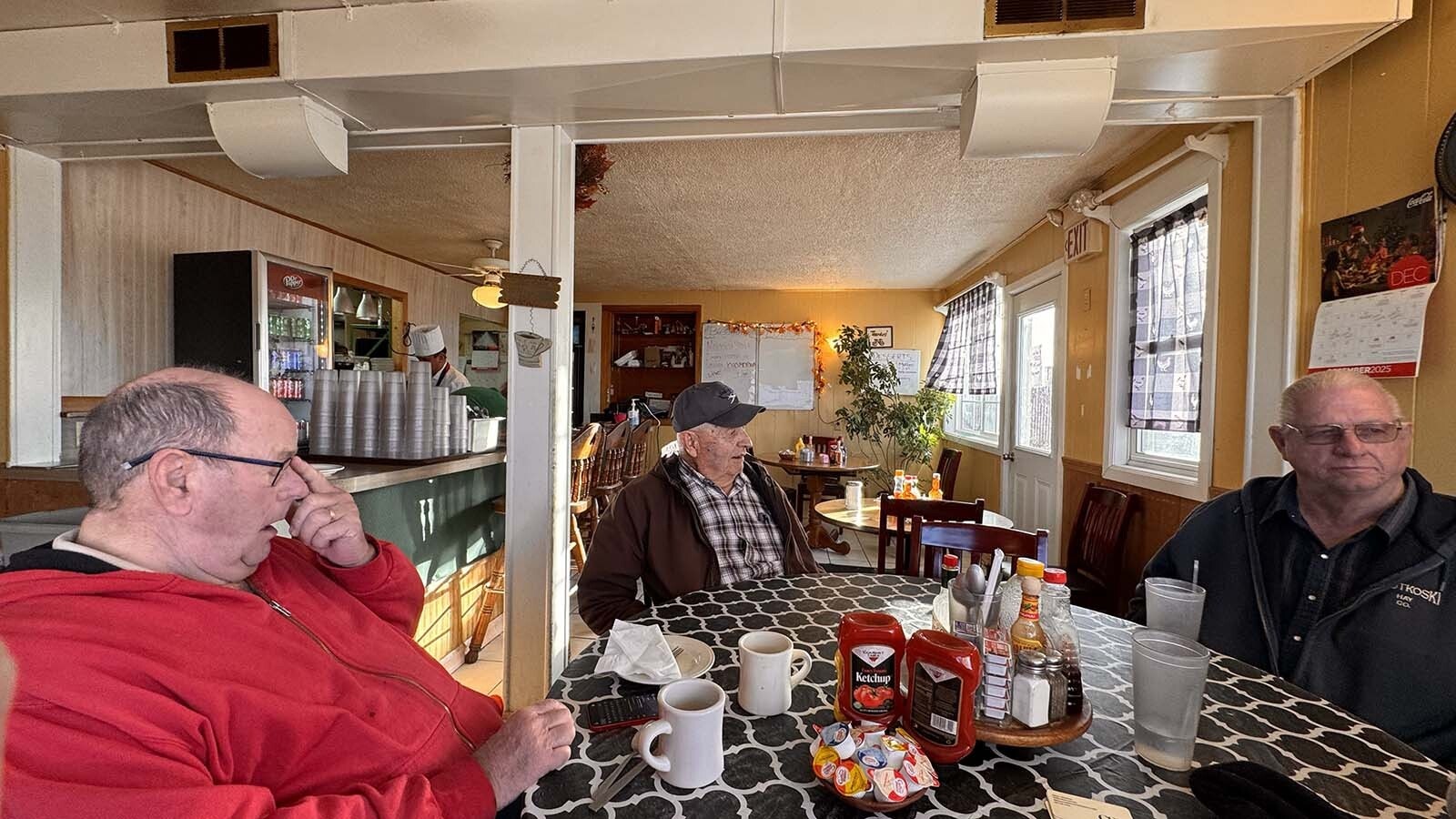
The old guys club at Farmer's Cafe include, from left, Dave Giesbrecht, Lorin Bremer and Paul Bernston. (Greg Johnson, Cowboy State Daily) 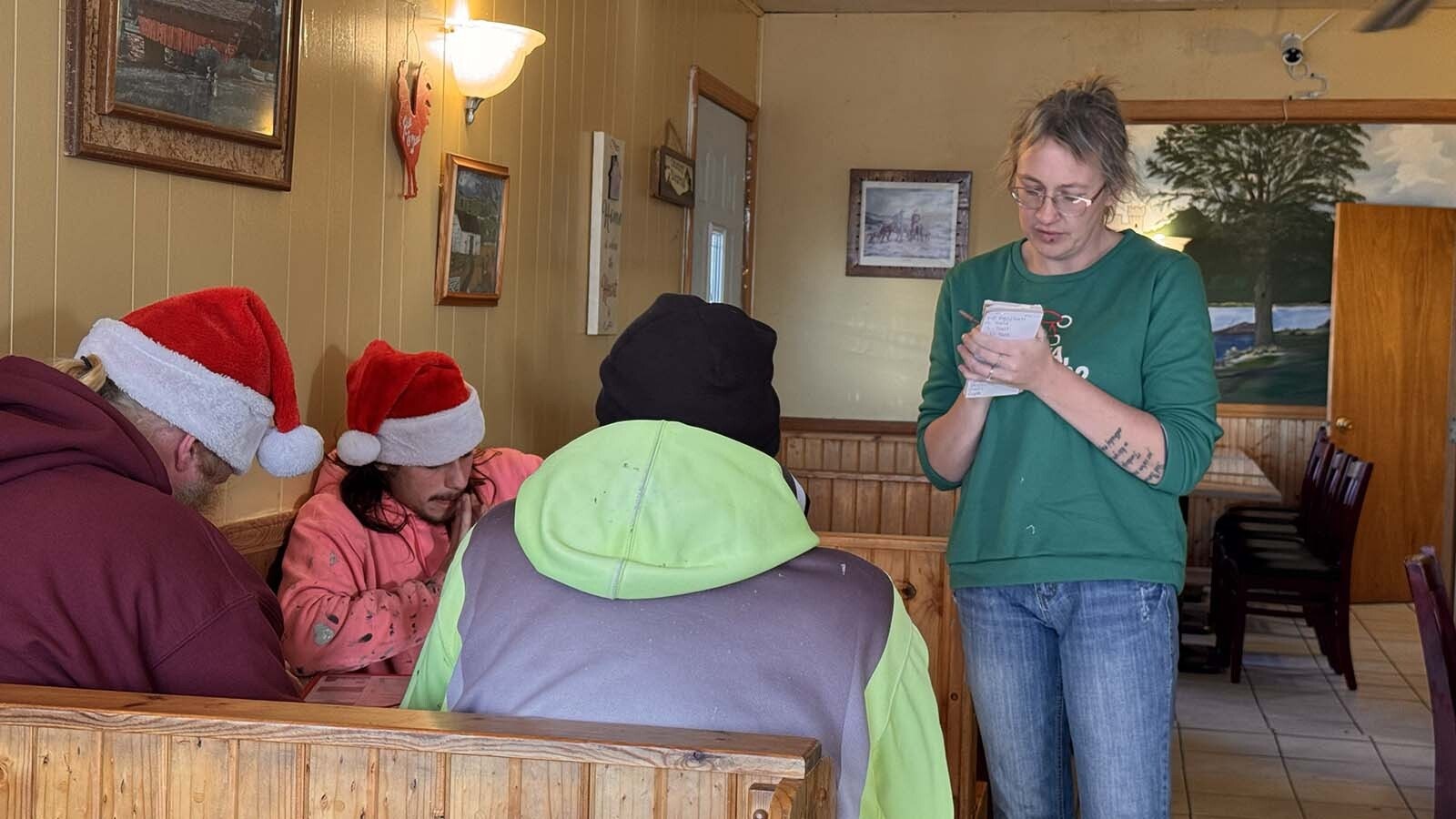
Molly Kallos takes an order at Farmer's Cafe in Lexington, Nebraska. (Greg Johnson, Cowboy State Daily) 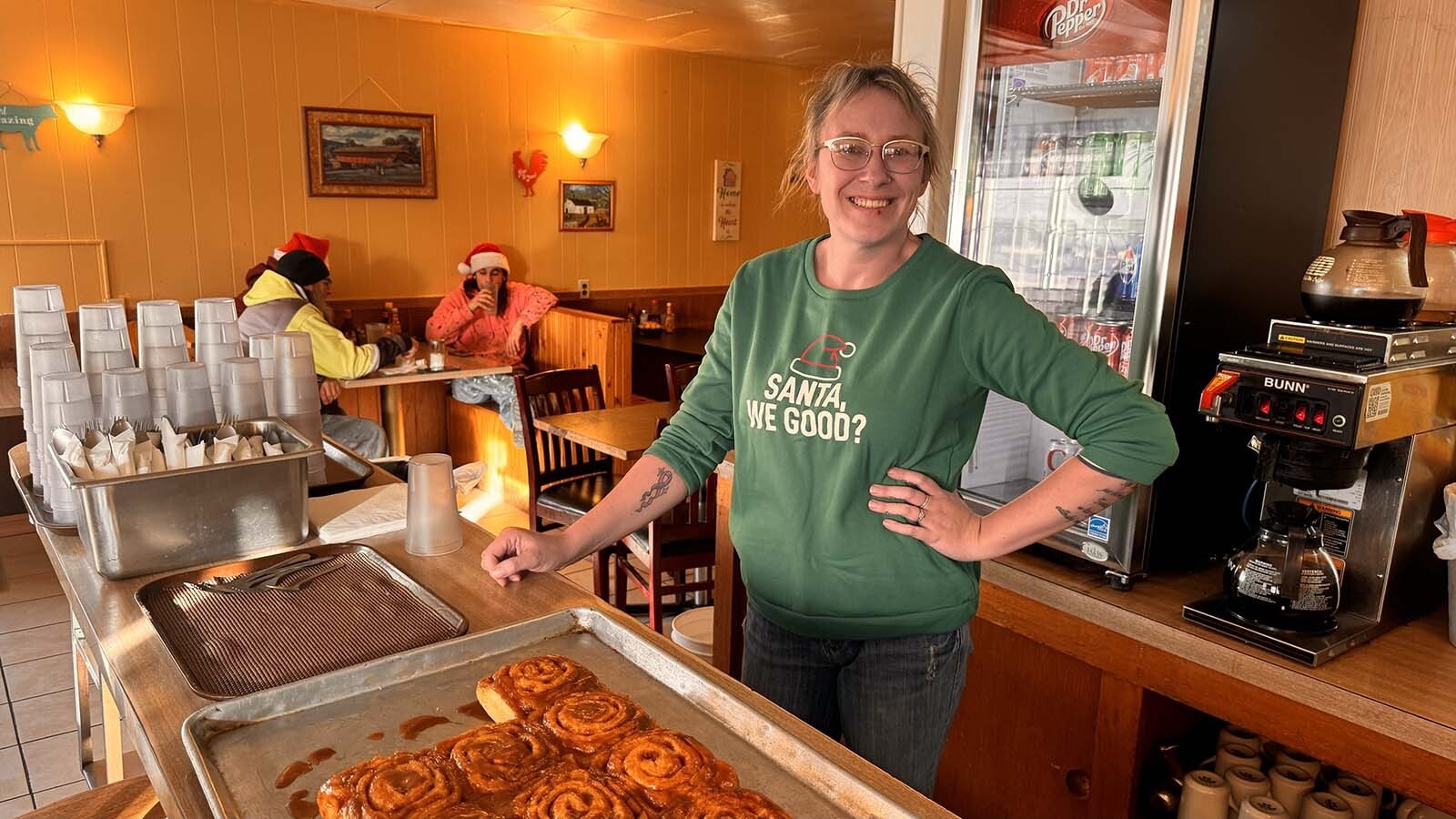
Molly Kallos at Farmer's Cafe says she grew up in Lexington, Nebraska, and is worried about what the Tyson plant closure will do to the town. (Greg Johnson, Cowboy State Daily) 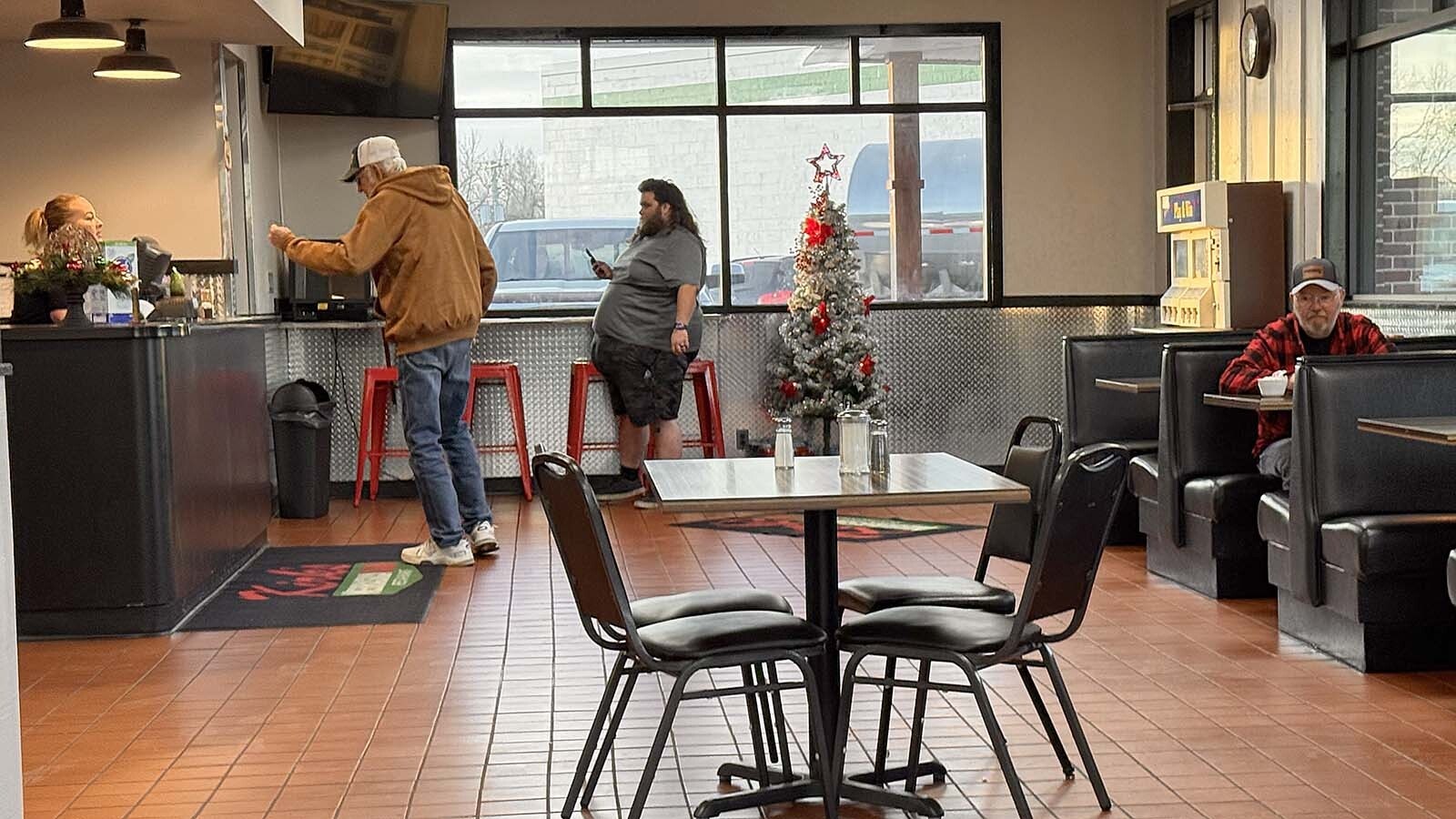
Kirk's Nebraskaland Restaurant is a place where Lexington locals and truckers like to eat. (Greg Johnson, Cowboy State Daily) 
About 3,200 of Lexington, Nebraska’s 11,000 residents work at a huge Tyson Foods beef processing plant — for another month. News that the plant will close next month was an unexpected “gut punch” many fear will devastate this rural cow town. (Greg Johnson, Cowboy State Daily) 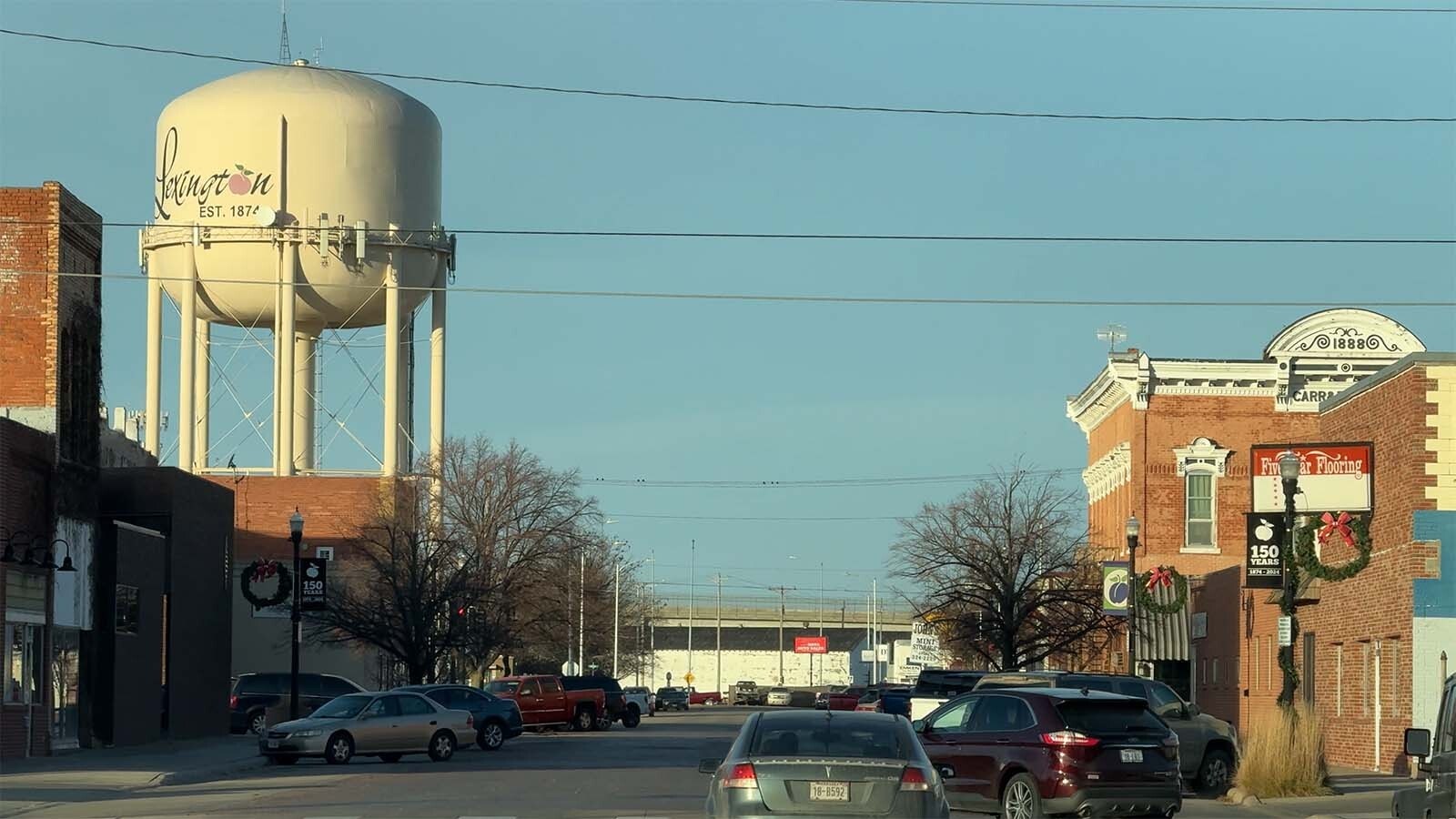
About 3,200 of Lexington, Nebraska’s 11,000 residents work at a huge Tyson Foods beef processing plant — for another month. News that the plant will close next month was an unexpected “gut punch” many fear will devastate this rural cow town. (Greg Johnson, Cowboy State Daily) 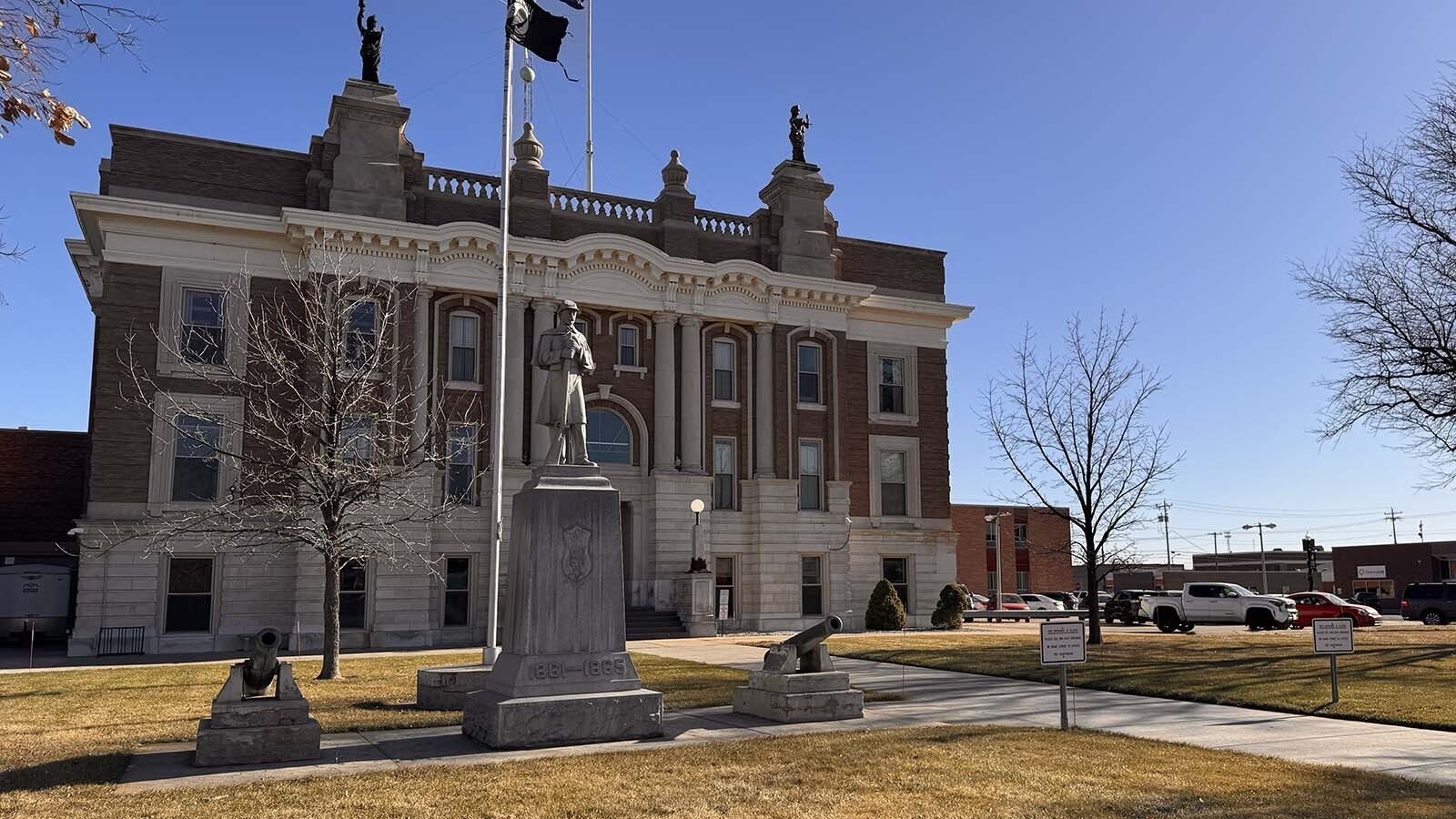
The Dawson County Courthoue in the center of Lexington, Nebraska. (Greg Johnson, Cowboy State Daily)
‘Bullshit’
“Bullshit,” Paul Bernston said about Tyson’s corporate claims of caring.
“It’s all bottom line, they don’t care about the actual people here,” he said.
The plant closure and what it will mean for Lexington has been a popular topic of discussion among Bernston and the other retired men who gather most mornings for coffee at the Farmer’s Café.
While Tyson has a huge payroll and has been a frequent contributor to local groups and events, much of that came from local management, not corporate headquarters, said Dave Giesbrecht.
He sits with his back to the rest of the small dining room dominated by the large, round table the old guys club meets at.
He admits there’s a lot of speculation and rumors flying around town without much to base them on. One is that after 35 years of operating as a beef processing plant, tax subsidies were running out, so Tyson pulled up stakes.
“Looking back now and what this will do to the town, Tyson should never have come in,” Giesbrecht said. “But that’s hindsight. We’ve been just fine without them. We were here before, but now this is devastating.”
While they tackle some serious subjects during these morning coffee sessions, the old guys' attention span can turn on a dime.
Lorin Bremer, who’s been in Lexington since 1962, interjects with a joke.
“How can you tell a male duck from a female duck?” he asks.
Without waiting for an answer, he delivers the punchline: “The male duck’s the one on top.”
That prompts Dave Dennis to chime in with his analysis of the quality of conversation: “Nothing very smart is ever said here.”
Then it’s back to the plant.
“Tyson talks about, you know, we love the community,” Bremer said. “We’re part of the community, Lexington is us, we’re Lexington. And then they leave.”
Flitting around the table keeping their coffee hot is Molly Kallos, the small café’s only server and a lifelong Lexingtonian.
“I grew up here, spent my whole life here in Lexington,” she said. “My dad worked at Tyson, he worked at IBP when it was IBP, then he worked at Tyson. I’m scared for what’s going to happen to this town.
“You’ve got all these people who have, you know, bought their houses and raised their children here, and now they don’t know what they’re going to do, how they’re going to pay their mortgage.
“They started these jobs at that plant with the intent of making a life.”
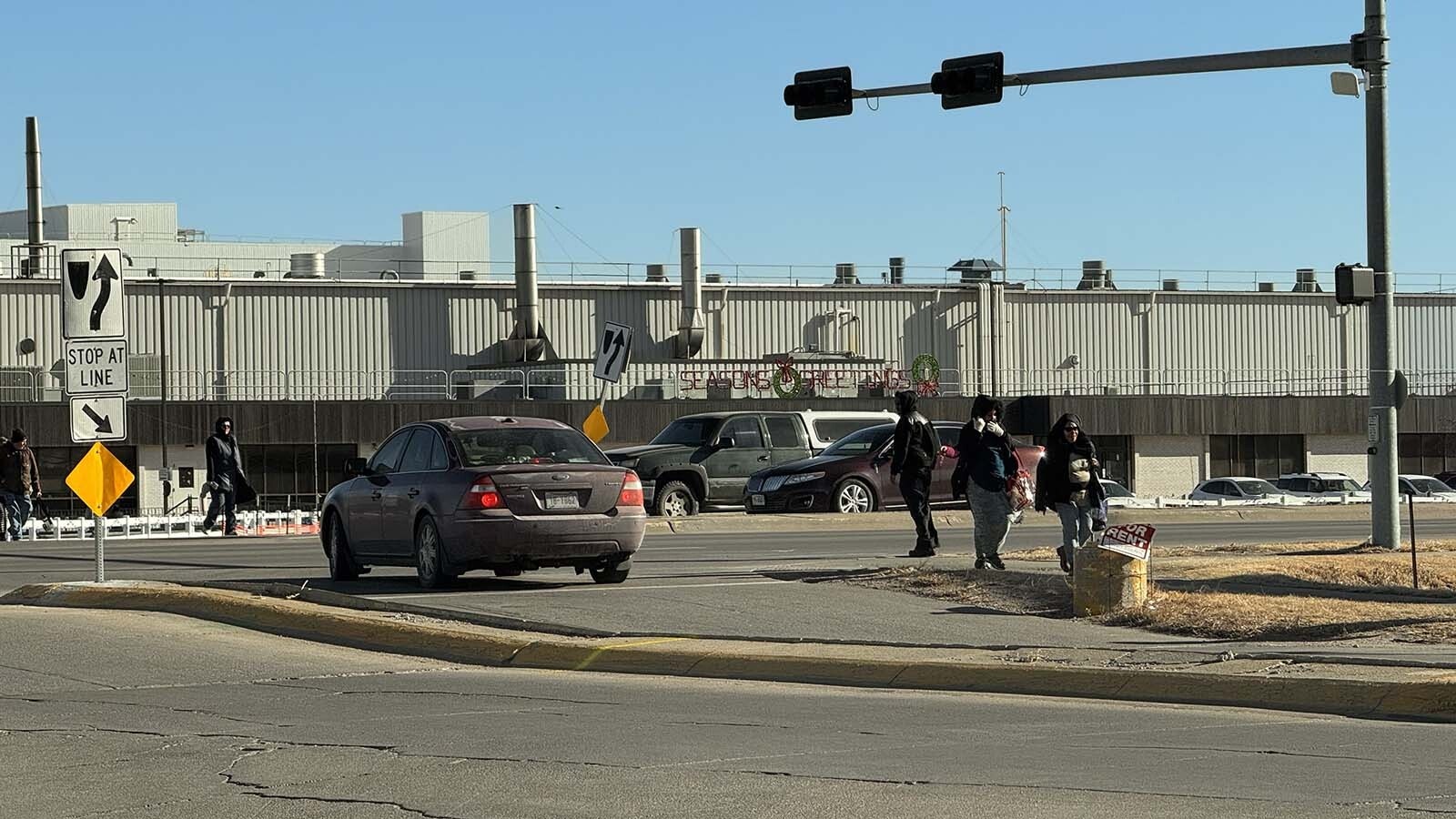
Tyson workers cross Plum Creek Parkway after their shift ends. (Greg Johnson, Cowboy State Daily) 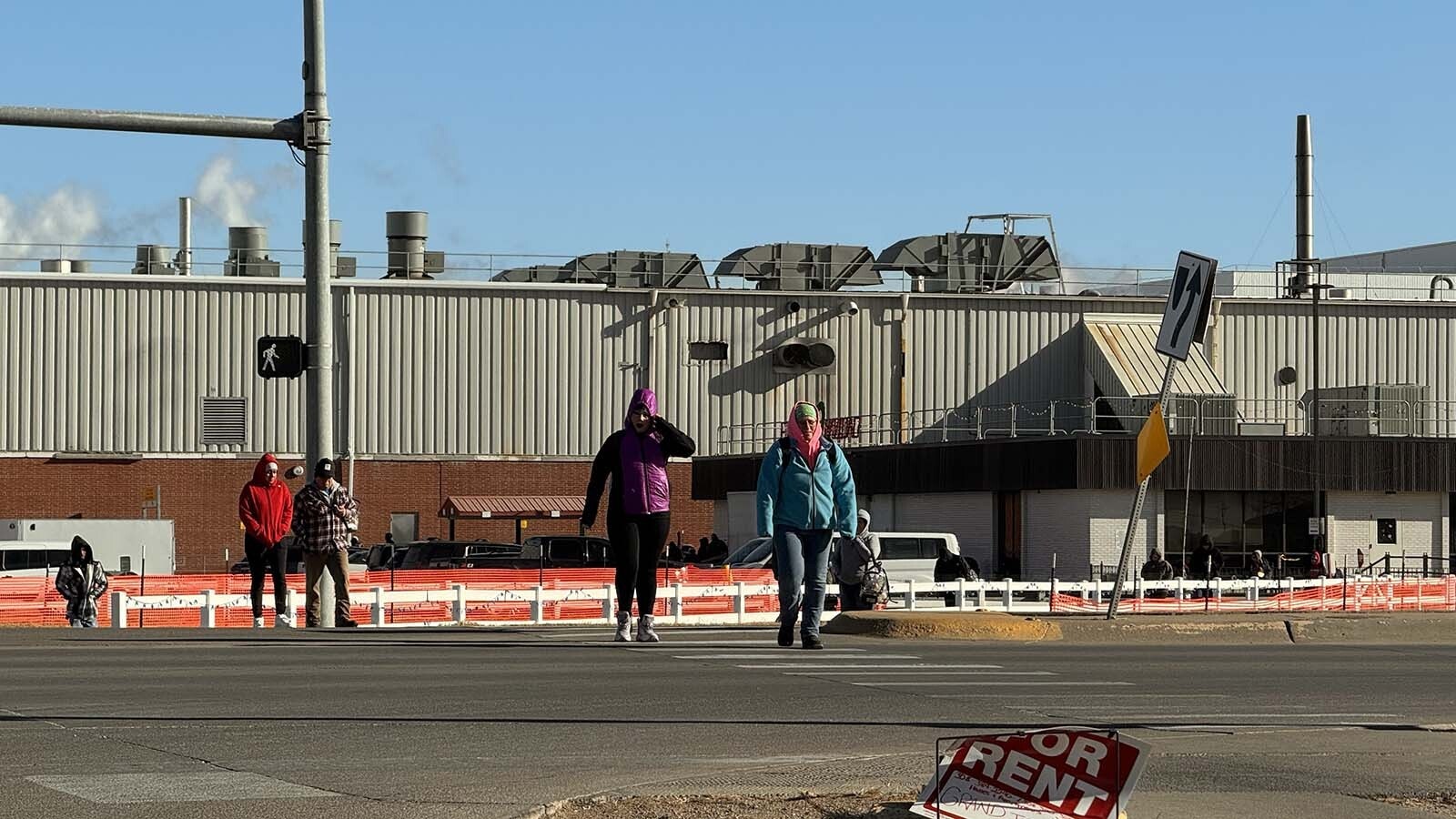
Tyson workers cross Plum Creek Parkway after their shift ends. (Greg Johnson, Cowboy State Daily) 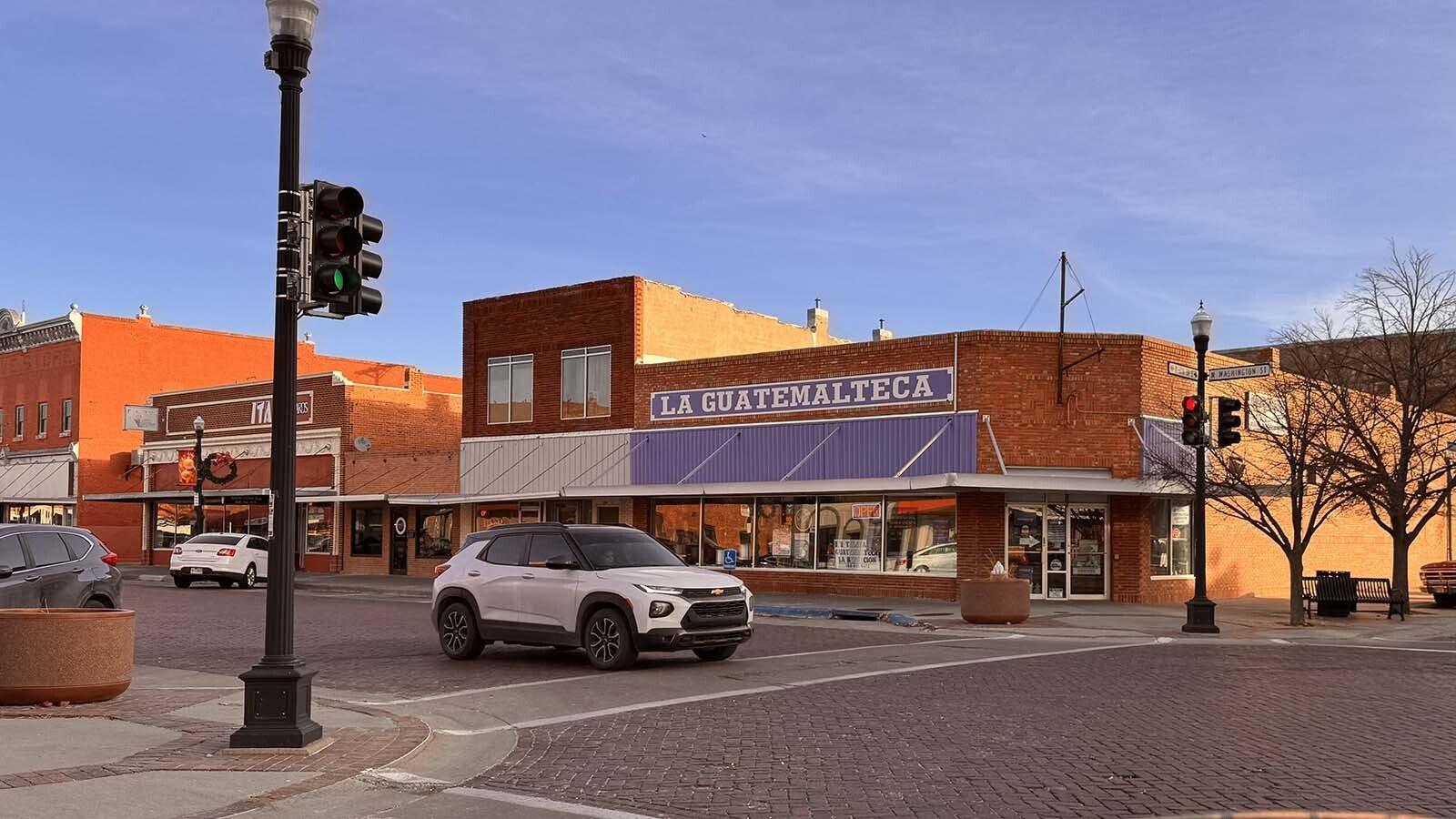
A Guatemalan market on Washington Street in downtown Lexington, Nebraska. (Greg Johnson, Cowboy State Daily) 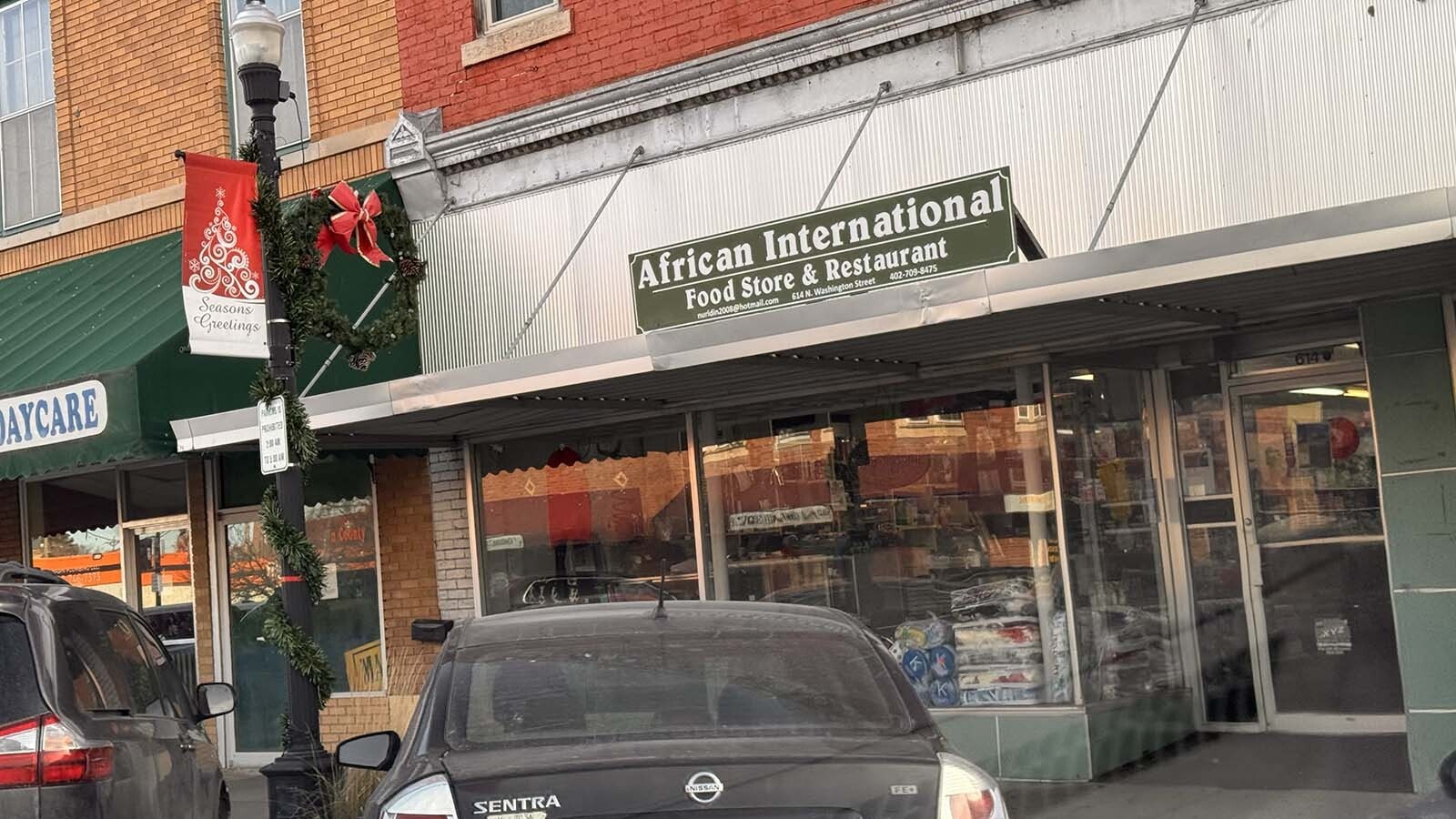
African International is a restaurant and food store on Washington Street in downtown Lexington, Nebraska. (Greg Johnson, Cowboy State Daily) 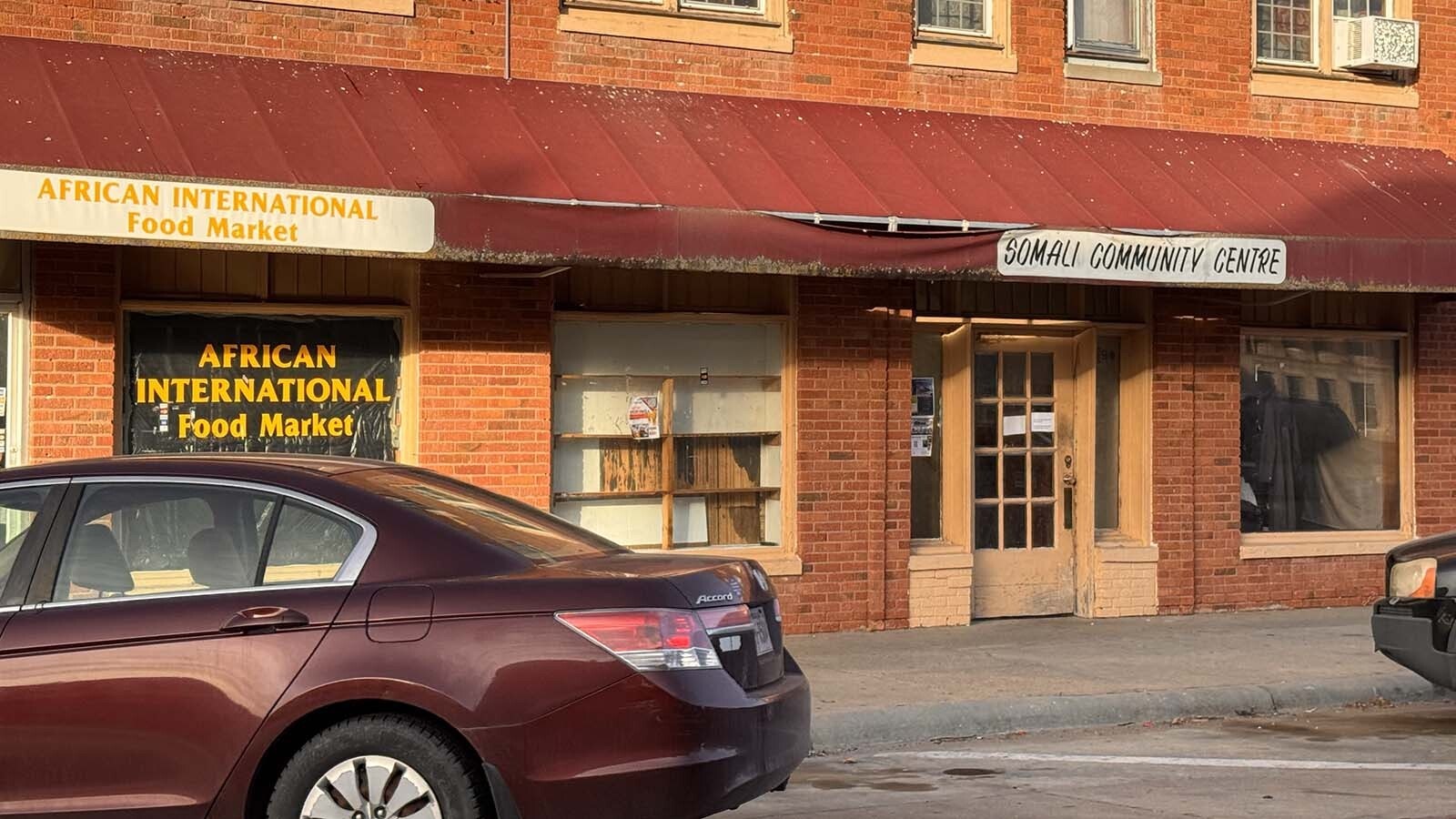
On Washington Street in downtown Lexington, Nebraska, is an African market next to the Somali Community Centre. (Greg Johnson, Cowboy State Daily) 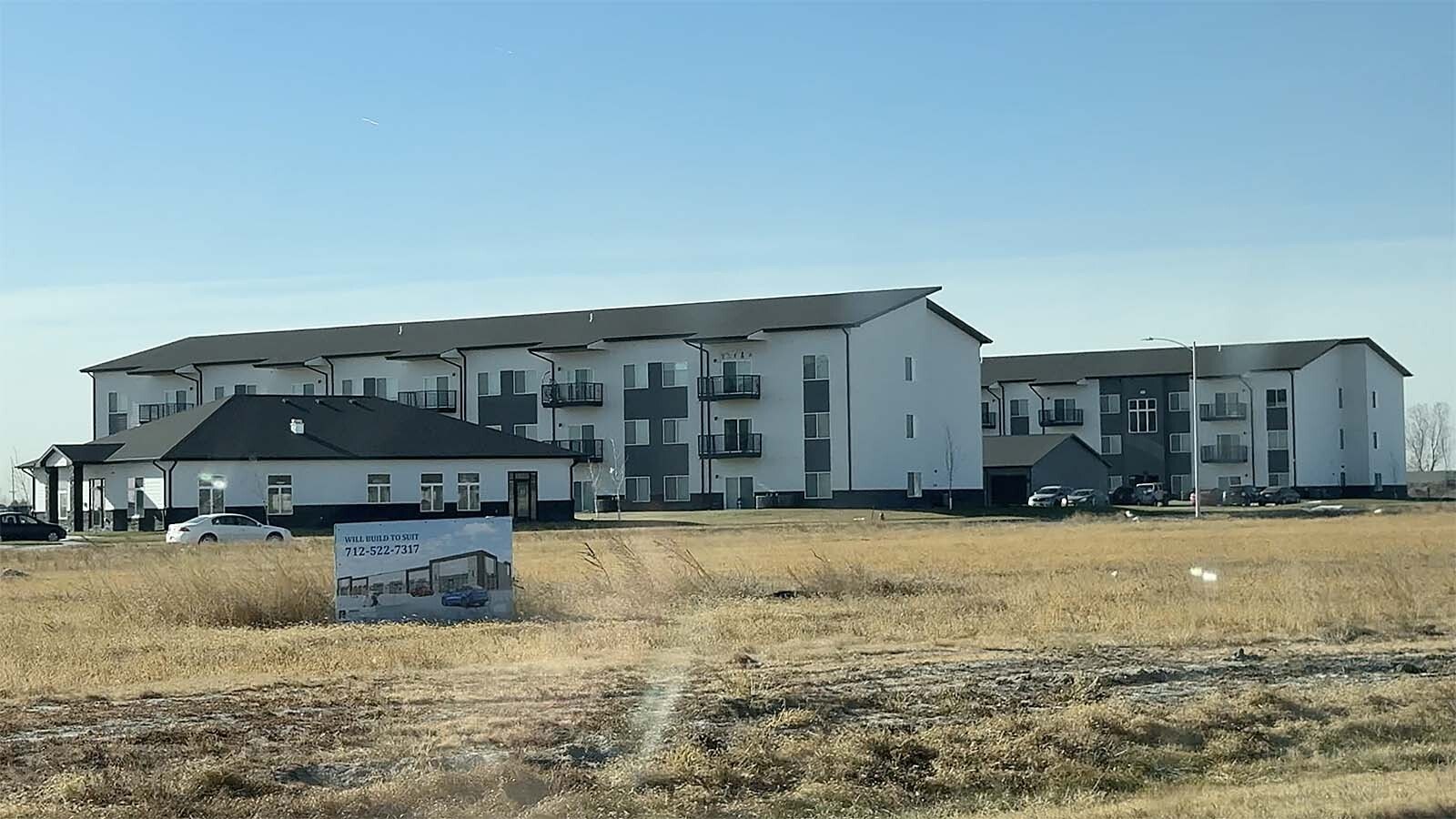
About 3,200 of Lexington, Nebraska’s 11,000 residents work at a huge Tyson Foods beef processing plant — for another month. News that the plant will close next month was an unexpected “gut punch” many fear will devastate this rural cow town. Above are aparements built for Somali refugees brought in to work at the plant. (Greg Johnson, Cowboy State Daily) 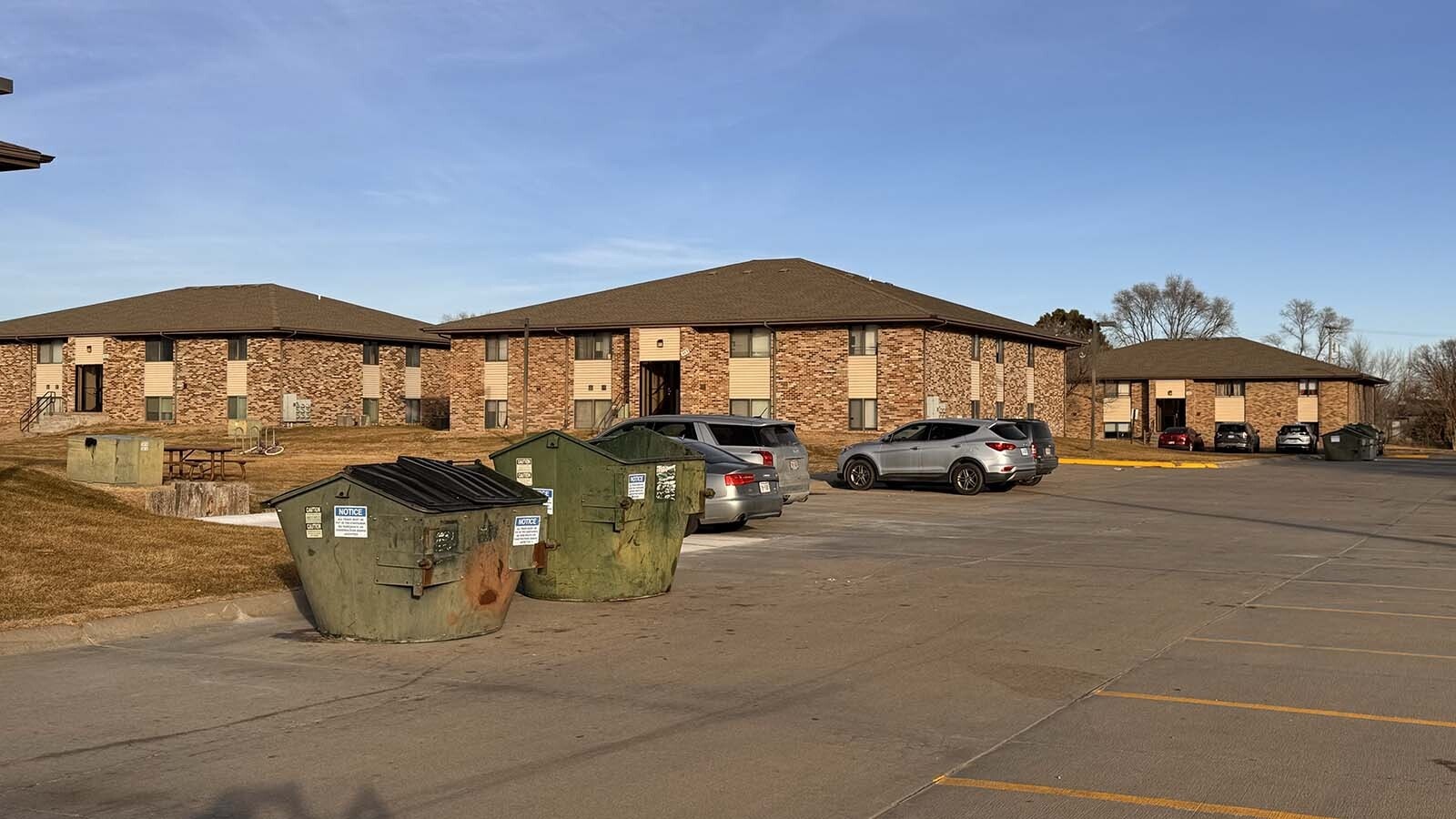
About 3,200 of Lexington, Nebraska’s 11,000 residents work at a huge Tyson Foods beef processing plant — for another month. News that the plant will close next month was an unexpected “gut punch” many fear will devastate this rural cow town. Above are apartments that house some of the plant's workers. (Greg Johnson, Cowboy State Daily)
Making A Life
That’s what brought many of the Tyson workers, and IBP before that, to Lexington.
Just by numbers, there aren’t enough workers in a town of less than 11,000 to fully staff a crew of 3,200.
IBP brought in workers from Mexico and Central America, then when Tyson bought the plant, it found a pipeline in refugees from Somalia and Sudan.
Decades of growth and families bringing more members to Lexington to work have made the small town one of the most ethnically diverse in Nebraska.
The U.S. Census reports more than 40% of Lexington residents are immigrants, and the town reflects that.
Those people include a group of workers chatting among themselves as they cross a busy Plum Creek Parkway on Thursday after their morning shift at the Tyson plant.
There’s an underlying, but not overpowering, scent of cattle in the air. It’s part manure, part hay and part diesel fumes that those living here seem to be nose-deaf to.
Asked if they’d be willing to answer a few questions about the plant closure, the group looks down, physically retreating into themselves. They ask quietly whether the reporter is an agent with U.S. Immigration and Customs Enforcement (ICE).
They relax when the answer is no, then three of the group of seven agree to talk, two men and a woman.
They’re still skittish, however. After some thought, both men say their names are John (no last name) and the woman doesn’t speak, but smiles and nods in the affirmative.
John 1 interprets for the others who speak Somali, and said that he’s been in Lexington for about 15 years working at the plant. He’s become an American citizen and is very proud of his job and that he owns a home in town.
John 2 said he’s working on becoming a citizen and has been with Tyson for more than five years.
Both say they are still shell-shocked by the announcement and feel like they’ll be lost when the plant closes.
“Don’t know what I am to do after Jan. 20,” John 1 said, referencing the last day the plant is scheduled to be open. “This is home now. I do not wish to leave.”
John 2 agrees, saying he’s also afraid that the closure is going to put the large immigrant population of Lexington on ICE’s radar. Even though the company brought them in legally and many are now citizens, they’re scared of being deported, he said.
Asked what the mood is like working in the plant for the last month since Tyson’s announcement, the woman, wearing traditional garments and head covering, shakes her head vigorously.
John 1 elaborates and said she’s seen women crying on the job, while the men mostly hold their emotions in and try to do their jobs without thinking about it.
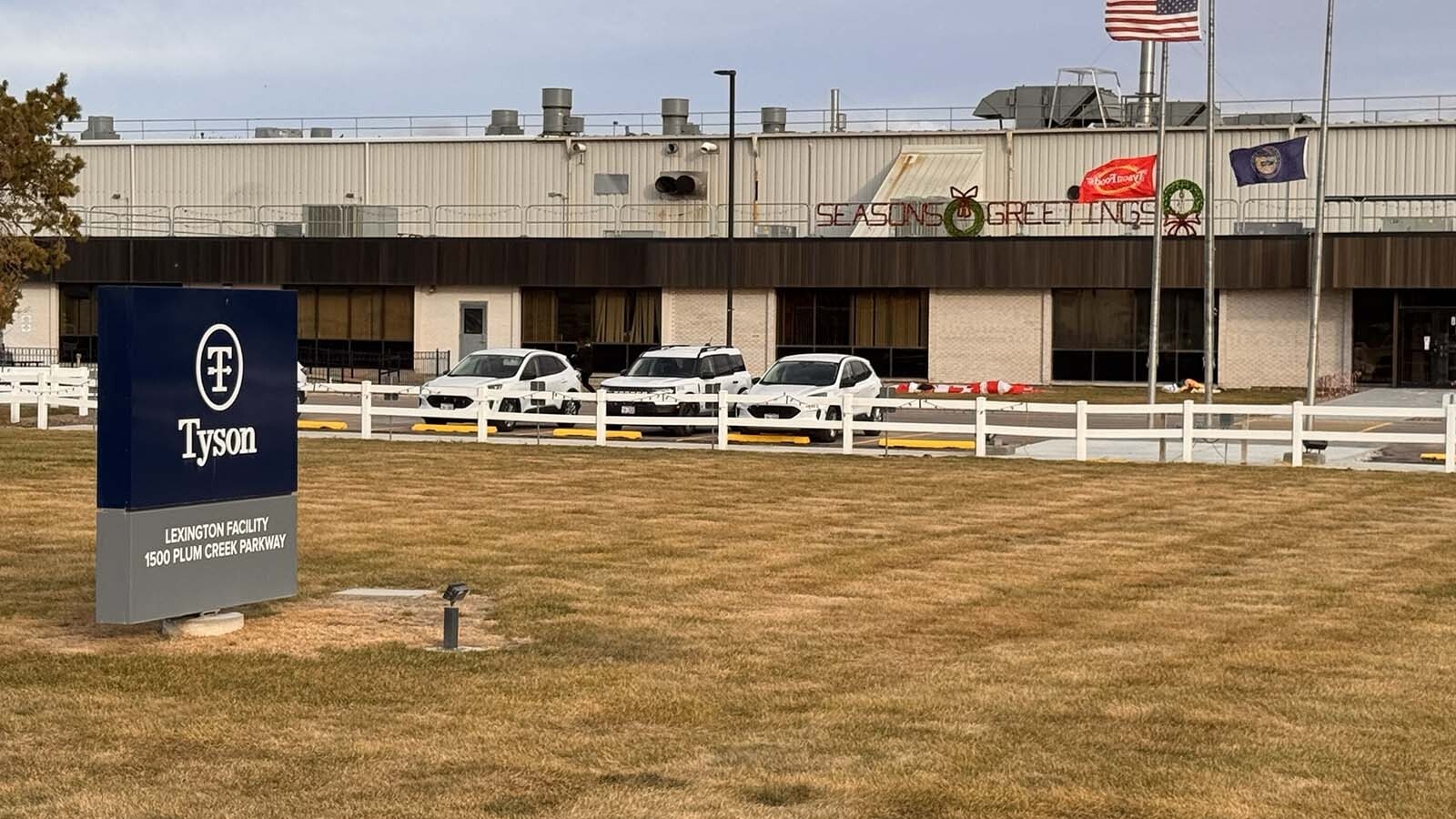
About 3,200 of Lexington, Nebraska’s 11,000 residents work at a huge Tyson Foods beef processing plant — for another month. News that the plant will close next month was an unexpected “gut punch” many fear will devastate this rural cow town. (Greg Johnson, Cowboy State Daily) 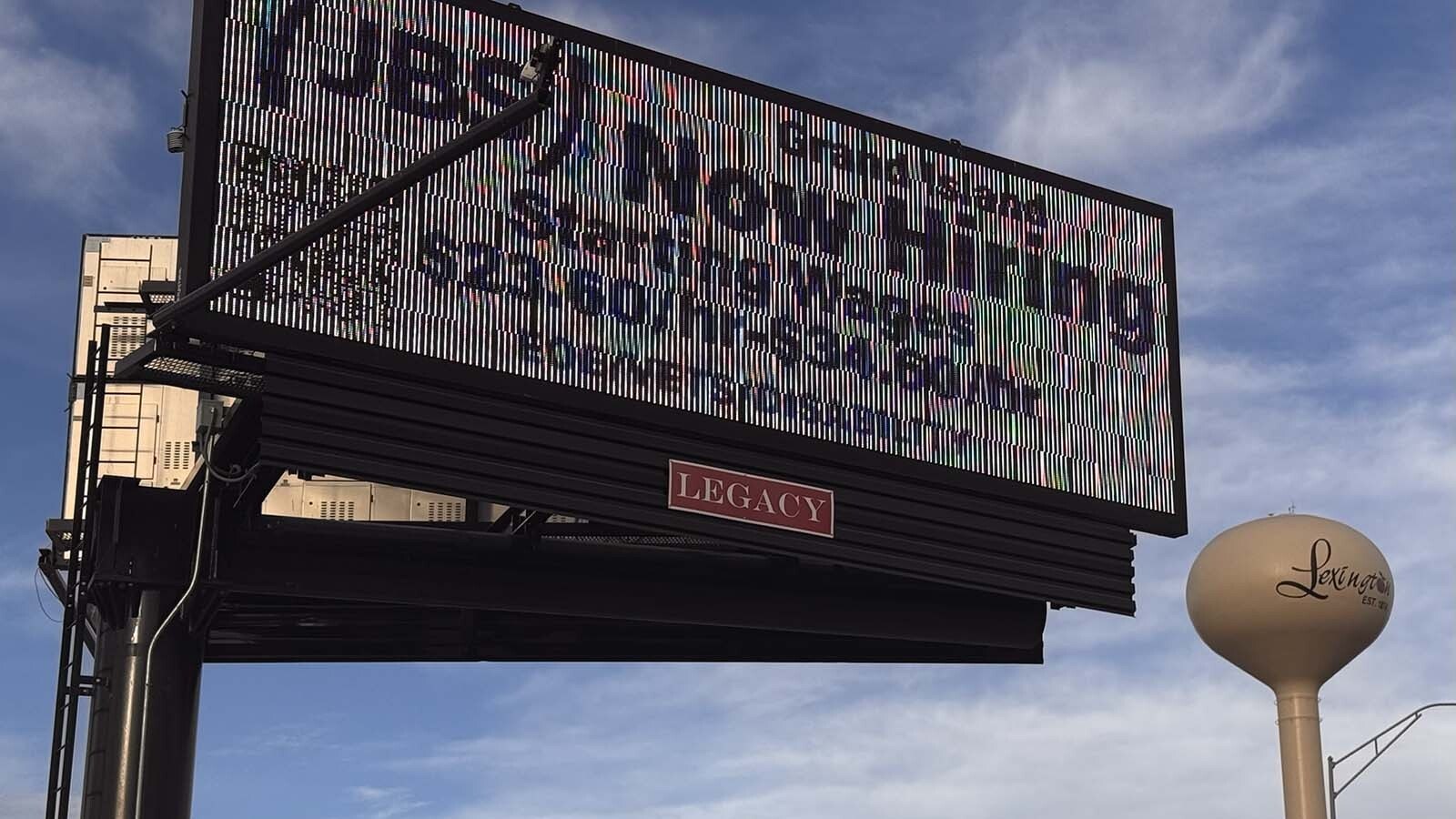
A firm in Grand Island, Nebraska, advertises for workers right cross the road from the Tyson beef plant in Lexington, Nebraska. (Greg Johnson, Cowboy State Daily) 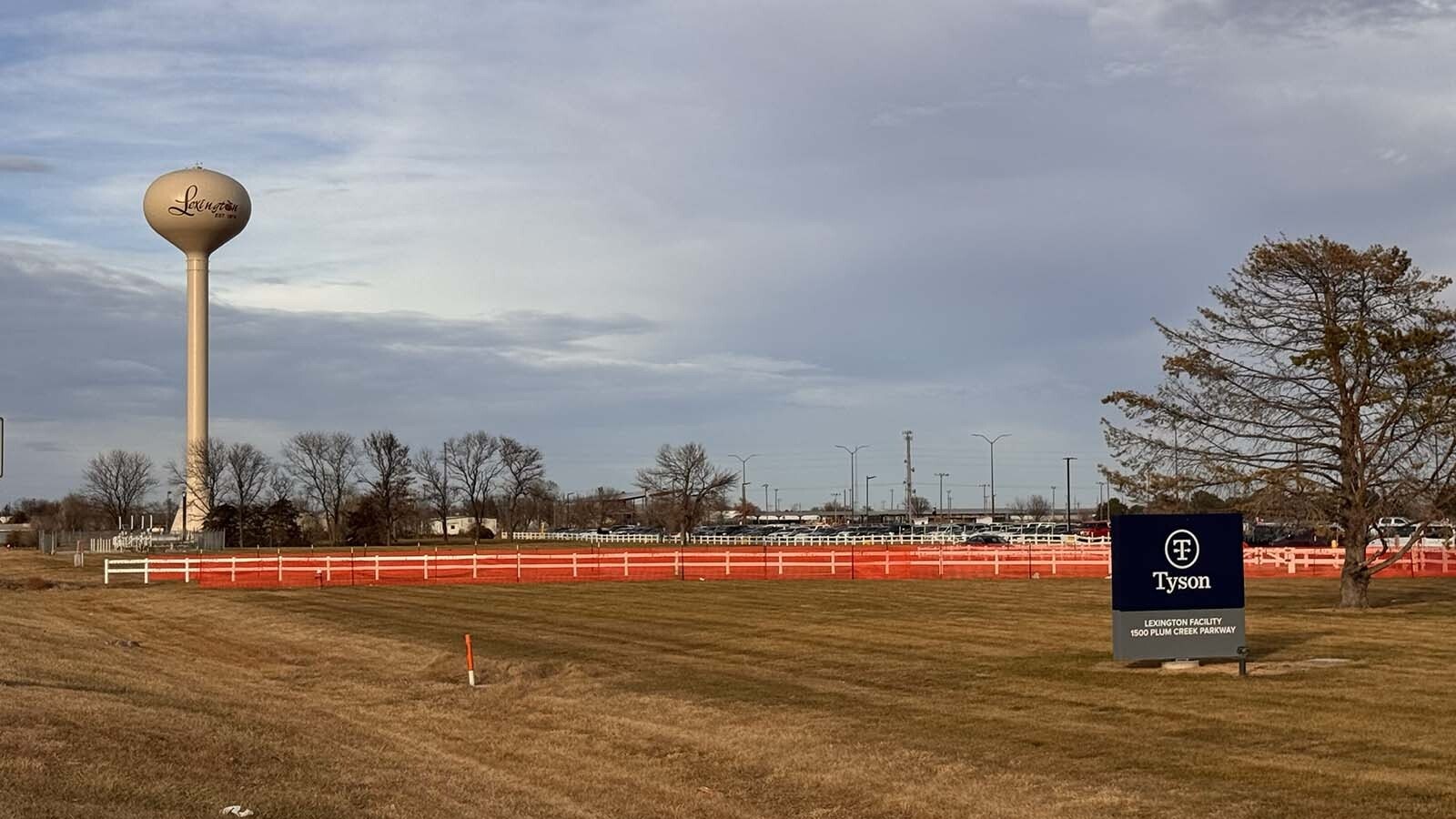
About 3,200 of Lexington, Nebraska’s 11,000 residents work at a huge Tyson Foods beef processing plant — for another month. News that the plant will close next month was an unexpected “gut punch” many fear will devastate this rural cow town. (Greg Johnson, Cowboy State Daily) 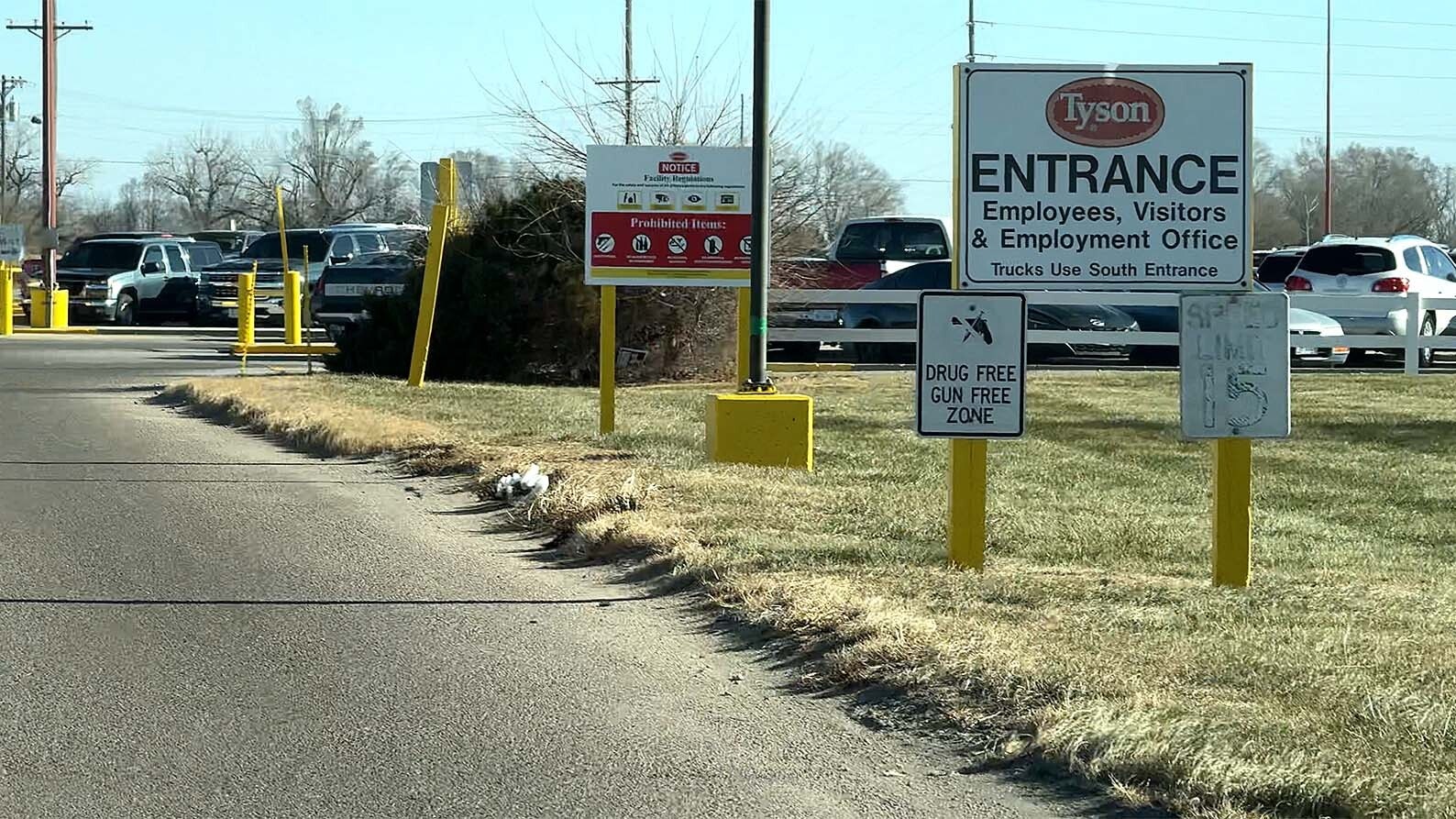
About 3,200 of Lexington, Nebraska’s 11,000 residents work at a huge Tyson Foods beef processing plant — for another month. News that the plant will close next month was an unexpected “gut punch” many fear will devastate this rural cow town. Above is the employee entrance at the plant. (Greg Johnson, Cowboy State Daily) 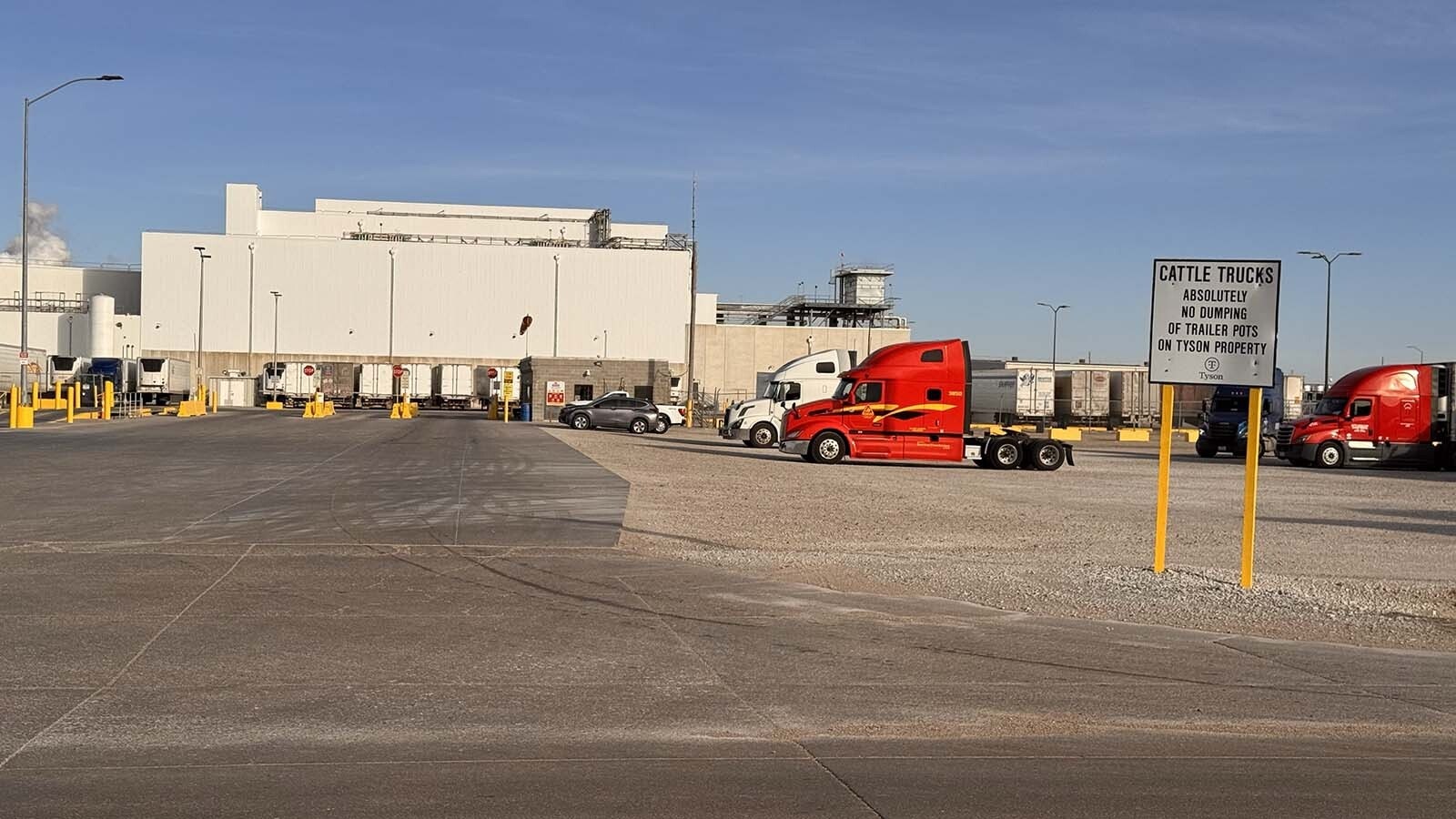
About 3,200 of Lexington, Nebraska’s 11,000 residents work at a huge Tyson Foods beef processing plant — for another month. News that the plant will close next month was an unexpected “gut punch” many fear will devastate this rural cow town. Above is the truck entrance at the plant. (Greg Johnson, Cowboy State Daily) 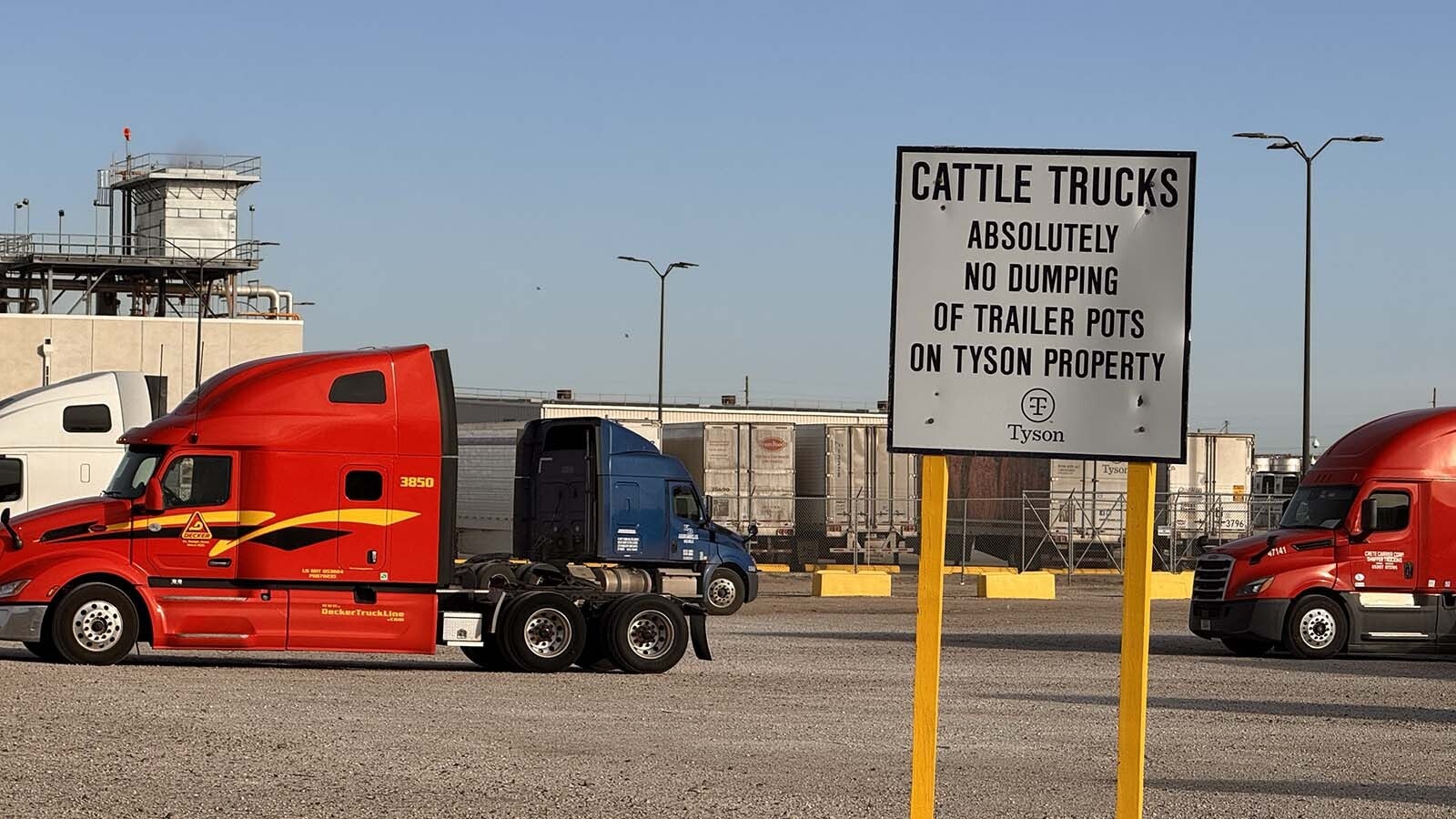
About 3,200 of Lexington, Nebraska’s 11,000 residents work at a huge Tyson Foods beef processing plant — for another month. News that the plant will close next month was an unexpected “gut punch” many fear will devastate this rural cow town. Above is the truck entrance at the plant. (Greg Johnson, Cowboy State Daily) 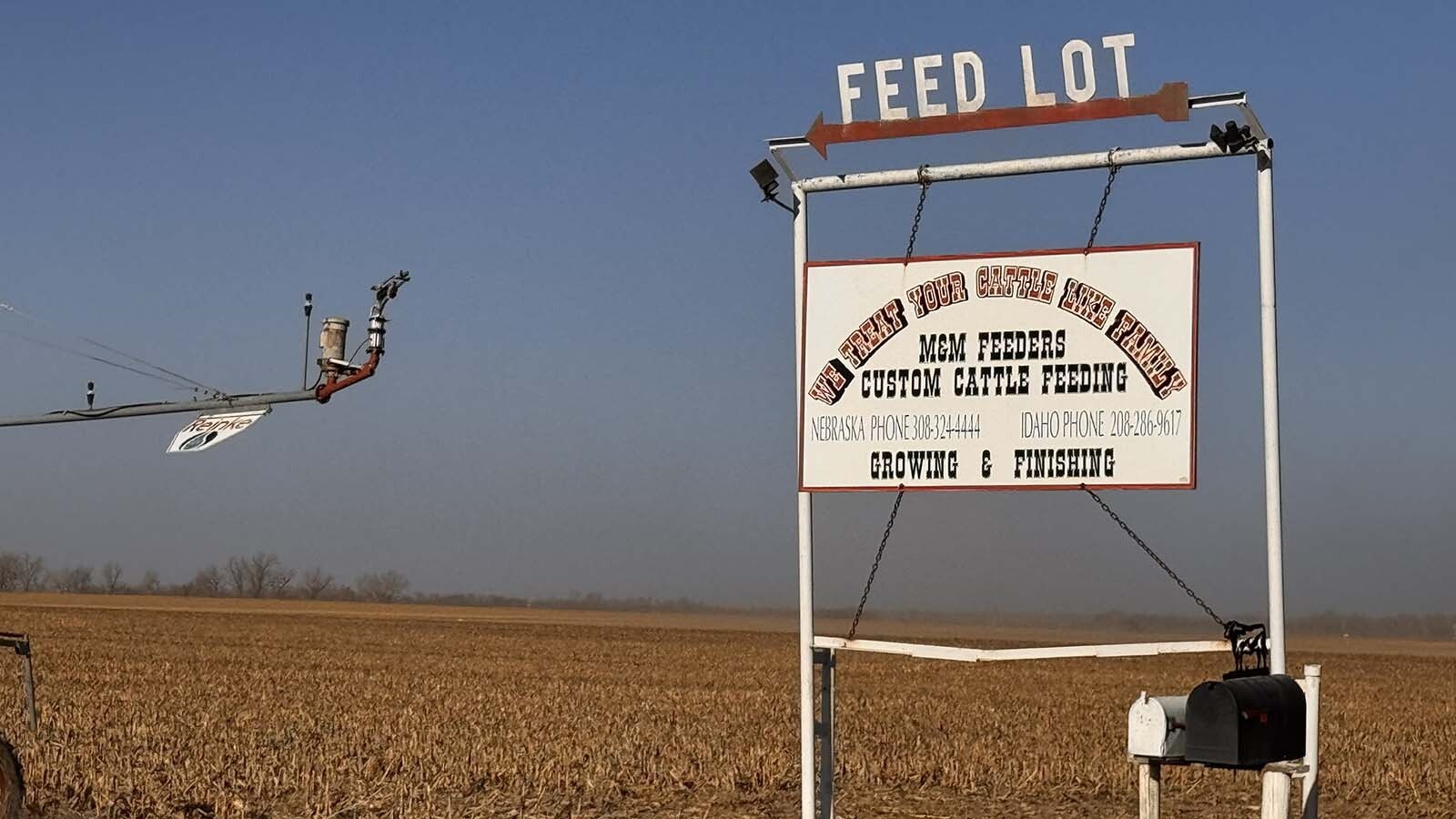
There are cattle feed lots all around Lexington, Nebraska, and one in the middle of town. (Greg Johnson, Cowboy State Daily) 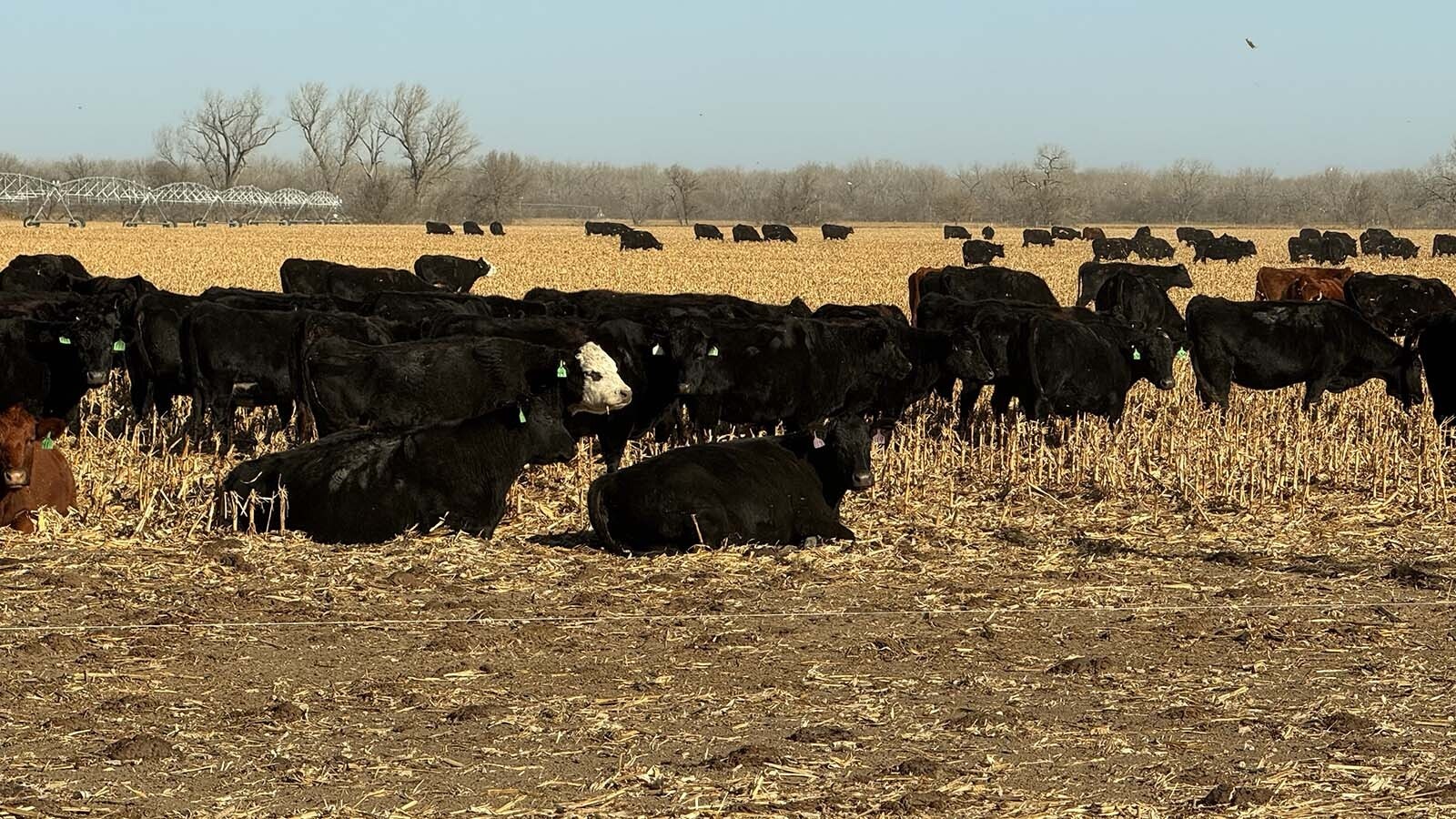
There are reminders all around Lexington, Nebraska, that it's a cow town. (Greg Johnson, Cowboy State Daily) 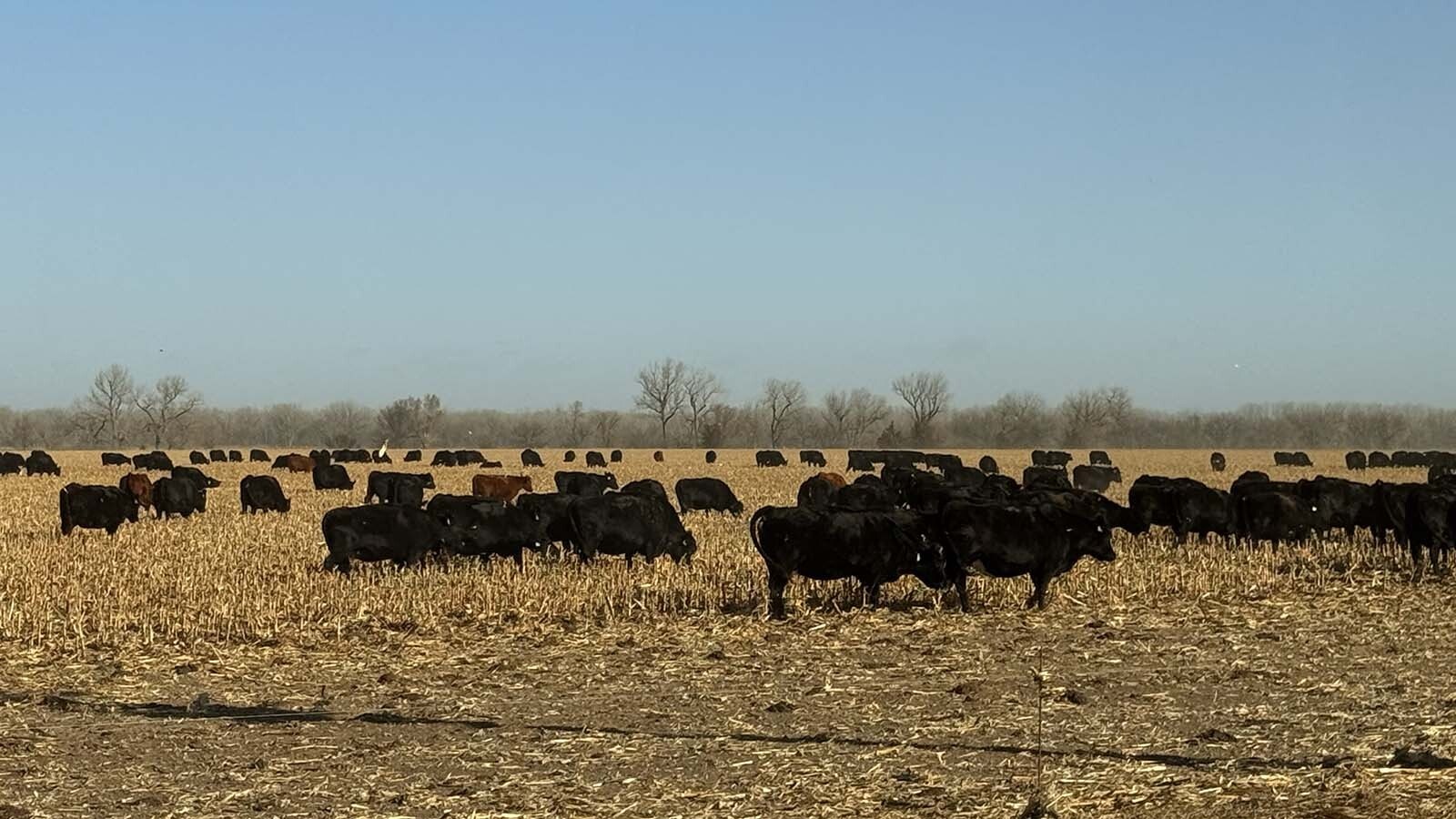
There are reminders all around Lexington, Nebraska, that it's a cow town. (Greg Johnson, Cowboy State Daily)
‘What The Hell Do We Do?'
Behind the group is Plum Creek Market Place, a local grocery store that’s been around since 1989 and relies on the Tyson plant directly across the road for a big chunk of its customer base.
Manager Barry Carpenter has been there that whole time. He said the announcement not only came as a total surprise, but it has started a wave of rumors and uneasiness around town.
“Rumors fly when stuff like this starts happening,” he said. “Right now, it’s just all speculation as to what the overall impact is going to be.”
In the meantime, a large digital billboard in front of his store and facing the plant advertises a firm in Grand Island, Nebraska, is hiring.
“That first week, we saw more people congregating and talking and hugging in our store,” Carpenter said. “I think this is so unfair to these people. And the timing, that’s my biggest thing. The timing is absolutely terrible.”
He estimates he’ll lose 30% of its business without the plant.
His market will survive, he said, but that won’t be the case for many other small businesses.
“These people have come here and they’ve built businesses, all these little taco places and restaurants, and it’s all getting taken away,” he said. “I’m really sympathetic to them. They’re all thinking, ‘What the hell do we do?’”
The melting pot feel of the place is evident in the heart of Lexington’s downtown, where the north-south streets are all named for American presidents: Adams, Taylor, Harrison, Madison, Lincoln, Washington, Grant, Jackson, Jefferson, Tyler, Fillmore, Taft, and Kennedy streets.
A block of Washington Street in downtown Lexington has a Guatemalan market anchoring one corner across the street from USave Pharmacy.
A couple of doors down from the Guatemalan market is an African market and restaurant. That’s across the street from another African market, which is also next door to the Somali Community Centre.
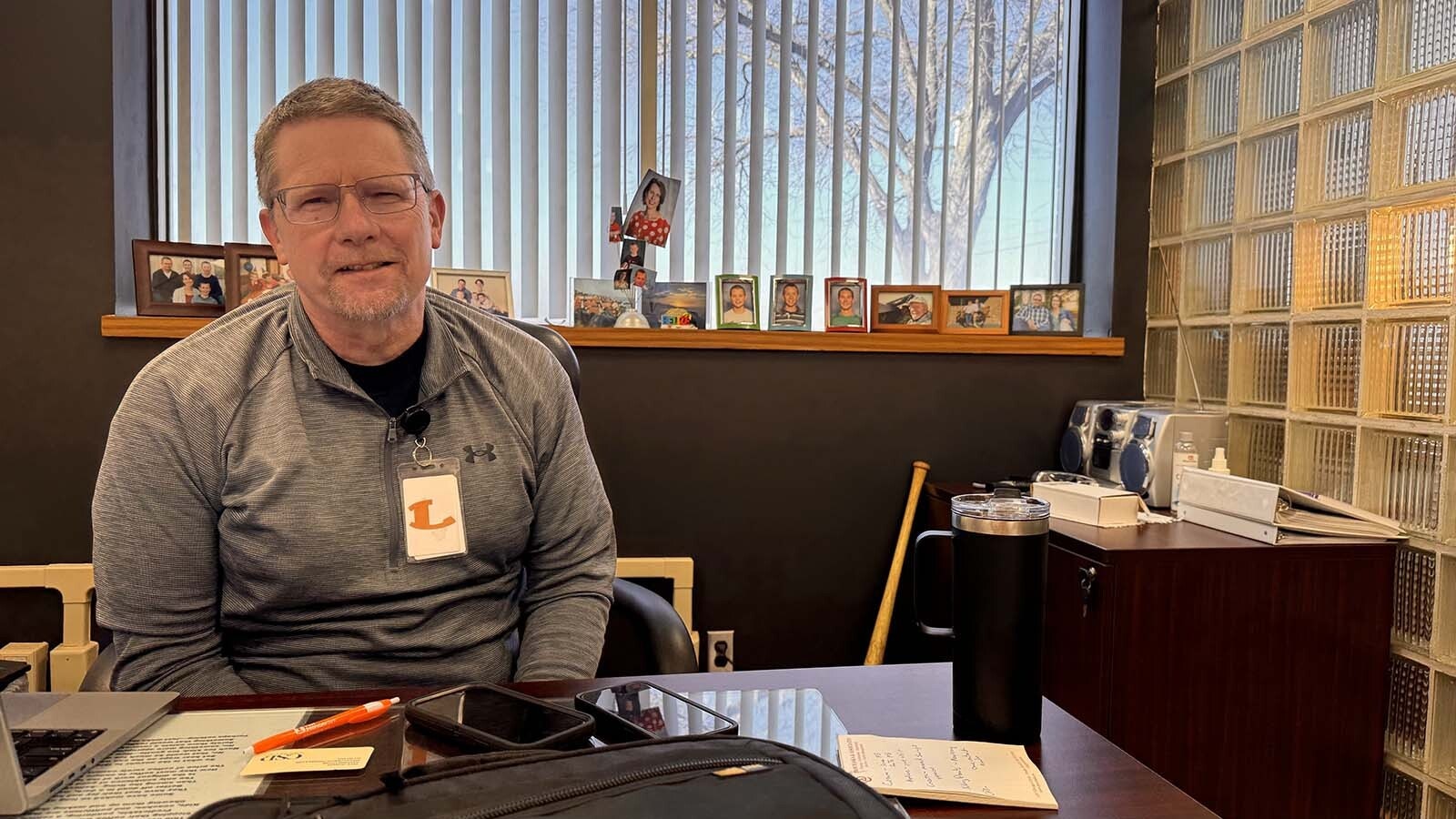
Lexington Public Schools Superintendent Dr. John Hakonson says how many students return after the holiday break "is the million-dollar question." (Greg Johnson, Cowboy State Daily) 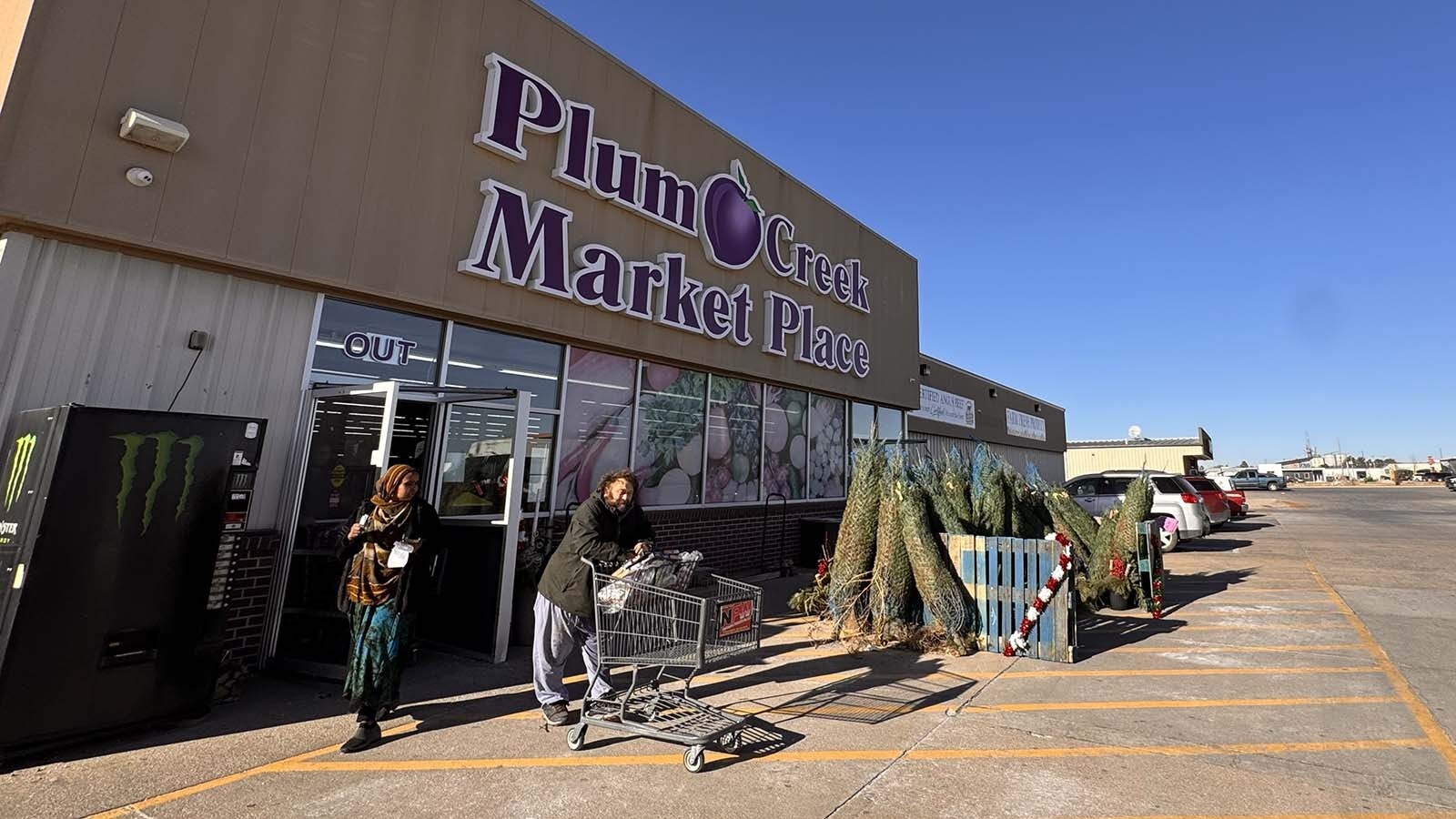
Many of the immigrant wokers who make up much of the 3,200 wokers at the Tyson beef plant in Lexington, Nebraska, shop at Plum Creek Market Place before and after their shifts. (Greg Johnson, Cowboy State Daily) 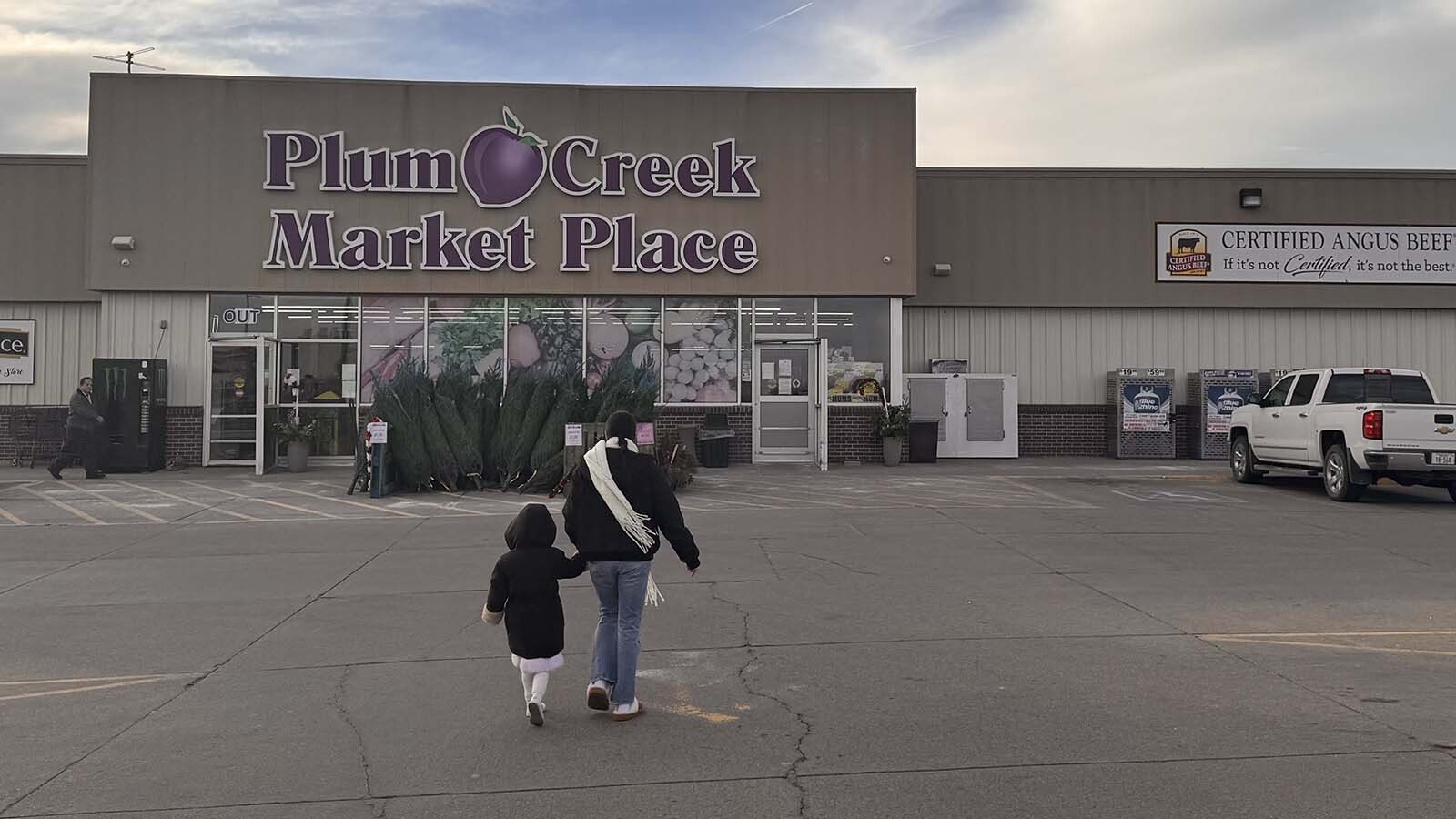
Fernada Rodriguez walks into Plum Creek Market Place. She said her entire family depends on the Tyson plant. Her father worked there for 35 years, and her aunts, uncles and brothers-in-law all still work there. (Greg Johnson, Cowboy State Daily) 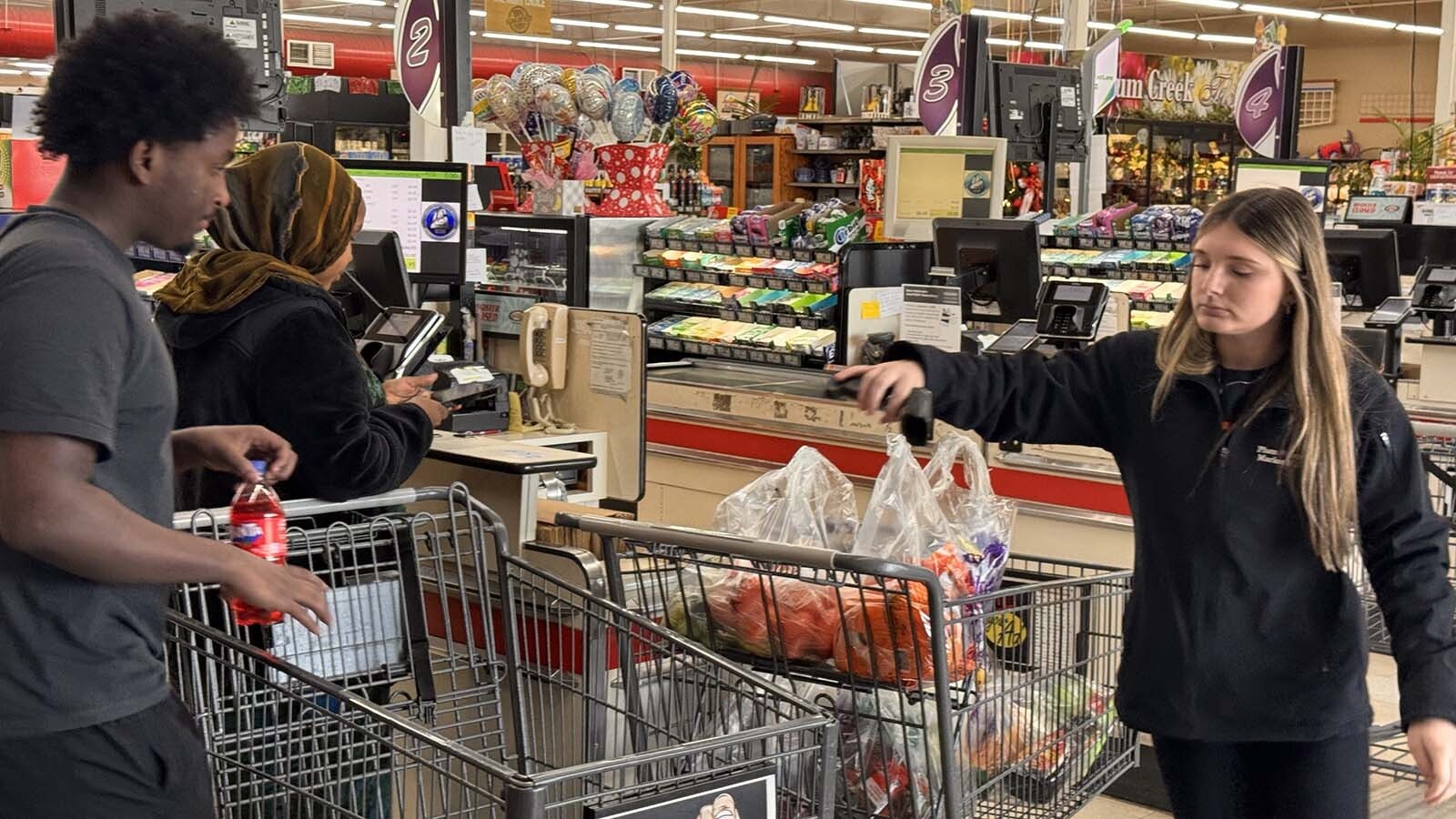
Many of the immigrant wokers who make up much of the 3,200 wokers at the Tyson beef plant in Lexington, Nebraska, shop at Plum Creek Market Place before and after their shifts. (Greg Johnson, Cowboy State Daily) 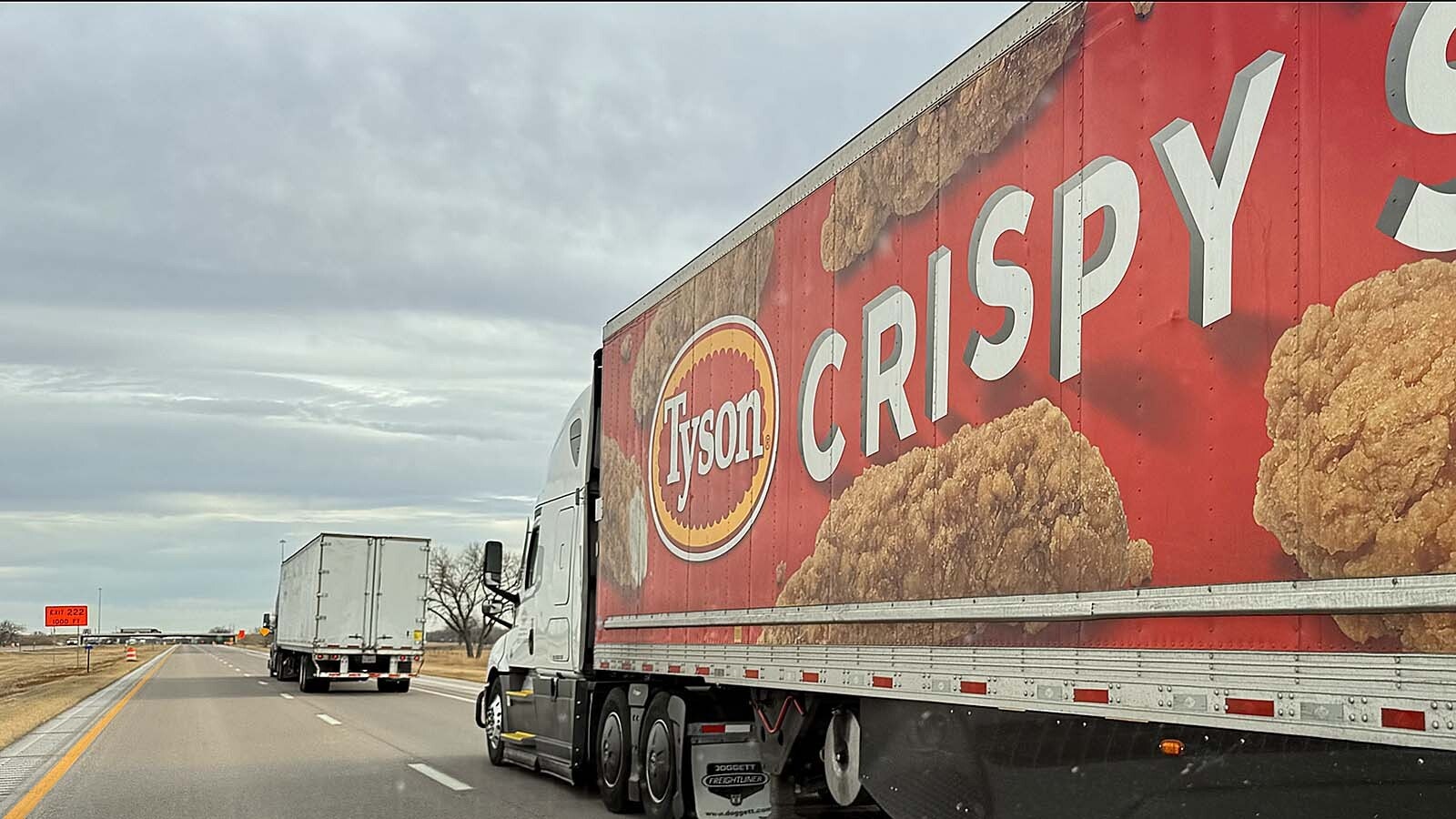
About 3,200 of Lexington, Nebraska’s 11,000 residents work at a huge Tyson Foods beef processing plant — for another month. News that the plant will close next month was an unexpected “gut punch” many fear will devastate this rural cow town. A steady stream of Tyson trucks and other semitrailers roll in and out of Lexington. (Greg Johnson, Cowboy State Daily)
More Than Tyson
The children of those Tyson workers make up about half of the population of Lexington Public Schools, which mirrors plant employment with about 3,200 students, said Superintendent Dr. John Hakonson.
“We estimate somewhere around 50% of our kids have one or both parents that work at Tyson,” he told Cowboy State Daily on Thursday, adding that in the last month, “our enrollment right now has barely changed. I mean, the kids have not left.”
With the holiday break starting Friday, whether all those kids come back “is the million-dollar question,” Hakonson said.
Parents looking for new jobs may not wait out the time until Jan. 20 to find new jobs, he said. Then again, if they do they’ll be eligible for unemployment and try to keep looking for work locally.
In the meantime, they can keep their kids in school, he said.
“How many people are going to leave? We are just taking it a day at a time and just seeing what families decide to do. I think some (families) are still not sure, and some of them really want to stay in Lexington because they own homes and they’ve grown up here.”
Along with the sadness and uncertainty also is a fierce fire to show the rest of the world that Lexington is more than just the beef packing plant, said Clay Patton, vice president of the Lexington Area Chamber of Commerce.
There’s also anger at how the closure came down — without any warning.
An 18-month exit plan could have given community leaders time to prepare for the impact and to recruit other potential industries to take over the plant, if Tyson can be convinced to sell the facility.
That it won’t is another concern, Patton said. That would leave a huge empty eyesore right in the middle of the community.
“It was a gut punch,” is how he describes first hearing the news. “You know, this is something that’s been here for 30-plus years. We didn’t expect this to happen.
“And so you know, there’s a right for people to have concern. There’s a right for people to worry. As a community, we’re nervous. We don’t know what comes next.”
That said, Lexington has been around since 1874 (when it was Plum Creek), which included more than 120 years without Tyson.
“We’re not just a Tyson town,” Patton said. “We’re still in the heart of beef country, row-crop country. We have a ton of natural resources. And so, while we may not be able to absorb 3,200 jobs overnight, I still think there’s opportunity here.”
There’s still the Union Pacific Railroad that runs right through town, there are cattle feed lots all over, he said.
“There’s going to be an economic hit — right, wrong, good or bad,” he said. “You cannot take something that has probably millions of dollars a month in payroll and just take that out of the equation and not expect there to be consequences.”
Local Vs. Corporate
At the chamber, the concern is for the other members, Patton said.
“The frontline mom-and-pop shops, anything that catered specifically to that fortress,” he said. “The company that cleaned (the plant) also is a chamber member; they've announced they're laying off 140 employees. Those are the ripple effects.
“We may not understand the full effects until we're 12, 18 months out from this deal.”
He said that local officials, agencies and groups are reaching out to Tyson and encouraging the company to sell the plant or lease it to allow some other business to go in there.
“We’re welcome to data centers, we welcome technology companies, whoever can best utilize that space and make it work,” he said. “That way Tyson will let it go and we keep jobs in town.”
How much cooperation Tyson will give the town is questionable, he said.
“Tyson hasn't let the Department of Labor actually come into the plant to help with any of that (support for workers),” Patton said. “So, we've had to stage it at the fairgrounds, at our Opportunity Center, at the library, at the middle school and the YMCA gym.”
He said there’s a huge break between Tyson corporate offices and local management.
“The folks at the plant, plant managers and their leadership, they have continued to try and say if we've made commitments, we're going to honor those commitments,” he said.
“They've had some corporate pushback trying to get out of a lot of that, but I will at least say the local leadership there has stepped up and made sure that they're going to honor the commitments for as long as they can,” he added.
Patton said that Lexington residents would’ve appreciated Tyson “being a good corporate citizen” and that the timing and abruptness of the closure “don’t look good at all when you make such a statement and such a move just ahead of the holidays.
“So yeah, I would say that's a negative look for them, and for somebody that's brand conscious as Tyson is, you would think there had been a little more thought into that.”
Yeah, They’re ‘There For Us’
Corporate citizenship won’t do anything for Fernanda Rodriguez and her family.
Her dad worked at the plant for about 35 years, first for IBP and then Tyson, and her aunts, uncles and brothers-in-law still work there — at least for another month.
“It’s really sad, because it still supports my family,” she said. “I think most of the town has family members in there. It’s really shocking and sad.”
Looking down at her small daughter holding her hand, Rodriguez said the kids around town know something’s wrong.
“The little ones, they don’t really understand, but they can tell when mom and dad are (worried),” she said. “The older ones, they understand more and are trying to help their families.”
Rodriguez said she chooses to have hope for the future, hope that some other company will buy the plant and use the skilled workforce already in Lexington.
She also admits that hope may be a little unrealistic, “But what’s the choice? You either hope or you think there’s no other way out.”
People also have a lot of anger and frustration with Tyson as a company, Rodriguez said.
“They spend 35 years telling everybody how much they love the community and they’re there for you,” she said. “Yeah, this really shows how they’re there for us.”
Greg Johnson can be reached at greg@cowboystatedaily.com.