President Donald Trump took aim at environmental regulations on farm equipment during a White House roundtable last week, promising to strip away requirements he called expensive and impractical.
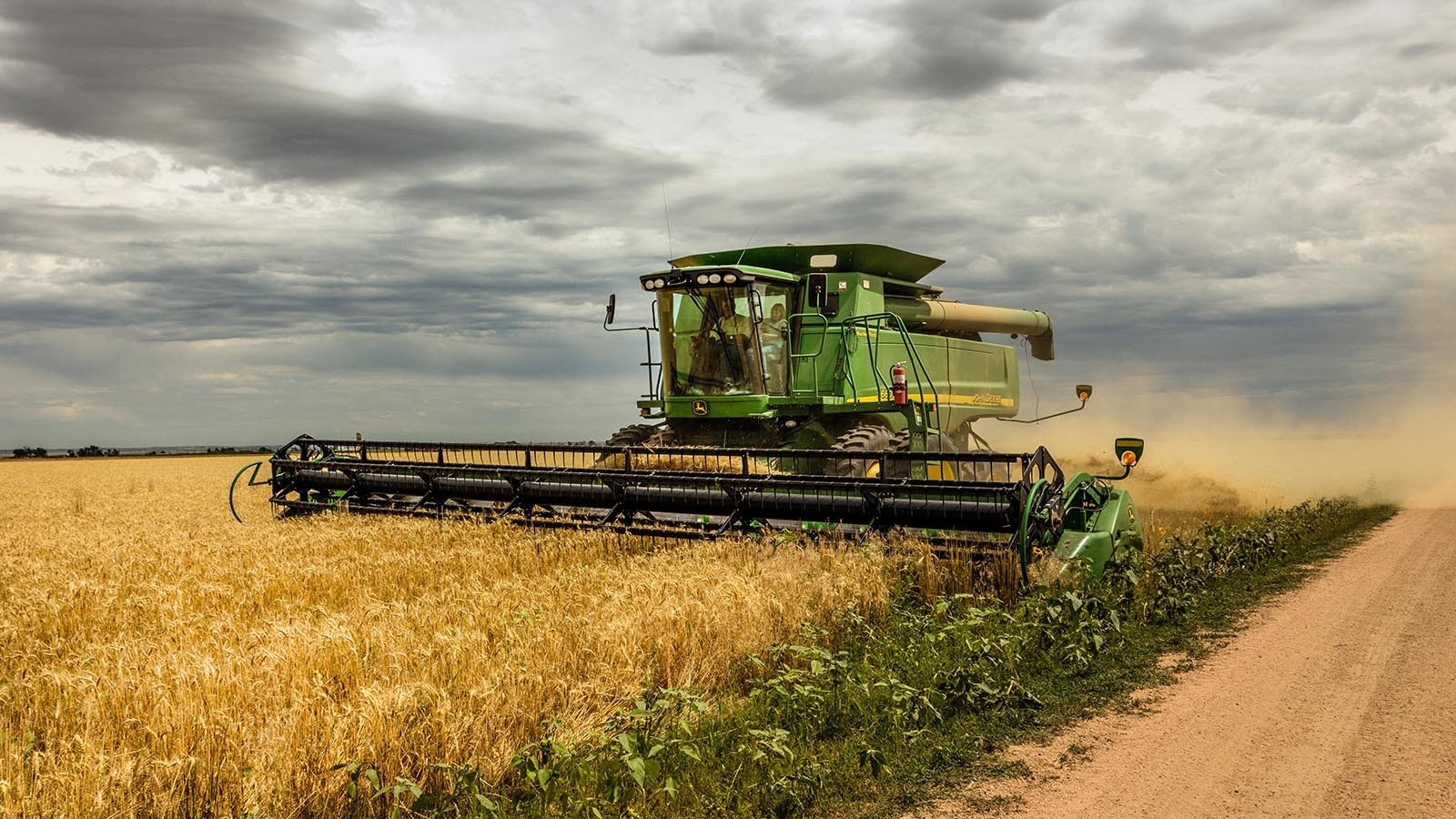
It’s all welcomed news for Wyoming ag producers who depend on diesel tractors to cover their large operations.
"We're going to take off a lot of the environmental restrictions that they have on machinery. It's ridiculous," Trump said. "Farming equipment has gotten too expensive. And a lot of the reason is because they put these environmental excesses on the equipment which don't do a damn thing except make it complicated, make it impractical."
Trump said the complexity of modern equipment has made repairs nearly impossible for farmers to handle themselves.
"The machines, they're always under repair because they're so complicated that you can't fix them," Trump said. "The old days, you used to fix it yourself. Now you can't do that. You have to be a Ph.D.”
Offering his first-hand experience purchasing equipment for his golf properties, Trump added, “You need about 185 IQ to turn on a lawn mower now. So we're going to take that crap off.”
Trump's remarks followed an August announcement from the Environmental Protection Agency, which issued new guidance on diesel exhaust fluid (DEF) systems. This technology is required on tractors and trucks to reduce emissions.
The systems can force equipment into "limp mode," slowing machinery to a crawl when sensors detect problems.
The EPA guidance, announced by Administrator Lee Zeldin at the Iowa State Fair, directs manufacturers to give operators 36 hours before triggering limp mode, rather than immediate shutdowns. The agency estimated the change could save family farms $727 million annually.
"It is unacceptable that farmers, truckers, construction workers, and many other small businesses continually experience failures of diesel-powered equipment when they need it most — costing millions of dollars in lost productivity," Zeldin said in August.
The diesel exhaust fluid requirements trace back to the Obama administration's first term, when the EPA initiated regulations requiring vehicle and equipment manufacturers to meet new emission standards. The systems use diesel exhaust fluid to recycle exhaust gases and burn fuel more cleanly.
Newer Equals More Expensive
Modern emissions requirements have driven up repair costs and forced farmers to rely on dealerships, Ward Tigner told Cowboy State Daily.
The owner of Tractor Guys in Worland, Tigner has worked on farm equipment for 40 years and notes that tractors built in the last 15 years can have between three and 12 computers onboard.
"A lot of the new stuff, you have to have electronics and computers to control what's happening in your machine," Tigner said. "You're forced to go to the dealer and pay a much, much larger price to have something repaired."
Tigner said removing emissions equipment can significantly boost a tractor's performance, increasing horsepower by as much as 25%, he said.
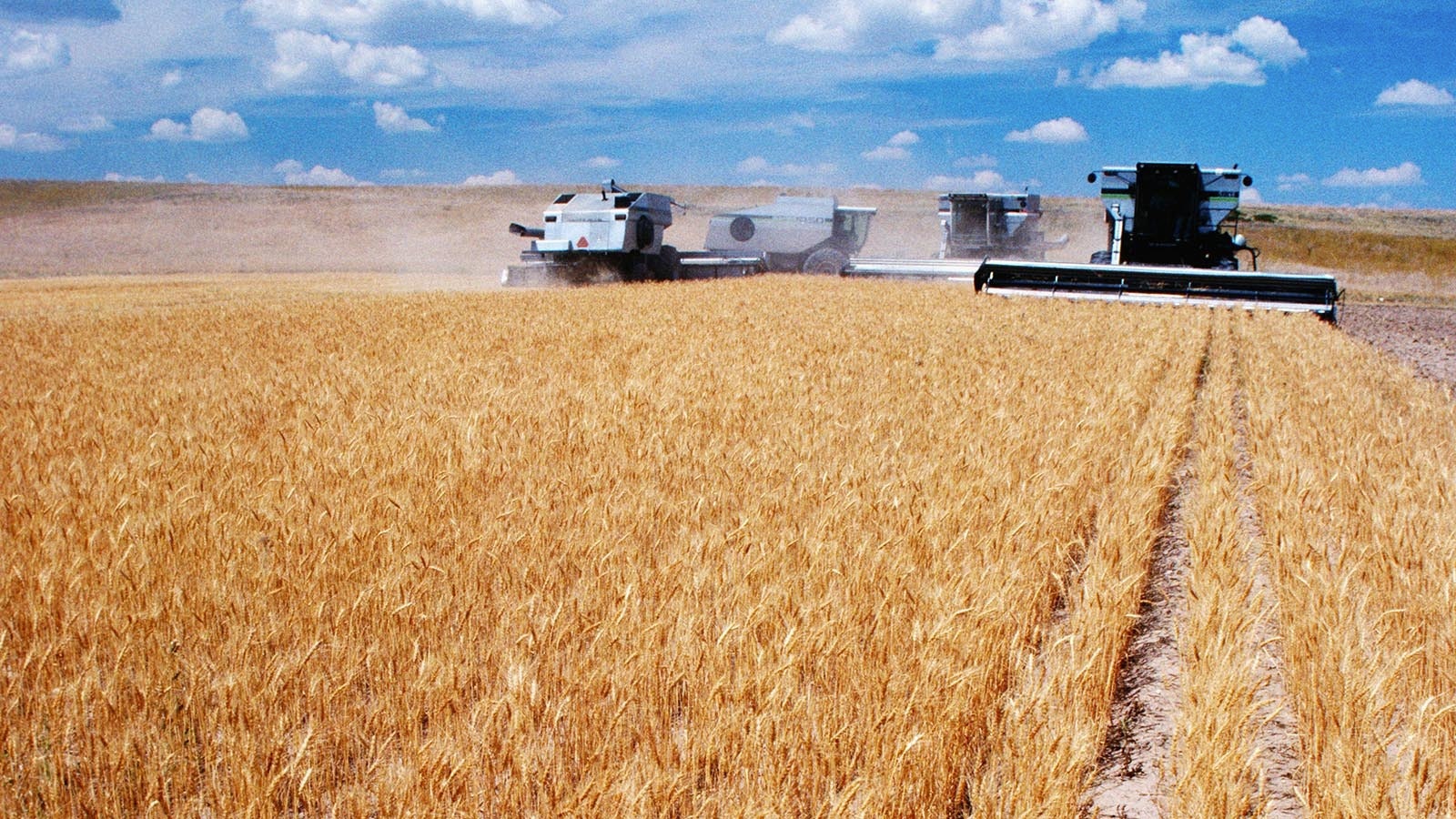
"If you have the same tractor and now instead of pulling a 70-foot implement, I can pull a 90-foot," Tigner said. "It makes things simpler and cheaper for the farmer in the long run."
When running trucks, tractors and other diesel equipment hundreds of hours a year, any efficiencies help an ag producer’s bottom line, said Dennis Sun, a rancher and publisher of the Wyoming Livestock Roundup.
Sun told Cowboy State Daily he supports protecting clean air but wants consistency across industries.
"Why are you picking on a tractor when you have all the locomotives and all the other stuff out there?" Sun said. "We just want a level playing field here.”
Cyrus Western, the EPA's Region 8 administrator who oversees Wyoming, told Cowboy State Daily the diesel exhaust fluid issue hits farmers hardest during harvest season when a faulty sensor can send a tractor into limp mode and bring farm operators to a halt.
Western, a former Wyoming state representative from Sheridan County, said equipment from model year 2026-27 forward will include updated software to prevent immediate shutdowns. Owners of older equipment can have their machinery reprogrammed at dealerships at no cost.
Western said the changes align with what he called the EPA's "cooperative federalism" approach under the Trump administration.
“That's why this year, EPA worked with manufacturers to provide practical, commonsense guidance that reduces engine derates and lowers DEF-related costs,” he said. “Farmers and ranchers face unique challenges in Wyoming because the average farm size is the largest in the United States, but this new guidance will help alleviate obstacles associated with vast travel distances.”
David Madison can be reached at david@cowboystatedaily.com.