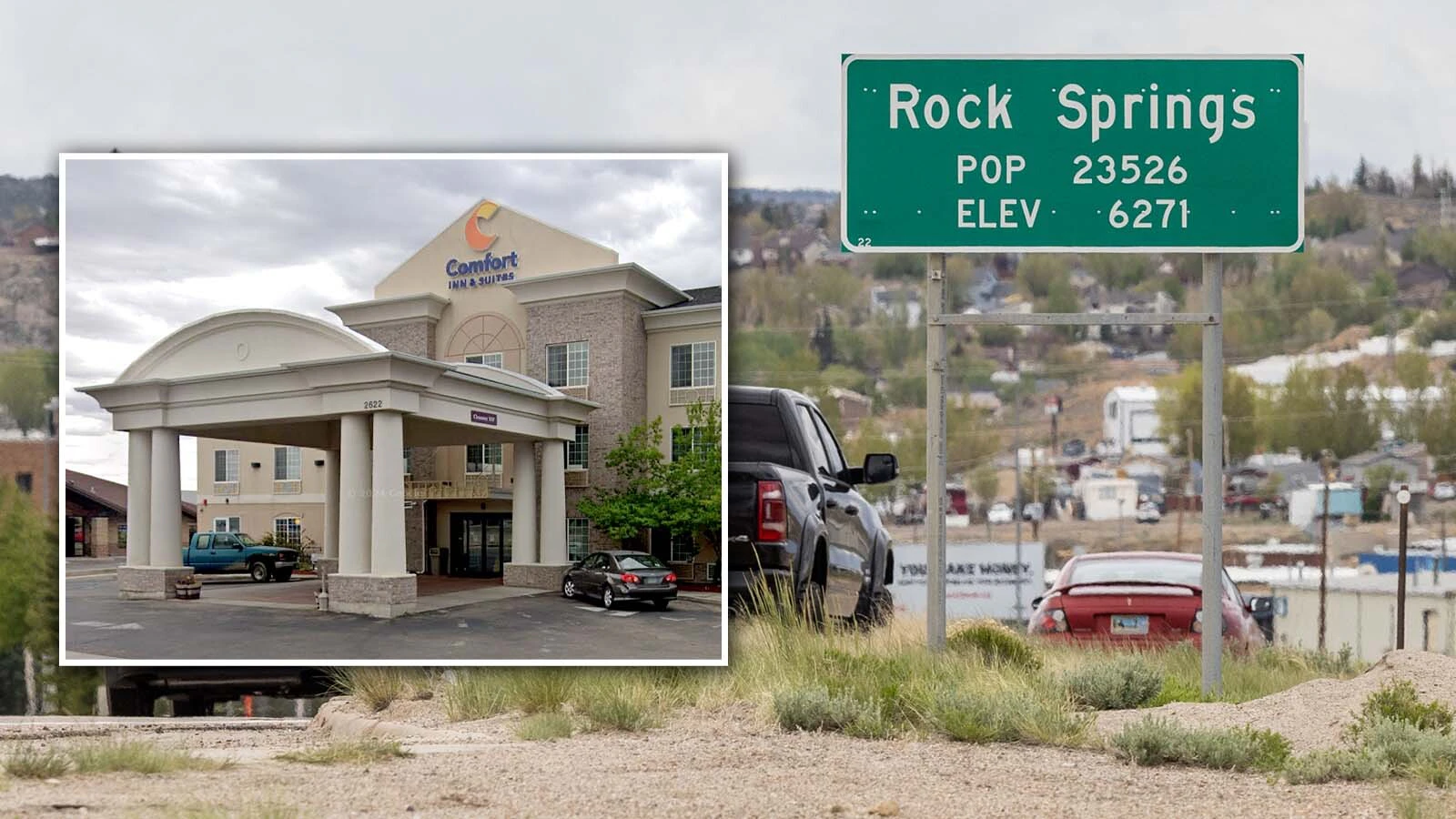
Six years, two judges and multiple demands from the city of Laramie have passed since a welder started building his storage shop without a permit.
The Wyoming Supreme Court on Monday told the newest judge on the case, Albany County District Court Judge Misha Westby, to pick a side in the case.
That’s after Westby issued a March 4 order denying both the city’s request to make the landowner comply with its building codes — potentially by demolishing the unpermitted building — and the landowner’s request that the court let the building stand.
“Without including irrelevant details, it would be fair to characterize the significant point of conflict as the city requesting disassembly or demolition of all or part of the storage building and (the landowners) objecting to those requests,” wrote Wyoming Supreme Court Justice Bridget Hill in a unanimous opinion, filed Monday.
It’s a contentious case where “the record reveals two parties stubbornly entrenched in the rightness of their position,” Hill continued.
But rather than trying to get the city and landowners to cooperate, the Albany County District Court should “consider the parties’ evidence and arguments and then let the adversarial process do its job.”
Gonna Build This Thing
Laramie-based welder Timothy Hale owns property in the city with Sonja Ringen.
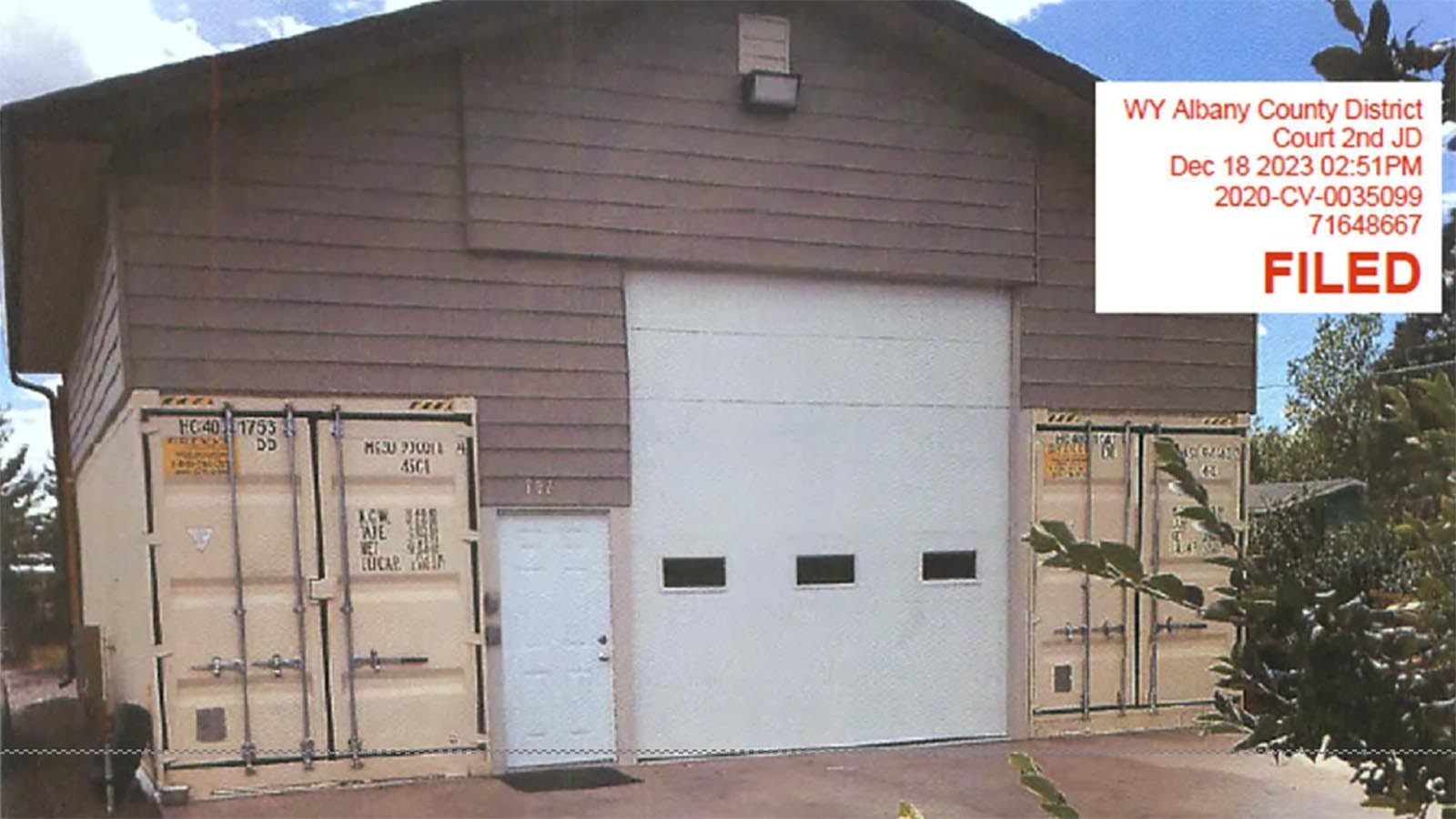
They started building a storage shop on their Laramie property in September 2019 without first getting a building permit, says Hill’s account of the case.
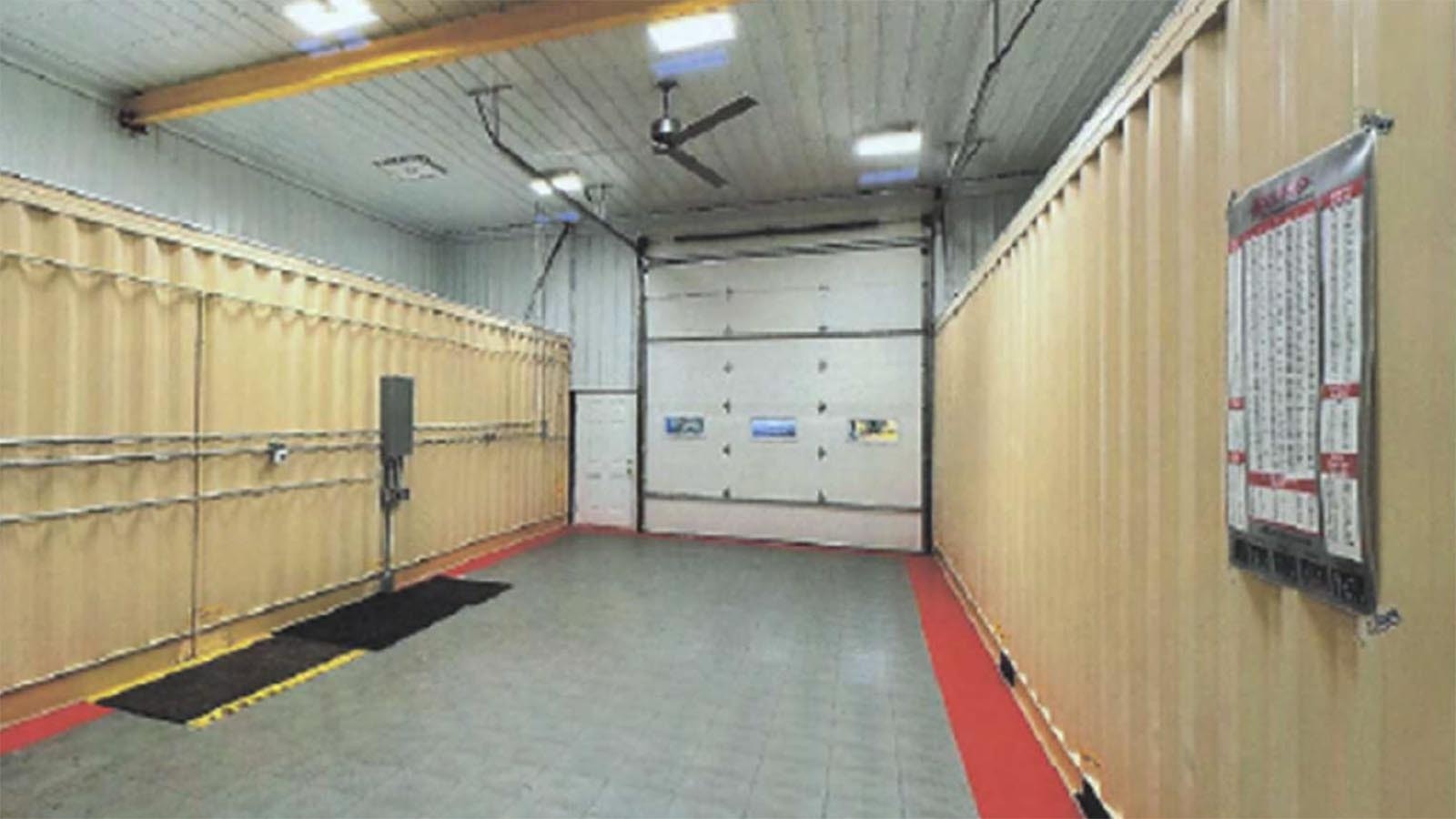
The building has no plumbing, sewer or HVAC (heating, ventilation, air conditioning).
The city served Hale with a “Red Tag” order to stop work Sept. 13, 2019.
Hale kept building.
On Sept. 16, 2019, the city sent him a “zoning violation letter,” again telling him to stop.
He kept building, says the city’s appeal brief.
Four days after that, the city’s attorney sent a cease-and-desist letter, which a Laramie Police Department officer served.
“Nevertheless,” says the city’s appeal brief, “construction continued.”
The landowners send the city “incomplete” building plans Sept. 25, 2019. They tried again Nov. 25, 2019, after more back-and-forth.
This time, wrote Hill, the city denied the pair’s application because they hadn’t initialed next to the promise that they wouldn’t begin work prior to being given a permit, says Hill’s account.
Hale and Ringen asserted, conversely, that they couldn’t initial that line because they had in fact already started building.
See You In Court
In March 2020, Laramie sued for an injunction, or a court order to stop Hale and Ringen from building the shop.
The court ordered the halt and for the residents and the city to negotiate on obtaining the needed permit.
Those negotiations failed, court documents say.
By May 2022, the judge ordered the pair to stop building so the city could inspect the shop and they could bring it into full compliance with city rules.
There was a chance the shop may have to be torn down, the judge wrote at the time, but it was “the court’s hope” that that wouldn’t happen.
“Unfortunately,” reflected Hill, “the process did not go smoothly because the relationship between the parties is highly contentious.”
That autumn, Hale hired what his attorney called “a well-regarded professional licensed civil engineer to inspect the building for any violations of code.”
The city was especially concerned about the building’s electrical system’s structure, its argument says. The argument cites public safety concerns.
Here the landowners’ brief counters, saying the civil engineer opined that the building “does not pose a risk to the public health or safety.”
The court tried again Feb. 3, 2023, ordering the parties to reach a building permit together.
Again, negotiations imploded.
"After considerable time and multiple attempts to obtain a building permit, the City refused to issue a permit," Hill wrote.
The city argued that November that the landowners had failed to work in good faith, and the landowners called the city’s claims inadequate since the city hadn’t attached “affidavits or other evidence.”
Let It Be, Say Landowners
Hale and Ringen filed a motion asking the court to lift its stop-work order.
Their motion included “numerous exhibits” meant to support their claims of structural soundness.
After years of battling the issue, strict compliance with the city’s building rules and the $750-per-day maximum fine associated with them could have led to “egregious” fines against the landowners, one judge noted.
By Sept. 20, 2024, the city was saying it couldn’t permit the building without having it partly or wholly torn down “to allow full and proper inspections,” says Hill’s account.
On March 4 of this year came what Hill’s unanimous panel of justices cast as a non-order, denying the city’s request and the landowners’ request.
The high court sent the case back down to the district court with instructions to arrive at a more decisive ruling.
But the Wyoming Supreme Court refused to dictate to Westby which side that decision should favor.
Clair McFarland can be reached at clair@cowboystatedaily.com.