When collector William I. Koch bought a photo of notorious outlaw Billy the Kid for more than $2 million, it caught the attention of the public and created a buzz among historians who study America’s outlaws and lawmen.
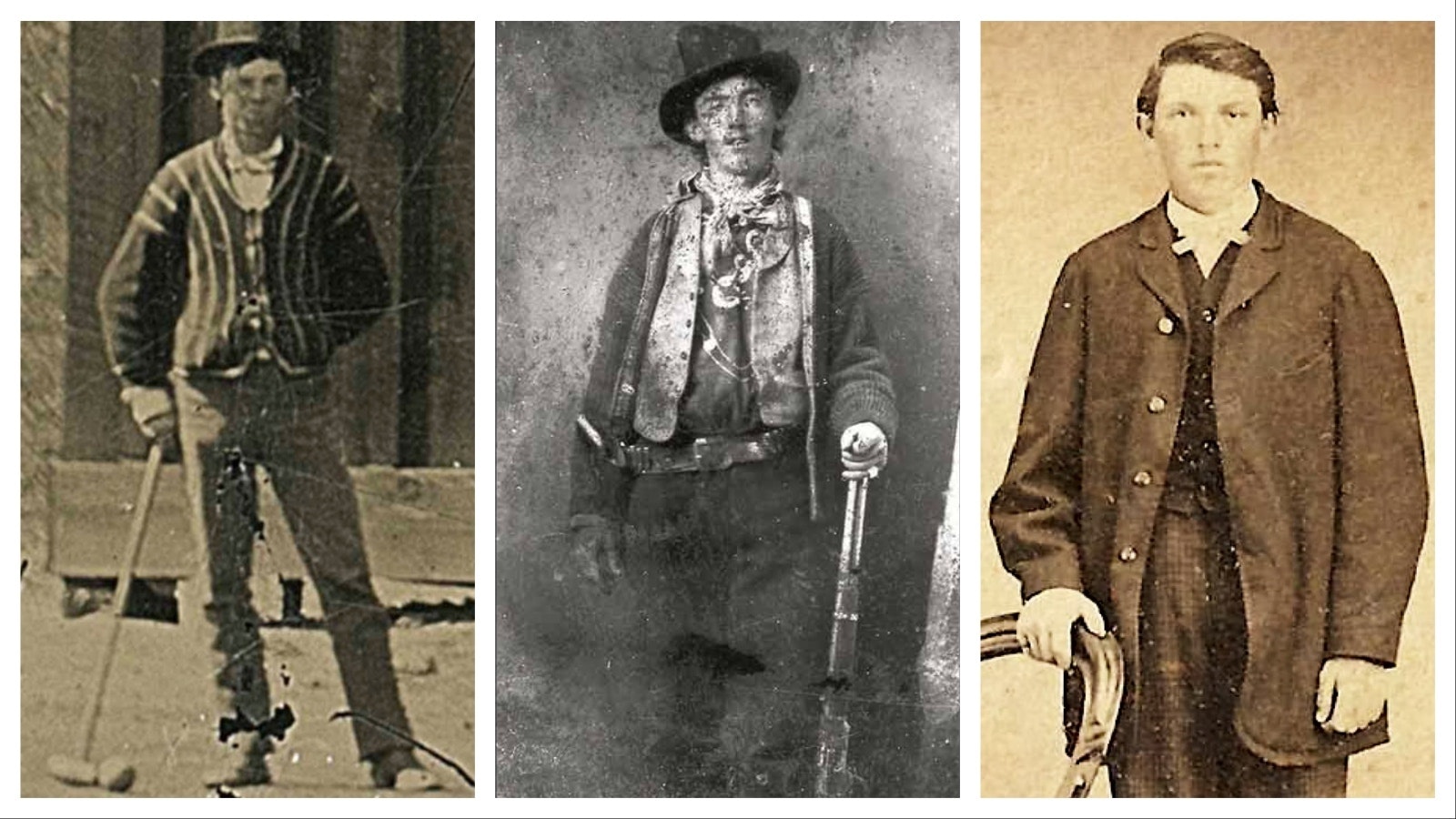
It also sparked a wave of fraudsters who suddenly “discovered” more photos of Billy the Kid and other outlaws. That includes one that has created a wave of controversy in historical circles that claims to show Billy in a sweater playing croquet.
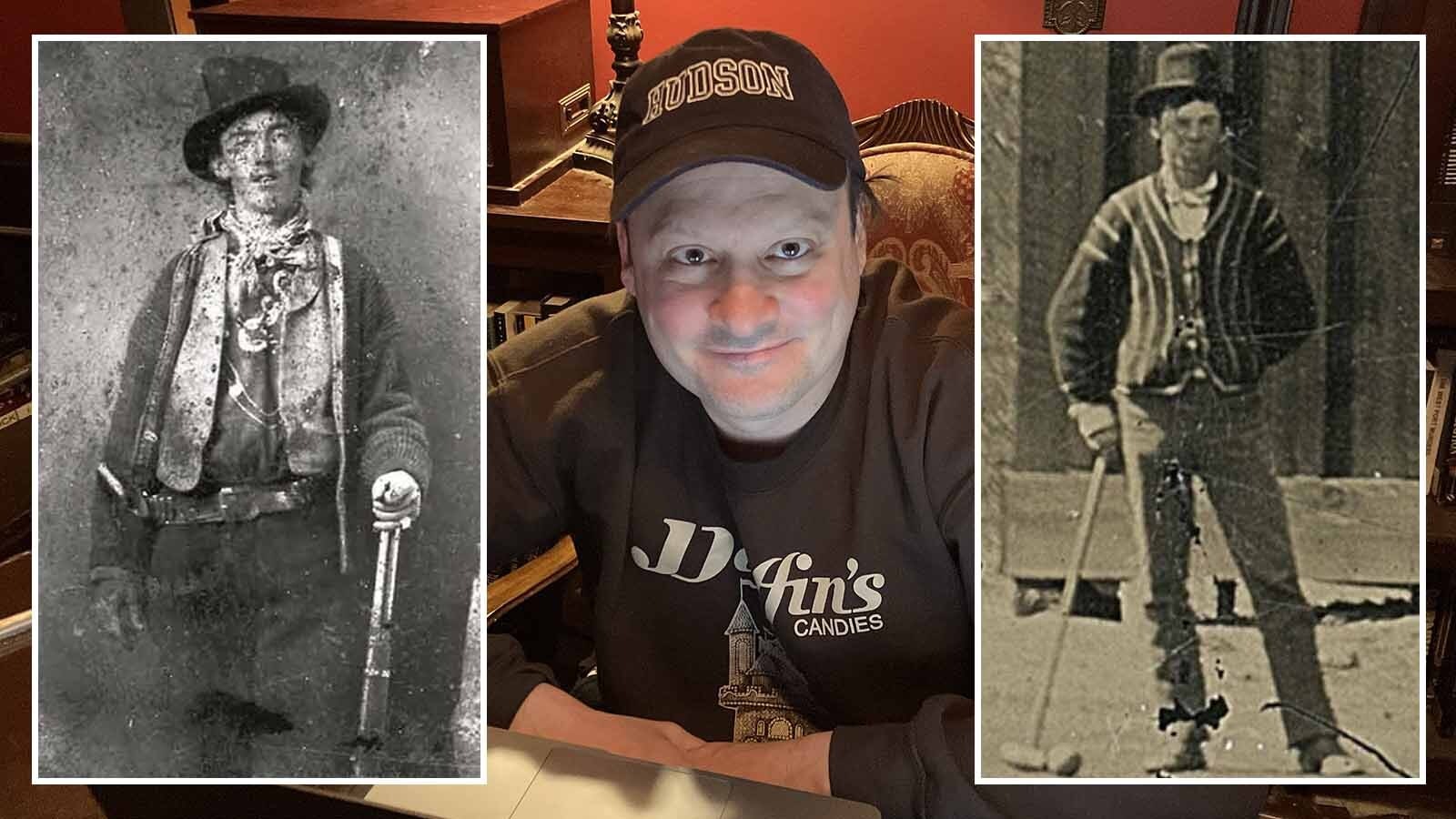
In June 2011, Koch bought the only authenticated photograph of Billy the Kid at auction for $2.3 million, the most ever paid for a historic image of the American West.
Billy has long been a frontier legend and the only known photograph of him has become legendary.
Since the record sale, the New York Post, BBC News, and National Geographic have all carried stories about supposed newly discovered Billy the Kid photos.
“Things have just kind of snowballed since the auction,” historian and Billy the Kid author Corey Recko told Cowboy State Daily. “Every year, more and more photos were coming out of the woodwork (from) people claiming was Billy or some other famous outlaw.”
When other collectors saw how much the Koch photo sold for, they started taking a closer look at similar photographs in their own collections hoping to cash in.
The result was a wave of people claiming to be experts marching out Billy the Kid photos, and the general public would believe them when they said it was the real deal, Recko said.
National Geographic ran a story about a photo that claims to show Billy the Kid playing croquet, but many American West historians strongly doubt it’s really Billy.
“I don't know of any historian who believes the croquet player is Billy the Kid, but it got a National Geographic documentary made about it and a coin dealer valued (it) at $5 million,” Recko said. “It never sold, but just seeing that has, I think, has inspired a lot of people to come forward with photos that they think resemble Billy or other famous outlaws.”
When historians question these claims, they're often ignored, and the media run stories supporting the doubtful Billy photos and that of other famous lawman and outlaws such as Wyatt Earp and Jesse James.
The claimants would give “proof" that was bogged down in terms that sounded so scientific and professional that people would believe them, said Daniel Buck, an American West historian and author who has spent countless hours disproving these types of claims.
Other Claims Of Billy
Recko said that the first Billy photo to gain fame was the supposed image of him playing croquet, which caught the attention of lawyer Frank Abrams when National Geographic ran the story as fact in 2015.
“Frank took a fresh look at a tintype he had purchased at a flea market in North Carolina in 2011,” Recko said. “From there, he decided that a man in the front looked just like Pat Garrett, while a man standing in the back looked like Billy.”
Garrett was an American Old West lawman, bartender, and customs agent believed to have killed Billy the Kid.
Abrams then claimed that he had a picture of the two of them together. If true, it would be historically important and possibly be worth millions to the right buyer.
Furthermore, Abrams claimed the other men in the photo were also important figures in American West history.
He said that he had also identified Barney Mason and Dave Rudabaugh, though he was unsure who the fifth man was.
Mason was a deputy under Garrett in Lincoln County, New Mexico. He killed John Farris in self-defense at Fort Sumner, New Mexico, in 1880.
Rudabaugh was a cowboy, outlaw, and gunfighter in the Old West. Modern writers often refer to him as "Dirty Dave" because of his alleged aversion to water, though there is no proof of this distaste for being clean.
There is no known photo of him and this would be the first if Abrams' photo could be proven to be real.
In 2014, another Billy the Kid photo claim was authenticated by a Texas forensic expert named Lois Gibson. It appears to show a clean-shaven teen in a suit.
Like the Abrams image, a host of historians say they have the same doubts about its authenticity.
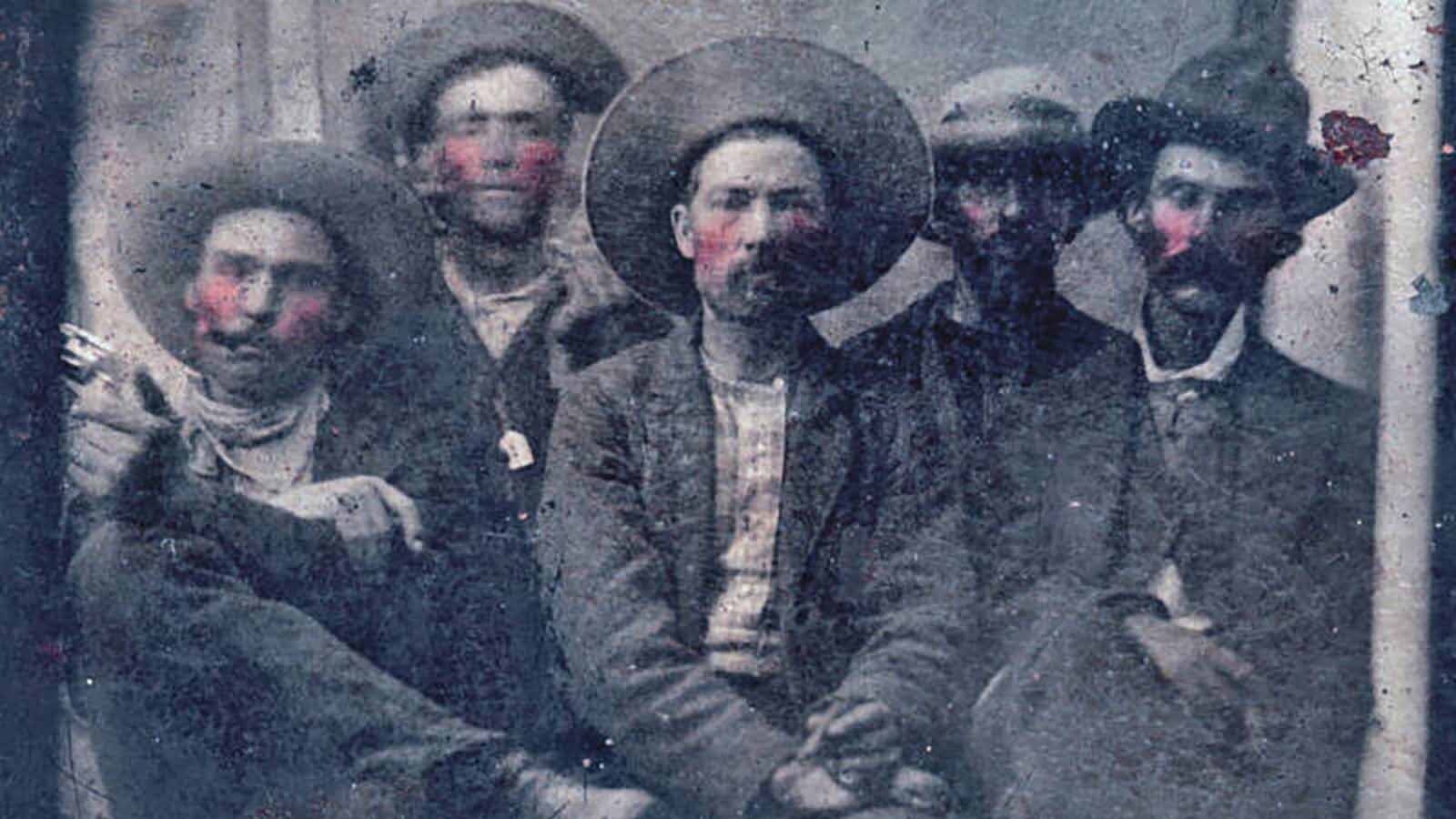
Frank Abrams discovered this photo of five men at a flea market and years later claimed that not only did it feature Billy the Kid, but also Pat Garrett, the lawman who is believed to have shot Billy, Garrett’s deputy Barney Mason, and another outlaw known as “Dirty Dave.” 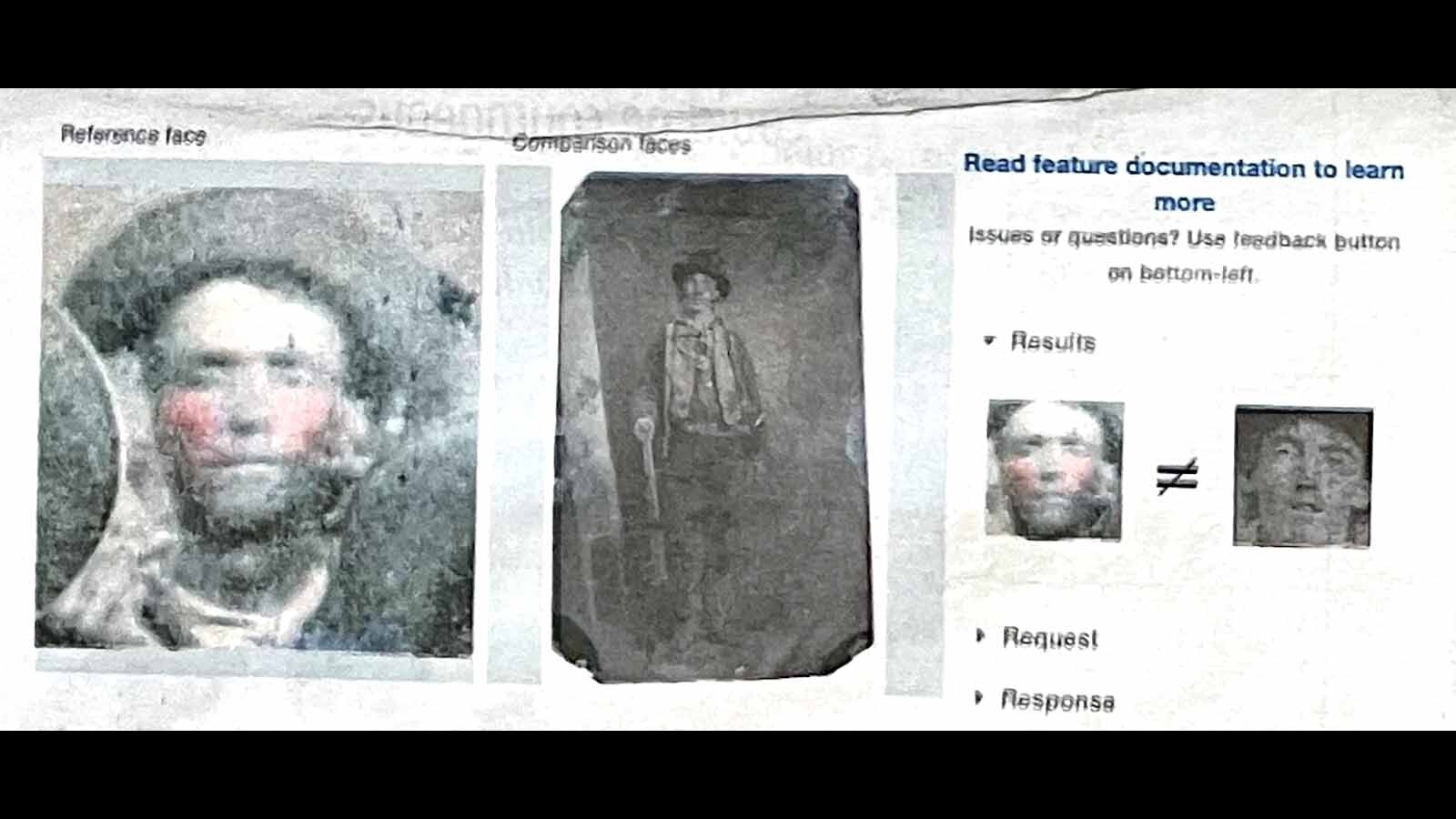
Corey Recko compared Frank Abrams' “Billy” with the only authenticated photo of the outlaw and said that the facial recognition program did not give a high match to the photos.
The Real Deal
Recko said to verify that an old photo is truly the person someone claims it is, there are several factors to take into consideration, including chain of ownership, date of the photo, and the historic content.
None of these can be verified with the Abrams photo.
“The way those tintype cameras worked, four photographs were taken,” Recko said. “In the case of the authenticated photo of Billy, we know what happened to three of the tintypes.”
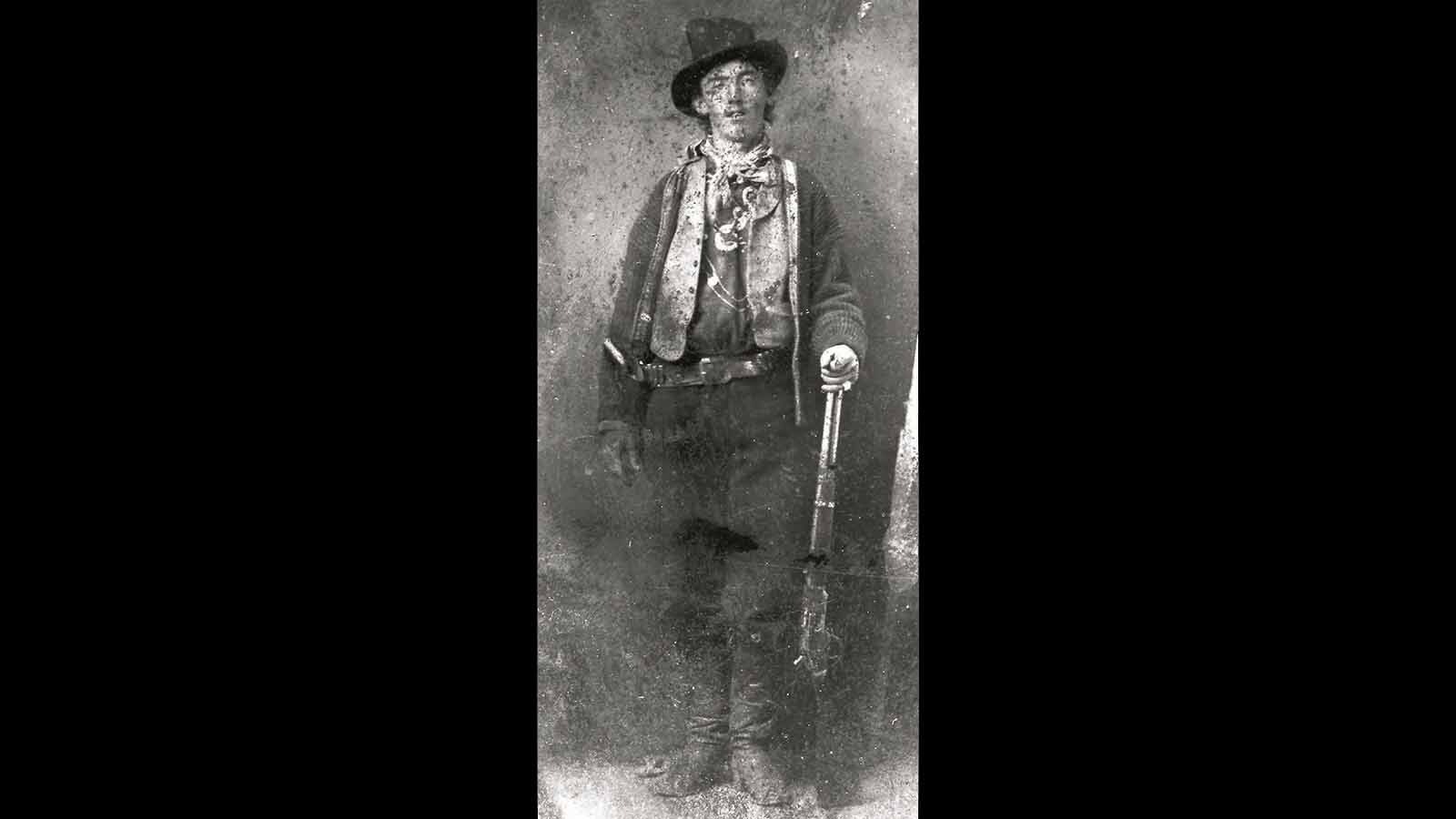
The tintype that had sold at auction had been verified as the photo Billy had given to his friend Dan Dietrich.
It was then passed down in his family who had the needed documentation to prove how they got it. Plus the tintype dated correctly to the right era and could be traced to a photo studio that Billy could have visited.
Another copy of the authentic Billy was destroyed in a fire in Fort Sumner in the 1920s, and a third copy was owned by Pat Garrett that is believed he used as an illustration for his own book about life as a lawman chasing down Billy.
“The photo was identified by many people who knew Billy the Kid personally,” Recko said. “What you want is contemporary documentation like that.”
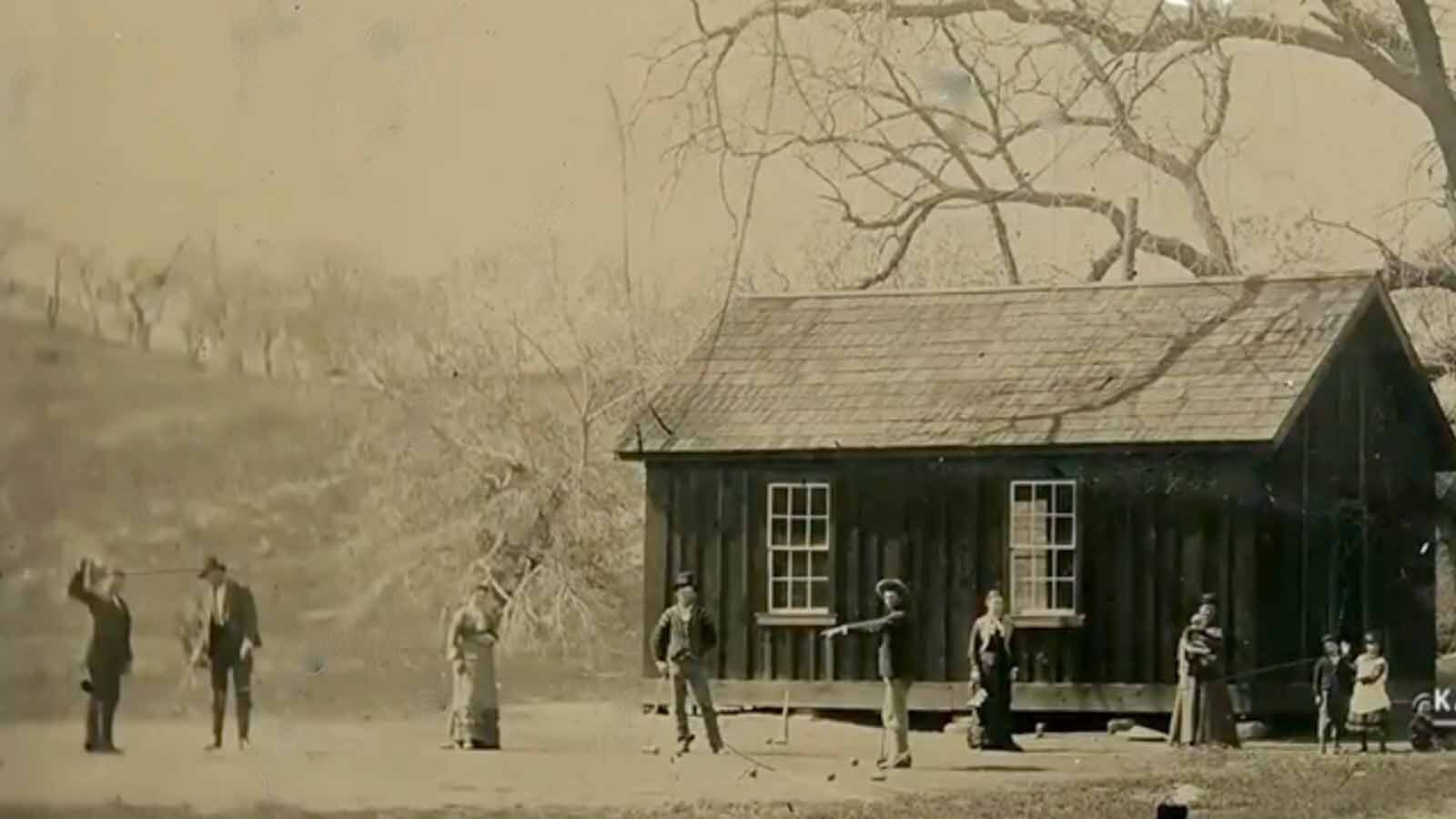
When National Geographic ran a documentary about a Billy the Kid photo of him playing croquet (center), historians cried foul and said that there was no proof the photo was him and that they were not consulted to prove or disprove the photo. 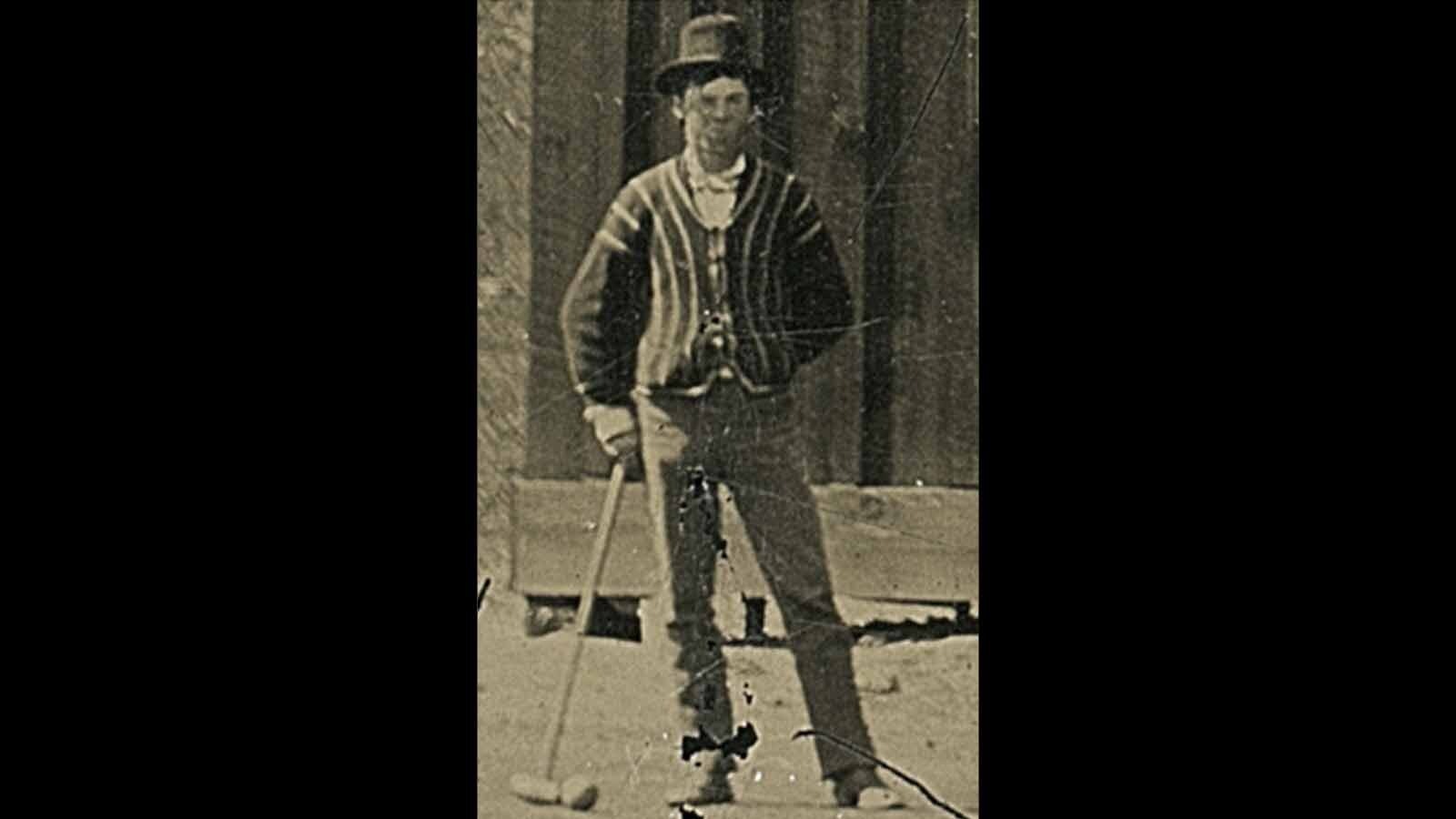
When National Geographic ran a documentary about a Billy the Kid photo of him playing croquet (center), historians cried foul and said that there was no proof the photo was him and that they were not consulted to prove or disprove the photo.
Rebuttal
Recko said that historians want to know the history of the photo, and buying it from a flea market like Abrams did makes this task nearly impossible to track down.
“Bob McCubbin and other historians are giving all these very strong reasons why they don't believe this is Billy,” Recko said. “The historians seemed to be ignored every time the story made news because they just weren't even being talked to.”
When the National Geographic documentary came out, historians started to investigate the photo and shared their research that disproved the photo.
“Frederick Nolan gave very convincing arguments why it couldn't have been taken where they claimed it was taken,” Recko said. “Another historian, Eddie Lehmann, found a survey of the area so detailed it showed a tent but showed no building or ruins on the site.”
Recko had a litany of reasons why the croquet photo could not possibly be that of Billy the Kid, including records that show the building the producers found wasn't built until the 1930s.
“But again, that's not the way it was reported,” Recko said. “From the first day this photo made news, most of the reports just went along with the documentary.”
Realizing that the owners of these photos would just keep searching for experts who would verify their claim, Recko started getting interested in proving and disproving these photos himself, including the Abrams photo.
“I'm hearing from historians all agreeing on one thing, and then you are getting something completely different in the news media,” Recko said.
The Abrams Photo
Recko said that when they examine Abrams’ claims, American West historians agree that the photo is not that of Billy.
“The first thing we look at is if you have documented chain of custody from someone who knew Billy or would have reason to have a photo of him,” Recko said. “What you'd like to have is documented identification for someone who knew the person like we have in the example of the one known Billy photo.”
Recko said that is very hard to do, which makes it difficult to prove that some random photo is a particular person, especially if the photo is blurry and only shows one side of the person.
There is a reason mug shots in the Old West were taken several times, often with and without mustaches as in the case of Tom O’Day, an outlaw from Wyoming.
Recko also said that facial recognition computer software is not an accurate way to identify a photo because the same program that identified Billy the Kid in Abrams' photo also said that the person in question was Ringo Starr from The Beatles.
There is also the issue of dopplegangers, which is a person who strongly resembles another.
Buck said that a fun game people play with software is to put their own face in and see what famous dead celebrity they resemble. Buck said his results came back as the Biblical Apostle Paul.
Taking in the historical context and even the photography studio, the Abrams photo, although causing quite the buzz on social media and in the news, cannot be verified as Billy the Kid or any of the other famous lawman and outlaws that Abrams claims were in his photo.
“Hopefully going forward, reporters and readers will take a more critical look at the next alleged ‘newly authenticated photograph of Billy the Kid' that makes the news,” Recko said. “The purpose of all this is to take a critical look at the claims and evidence and then make up your own mind on the veracity of the claims.”
Jackie Dorothy can be reached at jackie@cowboystatedaily.com.