Since November, crews have been dropping logs and massive “root-wads” into place along the banks of the North Fork of the Shoshone River, in hopes of protecting the nation’s oldest ranger station.
As a bonus, the project — a collaborative effort led by Trout Unlimited (TU) and the Shoshone National Forest — should also help native Yellowstone cutthroat trout, Rocky Mountain bighorn sheep and other wildlife.
Oldest Ranger Station
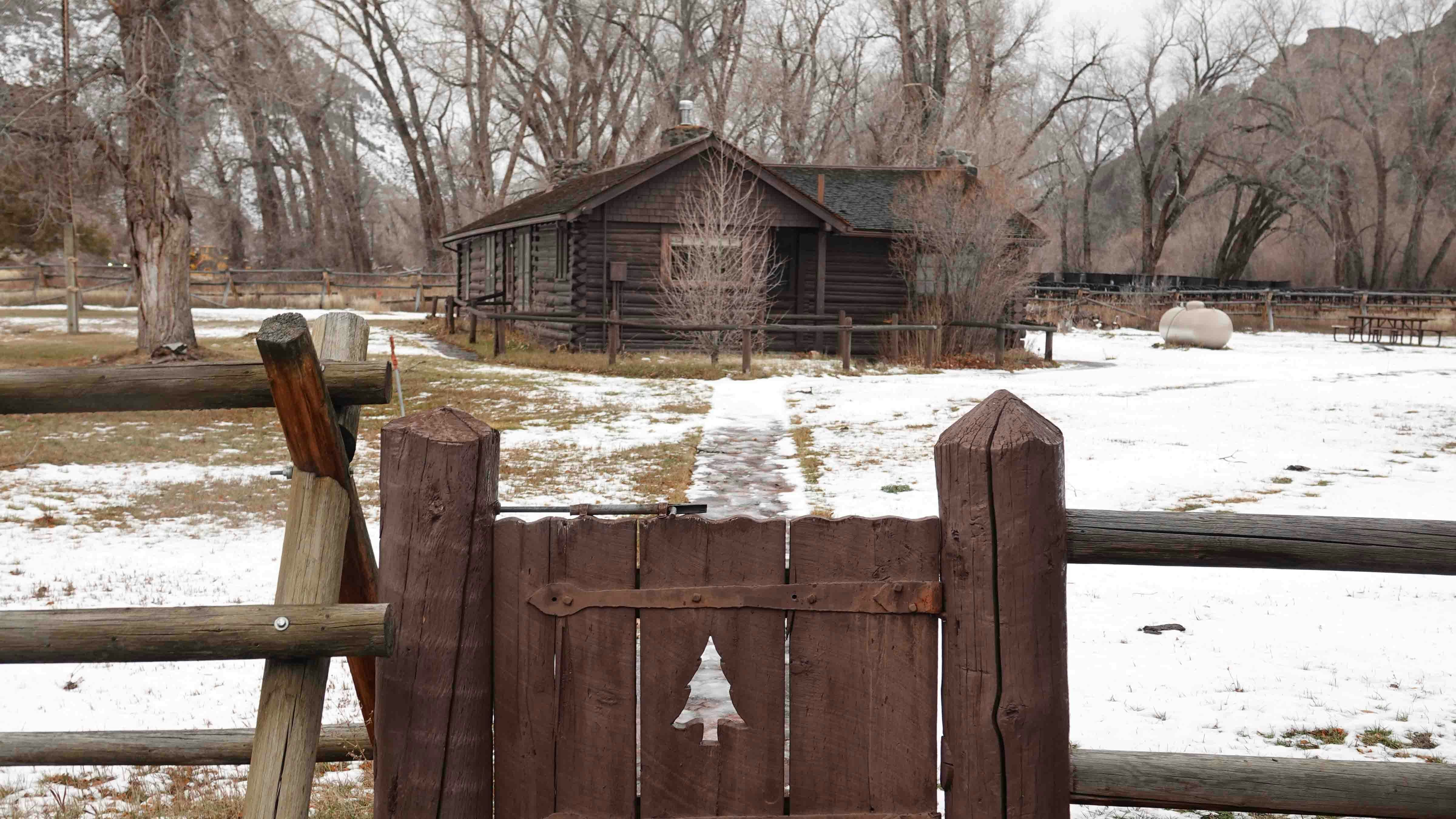
A centerpiece of the project is the Wapiti Ranger Station. Built in 1903, it was the nation’s first U.S. Forest Service ranger station built with federal money.
The bulk of the material is 1,000 logs and 400 root wads, or huge chunks of fallen trees' root structures. The timber was taken from the Greybull River Drainage and transported to the work site by WTL Logging of Meeteetse.
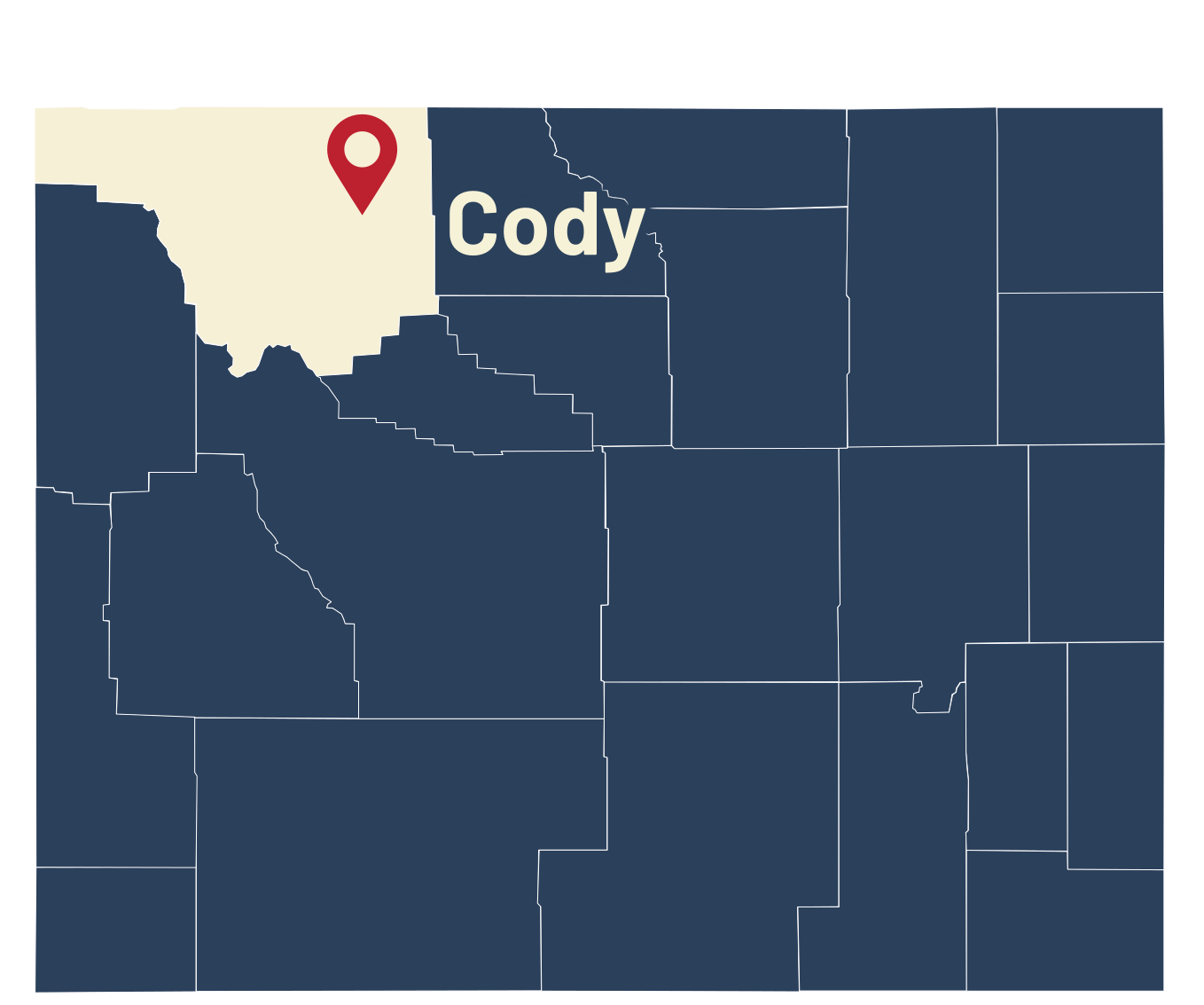
Planning for the project started in January 2023 and work began in earnest in November, along a roughly two-mile stretch of the river, alongside Highway 14/16/20, which runs between Cody and the East Gate of Yellowstone National Park.
The goal is to have the project mostly complete by mid-January 2026, with any loose ends tied up during the river’s low flow in the fall.
The river’s channel can change course there. Since the 1950s, it’s moved about 800 feet closer to the highway, Nick Gann, the TU Rocky Mountain communications director told Cowboy State Daily.
During the massive 2022 floods, there was severe erosion along the riverbanks, and damage to infrastructure near the ranger station and the nearby Wapiti Campground, Brittany Swope, the TU Big Horn Basin project manager, told Cowboy State Daily.
“If the channel was to flip, it would be right up against the ranger station there,” she said.
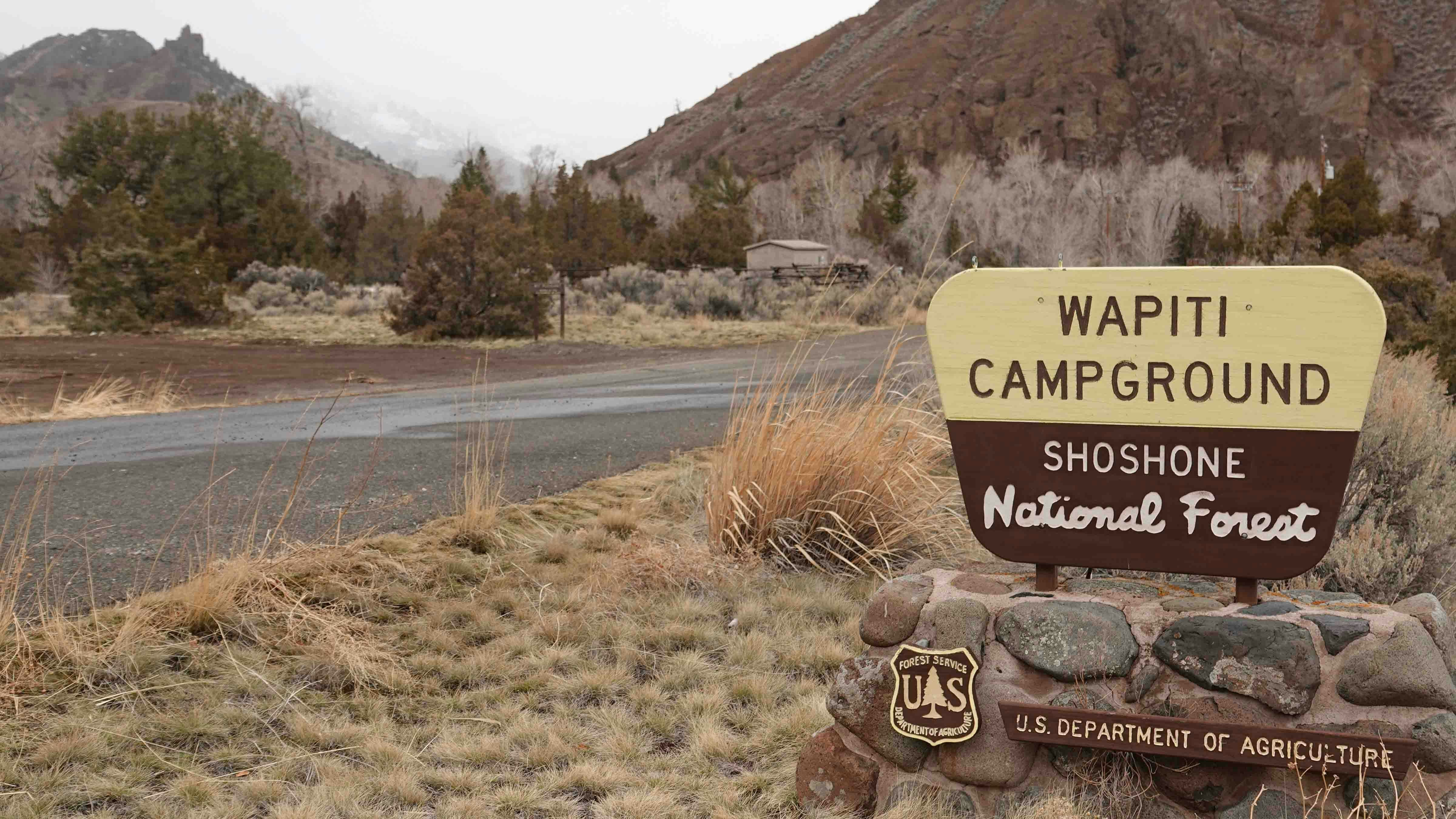
he Wapiti Campground west of Cody will benefit from a riverbank improvement project. (Courtesy: Trout Unlimited) 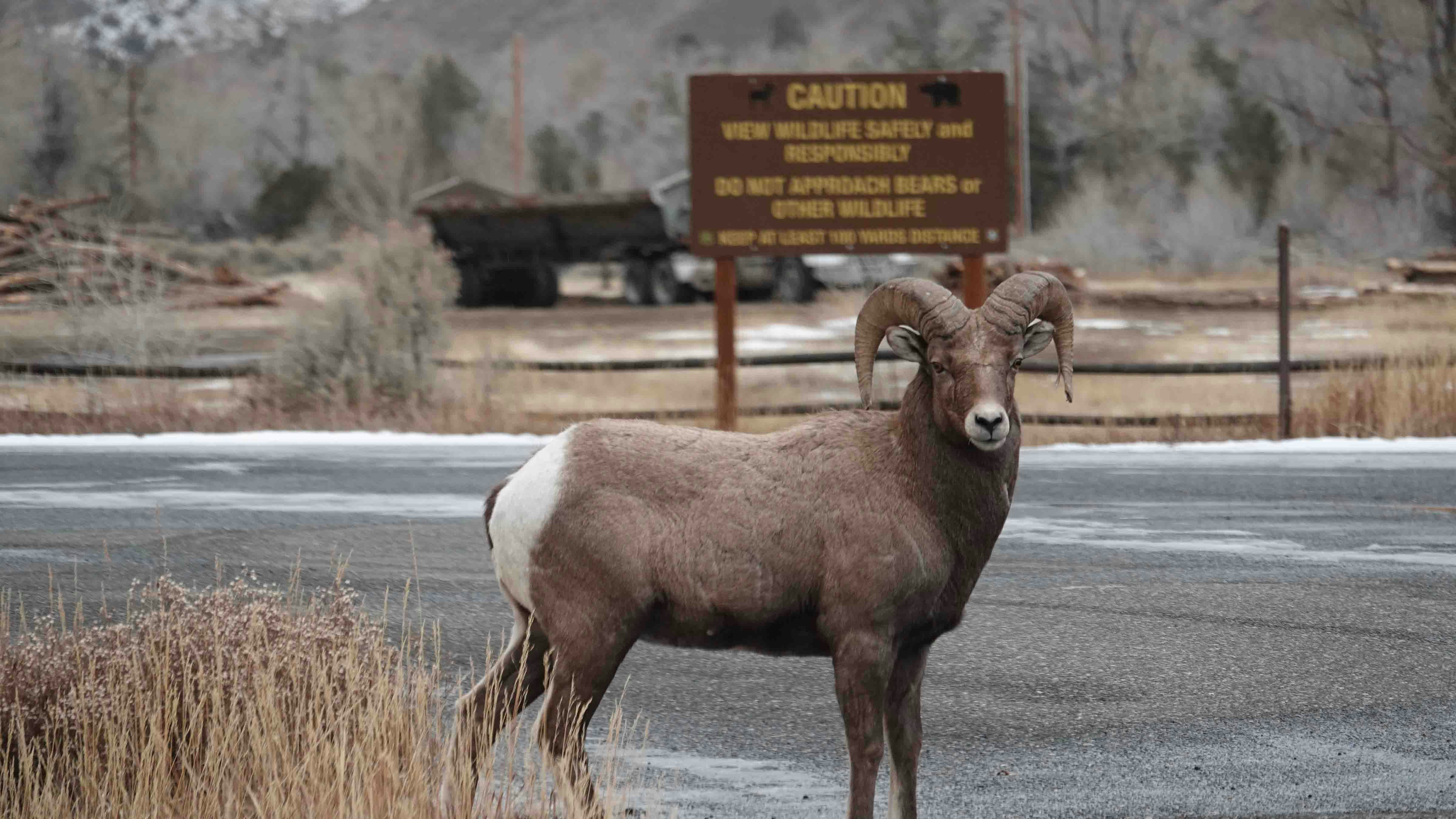
A Rocky Mountain bighorn sheep ram hangs out near the Wapiti Ranger Station west of Cody. (Courtesy: Trout Unlimited) 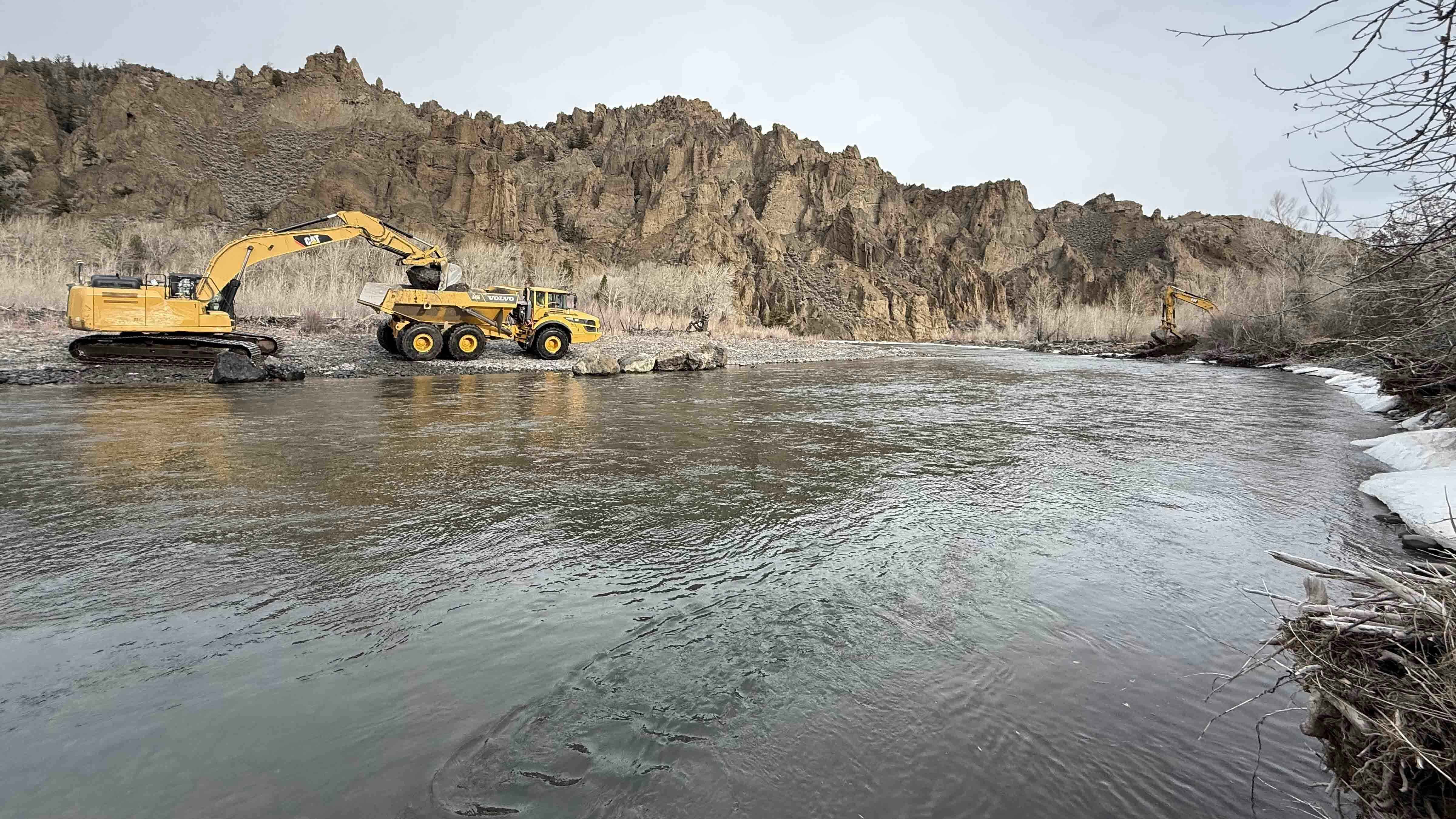
A riverbank improvement project West of Cody aims to save the country’s oldest ranger station from sliding into the North Fork river, while also helping Yellowstone cutthroat trout and bighorn sheep. (Courtesy: Trout Unlimited)
‘Nature Is Going To Do What It’s Going To Do’
The Wapiti Ranger Station is listed as a National Historic Landmark, and it’s among many “firsts” in the area, Park County resident and retired Forest Service and Park Service ranger Richard Jones told Cowboy State Daily.
“Yellowstone is not only the first national park, the Shoshone National Forest is the first national forest, and that ranger station is the oldest ranger station in the nation,” he said.
Jones is also a member of the Cody Conservation District board, which consulted on the project.
“Over the years, the river has created a kind of back-and-forth delta pattern there,” he said.
“Nature is going to do what it’s going to do,” he added.
Swope agreed that trying to alter the course of the river would be fruitless.
So, the aim of the project is to bolster the banks, providing protection from further catastrophic erosion or infrastructure damage.
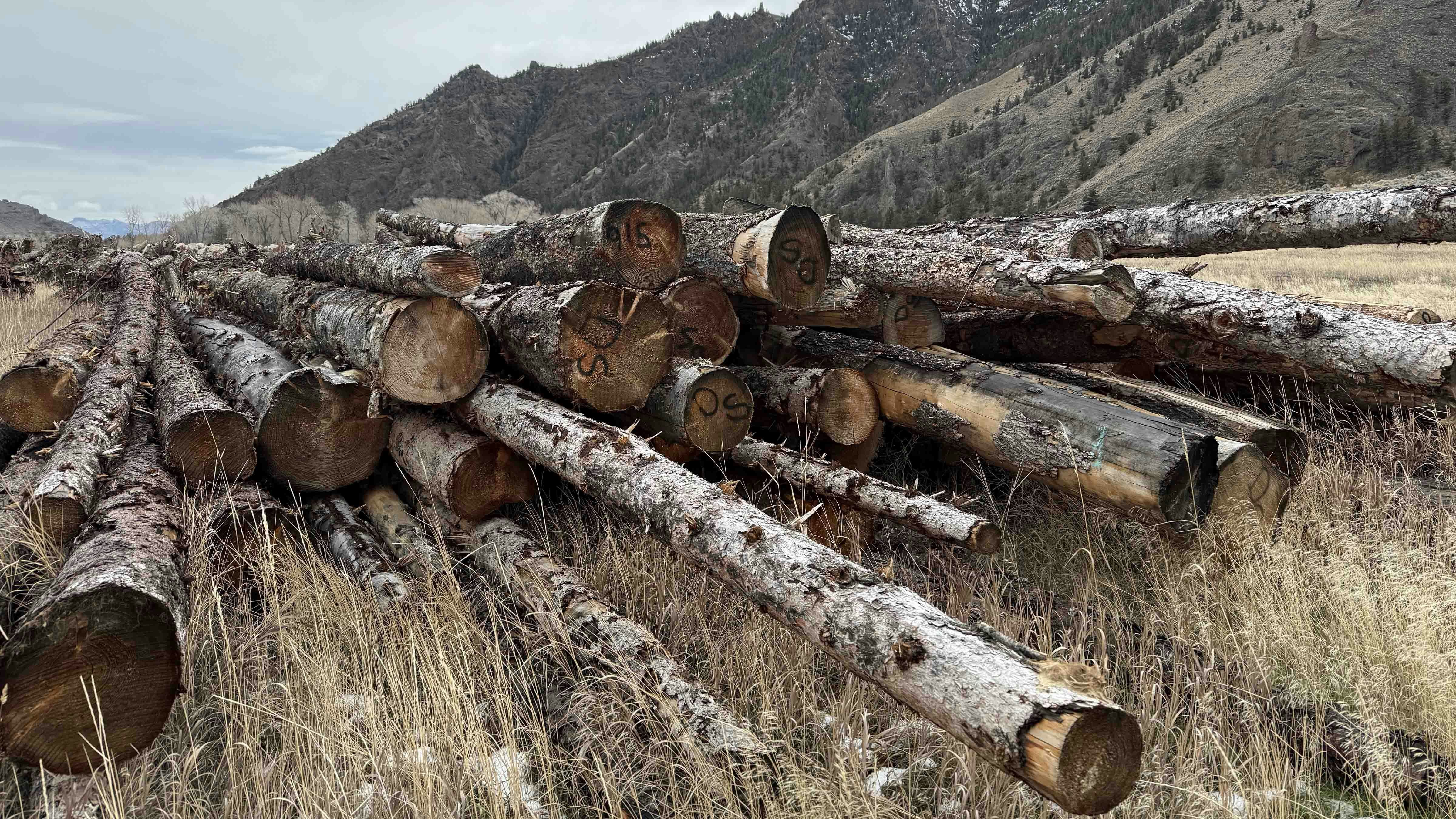
A riverbank improvement project West of Cody aims to save the country’s oldest ranger station from sliding into the North Fork river, while also helping Yellowstone cutthroat trout and bighorn sheep. (Courtesy: Trout Unlimited) 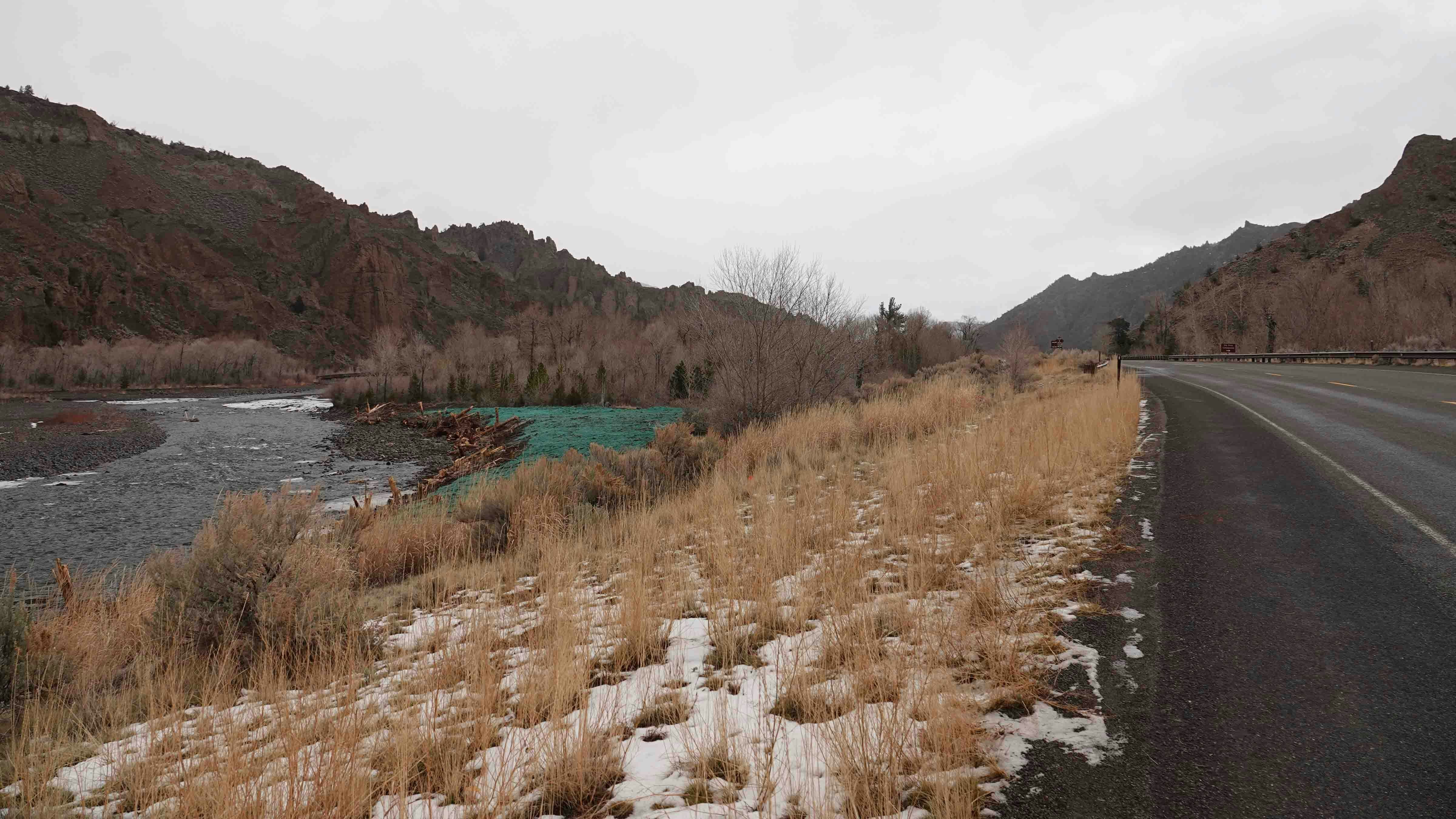
A riverbank improvement project West of Cody aims to save the country’s oldest ranger station from sliding into the North Fork river, while also helping Yellowstone cutthroat trout and bighorn sheep. (Courtesy: Trout Unlimited) 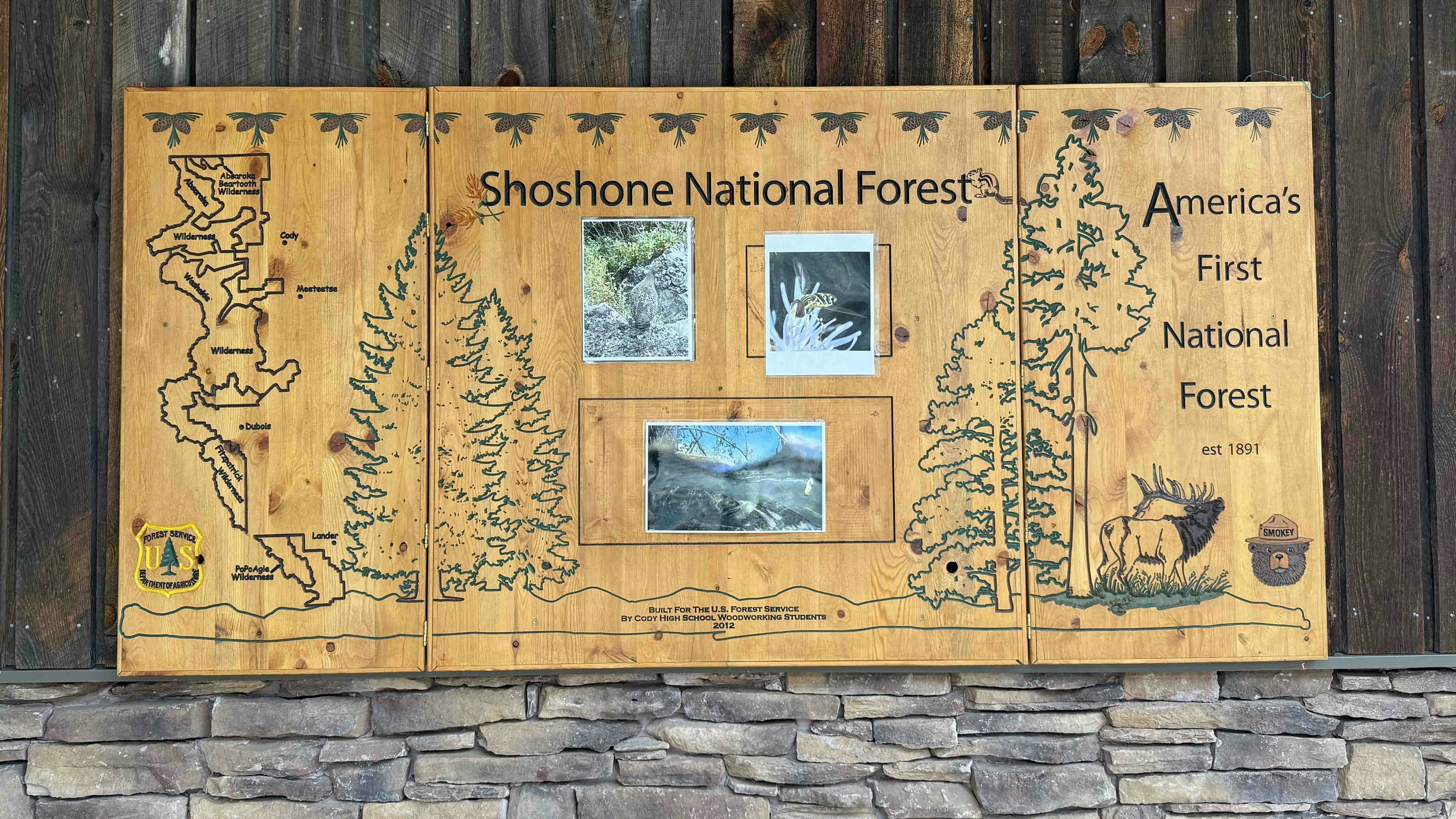
The Shoshone National Forest is the oldest national forest in the country. (Courtesy: Trout Unlimited)
Trout Haven
Toward TU’s wider mission, the project should also improve habitat for prized native Yellowstone cutthroat trout.
Other fish species should benefit too, Swope said.
Two root wads are being placed with the “root fans” facing out into the river, she said.
“When the water hits the root fans, it will slow and create a deep-pool habitat,” she said.
Such pools are places where fish can rest and feed.
The area should also fill in with willows, cottonwoods and other “riparian vegetation,” Swope said.
“The goal is to create natural-looking log-jam structure along the banks,” she said.
Eventually, those should fill in with sediment from the river.
The trees and vegetation could provide food and shelter for white-tailed deer and moose.
“You don’t see many moose along the North Fork, maybe this will bring more of them there,” Swope said.
Bighorn sheep could benefit from better water sources in small, natural “pastures,” she said.
Those roadside pastures are a favored wintering ground for the sheep, she said.
Mark Heinz can be reached at mark@cowboystatedaily.com.