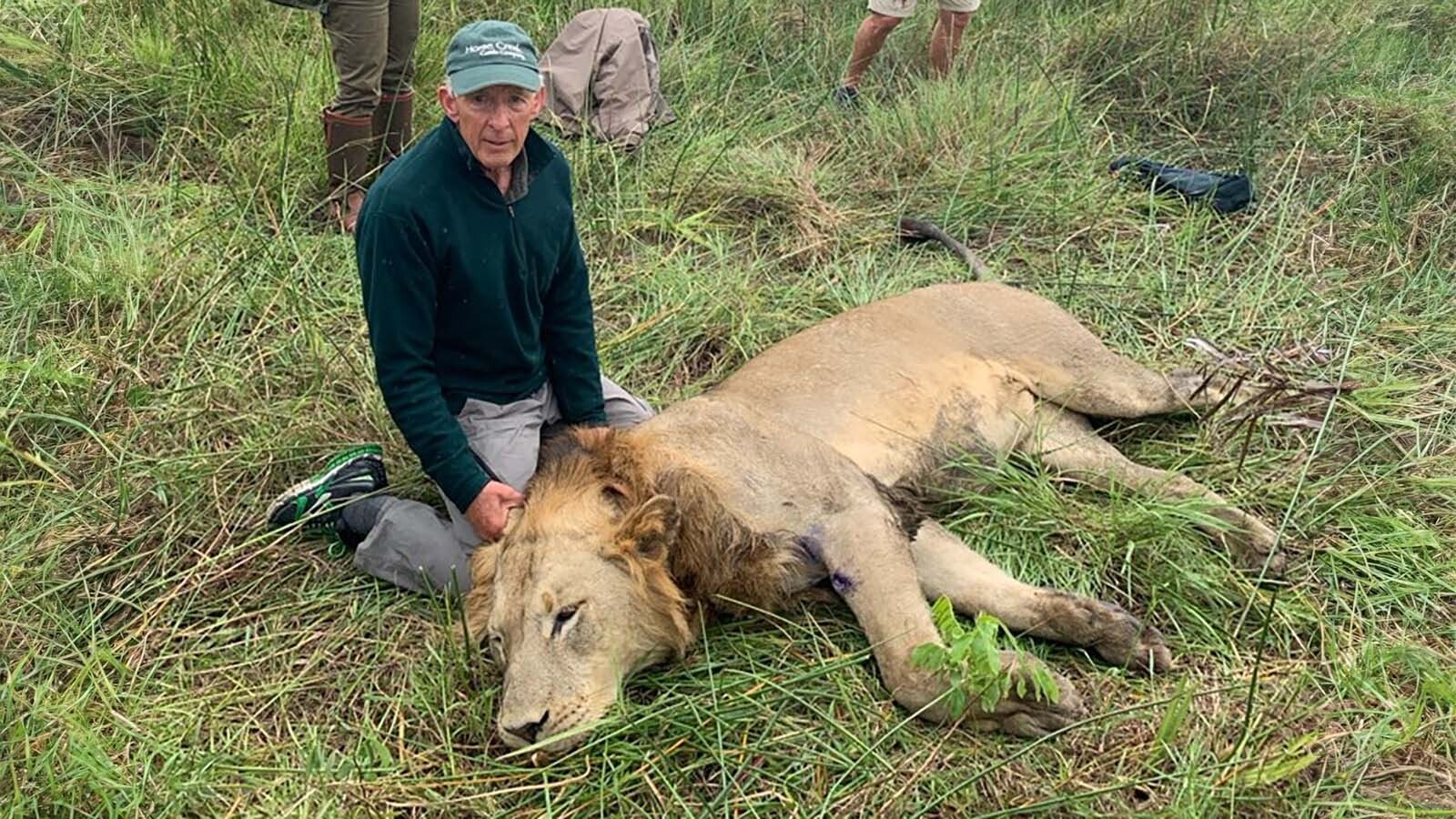
Doug Samuelson knew what he should be hearing. He was camped in the African backcountry surrounded by lots of animals across dozens of species, the bush alive with the sounds of creatures that evolved alongside lions and cheetahs.
Samuelson recalled expecting to hear lions that night.
His friend, South African conservationist Ivan Carter, told him there weren't any left. They'd all been poached.
"Well, that's just a bummer," Samuelson recalled saying. "There should be lions everywhere here."
For Samuelson, a Cheyenne rancher who studied wildlife management at the University of Wyoming, the absence was profound. He knows what a lion sounds like at night, and it wasn't the theatrical roar of the MGM logo.
He described the sound as a low, booming rumble.
"It'll travel miles on a cold night,” he told Cowboy State Daily.
Dan Cabela, whose family foundation supports wildlife conservation, put it another way: "You feel it as much as you hear it.”
That silence and absence of lions stuck with Samuelson, Carter and Cabela, ultimately bringing them together to pull off the largest international relocation of lions ever attempted.
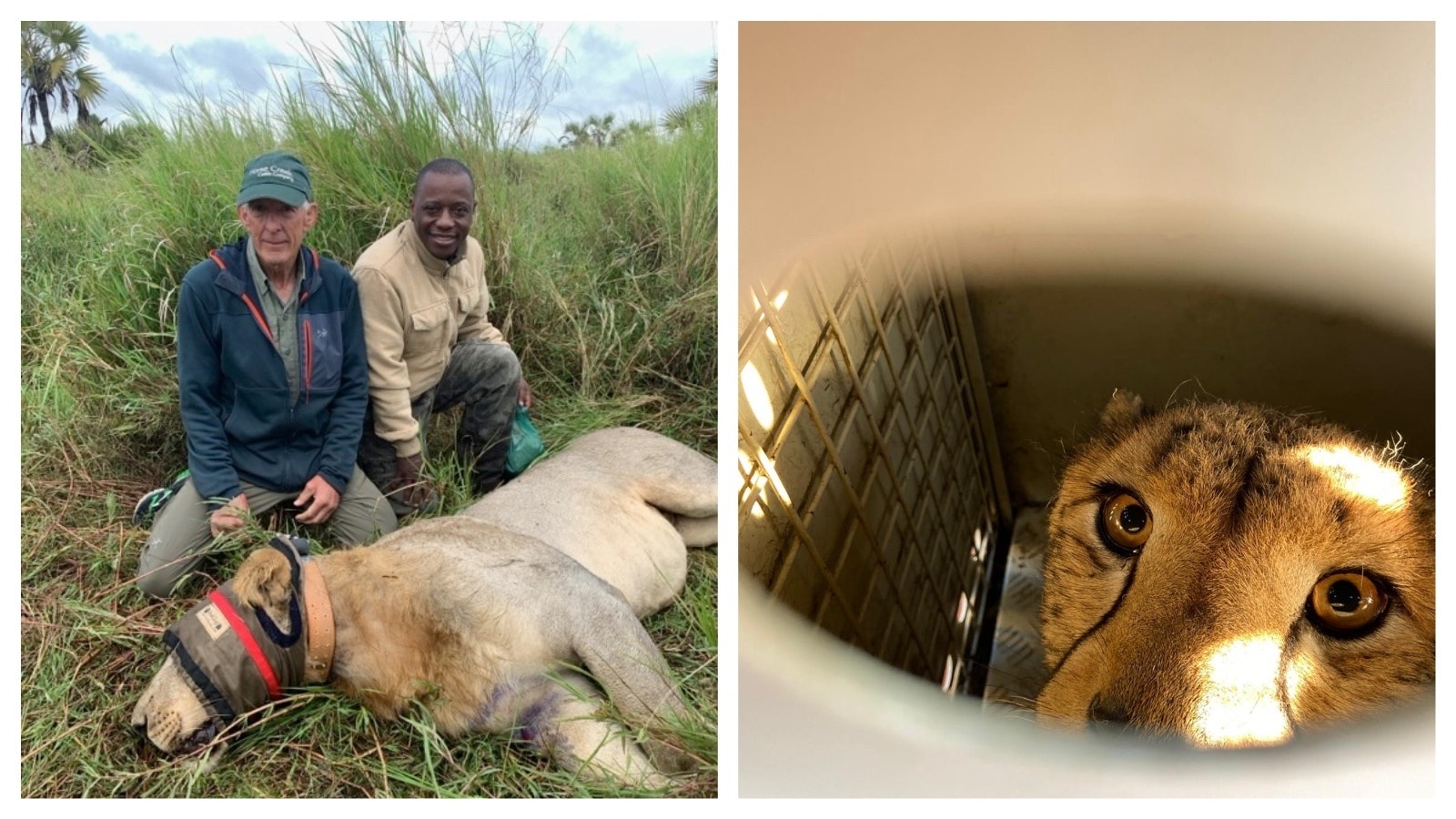
Left, Doug Samuelson and veterinarian Dr. Sam Bila (right) with a sedated lion as part of an historic transport of these iconic predators from South Africa to Mozambique. Right, cheetahs had been absent from the Zambezi Valley for over 100 years. Then a coalition effort delivered 12 cheetahs to this critical habitat. (Courtesy Doug Samuelson; Cabela Family Foundation) 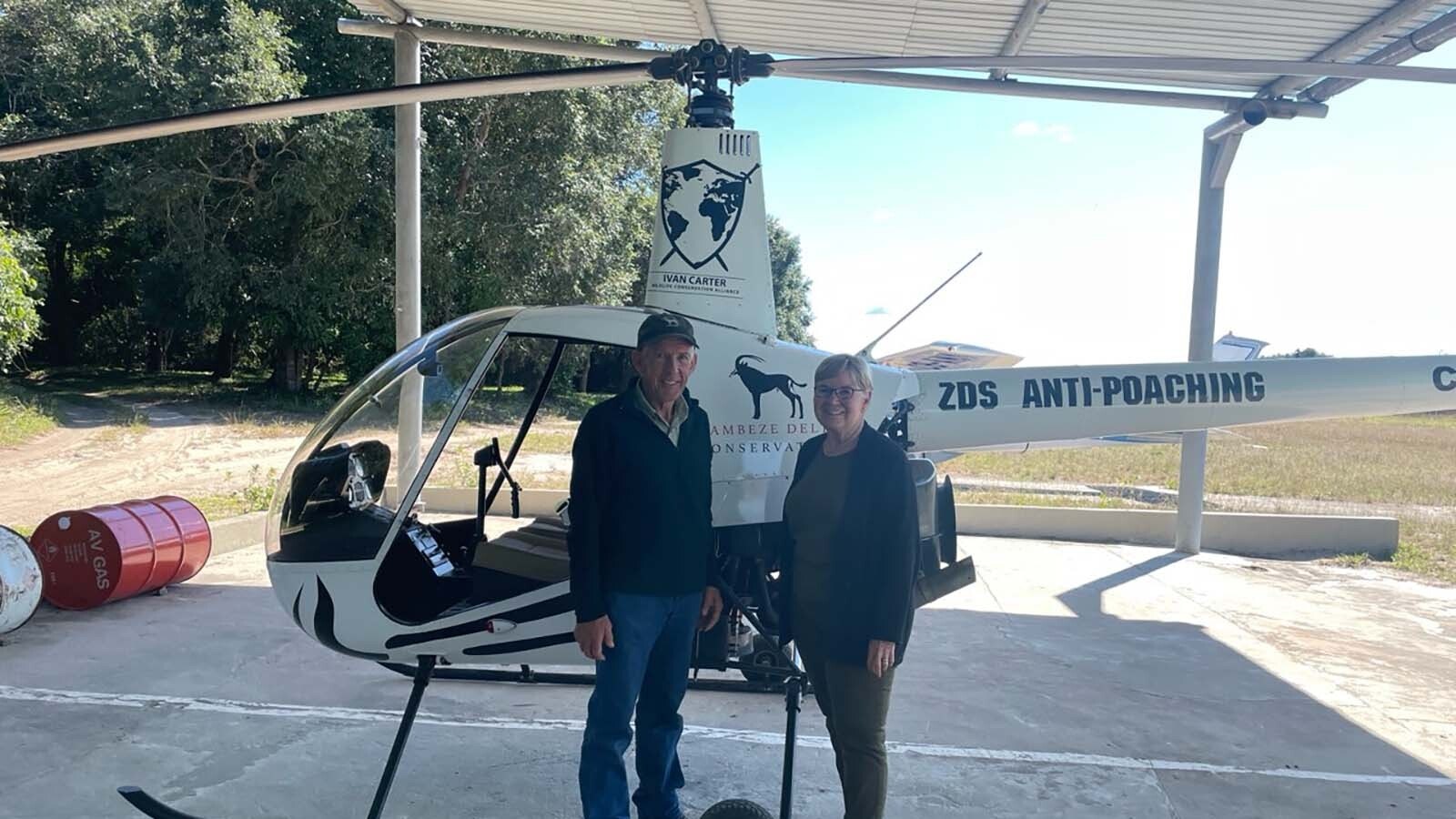
Doug and Susan Samuelson have been recognized as leading habitat conservationists in Wyoming, and continue support efforts in Africa. (Courtesy Doug Samuelson) 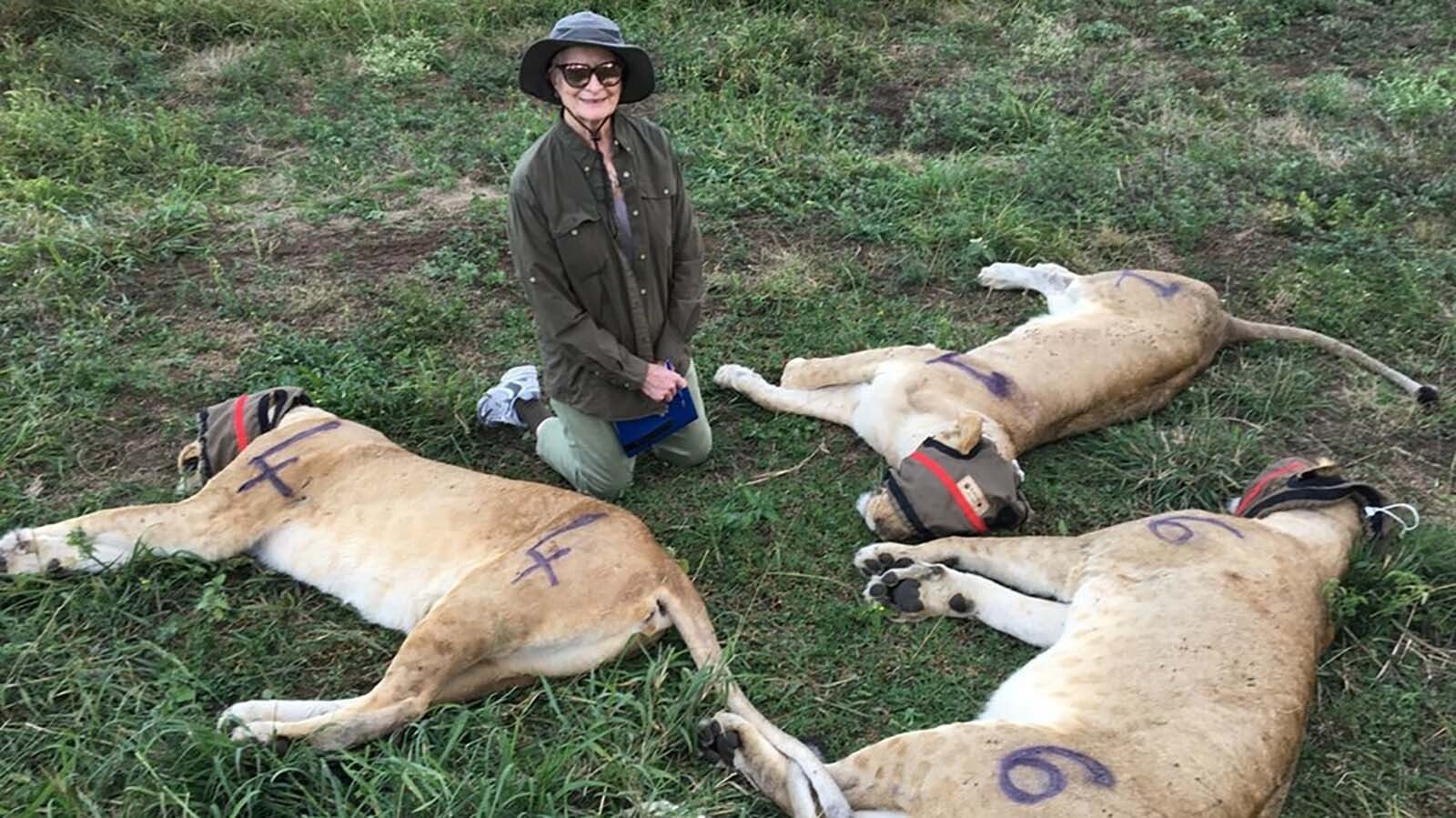
Casper native Mary Cabela and the Cabela Family Foundation supported a coalition effort to repopulate lions and cheetahs in the Zambezi Delta of Mozambique. Cabela passed away on May 30, 2023, at the age of 86. She was a co-founder of the outdoor retail company Cabela's. (Courtesy Doug Samuelson)
Plan Hatched
Back in 2015, the Wyoming Department of Game and Fish recognized Doug and Susan Samuelson for their stewardship of more than 30,000 acres in the Laramie Range and further east toward Nebraska.
More recently, the Wyoming Stock Growers Land Trust praised the couple for putting land in a conservation easement on the outskirts of Cheyenne, with the easement providing, “beautiful, unfragmented views that are made up of rolling hills, prairies and tall buttes, a nice change in scenery from the urban development that is coming to life all around Laramie County.”
On hunting trips to Africa, Samuelson shared his experiences from the frontlines of Wyoming wildlife conservation with those he met in the bush.
That’s where Samuelson and Carter crossed paths by chance, sharing a hunting camp. Samuelson wounded an animal, and Carter went to help track it.
Carter, who has spent more than 35 years in the wildlife space and now runs the Ivan Carter Wildlife Conservation Alliance from his home in the Midlands west of Durban, South Africa, said it was the start of a collaborative friendship.
"Doug is an absolute prince of a man," he said. "He just is one of those kinds of people. If you spend time around Doug Samuelson, you truly feel like you're a better human being.”
Samuelson invited Carter to visit his ranch in Wyoming. Carter took him up on it. Then they began doing safaris together — including a 21-day expedition tracking lions across a landscape of nearly a million acres.
"You really get to know somebody when you are with him for three weeks," Carter said. "Eating around the same table all the time. In a very remote place full of flies that bite you and lots of heat and very little road network."
It was during one of their trips that the idea crystallized. They were camping in a landscape where lions had been poached out.
"Doug said, ‘Man, what do you think? Imagine if we could sit here at this fire and hear lions roaring," Carter recalled. "That would be amazing."
"When you're hunting together, it's an interesting thing," Carter continued. "You have these deep and dreamy conversations, and they very often are a dream. And I said, ‘You know, I think we could probably do that.’"
From the start, funding emerged as a key challenge. Moving lions across international borders would require permits, veterinarians, quarantine facilities, aircraft and years of anti-poaching support. The Ivan Carter Wildlife Conservation Alliance, where Samuelson serves as treasurer, didn't have that kind of money.
"We got to get somebody really big to come in and do this," Samuelson recalled thinking.
That’s when Carter decided to go to Sidney, Nebraska, home base for the Cabela brand and philanthropic works.
Breakfast in Sidney
Carter knew Dan Cabela and thought the project might be a good fit for the Cabela Family Foundation.
So Carter approached Dan with a question: "Do you think your mom would be interested in doing a lion translocation?"
"I've always loved lions," Dan replied. "Why don't we ask her?"
Carter sent Mary Cabela a proposal. Then he flew to Denver, got in a car, and drove to Sidney, not knowing quite what to expect. He didn't know the Cabela family well. But Mary greeted him like an old friend.
"One thing about the Cabelas is, irrespective of their success, they are incredibly grounded, just normal people that are just wonderful to be around," Carter said.
"She cooked me breakfast, which was toast and eggs," Carter recalled about his morning with Mary. "And we sat there and chatted."
Over that breakfast, Mary made a decision.
"Well, why don't we try and move these lions?" she said, according to Carter, telling him, "I love how passionate you are about them.”
Mary grew up in Casper, before attending boarding school in Sidney, where she met Dick Cabela.
"They just love the idea," Samuelson said of the Cabela family. "So they decided to pay seed money and a few years of anti-poaching support. And they made it happen."
Dan Cabela, who now serves as executive director of the Family Foundation, told Cowboy State Daily that Samuelson, "Reminds me a little bit of my mom. Just got that down-to-earth, hard work ethic. And he's been very successful through blood, sweat and tears. And very passionate about this topic."
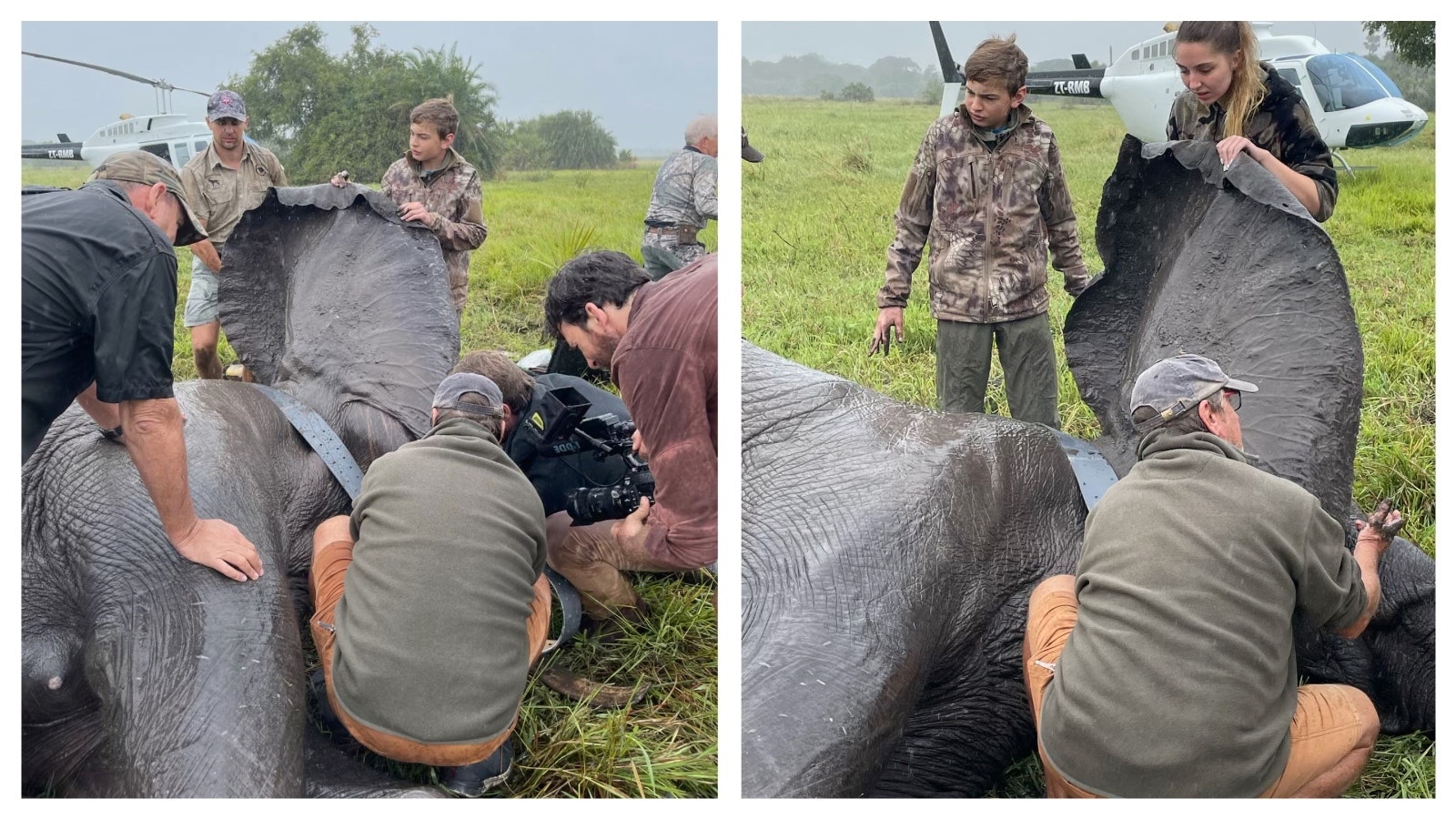
Doug Samuelson (second from left) remains involved with lion and elephant conservation work through the Ivan Carter Wildlife Conservation Alliance. The others in the photo with the elephant, from left, are biologist Willem Briers-Louw, helicopter pilot Peter Perlstein, veterinarian Joao Almeida and landowner Mark Haldane. (Courtesy Doug Samuelson) 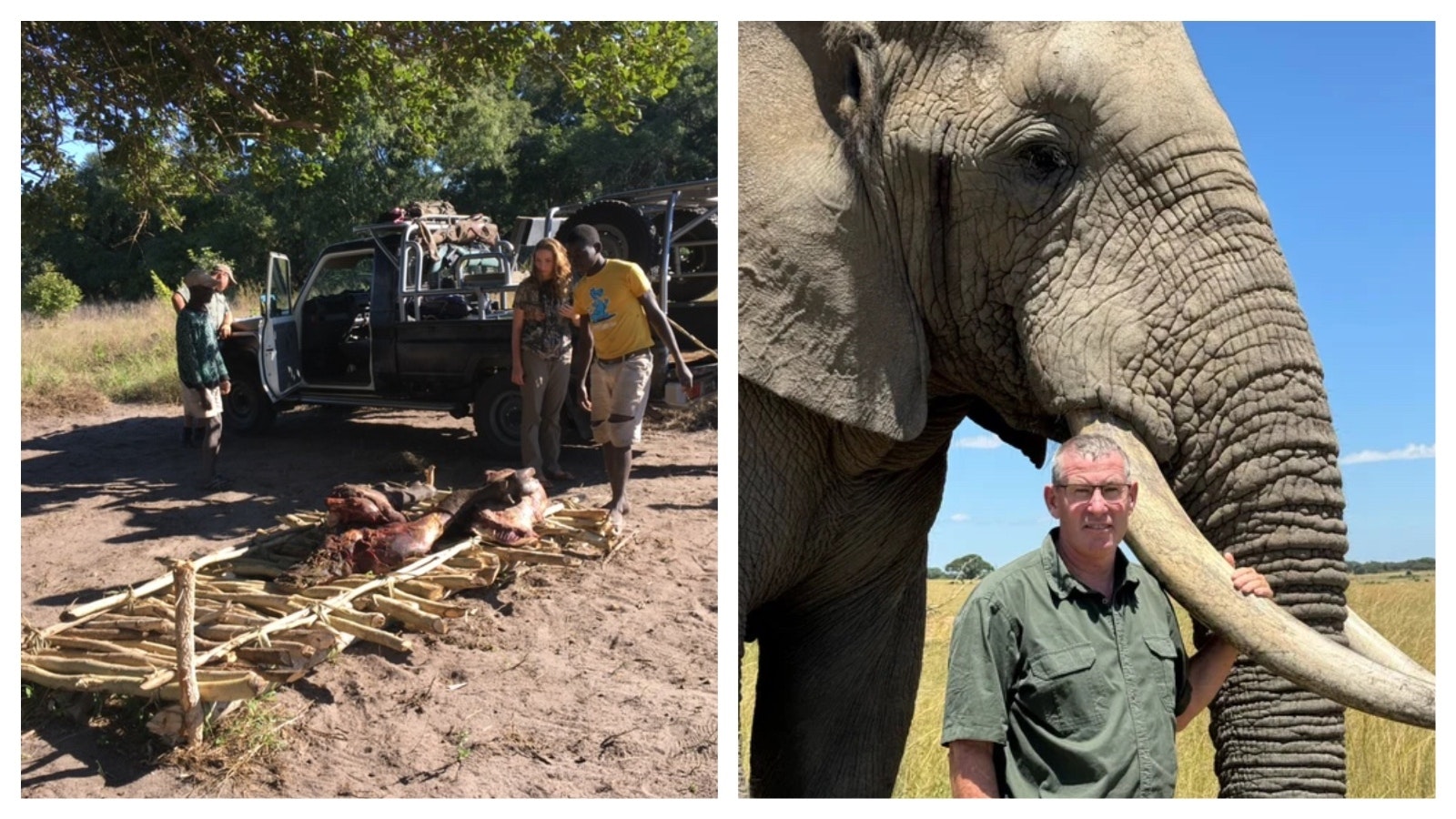
Left, to reduce demand for poached bush meat, anti-poaching tactics include providing access to sustainably harvested proteins. Right, Ivan Carter of the Ivan Carter Wildlife Conservation Alliance. (Courtesy Doug Samuelson; ICWCA) 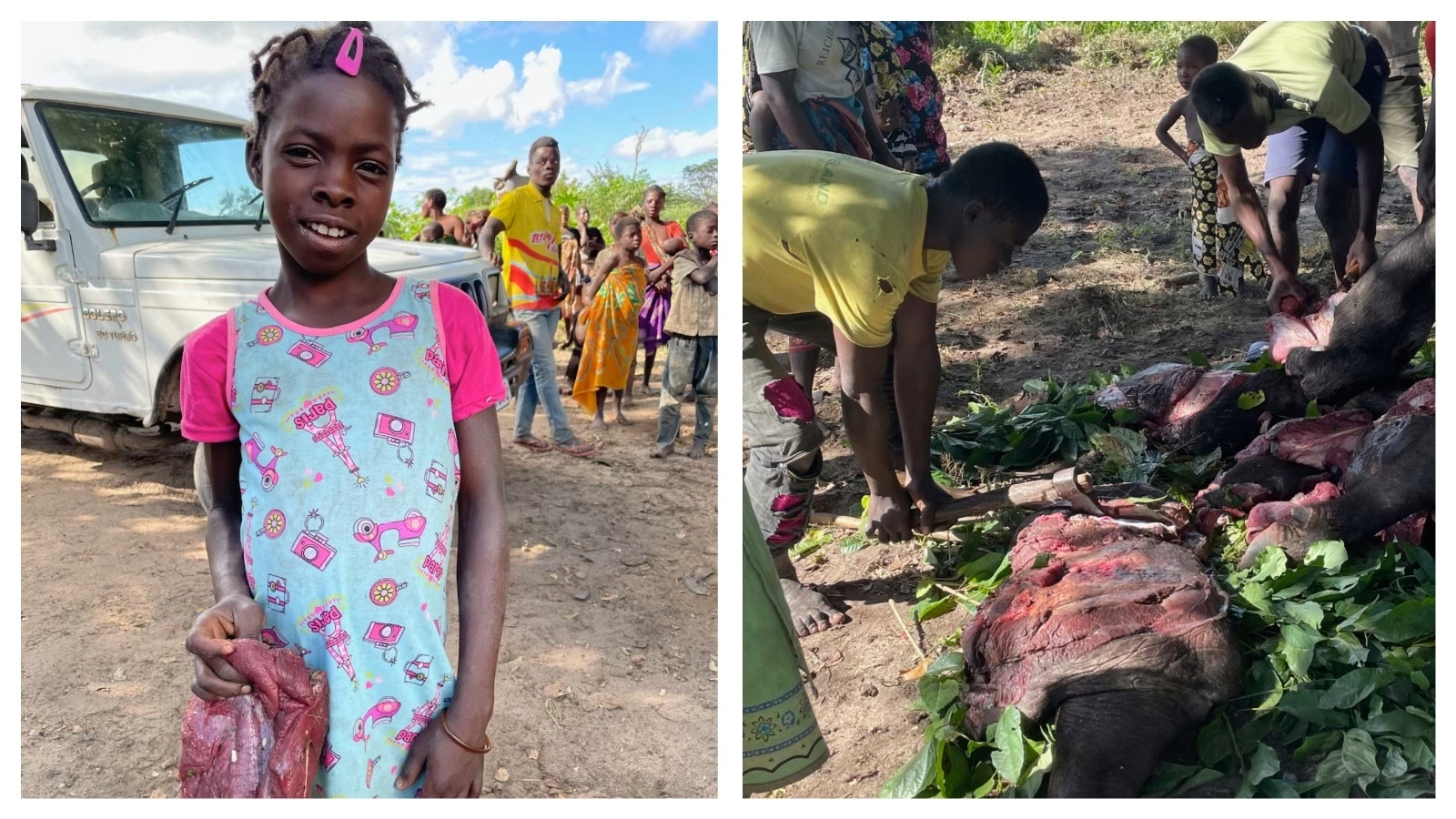
To reduce demand for poached bush meat, anti-poaching tactics include providing access to sustainably harvested proteins. (Courtesy Doug Samuelson)
Go Time
What followed the green light from the Cabelas was 18 months of what Carter called "drinking from the firehose."
Moving 24 lions from multiple locations in South Africa to Mozambique required navigating a maze of paperwork and logistics.
"You've got to have permits for every capture, permits for every province that they're leaving, permits for every province that they're entering, holding permits for the quarantine," Carter said. "You've got to have the quarantine vets. You've got to have government sign-off. You've got to have export paperwork, you've got to have import paperwork, you've got to have health profiles. Oh my word. You can't even imagine."
Carter worked with veterinarians to find lions that were genetically sound, healthy and at the right age — young adults with their whole lives ahead of them, not too old to breed and not too young.
These lions needed to be transported by expensive aircraft.
"A big male lion is 500 pounds," Carter noted. "You can't just load them up on a little airplane."
Finding the right air transport proved its own challenge.
"The perfect plane always had an owner that didn't want lions on the plane," Carter said, who along with his team, eventually brought all the pieces together.
On August 5, 2018 — just under three years after Samuelson first proposed the idea at that campfire — the largest movement of wild lions across an international border in history was complete.
Mary Cabela was on the plane with the first group of lions. And when the last planeload touched down, she was there too.
"I'll never forget Mary Cabela," Carter said. "She had tears in her eyes, and she just said, 'The lions have arrived.'"
Lion In The River
In the years since the translocation, Samuelson has returned repeatedly to help with the ongoing work of monitoring and collaring wildlife.
On one collaring expedition, Samuelson was in the helicopter when a sedation darting mission went sideways.
Carter described what happened: "The dart that went into the lion must have gone into a vein or a really strong, well-supplied-with-blood muscle because the lion was running along perfectly happy."
The lioness — one of their primary breeding females — was crossing a river when she succumbed to the sedation. She went to sleep in the water.
"I remember the vet hanging off the skid of the helicopter and grabbing the lion, reaching into the water, grabbing the lion by the collar and the helicopter kind of hovering," Carter said. "And they dragged the lion to the edge. And I mean literally just about gave it mouth to mouth to resuscitate it."
The veterinarian saved the lioness's life through quick thinking and courage. Samuelson was right there through all of it, said Carter.
"Doug is a guy who loves the outdoors," Carter said. "He's adventurous, and he wants to be right in the middle of what's going on."
"He's so connected on the front line and calm about what's got to be done," continued Carter. "Trying to be in the right place at the right time to be the most help."
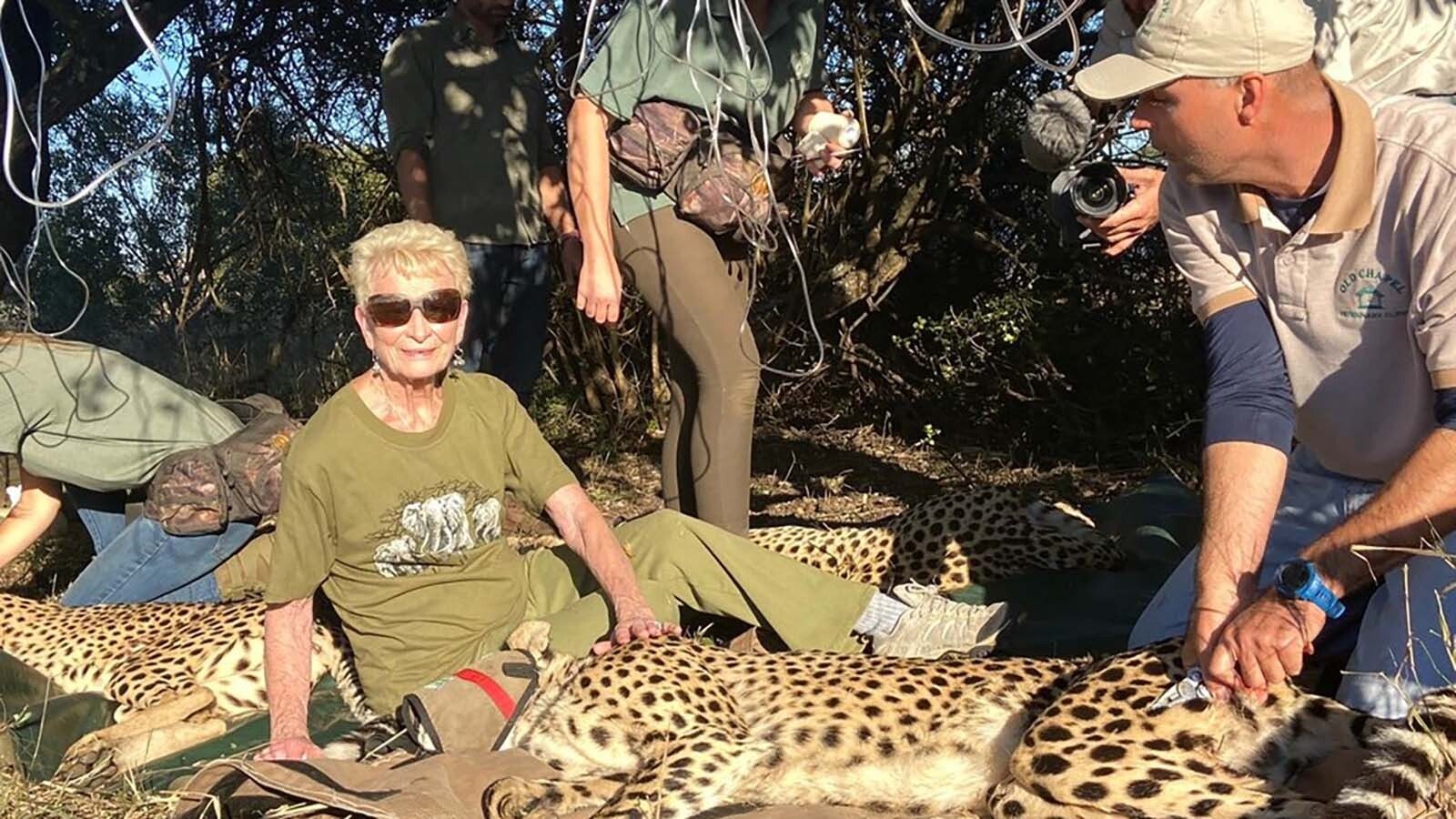
Casper native Mary Cabela and the Cabela Family Foundation supported a coalition effort to repopulate lions and cheetahs in the Zambezi Delta of Mozambique. Cabela passed away on May 30, 2023, at the age of 86. She was a co-founder of the outdoor retail company Cabela's. (Courtesy Doug Samuelson) 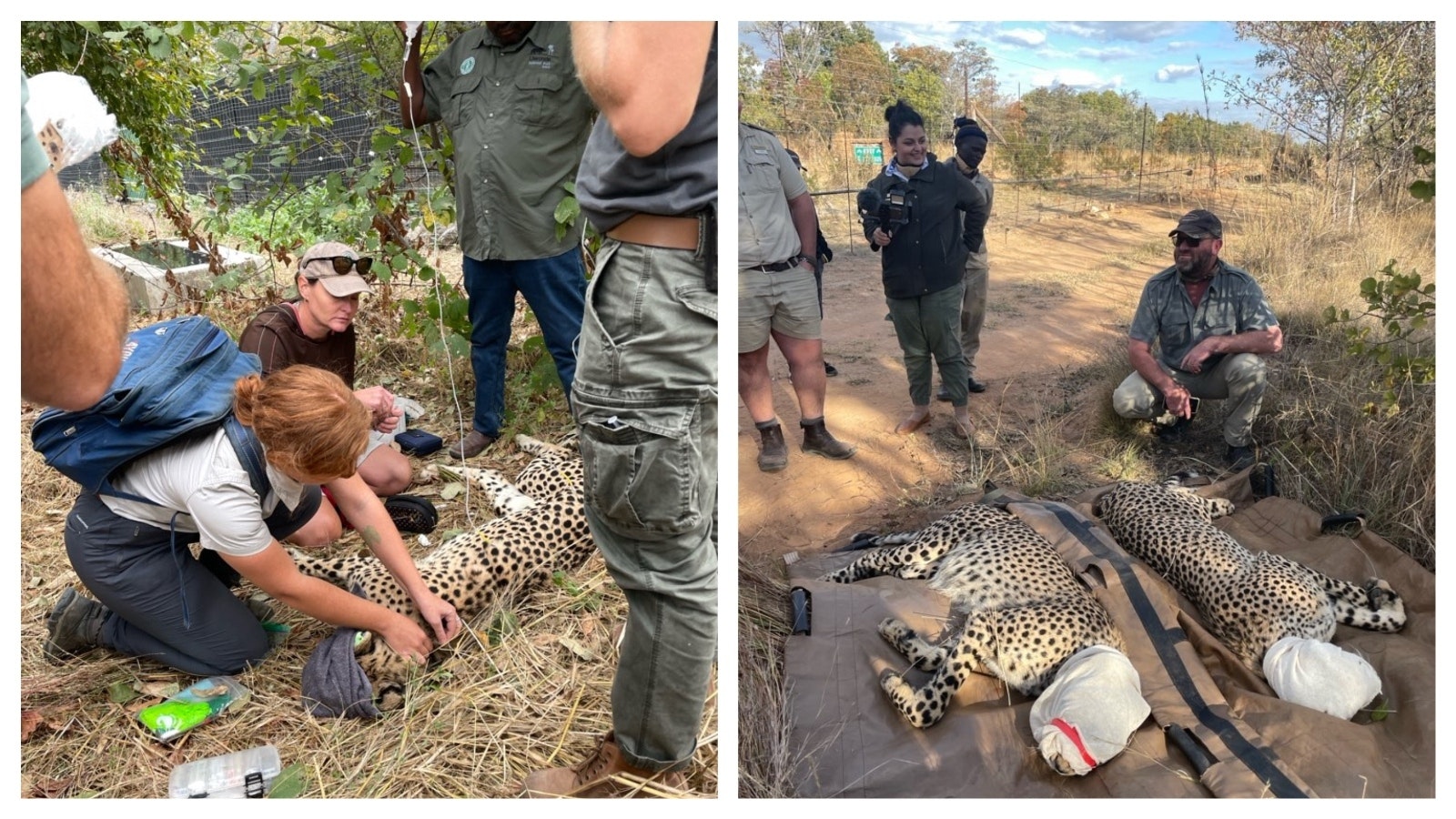
Cheetahs had been absent from the Zambezi Valley for over 100 years. Then a coalition effort delivered 12 cheetahs to this critical habitat. (Courtesy Cabela Family Foundation) 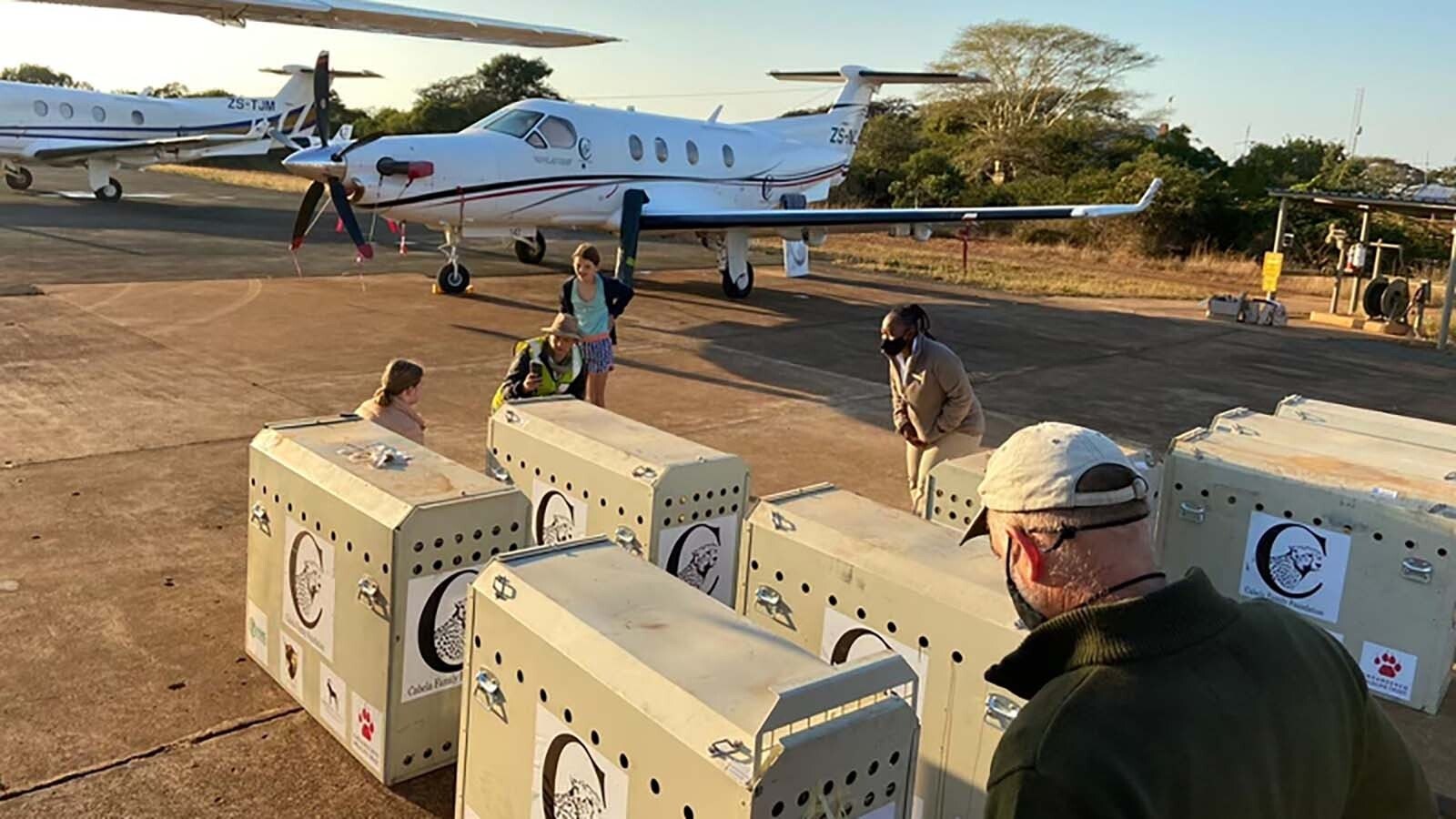
Cheetahs had been absent from the Zambezi Valley for over 100 years. Then a coalition effort delivered 12 cheetahs to this critical habitat. (Cabela Family Foundation)
Cheetahs’ Return
Today, the 24 lions released in 2018 have become more than 100, spread across a 2.5 million-acre habitat.
"Just what a great celebration when they had the first babies," Samuelson recalled.
In 2021, the Cabela Family Foundation added 12 cheetahs to the landscape, greatly extending the species' range. Within a day of release, some individuals had already made their first kills.
But the work is never finished, Samuelson told Cowboy State Daily. The anti-poaching effort is constant and relentless. Rangers patrol on motorcycles and in helicopters. If they stopped for even a year, Samuelson said, poachers would flood in by the thousands during the dry season, setting snares on every game trail.
"Literally in 18 months it could be gone," he said.
The project has also transformed relationships with local communities.
Hunters who come for cape buffalo and sable contribute fees that fund anti-poaching operations. The meat from legally hunted animals goes to villages in weekly drops. Communities that are caught poaching lose their meat allocation for a month — a powerful deterrent, said Samuelson.
"You can imagine, they'd be beaten to death by those moms and grandmothers in those villages," Samuelson said.
The Cabela Foundation has funded schools and medical clinics. Conservationists have taught villagers to keep bees and grow rice, creating sustainable income. New species of butterflies and insects have been discovered. Rare birds found nowhere else on Earth are now protected.
"It's more than just releasing the lions," Samuelson said. "It takes huge anti-poaching and community buy-in and government buy-in."
One enduring sign of success, said Samuelson, is the persistent sound of lions at night.
"Oh yeah," he said. "They come right by the camp. It's just a great success story, but it didn't come easy. Just a couple guys ... back in Mozambique, drinking coffee by the fire."
“I’m a great cheerleader,” added Samuelson. “It couldn’t have been done without working together.”
Contact David Madison at david@cowboystatedaily.com
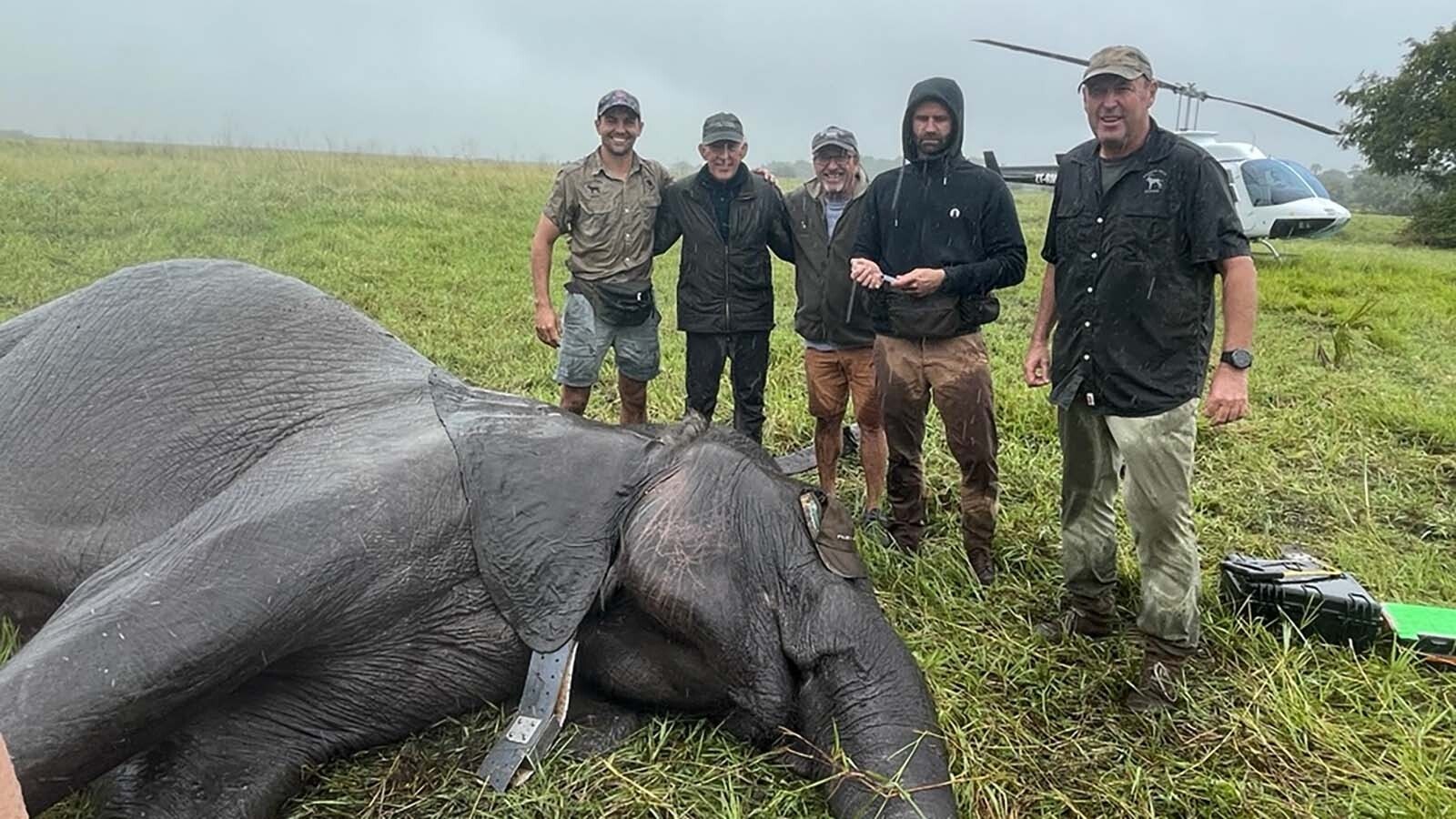
Doug Samuelson, second from left, remains involved with lion and elephant conservation work through the Ivan Carter Wildlife Conservation Alliance. The others in the photo with the elephant from left are biologist Willem Briers-Louw, helicopter pilot Peter Perlstein, veterinarian João Almeida and landowner Mark Haldane. (Courtesy Doug Samuelson) 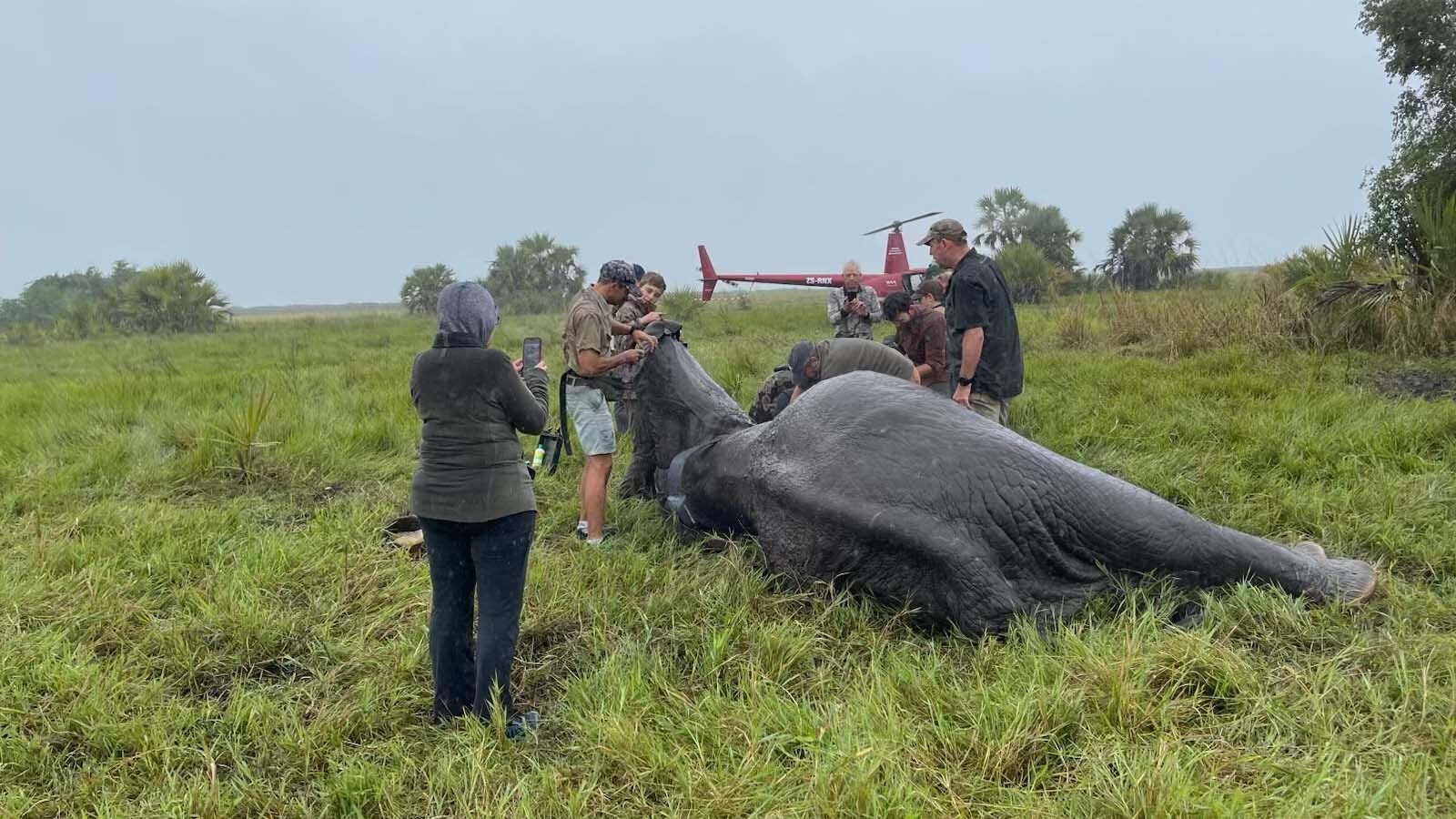
Doug Samuelson remains involved with lion and elephant conservation work through the Ivan Carter Wildlife Conservation Alliance. The others in the photo with the elephant are biologist Willem Briers-Louw, helicopter pilot Peter Perlstein, veterinarian João Almeida and landowner Mark Haldane. (Courtesy Doug Samuelson)
David Madison can be reached at david@cowboystatedaily.com.