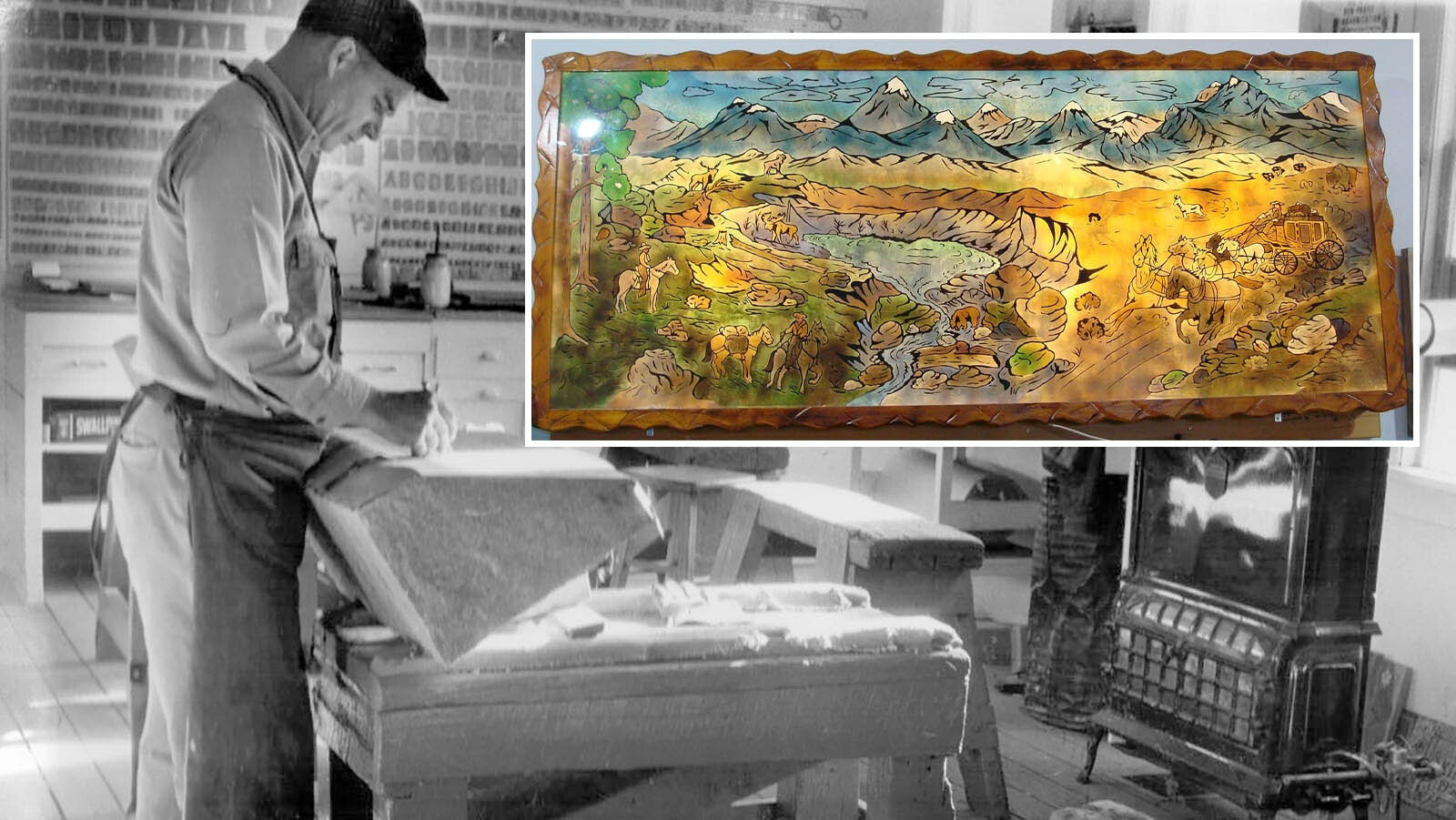
Warren E. Wittstruck, known as “Bud”, was an artist who took pride in carving stone, creating everything from Wyoming scenes to simple flowers in a time when headstones and monuments were crafted completely by hand.
“Dad was no hall of fame artist,” his son Warren Wittstruck Jr. said. “He just loved to create what people shared from their hearts in memories of their departed ones.”
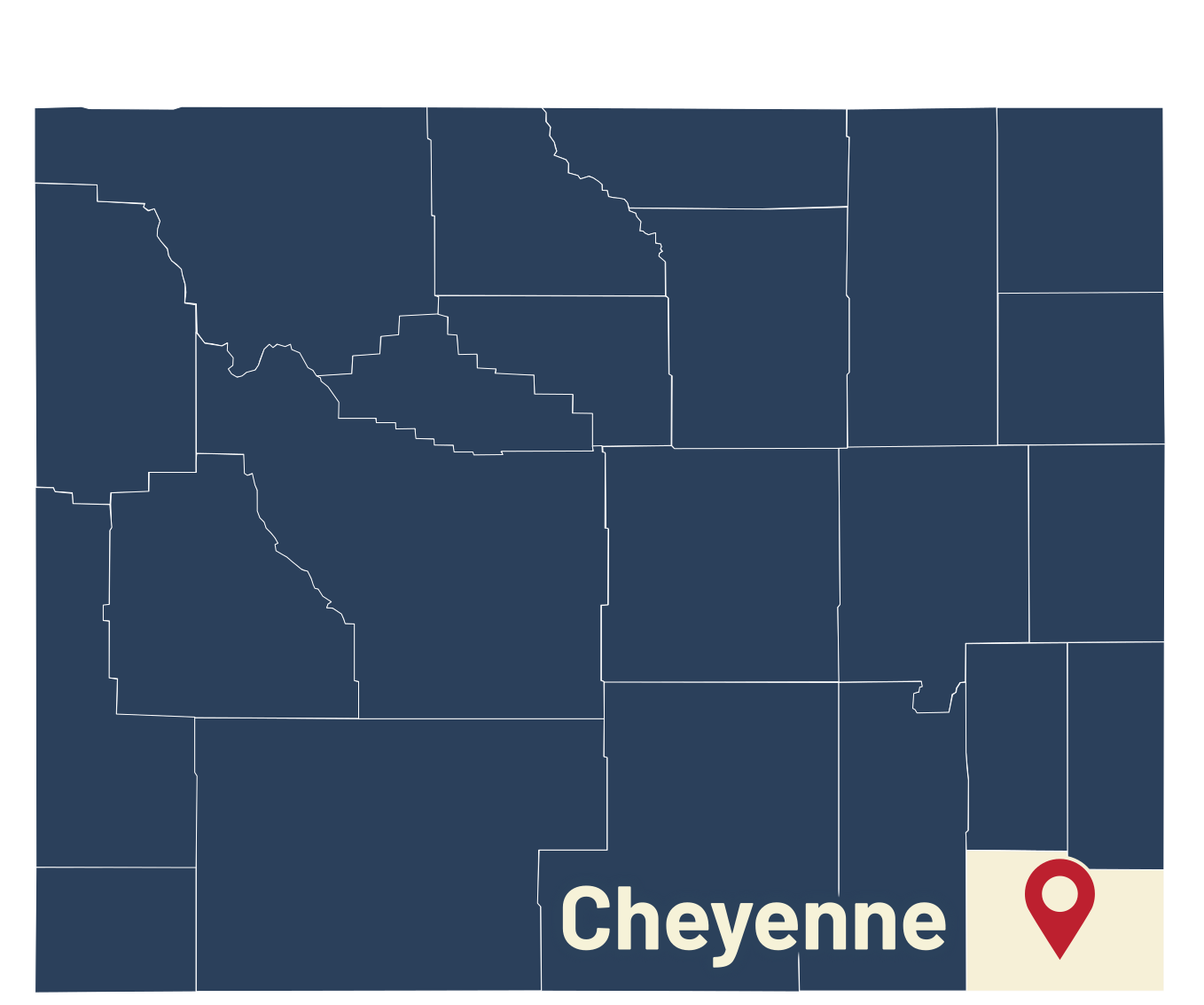
Bud worked for Wyoming Monument in Cheyenne during the 1950s and 1960s as the designer on staff.
He was responsible for creating the graphics and would see the process completely through to the end, which included placing the headstones on the graves or the monuments at the historical sites.
“Dad loved his work and was an artist that could draw well and please the customers that were in mourning,” Wittstruck said.
Discovering Art
Bud was born during the Depression.
Times were tough, but despite that he had discovered the joy of drawing. In grade school, Bud won numerous art contests, and when he was sent away to a boarding school, it was a turn for the good.
“It was hard to raise a family, so grandpa sent his three boys to Boys Town in Nebraska,” Wittstruck said. “Couldn't afford to feed them, Dad said, and kept the daughter at home with him.”
At the school, Bud continued his love of drawing and honed his art.
“He learned how to smear the lead and so would make something beyond a stick pencil drawing,” Wittstruck said. “It became a piece of art.”
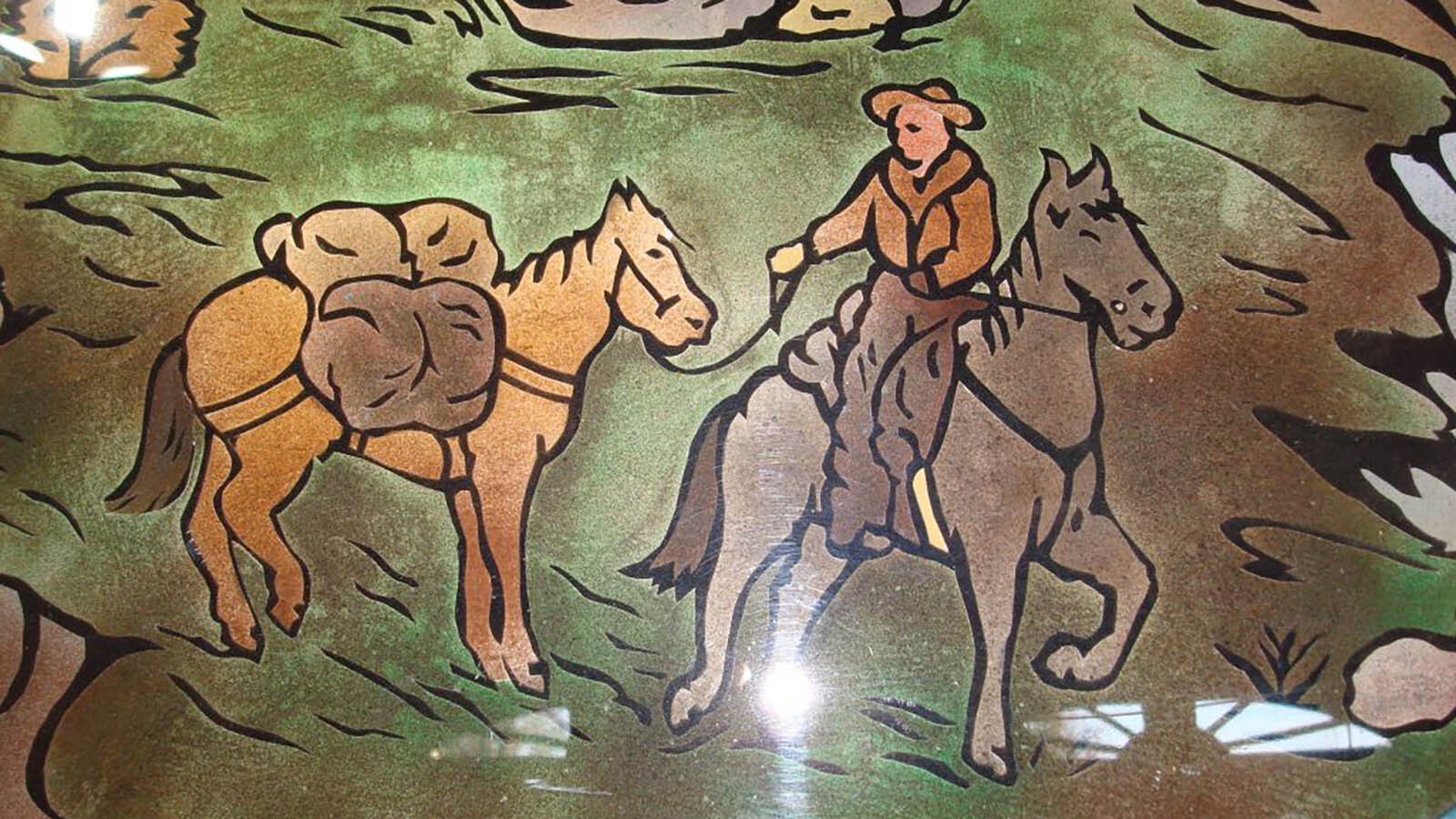
Warren “Bud” Wittstruck was an artist who specialized in creating designs for headstones and monuments. He designed this scene for the Governor’s Mansion and his son later had it transferred to plexiglass. (Courtesy Warren Wittstruck Jr.) 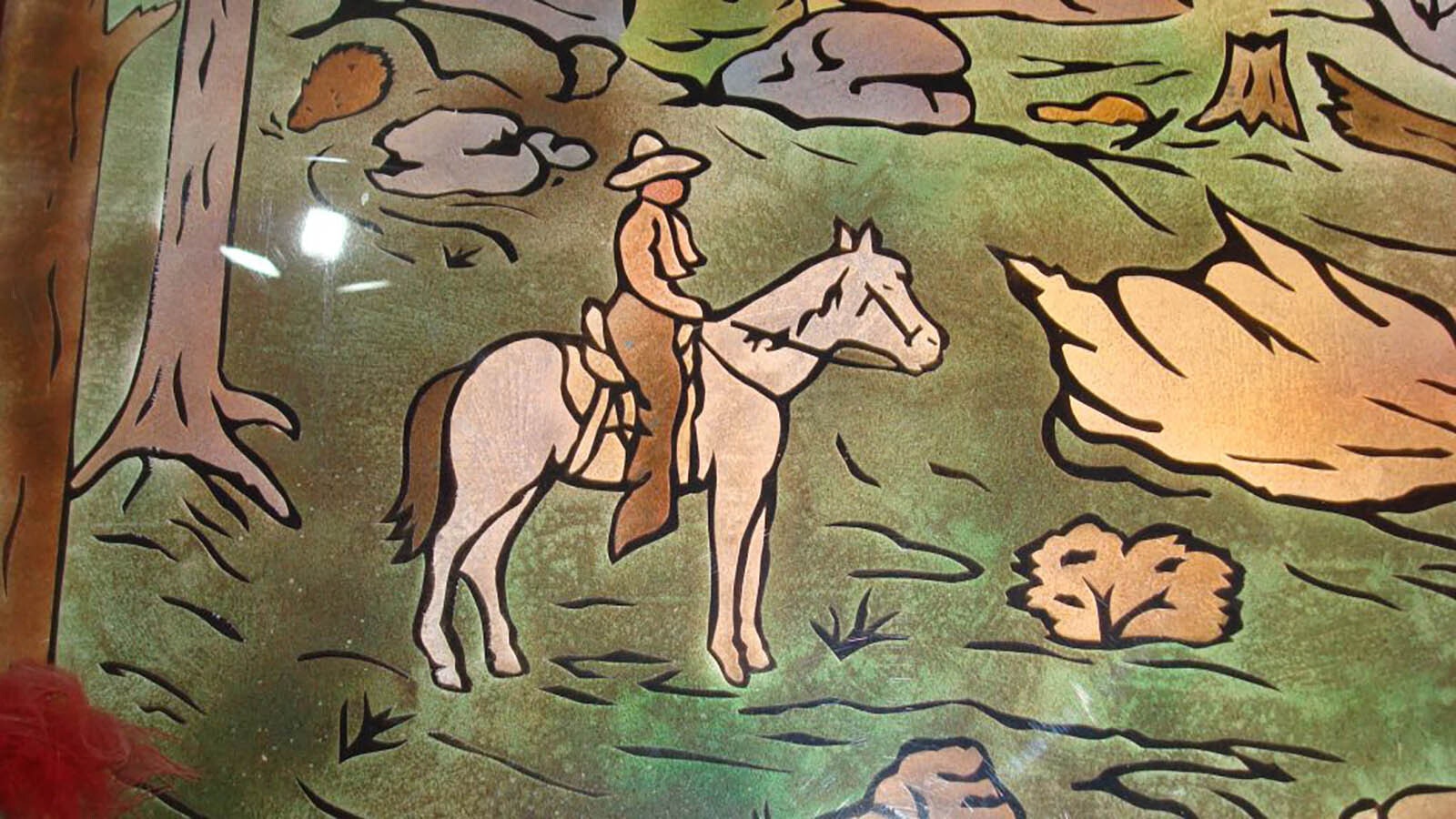
Warren “Bud” Wittstruck was an artist who specialized in creating designs for headstones and monuments. He designed this scene for the Governor’s Mansion and his son later had it transferred to plexiglass. (Courtesy Warren Wittstruck Jr.) 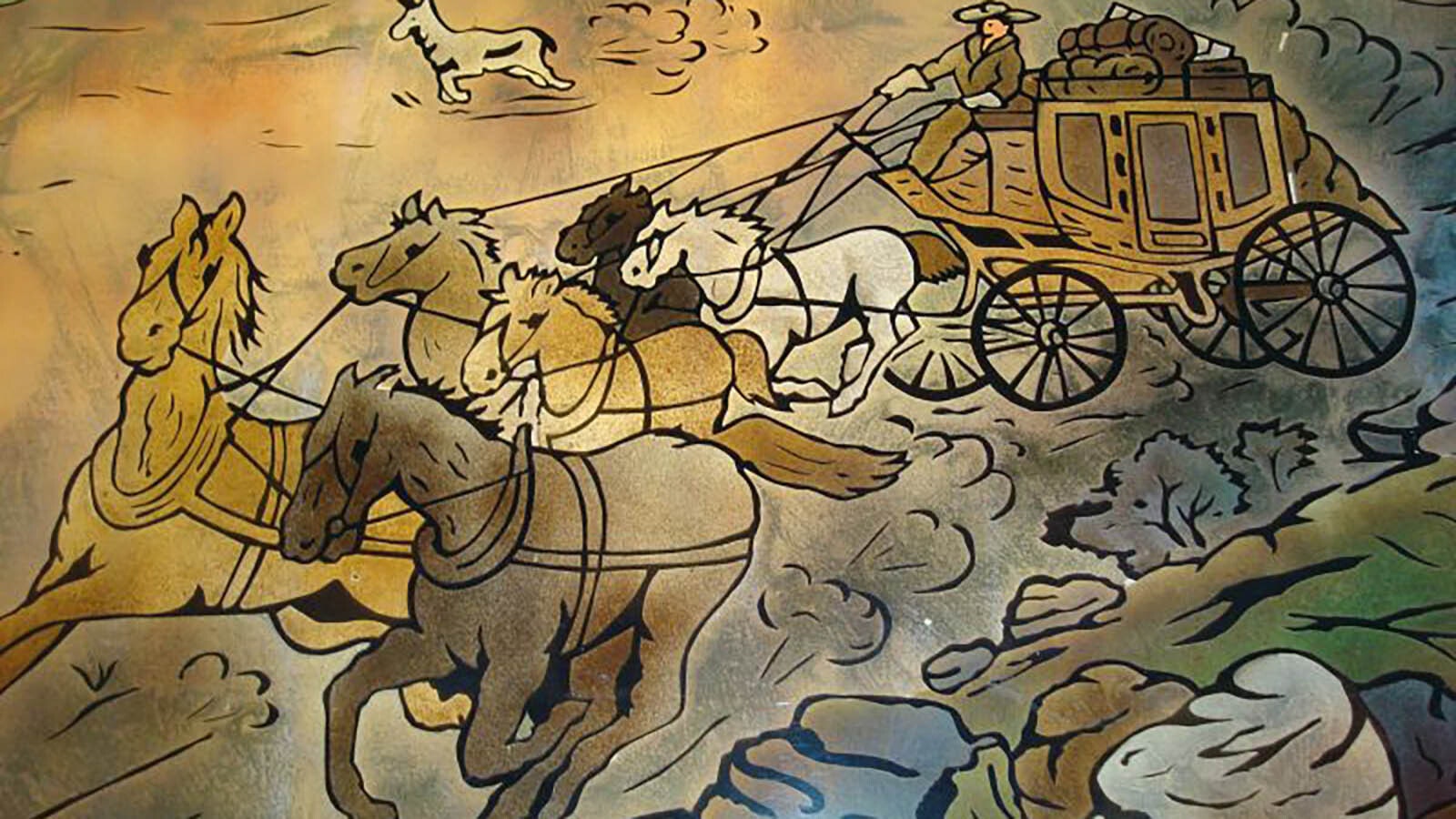
Warren “Bud” Wittstruck was an artist who specialized in creating designs for headstones and monuments. He designed this scene for the Governor’s Mansion and his son later had it transferred to plexiglass. (Courtesy Warren Wittstruck Jr.) 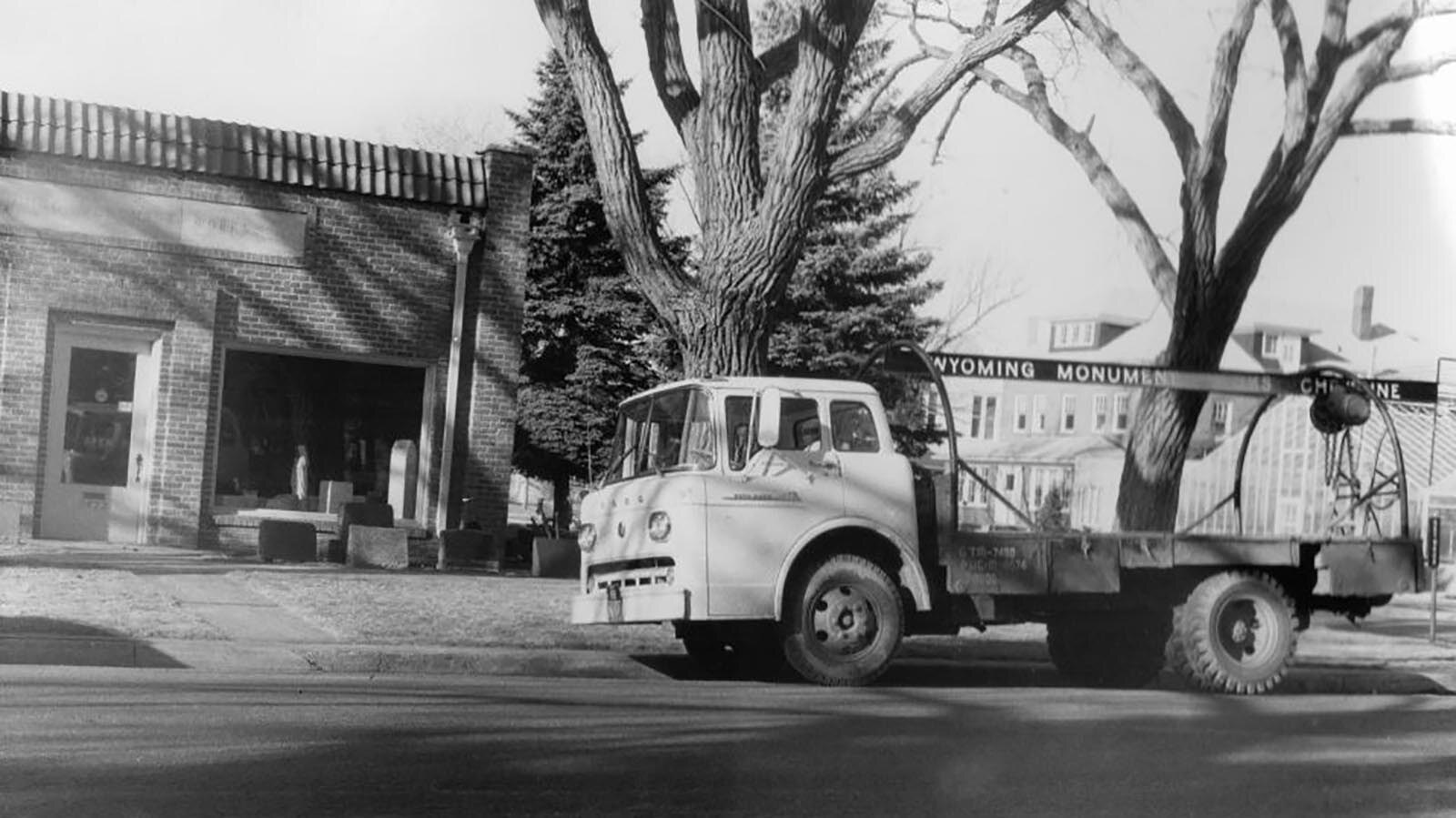
During the 1960s, Warren “Bud” Wittstruck was the designer for the Wyoming Monument in Cheyenne. He hand drew the designs that were transferred and chisled onto headstones and other stone monuments. (Courtesy Warren Wittstruck Jr.)
Creating Art For The Bereaved
By the late 1940s, Bud and his wife moved to Cheyenne, Wyoming, from Nebraska and bought an $8,000 home across from the VA Hospital.
Bud’s natural art abilities led him to Wyoming Monument in Cheyenne where he was hired as the only designer on staff. Bud loved his work and would often be found whistling as he worked on the headstones and historic markers.
“Tumbling Tumbleweeds” was his favorite song,” Wittstruck said. “How many times during your life do you get to do something that makes you want to whistle and feel good about it?”
According to his son, Bud had a special knack to take a grieving person’s idea and sketch out unique designs to represent the deceased loved ones.
This skill became widely known not just in Cheyenne but in surrounding areas, especially among the ranchers who would ask for scenes that were uniquely Wyoming to represent the lives of the deceased.
Once the drawings were approved, Bud would place the design on a large piece of rubber. This rubber would then become a stencil when the design was cut out, and Bud would sandblast the design onto the stone.
“The machine looked like a metal elephant,” Wittstruck said. “Sand and air would blow through the long hose, and he had to be careful how he shot the sand against the stone."
If Bud hit the stone at the wrong angle, the color in the paint would not present correctly, so even the sandblasting became part of his art.
Once the monument was finished, Bud was also responsible for delivering the stone and putting it properly in place.
Preserving Wyoming’s History
When not working on gravestones, Bud was designing historical markers, and his work was in demand all over the state from Fort Laramie to the Oregon Trail.
“Dad carved a marker for the Oregon Trail that featured a stagecoach with a team of horses,” Wittstruck said. “He also made a large Wyoming scene on marble that they hung in the Capitol Building for years.”
Wittstruck traced the scene onto paper and hired another artist to paint in on Plexiglass so that he would have his dad’s art in his home. He believes the marble artwork is now hanging at a ranch, far from the Capitol.
In July 1958, the Sheridan Press celebrated another marker Bud had designed.
The artist had traveled to Sibley Lake in the Bighorn Mountains above Dayton to personally place a marker he had engraved.
The stone was a monument to commemorate two scouts who had saved the Cavalry led by Lieutenant Frederick W. Sibley in 1876 and was commissioned by the local Daughters of the American Revolution (DAR).
Bud's passion for history and art continued until his untimely death, when he was only 48 years old.
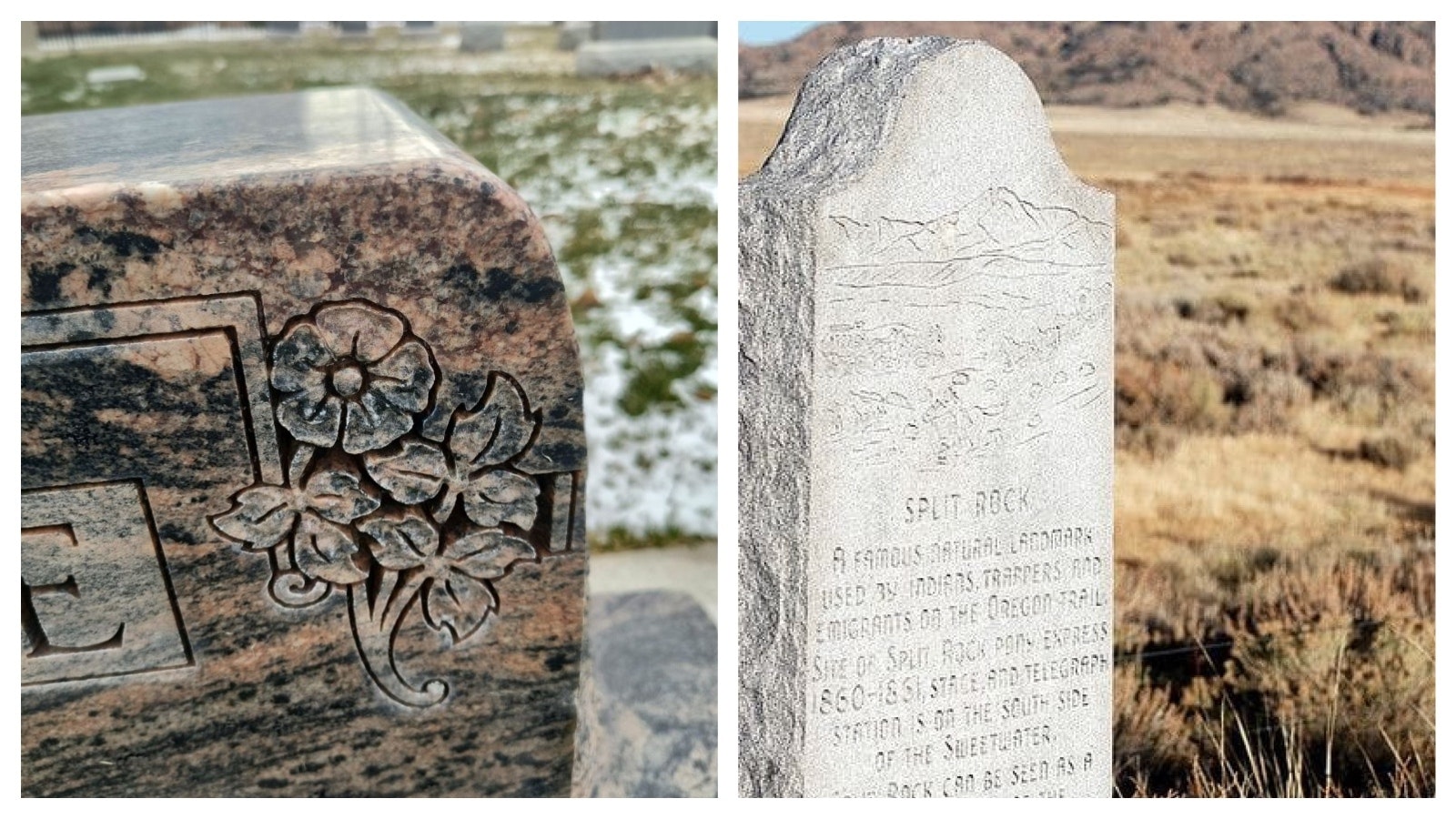
Warren “Bud” Wittstruck was a designer at Wyoming Monument in the 1960s. He designed monument engravings by hand and after his death, his designs were transferred to computer. He designed the Split Rock Monument by hand and transferred the design to the stone. He died two years before technology was invented which used computers instead of in-house designers. (Courtesy Warren Wittstruck Jr.) 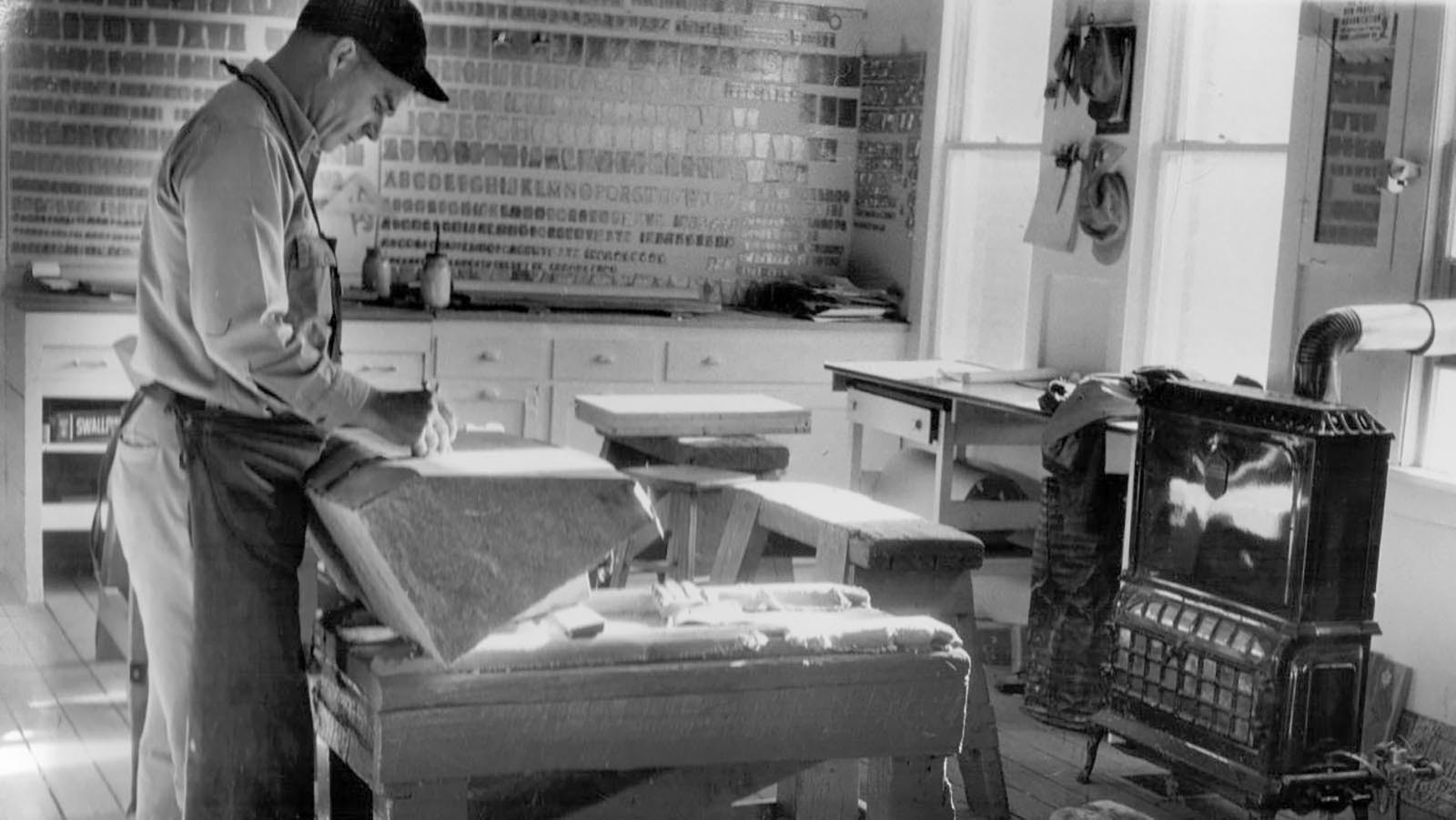
Warren “Bud” Wittstruck was an artist who drew designs that were then transferred to stone for headstones and other monuments for the Wyoming Monument company in Cheyenne. (Courtesy Warren Wittstruck Jr.) 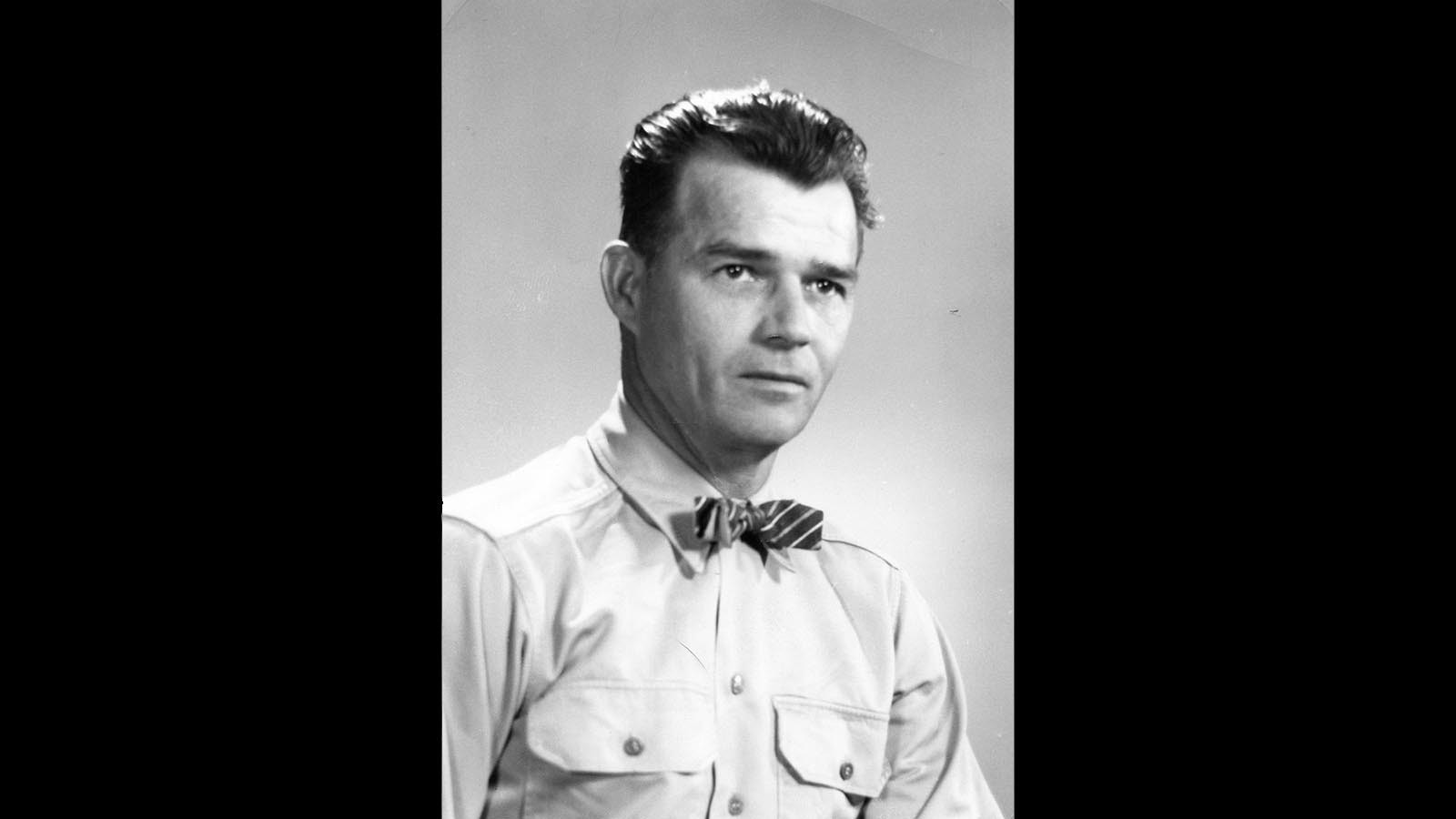
Warren “Bud” Wittstruck was the designer for the Wyoming Monument in Cheyenne in the days before computers were used to create the art for headstones and other monuments. (Courtesy Warren Wittstruck Jr.)
Killed By Stone
It was Wittstruck’s first day at high school and his dad had just bought a pickup so the two could go hunting after work. Unfortunately, Bud had collapsed at work, and the hunting trip never happened.
Earlier in the week, Bud had tried to move a large headstone by himself, and it slipped from his hands, landing on his foot. The doctor had ordered Bud to stay off his foot, but he refused.
“He didn't have sick leave, so he kept going back out in the cemetery, digging holes,” Wittstruck said. “A blood clot broke loose from his foot and went into his heart.”
Bud didn’t make it. On Sept. 7, 1965, he left behind his wife, son and a legacy etched in stone.
The community rallied around his small family and paid for Bud's funeral and headstone. The new pickup had an insurance policy attached to it and Wittstruck and his mom eked out a living, relying on this small source of income while they got back on their feet.
Two years after Bud’s death, the stencil press was invented and plastic stencil cutting alphabets and designs were created changing the way most monuments were etched.
Eventually, computers took the place of designers like Bud and his own designs were uploaded into a computer program, becoming a template for today’s monuments.
For Wittstruck, as modern technology continues to evolve, he takes solace in the fact that his dad lived in an era when stone was still carved by hand and, most importantly, with love.
“I doubt that you will find robots that whistle or understand compassion when they make a monument,” Wittstruck said. “Dad loved his work and making his art for those that were mourning.”
Jackie Dorothy can be reached at jackie@cowboystatedaily.com.