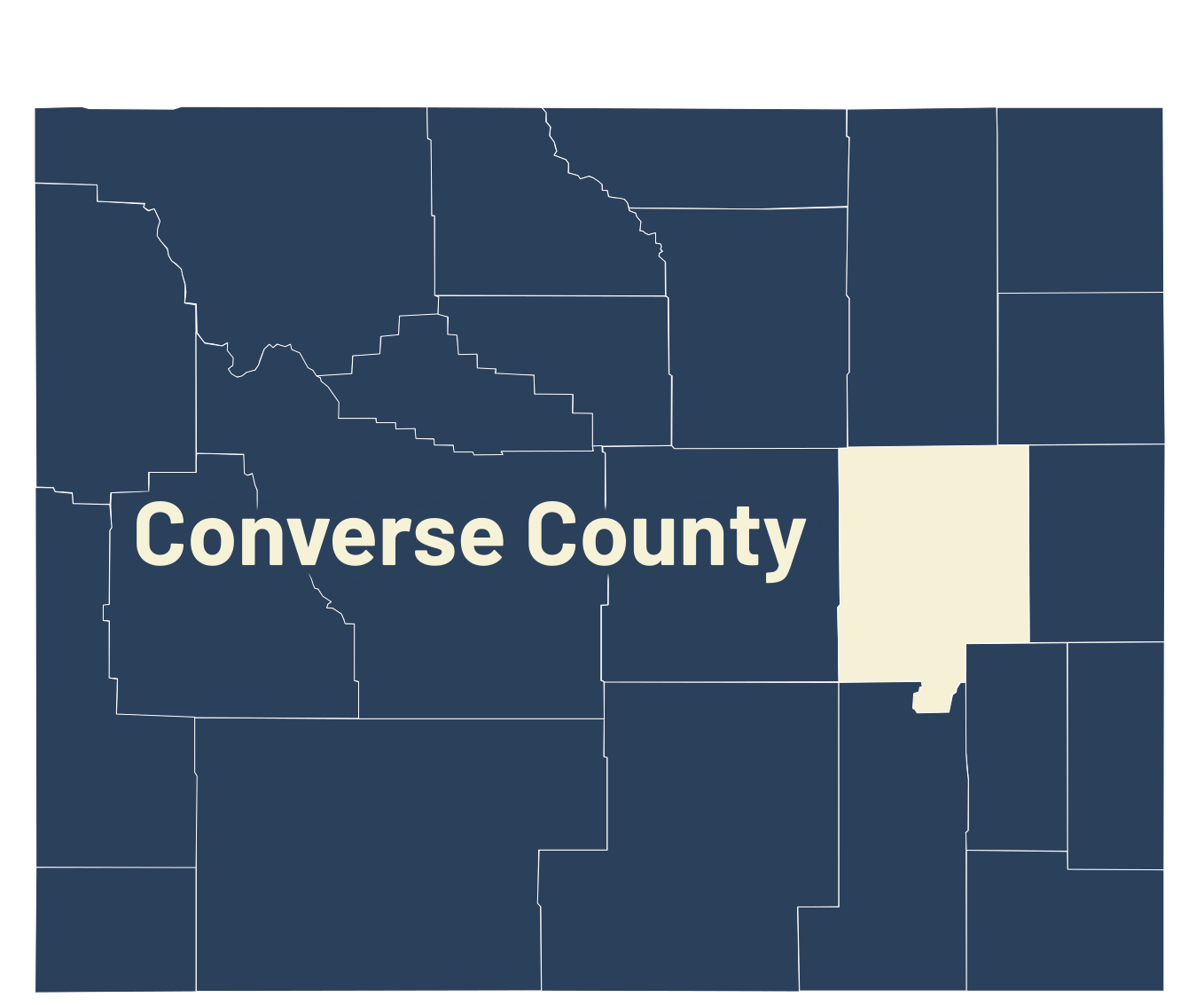
A Converse County district judge has sided with a local rancher and reversed the State Board of Land Commissioners' approval of a wind energy lease for the potential $1.7 billion Pronghorn H2 project, ruling Friday that the project doesn't meet the state's own definition of wind energy leasing because it won't connect to the electrical grid.
District Court Judge F. Scott Peasley issued a 17-page ruling, vacating Wind Lease No. WL-1620, which the State Board had approved in a 4-1 vote in April.
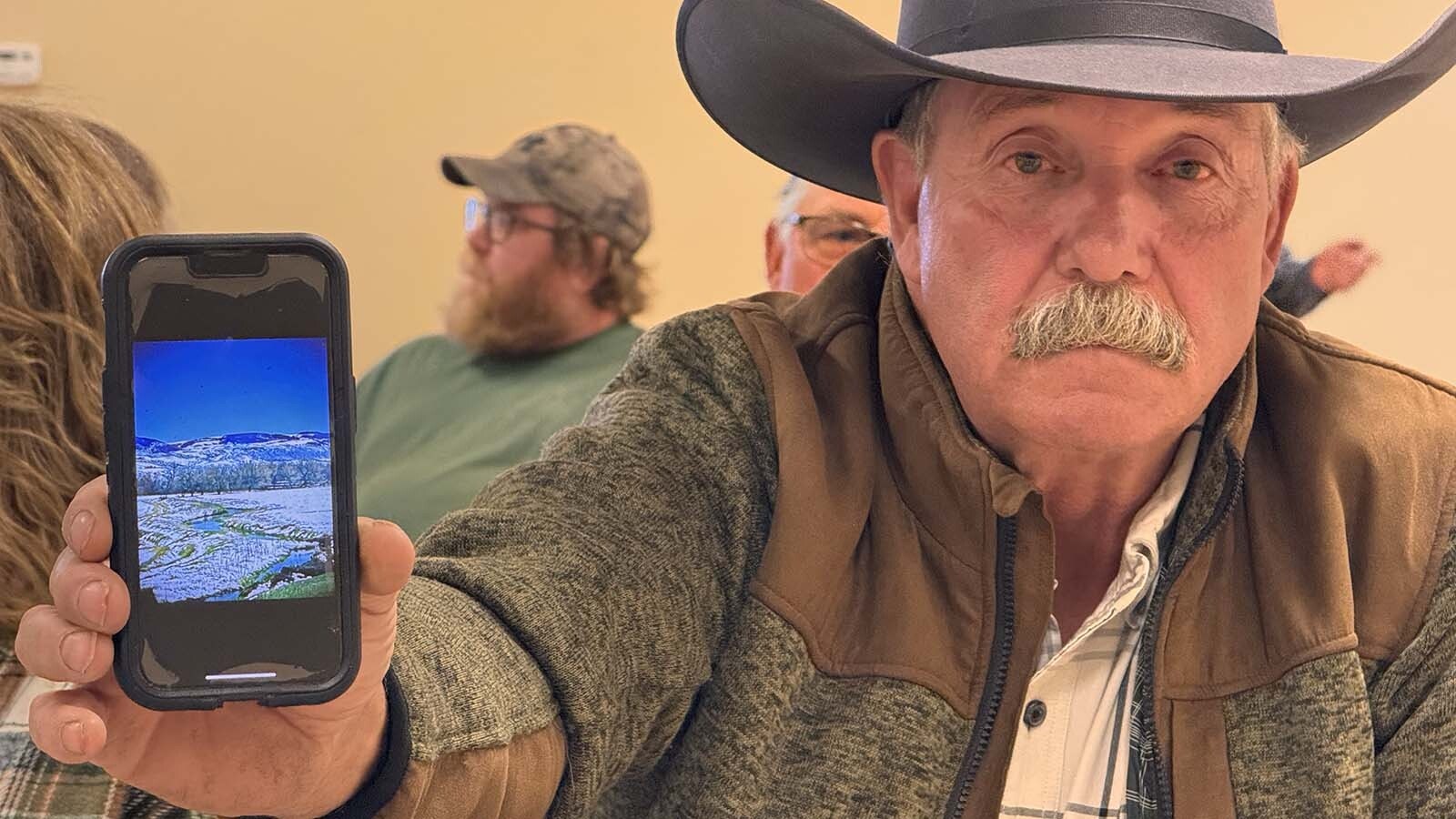
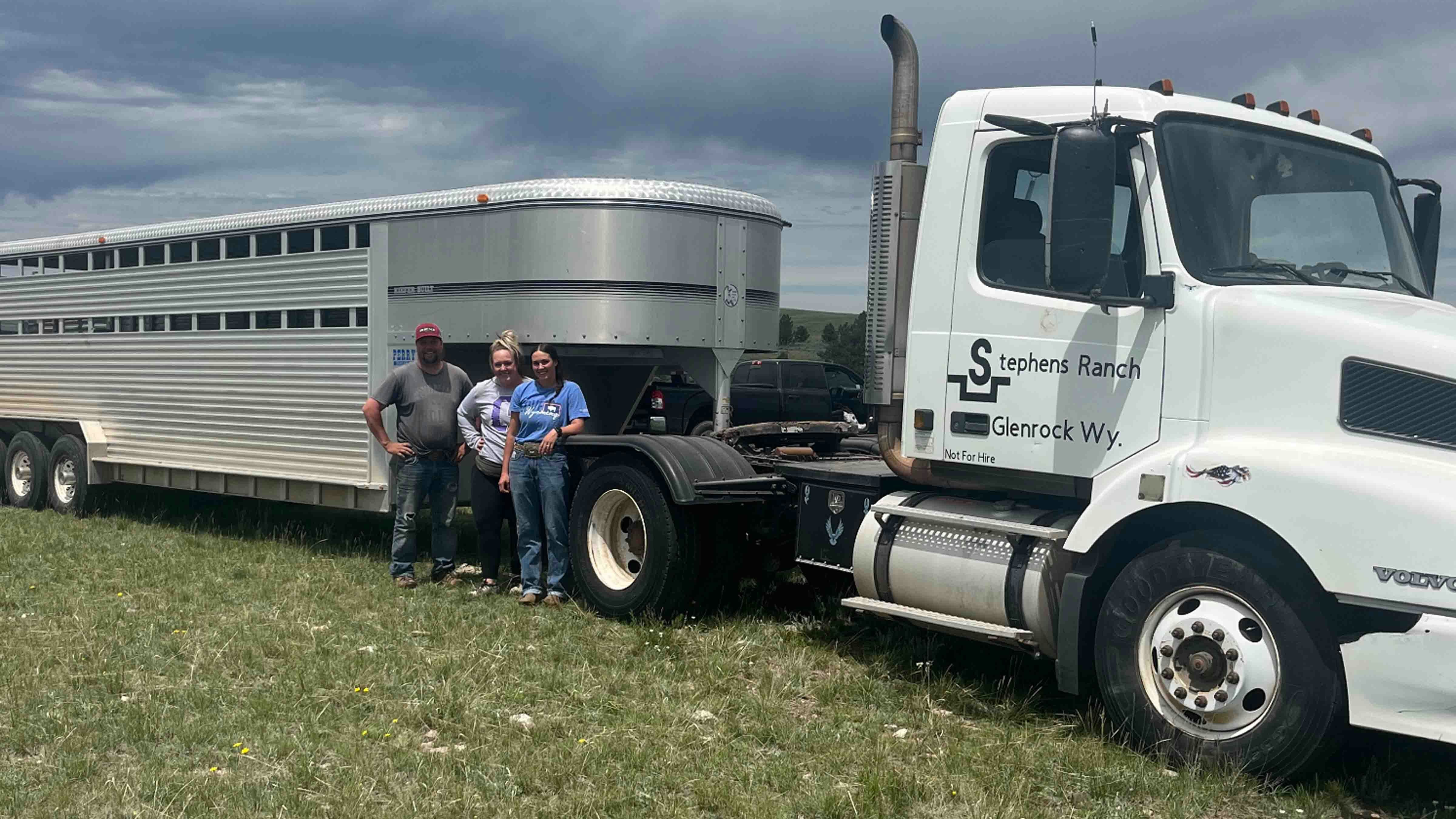
The decision marks a significant victory for rancher Mike Stephens and his family operation, Stephens Land and Livestock LLC, who challenged the lease on the grounds that it violated Wyoming law and the board's own rules.
"The judge, I didn't know what he was going to do,” Stephens told Cowboy State Daily after learning of the ruling Friday. "I mean, it's actually the best outcome we could ask for right now,"
The lawsuit centered on a core legal question: whether a wind project that doesn't feed electricity into the traditional power grid qualifies for a wind energy lease on state trust lands.
The board's rules define "Wind Energy Leasing" as leasing of state land for the exclusive right to convert wind energy into electrical energy "including collecting and transmitting the electrical energy so converted to the substation from which the electricity will be transmitted from the wind energy development to the interconnection of the transmission grid."
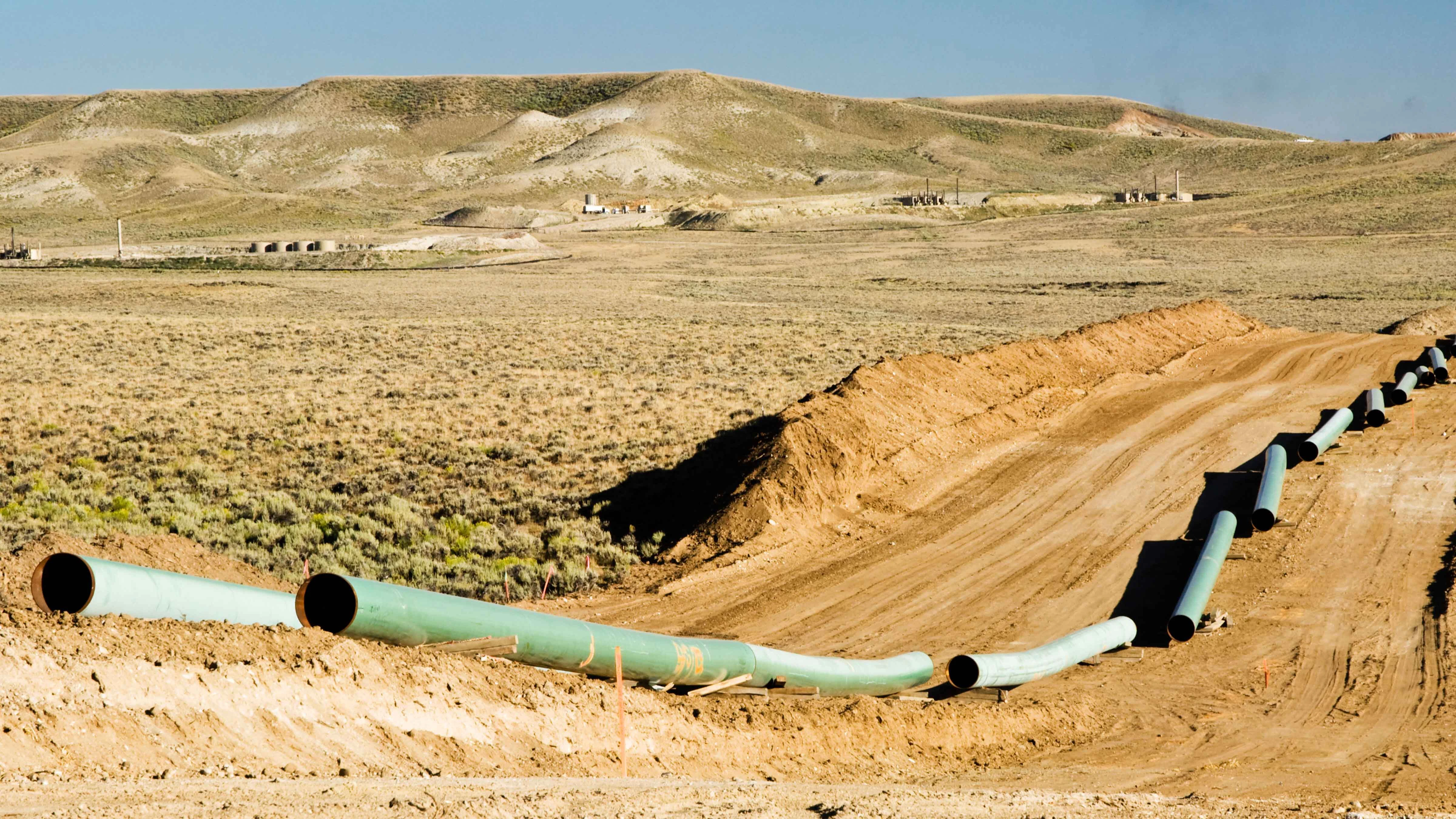
The Pronghorn H2 project doesn’t plan to do that. Rather than selling electricity to the grid, it would use wind-generated power to produce "green" hydrogen jet fuel through electrolysis. That distinction, Stephens' attorney Patrick Lewallen argued, meant the project didn't qualify under the state's wind energy leasing rules.
"I think a threshold question is whether or not the rules that have been adopted by the state Land Board allow for them to turn to a wind lease for this type of project," Lewallen told Cowboy State Daily back in August. "I think it's a lot different than other projects you've seen around the state."
Peasley agreed.
Standing Established
The Wyoming Attorney General's Office, representing the Board, argued that Stephens lacked standing because the lease approval didn't directly harm him any differently than the general public.
The judge disagreed, finding that Stephens and his ranching operation would suffer distinct harm because they own a 172-acre homestead parcel directly adjacent to the proposed wind farm. Stephens and his family live on that land.
According to the ruling, Stephens believes that any wind turbines will be visible from his property, and that the views from his homestead "will be spoiled by Pronghorn's project."
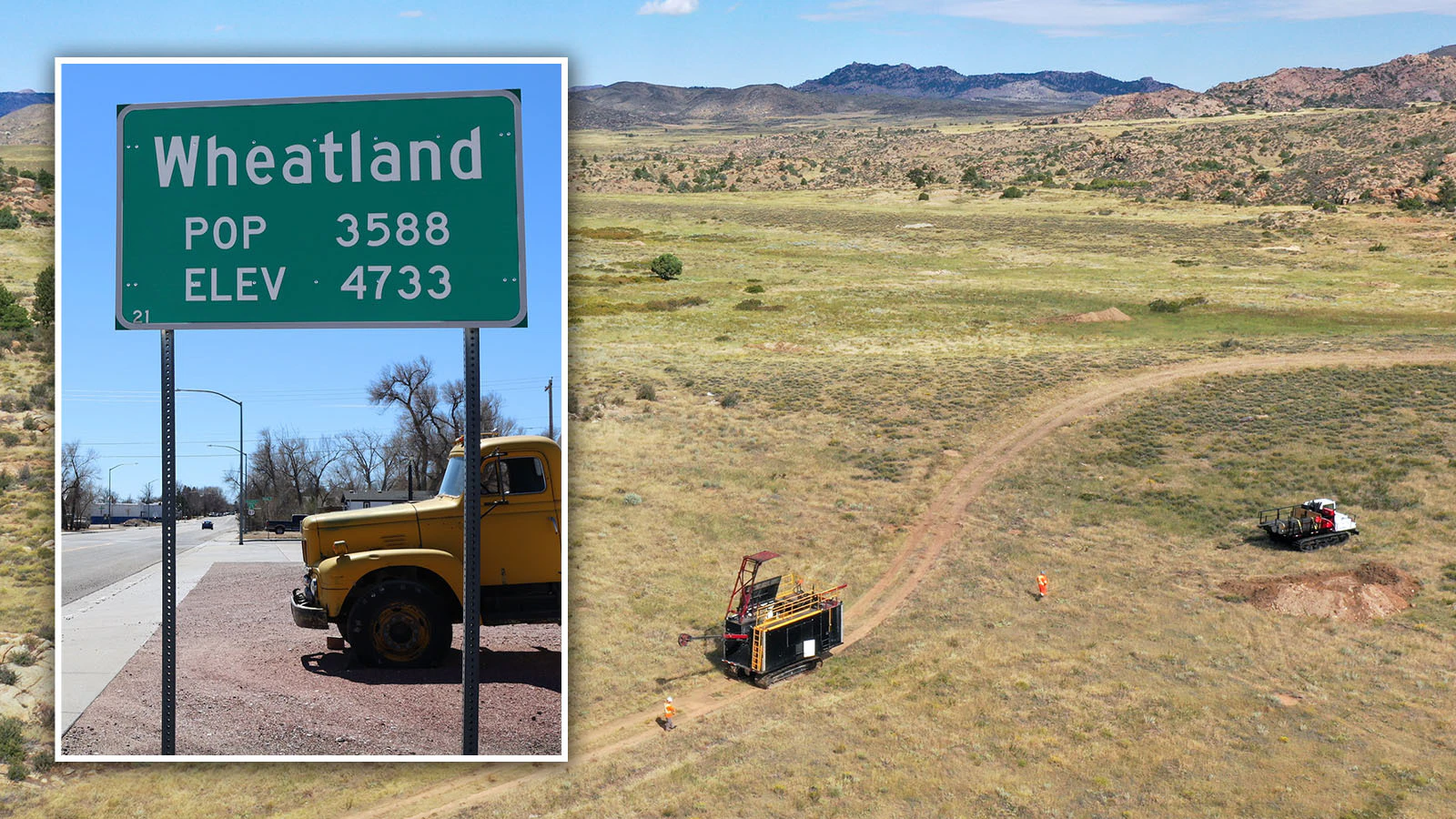
Beyond obstructed views, the judge noted Stephens' concerns about increased traffic on rural roads, noise and construction associated with the 267-turbine project planned for approximately 15,500 acres of state trust lands in the northern Laramie Range mountains.
Gordon Vs. Gray
Gov. Mark Gordon, who voted with the majority to approve the lease in April, had previously pointed to local support for both the Pronghorn project in Converse County and the related Sidewinder project in Niobrara County, emphasizing the significant role private property owners play in both developments.
"The state land portion of Pronghorn is about 30 percent of the total project, on Sidewinder the state land portion is about 20 percent of the total project," Gordon said in May, emphasizing a shared desire among supporters of the projects that investors see Wyoming as “open for business.”
"The state lease provides for an increasing sliding scale lease payments should the project move forward,” Gordon added.
Amy Edmonds, Gordon’s spokeswoman, told Cowboy State Daily Friday, "We are reviewing the decision, and the Board will be discussing options with legal counsel."
A leading opponent of the Pronghorn and Sidewinder projects is Secretary of State Chuck Gray. On Friday, he told Cowboy State Daily, “I applaud the court’s ruling reversing the Pronghorn wind lease, which is great news for the people of Wyoming and vindication for those pushing the truth on this issue.”
“Woke wind is wrong for Wyoming. As the only member of the State Board of Land Commissioners to vote against all of these boondoggle wind projects, it is refreshing to see the truth win out,” he said.
Gray offered a barrage of takes on Friday’s ruling, including, “Perhaps most importantly, my opposition to these wind leases was based on the fact that these projects are bad for Wyoming, because they are based on the fantasies of left-wing, government-controlled, enviro-insiders, driven by Soros-funded green new deal schemes intent on destroying Wyoming’s core industries.”
Developer's Response
Paul Martin, president of Focus Clean Energy, the Colorado company backing the Pronghorn H2 project, has steadfastly defended the development as a lawful use of state lands that would bring significant economic benefits to the region.
Martin grew up in Idaho and now lives in Colorado. His mother is from Wyoming, and his great-grandfather taught math at Laramie High School for 40 years. He's spent more than a decade developing wind farms in Wyoming.
Martin and his media team told Cowboy State Daily they were not prepared to make a statement about Friday’s ruling at this time.
In August, Martin said, "The Pronghorn project, located primarily on private land, has and will continue to abide by Wyoming laws and regulations as it relates to our wind lease that was approved by the State Lands Investment Board in April of this year."
"We are committed to a lawful and responsible approach to the development of this project and will continue to work with the community to present an opportunity that protects property rights while creating significant economic benefits for Converse County," Martin added.
Private Landowners
The Pronghorn project involves one private landowner in Converse County, while the related Sidewinder project in Niobrara County involves a handful of private landowners.
Focus Clean Energy has been making payments on the leases, with Martin previously describing "hundreds of thousands of dollars' worth of payments thus far, and millions of dollars' worth of payments in the near future. And then tens of millions to hundreds of millions of dollars' worth of payments over the lifetime of the project."
The company estimates the Pronghorn project would bring $1.7 billion in private investment to Converse County, with total taxes paid over the 35-year project life estimated at $471 million.
What's Next
The ruling raises questions about what happens next — both for the Pronghorn project and the related Sidewinder project in Niobrara County, which received similar lease approval at the same April meeting.
Stephens noted in his conversation with Cowboy State Daily that the Sidewinder project faces its own challenges.
"They're not hooking that to the grid," Stephens said. "So I don't know what the story is. What's going to happen over there?"
The Board could appeal the decision to the Wyoming Supreme Court or seek other legal remedies.
In explaining why the grid connection requirement matters, Judge Peasley pointed to the public reaction when the Board approved the lease in April.
"There is no great need to speculate or conjecture why the use of windmills on state lands requires the converted energy be transmitted to a substation," Peasley wrote. "Indeed, this requirement in the 'definition' section of the Board's wind energy leasing chapter impacts the entirety of the rules relative to wind energy, including the potential impact to surrounding areas.
"Not surprisingly, many of the complaints lodged at the public meeting stemmed from surprise that a wind energy lease could be permitted in such a remote area."
David Madison can be reached at david@cowboystatedaily.com.