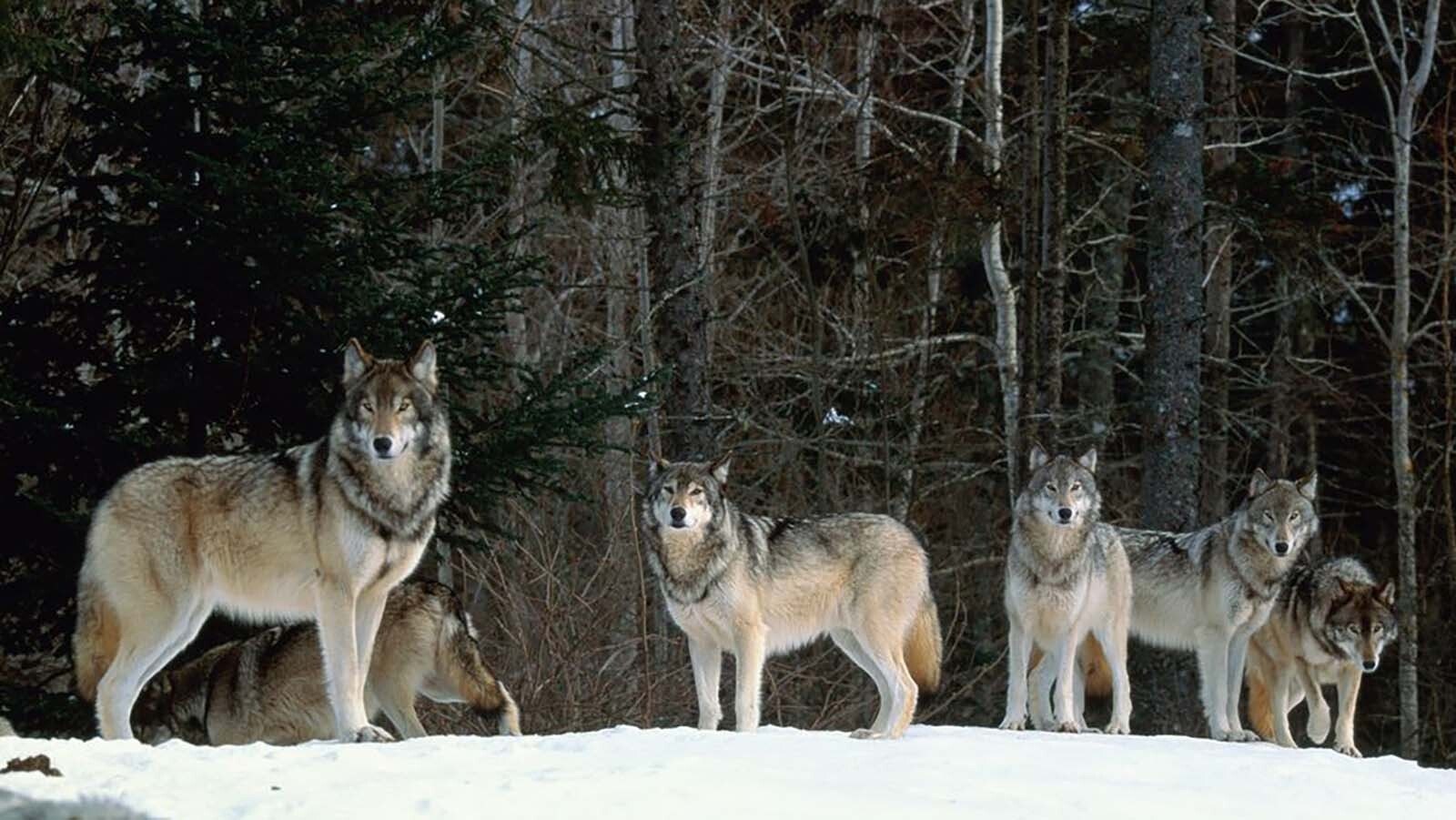
Some of Colorado’s wolves are venturing near the Denver Metro area, according to the latest electronic collar-tracking data.
Even so, officials aren’t worried about wolves establishing packs in the suburbs. Most likely, the tracking data is from lone animals making “exploratory movements,” according to Colorado Parks and Wildlife (CPW) spokesman Luke Perkins.
According to CPW’s latest report on wolf movements, there have been wolves in the vicinity of Denver, Golden and Boulder.
According to data collected between Oct. 21 and Nov. 25, wolves moved east of Interstate 25 for the first time since Colorado wolf reintroductions began in December 2023.
People aren’t likely to see wolves, which are naturally elusive and shy, Perkins stated in an email to Cowboy State Daily.
However, if any suburbanites happen to spot a wolf, they should avoid feeding it.
“Such feeding is a major cause of many wildlife problems and can habituate wild animals to human presence. This is dangerous both to human health and safety as well as the health and safety of the wildlife itself,” he stated.
It’s also illegal to “intentionally lure gray wolves” in Colorado, he added.
‘Looking For Love’
Young wolves, both males and females, will sometimes break away from their packs and go on long solo treks, Rob Edward, president of the Rocky Mountain Wolf Project, told Cowboy State Daily.
They might be seeking new territory, or mates, he said.
“They’re looking for love,” he said.
Such young and restless wolves probably account for the latest tracking hits near suburban and metro areas, he said.
It’s not unusual for those wolves to rack up hundreds of miles in their wanderings, Edward said.
But he doesn’t think there’s any reason to believe wolves will start new packs in Colorado’s Front Range metro area.
The more remote areas in Western Colorado, with thousands of deer and elk, will probably remain more appealing to wolves, he said.
“From a wolf’s perspective, that place is Nirvana,” he said.
Maps Show General Locations
Perkins and Edward noted that the “purple” (or wolf-occupied) areas on wolf report maps might not give a precise picture.
The maps indicate only that a wolf’s collar has been tracked somewhere in a watershed, so “the entire watershed turns purple” on the map, Edward told Cowboy State Daily.
CPW avoids giving precise locations of wolves, Perkins states, so the map can sometimes give an “inflated” picture of where the animals have been.
“For instance, if a GPS point is received in a watershed that originates in Gilpin County but extends all the way into Weld, the entirety of the watershed will appear as purple on this map even though wolves have not traveled the extent of the watershed (i.e. the wolf has not traveled all the way to Weld County),” he stated.
Suburban Wolf Trouble?
It’s not unheard of for wolves to become acclimated to people or even enter settled areas.
Last year, a Wisconsin duck hunter told Cowboy State Daily that he was forced to shoot a wolf in self-defense after it aggressively approached his duck blind.
Wolves in Wisconsin have also gone into towns. There were reports of a woman’s dog being snatched by a wolf right in front of her, in town.
Edward said such incidents might “grab headlines” but they’re extremely rare.
Also, there’s not much chance that Colorado wolves will become as acclimated to settled areas as wolves in parts of Wisconsin reportedly have.
For the most part, wolves don’t like getting too close to people, he said.
“Wolves come to the outskirts of settled areas many times per month, and nobody ever knows they were there,” he said.
In Wyoming, wolves may hunted. And in much of the state, they can be shot on sight with no license. That could be why, for the most part, they’ve avoided towns and cities here.
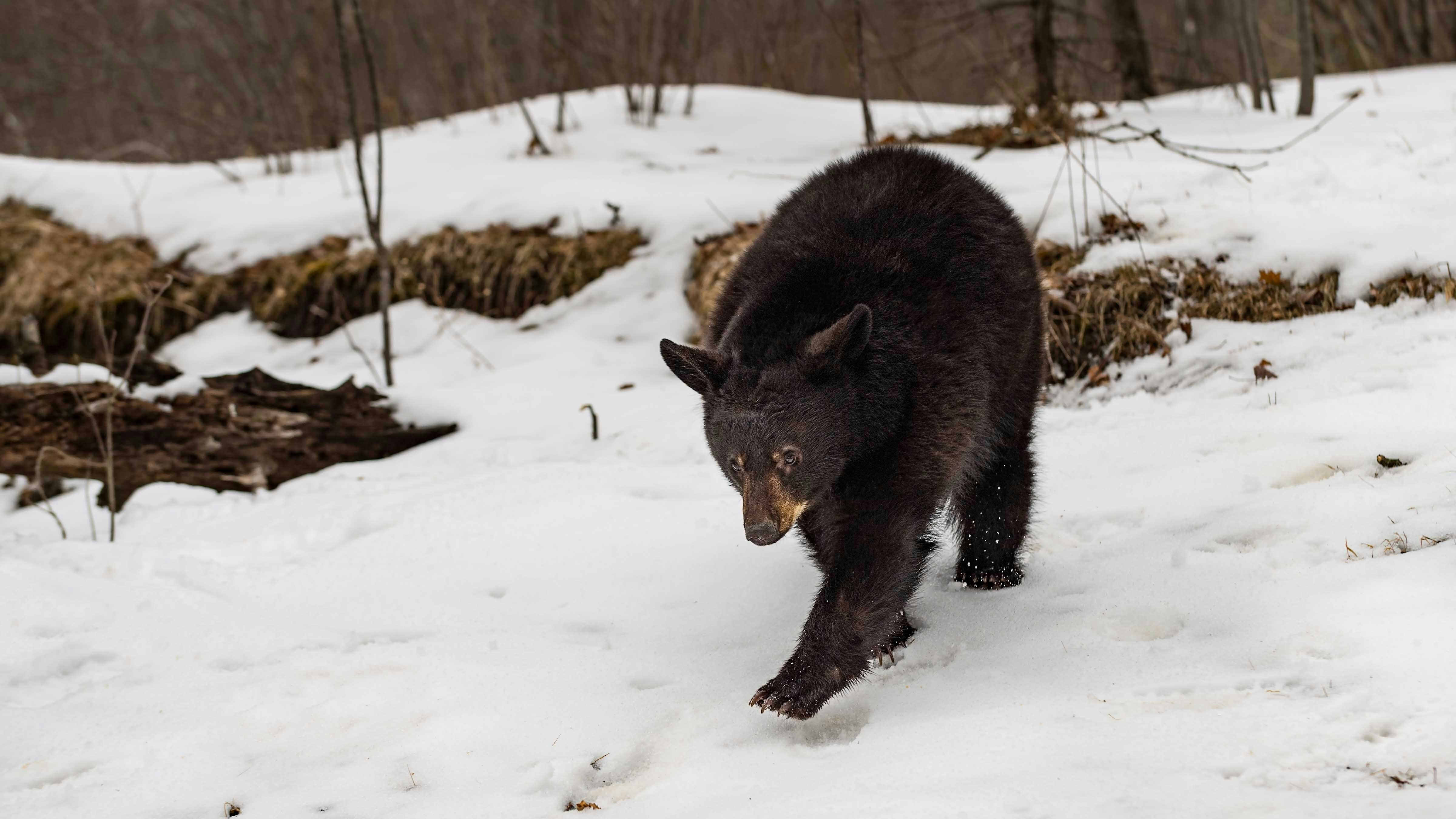
Bears have made some incursions into settled areas.
In Sheridan, there have been several instances of black bears showing up in town and in outlying residential areas. And in the Wapiti residential area west of Cody, residents have spotted grizzlies in their yards.
In Colorado, Perkins stated that “while wolves continue to make broad movements, they tend to avoid humans and are unlikely to approach people or homes.”
He added that if anybody sees a wolf or wolves anywhere in Colorado, they should report it to CPW, to help the agency track wolves’ movements.
Just Exploring
While some wolves might be exploring the metro region and adjoining areas, Perkins stated they likely won’t hang around, if they can find better pickings elsewhere.
“These movements are what we call ‘exploratory.’ Since wolves do not know what is on the other side of a mountain, or river, or other landscape feature, they need to explore an area to learn where to find a territory, prey, or a mate to establish a pack. We have not had any wolves come close to and spend significant time near developed areas,” according to Perkins.
Mark Heinz can be reached at mark@cowboystatedaily.com.