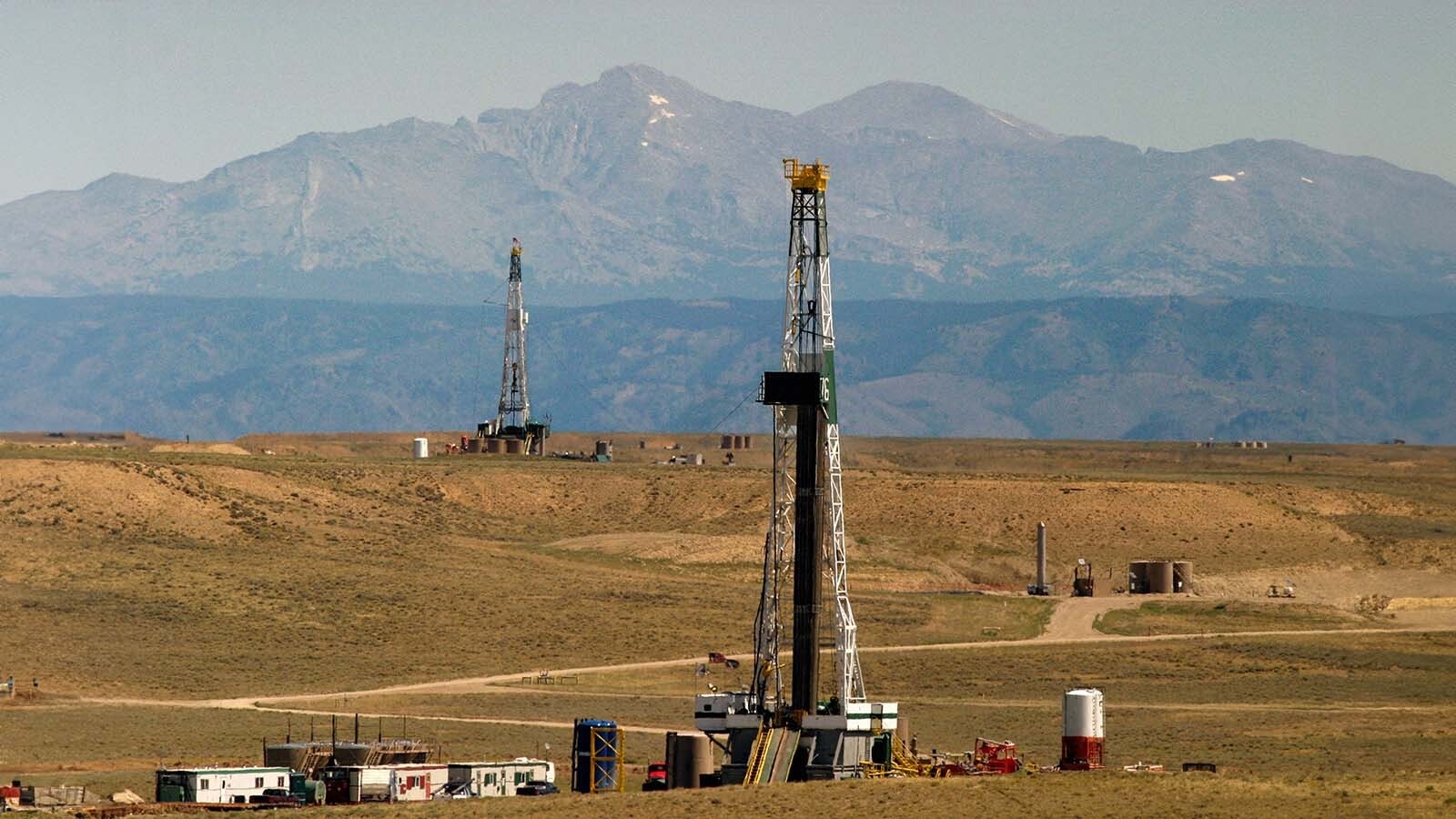
The U.S. Geological Survey released its assessment Wednesday of undiscovered natural gas in southwest Wyoming's Mesaverde Group and Lance Formation, estimating 4.7 trillion cubic feet of technically recoverable resources still sits underground.
Since exploration began in the area in 1932, the Mesaverde-Lance has produced 16.9 trillion cubic feet of natural gas — as much gas as the U.S. consumes in six months at the current rate of consumption, according to the USGS.
"The U.S. economy and our way of life depend on energy, and USGS oil and gas assessments point to resources that industry hasn't discovered yet," said Ned Mamula, director of the USGS. "In this case, we have assessed there are significant undiscovered resources in the Southwestern Wyoming Geologic Province."
The assessment marks the fifth oil and gas study in the area released by the USGS in the last two years, following assessments of the Lewis Shale in July 2020, the Mowry Composite in May 2025, the Niobrara Formation in June 2025, and the Phosphoria petroleum system in August 2025.
The province, which covers parts of Wyoming, Colorado, and a strip of northern Utah, remains a priority area for the USGS Energy Resources Program.
Combined, the five recent assessments estimate a total of 49.2 trillion cubic feet of undiscovered, technically recoverable natural gas — enough to supply the nation for 18 months.
"Work continues in the province on additional formations," Jenny LaGesse, lead assessment author, said during a Thursday webinar briefing. "We're not done with the southwestern Wyoming province."
No Surprises
During the webinar Q&A, LaGesse told Cowboy State Daily the data shows the southwest corner of Wyoming to be an enduring and consistent source of natural gas.
"I don't think there were any big surprises in this assessment," LaGesse said. "We had assessed these formations in 2005. Those findings that we had this time were not a surprise."
The results were in line with both the previous assessments and what geologists would expect after 20 years of production, she said, adding the arrival of horizontal drilling rigs has increased production.
USGS oil and gas assessments began 50 years ago following an oil embargo against the U.S. that signaled a need to understand the occurrence, distribution and potential volumes of undiscovered resources, according to the agency.
"We have a fairly good idea of what is happening in this province, aided by the fact that we had done this 20 years ago," LaGesse said. "And when we do it now, we use all the scientific capability that we have now to do a thorough scientific job."
David Madison can be reached at david@cowboystatedaily.com.