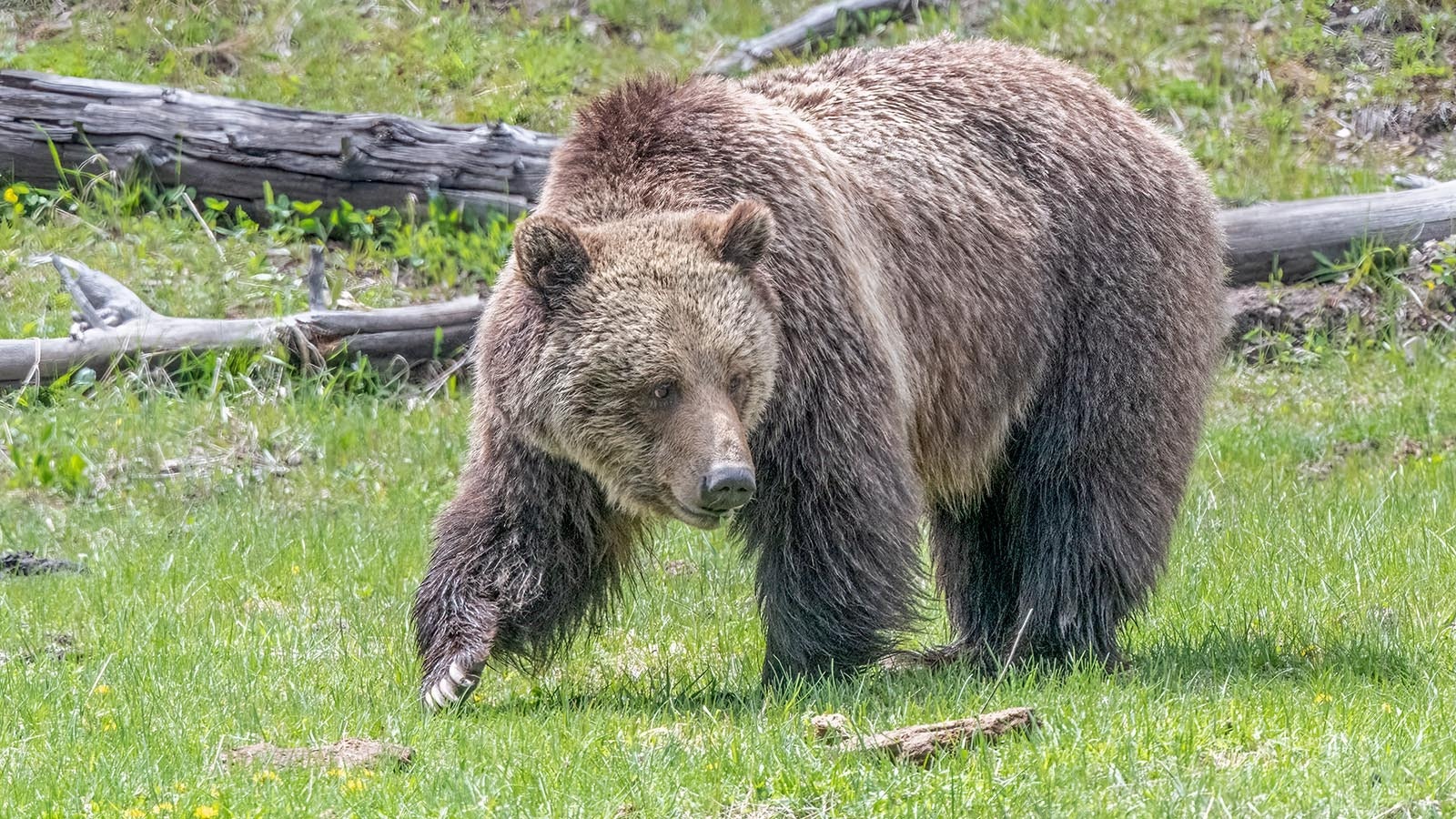
In the organic weed control business, an arms race might be brewing between voracious goats and huge, rooting hogs.
This past spring, Rock Springs hired a 300-goat army to munch its way through weed-choked drainage canals.
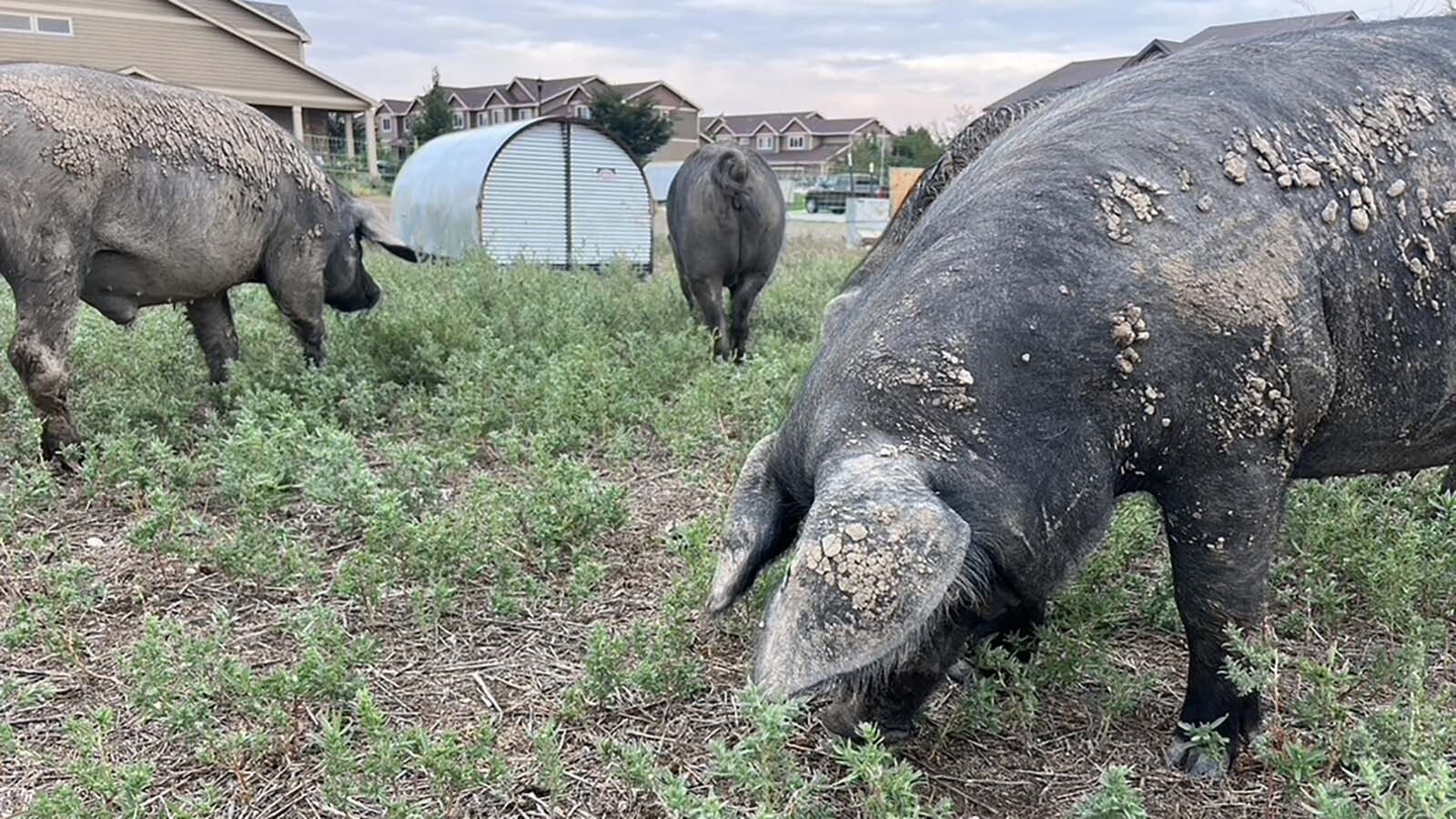
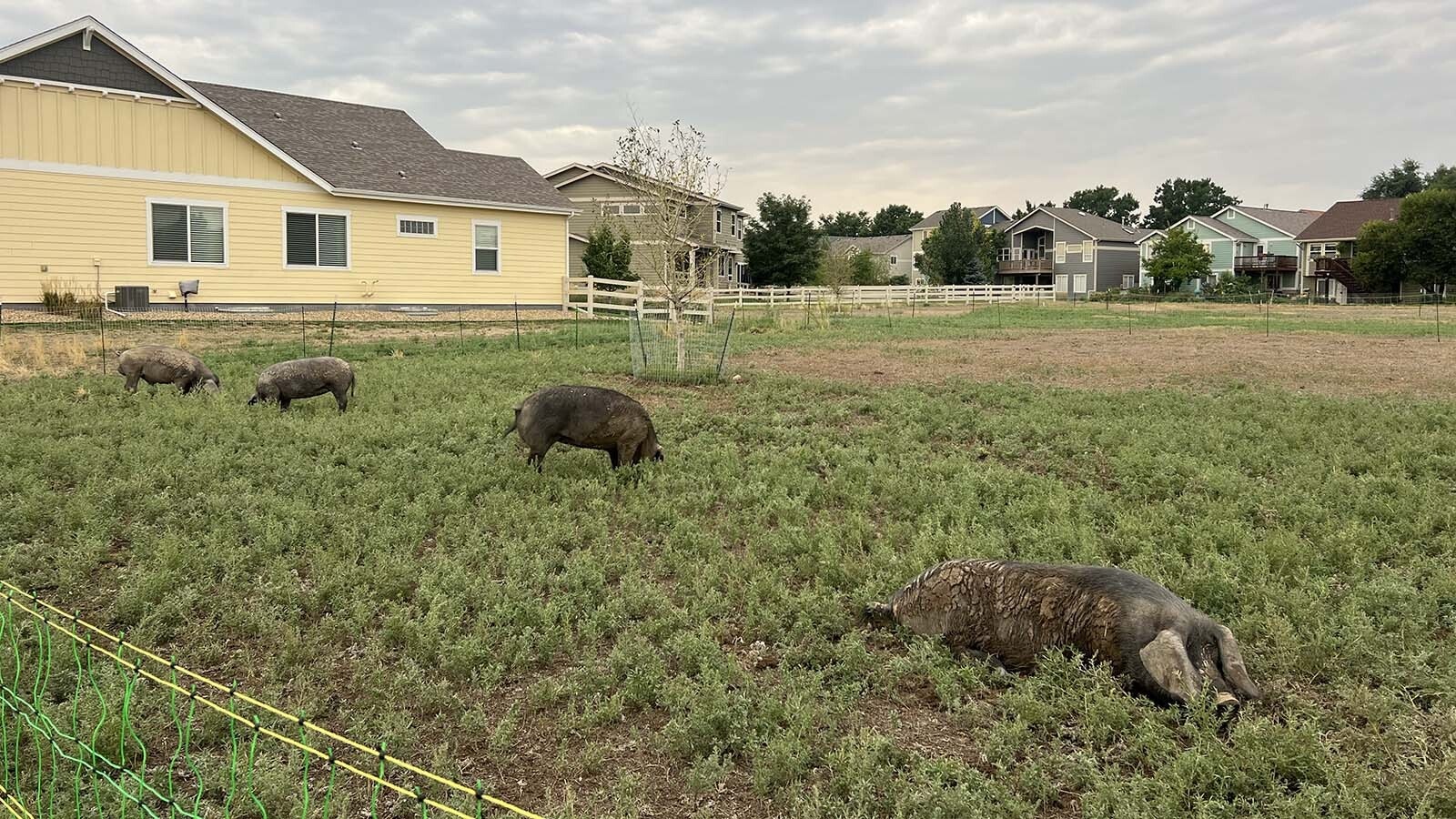
A homeowners association in suburban Fort Collins, Colorado, has opted for large, lumbering 600-pound black hogs, set loose to root through lots full of kochia, a type of tumbleweed.
Pigs Get To The Root Of Things
In the long run, there might be a place for both goats and hogs, either of which can be good for controlling weeds than chemical herbicides, Christof Meyer told Cowboy State Daily. He’s president of AloTerra, the Fort Collins-based company that runs the hogs.
Where the hogs shine over goats is in destroying the root systems of weeds, he said. So in places where it doesn’t matter if the ground is disturbed, hogs are the way to go.
“Goats, in their goat happy place, they want to cruise along the tops of plants and graze as they go, whereas pigs want to tear up the soil completely,” he said.
Wyoming weed and pest control experts contacted by Cowboy State Daily said they haven’t heard of hogs being used here yet, but they weren’t opposed to the idea.
‘Limousine Pigs’
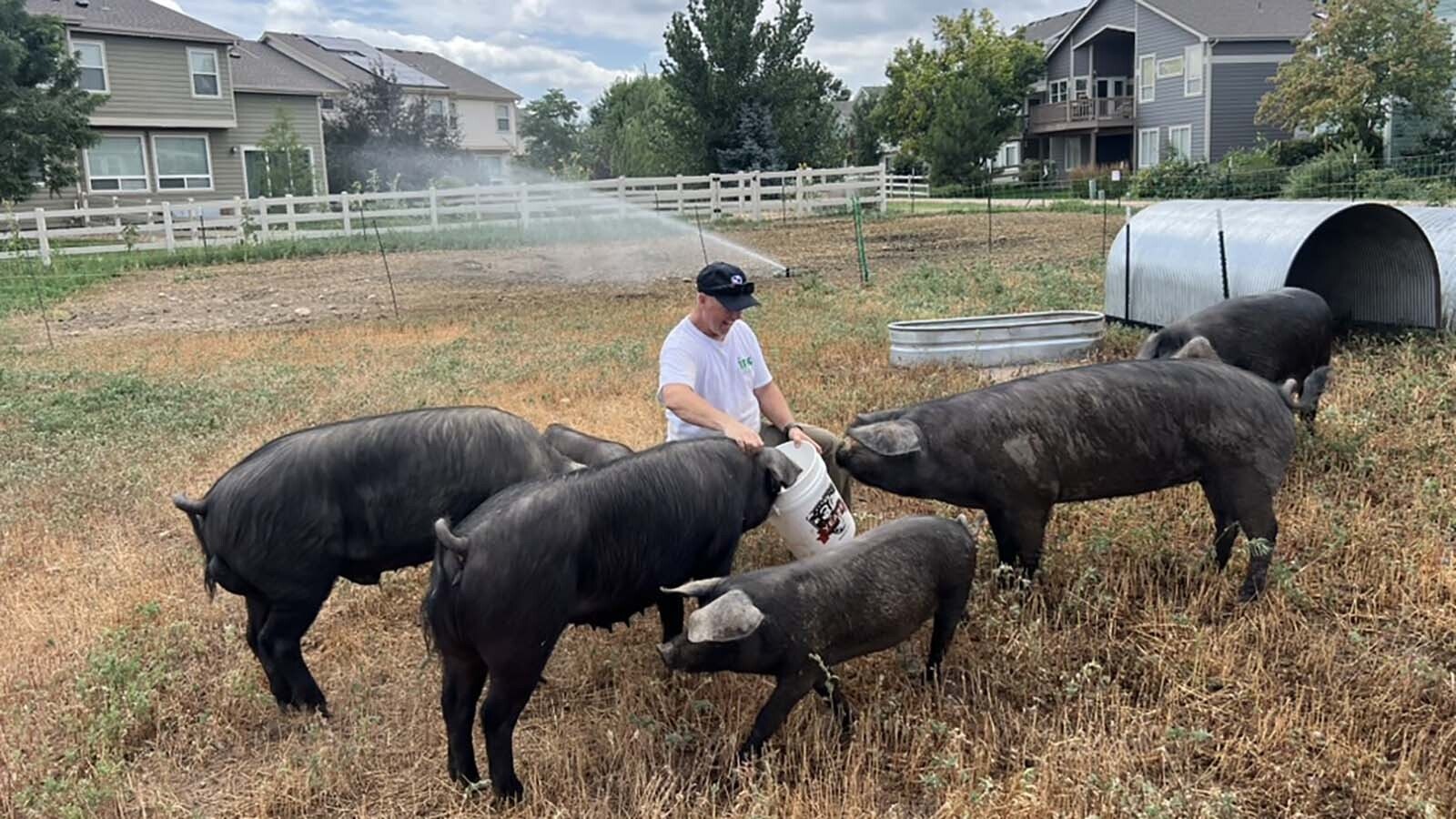
AloTerra has about 10 large black hogs, and hopes to get eight more from a newly born litter, Meyer said.
The breed hails from England, and the “lopped-eared black hogs” are popular in places like Cornwall, he said.
They are called “limousine pigs,” he said, because they are bigger and longer than many other swine breeds.
They’re also prized for being good eating.
“They can produce about 20% more bacon per pig than the typical breeds,” Meyer said.
The black hogs also have attributes that make them ideal for weed control. They are hardy with thick hair and can stay outdoors for extended periods with minimal care.
Despite their size, they’re docile and friendly.
“We can call our pigs over by name,” he said.
Most of all, they are active rooters.
“They are not like typical pink pigs that are happy to sit there,” he said. “They are incredibly hard workers, just digging up the soil almost 24/7."
Destroying The Kochia
The HOA is fed up with kochia, Meyer said.
“It’s a really tough monoculture weed that is resistant to traditional types of treatment,” he said, adding that it's common throughout the West, including in Wyoming.
To demonstrate the value of the hogs, Meyer said they selected a lot overrun with kochia and treated about a third of it with just mowing.
A third of the lot was subjected to mowing and pesticides, while the hogs tackled the final third, he said.
Preliminary results favor the hogs’ work.
City Is ‘Cautiously Optimistic’
There are contractors scattered around the West that hire out weed-devouring goats, like the ones set loose in Rock Springs.
Meyer hopes the weed-rooting hog pilot program in Fort Collins catches on. His company has done some work in Wyoming, so perhaps the hogs could be sent here someday.
If the HOA is satisfied with the hogs’ work, it will be a matter of getting the proper authorization from the Fort Collins City Council to take them city-wide.
The city is “cautiously optimistic” about the planning and permitting process, Meyer said.
“We hope to make it possible to permit grazing hogs throughout the city,” he said.
Animals Bring People Together
For Meyer, mitigating weeds with animals is more than a business. He called it a “passion project.”
At a time when the country seems hopelessly divided along political lines, people might agree on letting animals tackle weed problems, he said.
“Animals are efficient. Animals are an alternative to the ‘chemical-heavy’ approach,” he said.
“Farmer ingenuity” is an idea that can cross ideological lines, Meyer added.
"Whether you’re a conservative and you want to go back to the old ways of doing things, or you’re a liberal and you want to stick it to the big corporations, or you’re somewhere in between and just want to see the problem go away, you can get on board with this,” he said.
Mark Heinz can be reached at mark@cowboystatedaily.com.