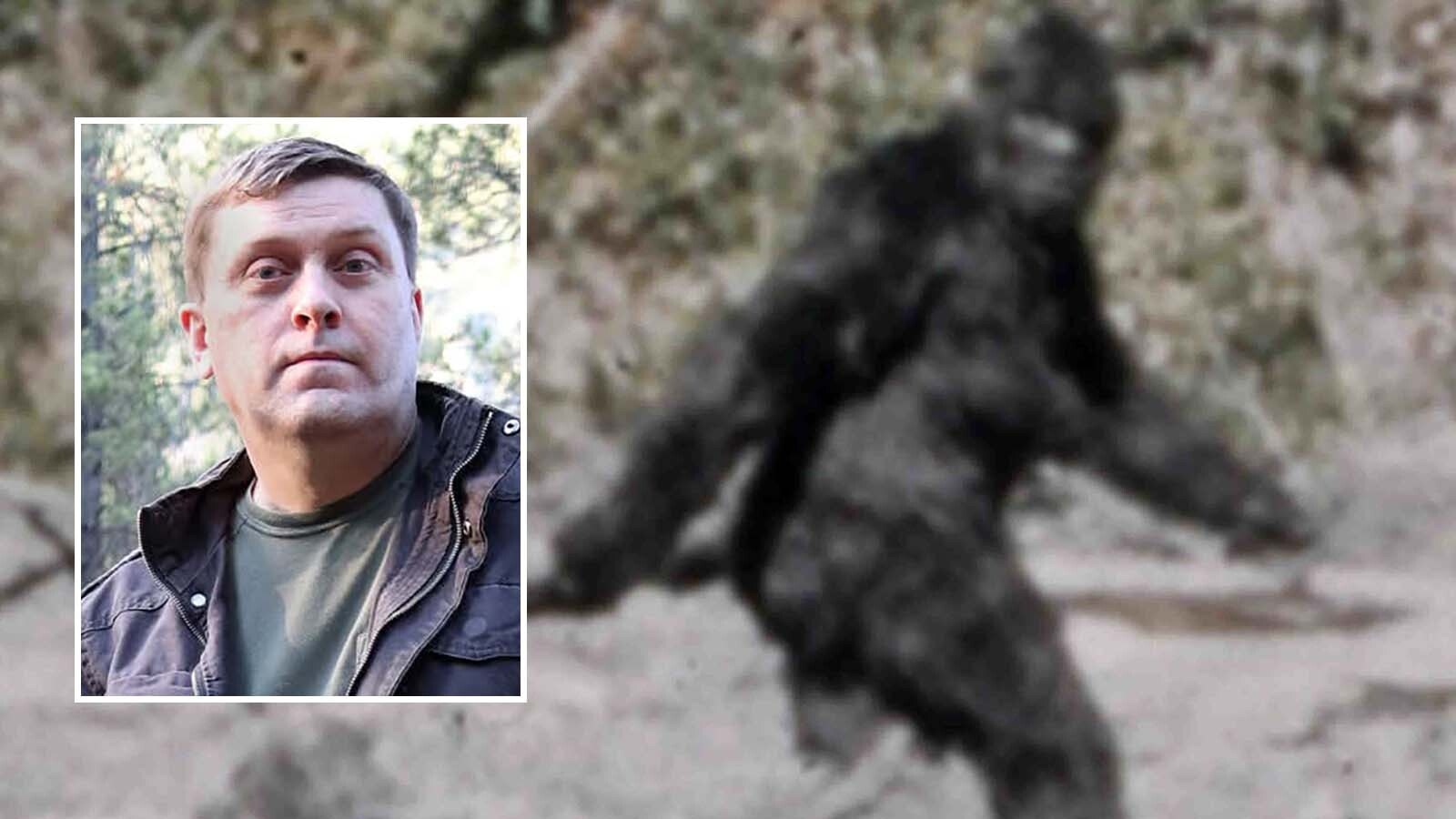
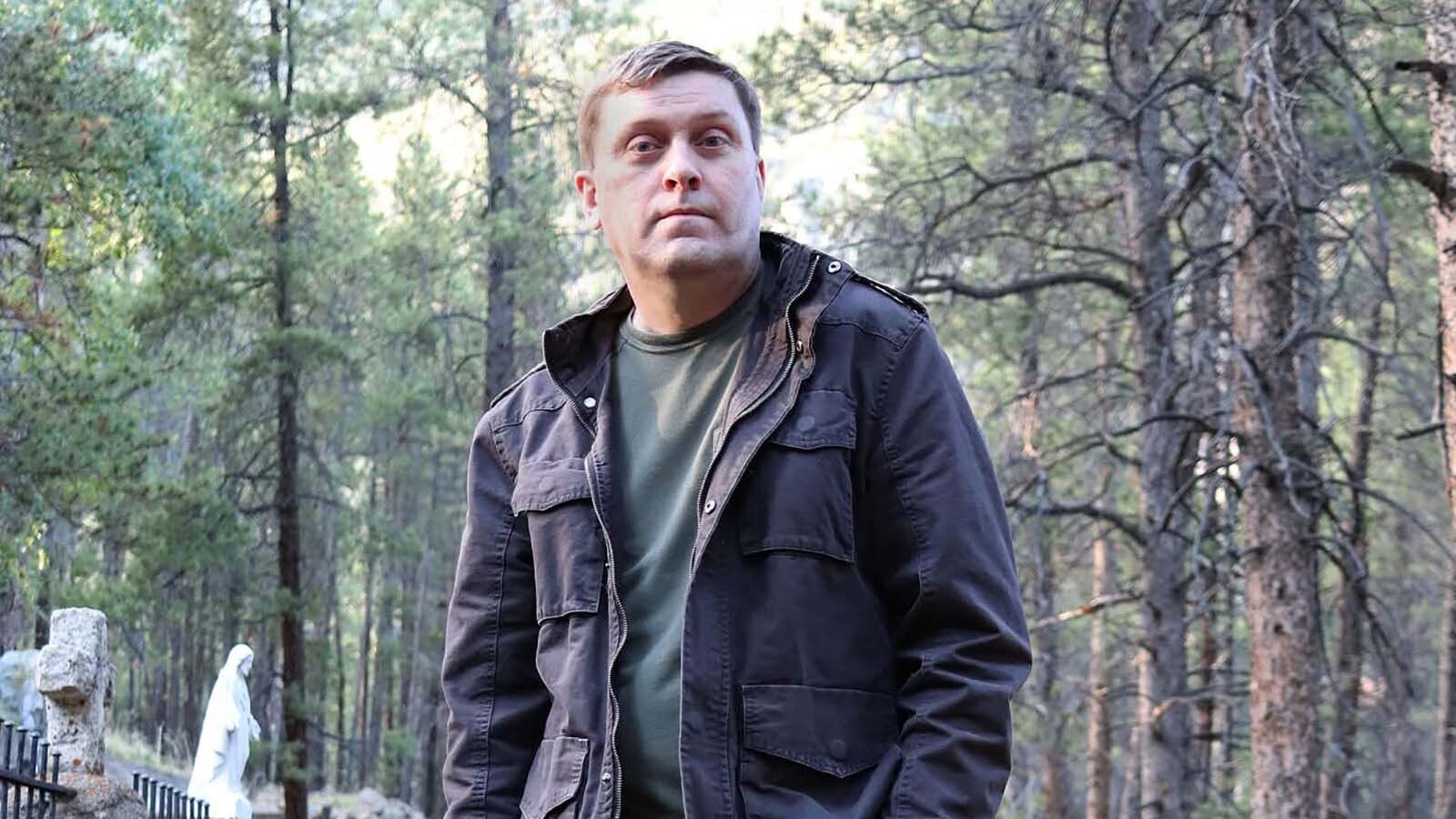
Sasquatch is out there, says a Colorado naturalist who’s been seeking the elusive beast since 2009, despite the recently released FBI Bigfoot Files being a let-down.
“At first, they seemed to deny it and had supposedly lost track of that fact that they did (have a Bigfoot file),” Alan Megargle told Cowboy State Daily.
FBI File Is A Let-Down
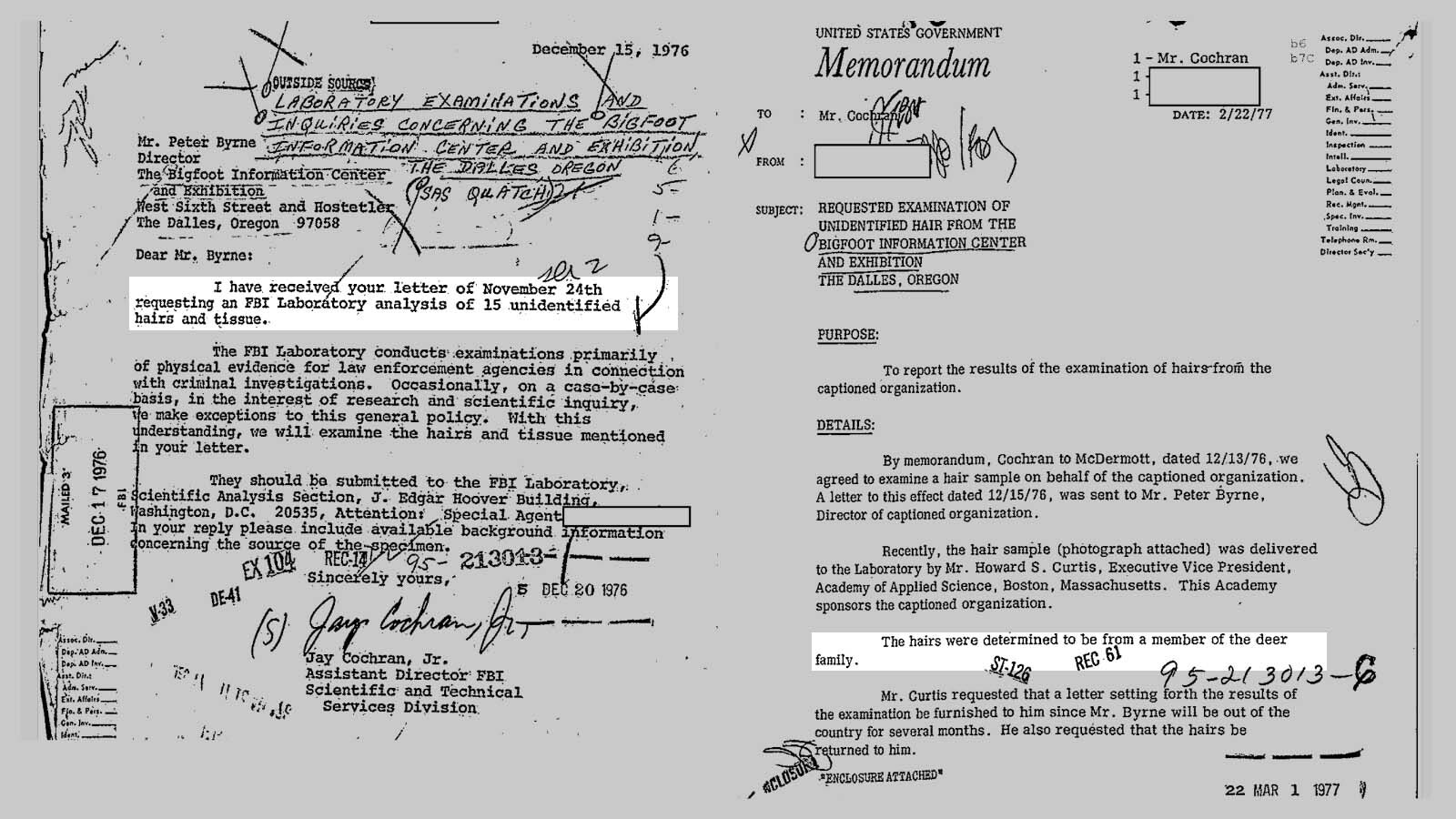
There was a wave of excitement in the Sasquatch hunters’ community when the FBI announced it would finally release its 22-page Bigfoot File dating back to the 1970s.
But when the document was released last month, it revealed only that the feds had tested some supposed sasquatch hairs and determined that they came from a deer.
There have been other attempts to sample sasquatch DNA, most of them have come back as either known wildlife, or inconclusive, Megargle said.
“The best we can get is, ‘we don’t know,’” he said.
He said he read the FBI file when it was released and wasn’t particularly surprised that it turned out to basically be a dud.
It was based on 15 hairs that Oregon Bigfoot researcher Peter Byrne sent to the FBI in 1976. The FBI concluded they likely came from a species of deer.
Megargle said he doesn’t put much stock in alleged Bigfoot DNA samples being the key to unlock the mystery of the gigantic woodland creature that many people swear exists.
“You would need multiple samples from different specimens, knowing they’ve come from bigfoot. You’d have to walk up to a Bigfoot and take samples,” he said.
Boulder County Catches Bigfoot Fever
Megargle first spoke to Cowboy State Daily in June, after two compelling reports of Sasquatch sightings in Boulder County, Colorado.
Since then, one of the original witnesses has reported another sighting, so perhaps a Sasquatch has decided to hang out for a while.
“We’re following up on that latest report,” Megargle said.
He is a volunteer naturalist with Boulder County Parks & Open Space.
He told Cowboy State Daily that he’s taken people out seeking Sasquatches many times and loves teaching people about the creatures – which he is convinced exist.
He’s never seen one but said he’s seen and heard signs of them on numerous occasions in Colorado, Ohio and upstate New York.
He said he developed a passion for Bigfoot hunting after he and a friend were hiking in the New York state’s Adirondack Mountains and came across two broken trees blocking the trail.
The thing was that the trees didn’t appear to have been snapped off by wind or any other such natural force.
Instead, they’d been broken by what looked like “twisted” about 10 feet up, he said.
That jibes with what Bigfoot believers have said, that instead of snapping tree trunks or limbs, Sasquatches use their immense strength to twist the wood in a manner that no human could ever hope to achieve.
Since then, said he’s been in situations where rocks were tossed in the direction of him and people he was with.
AI Fakery?
If the FBI file doesn’t offer any definitive proof that Bigfoot is real, what would?
Capturing one alive would do that trick, Megargle said, but he doesn’t favor that idea.
Over the years, there have been a few compelling photos and videos claimed to show images of Bigfoot in the wild.
Of those, the Patterson-Gimlin Film remains the gold standard, Megargle said.
It was taken by Rodger Patterson and Bob Gimlin on Oct. 20, 1967, in the Bluff Creek area of northern California.
Believers say the brief film clip shows a female Sasquatch, which they call “Patty,” striding along the creek bottom.
Doubters say it’s a fake, and the subject was a man in an ape suit.
Contemporary photos or videos might not be reliable, because of AI, Megargle said.
“With all the AI technology available, I’d have a hard time believing that (a newer photo or video) is really Bigfoot,” he said.
‘Samurai Chatter’
Audio recordings might be the best medium to document Sasquatch activity, Megargle said.
Recently, he and other researchers captured recordings of what they think could be Bigfoot vocalizations in Park County, Colorado. They plan to share their findings, perhaps this summer.
Believers say that Sasquatches make a variety of vocalizations, some of which include howls and whoops.
One of the best-known supposed Bigfoot audio recordings is of the Sierra Sounds. Those recordings were made by Ron Morehead and Al Berry in the early 1970s, at a remote hunting camp in the Sierra Nevada Mountains in eastern California.
One section of those recordings is commonly called the “samurai chatter,” which Sasquatch believers say indicates the creatures use some form of language.
Megargle said the recordings from Park County sound similar.
“It was more of a samurai chatter. There was some sort of communication between multiple entities, whatever they were,” he said.
Mark Heinz can be reached at mark@cowboystatedaily.com.