

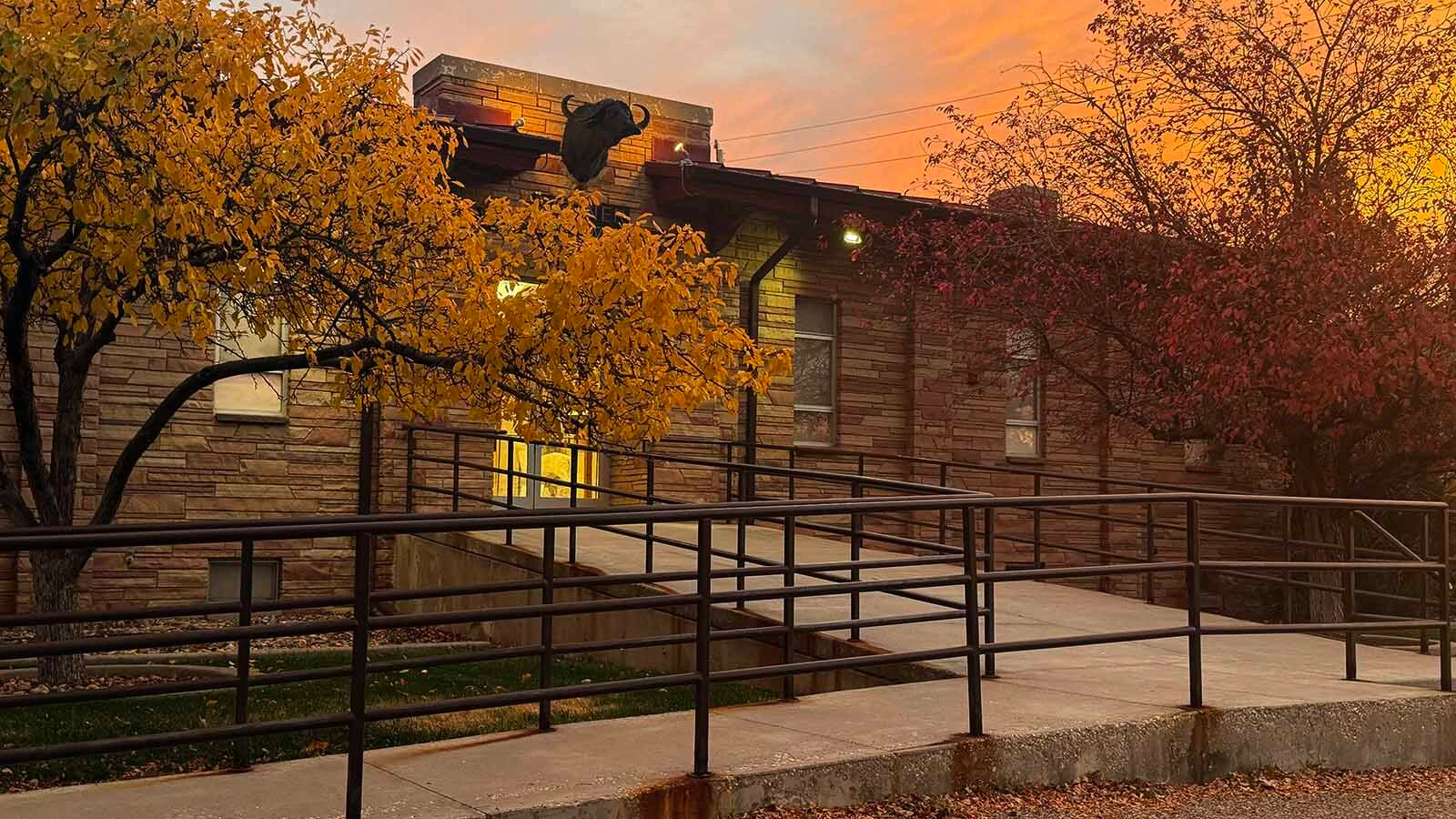
Autumn had settled over Casper, and a cold breeze sent brown and yellow leaves skittering across the pavement outside the Werner Wildlife Museum.
A waxing gibbous moon glowed behind a gray veil of wispy clouds.
The same Wyoming moon, more or less, that shone over the patch of Casper that rancher and big-game hunter Herman Werner decided would hold his collection of dead animals more than 60 years ago.
He had hunted from boyhood and eventually traveled across six continents in pursuit of game, taking polar bears in Alaska and Norway's Spitzbergen, a black rhinoceros and Cape buffalo in Africa, and a sambar in India, among many others.
By the middle of the 1960s, dozens of his trophies crowded his Casper home.
Many had been shot and killed.
Others in the collection arrived later, donated or acquired after dying of other causes.
Today, about 450 birds, fish and animals are tucked into Werner's two floors, an impressive inventory of skulls, glassy eyes, coiled snakes, yellowed teeth and claws that haven't drawn blood in decades.
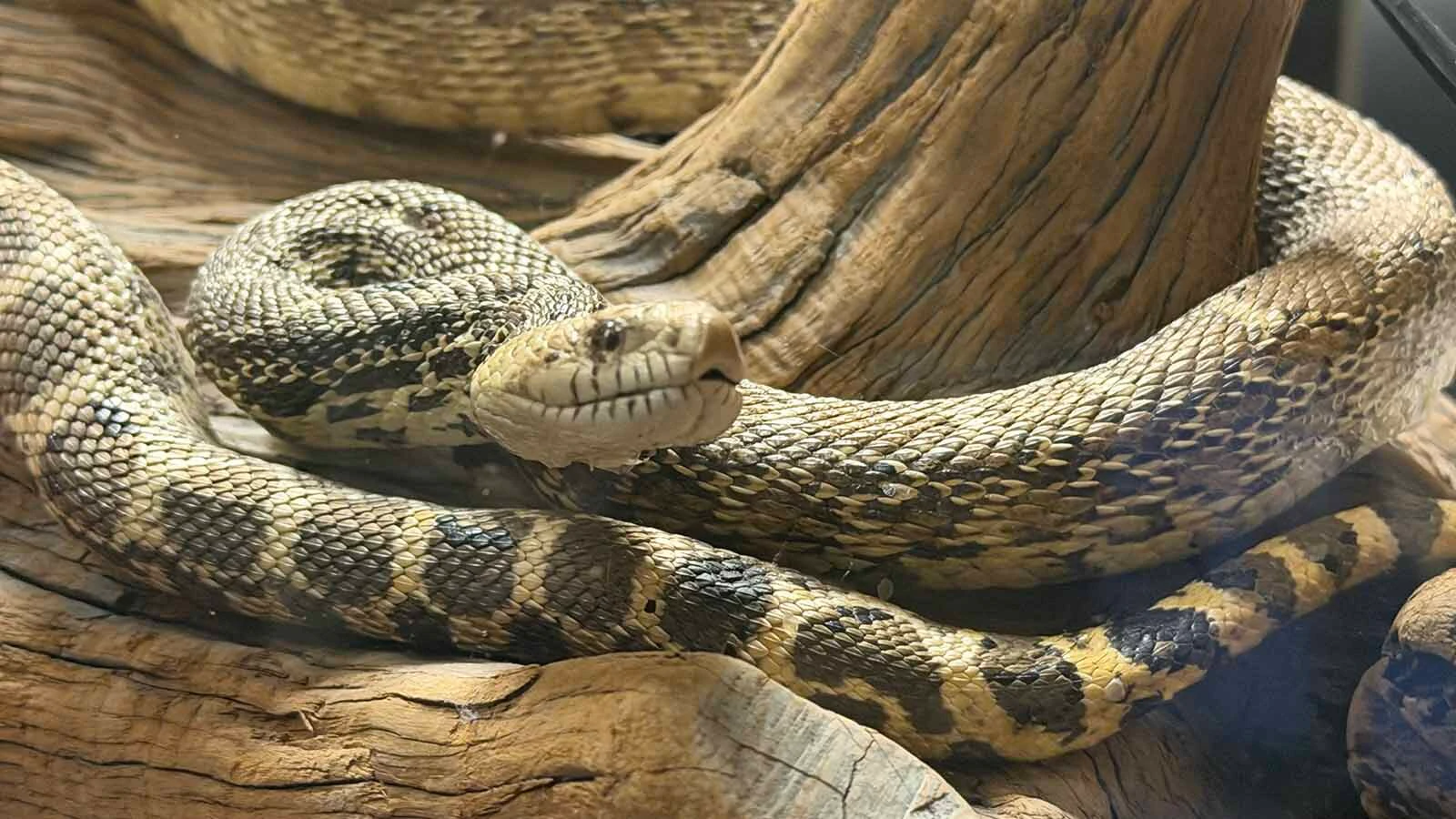
Frozen in time, bears rear on their hind legs. A mountain lion soundlessly growls, and horned bovine stare down from high on the walls above. Fish hang with mouths agape, waiting eternally for something to swim within reach.
The Birds
Casper College Director of Museums Dalene Hodnett said there is some agreement about the eeriest part of the Werner.
It's downstairs. In the basement.
That's where they keep the birds.
Harriet King, who looks after the animals at the museum, hears it from visitors, too.
She estimates there are over 100 kinds of feathery cousins.
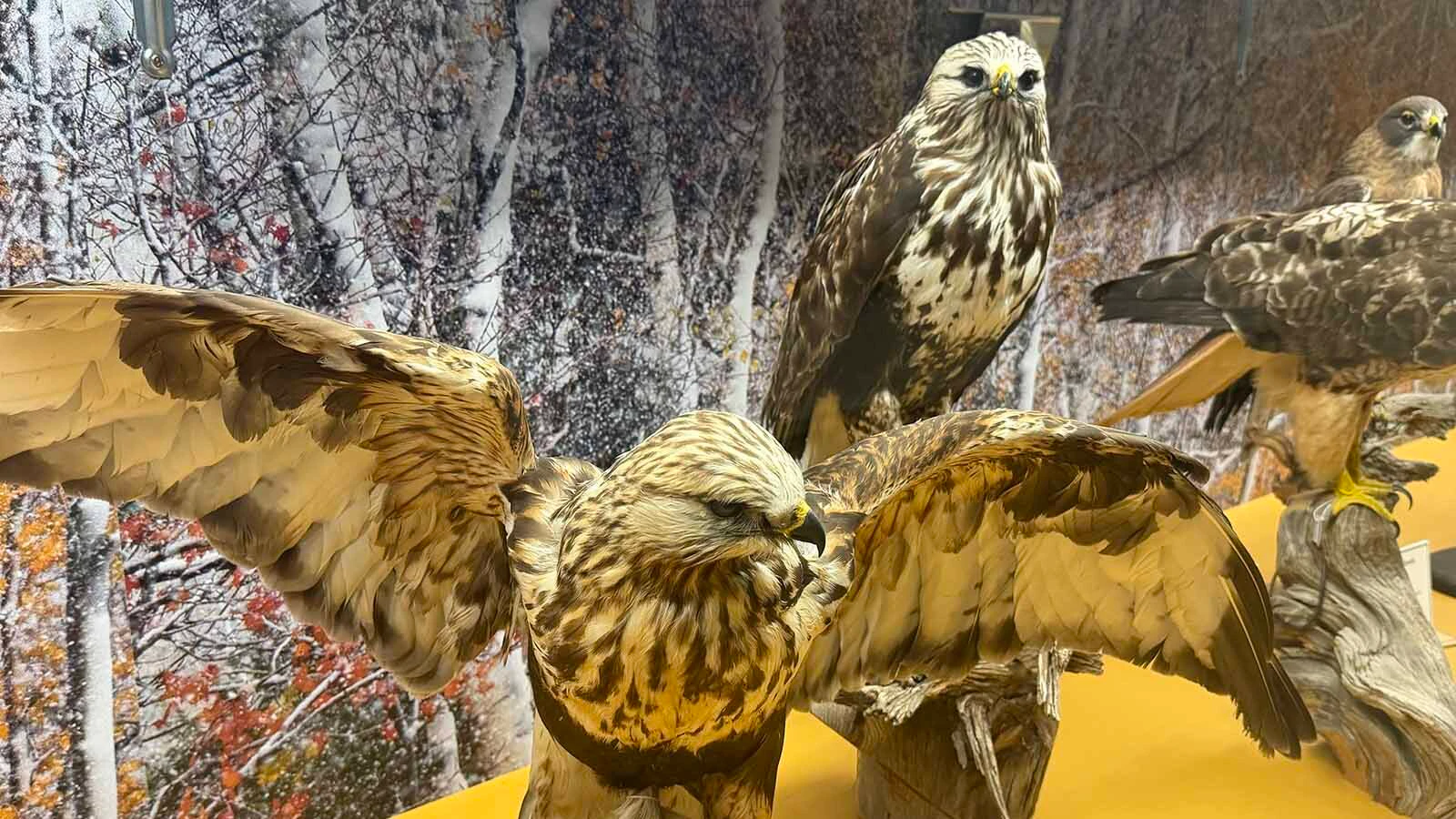
There are owls with enormous yellow eyes and hawks arrested in flight, their broad wings spread wide.
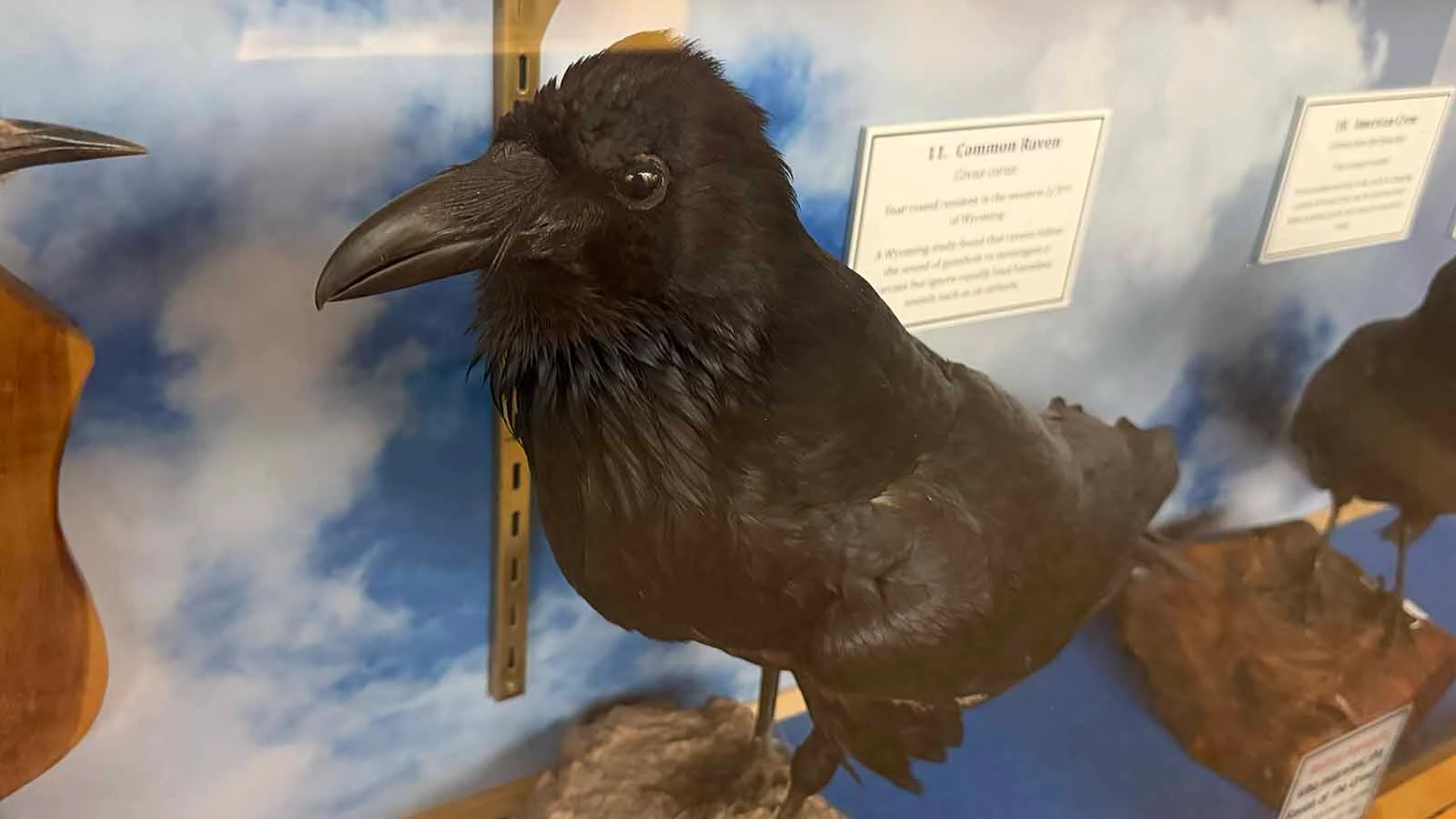
Among them sits a raven, black and glossy as spilled ink, with a great curved beak and one polished eye turned toward the glass.
Nothing rustles. Nothing blinks.
In their stiff, watchful silence, they seem privy to some secret the living have not been let in on.
Just that morning, King said, a man had returned upstairs after visiting the basement and announced that it was creepy down there.
“He's like, ‘I don't know,’” King said. “‘It's just because it's so quiet down there ... and then you got all those birds just looking at you.’”
One of them has been dead for more than a century.
A brilliant green-and-blue resplendent quetzal in the collection was obtained in western Panama in March 1918 after an Indigenous hunter killed it with a bow and arrow for Casper-area rancher R.B. Blackmore. At some point afterward, it made its way into the Werner collection.
She tells visiting children to find the brightly colored bird downstairs, then points out that nobody seems to know precisely what happened to it during the decades before it wound up at the museum.
“It's a mystery!” she said.
Night At The Museum
Wouldn't it be wonderful, visitors ask, if after the doors were locked and the lights went out, the Werner's animals sprang back to life?
King has given the matter some thought.
“Yes, but then there'd be a lot of animals that would not survive the evening,” she cackles.
The mountain lions, bears, and assorted carnivores would get hungry. Nature would resume business.
“I would come in the next morning and there'd be just little pieces of bird feathers and fur,” she said.
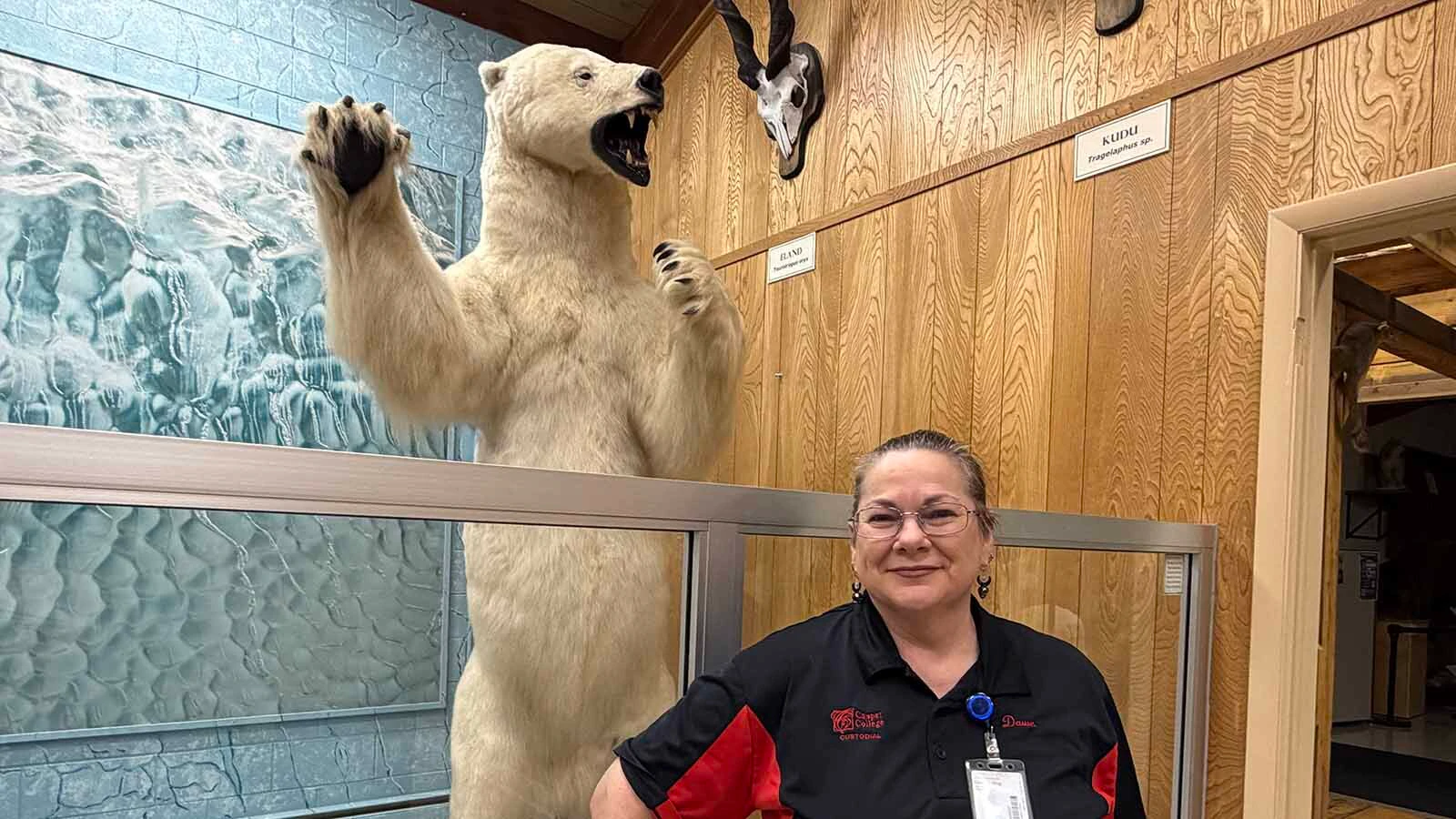
Their fiercest contender is one of the Werners' three polar bears. He stands 11 feet tall and weighs in at about 1,400 pounds.
When it was donated to the museum in 1973, college museum records show the bear ranked No. 30 in Boone and Crockett's big-game records,
Little children tend to discover it abruptly.
They come around a corner, King said, and there it is on its hind legs; teeth bared and great paws reaching forward as though it's ready to fight.
“They just like, ‘Ah!’” King said.
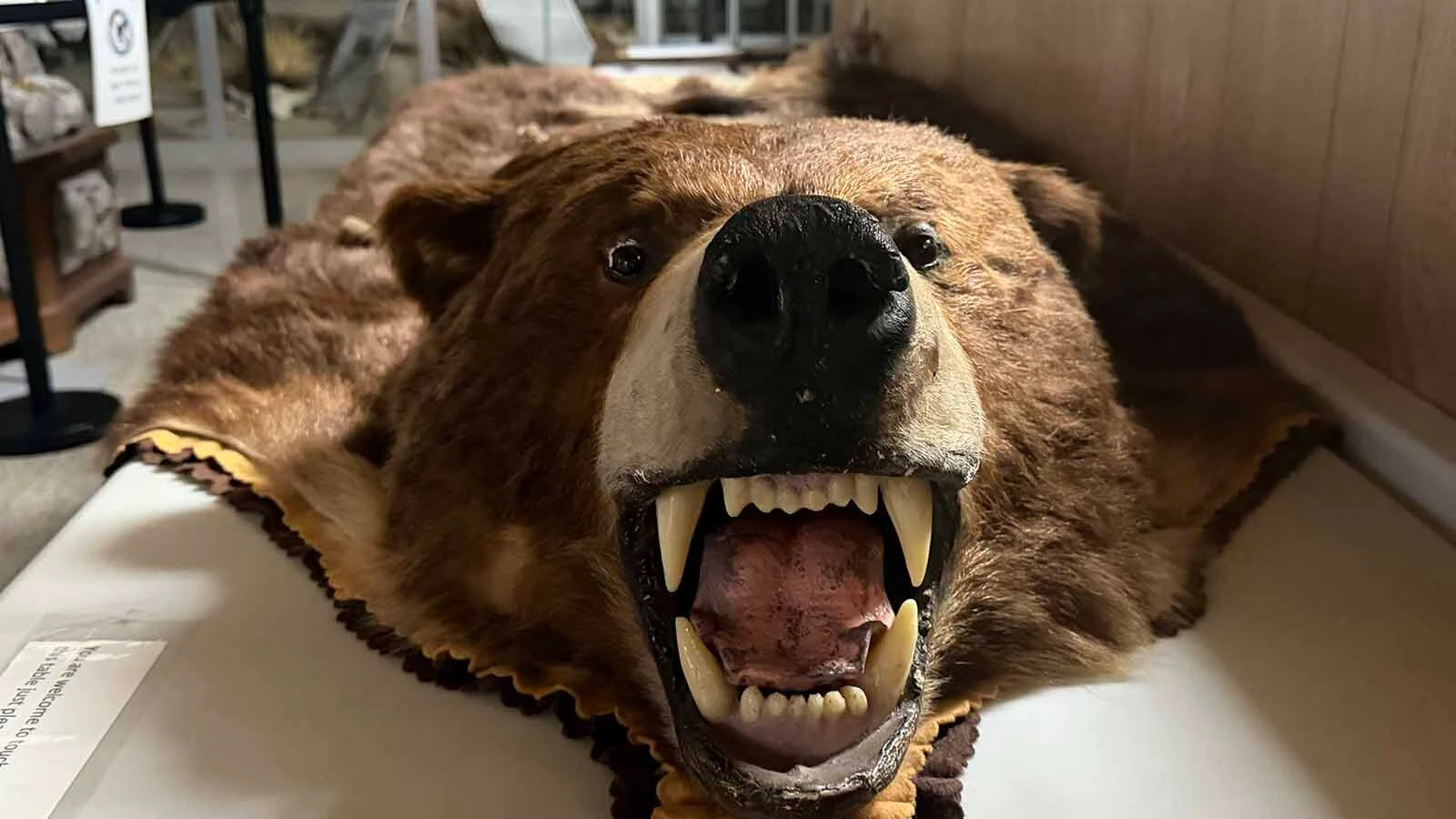
The mountain lion gets attention, too. So do the grizzlies.
King isn't particularly bothered by any of them anymore. She has spent too much time in the museum for that.
Although when she first began working there, she admitted the building occasionally had its moments.
“There’s times when you hear noises and you're like, ‘What was that?’” she said.
One Sunday, King came into the museum to grab some feed for the living birds in the sanctuary outside. For more than a year, a massive Cape buffalo specimen had been wrapped in plastic as part of the museum's pest-control process.
King walked into the dim museum, turned, and suddenly encountered the enormous dark shape standing uncovered.
Her heart skipped a beat.
Night Custodian
If there is something lurking after dark at the Werner Wildlife Museum, it hasn't yet bothered the night custodian.
Dawn Francis has worked in Casper College custodial services since 1997 and has cleaned the Werner on the swing shift for about two years.
She arrived Wednesday in a Casper College polo, her hair pulled into a no-nonsense ponytail, dark lipstick painted on and tiny skulls dangling from her ears — for Halloween, she explained.
Francis is not to be messed with.
She grew up around animals, hunting and fishing. Her husband, Paul Francis, is a hunter and Casper College groundskeeper. Dawn has hunted herself, killing a 4-by-5-point deer. Paul eventually repurposed its antlers into a hat rack.
She also knows how to harvest an animal.
Does hanging around with hundreds of dead animals bother her?
“No.”
Actually, Francis likes the Werner at night.
During the day, visitors come and go, children chatter and the building fills with what she calls the “hubbub” and different energies.
Then closing comes; the doors lock.
Everyone leaves.
“It's quiet,” she said, “and it almost feels like the whole building can breathe.”
Strange Sounds
With the distractions gone, Francis says, little things announce themselves.
The Werner is an old building, and old buildings have their own vocabulary — the creaks and knocks of wood, pipes and walls contracting against an October night.
There are “some noises, you know, about how the buildings settle and stuff,” Francis said.
Strange sounds don't send her running, though. Francis goes toward them.
“I always go and I investigate and see what it is first before I go, ‘Well, that was weird,’” she said.
There are explanations for noises — but talk long enough in a darkened museum full of stuffed corpses and the conversation drifts toward the things that are harder to explain.
Francis still remembers watching The Exorcist when she was a girl in Wisconsin.
“I was freaked out,” she said. “But then you're talking — you're not talking about an animal. Then you're moving to spirituality, and that's completely different.”
The room gets quieter. She shifts in her chair. The subject changes.
There's another genre she doesn't much like: Slasher movies. Especially The Texas Chain Saw Massacre.
Francis is comfortable with taxidermy. She has crystal skulls at home, along with what she cheerfully calls “witch stuff” and two dragons standing guard over her breezeway.
But there is one corner of the macabre she prefers to leave unexplored.
Perhaps that is the dividing line for a woman who spends her evenings alone in the two-story building.
The dead, Francis knows, tend to stay where they're put.
It is the living who are harder to account for.
Every now and then, long after the Werner has closed, Francis will hear someone outside tugging at the locked doors, apparently undeterred by the darkened windows and absent invitation. Those are the noises that make her stop and listen.
Hundreds Of Eyes
The Werner's oldest stories stretch back further than the building.
Herman Werner was born in 1892 and died in 1973. He was a Converse County ranch kid who traveled the world and eventually amassed enough trophies that local schoolchildren wanted to come see them.
His collection became a museum, and the museum became a college institution.
A prairie diorama downstairs, unveiled in 1977, depicts pronghorn and a badger against a landscape inspired by the country around the junction of Wyoming Highway 220 and what was then called the Medicine Bow cutoff west of Casper.
Whether Werner himself ever lingered with them is another question.
His name is still on the building, his animals still fill its rooms. Does the old hunter ever come back to check on his trophies?
Francis has a plan should anything like that ever happen.
“If I get scared, I'm going to hit you first, and then I'm going to run,” she said.
She paused to clarify the order of operations.
“I will defend myself first, and then run, and then later I'll ask questions.”
Kolby Fedore can be reached at kolby@cowboystatedaily.com.


