
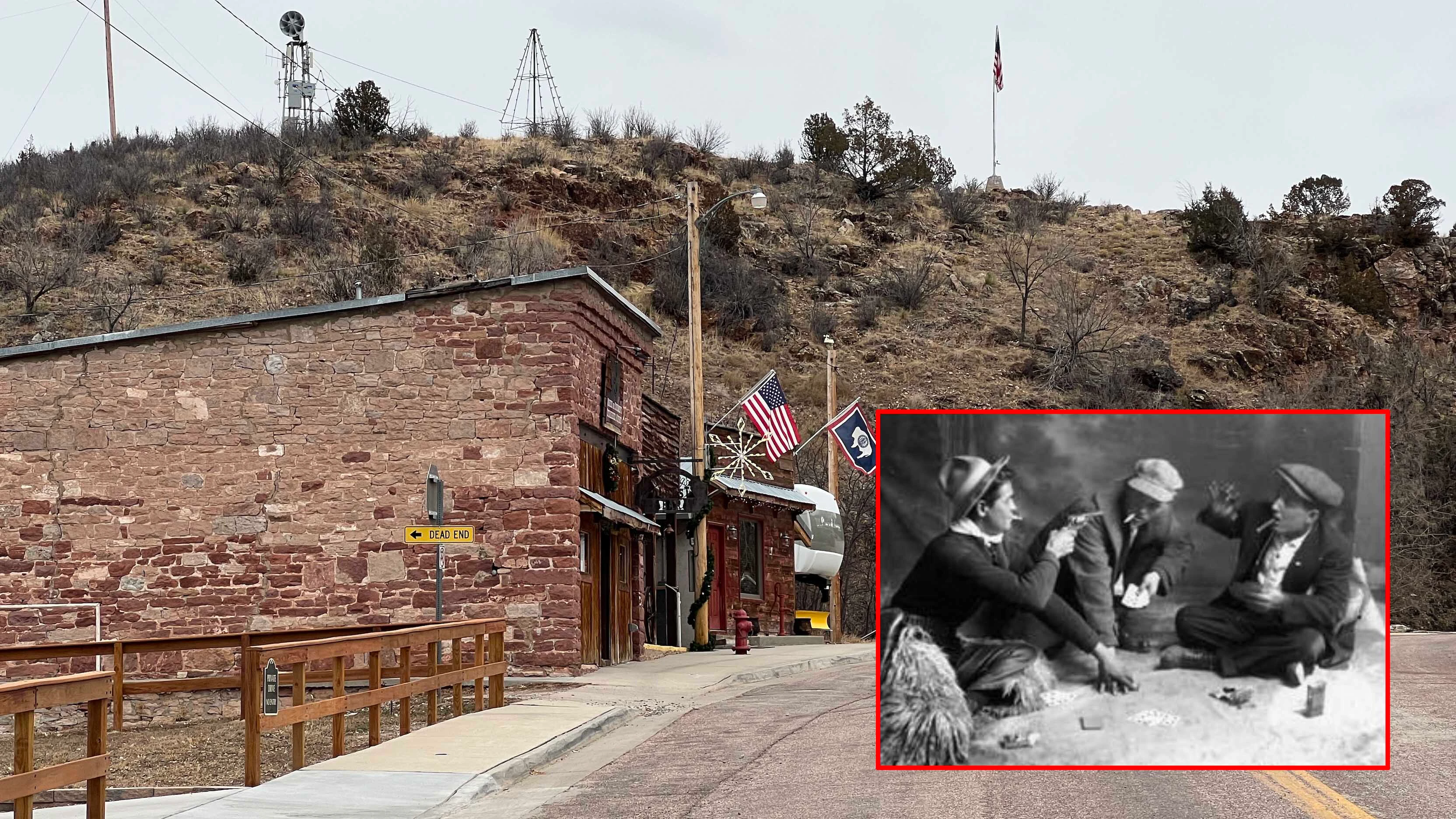
In the mining camp of Hartville and at a ranger station in Yellowstone National Park, men took the custom of sitting up all night next to a dead friend to the next level.
While playing poker and enjoying a shot of whiskey, they’d make sure the dead man was included as part of his wake.
Because burial often followed soon after death, some feared a person might be buried alive. Staying with the deceased overnight was one way to observe the body before burial.
In these true stories of Wyoming, certain men took their duty of watching over the dead a step further, holding a last game of poker for their deceased comrade.
The Gambler
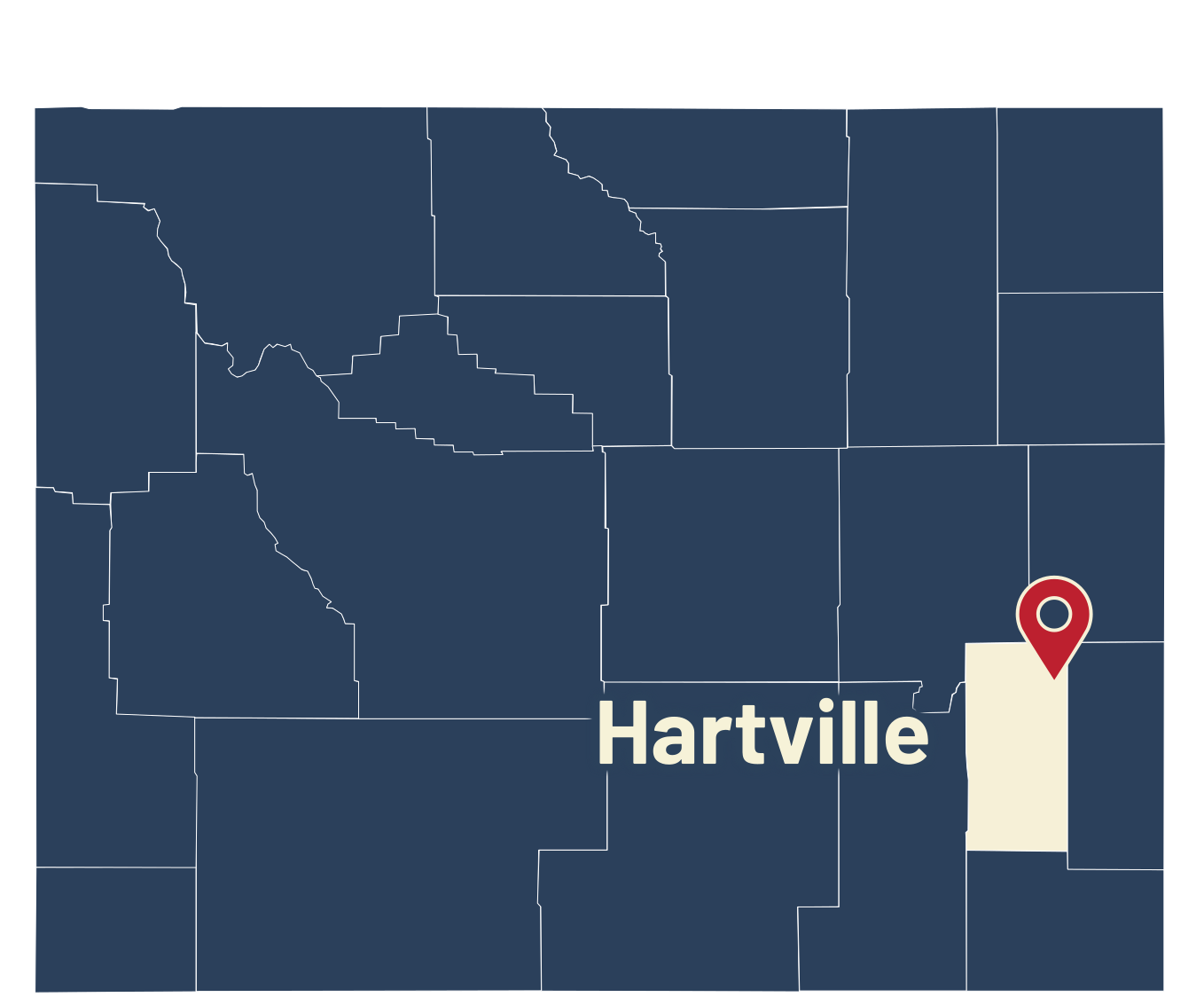
The rough mining town of Hartville became the scene of one of Wyoming’s strangest wakes in 1902.
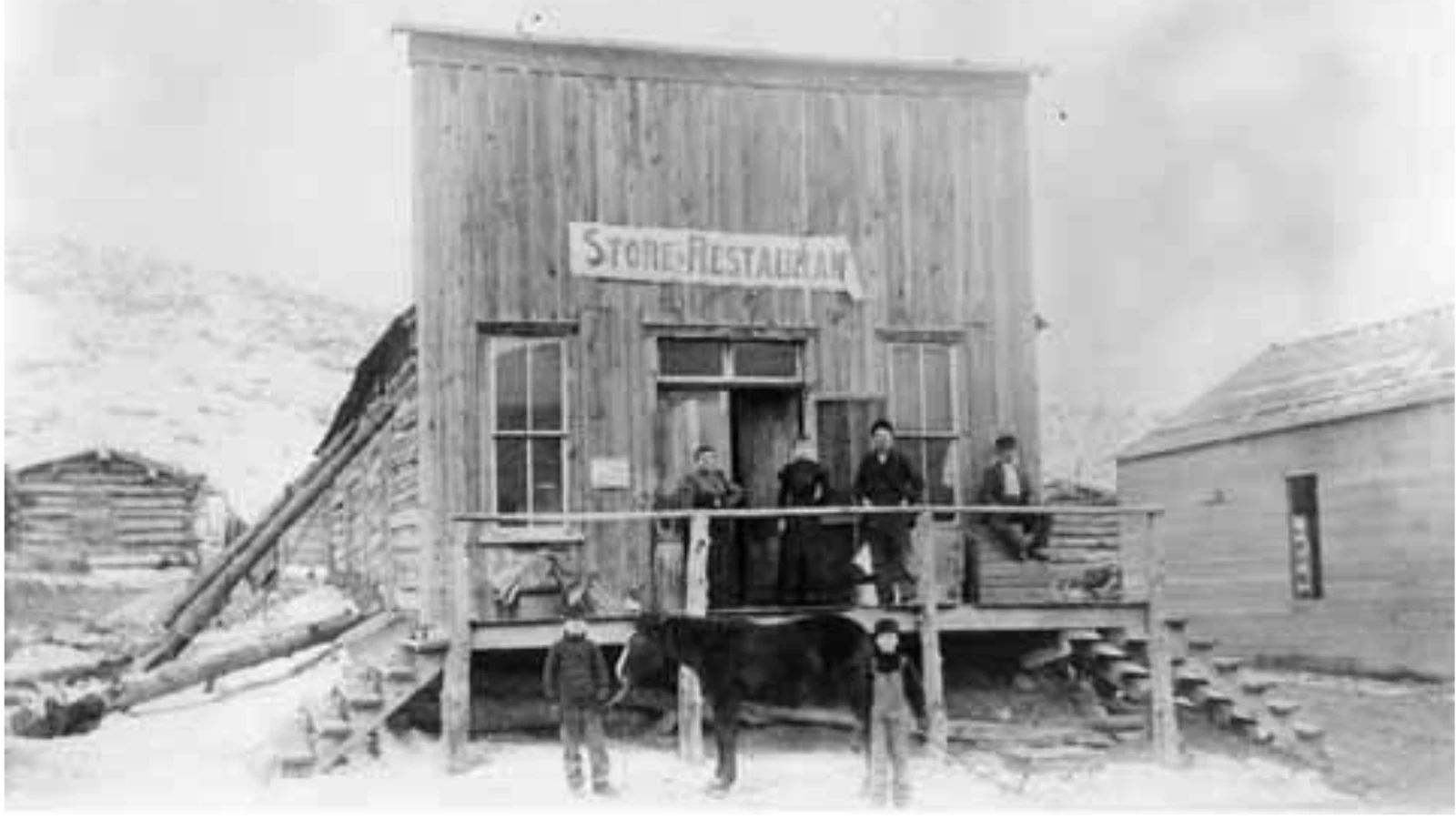
According to the Wyoming State Geological Survey, Hartville grew from a copper-mining camp in the late 1870s into a lively mining town near present-day Guernsey.
By 1900, “riotous” Hartville had nine saloons, with two dance halls nearing completion. Its population reportedly reached 776, including immigrants from Europe, the Middle East, and Japan. Gambling and prostitution were prominent businesses.
Alice C. Guyol of the 1930s Federal Writers' Project interviewed Hartville residents Jack Welsh, Dan Hauphoff, Mrs. N. Catlin and J. J. Covington, who recounted the tale of the strange wake.
The editors of “Wyoming Folklore: Reminiscences, Folktales, Beliefs, Customs, and Folk Speech,” which includes Guyol’s story, wrote that this wide-open camp had become a Mecca for an assortment of characters that have now almost entirely vanished from the American scene, including a number of tinhorn gamblers.
Among these was one known as the “White Swede.” He was not in fact a Swede but had a light complexion. Those who knew him said he had a dead white face that contrasted strongly with the sun-tanned visages of his associates.
One night, this man died suddenly from natural causes. Because there was no undertaker in the community, the corpse was laid out on a cot in his room.
Three of his gambler friends agreed to sit up through the night with the dead man.
They arrived at his room at dusk and made themselves and their deceased friend comfortable.
They moved a table beside the cot, raised the head of the corpse as high as they could, placed a cigar in his mouth, and placed a glass of whiskey on the table beside him with the bottle nearby.
Pulling up chairs, they started a poker game that was to last throughout the night.
News of the game spread throughout Hartville.
Other men dropped in to note the progress of the play.
The corpse was dealt a hand, which was played for him by the other gamblers. The game carried on until dawn, with drinking and laughter.
It was said at the time the corpse’s winnings in his last game were used to defray funeral expenses.
Every effort had been made by the authorities in the camp to locate close friends or relatives, but no one was ever found to claim the body.
He was buried in the old cemetery near Hartville.
The Soldier
Two years later, the same strange scene reportedly was played out again in Wyoming.
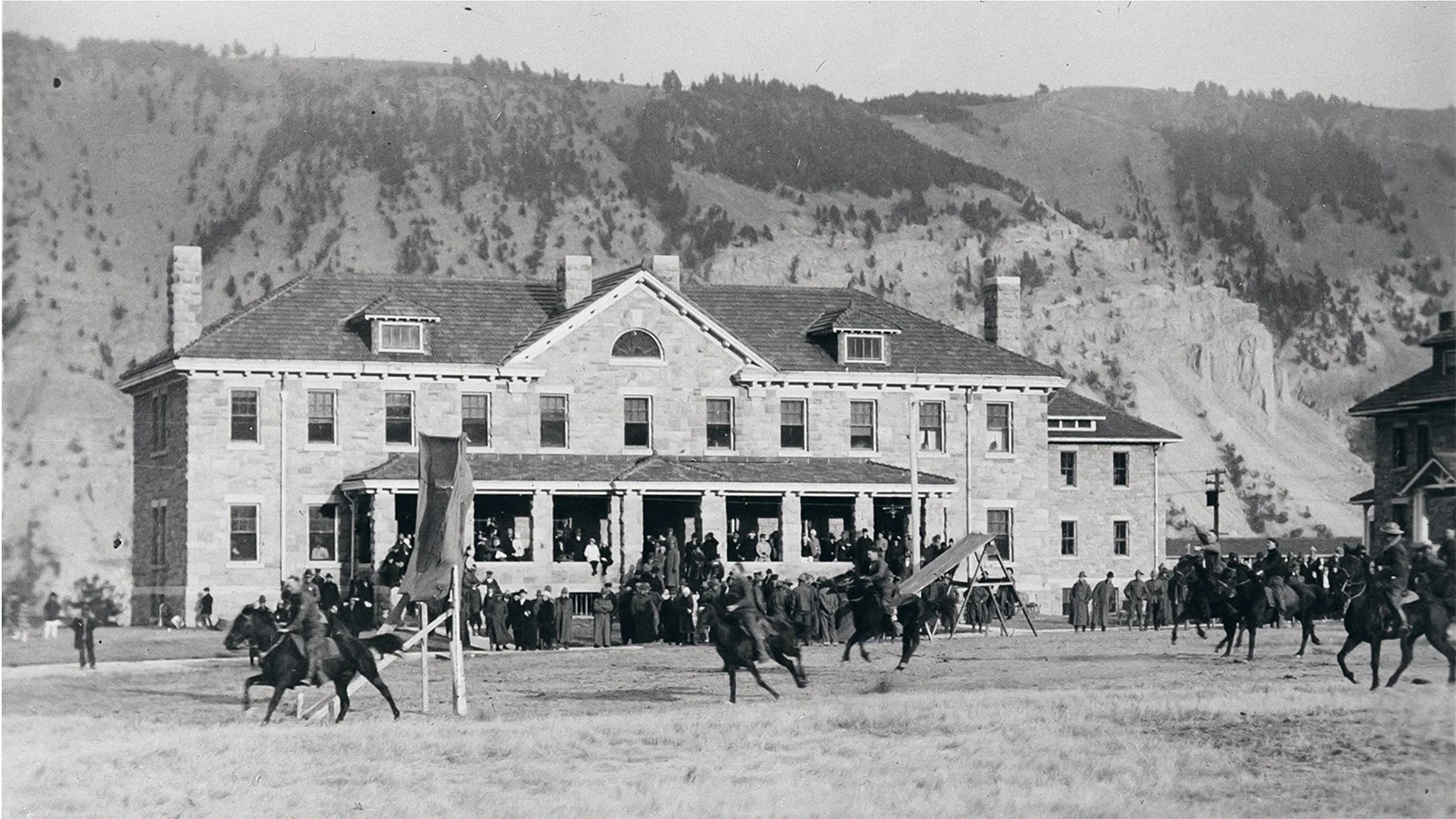
This time, it was at a ranger station in Yellowstone, and the poker players were soldiers. In 1886, to protect Yellowstone National Park from poachers, souvenir hunters and unlawful camps, troops from Company M, First U.S. Cavalry, arrived in the park.
Over the next 32 years, troops guarded the major attractions and evicted troublemakers. The cavalry patrolled the vast interior. Life could be dangerous and death was not unexpected.
Historian Aubrey Haines wrote about a macabre poker game in his second edition of “The Yellowstone Story”. Haines said scout Raymond G. Little told of helping to bury a soldier who died at the Snake River station.
Haines believed this man was Pvt. Richard R. Hurley, who is listed in the record of interments at Fort Yellowstone as dying on May 3, 1904, “at Thumb emergency cabin.”
“Hurley had not appeared to be dangerously ill, so his buddies left him well supplied with split wood and whatever else he might need and went on a routine patrol,” Haines wrote. “When they returned, they found him frozen to death in the kitchen where he had been trying to make a fire.”
Haines said the tale was usually related as occurring at Norris station, but old-timers such as Harry Liek, Scotty Bauman and Bill Wiggins all claimed that it happened at Snake River Station.
Wiggins told Haines the soldier’s body was brought back from the Snake River station, but the other soldiers only made it as far as the Fountain Ranger Station before night fell. They had just come back from West Yellowstone with a bottle of whiskey, so the guys got in a big poker game and played cards all night.
Liek, who was at the poker game said, “We better let ‘old Joe’ play a hand.”
Liek was referring to the dead soldier by a common nickname for soldiers. The other men agreed to let Hurley play.
So that Hurley could be part of the game, they stood him up by the window, which was on the south side of the building. During every round, a hand of poker was dealt to the dead man. They played poker until 10 the next morning, when the sun came out and Hurley started to thaw.
He began to “wiggle” and one account said that slowly his hand moved as if he was laying down his cards. After the soldiers recovered from their shock, Liek took charge.
“Wait a minute Joe, I’ll be right out and open her up,” Liek said. The thawed soldier was placed back in his coffin and his last poker game was over.
In his conclusion, Haines said the early scouts were a rough bunch, so he believed the poker game actually happened as his four eyewitnesses each claimed — bringing new meaning to the saying “the dead man’s hand. "
Contact Jackie Dorothy at jackie@cowboystatedaily.com

Jackie Dorothy can be reached at jackie@cowboystatedaily.com.


