
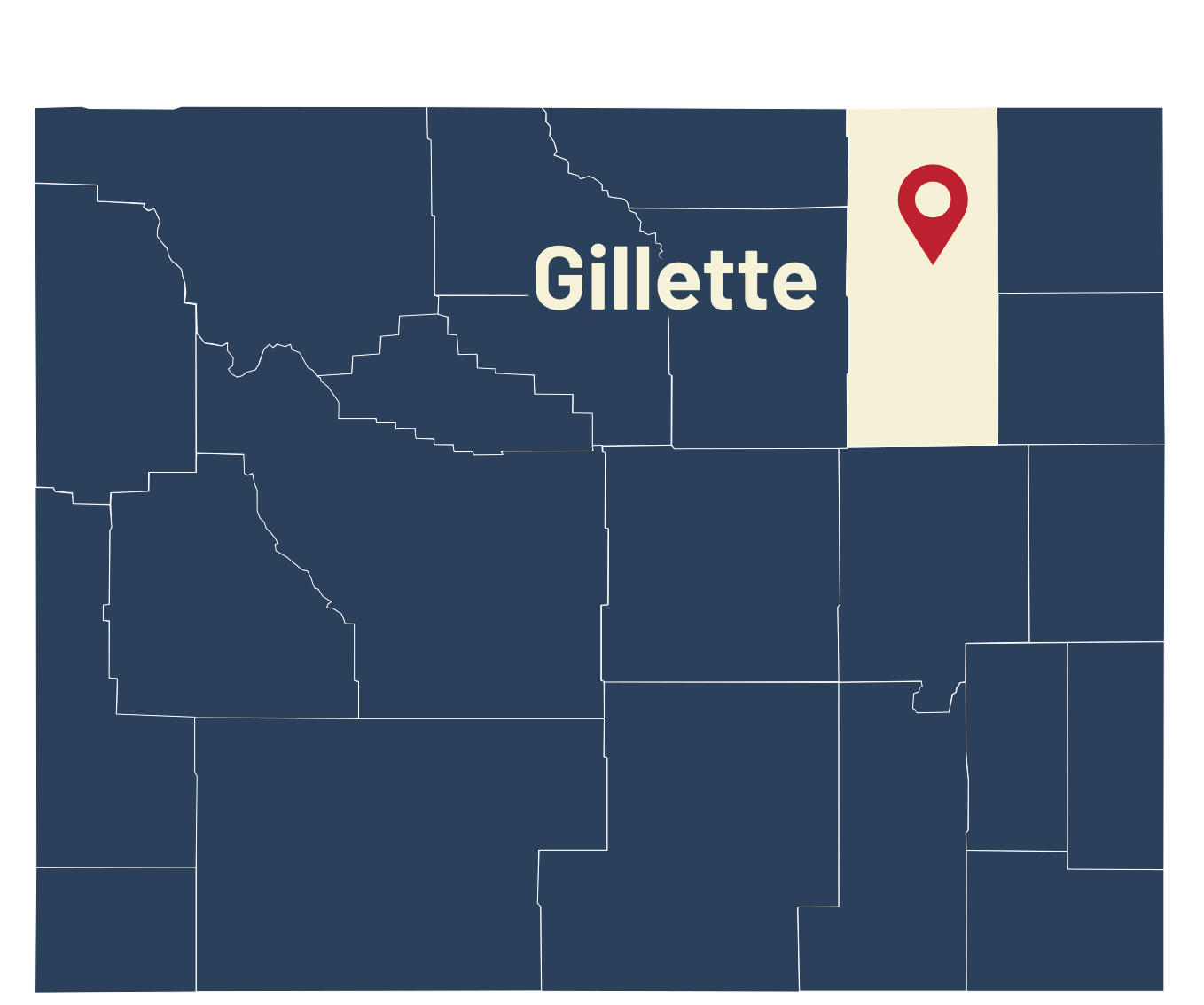
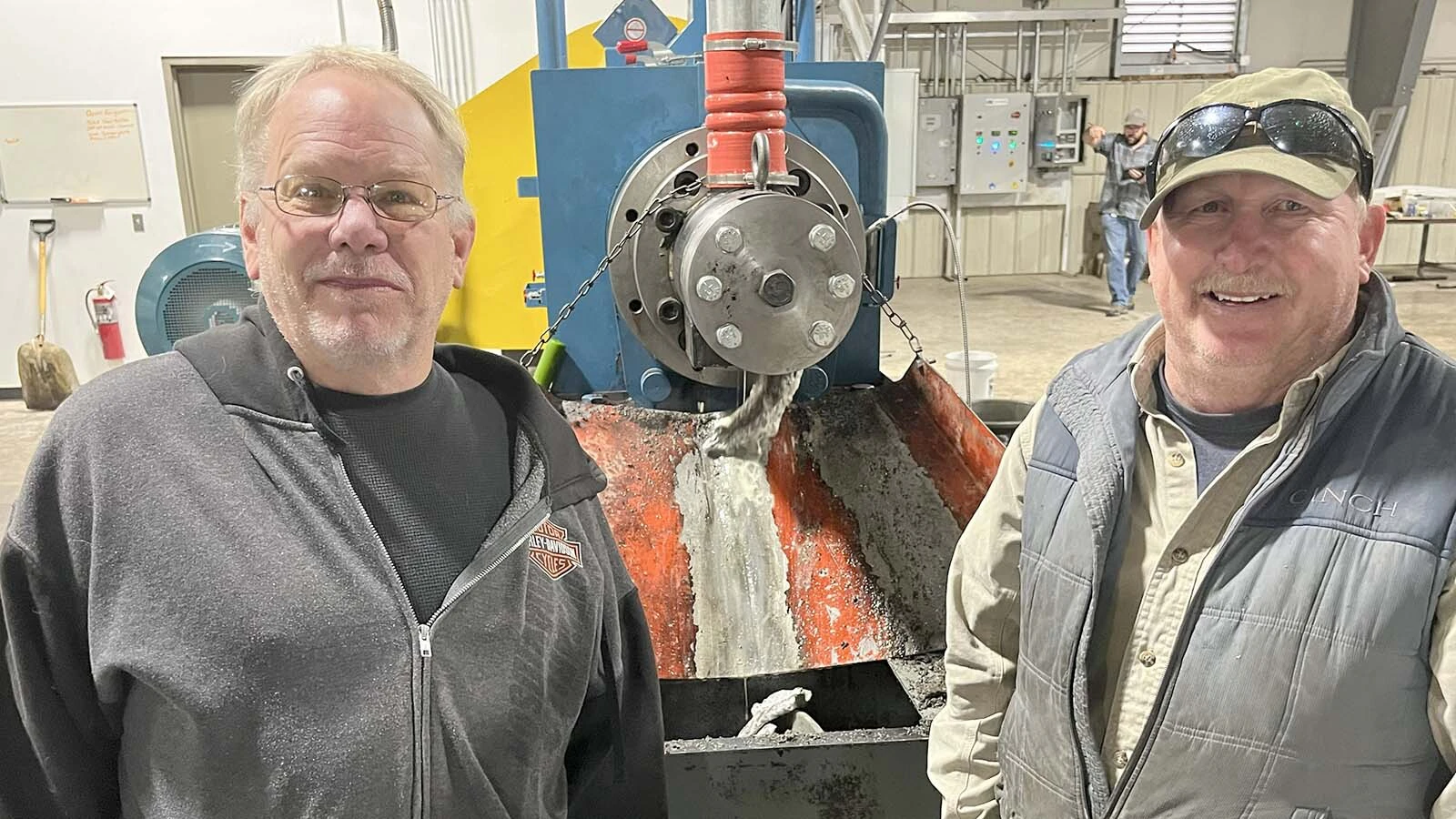
The brother and children of Gillette businessman Curt Hjorth, who died in February at age 62 of stress-induced bleeding ulcers, say the actions of the CEO and board of directors of CBH CO-OP — his business partner at the — deliberately bankrupted and ultimately killed him.
In litigation pending in November, the Hjorth family alleges it has documented proof that CBH CO-OP coordinated a sabotage campaign against Hjorth and his brother Joel Hjorth’s seed-oil plant, 307 Processing, of which it was a 50% partner.
That follows a lawsuit brought in January 2025 by CBH CO-OP claiming the Hjorth brothers defaulted on their contractual obligations, causing the business to fail.
“I’ve been around CBH CO-OP for many years,” the co-op's attorney, Chris Wages of Buffalo, told Cowboy State Daily. “It’s run by ranchers and farmers for the benefit of its patrons. They were not out to make a quick buck. They were not out to skin anybody.”
Curt and his brother Joel Hjorth had been in Gillette since their father, Marvin Hjorth, moved there in 1978 and founded Gillette Radiator. A handful of years ago, Curt and Joel inherited some idle seed-oil processing equipment in their shop after a tenant defaulted on a lease.
They reached out to Todd Reif for guidance. He’s the CEO of CBH CO-OP, a large member-owned agricultural cooperative formed eight years ago by a merger of Farmer’s CO-OP and CBH.
Headquartered in South Dakota, it owns a dozen retail stores, including six Cenex fuel stations across northeast Wyoming and western South Dakota.
Marketing Sunflower Seed Oil
According to pending litigation, Reif visited the Gillette site, developed financial models and evaluated equipment before actively encouraging Hjorths to go into the seed-oil business.
They launched 307 Processing LLC, and say they obtained a loan by presenting Reif’s letter promising that CBH CO-OP would work their seed oil into the renewable energy sector, help manufacture its meal byproduct into cake to be sold to CO-OP ranch patrons, and connect with Cenex for renewable fuel opportunities.
A 50/50 partnership was formed in late 2021, when CBH CO-OP bought half the business. Curt Hjorth put up as collateral his 12-acre residence in Story.
The 2023 Logistical and Marketing Agreement detailed that 307 Processing would produce all the seed oil and its meal byproduct, and CBH CO-OP would facilitate all sales and marketing.
By purchasing 100% of the product off the plant floor and reselling it, CBH CO-OP would keep 307 Processing in cash so the Hjorths could keep buying seed and meeting payroll.
The market for sunflower seed oil was expected to reach 735 million pounds that year. In the fall of 2023, according to the pending litigation, two trainloads of oil went to a California buyer and truckloads of meal were easily sold to area feedlots.
However, by January 2024, none of that was moving.
Reif and company told the Hjorths that CBH wasn’t selling the oil because it wasn’t certified.
But the Hjorths have a letter proving the business was FDA-approved and the oil certified. Upset by what he saw as a lack of marketing, Curt asked CBH to buy him out, but it refused to release the lien on his house.
According to documents, 307 Processing’s plant was shut down more than 165 days between 2023 and 2024. Hjorths say they were forced to quit producing because inventory wasn’t being sold per the partners’ LMA.
CBH CO-OP says the Hjorths weren’t supplying a marketable product. In March 2024, according to documents, Reif acknowledged in writing that lack of sales was creating operational problems.
By August, 307 Processing was in a financial hole.
“Me and Curt put all our personal cash into getting this going,” Joel Hjorth told Cowboy State Daily. “It was a great business, if CBH would have sold the product. That was the whole purpose of partnering with them – we didn’t know how to market seed oil.”
In the final months of 2024, the Hjorth family maintains, CBH CO-OP withheld $184,914 in scheduled payments to 307 Processing that Reif personally refused to authorize. Without cash flow, 307 Processing lost its seed supply. New equipment was on hold until spring 2025.
And by November, CBH CO-OP had cut off propane delivery due to being owed for that, forcing another shutdown.
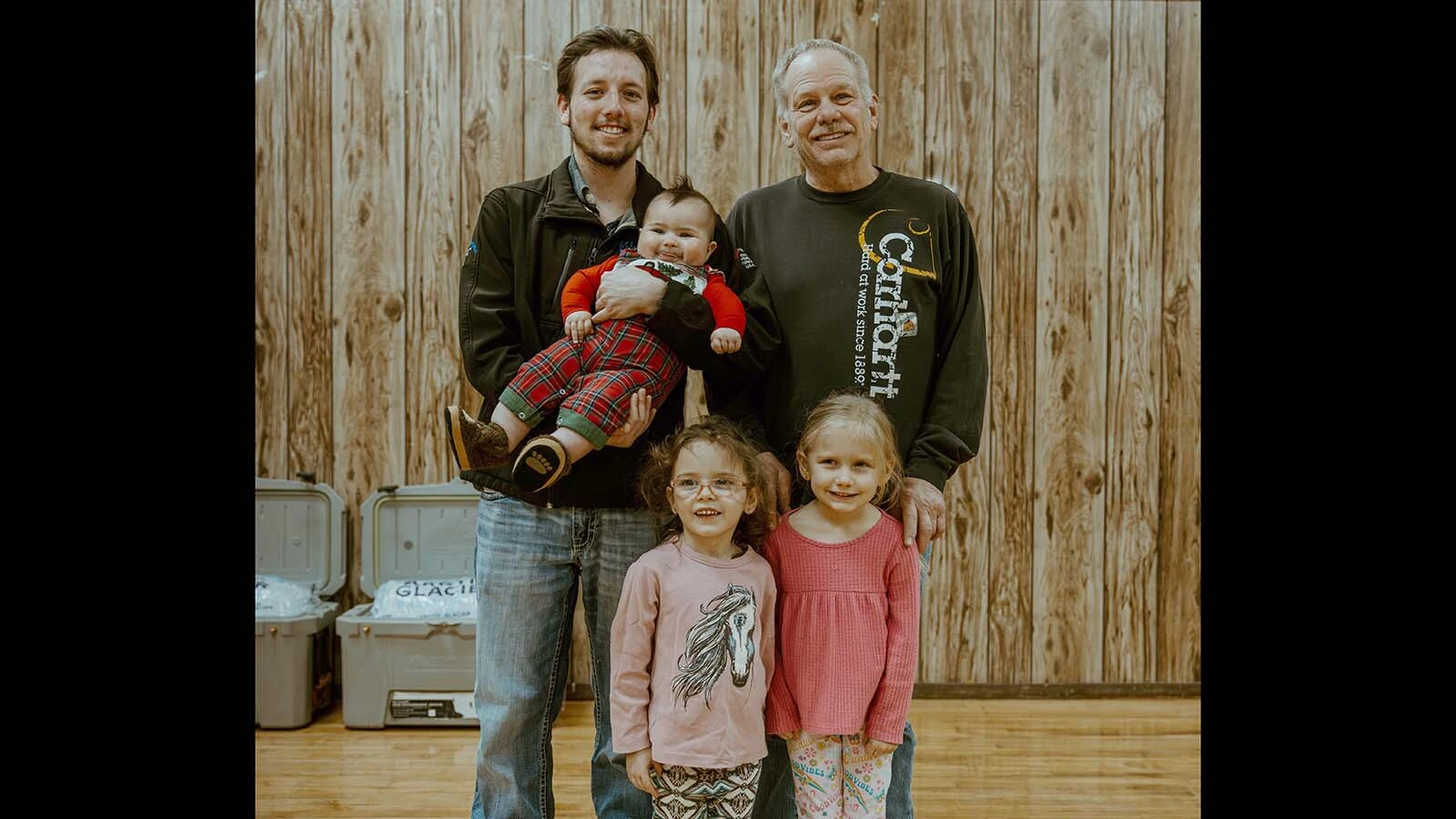
“Dad was saying, ‘I think they’re trying to bankrupt us,’ and we’d say, ‘No, they own half the company and that doesn’t make sense,’” recalled Curt’s daughter, Tasha Welsh.
Who's To Blame?
In November, a judge will help decide whether the financial trouble began with production or with marketing and sales.
“The oil was for human consumption, so it could have been very profitable,” Wages said. “If it all worked out, a lot of money could have been made. There are a lot of what-ifs. You can Monday-morning quarterback a lot of things, but everyone had the best of intentions.
"They all wanted it to be a profitable venture.”
Former CBH CO-OP board member Charlene Camblin said Hjorth was “volatile” and that his lack of expertise and problems with consistent production, plus lack of food-grade certification, is what caused 307 Processing’s financial insolvency.
She said CBH CO-OP tried many times to “work something out” with Hjorth, and was under the impression he had taken his life in February due to “losing his house.”
In the fall of 2024, according to pending litigation, Reif promoted a plan to accept Curt’s 25% of the business in the form of his Story house, and then resell the shares to Adams Group for a profit while becoming the majority owner and manager of 307 Processing.
It was the consensus of the CBH CO-OP board of directors, per the minutes of their meeting on Nov. 26, 2024, that if their offer wasn’t accepted by 307 Processing, they’d “push it into bankruptcy.”
“They legitimately caused the Hjorth brothers to go under,” said electrician Larry Mills, who along with the original equipment programmer says he is owed tens of thousands of dollars for work at the plant. “I don’t know if the board of directors truly grasped what went down.”
On Feb. 3, 2025, the initial case of CBH Cooperative, Inc. vs. Curtis Hjorth et al, for breach of contract was filed in Sheridan County, and Joel became worried about his brother.
“I told our attorney, ‘He’s been complaining about his stomach; I don’t know how much more of this he can take,’” said Joel. “He was under so much stress and worried about losing his cabin that he built with his own two hands.”
Broken Promises?
Since Curt Hjorth’s death on Feb. 20, the family’s countersuit rests on the premise that CBH CO-OP induced them into the business venture by promising markets it never developed, collected proceeds it refused to remit, withheld payments to destroy vendor relationships, cut propane to halt production, and used the financial crisis to acquire its partners’ equity at distressed prices and resell them immediately to a waiting buyer.
“The people on the board of that CO-OP don’t want locals to know how shady they are,” Welsh told Cowboy State Daily. “I remember my dad calling me and saying, ‘This is like Taylor Sheridan stuff.’ And when you read those meeting minutes, you realize it’s true.”
The cooperative maintains that it did not deliberately inflict financial and operational harm to force the Hjorths into an inequitable exit.
“When things go bad, it doesn’t happen all at once,” Wages said. “People put a lot of money into the venture and eventually all that’s left is everyone pointing fingers at each other over debts and lost capital. When you add emotions, this is a tough case. But a big, vast, conspiracy? There’s no there, there.”
Still, Welsh maintains that CBH CO-OP’s board of directors intended to bankrupt 307 Processing over months of meetings, utilizing specific strategies.
“These people need to be held accountable,” she said. “Nobody would believe my dad. We all thought he was crazy until we realized he wasn’t. It’s hard to wrap your head around. We’re just trying to get justice for my dad.”


